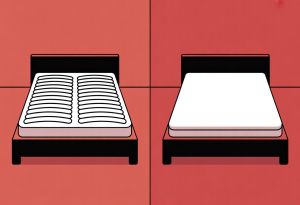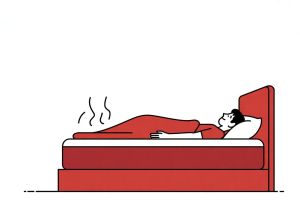

Choosing the right mattress firmness can make or break your sleep quality. Many people ask what firmness is recommended for side sleepers because this position creates unique pressure points. Without the right mattress for side sleepers, you might wake up with persistent aches, pains, or numbness.
Most side sleepers need a mattress firmness between 5 and 6 out of 10, which falls in the medium to medium-firm range. This level provides enough cushioning to let your shoulders and hips sink in while keeping your spine aligned. Your body weight also plays a role in finding the right firmness. Lighter sleepers often prefer softer mattresses around 4 out of 10, while heavier individuals may need something closer to 7 out of 10 for adequate support.
The wrong firmness can lead to poor sleep and chronic discomfort. A mattress that's too firm will push against your pressure points and throw your spine out of alignment. One that's too soft won't provide enough support, letting your body sink too far and creating strain. Understanding how firmness works with your sleeping position and body type helps you make a choice that supports better rest.
Key Takeaways
-
Side sleepers typically need a medium to medium-firm mattress between 5 and 6 out of 10 for proper pressure relief and spinal alignment
-
Your body weight changes your firmness needs, with lighter sleepers preferring softer options and heavier sleepers needing firmer support
-
Avoid firm mattresses rated 8 or higher as they create pressure points and misalign your spine when sleeping on your side
Why Firmness Matters for Side Sleepers
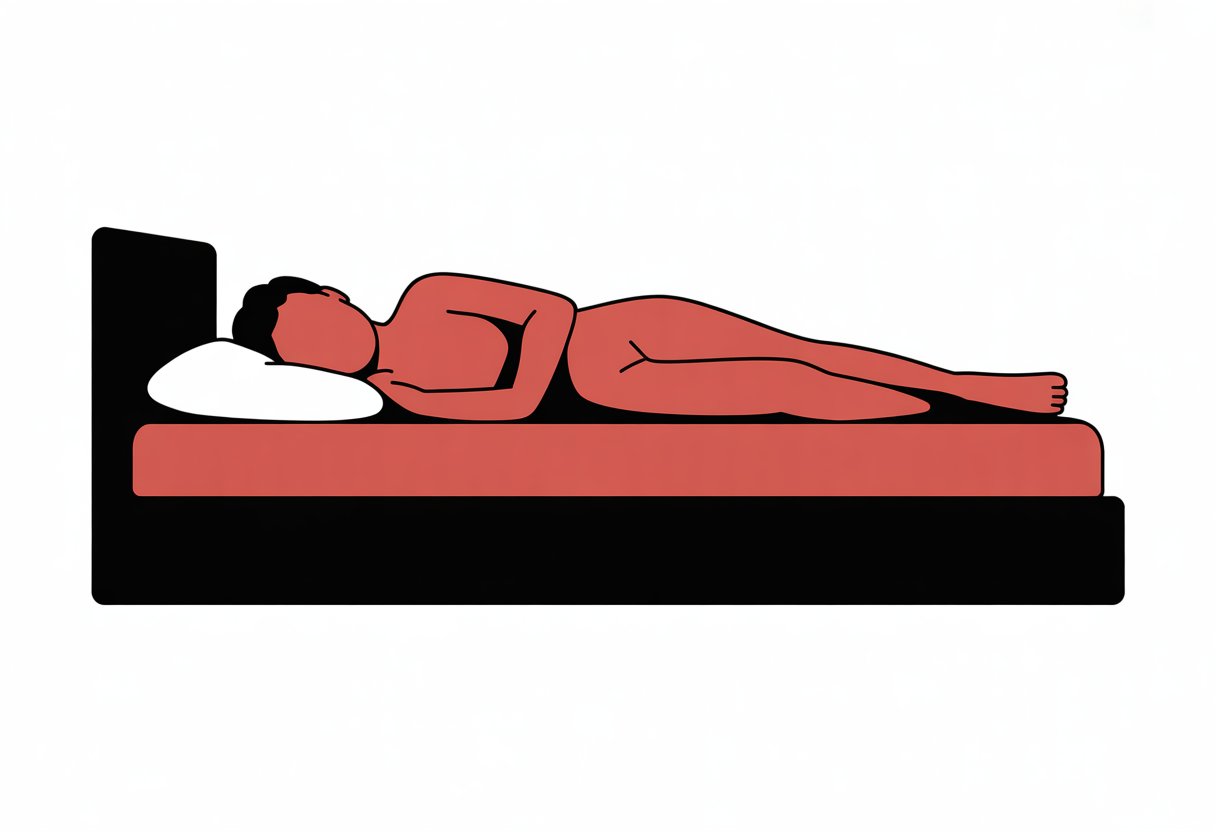
The firmness level of your mattress directly affects how well your body is supported. Finding the correct mattress firmness for side sleepers prevents pressure from building up during sleep. Getting the firmness wrong can lead to pain, poor sleep, and long-term alignment issues.
Pressure Points and Relief
Side sleeping places concentrated weight on your shoulders and hips. These areas bear most of your body weight when you lie on your side, creating natural pressure points that need proper cushioning.
A mattress that's too firm won't let these pressure points sink in enough. This creates uncomfortable pressure buildup that can lead to shoulder pain and hip discomfort. Your body needs the mattress surface to contour around these bony areas.
Side sleepers should avoid firm and extra firm mattresses because these firmness levels push against your pressure points rather than cushioning them. A slightly softer surface allows your shoulders and hips to sink in just enough to distribute your weight more evenly. This reduces the concentrated pressure and helps you wake up without soreness.
Spinal Alignment Considerations
Your spine needs to stay in a neutral position while you sleep on your side. This means your spine should form a straight line from your neck to your tailbone, without curves or bends.
A mattress with the right firmness level supports this alignment by letting your heavier parts sink in while keeping your waist lifted. If the mattress is too soft, your hips drop too low and your spine curves downward. If it's too firm, your shoulders and hips stay elevated and your spine bends the opposite way.
The ideal firmness creates balance. Your shoulders and hips get enough cushioning to sink in, but the mattress still provides enough support underneath to prevent excessive sinking.
Common Problems With Incorrect Firmness
Too Firm:
-
Shoulder pain from inadequate cushioning
-
Hip discomfort and stiffness
-
Reduced pressure relief at key contact points
-
Poor sleep quality from tossing and turning
Too Soft:
-
Lower back pain from sagging
-
Misaligned spine throughout the night
-
Difficulty changing positions
-
Feeling stuck or trapped in the mattress
Most side sleepers do best with a firmness level slightly below medium-firm on a standard scale. Your body weight also plays a role—heavier sleepers typically need slightly firmer surfaces to prevent excessive sinking.
Ideal Mattress Firmness Range for Side Sleepers
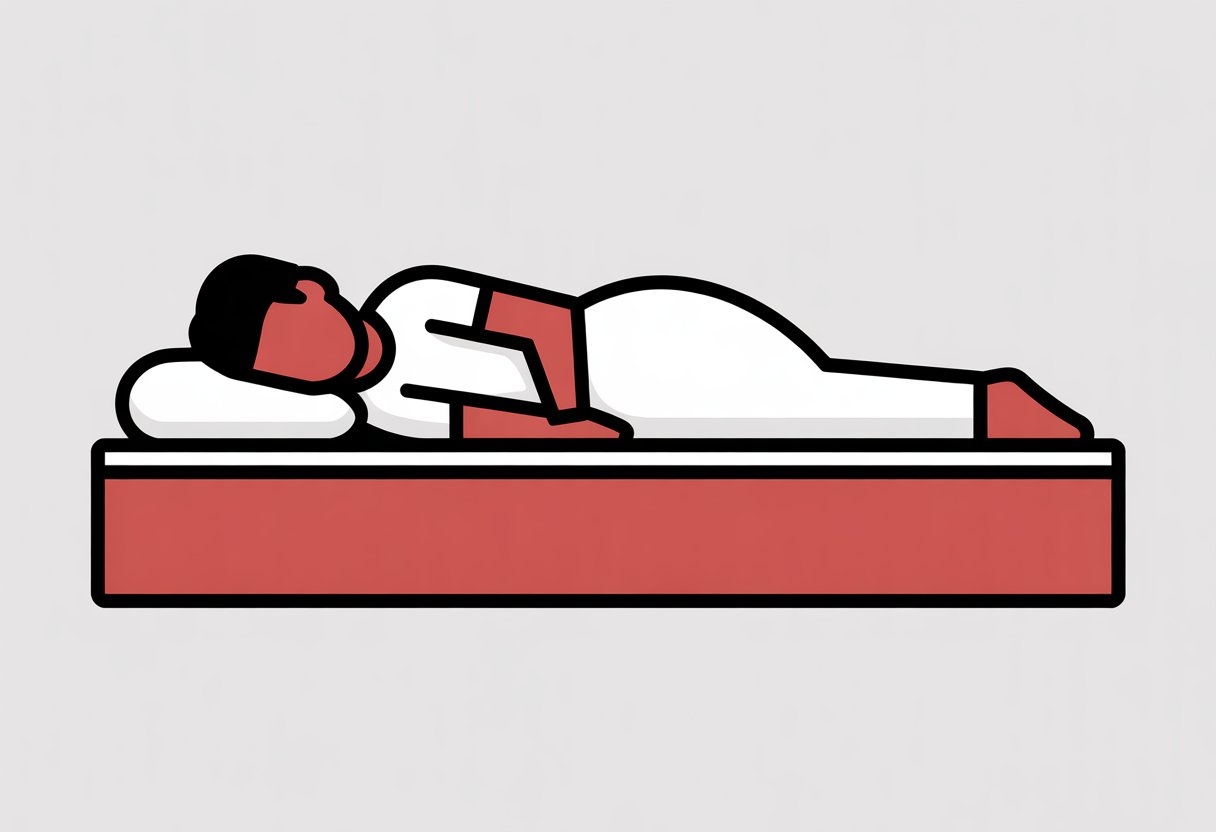
Side sleepers typically need a mattress between 4 and 6 on the firmness scale, which falls in the medium-soft to medium-firm range. This firmness level allows your shoulders and hips to sink in enough to keep your spine aligned while still providing support.
Understanding the Firmness Scale
The mattress firmness scale runs from 1 to 10, where 1 is the softest and 10 is the firmest. Most mattress companies use these firmness ratings to help consumers compare different models.
A rating of 3 to 3.5 is considered extra soft. Ratings of 4 to 4.5 fall into the soft category. Medium mattresses score around 5, while medium-firm options rate at 6. Anything above 7 is considered firm or extra firm.
Your body weight affects how firm a mattress feels to you. A person who weighs 55 kg will sink less into a mattress than someone who weighs 100 kg. This means the same mattress can feel firmer to lighter sleepers and softer to heavier ones.
Medium-Soft to Medium-Firm Options
Most side sleepers need a mattress firmness between 5 and 6, which provides the right balance of comfort and support. A medium-soft mattress (4 to 4.5) works well for lighter-weight side sleepers, especially those under 60 kg.
Medium-firm options at 6 out of 10 suit the majority of side sleepers. This firmness level lets your pressure points sink in while keeping your spine straight.
Heavier side sleepers over 100 kg sometimes prefer a slightly firmer feel at 7 to 7.5. The extra firmness helps support more body weight and prevents excessive sinking that can throw your spine out of alignment.
Firmness by Body Weight:
-
Under 60 kg: 4-5 (soft to medium)
-
60-100 kg: 5-6 (medium to medium-firm)
-
Over 100 kg: 6-7 (medium-firm to slightly firm)
Why Overly Firm or Soft Mattresses Don't Work
Firm mattresses rated 8 or higher push against your shoulders and hips instead of letting them sink in. This creates pressure points and forces your spine into an unnatural position. Your body has to work harder throughout the night to find a comfortable position.
Extra soft mattresses below 3 on the firmness scale create the opposite problem. Your body sinks too far into the mattress, which lets your spine sag in the middle. This lack of support can cause lower back pain over time.
When a mattress is too firm, you'll feel pressure building up at your shoulder and hip. Side sleepers should avoid firm mattresses because they don't allow enough contouring for proper spinal alignment. Too soft, and you'll notice your midsection dipping lower than your shoulders and hips.
How Body Weight Influences Mattress Firmness Needs
Your body weight directly affects how much you sink into a mattress, making it a crucial factor when choosing the right firmness level. Heavier sleepers need firmer support to prevent excessive sinkage, while lighter sleepers often require softer surfaces to achieve proper pressure relief.
Firmness for Lightweight Side Sleepers
If you weigh under 130 pounds, you'll likely find that firmer mattresses don't provide enough cushioning for your pressure points. Your lighter frame won't compress the mattress layers as much as heavier sleepers, which means you need a softer surface to allow your shoulders and hips to sink in properly.
A medium-soft mattress typically works best for lightweight side sleepers, falling between 3-5 on the firmness scale. This softer range lets your body contour into the mattress without creating uncomfortable pressure on your joints. You might even prefer mattresses on the softer end of this range if you have particularly bony shoulders or hips.
The challenge with firmer mattresses is that they'll feel almost rigid under your lighter weight. Your shoulders and hips won't sink enough, which forces your spine into an unnatural alignment. This creates pressure buildup at your contact points and can lead to numbness or pain during the night.
Adjusting for Average-Weight Individuals
Those who weigh between 130-230 pounds have the most flexibility when choosing mattress firmness. Your weight allows you to compress most mattress types effectively, giving you access to the full comfort and support layers.
For side sleeping at an average weight, most people benefit from a medium to medium-soft mattress rated between 4-6 on the firmness scale. A medium mattress (around 5-6) provides balanced support while still cushioning your shoulders and hips adequately. If you're on the lighter end of this weight range, lean towards the softer side of medium. If you're approaching 230 pounds, consider firmer medium options.
Your ideal firmness also depends on where you carry most of your weight. If you have broader shoulders or wider hips, you may need slightly softer surfaces in those areas to prevent pressure buildup.
Firmness Recommendations for Heavier Sleepers
When you weigh over 230 pounds, softer mattresses often lead to excessive sinkage that misaligns your spine. Your body compresses mattress layers more deeply than lighter sleepers, which means you need firmer support to maintain proper positioning.
Medium-firm mattresses rated 6-7 work best for most heavier side sleepers. This firmness level provides enough support to prevent your hips from sinking too far while still offering some cushioning for your shoulders. Some heavier individuals may even need firm mattresses (7-8) to avoid bottoming out, especially if they weigh over 250 pounds.
The key is finding enough support to keep your spine aligned without creating hard pressure points. Chiropractors recommend a medium-firm mattress for most body weights to minimise pressure on the spine. Pay attention to the mattress construction as well—thicker comfort layers help provide surface cushioning even when the overall support system remains firm.
Best Mattress Types and Materials for Side Sleepers
Different mattress materials provide unique combinations of pressure relief and support that affect how well your spine stays aligned. Memory foam excels at contouring to your body shape, hybrids blend multiple technologies for balanced performance, and innerspring options offer traditional support with varying comfort layers.
Memory Foam and Memory Foam Mattresses
Memory foam mattresses work by responding to your body heat and weight to create a custom fit around your shoulders and hips. This material distributes pressure evenly across the surface, which helps reduce the stress on these key areas where side sleepers carry most of their weight.
High-density foam provides better durability and support than lower-density options. Look for foam with a density of at least 1.8 pounds per cubic foot in the comfort layers. Higher density means the foam will maintain its shape longer and won't develop body impressions as quickly.
Memory foam also delivers excellent motion isolation, meaning you won't feel your partner moving during the night. The material absorbs movement rather than transferring it across the bed. Some memory foam mattresses include zoned support, with firmer foam under your hips and softer foam under your shoulders to maintain proper spinal alignment.
Benefits of Hybrid Mattresses
Hybrid mattresses combine foam comfort layers with a coil support system underneath. Often considered the best mattress for side sleepers, these beds provide responsive support while cushioning your pressure points.
The individually wrapped coils in most hybrid mattresses move independently, which improves both motion isolation and contouring. Air flows more freely through coil systems than solid foam, keeping you cooler throughout the night. This makes hybrids a good choice if you tend to sleep hot.
Key advantages of hybrids for side sleepers:
-
Better edge support than all-foam options
-
More responsive feel for easier position changes
-
Enhanced airflow for temperature regulation
-
Balanced pressure relief with supportive foundation
Most hybrids designed for side sleepers feature thicker comfort layers (3-5 inches) to provide adequate cushioning before you reach the firmer coil layer.
Innerspring and Foam Mattress Considerations
A traditional innerspring mattress uses a connected coil system with padding on top. While many innerspring mattresses feel firmer and offer more bounce than memory foam, they require thick comfort layers to prevent pressure buildup on your shoulders and hips.
Pure foam mattresses stack different foam layers without any coils. Beyond memory foam, these may include latex foam or polyfoam layers. All-foam constructions provide deep contouring but may feel less responsive when you change positions. They work well if you want maximum pressure relief and don't mind a "hugging" sensation. Consider the total thickness—thicker mattresses generally offer better support for side sleepers who need more cushioning depth.
Other Key Factors for Side Sleeper Comfort
Beyond firmness, side sleepers need to consider how well their mattress manages heat, provides lasting support, and works with proper accessories. These elements work together to maintain spinal alignment and prevent discomfort throughout the night.
Temperature Regulation and Cooling Features
Your body temperature drops naturally during sleep, but a mattress that traps heat can disrupt this process. Side sleepers often experience more pressure points than back or stomach sleepers, which can increase body heat in concentrated areas like your hips and shoulders.
Look for mattresses with breathable materials that allow air to circulate. Coil-based mattresses typically offer better airflow than all-foam options. Some mattresses include cooling gel layers or phase-change materials designed to absorb and dissipate body heat.
The cover material matters too. Natural fibres like cotton or wool wick moisture away from your body better than synthetic materials. If you tend to sleep hot, temperature regulation features become even more critical for comfortable sleep.
Role of Mattress Support and Durability
Mattress support differs from surface comfort. A durable mattress maintains proper spinal alignment year after year without sagging in high-pressure areas. Side sleepers need a mattress that keeps your spine straight from your neck to your tailbone.
Quality construction extends mattress lifespan. Look for high-density foams, reinforced edges, and thick comfort layers that won't compress prematurely. A thicker comfort layer (around 5 inches) helps distribute your weight more evenly when you're on your side.
Zoned support systems provide firmer support under your hips while allowing softer cushioning for your shoulders. This targeted approach helps maintain neutral alignment. Finding the right mattress means considering both immediate comfort and long-term performance, as a mattress that feels good initially but sags within two years won't serve you well.
Accessories: Pillows and Knee Pillows
Your mattress works best when paired with proper accessories. A pillow that's too thin lets your head drop, while an overly thick pillow pushes your neck upward. Both positions strain your cervical spine. Your pillow should fill the gap between your mattress and head, keeping your neck aligned with your spine.
A knee pillow placed between your legs prevents your top leg from pulling your spine out of alignment. This simple accessory reduces hip and lower back pressure significantly. Side sleepers who wake with hip pain often find relief by using a knee pillow.
The right combination of mattress firmness, supportive pillows, and proper leg positioning creates optimal sleeping conditions. These accessories complement your mattress rather than compensate for its shortcomings.
Adapting Mattress Choices for Combination and Non-Side Sleepers
Not everyone stays in one position all night, and different sleeping positions require different levels of support. Combination sleepers need a balance of comfort and support across multiple positions, while back and stomach sleepers benefit from firmer surfaces that prevent excessive sinking.
Considerations for Combination Sleepers
Combination sleepers change positions throughout the night, which means they need a mattress that works well in multiple sleeping positions. A medium firmness level provides enough support to keep your spine aligned while still offering pressure relief when you roll onto your side.
If you spend equal time on your side and stomach, you'll need to find a middle ground. The mattress should be soft enough to cushion your shoulders and hips when you're on your side, but firm enough to support your midsection when you're on your stomach.
Look for a mattress with responsive materials that make it easier to change positions. Memory foam can be too slow to respond, which makes it harder to move around during the night. Hybrid mattresses often work well because they combine contouring comfort with the responsiveness of coils.
Your body weight also affects which firmness works best. Heavier combination sleepers typically need a firmer mattress to prevent sinking too deeply, whilst lighter sleepers can choose something softer.
Differences for Back and Stomach Sleepers
Back and stomach sleepers need firmer mattresses than side sleepers to maintain proper spinal alignment. Back sleepers typically do best with a medium to medium-firm mattress that supports the natural curve of the spine without letting the hips sink too far.
Stomach sleepers require the firmest mattresses of any sleeping position. When you sleep on your stomach, your midsection is the heaviest part of your body. If the mattress is too soft, your hips will sink down and create an unnatural arch in your lower back.
Key firmness recommendations by position:
-
Back sleepers: Medium to medium-firm (5-7 out of 10)
-
Stomach sleepers: Firm (7-9 out of 10)
-
Combination sleepers: Medium (5-6 out of 10)
The main challenge for non-side sleepers is preventing their body from sinking into uncomfortable positions. A firmer surface keeps your spine straighter and reduces pressure on your lower back and neck.
Frequently Asked Questions
Side sleepers need medium to medium-soft firmness levels that allow shoulders and hips to sink in while maintaining spinal alignment. Body weight and mattress materials also play important roles in finding the right comfort level.
What type of mattress provides the best support for side sleepers?
You need a mattress that balances pressure relief with proper support. Memory foam, latex, and hybrid mattresses work well for side sleepers because they contour to your body shape.
The key is finding a mattress that cushions your shoulders and hips while keeping your spine straight. When you sleep on your side, these pressure points need extra cushioning to prevent soreness.
How does mattress firmness impact pressure point relief for those who sleep on their side?
A softer mattress allows your shoulders and hips to sink in, which reduces pressure buildup at these points. If your mattress is too firm, these areas stay elevated and can cause pain.
Medium to medium-soft firmness provides the best pressure relief for most side sleepers. This firmness level lets your body sink just enough to maintain natural alignment.
Can the wrong mattress firmness cause discomfort for side sleepers?
Yes, sleeping on the wrong firmness can lead to shoulder pain, hip soreness, and lower back strain. A mattress that's too firm prevents proper contouring and creates pressure points.
A mattress that's too soft can also cause problems. Your body may sink too far, which throws your spine out of alignment and causes back pain.
What should side sleepers look for when choosing a new mattress?
Look for enough cushioning at the shoulders and hips so these areas can sink into the mattress. You also need support that keeps your spine in a neutral position.
Test the mattress in a side-sleeping position if possible. Your spine should form a straight line from your neck to your lower back. If you share your bed, a medium-firm option around 6.5 on the firmness scale often works as a good compromise.
How does body weight influence the ideal mattress firmness for side sleepers?
Your body weight affects how much you sink into a mattress. If you weigh less, you need a softer mattress because you won't compress it as much.
Heavier individuals need slightly firmer mattresses to prevent excessive sinking. A medium-firm mattress often provides better support for those with higher body weights while still offering pressure relief.
Are there specific mattress materials that are more suitable for side sleeping positions?
Memory foam excels at contouring to your body and relieving pressure points. It moulds around your shoulders and hips to provide targeted cushioning.
Latex offers similar contouring with more bounce and temperature regulation. Hybrid mattresses combine foam or latex comfort layers with coil support systems, giving you both pressure relief and responsiveness.
Each material has benefits depending on your preferences for feel, temperature regulation, and how easily you can move on the mattress.