

















If you've ever woken up sweating in the middle of the night, you've probably wondered do cooling mattresses actually work. The short answer is yes, but how well they work depends on the type of cooling technology they use and your specific sleep needs. Active cooling systems that use water or air circulation provide the most consistent temperature control throughout the night, while passive cooling materials like gel-infused foam offer a cooler initial feel that fades as the materials warm up.
Your body temperature naturally drops when you sleep, and this cooling process helps you fall asleep faster and stay in deeper sleep stages. When your mattress traps heat or your bedroom is too warm, it disrupts this natural cycle. This is common with a standard memory foam mattress, which can retain heat. Cooling mattresses help maintain stable body temperature during hot nights, which can lead to better overall sleep quality.
The effectiveness of cooling mattresses varies widely. Active cooling systems improve sleep quality and reduce nighttime awakenings, especially for hot sleepers and people experiencing night sweats. Understanding the difference between active and passive cooling technologies will help you decide whether investing in a cooling mattress makes sense for your situation.
Key Takeaways
Active cooling mattresses work better than passive options because they continuously remove heat rather than just absorbing it temporarily
Hot sleepers, people with night sweats, and those in warm climates benefit most from cooling mattress technology
Simple changes like lowering your bedroom temperature and using breathable bedding can improve sleep without buying a new mattress
How Cooling Mattresses Work
Cooling mattresses use specific materials and designs to either pull heat away from your body or prevent heat from building up in the first place. The effectiveness depends on whether the mattress uses active cooling systems or passive temperature control methods.
Active Versus Passive Cooling Technologies
Active cooling systems use mechanical parts to move heat away from your body. Sleep Number beds include a fan inside the mattress that works with special foam layers to actively pull heat away while you sleep. These systems require power and continuously work to regulate your sleep temperature throughout the night.
Passive cooling relies on materials that naturally manage heat without electricity. Phase-change materials absorb body heat and change their physical state to draw warmth away from your skin. Gel-infused foams, copper-infused materials, and graphite layers also passively absorb and disperse heat across the mattress surface.
Most cooling mattresses use passive methods because they cost less and require no maintenance. However, these materials have limits. They work best at the start of the night but may lose effectiveness after your body heat saturates the cooling layers.
Airflow and Mattress Structure
Good airflow prevents heat from getting trapped inside your mattress. Open-cell foam contains tiny air pockets that let air move through the material more easily than traditional dense foam. Latex foam with perforations creates channels for air circulation throughout the mattress layers.
The mattress structure affects how well air flows through it. When you shift positions at night, breathable foam pushes warm air out and draws cooler air in. Coil systems in hybrid mattresses create natural air gaps that promote better ventilation than all-foam designs.
Cover fabrics also play a role in airflow. Moisture-wicking covers pull sweat away from your skin, though this alone won't make a mattress truly cooling.
Role of Temperature Regulation in Sleep Quality
Your body temperature naturally drops when you fall asleep and stays lower throughout the night. When your mattress traps heat, it fights against this natural cooling process and disrupts your sleep cycle.
Poor temperature regulation causes you to wake up more often during the night. You might toss and turn trying to find a cool spot on your mattress. Excessive heat also triggers more sweating, which creates discomfort and moisture buildup.
A mattress that maintains a balanced sleep temperature helps you fall asleep faster and stay asleep longer. The goal isn't to make you cold but to prevent your body heat from building up to uncomfortable levels. Your ideal sleep temperature varies based on personal preference, but most people sleep best in slightly cool conditions.
Key Cooling Mattress Materials and Technologies
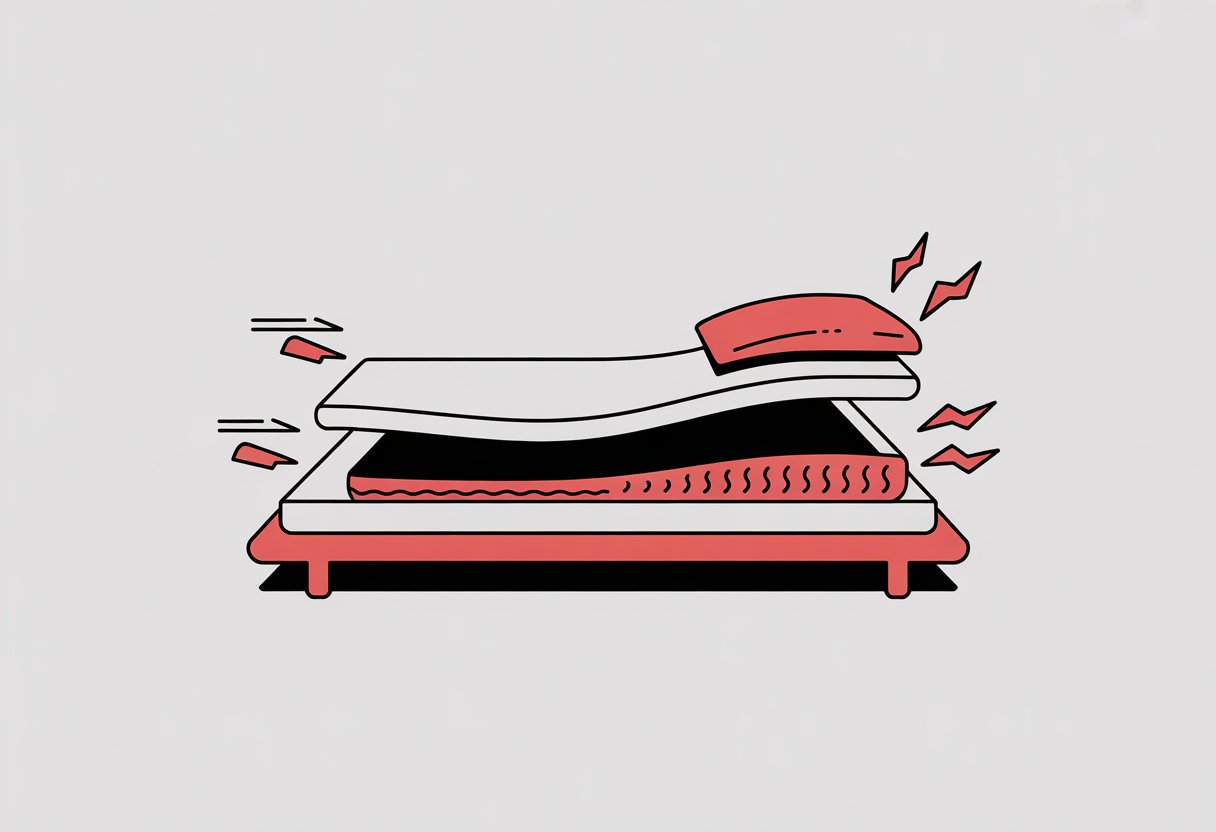
Different materials work in different ways to manage heat, and some deliver better results than others. The most effective cooling technologies actively pull heat away from your body, while others simply prevent heat buildup. Many modern beds use gel foam to help manage surface heat.
Phase-Change Materials and Their Effectiveness
Phase-change materials represent one of the most effective cooling technologies available in mattresses today. These materials absorb your body heat and physically change state to dissipate that warmth.
When you lie down, phase change materials pull thermal energy away from your skin. The material transitions from solid to liquid at specific temperatures, which creates a cooling sensation. This process continues throughout the night as the material cycles between states.
Phase-change materials work better than standard gel-infused foam because they actively manage temperature rather than just slow down heat retention. You'll feel an immediate cooling effect when you first make contact with the mattress surface.
The technology maintains its effectiveness over time without degrading like some gel infusions can. However, phase-change materials cost more to manufacture, which increases the overall price of the mattress.
Gel-Infused Memory Foam and Alternatives
Gel-infused memory foam contains tiny gel beads mixed throughout the foam structure. These beads absorb and disperse heat away from concentrated areas of your body.
Memory foam cooling mattress options often include gel memory foam as their primary temperature-regulating feature. The gel helps conduct heat away from pressure points faster than traditional memory foam. Standard memory foam traps heat because of its dense cellular structure, but gel foam improves heat transfer.
The main limitation is that gel-infused memory foam only regulates temperature rather than actively cooling you. Over several hours, the gel can become saturated with heat and lose effectiveness.
Alternative infused foams include:
Copper-infused foam - conducts heat away and offers antimicrobial properties
Graphite-infused foam - disperses heat efficiently throughout the mattress
Activated charcoal foam - absorbs moisture and reduces heat buildup
High-tech cooling materials can diminish over time as gel infusions migrate within the foam structure. This creates uneven cooling performance after extended use.
Open-Cell and Perforated Foams
Open-cell foam features a structure with interconnected air pockets that allow heat to escape more easily. Traditional memory foam uses closed cells that trap warmth, but open-cell foam promotes better airflow throughout the material.
This design helps cooling memory foam sleep more temperature-neutral than standard options. The foam still conforms to your body but doesn't retain as much heat against your skin.
Latex foam naturally offers better temperature regulation than memory foam because of its inherent structure. Manufacturers add perforations throughout latex layers to further improve airflow. These small holes create channels for heat to dissipate rather than accumulate in the mattress.
Perforated foam works well for side sleepers who need pressure relief but tend to sleep hot. The combination of cushioning and breathability makes it a practical middle ground.
Both open-cell foam and latex foam with perforations maintain their cooling properties over the mattress's lifespan. Unlike gel infusions, these structural features don't break down or migrate.
Hybrid Mattresses and Coil Designs
Hybrid mattresses combine foam comfort layers with a pocketed coils support system underneath. The coil structure creates open space for air to circulate freely throughout the mattress core.
Hybrid mattresses are better for hot sleepers because the coil system improves airflow and reduces heat buildup. Each coil is individually wrapped, which allows air to move between them as you shift positions during sleep.
The space between pocketed coils prevents heat from being trapped in the mattress foundation. This makes hybrid designs naturally cooler than all-foam constructions regardless of what cooling materials are used in the top layers.
When you combine hybrid construction with phase-change materials or gel-infused memory foam in the comfort layers, you get dual benefits. The coils handle heat management from below while the foam layers address surface temperature.
Most hybrid mattresses also include a layer of transition foam between the comfort layers and coils. This foam is typically less dense and more breathable than the top layers, which adds another level of temperature regulation.
Who Benefits Most from Cooling Mattresses
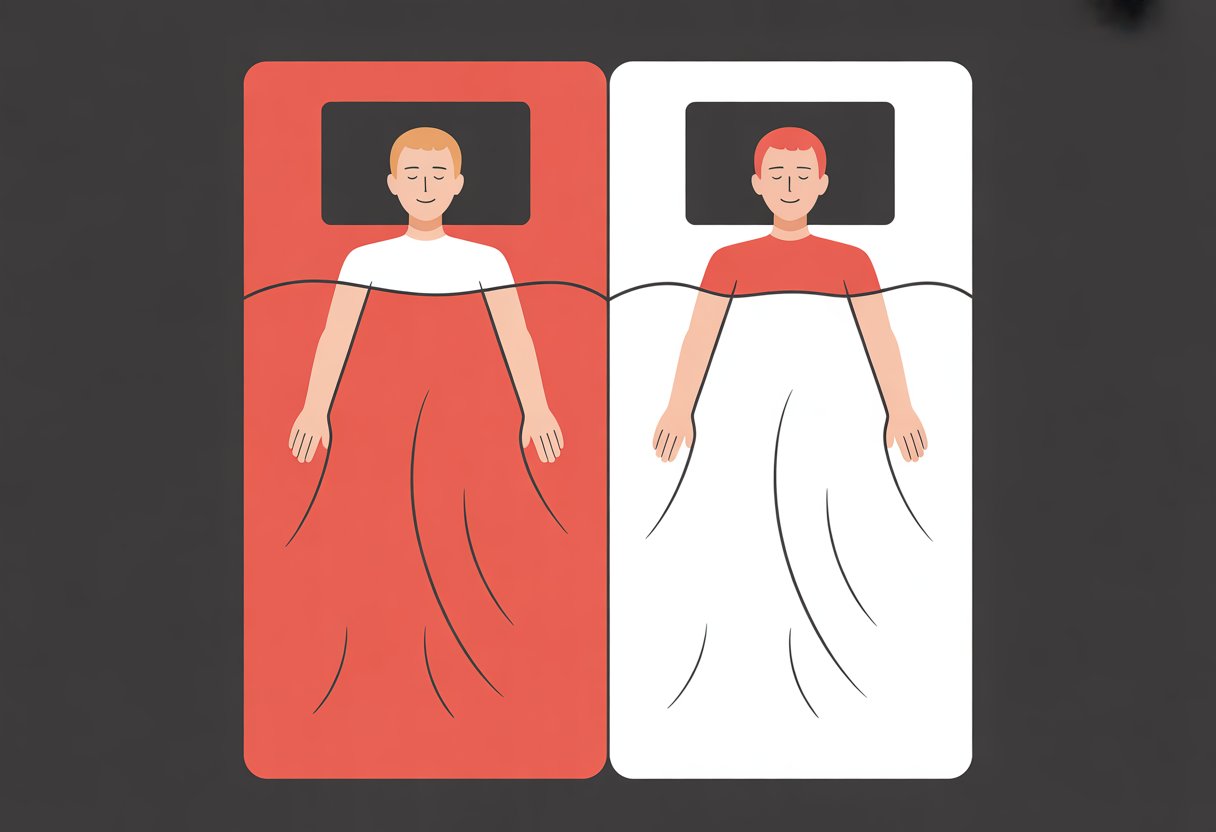
Cooling mattresses provide the greatest benefit to people who struggle with temperature regulation during sleep, including those who naturally run hot, experience hormonal changes, or generate extra heat through physical activity.
Hot Sleepers and Night Sweats
If you consistently wake up sweaty or kick off your covers throughout the night, you're likely a hot sleeper. Your body may simply run warmer than average, or your mattress materials might trap heat against your skin. Active cooling systems help people fall asleep faster and reduce nighttime awakenings by pulling heat away from your body throughout the night.
Night sweats differ from general warmth because they involve episodes of heavy sweating that can drench your sheets. While night sweats can signal underlying health conditions, they often relate to your sleep temperature and bedroom environment. Active cooling mattresses maintain consistent temperatures rather than warming up after a few hours like passive cooling materials do.
Hot sleepers benefit most from mattresses that use water or air circulation. These systems continue working all night instead of reaching thermal equilibrium like gel-infused foams.
Menopausal Symptoms and Thermoregulation
Menopausal women face unique sleep temperature challenges due to fluctuating hormone levels that disrupt the body's natural cooling processes. Hot flushes and night sweats can strike multiple times per night, fragmenting sleep and reducing overall sleep quality.
Research shows that cooling mattresses significantly reduced sleep disturbances related to night sweats in menopausal women during a 2022 study. The ability to lower your sleep temperature helps counteract the sudden heat episodes that accompany hormonal shifts.
Your core body temperature needs to drop by one to two degrees Fahrenheit before sleep. When menopause interferes with this natural cooling, you may experience lighter, more fragmented sleep patterns. Active cooling technology helps restore the temperature conditions your body needs for deeper, more restorative sleep stages.
Athletes and High-Heat Sleep Environments
Athletes generate more metabolic heat during recovery, which can raise your nighttime body temperature and interfere with deep sleep. Your muscles need restorative sleep stages to repair tissue and process the physical stress from training.
Small studies indicate that athletes using active cooling systems show lower resting heart rates and higher heart rate variability overnight. These markers suggest improved recovery and better autonomic nervous system balance during sleep.
You'll also benefit from cooling mattresses if you live in warm climates or lack air conditioning. Studies conducted in hot environments demonstrate that targeted cooling improves sleep efficiency and comfort when you can't control your bedroom temperature through other means. The cooling effect becomes more valuable when environmental factors prevent your body from shedding heat naturally through the night.
Limitations and Realistic Expectations
Cooling mattresses offer benefits but won't transform your bed into an air conditioner. Most products reduce heat retention rather than actively lowering your body temperature, and several factors beyond the mattress itself affect how cool you sleep.
Short-Term Versus Long-Term Cooling
Many cooling mattresses feel noticeably cool when you first lie down but lose their effectiveness after 30 to 60 minutes. Materials like gel-infused foam or phase-change fabrics absorb your body heat initially, creating a pleasant cool-to-the-touch sensation. However, once these materials reach capacity, they stop drawing heat away from your body.
True cooling requires continuous heat dissipation. Mattresses can't actually cool your body since they only delay heat buildup. This temporary relief often feels significant enough to help you fall asleep, but it won't last throughout the entire night.
Typical cooling duration by material type:
Gel-infused foam: 20-45 minutes
Phase-change materials: 45-90 minutes
Breathable coil systems: Sustained (but temp-neutral, not cooling)
Environmental Factors: Room Temperature and Humidity
Your bedroom conditions dramatically impact how well any cooling mattress performs. A mattress with excellent airflow can't compensate for a room temperature above 20°C or high humidity levels. Humidity prevents sweat from evaporating, which keeps you feeling hot and clammy regardless of your mattress technology.
Room temperature should stay between 15-19°C for optimal sleep. Humidity levels above 60% significantly reduce the effectiveness of moisture-wicking materials in your mattress. Even the best cooling materials struggle when environmental factors work against them.
Consider these environmental factors:
Air circulation: Stagnant air traps heat around your body
Season: Summer heat and winter heating systems both affect performance
Window exposure: Direct sunlight warms your mattress during the day
Influence of Bedding and Accessories
Your choice of blankets, duvet, sleepwear, and sheets can completely negate a cooling mattress. Heavy duvets trap heat regardless of what lies beneath them. Non-breathable sheets create a barrier that prevents air circulation through your mattress.
A mattress protector adds another layer between you and the cooling technology. Standard waterproof protectors block airflow and trap heat. If you need protection, choose breathable bedding options specifically designed for temperature regulation.
Bedding choices that affect cooling:
Cotton or linen sheets allow better airflow than polyester
Lightweight blankets work better than heavy duvets in warm weather
Moisture-wicking sleepwear helps more than cotton pyjamas
Breathable, thin mattress protectors maintain airflow better than vinyl-backed options
Your pillow also matters. A foam pillow that retains heat near your head can make your entire body feel warmer, reducing the benefit of your cooling mattress.
Comparing Popular Cooling Solutions
Cooling solutions fall into two main categories: active systems that use water or air to regulate temperature, and passive mattresses that rely on special materials to prevent heat buildup.
Active Cooling Systems: Eight Sleep, ChiliPad, and Competitors
Active cooling systems circulate temperature-controlled water or air through a pad on top of your mattress. Eight Sleep has been praised by users for measurably improving sleep quality over extended use. These systems let you set exact temperatures throughout the night.
ChiliPad sleep systems cool or warm your body by circulating water through tubing in a cooling mattress pad. You can adjust the temperature to your preference, typically ranging from 13°C to 46°C.
The main advantage of active systems is that they actually lower your body temperature rather than just preventing heat buildup. They work independently of your mattress, so you don't need to replace your current bed. The downside is cost—these systems typically run several hundred to over a thousand dollars. They also require electricity to operate and need regular maintenance like adding water or cleaning components.
Passive Cooling Mattresses and Top-Rated Brands
Passive cooling mattresses use materials designed to dissipate heat without mechanical parts. Phase-change materials work better than gel or graphite-infused foams at absorbing body heat. Some brands use proprietary designs with unique grid structures that promote airflow and prevent heat retention.
True cooling mattresses have cold-to-the-touch covers with special fabrics and cooling fibres. These provide immediate relief when you lie down. However, only a small fraction of mattresses claiming cooling benefits actually deliver on their promises.
Materials that regulate temperature include:
Infused foams with copper, graphite, or gel
Open-cell foam with tiny air bubbles for airflow
Perforated latex foam with holes throughout
Moisture-wicking covers (less effective on their own)
Natural latex foam has shown effectiveness for non-mechanical cooling. You can also add cooling toppers or cooling pillows to your existing setup for a more affordable option than replacing your entire mattress.
Choosing the Best Cooling Mattress for Your Needs
The right cooling mattress depends on the materials used in its construction, your body type and sleep habits, and the bedding accessories you pair with it. If you are used to a traditional memory foam mattress, you will likely notice a significant temperature difference with these upgrades.
Assessment of Material Performance
Different cooling materials perform in distinct ways. Latex foam naturally resists heat retention better than traditional memory foam because of its open-cell structure and breathable composition. This material allows air to flow through the mattress rather than trapping warmth against your body.
Innerspring and hybrid designs use coil systems that create space for air circulation. The gaps between coils let heat escape more effectively than solid foam layers.
Gel-infused foams contain cooling gel beads that absorb and disperse body heat. However, these materials may lose their cooling effect after a few hours as the gel warms to match your body temperature.
Phase change materials work differently by absorbing heat when you warm up and releasing it when you cool down. These advanced fabrics help maintain a steady sleep temperature throughout the night.
The mattress cover matters too. Natural fibres like cotton and wool wick moisture away from your skin and allow better airflow than synthetic covers.
User Factors: Body Type and Sleep Preferences
Your weight affects how deeply you sink into a mattress, which changes airflow around your body. Heavier sleepers need firmer mattresses with strong support systems that prevent excessive sinking and maintain air circulation.
Side sleepers often need softer surfaces for pressure relief at the shoulders and hips. This can create more body contact with the mattress, so look for materials with active cooling properties rather than just breathability.
Back and stomach sleepers typically sleep cooler because less of their body touches the mattress surface. These sleep positions allow more air to circulate around the torso.
Hot sleepers who naturally run warm need the best cooling mattress technology available, including multiple cooling features working together. People who experience night sweats or hot flashes should prioritise moisture-wicking covers and highly breathable core materials.
Complementary Accessories for Maximum Cooling
A cooling mattress works better when paired with the right bedding. Breathable bedding made from cotton, linen, or bamboo allows heat to escape rather than trapping it against your body.
A mattress protector with cooling properties adds another temperature-regulating layer without sacrificing comfort. Look for protectors with moisture-wicking technology and breathable waterproof membranes.
Cooling pillows prevent heat buildup around your head and neck. Shredded foam, latex, or gel-infused options provide better airflow than solid memory foam pillows.
Cooling toppers can enhance an existing mattress's temperature regulation. Mattress toppers made from latex foam or gel-infused materials add a cooling layer without replacing your entire bed. These work especially well if your current mattress is comfortable but sleeps too warm.
Your bed frame affects airflow too. Slatted bases allow air to circulate underneath the mattress, while solid platforms can trap heat. Space slats about 7 to 10 centimetres apart for optimal ventilation.
Frequently Asked Questions
Cooling mattresses work through different methods, with active systems using water or air circulation while passive options rely on special materials. Research shows benefits for specific groups, though maintenance needs and durability vary by type.
What are the mechanisms by which cooling mattresses regulate temperature?
Cooling mattresses use two main approaches to control temperature. Active cooling systems pump water or air through channels in the mattress to pull heat away from your body continuously throughout the night. These systems maintain consistent temperatures and can adjust automatically based on your sleep stage or room conditions.
Passive cooling mattresses use materials designed to feel cool or disperse heat. Common materials include gel-infused foam, open-cell foam, copper or graphite infusions, and phase-change materials that absorb heat as you lie down.
The key difference is sustainability. Active systems keep working all night by moving heat away. Passive cooling toppers gradually warm up as they reach the same temperature as your body, which limits their cooling effect after the first few hours of sleep.
Can cooling mattresses help improve sleep quality for individuals with night sweats or hot flashes?
Yes, cooling mattresses can significantly help people experiencing night sweats or hot flashes. A 2022 study of menopausal women found that a cooling mattress pad reduced sleep disturbances related to night sweats and improved how well they felt they slept.
Active cooling systems work best for these situations because they continue removing heat throughout the night. Women going through menopause often struggle with sudden temperature spikes that disrupt sleep. A system that actively cools can respond to these changes rather than just providing a cool surface at bedtime.
People living in hot climates or those who naturally sleep hot also benefit from improved temperature regulation. The cooling effect helps your body maintain the lower core temperature needed for deep, restorative sleep.
Are there any scientific studies that support the effectiveness of cooling mattresses?
Multiple studies support the effectiveness of active cooling mattresses. One randomised crossover trial found that slow wave sleep increased by 16% compared to sleeping on a traditional mattress.
A recent meta-analysis showed that active cooling improves how well you feel you slept and reduces how often you wake up during the night. However, these systems don't reliably increase total sleep time in healthy adults.
The research is strongest for people with temperature regulation challenges. Studies show clear benefits for menopausal women with night sweats, hot sleepers, people in warm environments, and athletes recovering from intense training. These groups see improved sleep efficiency and comfort.
Passive cooling mattresses have weaker scientific support. The materials tend to trap heat when compressed under your body weight. While some small studies found early-night benefits, larger reviews show inconsistent effects on sleep timing, efficiency, and time spent in different sleep stages.
How do cooling mattresses compare to traditional mattresses in terms of durability and comfort?
Cooling mattresses present different durability concerns than traditional options. Active cooling systems introduce mechanical components like pumps and water channels that can fail over time. You face potential issues with leaks, pump malfunctions, or device breakdowns that don't exist with standard mattresses.
Passive cooling mattresses may lose their cooling properties as foams degrade. The gel infusions or phase-change materials can break down with use, reducing their effectiveness over several years.
Comfort varies widely between users. Some people find active systems too cold, especially in winter months. You can wake up feeling chilled if you set temperatures too low, which is why many systems now include smartphone apps for precise control.
Traditional mattresses offer simpler construction with fewer moving parts. This generally means longer lifespans and lower maintenance, though they lack temperature control features.
What maintenance is required to ensure a cooling mattress continues to function properly?
Active cooling systems need regular upkeep to work correctly. You'll need to refill water reservoirs periodically, descale the system to prevent mineral buildup, and replace filters according to manufacturer schedules.
Some devices require cleaning of tubes or channels to maintain proper water flow. You may also need to update software or recalibrate sensors over time.
Passive cooling mattresses require minimal maintenance. You should rotate them regularly like any foam mattress and use a breathable protector to prevent moisture buildup that could affect the cooling materials.
Active cooling systems generate some noise from pumps or fans, which might bother light sleepers. Most modern systems run quietly, but it's worth testing during a trial period. There's also a learning curve to find your optimal temperature settings.
In what ways can a cooling mattress benefit those living in warmer climates or without air conditioning?
Cooling mattresses offer significant advantages when you can't control room temperature effectively. Research conducted in hot environments shows that targeted cooling improves sleep efficiency and comfort even when ambient temperatures stay high.
Active cooling systems work independently of room temperature. They pull heat away from your body continuously, which helps when air conditioning isn't available or when you're trying to reduce energy costs by keeping the thermostat higher.
Your body needs to drop its core temperature by one to two degrees to fall asleep properly. When your bedroom stays warm, this natural cooling process gets disrupted. A cooling mattress compensates by removing heat directly from your sleep surface.
The benefit is most noticeable during heat waves or in tropical climates where nighttime temperatures rarely drop. You can maintain comfortable sleep conditions without running air conditioning all night, which saves money and reduces environmental impact.
Ready to shop? Shop cooling mattresses at National Mattress.
 by
by 


