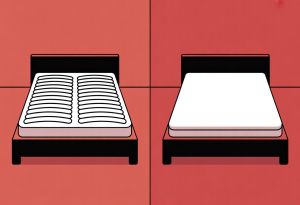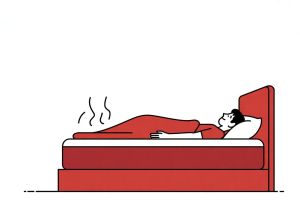
Hybrid mattresses combine coil support with comfort layers, but the type of foam or latex on top makes a huge difference in how your bed feels and performs. The comfort layer you choose between memory foam, polyfoam, and latex determines everything from temperature control to pressure relief and how long your mattress will last. Understanding these materials helps you pick a hybrid that matches your sleep needs and budget.
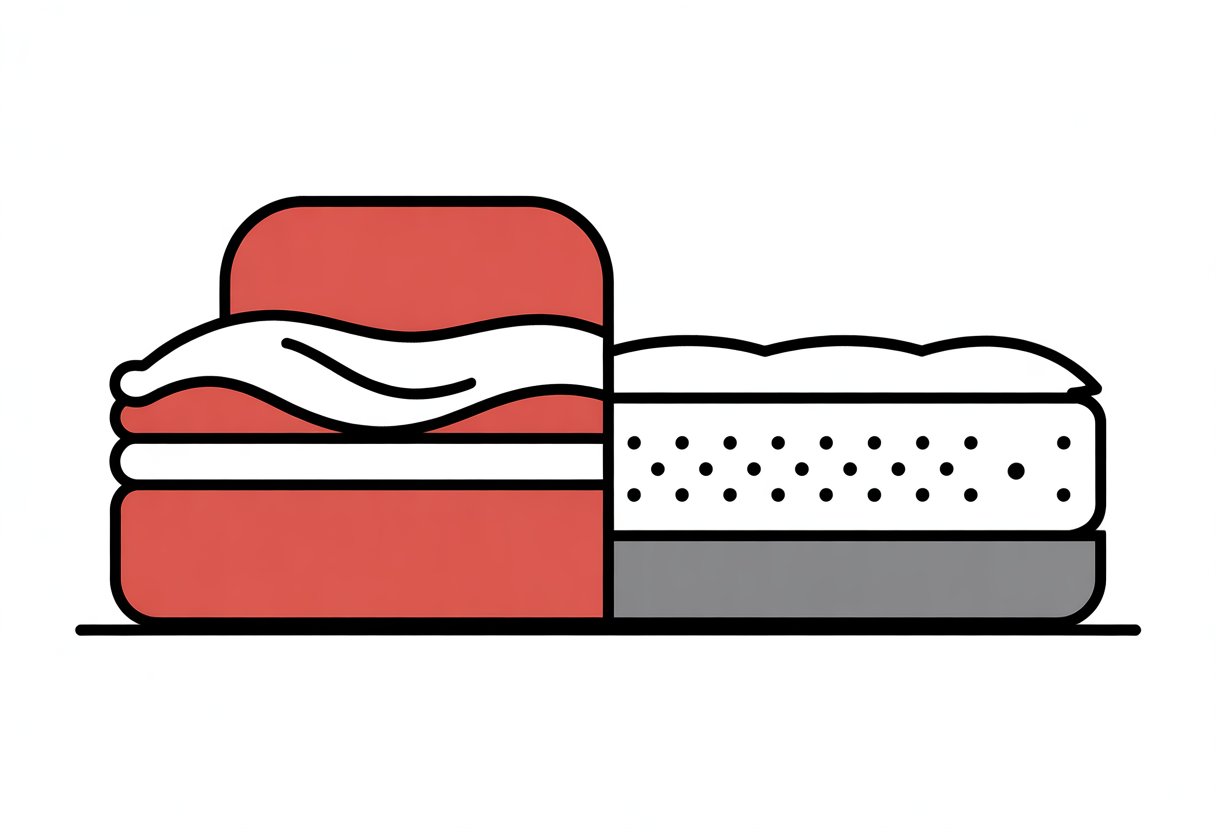
Memory foam offers deep pressure relief and conforms closely to your body. Polyfoam provides a more affordable option with moderate cushioning. Latex delivers a responsive, bouncy feel that stays cool throughout the night. Each material brings different benefits to a hybrid mattress design.
The choice between foam and latex in your hybrid affects more than just comfort. These materials influence how hot you sleep, how easily you move around, and whether your mattress will last 10 years or 20 years. Knowing the differences helps you make a smart purchase.
Key Takeaways
- Memory foam hybrids offer the most pressure relief while latex hybrids provide better cooling and responsiveness
- Latex hybrid mattresses typically last 15-20 years compared to 10-15 years for foam hybrids
- Your sleep position and temperature preferences should guide whether you choose foam or latex comfort layers in a hybrid mattress
Understanding Hybrid Mattresses
Hybrid mattresses blend innerspring coils with foam or latex comfort layers to deliver balanced support and pressure relief. These designs aim to combine the breathability and bounce of traditional coil systems with the contouring benefits of modern foam materials.
What Is a Hybrid Mattress?
A hybrid mattress uses a support core of metal coils topped with comfort layers made from memory foam, latex, polyfoam, or a combination of these materials. The defining feature is this mix of technologies rather than relying on a single material throughout.
Hybrid mattresses combine coils and foam or latex, creating mattress types that work for people with different sleep preferences. The coil layer typically makes up at least half the mattress height, distinguishing true hybrids from foam beds with minimal spring units.
Most hybrids use pocketed coils rather than traditional bonnell springs. These individually wrapped coils move independently to reduce motion transfer between sleep partners.
Core Construction and Components
The support core contains hundreds of innerspring coils, usually pocketed in fabric sleeves. This base layer provides structural stability and allows air to flow through the mattress. Coil gauges typically range from 12 to 15, with lower numbers indicating thicker, firmer wire.
Above the coils, you'll find transition layers that prevent you from feeling the springs directly. These middle sections often use firmer foam to distribute weight evenly across the coil system.
The top comfort layers determine how the mattress feels against your body. Memory foam versions contour closely, whilst latex options offer more responsive bounce. Some hybrids stack multiple foam types to balance pressure relief with surface responsiveness.
Perimeter coils around the mattress edge are often reinforced with thicker wire or foam encasement. This reinforced edge support prevents the sides from collapsing when you sit or sleep near the border.
Benefits and Limitations of Hybrid Designs
Hybrids deliver better edge support than all-foam mattresses because the coil perimeter resists compression. You can use the full surface area without feeling like you might roll off.
The coil base creates airflow channels that help regulate temperature. Hybrids are often a better choice for hot sleepers than full-foam mattresses because air circulates more freely through the spring layer.
Pocketed coils improve motion isolation compared to traditional innerspring designs, though they don't absorb movement as completely as dense foam. You may still notice some disturbance when your partner shifts position.
The main drawback is weight—hybrids typically weigh 35 to 70 kilograms, making them difficult to move or rotate. They also cost more than basic foam or innerspring options due to their complex construction. Some people find the coil layer creates a firmer feel than expected, even with plush comfort layers on top.
Foam Types in Hybrid Mattresses
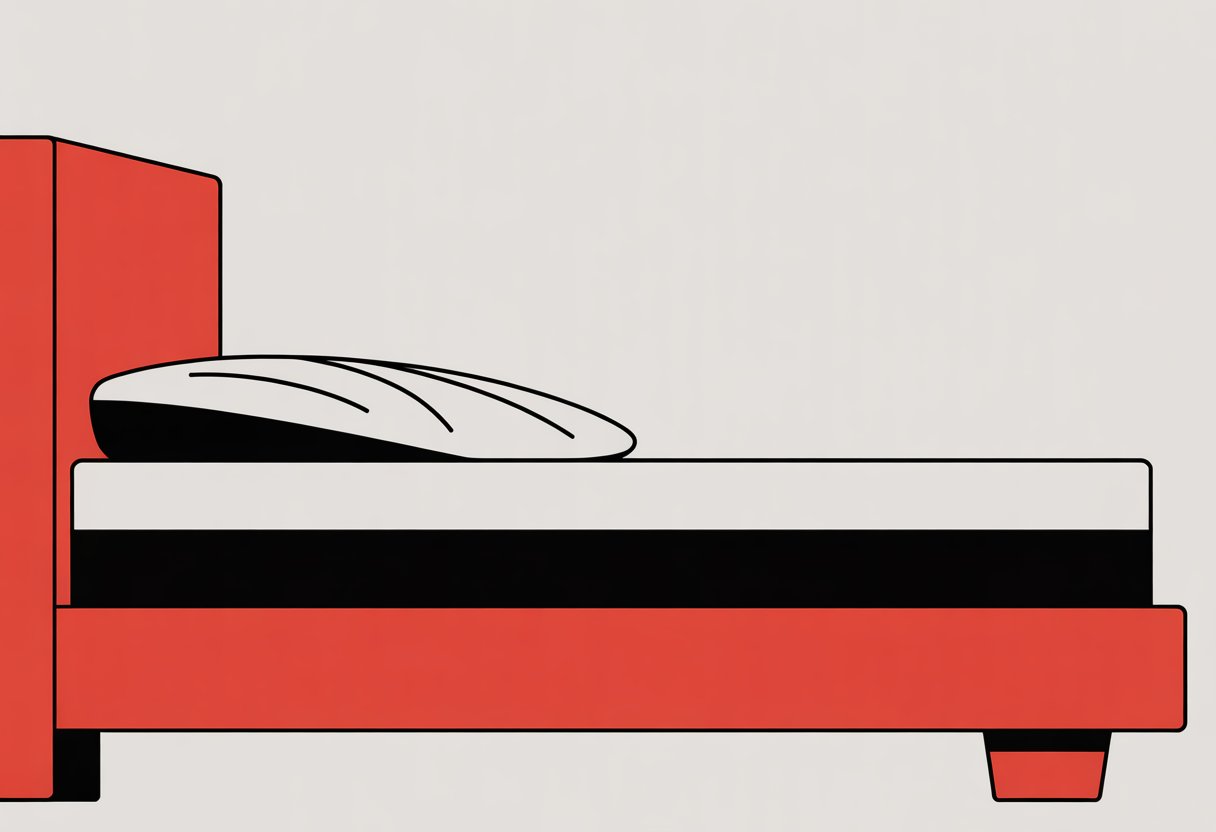
Hybrid mattresses use different foam materials in their comfort layers to provide cushioning, pressure relief, and temperature control. Each foam type offers distinct benefits for support and sleep comfort.
Memory Foam Layers
Memory foam provides deep contouring by responding to your body heat and weight. This material moulds to your curves and creates a hugging sensation that relieves pressure on your hips and shoulders.
Traditional memory foam can trap heat because it forms a dense barrier around your body. Many manufacturers now address this concern by adding cooling technologies or using open-cell structures that allow better airflow.
When shopping for a memory foam hybrid, look for CertiPUR-US certification. This ensures the foam meets standards for low emissions and contains no harmful chemicals. Off-gassing is the temporary smell new foam releases, which typically fades within a few days of unpacking.
Memory foam works well in hybrid designs because the coil base prevents you from sinking too deeply into the mattress. The springs provide bounce and support while the foam layers deliver pressure relief.
Gel-Infused and Cooling Gel Foams
Gel-infused memory foam contains tiny gel beads or liquid gel swirled throughout the foam structure. These gel particles help pull heat away from your body and disperse it across the mattress surface.
Cooling gel technology addresses the main complaint about traditional memory foam: heat retention. The gel absorbs thermal energy and prevents it from building up around your body during sleep.
Some hybrid mattresses combine gel-infused memory foam with other cooling features like breathable covers or ventilated foam layers. This multi-layer approach creates better temperature regulation throughout the night.
The gel infusion doesn't change how memory foam feels or contours. You still get the same pressure relief and body-hugging sensation with improved cooling performance.
Polyfoam and Comfort Foams
Polyfoam (polyurethane foam) serves as a transition layer between softer top foams and the coil system below. This material is firmer and more responsive than memory foam, preventing excessive sinking.
High-density polyfoam provides durability and support in hybrid mattress constructions. It distributes your weight evenly across the coils and extends the mattress's lifespan by reducing wear on individual components.
Comfort foams cost less to manufacture than memory foam or latex. This makes them popular in budget-friendly hybrid models that still need multiple foam layers for adequate cushioning. The density and firmness of polyfoam varies widely between mattresses, affecting how much support and pressure relief you receive.
Latex in Hybrid Mattresses
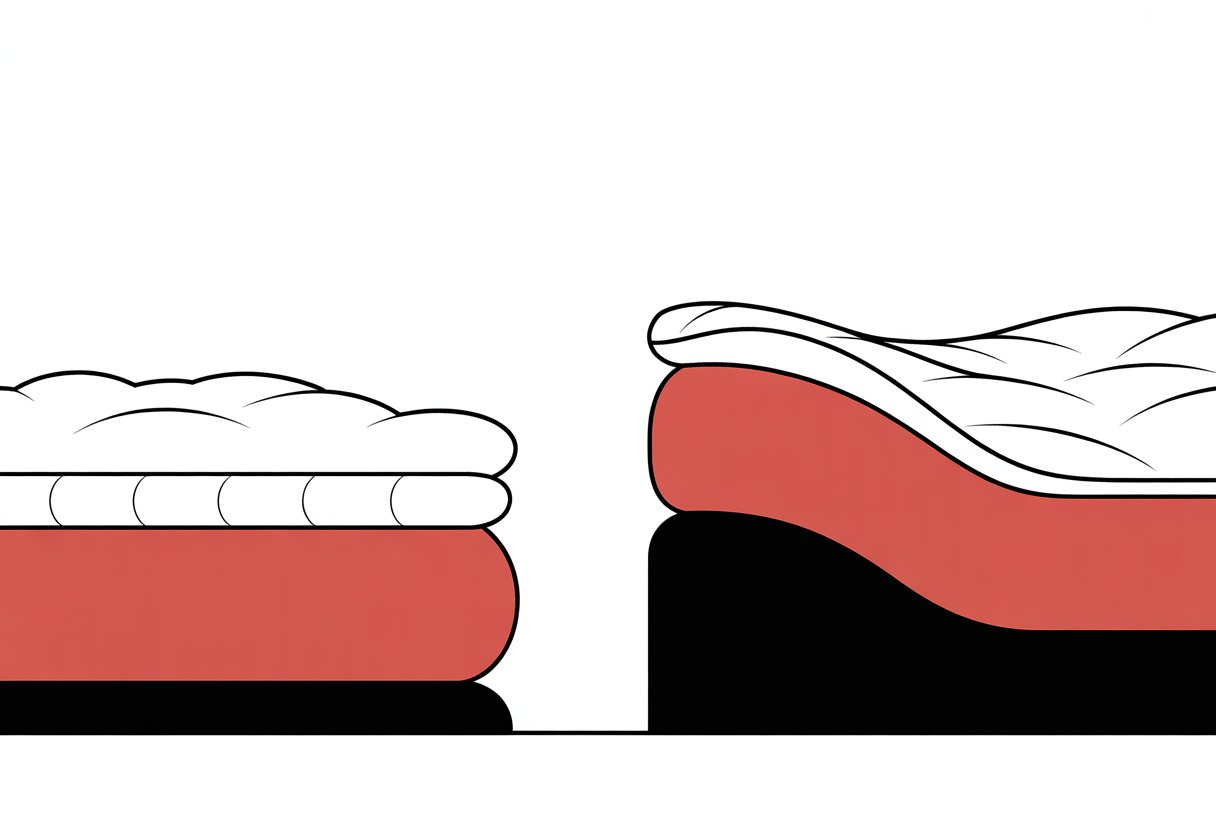
Latex layers in hybrid mattresses come in different forms—natural or synthetic, Talalay or Dunlop processed, and with various certifications. These differences affect comfort, durability, price, and environmental impact.
Natural vs Synthetic Latex
Natural latex comes from rubber tree sap and contains at least 95% natural material in most cases. It offers excellent durability, breathability, and resistance to dust mites and mould. Natural latex typically lasts 15 to 20 years without significant sagging.
Synthetic latex is made from petroleum-based chemicals that mimic natural latex's properties. A synthetic latex mattress costs less but may not last as long as natural options. It typically breaks down faster and can develop indentations within 7 to 10 years.
Blended latex combines natural and synthetic materials, usually in a 70/30 or 60/40 ratio. This option balances cost and performance. Many manufacturers use blended latex to reduce price whilst maintaining decent durability and comfort characteristics.
Talalay and Dunlop Latex
Dunlop latex uses a traditional manufacturing process where liquid latex is poured into a mould, then vulcanised. This creates a denser, firmer material with a slightly heavier feel. Dunlop latex works well as a support layer in hybrid mattresses.
Talalay latex undergoes additional processing steps including vacuum sealing and flash-freezing before vulcanisation. This produces a softer, more consistent material with a lighter, bouncier feel. Talalay latex often serves as the comfort layer in hybrid mattress constructions.
Both types perform well in hybrid designs. Dunlop costs less to produce and offers firmer support. Talalay provides more uniform density throughout but carries a higher price tag.
Organic Latex and Certifications
An organic latex mattress must meet strict standards for materials and processing. The Global Organic Latex Standard (GOLS) certifies that latex contains at least 95% certified organic raw material. This certification tracks the entire supply chain from farm to finished product.
Oeko-Tex Standard 100 certification verifies that latex is free from harmful chemicals and safe for human contact. This independent testing covers hundreds of substances including pesticides, heavy metals, and formaldehyde.
GOTS (Global Organic Textile Standard) certification applies to the cotton and wool layers often paired with organic latex. Fair Trade certifications ensure farmers receive fair wages for their latex production.
Latex Hybrid Mattress Features

Latex hybrid mattresses pair a latex comfort layer with supportive innerspring coils to deliver pressure relief and responsive support. These mattresses combine natural cooling properties with bounce and long-lasting construction.
Latex Comfort Layer Advantages
The latex top layer in your hybrid mattress provides natural temperature regulation and pressure relief. Unlike memory foam, latex keeps you on top of the mattress rather than sinking deeply into it.
Natural latex resists dust mites, mould, and mildew without chemical treatments. This makes it a hypoallergenic choice for people with allergies or sensitivities.
Dunlop latex feels denser and more supportive, particularly if you prefer a firmer sleeping surface. Talalay latex offers a bouncier, more elastic feel. Both types conform to your body while maintaining their shape throughout the night.
The latex layer allows air to flow through its open cell structure. This promotes breathability and helps regulate your body temperature while you sleep.
Durability and Lifespan
Latex hybrid mattresses typically last 10 to 15 years with proper care. The natural resilience of latex prevents premature sagging in the comfort layer.
High-quality natural latex maintains its supportive properties longer than synthetic foams. The material recovers its original shape night after night without developing permanent body impressions.
The pocketed coil system beneath the latex adds to overall durability. Individual coils absorb weight and pressure independently, reducing stress on any single point. However, broken coils can eventually cause sagging issues that affect the mattress lifespan.
Regular rotation helps extend your latex hybrid's life. Proper support from your bed frame also prevents premature wear.
Responsiveness and Motion Isolation
Latex provides a naturally responsive feel that makes changing positions easy throughout the night. You won't feel stuck in the mattress when you need to move.
The combination of latex and individually wrapped coils creates effective motion isolation. Each pocketed coil moves independently, so your partner's movements don't transfer across the bed surface. The latex layer absorbs additional motion while still offering bounce.
This responsive quality benefits combination sleepers who change positions frequently. The mattress adjusts quickly to your new sleeping position without the slow recovery time of memory foam.
Edge support remains strong in latex hybrid mattresses. Reinforced perimeter coils combined with the firm latex layer prevent excessive sinking when you sit or sleep near the mattress edge.
Comparing Foam and Latex Hybrids
Foam and latex hybrids each deliver distinct sleeping experiences through different material properties. Foam hybrids contour closely to your body while latex versions provide more bounce and responsiveness.
Feel and Support Differences
Latex hybrids give you a bouncy, responsive feel that makes changing sleep positions easier. The latex layer pushes back against your body weight instead of letting you sink in deeply. This springy quality works well if you move around frequently during the night or prefer sleeping on your stomach.
Memory foam hybrids create a hugging sensation as the foam softens with your body heat and moulds to your shape. You'll experience more of a cradling effect compared to latex. The foam responds slowly when you shift positions, which some people find comforting.
Both types use pocketed coils in their support cores, but the comfort layers change how firm the mattress feels overall. A medium-firm hybrid with latex will feel firmer than a medium-firm hybrid with memory foam due to the different materials. If you want a firm mattress, latex hybrids naturally provide more resistance.
Pressure Relief and Spinal Alignment
Memory foam excels at relieving pressure points because it distributes your weight evenly across the surface. The foam fills in gaps around your shoulders, hips, and lower back. Side sleepers often prefer this close contouring since it cushions pressure-sensitive areas.
Latex hybrids support proper spinal alignment through their responsive nature rather than deep contouring. The material provides targeted support by pushing back more firmly under heavier body parts. Back and stomach sleepers typically benefit from this supportive quality.
Your sleeping position affects which material works better for alignment. Hybrid latex mattresses offer quick responsiveness to movements while maintaining support, whereas memory foam creates more pressure relief through conforming.
Heat Retention and Cooling Performance
Latex naturally sleeps cooler than memory foam because of its open cell structure. Air flows through latex more easily, and the material doesn't trap body heat the same way foam does. The breathable nature of latex combined with coil ventilation keeps temperatures regulated throughout the night.
Memory foam retains more heat since it softens with warmth and wraps around your body. Many manufacturers add cooling technologies like gel infusions or phase-change materials to combat this issue. Even with these additions, foam hybrids with memory foam on top still tend to sleep warmer than latex versions.
Hot sleepers should consider latex hybrids as their first choice. The temperature difference becomes more noticeable in warmer climates or if you naturally run hot during sleep.
Motion Transfer and Noise
Memory foam absorbs movement exceptionally well, making it ideal for couples. When your partner moves or gets out of bed, you won't feel much disturbance on your side. The foam dampens motion instead of transferring it across the mattress surface.
Latex has more bounce, which means motion transfer is slightly higher compared to memory foam. You might notice some movement when your partner shifts positions. However, the pocketed coils in both mattress types help minimize motion transfer compared to traditional innerspring beds.
Noise levels differ between the two options. Latex hybrids may produce slight squeaking sounds from the latex rubbing against other materials. Memory foam hybrids typically remain silent since the foam absorbs both motion and sound. Neither option makes as much noise as older spring mattresses.
Choosing the Best Hybrid Mattress for You
Your ideal hybrid mattress depends on your sleep position, body weight, and personal needs like allergies or environmental concerns. A generous sleep trial and solid warranty protect your investment and give you time to decide if the mattress works for you.
Factors: Sleep Position and Body Type
Your sleep position determines how much cushioning and support you need from your hybrid mattress. Side sleepers typically need softer surfaces that cushion shoulders and hips, while back sleepers perform best on medium-firm options that support the spine's natural curve. Stomach sleepers require firmer mattresses to prevent their hips from sinking too deep.
Body weight plays an equally important role in mattress selection. If you weigh over 200 pounds, look for memory foam with densities of 4 to 5 pounds per cubic foot in the top layers. The polyfoam should be denser than 1.8 pounds per cubic foot to prevent premature sagging.
Heavier individuals also benefit from hybrids with approximately 1,000 support coils in the 13- to 15-gauge range. Lower gauge numbers indicate thicker, more supportive coils. Pocketed or individually wrapped coils work better than continuous coils because they isolate motion and conform to your body shape more effectively.
Edge support matters if you sit on the mattress edge frequently or sleep near the perimeter. A dedicated border of firmer foam creates a sturdier edge that won't compress excessively under weight.
Allergies, Sustainability, and Certifications
Natural latex offers a hypoallergenic alternative to synthetic foams in hybrid mattresses. It resists dust mites, mould, and mildew naturally without chemical treatments. Dunlop latex feels denser and more supportive than Talalay latex, making it suitable if you prefer firmer surfaces.
Organic and natural certifications indicate stricter material standards. GOTS (Global Organic Textile Standard) certification ensures organic cotton and wool components meet environmental and social criteria. GOLS (Global Organic Latex Standard) verifies that latex comes from certified organic sources.
CertiPUR-US certification confirms that polyfoam contains no ozone depleters, flame retardants, mercury, lead, or formaldehyde. Foams must also meet strict emission limits for volatile organic compounds. GREENGUARD Gold certification tests for even lower chemical emissions, which matters if you're sensitive to odours or have respiratory concerns.
Eco-friendly manufacturing reduces environmental impact but doesn't always translate to better sleep quality. Balance your sustainability preferences with comfort and support requirements.
Trial Periods and Warranty Considerations
Most reputable manufacturers offer a 100-night trial or longer to test their hybrid mattresses at home. This matters because you can't fully judge a mattress from a brief showroom visit. Your body needs at least 30 days to adjust to a new sleep surface.
Read the trial policy carefully before purchasing. Some companies only allow returns on your first mattress purchase, meaning a second mattress from the same brand won't qualify. Others charge return shipping fees or restocking charges that reduce your refund.
A 10-year warranty is standard for quality hybrid mattresses, though some manufacturers now offer lifetime warranties. Warranties typically cover sagging deeper than 1 to 1.5 inches and manufacturing defects like broken coils or separated foam layers.
Regular mattress rotation extends lifespan and maintains warranty coverage. Most warranties require you to use a proper foundation and keep the mattress clean. Stains, burns, or improper support void most warranties even if structural defects develop.
Compare what each warranty actually covers. Some only provide prorated coverage after the first few years, meaning you'll pay increasingly more for replacements as time passes.
Frequently Asked Questions
Hybrid mattresses that combine foam and latex materials raise specific questions about performance, care, and comfort. These materials work together to provide balanced support while requiring proper maintenance and consideration of individual needs.
What are the benefits of using both foam and latex in a hybrid mattress?
The combination of foam and latex creates a balanced sleep surface that addresses multiple comfort needs. Memory foam contours to your body and relieves pressure points, while latex provides responsive support and prevents excessive sinking.
This pairing also improves temperature regulation. Latex naturally allows more airflow than foam alone, which helps reduce heat retention during sleep.
The materials complement each other in motion isolation as well. Foam absorbs movement effectively, while latex adds bounce and makes it easier to change positions throughout the night.
How does the combination of foam and latex impact the longevity of a hybrid mattress?
Hybrid mattresses typically last between 8 to 12 years when they include quality foam and latex materials. Latex is naturally durable and resists sagging better than many foam types.
The coil support system beneath the comfort layers also plays a role in longevity. When foam and latex layers work with a strong coil base, the mattress maintains its shape longer.
Your mattress will last longer if you rotate it every few months. This distributes wear evenly across both the foam and latex layers.
Can a foam and latex hybrid mattress accommodate different sleeping positions comfortably?
Yes, hybrid mattresses accommodate various sleep positions effectively due to their layered construction. Side sleepers benefit from the pressure relief that foam provides at the shoulders and hips, while latex keeps the spine aligned.
Back sleepers get support from the responsive latex layer that maintains the natural curve of the spine. The foam layers add cushioning without allowing excessive sinkage.
Stomach sleepers need firmer surfaces to prevent their hips from dropping too low. A hybrid with less foam and more latex in the comfort layers often works better for this position.
What differences should I expect in firmness levels between foam and latex in hybrid mattresses?
Foam and latex feel distinctly different even when they have similar firmness ratings. Memory foam creates a hugging sensation as it slowly conforms to your body shape.
Latex feels more responsive and bouncy. You rest on top of latex rather than sinking into it the way you do with memory foam.
The firmness you experience depends on how manufacturers layer these materials. A thick foam comfort layer creates a softer feel, while more latex provides a firmer, more supportive surface.
How do I care for a hybrid mattress that includes both foam and latex materials?
Vacuum your mattress regularly using an upholstery attachment to remove dust and allergens. This simple step prevents buildup that can affect both foam and latex layers.
Use a waterproof mattress protector to shield the materials from spills and stains. Never use harsh chemicals for spot cleaning, as they can damage both foam and latex.
Rotate your mattress every three to four months to ensure even wear. Most hybrid mattresses with foam and latex are not designed to be flipped, so check your manufacturer's guidelines before attempting this.
Avoid placing excessive weight on one area of the mattress for extended periods. This can compress the foam and latex layers unevenly.
Are there any potential allergens I should be aware of in foam and latex hybrid mattresses?
Natural latex can trigger allergic reactions in people with latex sensitivities. If you have a known latex allergy, you should avoid mattresses containing natural latex or choose synthetic alternatives.
Many foam and latex hybrid mattresses use synthetic latex or latex blends that reduce allergy risks. Check the product specifications to understand which type of latex the manufacturer uses.
Some foams may off-gas when new, releasing volatile organic compounds that can irritate sensitive individuals. Look for foams certified by CertiPUR-US, which indicates they meet specific safety standards for emissions and chemical content.
Dust mites can accumulate in any mattress over time. Using a mattress protector and regular vacuuming helps minimise this concern regardless of the materials inside your hybrid mattress.