

















More than half of adults sleep on their side, making it the most common sleeping position. If you're one of them, you know that this position puts a lot of pressure on your shoulders and hips. Finding the right side sleeper mattress is essential for a restful night. The best mattresses for side sleepers combine soft cushioning on top to relieve pressure at your shoulders and hips with a supportive base that keeps your spine properly aligned.
Finding the best mattresses for side sleepers involves looking for a model that contours to your unique shape. This ensures your weight is distributed evenly across the bed surface.
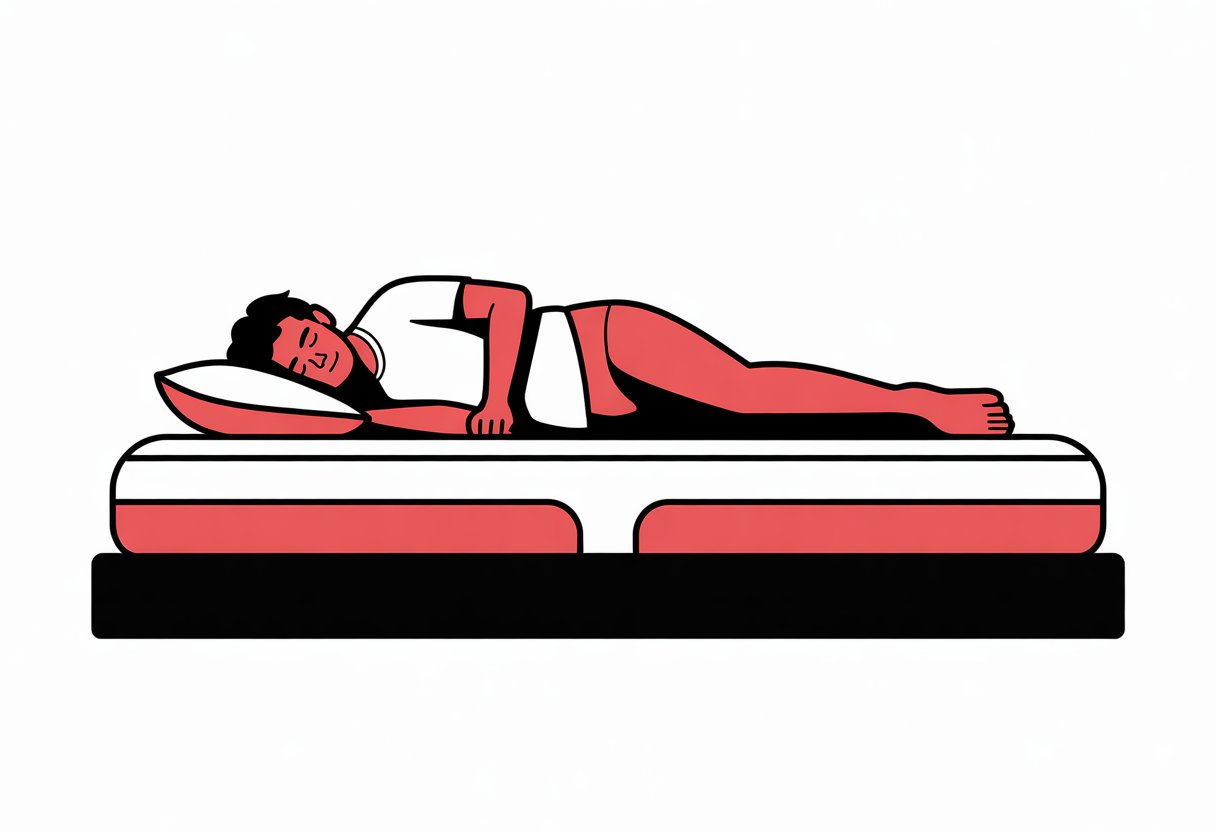
Without the right mattress, you might wake up with sore shoulders, aching hips, or lower back pain. A mattress for side sleepers with back pain ensures your spine stays aligned while providing comfort. The wrong firmness level can leave you tossing and turning all night.
Finding the perfect mattresses for side sleepers doesn't have to be difficult. You need to understand what features matter most for side sleeping and how different mattress types affect your comfort. This guide will help you choose a mattress that supports your sleeping style and helps you wake up feeling rested.
Key Takeaways
The best mattresses for side sleepers cushion pressure points while keeping the spine aligned
Medium to medium-soft firmness levels work best for most side sleepers
Memory foam and hybrid mattresses typically provide the best combination of contouring and support
What Makes a Mattress Ideal for Side Sleepers
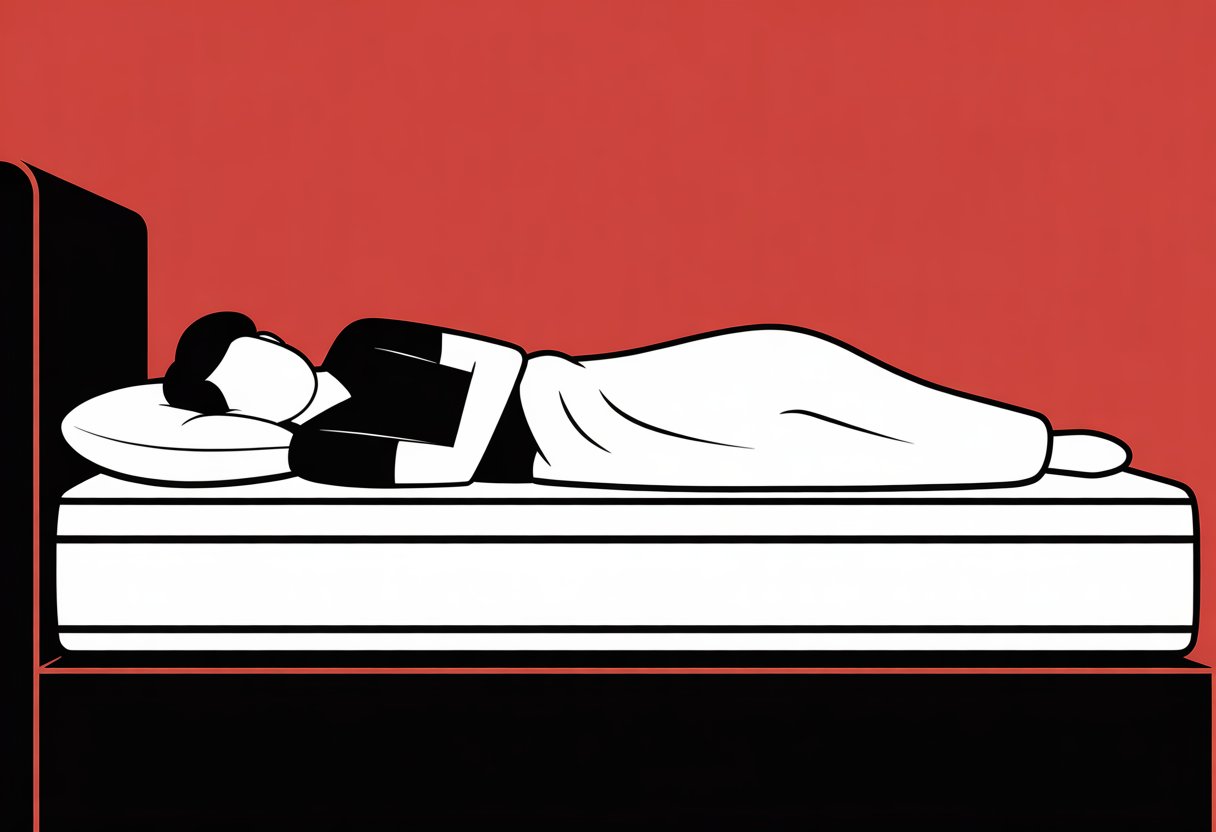
Side sleeping requires a mattress that balances cushioning with support to keep your spine aligned while relieving pressure on your shoulders and hips. The right combination of materials, firmness, and construction makes all the difference in your sleep quality.
Spinal Alignment and Support
Your spine needs to stay in a neutral position when you sleep on your side. This means your head, neck, and lower back should form a straight line. If your mattress is too firm, your shoulders and hips won't sink in enough. If it's too soft, these areas sink too far and create an unnatural curve.
A supportive mattress uses materials that push back against your body weight. Proper alignment is vital, especially when searching for the best mattress for back pain. Without it, your muscles stay tense all night. Hybrid mattresses combine foam layers with coil systems to provide this balance. The foam contours to your body while the coils offer firm support underneath. This combination is often the best mattress for back pain for those who need a mix of push-back and contouring.
Your body weight affects how much support you need. Lighter sleepers under 130 pounds need softer surfaces to allow proper sinking. Average-weight sleepers between 130 and 230 pounds do well with medium to medium-firm options. Heavier sleepers over 230 pounds require firmer mattresses to prevent excessive sinking.
Pressure Relief for Hips and Shoulders
Pressure relief is crucial for side sleepers because your hips and shoulders bear most of your body weight. These pressure points need cushioning to prevent pain and numbness. Without proper relief, you'll wake up with sore joints and stiff muscles.
Memory foam and latex materials excel at pressure relief. They conform to your body shape and distribute weight evenly across the surface. This contouring reduces stress on your joints.
The top comfort layer of your mattress handles most of the pressure relief work. A side sleeper mattress that offers deep contouring is often considered the most comfortable mattress for those with joint sensitivity. Look for mattresses with at least 5 to 8 centimetres of soft comfort foam. Thicker comfort layers provide more cushioning for your shoulders and hips. This extra padding helps create the most comfortable mattress experience for side sleeping.
Testing shows that side sleepers need mattresses with high pressure relief scores to prevent discomfort. Choosing the best mattress for pressure relief can significantly improve your morning mobility and overall comfort.
Motion Isolation and Edge Support
Motion isolation matters if you share your bed with a partner. You don't want to feel every movement they make during the night. Foam mattresses absorb motion better than innerspring models. All-foam constructions prevent movement from transferring across the surface.
Hybrid mattresses with pocketed coils also provide decent motion isolation. Each coil moves independently instead of all together. This design limits how much movement spreads across the bed.
Edge support keeps you from rolling off the bed or feeling like you might fall. Strong edges also make it easier to sit on the side of your mattress. Look for reinforced perimeters or foam encasements around the coils. Without proper edge support, you lose usable sleeping space around the perimeter.
Temperature Regulation Considerations
Side sleepers have more body contact with their mattress surface than back or stomach sleepers. This extra contact can trap heat and make you feel warm during the night. A cooling mattress helps regulate your temperature for better sleep. If you tend to overheat, selecting the best cooling mattress is just as important as finding the right firmness level.
Innerspring and hybrid mattresses allow air to flow through the coil layers. This airflow prevents heat buildup. All-foam mattresses tend to trap more heat unless they use special cooling technologies.
Look for materials like gel-infused foam, copper-infused foam, or phase-change materials. These additions help pull heat away from your body. Open-cell foam structures also improve breathability compared to traditional memory foam.
Mattress covers made with breathable fabrics enhance cooling. Some manufacturers use moisture-wicking materials or cooling fibres in their covers to keep the surface temperature comfortable.
Types of Mattresses for Side Sleepers
The best mattresses for side sleepers cushion pressure points while keeping the spine aligned. Different mattress types offer varying levels of contouring, support, and breathability to meet these needs.
Memory Foam Mattresses
The best mattresses for side sleepers often feature memory foam because it contours closely to your body's curves. The material responds to your weight and warmth, creating a hugging sensation around your hips and shoulders.
These mattresses excel at pressure relief. Many sleepers consider high-density foam options to be a luxury mattress because of their durability and feel. The best memory foam mattresses offer a deep hug that many people find essential for restful sleep. This material reduces stress on your shoulders and hips, making it a popular luxury mattress choice.
Key benefits:
Deep body contouring
Excellent pressure point relief
Minimal motion transfer between partners
Memory foam can trap heat, which some sleepers find uncomfortable. Modern memory foam mattresses often include cooling gel or copper infusions to address this issue. The material also responds slowly to movement, which creates a "hugged" feeling that some people love and others dislike.
Hybrid Mattresses
Hybrid mattresses combine foam comfort layers with pocketed coils for support. Many of the best hybrid mattresses balance the bounce of coils with the deep contouring of foam.
The coil base allows air to flow through the mattress. This makes hybrid mattresses sleep cooler than all-foam options. The springs also add bounce and make it easier to move around or get out of bed.
Hybrid construction typically includes:
Foam or latex comfort layers (top)
Transition foam (middle)
Pocketed coil support core (bottom)
Pocketed coils move independently from each other. This means the mattress can contour to your body while your partner's movements stay isolated on their side. The steel coils provide strong support that prevents your hips from sinking too far into the mattress, which helps maintain proper spinal alignment.
Innerspring Mattresses
Innerspring mattresses use metal coils as their main support system. Traditional innerspring beds feel firmer and less contouring than foam or hybrid options.
Most side sleepers find standard innerspring mattresses too firm. However, the best innerspring mattresses often include thick pillow tops to better accommodate side sleeping. This extra padding helps prevent pressure points.
These mattresses sleep very cool because air flows freely through the coil system. They also tend to be more affordable than other mattress types. Innerspring beds have a traditional bouncy feel that makes changing positions easy.
Latex and Organic Options
Latex mattresses offer responsive support with natural bounce. Unlike memory foam's slow response, latex springs back quickly when you move.
Natural latex comes from rubber tree sap. This makes it a good choice if you want eco-friendly bedding. Latex provides pressure relief for side sleepers while maintaining its shape over time.
Latex characteristics:
Natural resilience and durability
Breathable open-cell structure
Hypoallergenic properties
An organic mattress uses certified natural materials like organic cotton, wool, and natural latex. Finding the best organic mattress ensures a healthy sleep environment free from synthetic chemicals. These options appeal to people who prioritise natural materials.
Latex mattresses come in different firmness levels. Softer latex works well for side sleepers by cushioning pressure points. The material naturally resists dust mites and mould, which benefits people with allergies.
Choosing the Best Mattress for Side Sleepers
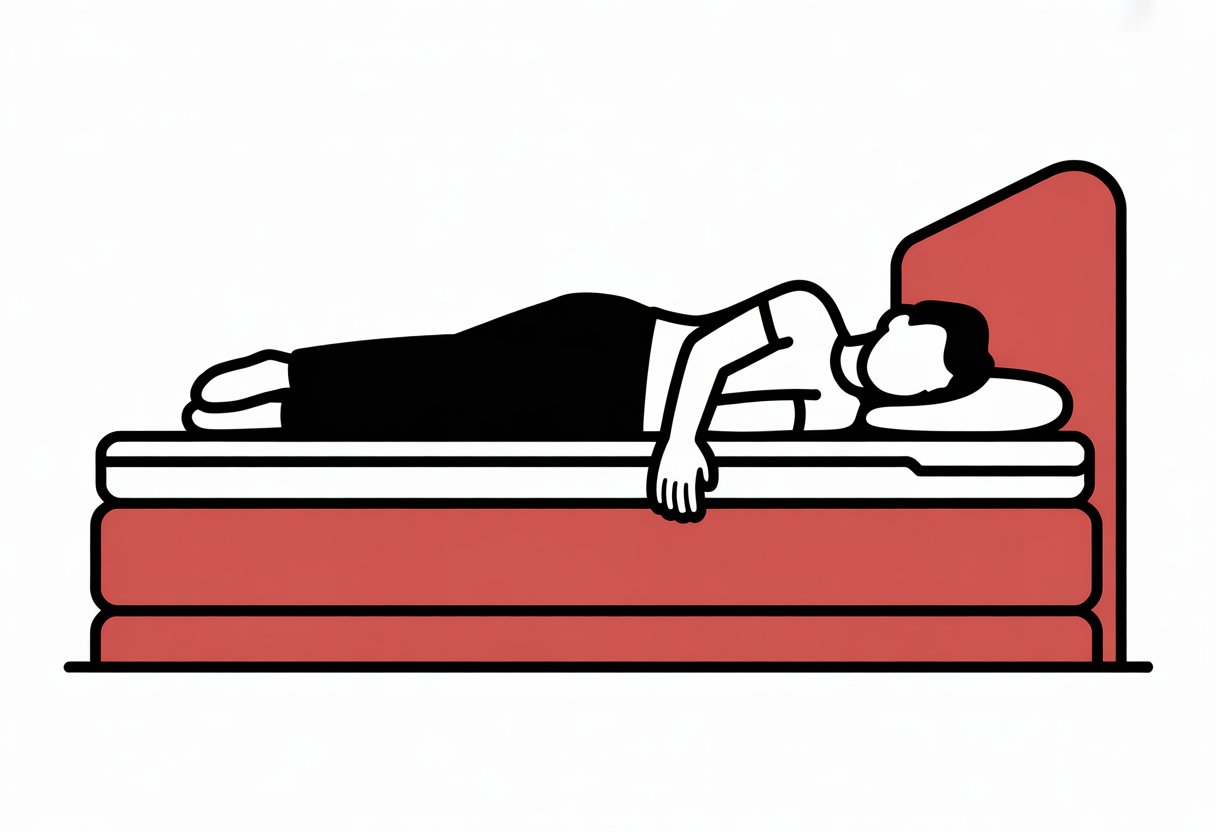
The best mattresses for side sleepers balance pressure relief with proper spinal alignment. The right firmness level, support structure, and personal testing approach all play critical roles in finding a mattress that prevents shoulder and hip pain while keeping your spine neutral.
Firmness Levels and Zoned Support
Most side sleepers perform best on mattresses rated between 4 and 6 out of 10 on the firmness scale, where 10 represents the firmest option. This medium to medium-soft range allows your shoulders and hips to sink in while supporting your waist.
A firm mattress typically works against side sleepers. If you deal with joint issues, a mattress for hip pain may require a softer feel to maintain comfort through the night.
Zoned support makes a significant difference for side sleepers. Zoned pocketed coils and zoned support layers provide firmer support under your waist and softer support at your shoulders and hips. This targeted approach keeps your spine aligned without creating pressure points.
Your body weight affects which firmness works best. Lighter sleepers under 60 kilograms often prefer softer options (3.5 to 4), while heavier sleepers over 110 kilograms sometimes need slightly firmer mattresses (6.5 to 7) to prevent excessive sinking.
How to Test and Assess a Mattress
Mattress testing requires more than a quick store visit. You should lie in your normal side sleeping position for at least 10 to 15 minutes to assess comfort accurately. Pay attention to pressure at your shoulders and hips during this time.
Check whether your spine stays straight when lying on your side. Ask someone to look at your back or use a mirror. Your spine should form a straight line from your neck to your lower back without curving up or down.
Test the edge support by sitting and lying near the mattress perimeter. Strong edges prevent that rolling-off feeling and give you more usable sleep surface. Most side sleepers shift positions during the night and benefit from stable edges.
Key testing factors include:
Pressure relief at shoulders and hips
Spinal alignment in side position
Motion transfer if sharing the bed
Temperature regulation during extended lying
Edge stability when sitting and lying
Selecting Based on Sleeping Preferences
Your specific sleeping habits should guide your final choice. If you sleep hot, look for mattresses with cooling materials or airflow designs. The best cooling mattress options often use phase-change covers or gel infusions to regulate temperature.
Consider whether you share your bed. The best side-sleeper mattresses prioritise lumbar support and pressure relief while managing motion transfer. Lower motion transfer prevents your partner's movements from disturbing your sleep.
Think about how often you change positions during the night. Pure side sleepers can choose softer options, while combination sleepers who rotate between side and back positions need medium firmness for versatility.
The most comfortable mattress matches your body type and sleeping habits. A 5-centimetre comfort layer typically provides enough cushioning for average-weight side sleepers, while heavier individuals may need thicker comfort layers to prevent bottoming out on the support core.
Top Mattresses for Side Sleepers in 2025
The best mattresses for side sleepers stand out based on their ability to cushion pressure points while maintaining proper spinal alignment. The right choice depends on your budget, preferred materials, and specific sleep needs like temperature regulation or partner disturbance.
Best Overall and Value Picks
The Sealy Posturepedic Hybrid delivers excellent pressure relief with a medium-firm feel. It is often cited as a best value mattress for its combination of features and price. Its foam layers contour around your shoulders and hips.
For budget-conscious shoppers, the NM foam series offers solid performance at a lower price point. These mattresses provide good body contouring and pressure relief for side sleepers.
The Serta Perfect Sleeper hybrid combines pressure-relieving foam with responsive coils. It offers multiple firmness options to suit different body types. This mattress excels at maintaining the soft-yet-supportive feel side sleepers need.
Luxury and Premium Options
The Tempur-Pedic ProAdapt features enhanced materials for premium comfort. Selecting the best luxury mattress involves looking for high-density foams and durable construction that provides deep cushioning. When searching for the best luxury mattress, look for high-end materials like hand-tufted covers and advanced coil-on-coil systems. These features provide a superior sleep experience.
The Sealy Posturepedic Plus with Cooling stands out among premium hybrids with advanced cooling technology. It performs exceptionally well for hot sleepers who prefer side sleeping.
The Stearns & Foster Lux Estate combines luxury materials with features designed for ultimate comfort. This mattress includes premium coils and rates highly for both pressure relief and temperature regulation.
Best for Pressure Relief and Hip Pain
The Serta iComfort provides targeted pressure relief for shoulders and hips. It is frequently recommended as the best mattress for hip pain due to its sustainable and adaptive layers.
Springwall Chiropractic specifically addresses hip pain through its zoned support system. The mattress adjusts firmness across different body zones to keep your spine aligned while cushioning pressure points.
Physical therapists often recommend mattresses that score 3.8 out of 5 or higher for pressure relief. These beds prevent painful pressure buildup by distributing your body weight evenly across the sleep surface.
Best for Couples and Motion Isolation
The Simmons Beautyrest offers strong motion isolation despite being a hybrid. It remains a top contender for the best mattress for couples because it minimizes partner disturbance during the night.
The Sealy Posturepedic Hybrid absorbs motion exceptionally well for a hybrid design. Couples appreciate how it combines bounce with motion control.
The Stearns & Foster Estate innerspring mattress provides superior edge support for couples who use the full bed surface. It comes in multiple firmness levels, allowing partners to find a comfortable option together.
Mattresses for Side Sleepers with Back or Hip Pain
Side sleepers who experience back or hip pain need mattresses that provide targeted pressure relief while maintaining proper spinal alignment. The right combination of support and cushioning can reduce discomfort and improve sleep quality.
How Mattress Design Can Alleviate Pain
Your mattress must keep your spine in a neutral position from your neck to your tailbone. When you lie on your side, your shoulders and hips create pressure points that need cushioning. A mattress that's too firm will cause these areas to push against the surface, leading to pain. A mattress that's too soft will let your hips sink too far, throwing your spine out of alignment.
Memory foam and hybrid mattresses provide excellent support and pressure-relieving properties for side sleepers with pain. Memory foam contours around your hips and shoulders to relieve pressure. Hybrid designs combine this contouring with pocketed coils that provide support and prevent excessive sinking.
The ideal firmness level falls between medium-soft and medium for most side sleepers. This range allows your shoulders and hips to sink slightly while maintaining support for your spine.
Recommended Mattresses for Pain Relief
Hybrid mattresses work well for side sleepers dealing with back or hip pain. These mattresses combine memory foam layers on top with supportive coil systems underneath. The foam provides pressure relief where you need it most, while the coils prevent your body from sinking too deeply. Finding a specialized mattress for back pain can significantly reduce morning stiffness.
All-foam mattresses offer another option. Foam mattresses provide pressure relief for a side sleeper's shoulders and hips while reducing motion transfer. This design creates a cradling sensation that many people with hip pain find comfortable.
Look for mattresses with zoned support systems. These designs provide different levels of firmness in different areas of the mattress to support your shoulders, hips, and lower back differently.
Tips for Managing Back and Hip Pain
Choose a mattress with a firmness level around 4 to 6 on a scale of 1 to 10. Test your mattress by lying on your side and having someone check if your spine forms a straight line.
Place a pillow between your knees to keep your hips aligned and reduce strain on your lower back. This simple adjustment can make a significant difference in your comfort level.
Replace your mattress every 7 to 10 years. Older mattresses lose their ability to provide proper support and pressure relief. If you wake up with increased pain or stiffness, your mattress may no longer be supporting your body correctly.
Consider using a mattress topper as a temporary solution if you can't replace your current mattress immediately. A topper can add cushioning to relieve pressure points while you save for a new mattress.
Additional Considerations and Buying Tips
Beyond choosing the right firmness and mattress type, side sleepers should think about accessories that enhance comfort, how to find quality options within their budget, and what protections come with their purchase.
Mattress Accessories for Side Sleepers
A quality pillow matters just as much as your mattress when you sleep on your side. Your pillow should fill the gap between your shoulder and head to keep your neck aligned with your spine. Side sleepers typically need a thicker, firmer pillow than back or stomach sleepers.
A mattress topper can add extra cushioning if your current bed feels too firm. Look for toppers that are 5 to 8 centimetres thick with memory foam or latex materials. These provide pressure relief for your shoulders and hips without completely changing how your mattress feels.
Consider using a body pillow between your knees. This keeps your hips aligned and reduces pressure on your lower back. Some side sleepers also place a thin pillow under their waist for additional support.
Budget-Friendly Choices
You don't need to spend thousands of dollars to find the best mattresses for side sleepers, especially when looking at best cheap mattresses for side sleeping. Many cheap mattresses in the $500 to $800 range offer adequate support and pressure relief.
Focus on mattresses with at least 8 to 10 centimetres of comfort layers on top. This cushioning helps relieve pressure on your shoulders and hips regardless of price. Innerspring mattresses often cost less than all-foam options while still providing good support.
Watch for sales during major holidays when retailers offer significant discounts. Some manufacturers sell directly to customers online, which removes middleman costs and lowers prices.
Trial Periods, Warranties and Return Policies
Most mattress companies now offer sleep trials ranging from 90 to 120 nights. This gives you time to test whether the mattress works for your side sleeping position. Your body needs at least 30 days to adjust to a new mattress, so don't give up too quickly.
Check the warranty length and what it covers. Look for warranties of at least 10 years that protect against sagging deeper than 2.5 centimetres. Some warranties only cover manufacturing defects and not normal wear.
Read the return policy carefully before buying. Some companies charge restocking fees or require you to keep the mattress for a minimum period before returning it. A mattress for couples should ideally come with a trial period since both partners need to feel comfortable.
Frequently Asked Questions
Side sleepers face unique challenges when selecting a mattress, from finding the right firmness level to ensuring proper spinal alignment. Understanding mattress types, replacement schedules, and key features helps you make an informed decision that supports healthy sleep.
What types of mattresses are best suited for individuals who sleep predominantly on their side?
Memory foam, latex, and hybrid mattresses work well for side sleepers because they provide pressure relief at your shoulders and hips. These materials contour to your body's curves whilst maintaining support for proper spinal alignment.
Innerspring mattresses can also work if they have sufficient cushioning layers on top. The coil system provides support whilst the comfort layers reduce pressure points.
Hybrid models combine foam or latex comfort layers with coil support systems. This design gives you both contouring and responsiveness.
How does mattress firmness impact comfort and support for side sleepers?
Medium to medium-soft firmness levels typically work best for side sleepers. A softer surface allows your shoulders and hips to sink in slightly, which helps maintain neutral spine alignment.
Firmer mattresses can create pressure points at your shoulders and hips because these areas bear most of your weight when you sleep on your side. This pressure can lead to discomfort and pain over time.
Your body weight affects which firmness level suits you best. Lighter individuals often need softer mattresses, whilst heavier sleepers may require slightly firmer options to prevent excessive sinking.
Can certain mattresses alleviate pressure points and prevent pain for side sleepers?
Mattresses designed with zoned support target specific areas like your hips and shoulders with different firmness levels. This targeted approach helps distribute your weight more evenly.
Materials that conform to your body shape reduce pressure by increasing the surface area that supports your weight. Memory foam and latex excel at this pressure redistribution.
Proper spinal alignment prevents pain by keeping your neck, shoulders, and hips in a neutral position. When your mattress supports your body's natural curves, you're less likely to wake up with aches and stiffness.
What are the benefits of a memory foam mattress for someone who sleeps on their side?
Memory foam adapts to your body shape, providing customised support for your unique pressure points. This material responds to your body heat and weight to create a cradling effect.
Motion isolation is another advantage of memory foam. If you share your bed, you won't feel your partner's movements during the night.
Memory foam maintains its shape and returns to its original form after pressure is removed. This property ensures consistent support throughout the night.
How frequently should a mattress be replaced to ensure optimal support and comfort for side sleeping?
Most mattresses need replacement every seven to ten years, though this varies based on materials and usage. Signs that you need a new mattress include visible sagging, increased pain upon waking, or feeling springs through the comfort layers.
High-quality materials typically last longer than budget options. Memory foam and latex mattresses often maintain their support for eight to ten years, whilst innerspring models may need replacement sooner.
Your body changes over time, which can affect your mattress needs. Weight changes, new health conditions, or different sleep preferences may require a mattress update before the typical replacement timeline.
Are there specific mattress features that side sleepers should look for to improve sleep quality?
Pressure-relieving comfort layers at least five to eight centimetres thick provide adequate cushioning for your shoulders and hips. Thicker comfort layers generally offer better contouring for side sleepers.
Edge support helps you use the full surface of your mattress without feeling like you'll roll off. Reinforced edges also make getting in and out of bed easier.
Temperature regulation features prevent overheating during sleep. Look for materials with cooling properties, breathable covers, or designs that promote airflow through the mattress layers. The best cooling mattress options will incorporate several of these technologies at once. This ensures the best mattresses for side sleepers remain comfortable all night long.
 by
by 


