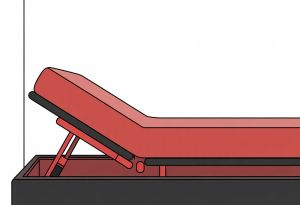
A pocket coil mattress uses individually wrapped springs that work independently to provide targeted support across your body. Also known as a pocket spring mattress, this design ensures that weight is distributed evenly across the sleeping surface. Unlike traditional innerspring mattresses where all coils connect together, each coil in a pocket spring system sits in its own fabric pocket. This design lets the coils respond separately to pressure and weight.
Pocket coil mattresses offer better motion isolation than traditional innerspring beds because each coil moves independently, which means you won't feel your partner tossing and turning throughout the night. Beautyrest invented this technology in 1925 to solve the problem of motion transfer in shared beds. The company wrapped each coil in fabric to compress motion and add support, which changed how mattresses worked.
Today, you'll find pocket coil mattresses in many styles and price ranges. Some beds use only coils, while others combine them with foam layers for extra comfort. Understanding how these mattresses work will help you decide if one fits your sleep needs.
Key Takeaways
-
Pocket coil mattresses feature individually wrapped springs that move independently to reduce motion transfer between sleepers
-
These mattresses come in various configurations including coil-only options and hybrid designs that combine coils with comfort layers
-
Choosing the right pocket coil mattress depends on factors like coil count, gauge, zoning, and the materials used in comfort layers
What Are Pocket Coil Mattresses?
Pocket coil mattresses use springs that are wrapped individually in fabric pockets, allowing each coil to move independently and respond to pressure in specific areas of your body.
How Pocket Coils Work
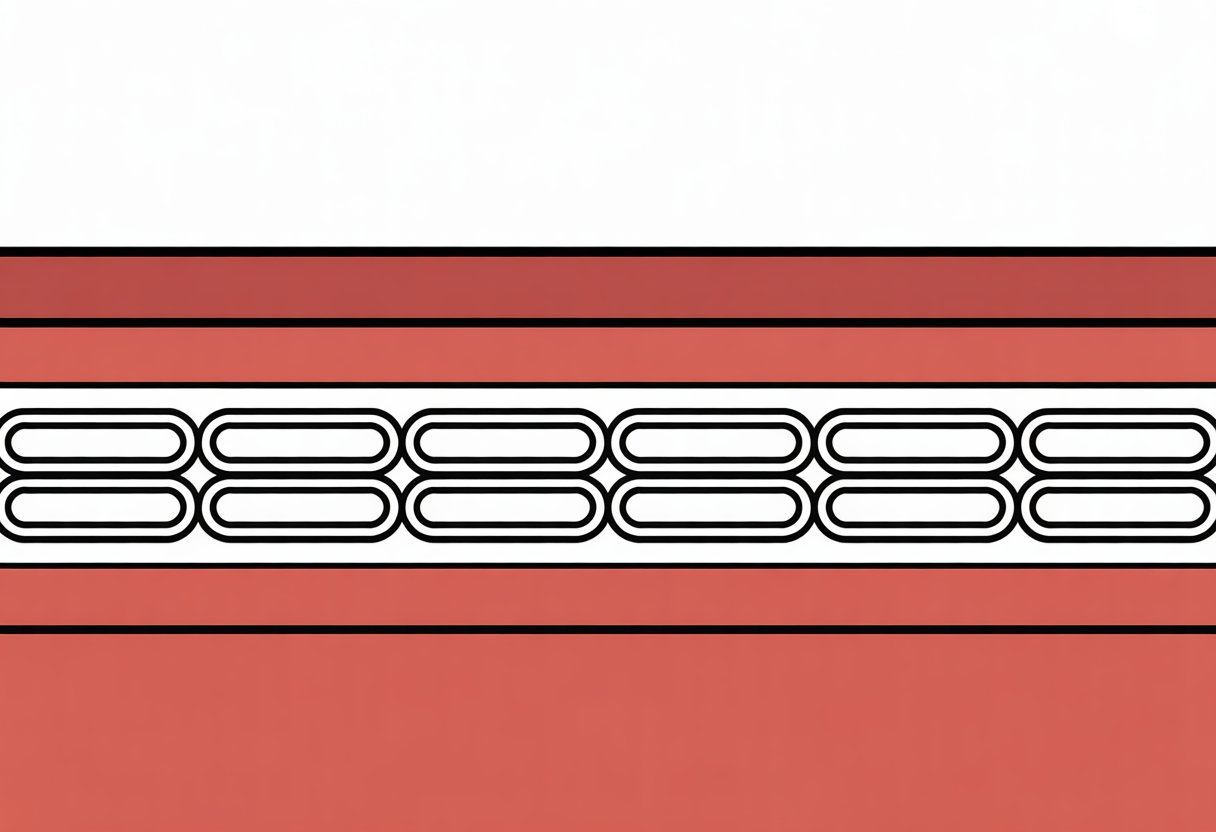
Each spring in a pocket coil system sits inside its own fabric sleeve or pocket. These pockets keep the coils separate from each other so they can compress independently when you lie down.
When you apply pressure to one area of the mattress, only the coils directly beneath that spot compress. The surrounding coils remain stable and provide support where needed. This targeted response lets the mattress adapt to your body shape and sleeping position.
Pocketed coils are designed to compress motion within each individual pocket. The fabric wrapping creates an initial compression that reduces the bouncy feeling you get from standard springs. This construction method was first developed in 1925 as an improvement over older mattress designs.
The number of pocket coils in a mattress typically ranges from 800 to over 2,000, depending on the size and quality level.
Difference Between Pocketed Coils and Traditional Innerspring
Traditional innerspring mattresses connect all their coils together with wires or helical springs. When you press down on one spot, the entire coil system moves as a single unit. This linked structure transfers motion across the entire sleeping surface.
Pocket spring units offer more support because each spring works on its own. An innerspring mattress has less motion isolation since the connected coils spread movement throughout the bed.
Key differences include:
-
Motion transfer: Individually wrapped coils contain movement to specific areas, while innerspring systems spread it across the bed
-
Conforming ability: Pocket coils adapt to your body shape more precisely than linked coils
-
Durability: Independent coils experience less wear because they don't rub against each other
-
Noise: Pocket coil systems stay quieter since the fabric sleeves prevent metal-on-metal contact
Key Benefits of Pocket Coil Construction
Motion isolation ranks as the primary advantage of a pocket coil mattress. When your partner moves or gets out of bed, you feel minimal disturbance because the coils under them compress without affecting your side.
Pocket coil mattresses sleep cooler than foam beds. Air flows freely between the springs, letting heat escape from the mattress core. This open structure prevents the heat buildup that occurs with solid foam layers.
The independent coil action provides targeted support to different body zones. Heavier areas like your hips receive more compression while lighter areas like your shoulders get appropriate support. This balanced response helps maintain proper spinal alignment throughout the night.
Pocket coils also deliver reliable edge support. The perimeter coils compress independently to provide stability when you sit or sleep near the mattress edge.
Types of Pocket Coil Mattresses
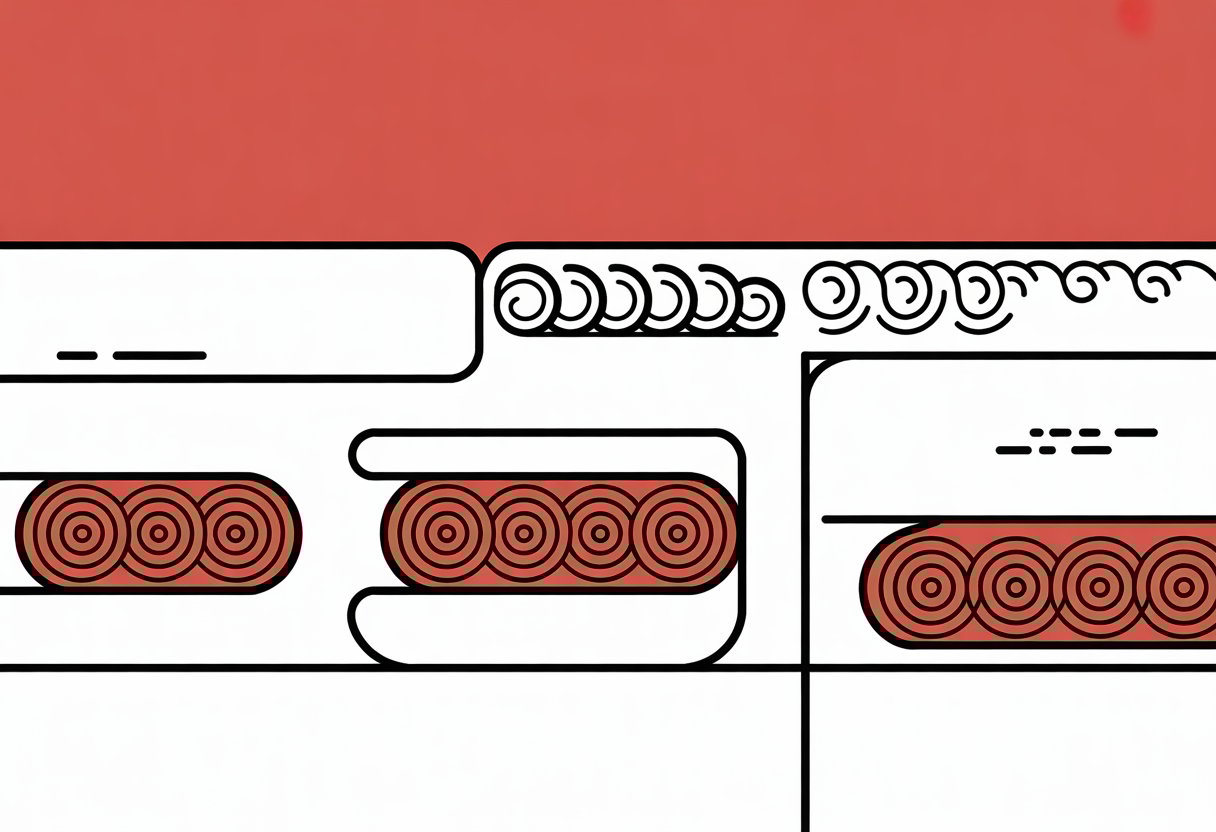
Pocket coil mattresses come in several distinct configurations, each combining the core spring system with different comfort materials and construction methods. The main variations include hybrid designs that pair coils with foam or latex, traditional innerspring models, enhanced surface constructions, and eco-friendly options made with natural materials.
Hybrid Mattresses with Pocket Coils
A hybrid mattress combines pocket coils with multiple foam layers or natural latex to create a balanced sleep surface. The pocket coils form the support core while comfort layers above provide pressure relief and contouring.
Most hybrid designs include gel-infused foam or memory foam on top of the coil system. These foam layers adapt to your body shape while the springs underneath maintain support and allow air circulation. Some premium hybrids use natural latex instead of synthetic foam for a more responsive feel and better temperature regulation.
The comfort layers in hybrid mattresses typically range from 5 to 10 centimetres thick. Thicker comfort layers create a softer feel, while thinner layers let you feel more support from the coils below. Many hybrids also include transition layers between the coils and top comfort materials to prevent you from feeling the springs directly.
Innerspring Pocket Coil Mattresses
Innerspring pocket coil mattresses focus primarily on the coil system with minimal padding layers. These mattresses feature individually wrapped springs as the main component, typically covered with thin comfort layers of cotton, wool, or basic foam.
The construction emphasizes the natural bounce and support of the pocket coils themselves. You'll find these mattresses have a firmer, more responsive feel compared to thick-padded options. The thinner comfort layers mean better airflow throughout the mattress, which helps keep you cooler during sleep.
Some models include micro coils as an additional layer above or below the main pocket coil unit. These smaller springs add extra support without significantly changing the overall firmness. Traditional innerspring pocket coil mattresses work well if you prefer sleeping on top of the mattress rather than sinking into it.
Pillow Top and Euro-Top Designs
A pillow top features an extra layer of padding sewn onto the mattress surface, creating a visible gap between the top cushioning and the main mattress body. This design adds softness while maintaining the support structure underneath.
Euro-top mattresses attach the additional padding flush with the mattress edges instead of creating a separate top layer. A euro-top mattress delivers similar cushioning to a pillow top but with a more streamlined appearance and consistent edge support around the entire perimeter.
Both styles typically include materials like cotton, wool, or foam in their enhanced comfort layers. The extra padding ranges from 2 to 8 centimetres thick depending on the desired softness level. These designs suit people who want the support of pocket coils but need extra cushioning for pressure point relief on their shoulders and hips.
Organic and Natural Options
An organic mattress with pocket coils uses certified natural materials in place of synthetic foams and fabrics. The springs are often made from recycled steel and wrapped in organic cotton fabric instead of synthetic materials.
Comfort layers in these mattresses feature natural latex, organic cotton batting, and wool. Wool provides natural temperature regulation and moisture wicking without chemical treatments. Natural latex offers pressure relief and bounce while remaining durable for many years.
Many organic options use organic cotton covers that are free from pesticides and harsh chemicals. The entire mattress construction avoids flame retardant chemicals, synthetic adhesives, and petroleum-based foams. These natural materials allow better breathability compared to synthetic alternatives, which helps regulate your body temperature throughout the night.
Comfort, Support, and Firmness
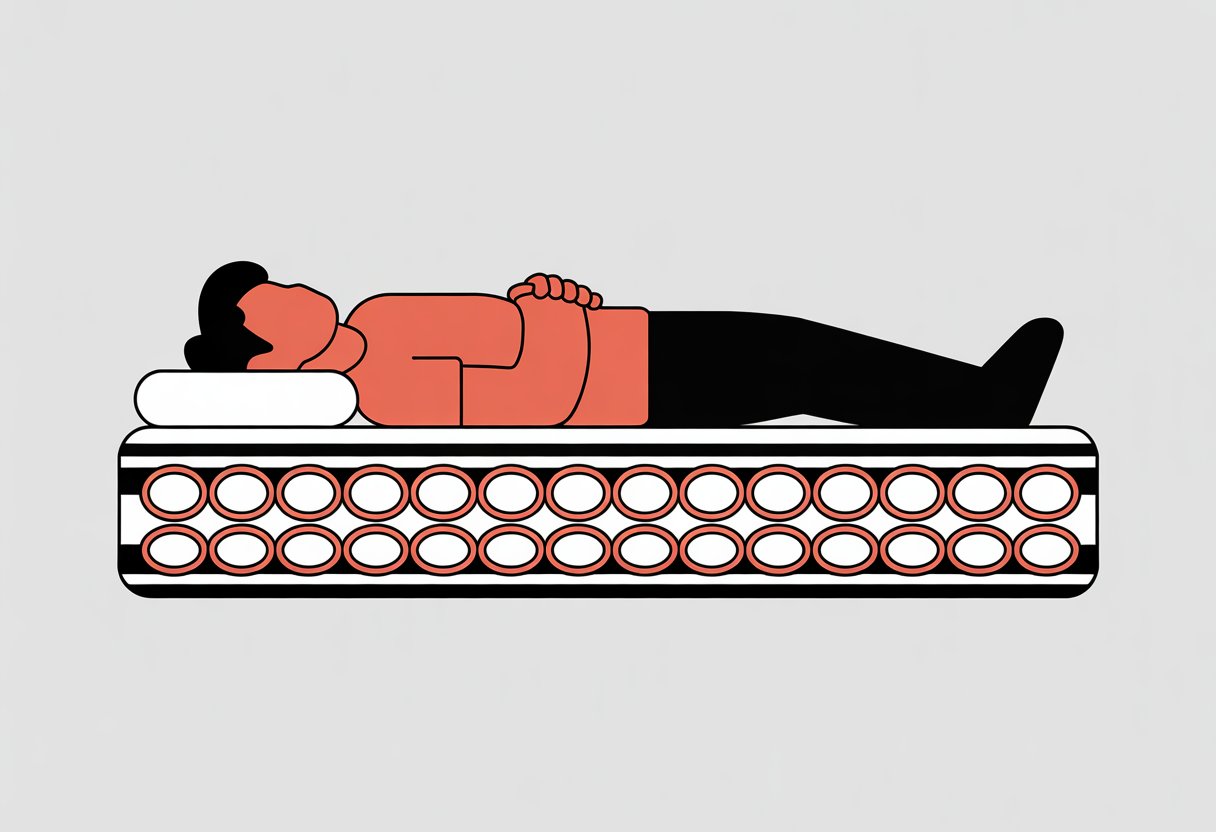
Pocket coil mattresses provide different levels of comfort and support based on their coil design and comfort layers. Your sleeping position and body type will determine which firmness level works best for you.
Pressure Relief and Comfort Layers
The comfort layers above pocket coils determine how well your mattress relieves pressure points. Most hybrid designs combine supportive pocket coils with comfort foam to balance support and cushioning.
Memory foam layers conform to your body shape and reduce pressure on your hips and shoulders. Latex layers offer responsive cushioning that bounces back quickly. Regular foam provides a firmer feel with less sinkage.
Side sleepers need thicker comfort layers to cushion their shoulders and hips. Selecting a specialized mattress for side sleepers helps alleviate pressure points during the night. Back sleepers typically need medium thickness layers. Stomach sleepers benefit from thinner comfort layers that prevent their hips from sinking too deep.
The thickness of your comfort layers affects how much you feel the coils beneath. Layers between 2.5 to 5 centimetres provide moderate cushioning. Thicker layers of 7.5 to 10 centimetres create a plush feel with more pressure relief.
Firmness Levels and Sleeping Positions
Pocket coil mattresses come in different firmness levels to match your sleeping position. Firmness ratings typically range from soft (3/10) to extra firm (9/10).
Firmness by sleeping position:
-
Side sleepers: Soft to medium (4-6/10) for pressure relief at shoulders and hips
-
Back sleepers: Medium to medium-firm (5-7/10) for spinal alignment
-
Stomach sleepers: Medium-firm to firm (6-8/10) to prevent lower back pain
A medium-firm mattress works for most sleepers who change positions during the night. This firmness level provides enough cushioning for side sleeping whilst maintaining support for back sleeping.
Your body weight affects how firm a mattress feels. Heavier individuals compress layers more and may need a firmer mattress. Lighter individuals sink less and often prefer softer options.
Coil gauge and count also influence firmness. Lower gauge numbers mean thicker wire and a firmer feel. Higher coil counts generally create a firmer, more supportive surface.
Edge Support and Motion Transfer
Pocket coils excel at reducing motion transfer because each coil moves independently. When your partner shifts position, the movement stays localised to their side of the bed.
Pocket coil springs provide very defined edge support compared to foam mattresses. The coils near the perimeter resist compression when you sit or sleep near the edge.
Edge support matters if you sleep near the mattress edge or sit on the side whilst getting dressed. Poor edge support causes sagging that reduces your usable sleep surface. Strong edge support uses reinforced coils around the perimeter or foam encasement.
Motion isolation improves with lower coil gauges and fabric pockets that reduce coil friction. Thicker comfort layers also absorb movement before it reaches your sleeping partner.
Zoned Pocket Coils and Zoned Support
Zoned pocket coils use different firmness levels in specific areas of your mattress. The head and foot zones typically contain firmer coils whilst the middle section has softer coils.
This design provides targeted support where your body needs it most. Softer coils under your shoulders and hips allow pressure relief. Firmer coils under your lower back and legs maintain proper spinal alignment.
Common zoning configurations:
-
3-zone: Soft centre with firm head and foot sections
-
5-zone: Head, shoulders, lumbar, hips, and legs each get specific support
-
7-zone: Additional zones for upper back and thighs
Zoned support benefits side sleepers who need their shoulders to sink whilst keeping their spine aligned. Back sleepers gain lumbar support without excessive pressure on their upper back.
The effectiveness of zoned coils depends on proper sizing. A zone designed for your shoulders won't help if it lands at your upper back instead. Your height determines whether zones align with your body properly.
Construction and Materials

Pocket coil mattresses combine several key components to deliver comfort and support. The coil system forms the foundation, while foam layers and cooling technologies work together to create a balanced sleep surface that meets safety standards.
Coil Count and Coil Gauge
The number of coils in a mattress affects how well it supports your body. Most pocket coil mattresses contain between 800 and 2,000 individual coils, depending on the size. A higher coil count generally means better body contouring and more precise support.
Coil gauge measures the thickness of the wire used to make each spring. The gauge typically ranges from 12 to 15, with lower numbers indicating thicker, firmer coils. A 12-gauge coil is thicker and provides more support than a 15-gauge coil.
Thicker coils work well for heavier sleepers who need extra support. Thinner coils offer more flexibility and contouring for lighter sleepers. Many manufacturers combine different gauges in zones throughout the mattress to provide targeted support where you need it most.
Comfort and Transition Foams
Comfort layers sit on top of the coil system to cushion your body. These layers typically include memory foam, polyfoam, or latex in varying densities. The comfort layer directly touches your body and shapes to your curves.
Transition foam acts as a bridge between the soft comfort layers and the firm coil system below. This middle layer prevents you from feeling the coils while maintaining proper support. Durable foam in the transition layer helps the mattress maintain its shape over years of use.
The thickness of these foam layers varies by model. Some mattresses use thin comfort layers for a firmer feel, while others include several inches of plush foam. The density and quality of the foam affects how long these layers maintain their supportive properties.
Breathability and Cooling Features
Pocket coil mattresses feature individually wrapped springs that create natural airflow channels throughout the mattress. The spaces between coils allow air to circulate, helping regulate temperature during sleep.
Many models include additional cooling technologies for hot sleepers. Open-cell foam in the comfort layers allows more air movement than traditional closed-cell foam. Gel infusion in memory foam helps draw heat away from your body.
Some manufacturers add cooling nanofibres or phase-change materials to the cover fabric. These materials actively work to regulate surface temperature. The combination of coil ventilation and cooling materials creates a sleep surface that stays comfortable through the night.
Certifications and Safety Standards
CertiPUR-US certification confirms that foam materials meet strict standards for emissions, content, and durability. This certification ensures the foam doesn't contain harmful chemicals like formaldehyde, heavy metals, or certain flame retardants.
Certified foams must have low volatile organic compound emissions for better indoor air quality. The certification also verifies that manufacturers use environmentally responsible production processes.
Other common certifications include OEKO-TEX for fabrics and GREENGUARD for low chemical emissions. These third-party certifications provide assurance that the materials in your mattress meet health and safety standards. Check for these labels when comparing different pocket coil models.
Durability, Warranty, and Customer Policies
Pocket coil mattresses typically last 7 to 10 years with proper care, and manufacturers often back their products with warranties ranging from 10 to 25 years. Most companies also offer trial periods between 90 and 120 nights to help you decide if the mattress works for you.
Durability and Longevity
High-quality pocket coil mattresses are designed for long-lasting support due to their individually wrapped coil construction. The coil count and gauge affect how long your mattress maintains its shape and comfort. Look for at least 800 coils in a queen size for better durability.
The quality of materials in the comfort layers also impacts lifespan. Memory foam, latex, and natural fibres can resist wear differently over time.
Factors that affect durability:
-
Coil gauge (thickness of wire)
-
Quality of foam layers
-
Weight and usage patterns
-
Proper foundation support
Over time, some coils may lose their springiness, which can lead to sagging. This is the most common issue covered by mattress warranties. You can extend your mattress's life by rotating it regularly and using a proper bed frame with adequate centre support.
Warranties and Trial Periods
Most pocket coil mattress manufacturers offer warranties between 10 and 25 years. A 15-year warranty is common for mid-range to premium models. These warranties typically cover manufacturing defects, excessive sagging beyond a certain depth, and faulty coils.
Warranties usually don't cover normal wear, stains, or damage from improper use. Read the terms carefully to understand what qualifies as a defect. Some companies require you to use a specific type of foundation or mattress protector to keep the warranty valid.
Trial periods let you test the mattress at home before committing. A 100-night sleep trial is standard across the industry. This gives your body time to adjust to the new sleeping surface. During the trial period, you can return the mattress if it doesn't meet your needs.
Some companies require a minimum break-in period of 30 nights before accepting returns. Others charge restocking fees or shipping costs for returns.
Return Policies
Return policies vary by manufacturer and retailer. Most companies that offer trial periods will pick up the mattress from your home at no extra cost if you decide to return it. Some donate returned mattresses to charity rather than reselling them.
You'll typically receive a full refund during the trial period, though some companies may deduct shipping or restocking fees. Check whether the return policy applies only to purchases made directly from the manufacturer or if it includes third-party retailers.
Common return requirements:
-
Original purchase receipt
-
Mattress in clean, unstained condition
-
No physical damage beyond normal testing
-
Return initiated within trial period
Keep your receipt and warranty documentation in a safe place. Take photos of any defects when they appear to support warranty claims later.
How to Choose the Best Pocket Coil Mattress
Finding the right pocket coil mattress involves evaluating your comfort preferences, budget constraints, and the specific features that match your sleeping needs. Consider factors like coil count, material quality, and firmness levels to ensure you make an informed purchase decision.
Factors to Consider When Buying
Coil count plays a significant role in determining mattress quality and support. Higher coil counts generally provide better contouring and pressure relief, with quality pocket coil mattresses typically containing between 800 and 2,000 coils.
The gauge of the coils affects firmness and durability. Lower gauge numbers indicate thicker wire, which creates a firmer feel. Most pocket coil mattresses use coils between 12 and 15 gauge.
Key specifications to evaluate:
-
Coil count: Higher counts offer better support
-
Coil gauge: 12-15 gauge for optimal balance
-
Comfort layers: Latex, foam, or wool toppers
-
Edge support: Reinforced perimeters prevent sagging
Comfort preferences and temperature regulation matter when selecting your mattress. If you sleep hot, look for models with breathable materials and enhanced airflow between coils.
Consider your sleeping position carefully. Side sleepers need more cushioning for shoulders and hips, while back and stomach sleepers benefit from firmer support to maintain spinal alignment.
Best Pocket Coil Mattresses in Canada
Several Canadian brands offer high-quality pocket coil options with different features. Identifying the best pocket coil mattress in Canada involves comparing local manufacturing standards and delivery options. The Serta iComfort provides luxury hotel-style comfort with individually wrapped coils and premium materials suited for various sleeping positions.
The Sealy Posturepedic Hybrid mattress combines pocket coils with foam layers for balanced support and pressure relief. The Sealy Posturepedic Hybrid works well for couples who need motion isolation.
The Galaxy Hybrid mattress features zoned support through its coil system, offering targeted pressure relief. The Galaxy Hybrid includes multiple foam layers above the pocket coils for added comfort.
When evaluating pocket coil mattresses in Canada, verify the warranty length and trial period. Most reputable manufacturers offer at least 10-year warranties and 100-night sleep trials to ensure customer satisfaction.
Budget and Value Considerations
Pocket coil mattresses range from $800 to $3,000 depending on materials and construction quality. Mid-range options between $1,200 and $2,000 typically offer the best value for most sleepers.
Durability affects long-term value significantly. Quality pocket coil mattresses maintain their shape and support for 8 to 12 years, making them more cost-effective than cheaper alternatives that need replacement sooner.
Price factors include:
-
Coil count and gauge
-
Comfort layer materials (latex costs more than foam)
-
Manufacturing location and brand reputation
-
Additional features like cooling technology
Compare warranty coverage and what it actually protects. Some warranties only cover significant sagging beyond a specific depth, whilst others include structural defects and material failures.
Consider delivery and setup costs in your budget planning. Many Canadian retailers include free shipping and old mattress removal, but some charge extra for these services.
Frequently Asked Questions
Pocket coil mattresses raise common questions about their performance, durability, and suitability for different sleepers. Understanding how coil count affects support, what firmness level matches your needs, and how these mattresses handle motion can help you make an informed choice.
What are the benefits of a pocket coil mattress compared to other types?
Pocket coil mattresses offer targeted support because each spring moves independently. This design allows the mattress to respond to your body's specific pressure points rather than shifting as one unit.
Pocket coils redistribute weight more effectively than traditional innerspring mattresses. They typically need less foam layering on top, which can make them more breathable and cooler to sleep on.
These mattresses also tend to be more durable than all-foam options. The steel coils maintain their shape longer than foam materials that can compress over time.
How does motion isolation in pocket coil mattresses enhance sleep quality?
Each coil in a pocket coil mattress sits in its own fabric sleeve. When you or your partner moves, only the coils directly affected compress and respond.
This isolated movement means you're less likely to feel your partner tossing and turning throughout the night. Better motion isolation leads to fewer sleep disruptions and more restful sleep overall.
The independent coil design creates natural barriers between different areas of the mattress. This makes pocket coil mattresses particularly good for couples with different sleep schedules or movement patterns.
Can pocket coil mattresses accommodate different body types and sleeping positions?
Stomach sleepers, back sleepers, and people over 200 pounds typically do better on firmer pocket coil mattresses. Firmer support keeps your spine aligned and prevents your hips from sinking too deeply.
Side sleepers often prefer softer comfort layers over the coils. An ideal mattress for side sleepers will contour to the body while maintaining proper spinal support. The independent springs still provide support while allowing cushioning for your shoulders and hips.
Heavier individuals benefit from the durable steel construction. The coils maintain their support structure better than foam under higher weight loads.
What is the typical lifespan of a pocket coil mattress?
A quality pocket coil mattress typically lasts between seven and ten years with proper care. The steel coils themselves can maintain their support for even longer.
The comfort layers on top of the coils usually wear out before the spring system does. Rotating your mattress every three to six months helps distribute wear more evenly.
Higher coil counts and thicker gauge steel often indicate better durability. These features help the mattress resist sagging and maintain proper support over time.
How do the number of coils in a mattress affect comfort and support?
More coils generally mean better contouring and support distribution across the mattress surface. A higher coil count allows the mattress to respond more precisely to your body shape.
Queen-size pocket coil mattresses typically contain between 800 and 2,000 individual coils. Entry-level models might have fewer, while premium mattresses can exceed this range.
Coil count isn't the only factor that matters. The gauge (thickness) of the wire, the coil height, and the quality of the comfort layers all contribute to overall performance.
What should be considered when choosing the firmness level of a pocket coil mattress?
Your primary sleeping position should guide your firmness choice. Back and stomach sleepers need firmer support to keep their spine neutral, while side sleepers often need softer surfaces.
Your body weight also affects how firm a mattress feels. A medium-firm mattress might feel soft to a heavier person but firm to someone lighter.
Pocket coil mattresses don't hug your body like foam does. The springs provide support without creating an enveloping sensation, so consider whether you prefer a more responsive feel or deeper contouring when selecting firmness.