Choosing the right mattress matters because people spend about one-third of their lives sleeping. A pocket coil mattress uses individual springs wrapped separately in fabric to provide support while you rest. This design is different from traditional innerspring options where all the coils connect together.
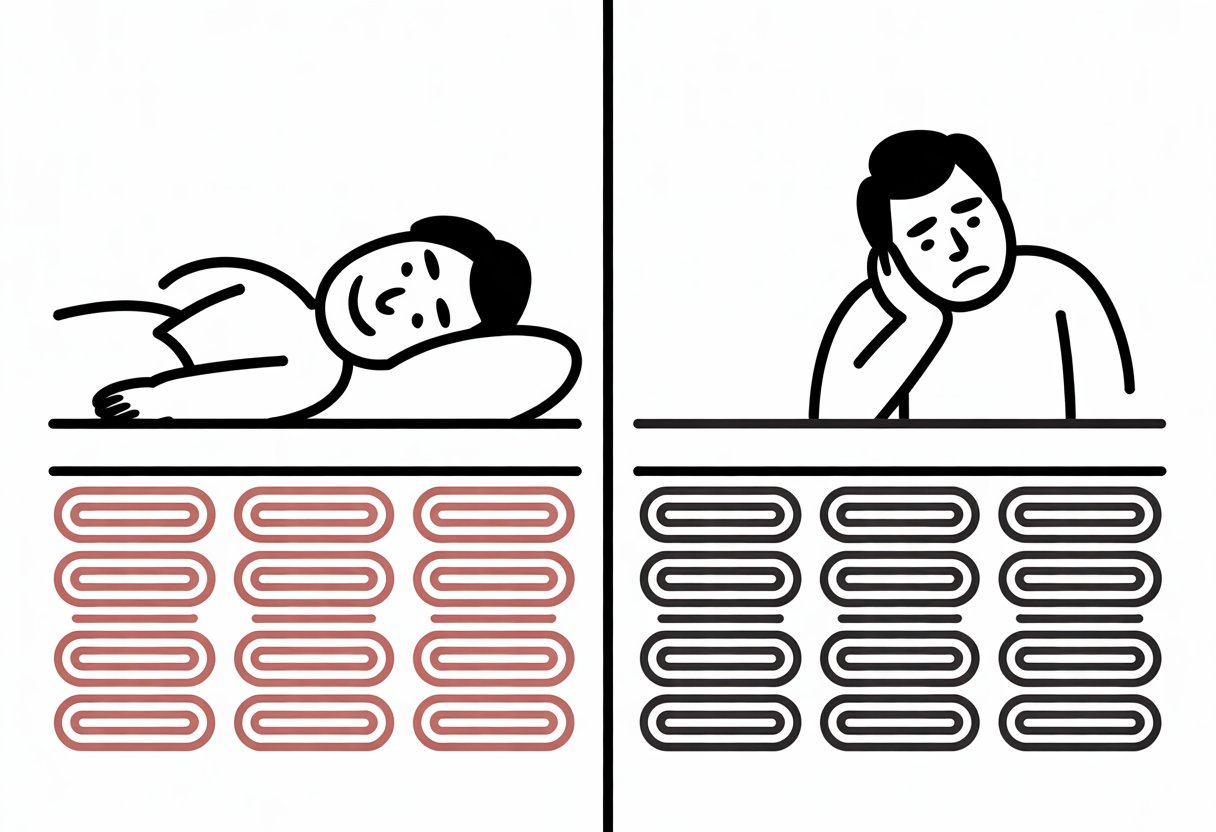
Understanding how pocket coil mattresses work helps you decide if this type fits your sleep needs. Each wrapped coil moves on its own to respond to your body's pressure points. We'll look at the benefits and drawbacks of this mattress style so you can make an informed choice for better sleep.
Key Takeaways
- Pocket coil mattresses feature individually wrapped springs that move independently to support your body
- These mattresses offer specific advantages like customised support but also have some limitations to consider
- Understanding the differences between pocket coil and other mattress types helps you choose the right option
Benefits
Less Movement Felt Across the Bed
When springs are wrapped separately rather than linked together, movement stays in one spot. If your partner gets up during the night or shifts position, you won't feel it as much on your side.
This motion isolation matters for couples with different schedules or light sleepers. The individually wrapped coils work on their own, so motion doesn't travel across the surface like it does with connected springs.
Tailored Body Support
Each coil responds to pressure on its own. This means the mattress adjusts to different parts of your body separately.
The individually wrapped coils compress where you need them to and stay firm where you don't. This creates targeted support for your pressure points. Your shoulders and hips get relief while your spine stays aligned, no matter what sleeping positions you prefer.
Long-Lasting Construction
Pocket coil mattresses often last longer than other types. The fabric around each spring protects it from wear and damage over time.
This encasement keeps the support core stable for years. The comfort layer and transition layer on top also tend to hold up better because the coils underneath maintain their shape.
Better Air Flow
Air moves freely between the separate coils. This air circulation helps the mattress stay cooler throughout the night.
A cooler sleep temperature often leads to better quality sleep. The space between coils prevents heat from building up like it does in solid foam beds, helping you maintain a comfortable sleeping environment.
Downsides
Cost Considerations
Pocket coil mattresses typically cost more than traditional innerspring beds. The individually wrapped springs require more materials and labour to manufacture compared to bonnell coils or offset coils that connect together.
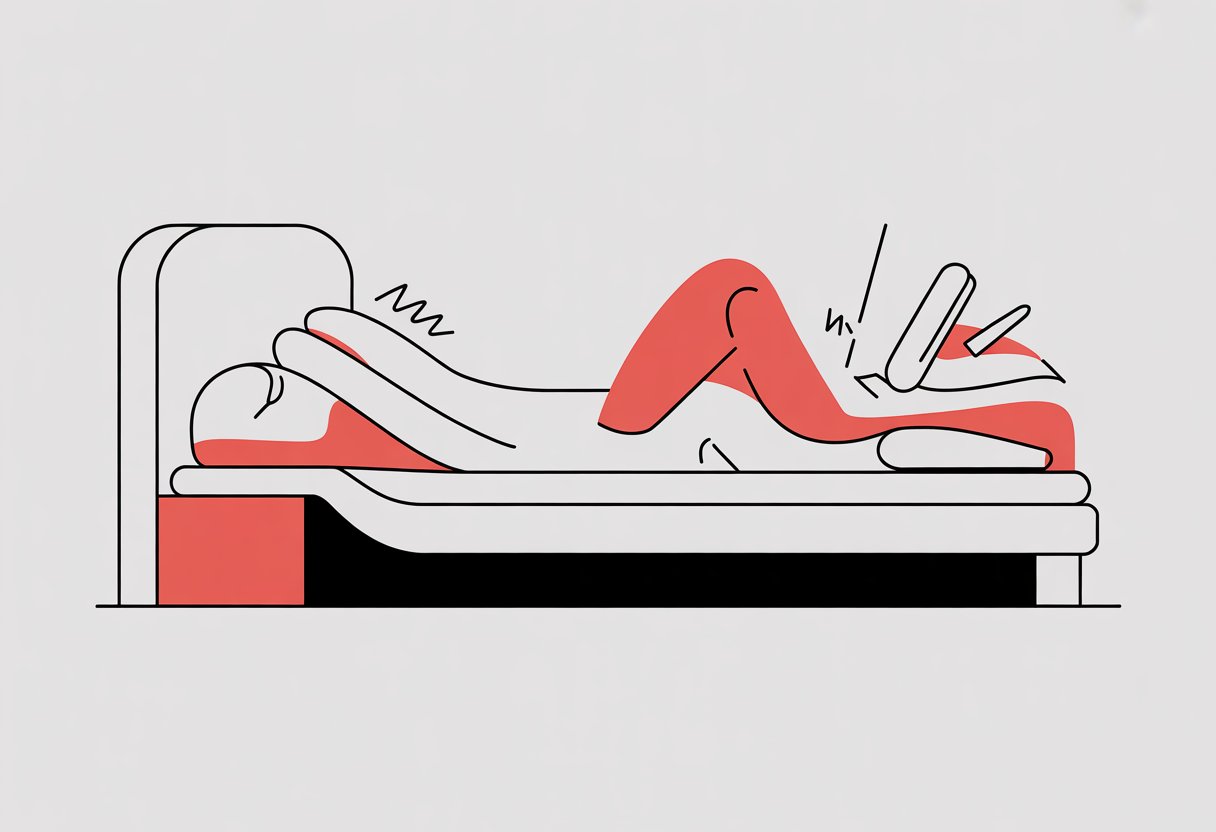
We find this makes pocket coil options less accessible for shoppers working with tight budgets. While you get better support than basic innerspring models, the price difference can be significant. Those who need to minimize spending might look at other mattress foundations or adjustable bed compatible options instead.
Limited Bounce Response
The independent coil design reduces how much the bed bounces. Each spring moves on its own rather than transferring motion across the entire surface.
Some sleepers prefer more responsive surfaces. If you like a bed with noticeable spring and rebound, pocket coils may feel too subdued. Traditional innerspring mattresses with connected coils offer more bounce. The trade-off is that pocket coils provide better motion isolation between sleep partners.
Minimal Contouring Feel
Pocket coil mattresses don't hug your body the way foam does. The springs provide support but won't create that enveloping sensation.
Memory foam and gel foam layers conform closely to your shape. A foam comfort layer added on top of pocket coils helps somewhat, but the base support remains firm. We see this as a drawback for people who want to feel cradled by their mattress.
Those seeking deep compression and that sunken-in feeling should consider a firm mattress with thick foam layers instead. Pocket coils maintain a more surface-level sleep experience.
Frequently Asked Questions
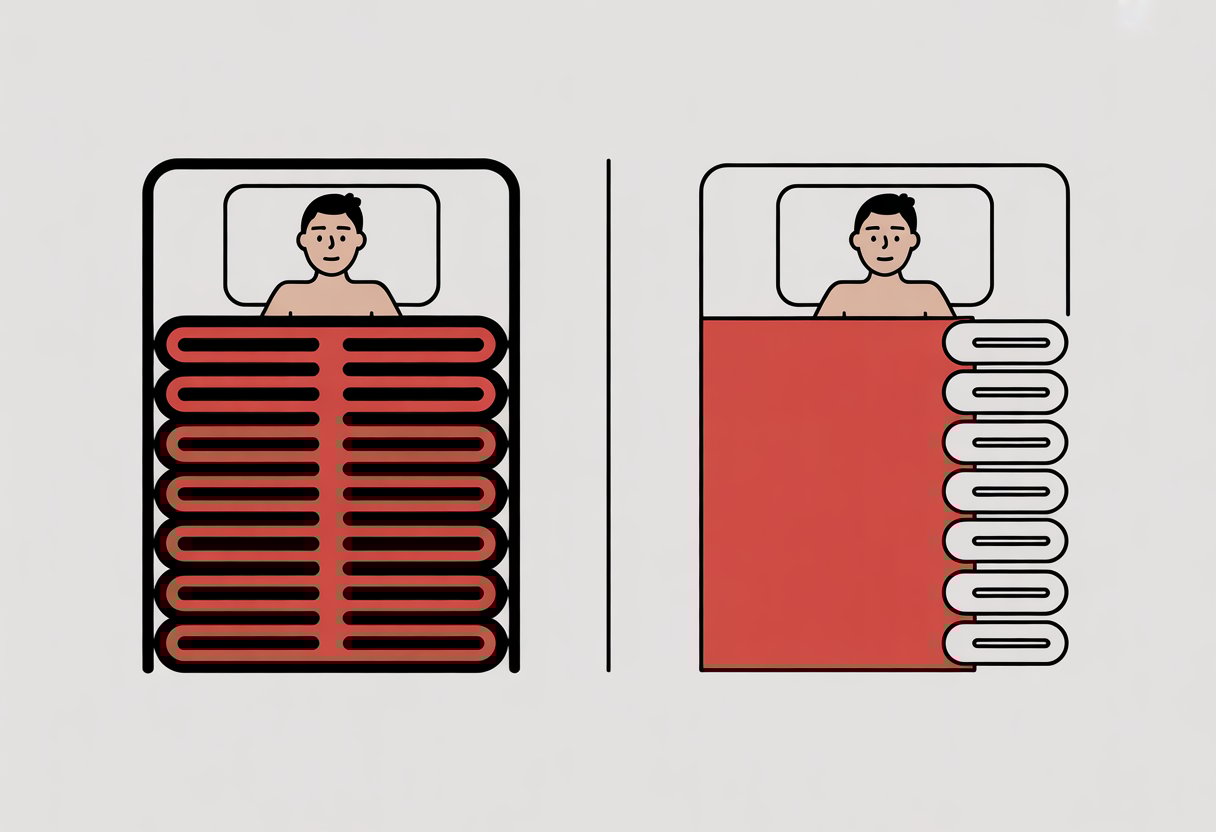
Why Do Pocket Coil Mattresses Excel at Reducing Movement Transfer?
Pocket coil mattresses work well for couples because each spring sits in its own fabric sleeve. When one person moves, only the coils under that person compress.
The springs next to them stay still. This design keeps motion from spreading across the bed.
Traditional innerspring mattresses connect all their coils together with wire. When someone shifts position, the movement travels through the entire coil system. Pocket coil mattresses provide better motion isolation than these older designs.
The fabric pouches also reduce noise. Metal coils rubbing against each other create squeaking sounds in regular innerspring beds. Pocket coils don't touch each other, so they stay quiet when you move during the night.
How Does Support Differ Between Pocket Coil and Other Mattress Styles?
Pocket coil mattresses adjust to your body shape because each spring works on its own. The coils compress more under heavier areas like your hips and less under lighter areas like your waist.
This creates targeted support for different body parts. Memory foam mattresses hug your entire body evenly, while latex provides a bouncy feel. Pocket coils offer a middle ground with responsive support.
The individually wrapped springs mould to your body better than connected coil systems. Your spine gets support where it needs it most.
The number of coils affects support quality. More coils per square metre means better contouring. Higher-quality pocket coil mattresses often have between 1,000 and 2,000 individual springs.
What Should We Know About How Long Pocket Coil Mattresses Last?
Pocket coil mattresses typically last 7 to 10 years with proper care. The fabric sleeves around each coil can wear down over time, especially in mattresses with thinner materials.
Factors that affect longevity:
- Quality of the coil gauge (thicker wire lasts longer)
- Number of coils in the mattress
- Weight of the sleepers
- Frequency of rotating the mattress
- Quality of the comfort layers above the coils
The comfort layers on top of the coils often wear out before the springs do. Foam or padding can develop body impressions after several years of use.
Using a proper foundation helps pocket coil mattresses last longer. A solid platform or box spring prevents the coils from sagging. Rotating your mattress every three to six months distributes wear evenly across all the springs.
Do Pocket Coil Mattresses Work for All Sleep Positions?
Pocket coil mattresses adapt to back, side, and stomach sleepers when they include the right comfort layers. The coils themselves provide the base support, but the materials on top determine how well each position feels.
Position-specific considerations:
| Sleep Position | What Works Best |
|---|---|
| Side sleepers | Need softer comfort layers to cushion shoulders and hips |
| Back sleepers | Benefit from medium firmness that supports the lower back |
| Stomach sleepers | Require firmer surfaces to keep hips from sinking too far |
The independent coil movement helps all positions because the springs adjust to pressure points. Side sleepers get relief for their shoulders and hips. Back sleepers receive lumbar support without pressure.
Stomach sleepers need to choose firmer pocket coil models. Too much sinking can create an uncomfortable arch in the lower back. The coil gauge and comfort layer thickness determine whether a pocket coil mattress suits your preferred sleeping position.
What Back Pain Concerns Exist With Pocket Coil Mattresses?
Pocket coil mattresses can either help or hurt back pain depending on the firmness level and coil quality. Some people find that pocket coils don't provide enough contouring for their spine alignment needs.
Lower-quality pocket coil mattresses with fewer springs may create uneven support. Gaps between the coils can cause certain body parts to sink while others don't get enough cushioning. This creates misalignment in the spine.
Potential issues for back pain sufferers:
- Mattresses that are too firm push against the natural curve of the spine
- Mattresses that are too soft let the hips sink too far down
- Worn-out comfort layers stop cushioning pressure points properly
- Low coil counts create inconsistent support across the surface
The comfort layers above the coils matter more for back pain than the springs themselves. Memory foam or latex toppers can add contouring that helps keep the spine aligned. People with chronic back pain should test pocket coil mattresses before buying to ensure the firmness level works for their body.
How Do Pocket Coil Mattresses Manage Heat During Sleep?
Pocket coil mattresses sleep cooler than all-foam beds because air flows between the springs. The open space in the coil layer lets heat escape instead of getting trapped against your body.
The comfort layers on top affect temperature more than the coils do. Memory foam toppers hold heat, while latex and wool layers breathe better. Hybrid pocket coil mattresses with cooling gel or breathable covers improve airflow.
Temperature features to look for:
- Breathable cover fabrics like cotton or bamboo
- Gel-infused foam in the comfort layers
- Natural materials like wool or latex
- Ventilated designs in the foam layers
The price of pocket coil mattresses often reflects better cooling features. Higher-end models use materials that regulate temperature more effectively.
Hot sleepers should avoid thick memory foam layers on pocket coil mattresses. Choosing models with thinner comfort layers lets you benefit from the natural airflow of the coil system.