

















When shopping for bed sheets, you might assume that 1000 thread count beats 500 every time. The truth is more complicated than the numbers suggest. A 500 thread count sheet is typically better than 1000 thread count because manufacturers often inflate higher numbers by using multi-ply yarns, and sheets above 600 thread count tend to trap heat and feel less breathable. Many brands count each ply in a yarn separately to create misleadingly high thread counts that don't reflect actual quality.
The ideal thread count for most sheets falls between 300 and 600, depending on the weave type. Beyond this range, you're likely paying more for marketing rather than better comfort or durability. The type of cotton, how the fibres are processed, and the weave pattern matter far more than hitting a specific thread count number.
Understanding what makes the best sheets truly comfortable will save you money. Finding a good thread count is just one small piece of the puzzle when searching for good quality sheets. You should also consider the overall sheet feel to determine if they will stay soft and breathable for years.
Key Takeaways
Thread counts between 300 and 600 offer the best balance of softness, breathability, and durability for most sheets
Manufacturers often inflate thread counts above 600 by counting multi-ply yarns separately, making the numbers misleading
Cotton quality, fibre length, and weave type matter more than thread count when choosing comfortable, long-lasting sheets
What Does Thread Count Mean?
When asking what does thread count mean, it is essentially a measurement of fabric density. Specifically, what is thread count refers to the total number of horizontal and vertical threads woven into one square inch of material.
The way manufacturers calculate and report these numbers can vary significantly. This affects how you should interpret your sheet thread count when shopping for new bedding.
How Thread Count Is Calculated
Thread count represents the total number of threads woven into one square inch of fabric. This includes both the horizontal threads (called weft) and the vertical threads (called warp). If a fabric has 250 horizontal threads and 250 vertical threads per square inch, it has a thread count of 500.
The calculation seems straightforward, but it only works this way when manufacturers count single threads. A standard 200 thread count is often the entry point for quality. Most quality sheets fall between 200 and 800 thread count, representing an honest measurement of single threads.
Understanding how your sheets were counted helps you compare products accurately. When you see dramatically different prices for similar thread counts, the calculation method might explain the difference.
The Role of Ply in Thread Count
Ply refers to how many individual fibres are twisted together to create a single thread. Single-ply sheets use one fibre per thread, while multi-ply sheets twist two or three fibres together. Some manufacturers count each fibre separately rather than counting the finished thread, which inflates the advertised thread count.
A sheet with 200 actual threads per square inch made from 3-ply yarn can be marketed as 600 thread count. This practice makes the number look impressive but doesn't improve fiber quality.
True single-ply quality rarely exceeds 400-500 for the best thread count for sheets. This range ensures optimal feel and long-term durability.
Multi-ply threads often use shorter, lower-quality fibres that need to be twisted together for strength. This creates heavier, less breathable fabric despite the higher number on the label.
Limitations of Thread Count as an Indicator
Sheet thread count tells you about fabric density but reveals nothing about fibre quality, length, or type. Two sheets with identical thread counts can feel completely different depending on whether they use long-staple cotton, short fibres, or synthetic blends. The weave pattern and finishing treatments also affect how sheets feel and perform.
Anything above 1,000 thread count is often lower quality because manufacturers must use tricks to reach those numbers. Physical limitations prevent weaving that many true single-ply threads into one square inch without compromising the fabric structure.
Focus on the complete picture rather than the number alone. Fibre type, weave quality, and whether the count represents single-ply or multi-ply threads matter more than reaching a specific thread count threshold.
500 vs 1000 Thread Count: Which Is Better?
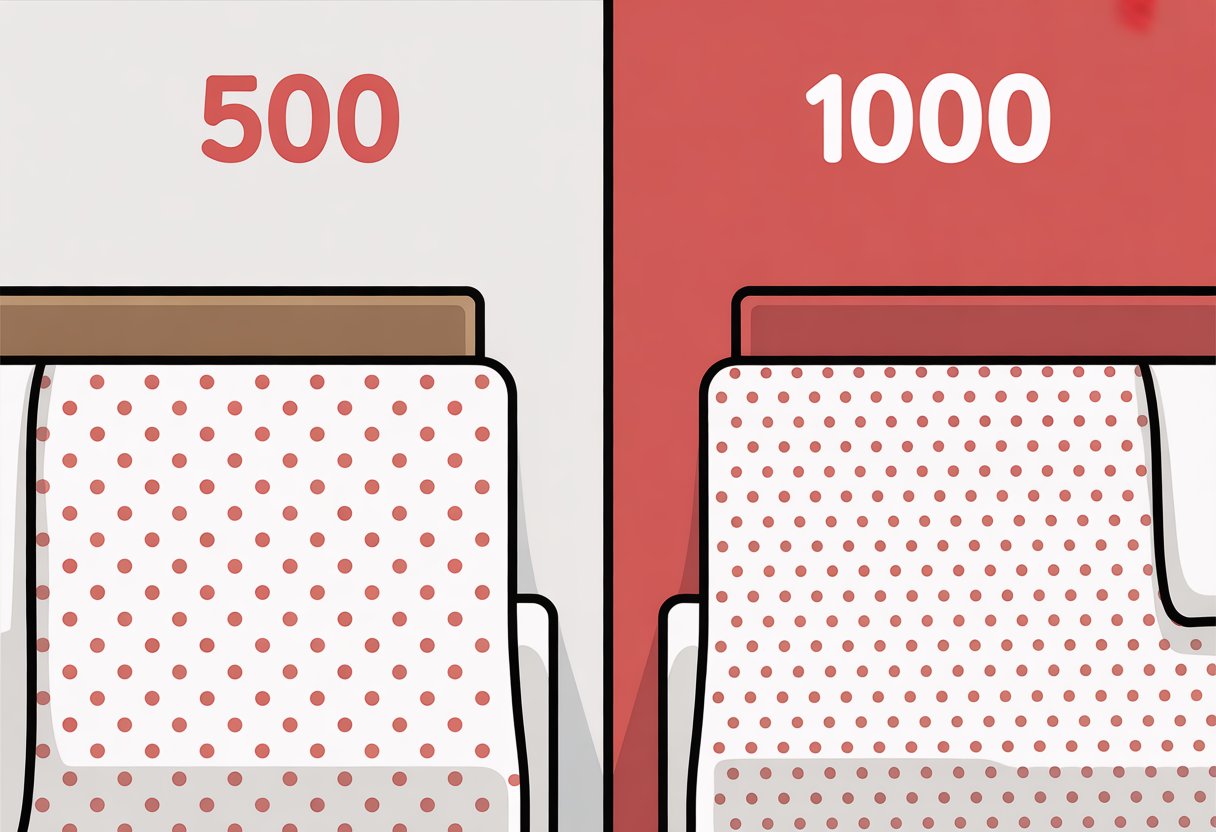
A 500 thread count typically offers better quality than 1000 thread count. This remains true whether you prefer cotton sateen or cotton percale. Finding the best thread count for sheets in the 200-600 range provides the best balance of comfort and performance.
Physical Limits and Reality of High Thread Counts
There's a physical limit to how many threads can fit into a square inch of fabric. When you see thread counts substantially over 1,000, manufacturers are likely using multi-ply yarns and counting each ply separately rather than as a single yarn.
A 500 thread count sheet made with two-ply yarns might be advertised as 1000 thread count. This practice inflates the numbers without improving quality. Even an 800 thread count can be misleading if it relies on multi-ply construction rather than high-quality single-ply yarns.
Single-ply yarn creates softer, more pliable fabric than multi-ply alternatives. When manufacturers use two-ply or three-ply yarns to boost thread counts, the sheets become stiffer and less comfortable.
Real thread count limits:
Percale weave: 250-500 thread count maximum
Sateen weave: 300-600 thread count optimal range
Above 600: likely using ply inflation
Impact on Softness, Breathability, and Feel
High thread counts don't guarantee better softness. A 300-500 thread count offers good balance of softness and breathability, whilst very high thread counts may trap heat.
Thread count measures fabric density. When sheets have too high a thread count, air can't circulate well and you'll sleep hot. A 500 thread count allows enough airflow to keep you comfortable throughout the night.
Breathability comparison:
Thread Count | Breathability | Best For |
|---|---|---|
500 | Excellent | Hot sleepers, year-round use |
1000 | Poor | Marketing claims only |
The feel of your sheets depends more on cotton quality and yarn type. Long-staple cotton at 500 thread count often creates the softest sheets. These feel significantly better than short-staple cotton even at a 1000 thread count.
Durability and Longevity Considerations
Durable sheets come from quality materials and proper weaving, not inflated thread counts. A lower thread count fabric, like 233, is more durable and cost-effective than excessively high counts.
Sheets with 500 thread count maintain their integrity through repeated washing. The single-ply yarns used at this optimal thread count resist pilling and tearing better than the multi-ply yarns needed to reach 1000 thread count.
Multi-ply construction creates weak points where the plies can separate. Your sheets may look impressive on the label, but they'll wear out faster than honest 500 thread count options.
Durability factors:
Yarn quality matters more than quantity
Single-ply outlasts multi-ply
Proper thread count (500) extends sheet life
Over-dense fabric (1000) weakens faster
The best investment is sheets between 200-600 thread count made from long-staple cotton. These provide years of comfortable sleep without the marketing gimmicks of inflated numbers.
Why Higher Thread Count Isn't Always Better
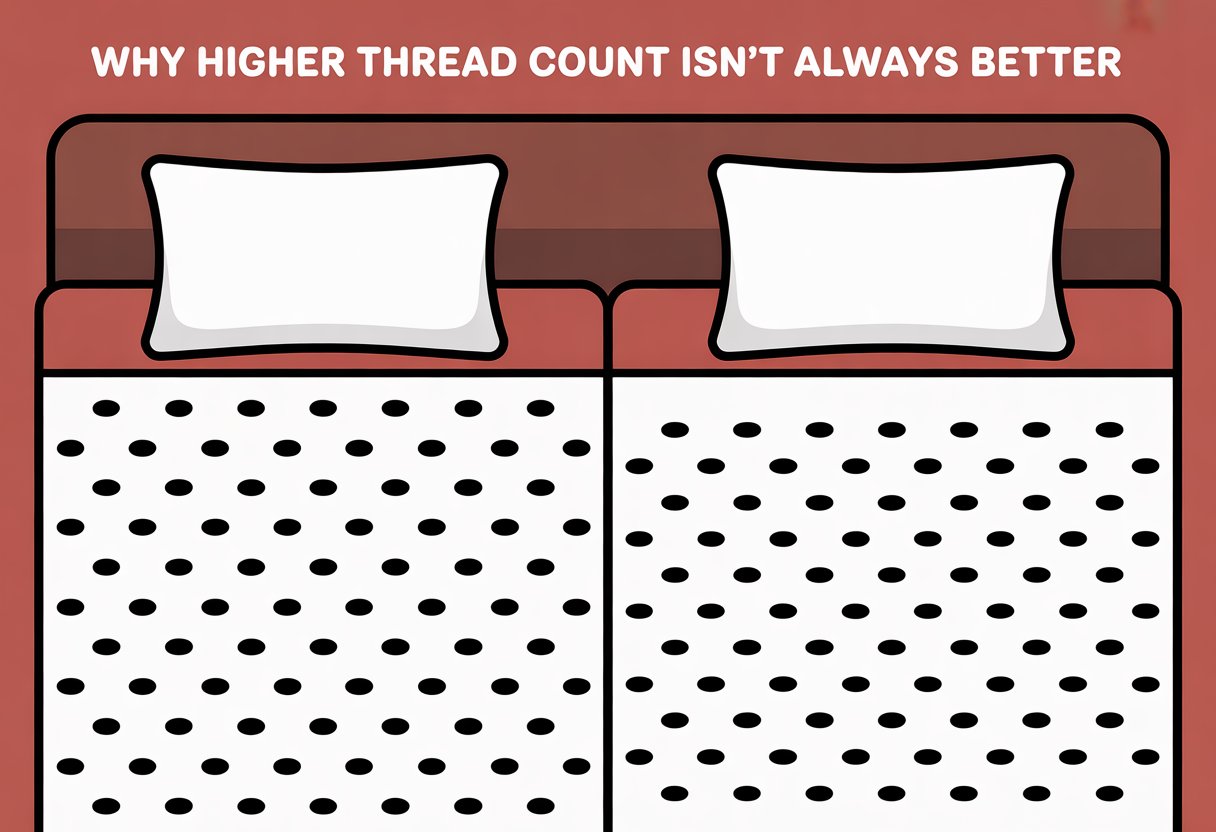
Many brands use inflated numbers to make sheets appear more luxurious than they actually are. The way manufacturers count threads can double or triple the advertised thread count without improving quality at all.
Marketing Myths and Misleading Labels
Brands often market sheets with thread counts of 1,000 or higher as premium products. But thread counts above 600 often use multi-ply yarns to inflate the number, which can lead to dense, heavy fabric that traps heat and feels less breathable.
The physical limits of weaving mean that extremely high thread counts are rarely what they claim to be. Finding a good thread count involves balancing density with air circulation. A square inch of fabric can only hold so many quality threads before the weave becomes too tight.
Some manufacturers inflate thread count by using creative counting methods that don't actually improve how the sheets feel or perform. These marketing tactics focus on impressive numbers rather than actual comfort or durability.
Sheets with 500 thread count made from quality fibres often outperform those claiming 1,000 thread count made from cheaper materials.
Single-Ply vs Multi-Ply Yarns Explained
Single-ply yarn consists of one strand of fibre twisted together. Multi-ply yarns twist two, three, or more strands together to create thicker threads.
When manufacturers use multiple-ply yarns, they often count each individual strand separately. A sheet woven with 250 three-ply threads per square inch gets labelled as 750 thread count. This doesn't create a denser or softer fabric.
Multi-ply yarn actually creates heavier, stiffer sheets compared to single-ply yarn of the same advertised thread count. The extra plies add bulk without improving breathability or softness.
Quality sheets typically use single-ply yarn in the 300-500 range. These provide better airflow and a softer feel than sheets made with ply yarn tricks to reach higher numbers.
The Importance of Material and Fibre Quality
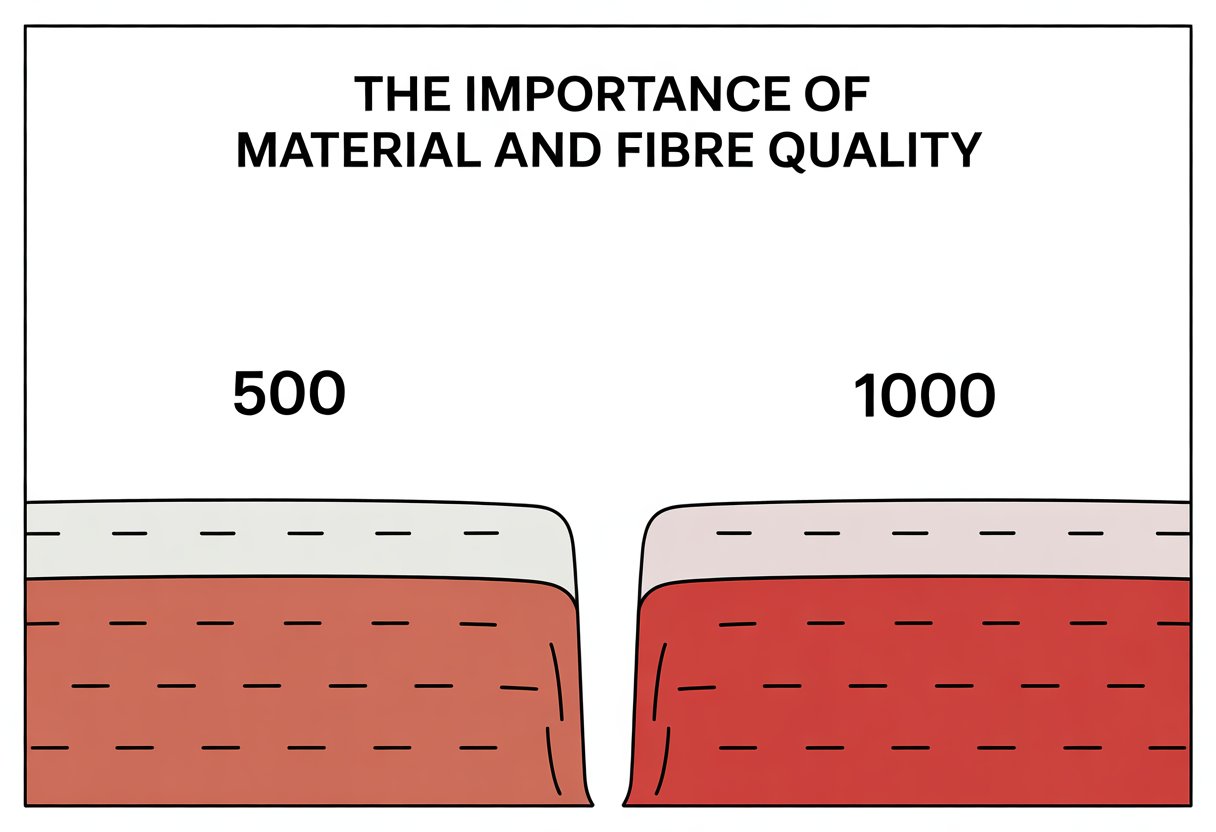
The type of cotton and fibre used in your bed sheets matters more than thread count alone. Premium materials with longer fibres create softer, stronger sheets that last longer and feel better against your skin.
Long-Staple Cotton Varieties
Long-staple cotton produces some of the best sheets because of its extra-long fibres. These fibres measure at least 1.5 inches in length, which allows manufacturers to spin them into smoother, more durable threads.
When you buy sheets made from long-staple cotton, you get fabric that feels softer and resists pilling better than regular cotton. The longer fibres create fewer loose ends in the weave, which means less friction and a silkier feel.
Standard cotton fibres are much shorter. They create rougher threads that break down faster with washing. This is why sheets with thread counts between 300 and 500 made from long-staple cotton often outperform higher thread count sheets made from inferior cotton.
The difference becomes obvious after just a few washes. Long-staple cotton sheets maintain their softness and strength, while short-staple cotton sheets become thin and rough.
The Role of Egyptian Cotton, Pima, and Supima
Egyptian cotton is grown in Egypt's Nile River Valley, where the climate produces extra-long fibres. True Egyptian cotton sheets offer exceptional softness and durability because the fibres can reach up to 2 inches in length.
Pima cotton is grown primarily in the United States, Peru, and Australia. It shares similar qualities with Egyptian cotton, featuring long fibres that create smooth, strong fabric. The fibres typically measure between 1.4 and 2 inches.
Supima is a trademarked name for American Pima cotton that meets specific quality standards. Only the top 1% of cotton grown in the United States earns the Supima label. These cotton sheets resist pilling and fading better than standard cotton options.
All three varieties cost more than regular cotton, but they deliver better value over time. Egyptian cotton sheets, Pima sheets, and Supima sheets stay soft and intact through hundreds of washes.
How Other Materials Compare (Linen, Bamboo, Tencel)
Linen sheets are made from flax plant fibres and work differently than cotton. Thread count matters less for linen because the material is naturally thick and textured. Linen sheets feel crisp at first but soften with each wash, and they excel at keeping you cool in hot weather.
Bamboo sheets are made from bamboo fibres processed into a rayon-like fabric. High-quality bamboo sheets feel silky smooth and regulate temperature well. However, the manufacturing process uses chemicals.
Tencel is a brand name for lyocell, a fibre made from wood pulp. Tencel sheets feel smooth like bamboo but are more environmentally friendly. They absorb moisture better than cotton and resist wrinkles.
For those in colder climates, flannel sheets offer a cozy alternative. Unlike high thread count cotton, flannel is measured by weight, providing warmth through a brushed surface rather than a dense weave.
Each material has different strengths. Cotton offers the best balance of comfort, durability, and breathability for most people. Linen works best in hot climates. Bamboo and Tencel suit those who want silky-smooth bed sheet materials with good moisture control.
Weave and Fabric Type: How They Influence Comfort and Quality
The way threads are woven together and the fabric material used matter just as much as thread count when choosing quality sheets. Different weave patterns create distinct textures and performance characteristics that affect how your sheets feel and function.
Percale vs Sateen Weave
Cotton percale uses a simple one-over-one-under pattern that creates a crisp, cool feel. These sheets have a matte finish and feel light against your skin. They work well if you sleep hot because air moves through them easily.
The fabric gets softer with each wash but keeps its crisp texture. Many hotels use percale sheets because they feel clean and fresh.
A cotton sateen weave follows a different pattern where threads go over three or four threads. This satin weave creates a smooth, silky surface with a slight sheen. Sateen sheets feel heavier and warmer than percale.
The extra surface threads make sateen softer right away, but these sheets can pill more easily over time. They suit cooler sleepers who prefer a luxurious drape.
Plain, Satin, and Other Special Weaves
Plain weave is the most basic pattern and the same technique used in percale. The threads cross at right angles in an alternating pattern. This makes strong, durable fabric that lasts through many washes.
A satin weave differs from sateen mainly in material rather than technique. True satin uses silk fibres, while sateen uses cotton. Both create that signature smooth finish and lustrous appearance.
Jacquard and damask weaves add decorative patterns directly into the fabric structure. These special weaves use a loom to create raised designs. They add visual interest but don't necessarily improve comfort or durability.
How Weave Affects Sheet Performance
Your weave choice affects temperature control throughout the night. Percale's tight plain weave allows better airflow, making these sheets breathable and cool. Sateen's dense surface threads trap more heat against your body.
Durability varies by weave pattern too. Percale sheets typically last longer because the balanced weave distributes stress evenly. Sateen's longer surface threads can snag or pill with regular use.
The feel against your skin changes based on weave structure. Percale feels crisp and gets softer gradually. Sateen feels immediately soft but may lose that smoothness faster. Consider which texture you prefer for daily comfort.
Recommended Thread Count Ranges by Material and Weave
The best thread count for sheets depends on the type of cotton and weave pattern used. Cotton sheets typically perform best between 200 and 600 thread count, while percale and sateen weaves each have their own ideal ranges.
Best Thread Count for Cotton and Long-Staple Sheets
Cotton sheets made with long-staple or extra-long-staple fibres work best within specific thread count ranges. For most cotton fabrics, you should look for thread counts between 200 and 600 to get good quality sheets.
Long-staple cottons like pima and Supima contain longer cotton fibres that create smoother, more durable yarns. These premium cottons perform well at 300 thread count and above because the longer fibres stay flat and resist pilling. Sheets made from regular cotton with shorter fibres need slightly higher thread counts to achieve similar softness.
The ideal thread count for your cotton sheets also depends on whether you want breathability or softness. A 300 thread count provides good air circulation and keeps you cooler at night. Moving up to 400 or 500 thread count gives you a softer feel while still maintaining decent breathability.
Avoid cotton sheets with extremely high thread counts above 800. These sheets often trap heat and may use inflated counting methods that don't reflect actual quality.
Optimal Thread Counts for Percale and Sateen
Percale and sateen weaves require different thread count ranges because of their distinct construction patterns. Percale sheets work best between 200 and 400 thread count, while sateen performs better from 300 to 600 thread count.
Percale uses a simple one-over-one-under weave pattern that creates a crisp, cool fabric. A 200 to 300 thread count gives you quality percale sheets with excellent breathability. Going up to 400 thread count in percale creates a denser sheet with fine yarns, but anything above 500 is unnecessary.
Sateen weaves differently by floating yarns over multiple threads, creating a silky, lustrous surface. The best thread count for sateen sheets ranges from 300 to 600, with 400 being a popular sweet spot. Higher thread counts in sateen reduce snagging of the longer yarn floats but also make the sheets heavier and warmer. While rare, a genuine 800 thread count in a sateen weave offers a very thick, substantial feel for those who like heavy bedding.
Recognising Misleading Thread Count Claims
Some manufacturers inflate thread counts by using questionable counting methods. When evaluating is 500 or 1000 thread count better, consider that companies often count multi-ply yarns as separate threads. This practice artificially inflates the number without adding value.
Two-ply yarns contain two threads twisted together. Honest manufacturers count this as one yarn, but some brands count each thread separately to double their advertised number. A 500 thread count sheet made with two-ply yarn might be marketed as 1000 thread count, even though the fabric density remains the same.
Single-ply yarn actually creates softer, more flexible sheets than multi-ply construction. You'll get better quality by choosing sheets with moderate thread counts made from single-ply, long-staple cotton rather than high thread count sheets with multi-ply yarns. Look for thread counts between 300 and 500 in your cotton sheets as a reliable indicator of quality without misleading inflation.
Other Key Factors When Buying Sheets
Thread count alone doesn't determine sheet quality. The weight of the fabric, trusted brand certifications, and your personal sleep preferences all play important roles in finding sheets that will last and keep you comfortable.
Sheet Weight (GSM, Momme) and Its Importance
GSM stands for grams per square metre and measures how much a fabric weighs. Cotton sheets typically range from 80 to 120 GSM for lightweight options and 120 to 160 GSM for heavier bedding. Higher GSM usually means thicker, more durable sheets.
Momme is a different measurement used mainly for silk sheets. It describes the weight of silk per 100 yards. Quality silk sheets generally fall between 19 and 25 momme.
Lightweight sheets (lower GSM) work well if you sleep hot or live in warm climates. They allow more air to flow through the fabric. Heavier sheets provide more warmth and tend to feel more substantial against your skin.
Typical GSM ranges:
Lightweight: 80-120 GSM
Medium weight: 120-160 GSM
Heavy weight: 160+ GSM
The weight you choose affects how the sheets drape over your mattress and how they feel throughout the night.
Sheet Brands and Certifications
Reputable brands like Brooklinen and Boll & Branch often provide detailed information about their sheet materials and manufacturing processes. These companies typically use quality cotton and transparent thread count labelling.
Look for OEKO-TEX Standard 100 certification, which means the fabric was tested for harmful chemicals. Global Organic Textile Standard (GOTS) certification indicates organic cotton grown without pesticides.
Brands that specialize in luxury bedding usually offer better quality control than department store brands. They're more likely to use long-staple cotton and avoid inflating thread counts with multi-ply yarns.
Check whether the brand discloses where they source their cotton and manufacture their products. Transparency often indicates higher standards. Some brands also offer warranties or satisfaction guarantees, which shows confidence in their product quality.
How to Choose Based on Personal Preferences
Your ideal sheets depend on whether you sleep hot or cold. The sheet feel is determined by both weave and weight. While many shoppers look for the softest sheets, hot sleepers should prioritize breathable cotton percale.
Cold sleepers or those who prefer softer, warmer bedding do better with sateen weaves and thread counts between 400 and 600. The denser fabric traps more heat.
Consider sheet materials beyond cotton. Linen offers excellent breathability for summer months. Bamboo-derived fabrics feel silky and resist moisture. Microfibre costs less but doesn't breathe as well as natural fibres.
Your budget matters when buying good quality sheets. High-quality percale costs less than luxury sateen because it uses fewer threads per square inch. You don't need to spend hundreds of dollars to get comfortable, durable sheets if you focus on the right thread count range and fabric type for your needs.
Test the sheets by touching them in store if possible, or buy from brands with good return policies.
Frequently Asked Questions
Thread count numbers can be confusing, especially when comparing 500 and 1000 counts. The quality of materials and construction methods matter more than hitting a specific number.
What are the advantages of higher thread count sheets?
Higher thread count sheets between 400 and 600 typically offer a smoother, softer feel against your skin. The increased number of threads per square inch creates a tighter weave that reduces pilling and helps the fabric last longer.
However, thread counts above 800 should be viewed with caution unless verified by the manufacturer. Many brands use multi-ply threads to artificially inflate their numbers without improving actual quality.
Quality single-ply sheets range from 200 to 500 thread count. Anything over 500 usually involves multiple plies twisted together, which can make the fabric feel heavier and less breathable.
How does thread count affect the durability of bed linens?
Thread count impacts durability, but the type of fibres and construction method matter more. Single-ply threads made from long-staple cotton create stronger, more durable sheets than multi-ply alternatives with higher thread counts.
Sheets with 500 thread count made from high-quality cotton can outlast 1000 thread count sheets made from lower-grade fibres. The weave quality and fibre length determine how well your sheets resist tears and maintain their structure over time.
Extra-long staple cotton fibres create fewer interruptions in the yarn. This results in a stronger fabric with minimal loose ends that could lead to pilling or deterioration.
Can you feel the difference between 500 and 1000 thread count sheets?
Most people cannot feel a meaningful difference between 500 and 1000 thread count sheets. Some users report they can't tell any real difference between 600 and 1000 thread count options.
The feel depends more on the fabric type and finishing process than the thread count alone. A well-made 500 thread count sateen sheet will feel smoother than a poorly constructed 1000 thread count percale sheet.
Sheets claiming 1000 thread count often use multi-ply yarns that make the fabric heavier and less breathable. This can actually reduce comfort rather than improve it.
Does a higher thread count guarantee a more comfortable sleep experience?
A higher thread count does not automatically mean better sleep. Thread counts between 200 and 600 work best for most fabrics, with the ideal range depending on the weave style you prefer.
Percale sheets feel crisp and cool with thread counts between 200 and 300. Sateen sheets have a silkier feel and work best in the 300 to 700 range.
Your sleep experience depends on breathability, moisture-wicking properties, and personal preference. Some people prefer the crisp feel of lower thread count percale over the smooth texture of high thread count sateen.
What factors should be considered when choosing between different thread counts?
Look at the fibre quality first, then consider the thread count. Extra-long staple cotton with a 400 thread count will outperform regular cotton at 1000 thread count.
Single-ply construction indicates better quality than multi-ply yarns. Check whether the manufacturer uses genuine measurement methods or inflates numbers by counting each ply separately.
The weave type affects the ideal thread count range. Percale weaves work well at lower counts while sateen weaves benefit from slightly higher numbers.
Your climate matters too. Sheets with moderate thread counts (300 to 500) typically breathe better in warm weather than tightly woven high-count options.
How do cleaning and care requirements vary between 500 and 1000 thread count bedding?
Sheets with 500 thread count are generally easier to care for than those claiming 1000 thread count. The lighter weight fabric dries faster and handles regular washing better.
Higher thread count sheets made with multi-ply yarns can trap more heat and moisture during washing. This increases drying time and may require gentler wash cycles to prevent damage.
Both options benefit from washing in cold water and line drying when possible. However, 500 thread count sheets typically maintain their shape and softness better through repeated wash cycles.
The heavier construction of genuine high thread count sheets can make them more prone to wrinkling. You may need to iron or steam these sheets more often to maintain a smooth appearance.
 by
by 


