A thick mattress can transform your sleep quality, but understanding what makes one "thick" and whether it's right for you requires some knowledge. When you're shopping for a new mattress, thickness matters more than you might think. It affects everything from comfort and support to overall mattress durability.
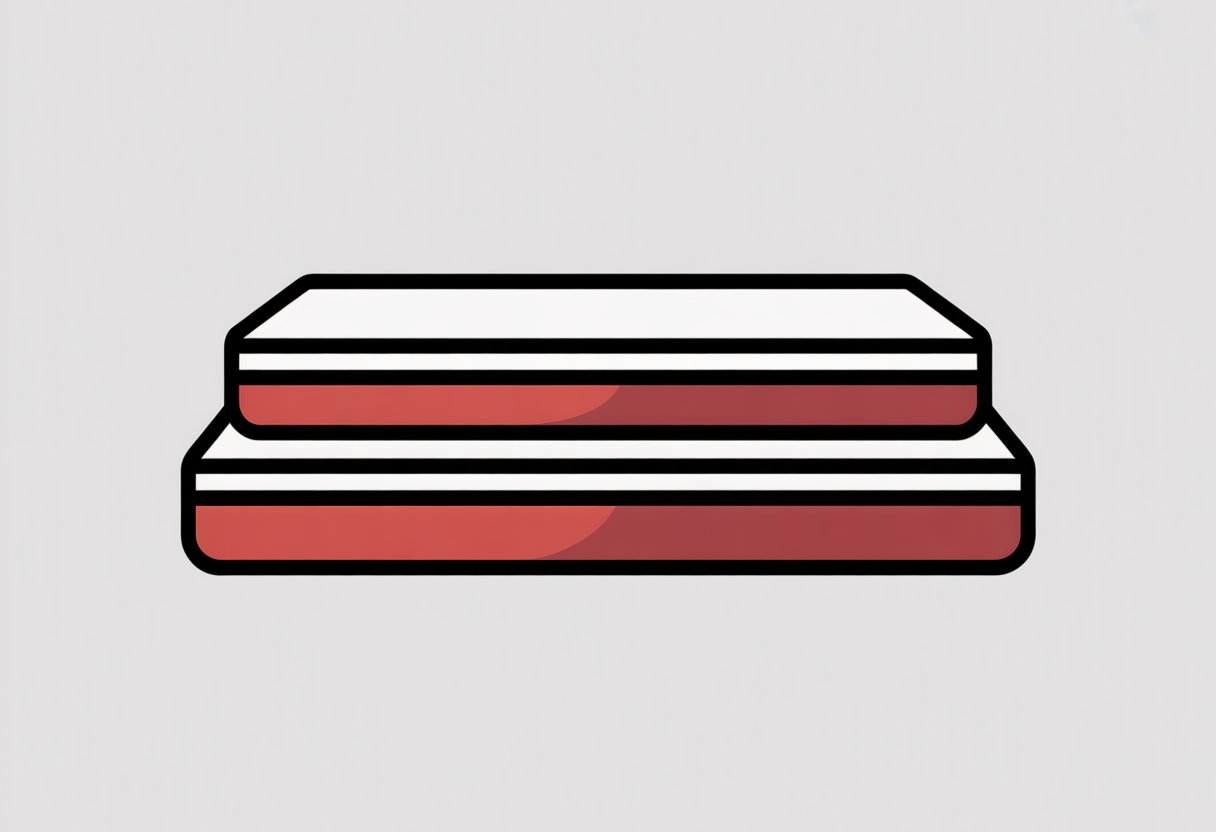
Most mattresses range from 6 to 20 inches in thickness, with the majority of people preferring mattresses between 10 and 16 inches. The right thickness for you depends on your body weight, sleeping position, health needs, and personal preferences. A mattress that's too thin won't give you proper support, while one that's too thick might prevent you from sinking into the supportive layers that relieve pressure points.
Understanding mattress thickness helps you make a smarter purchase decision. This guide breaks down what makes a mattress thick, the benefits of extra height, and how to choose the right profile for your needs.
Key Takeaways
-
Mattress thickness between 10 and 16 inches provides the best balance of comfort, support, and durability for most people
-
Thicker mattresses work better for heavier individuals, couples, and those with specific health conditions like arthritis or back pain
-
The right thickness depends on your body weight, sleeping preferences, mobility needs, and whether you share your bed with a partner
What Are Thick Mattresses?
Thick mattresses measure 12 inches or more in height and provide extra cushioning layers compared to standard options. These beds offer enhanced support and durability through their additional materials and construction depth.
Definition and Height Ranges
A thick mattress typically measures between 12 and 16 inches in total height. This category sits above standard mattresses, which range from 8 to 12 inches. The extra depth comes from thicker comfort layers, support cores, or both working together.
Mattresses between 12 and 16 inches fall into the deep, thick, or tall profile category. Your mattress thickness directly affects how much material separates you from the bed frame. More material usually means better pressure relief and longer-lasting support.
The classification breaks down into clear ranges. Low profile mattresses measure 2 to 5 inches. Slim profile options span 5 to 8 inches. Standard profile beds range from 8 to 12 inches. Anything measuring 12 inches or more qualifies as a thick mattress.
Standard vs Thick vs Extra Thick
Standard mattresses measure 8 to 12 inches and work well for most adults. They balance affordability with adequate support for average body weights. These beds fit most bed frames without requiring special fitted sheets.
Thick mattresses range from 12 to 16 inches in height. They cost more than standard options but provide extra comfort layers and stronger support systems. You'll need deeper pocket sheets to accommodate the added height.
Extra thick mattresses exceed 16 inches in total depth. These extra deep profile mattresses offer premium materials and multiple comfort layers. They're the most expensive option and can make getting in and out of bed more difficult.
|
Profile Type |
Thickness Range |
Best For |
|---|---|---|
|
Standard |
8–12 inches |
Most adults |
|
Thick |
12–16 inches |
Side sleepers, heavier individuals |
|
Extra Thick |
16+ inches |
Luxury seekers, specific medical needs |
Deep Profile and Extra Deep Mattresses
Deep profile mattresses measure 12 to 16 inches and feature multiple layers of foam, latex, or coil systems. The base layer typically makes up at least half the total thickness. This construction prevents premature sagging in high-pressure areas.
Extra deep mattresses exceed 16 inches and contain the most materials of any mattress type. They include thick comfort layers that conform closely to your body shape. These beds provide maximum pressure relief but come with practical challenges like difficult handling and higher costs.
Your bed base height matters when choosing deep or extra deep options. The combined height of your foundation plus mattress shouldn't exceed 25 inches. If you select a 14-inch mattress, your bed base should stay at 11 inches or lower for easy access.
Benefits of Thick Mattresses

Thick mattresses provide better cushioning and support compared to thinner options. They help distribute your body weight more evenly and can last longer with proper care.
Enhanced Comfort and Sleep Quality
A thick mattress typically offers more cushioning layers between you and the base support system. This extra padding helps you sink into the mattress just enough to feel comfortable without bottoming out. Thicker mattresses provide better cushioning for your back and hips, which directly affects your sleep comfort throughout the night.
The additional comfort layers in thick mattresses create a plush sleeping surface that adapts to your body shape. This contouring effect helps you maintain a neutral spine position while you sleep. When you have more material between your body and the firm base layer, you experience less pressure and more overall comfort.
Thick mattresses also help with temperature regulation because they have more space for airflow between layers. Better air circulation means you stay cooler during the night, which improves your sleep quality.
Support and Pressure Relief
Thick mattresses excel at providing proper support for your spine and joints. The thicker comfort layers spread your weight across a larger surface area, which reduces pressure on specific points like your shoulders and hips. This is especially important if you sleep on your side, where these areas bear most of your body weight.
Side sleepers and plus-size sleepers benefit most from the extra cushioning that thick mattresses provide. The additional layers prevent you from sinking through to the firm base, which would create painful pressure points. A comfort layer of at least 5 inches helps heavier sleepers avoid bottoming out.
The combination of thick comfort layers and a solid base layer keeps your spine aligned properly. This support system reduces back pain and helps you wake up feeling refreshed rather than sore.
Durability and Longevity
Thick mattresses generally last longer than thin ones because they have more material to absorb wear and tear. The thicker base layer, which usually makes up about 50% of the total height, provides stronger foundational support that resists sagging over time.
More comfort layer material means the mattress can compress and recover for more years before showing permanent indentations. Thicker mattresses offer greater durability because each layer is thicker and better able to maintain its structure under regular use.
When you invest in a thick mattress, you're getting more materials that work together to maintain support and comfort. The extra investment often pays off because you won't need to replace the mattress as soon as you would a thinner model.
Key Construction Layers in Thick Mattresses
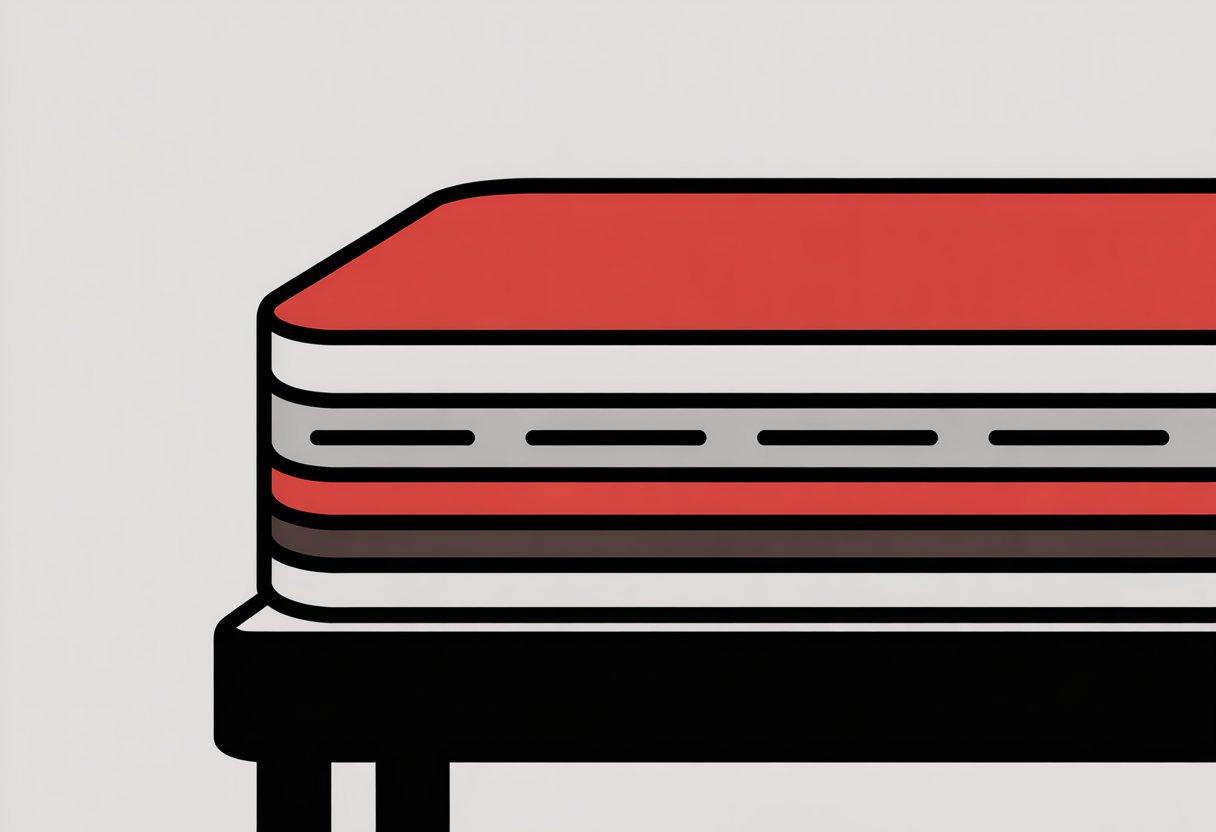
Thick mattresses typically contain three distinct layers that work together to provide comfort and support. The comfort layers sit at the top where your body makes contact, transition layers help distribute weight evenly, and the foundation layer forms the sturdy base that holds everything together.
Comfort Layers
The comfort layers are the top layers of a mattress that directly contact your body. These layers determine how the mattress feels when you first lie down.
Most thick mattresses use multiple materials in their comfort layers. Common options include memory foam, latex, wool, or cotton padding. Each material offers different benefits for pressure relief and body contouring.
The thickness of comfort layers varies between mattresses. Premium thick mattresses often feature 2 to 4 inches of comfort materials. These layers cushion pressure points like your shoulders and hips while you sleep.
Some thick mattresses include quilted covers as part of the comfort system. The quilting adds extra softness and helps the cover material move with your body. A mattress topper can add another comfort layer if you want to adjust the feel without buying a new mattress.
Transition Layers
Transition layers sit between the comfort and foundation layers. These middle layers prevent you from sinking too deeply into the mattress.
The materials in transition layers are firmer than comfort materials but softer than the foundation. You might find medium-density foam, firmer latex, or even micro coils in the transition zone. These materials help distribute your weight across the entire mattress surface.
Transition layers play a key role in spinal alignment. They provide responsive support that keeps your spine in a neutral position throughout the night. Without proper transition layers, you might experience back pain or discomfort.
The thickness of transition layers typically ranges from 2 to 4 inches in thick mattresses. This depth gives the layer enough material to properly bridge the gap between soft comfort materials and firm support materials.
Foundation Layer
The foundation layer forms the base of your mattress structure. This layer provides the primary support that holds your body weight throughout the night.
Support layers typically contain either coil systems or high-density foam. Coil systems use steel springs arranged in various configurations. High-density foam offers solid support without any metal components.
Pocketed coil systems are common in thick mattresses. Individual coils wrapped in fabric allow independent movement and reduce motion transfer between sleeping partners. Foam foundations use dense polyfoam that resists compression over time.
The foundation layer is usually the thickest part of the mattress. It can range from 6 to 10 inches in premium thick mattresses. This depth ensures the mattress maintains its shape and provides consistent support for years of use.
Types of Thick Mattresses

Thick mattresses come in three main construction types, each offering different levels of support and comfort based on the materials used. The type you choose affects how the mattress feels, its mattress durability, and how well it supports your body weight.
Foam Mattresses
A foam mattress uses layers of polyurethane foam to provide support and comfort. These mattresses typically include a base layer of high-density foam for stability and one or more comfort layers on top.
Thick foam mattresses usually measure between 12 and 16 inches. The extra thickness allows manufacturers to add more foam layers, which can improve pressure relief and support.
You'll find that foam mattresses work well if you sleep on your side or prefer a mattress that moulds to your body shape. The multiple layers help distribute your weight evenly across the surface.
These mattresses are lighter than hybrid options, which makes them easier to move and set up. However, they may trap more heat than other types because foam doesn't allow much airflow through the layers.
Memory Foam Mattresses
A memory foam mattress is a specific type of foam mattress that uses viscoelastic foam. This material responds to your body heat and weight, creating a distinctive contouring effect.
Memory foam mattresses typically range from 8 to 14 inches in thickness. Thicker models provide more cushioning and support, especially if you weigh more or need extra pressure relief.
The memory foam layers cradle your body and reduce pressure points at your shoulders, hips, and lower back. This makes them popular for people with joint pain or chronic discomfort.
Thick memory foam mattresses often include cooling technologies like gel infusions or open-cell foam structures. These features help address the heat retention issues that traditional memory foam is known for.
Hybrid Mattresses
A hybrid mattress combines innerspring coils with foam or latex comfort layers. The coil base provides support and bounce, while the top layers offer cushioning and pressure relief.
Hybrid mattresses are often found in the thick profile category, measuring 12 to 16 inches tall. The coil system takes up several inches of height, and the comfort layers add extra thickness on top.
You get better airflow with a hybrid mattress because air can circulate through the coil system. This helps regulate temperature throughout the night compared to all-foam options.
These mattresses provide a balanced feel that combines the contouring of foam with the responsiveness of springs. The extra thickness in hybrid models allows for thicker comfort layers and taller coils, which can better support heavier body weights and provide more edge support.
Choosing the Right Mattress Thickness
To find the best mattress for your lifestyle, you must consider body weight, sleeping position, and bed frame height. Most quality mattresses range from 8 to 14 inches thick, with each thickness category serving different comfort and support needs.
Factors to Consider
Your body weight plays a major role in determining the right mattress thickness for your needs. If you weigh less than 130 pounds, you'll typically feel comfortable on mattresses 12 inches or thicker because the extra cushioning conforms to your body without feeling too firm. Average-weight sleepers between 130 and 230 pounds usually do well with 10 to 12-inch mattresses that balance support and comfort.
Heavier sleepers above 230 pounds need thicker mattresses between 12 and 14 inches with comfort layers at least 6 inches thick. The extra thickness prevents excessive sinking and maintains proper spinal alignment.
Your sleeping position matters too. Side sleepers need 12 to 14 inches of thickness to cushion shoulders and hips. Back sleepers require 10 to 12 inches for spine support. Stomach sleepers do best with 10-inch mattresses that keep your midsection from sinking too much.
Consider your bed frame height as well. The total height of your mattress plus foundation should not exceed 25 inches. This lets your feet touch the floor when sitting on the bed edge.
Mattress Thickness Guide
Understanding mattress thickness categories helps you narrow down your options. Low profile mattresses between 2 and 5 inches work for cribs, toddler beds, and air mattresses but aren't suitable for regular adult use.
Slim mattresses from 5 to 8 inches contain foam layers that provide more comfort than low profile options. These work for guests or people with mobility issues who need lower beds.
Standard mattresses measuring 8 to 12 inches thick suit most sleepers. This range provides adequate comfort layers and a supportive base layer for durability. At minimum, you want a 2 to 3-inch comfort layer and a 5 to 6-inch base layer.
Thick mattresses between 12 and 16 inches offer extra cushioning for side sleepers and heavier individuals. Extra thick mattresses over 16 inches provide maximum plushness but require deep-pocket sheets and may be harder to move.
The base layer should make up at least 50 percent of the total mattress height for proper durability and support.
Mattress Thickness Chart
Here's a breakdown of how mattresses are grouped by thickness:
|
Thickness Range |
Category |
Best For |
|---|---|---|
|
2 to 5 inches |
Low profile |
Cribs, toddler beds, fold-away beds |
|
5 to 8 inches |
Slim |
Guest rooms, limited mobility users |
|
8 to 12 inches |
Standard |
Most adult sleepers, all positions |
|
12 to 16 inches |
Thick/Deep |
Side sleepers, heavier individuals, couples |
|
Over 16 inches |
Extra thick |
Maximum cushioning, specific medical needs |
Most high-quality mattresses fall between 8 and 14 inches. This range provides the comfort and support layers needed for restful sleep without being too tall or difficult to get into. Your ideal thickness within this range depends on your weight, preferred sleeping position, and whether you share your bed with a partner.
Who Should Consider a Thick Mattress?
Thick mattresses work best for heavier individuals, side sleepers, and people who need easier bed access. Your body weight, preferred sleep position, and physical abilities all play a role in determining the right mattress height.
Body Weight and Body Type
Your body weight directly affects how much you sink into a mattress and whether it provides adequate support. Heavier sleepers need thicker mattresses to ensure long-term mattress durability and prevent bottoming out. This happens when your body compresses through the comfort layers and hits the firm base.
People weighing over 230 pounds typically need at least 12 inches of mattress thickness. This extra height allows for proper weight distribution across the support layers. Without enough thickness, heavier individuals often experience pressure points at the hips and shoulders.
Couples also benefit from thicker mattresses since the combined weight of two people requires more substantial support layers. A mattress between 12 and 14 inches helps ensure both partners get proper spinal alignment throughout the night.
Lighter individuals under 130 pounds can sleep comfortably on standard 8 to 12-inch mattresses without needing extra thickness.
Sleeping Positions
Side sleepers gain the most from thick mattresses because this position creates concentrated pressure at the shoulders and hips. A mattress with 12 to 15 inches of thickness provides enough cushioning to cradle these pressure points while keeping your spine aligned.
Stomach sleepers need firmer support to prevent their midsection from sinking too deeply, which can strain the lower back. While thickness matters less for this position, a 10 to 12-inch mattress typically works well.
Back sleepers fall somewhere in the middle and can usually sleep comfortably on mattresses ranging from 10 to 13 inches thick. The key is having enough support layers to maintain the natural curve of your spine.
Combination sleepers who switch positions throughout the night often prefer thicker mattresses around 12 to 14 inches. This range provides enough versatility to support different sleeping positions while offering consistent pressure relief.
Mobility and Accessibility Needs
Thick mattresses can make getting in and out of bed more challenging for people with limited mobility. A mattress over 14 inches high, when combined with a bed frame, may create a surface that's too tall for older adults or those with joint problems.
If you have difficulty bending your knees or lifting your legs, a standard 10 to 12-inch mattress often provides better accessibility. The lower height reduces the physical effort needed to climb into bed.
However, some people with back problems find that taller mattresses actually help them. The added height brings the sleeping surface closer to a standing position, which can improve sleep comfort and reduce strain when sitting or standing.
Consider your bed frame height when choosing mattress thickness. The total height from floor to mattress top should allow you to sit on the edge with your feet flat on the ground and knees bent at roughly 90 degrees.
Alternatives and Accessories for Mattress Thickness
You can adjust your bed's height and comfort without buying a new mattress. A mattress topper adds cushioning while a low-profile mattress reduces overall height.
Mattress Toppers
A mattress topper sits on top of your existing mattress to change its feel and height. Most toppers range from 1.5 to 4.5 inches thick.
Feather and down toppers feel fluffy and soft like sleeping on a cloud. They add 3 to 4.5 inches of height and work well if you want a plush surface. These toppers compress under your body weight but maintain good support underneath.
Memory foam toppers conform closely to your body shape. They typically add 2 to 3 inches of thickness and help relieve pressure points. Memory foam can trap heat, so this material works better if you don't sleep hot.
Latex toppers provide a bouncy, springy feel. They add about 3 inches of height and last longer than other materials. Latex offers pressure relief while keeping you supported on top of the surface rather than sinking deeply into it.
Down alternative toppers use synthetic fibres to mimic real down. They cost less than natural down and suit people with allergies.
Low-Profile Mattresses vs Thick Options
A low-profile mattress measures 8 to 10 inches tall compared to standard mattresses at 10 to 14 inches. These thinner options sit lower to the ground and make getting in and out of bed easier.
You might prefer a low-profile mattress if you have mobility issues or use a platform bed. Finding sheets that fit thinner mattresses can be challenging since most sheets are designed for standard depths.
Thick mattresses between 12 and 16 inches provide more cushioning layers. They often include extra foam or coil systems for added support. You'll need deep-pocket sheets to fit these taller mattresses properly.
Key differences:
-
Height: Low-profile sits 8-10 inches, thick measures 12-16 inches
-
Accessibility: Lower beds suit people with joint pain or shorter heights
-
Support layers: Thick mattresses typically contain more comfort materials
-
Sheet requirements: Deep pockets needed for thick options, standard for low-profile
Frequently Asked Questions
Thick mattresses raise specific questions about their practical benefits, costs, and compatibility with bedroom furniture. Understanding how thickness affects sleep quality, support, and daily use helps you make informed decisions about your bedding needs.
What are the benefits of using a thicker mattress for sleep quality?
Thicker mattresses provide better pressure relief by distributing your body weight across multiple comfort layers. These mattresses are softer and plush, which can reduce tossing and turning during the night.
The extra layers create more space for your body to contour naturally. This helps reduce pressure on your hips, shoulders, and lower back.
Thicker mattresses also offer better motion isolation if you share your bed. The additional material absorbs movement more effectively than thinner options.
How does mattress thickness influence back support and comfort?
Mattress thickness directly affects how well your spine stays aligned while you sleep. A thicker base layer provides more stable support that prevents sagging in high-pressure areas.
The comfort layer thickness determines how much cushioning you feel. Back sleepers typically need 10 to 12 inches of total thickness with a thicker base layer and thinner comfort layer to prevent excessive sinking.
Side sleepers benefit from 12 to 14 inches of thickness because the extra comfort layers cushion pressure points at the shoulders and hips. Stomach sleepers need firmer surfaces around 10 inches to keep their spine properly aligned.
What should be considered when purchasing a deep-pocket fitted sheet for a thicker mattress?
Your fitted sheet should be one to three inches deeper than your mattress height to ensure proper fit. Measure your mattress thickness before shopping to avoid sheets that are too tight or loose.
Deep-pocket sheets designed for mattresses over 12 inches thick prevent the corners from popping off during the night. Standard sheets typically fit mattresses up to 14 inches, while extra-deep sheets accommodate mattresses over 16 inches.
Consider the elastic quality around the edges. Stronger elastic ensures the sheet stays in place even on very thick mattresses.
Can a thick mattress improve sleep for individuals with specific health conditions?
People with arthritis, fibromyalgia, or chronic shoulder and lower back pain often find relief with mattresses 12 to 14 inches thick. The extra cushioning reduces pressure on sensitive joints and muscles.
Individuals with back pain benefit from medium-firm mattresses in the 8 to 12 inch range. These provide enough support to prevent sinking while conforming to the natural curve of the spine.
Plus-sized individuals weighing over 230 pounds need at least 12 to 14 inches of thickness to prevent premature sagging. A comfort layer of at least 6 inches ensures adequate cushioning under higher body weight.
What are the differences in durability between thick mattresses and standard ones?
Thicker base layers make mattresses more durable because they resist sagging better over time. The base layer should account for at least 50 per cent of the total mattress thickness for optimal longevity.
A 10-inch mattress should have a base layer no less than 5 inches thick. Thinner base layers lead to premature wear in high-pressure areas where you sleep most often.
Thick mattresses generally last longer because they contain more material to absorb daily wear. However, durability also depends on the quality of materials used in each layer.
How can the weight of a thick mattress affect the choice of bed frame?
Thick mattresses weigh considerably more than standard options due to their additional layers and materials. Your bed frame must support the combined weight of the mattress and sleepers without bending or breaking.
Platform beds and frames with central support beams work best for mattresses over 12 inches thick. Slat spacing should not exceed 3 inches to prevent sagging between supports.
The total bed height matters for accessibility. Your bed base height plus mattress thickness shouldn't exceed 25 inches to make getting in and out comfortable. If your mattress is 14 inches thick, choose a bed base no higher than 11 inches.