

















Choosing the right sheets for mattress setups makes a big difference in how well you sleep each night. The best sheets depend on your mattress size, the material you prefer, and whether you sleep hot or cold. Cotton percale works well for warm sleepers while sateen feels smoother and warmer.

Your mattress needs sheets that fit properly and stay in place throughout the night. A deep pocket fitted sheet works for thick mattresses while standard depth sheets suit thinner ones. The right material also matters for comfort and how long your sheets last.
You have many choices when shopping for sheets including cotton, linen, and flannel options. Each type has different benefits for temperature control, softness, and care requirements. Understanding these differences helps you pick sheets that work best for your needs and budget.
Key Takeaways
Choose sheet materials based on whether you sleep hot or cold and your comfort preferences
Match your fitted sheet pocket depth to your mattress thickness for a proper fit
Consider fabric care requirements and durability when selecting sheets for long-term use
Types of Sheets for Mattress
When browsing for sheets for mattress comfort, sets come in different configurations and styles to match various sleeping preferences. The main distinctions involve what pieces are included in a set, whether sheets are flat or fitted, and how deep the pockets are on fitted sheets.
Sheet Sets Overview
A standard microfiber sheet set or cotton sheet set typically includes one fitted sheet, one flat sheet, and one or two pillowcases depending on the mattress size. Twin sets usually come with one pillowcase, while full, queen, and king sets include two pillowcases.
Some retailers offer alternative configurations. You can purchase fitted sheets separately if you prefer sleeping without a flat sheet. Other sets may include additional items like a duvet cover or extra pillowcases.
The pieces in your sheet set should match your mattress size. Common sizes include twin, full, queen, king, and California king. Each size has specific dimensions, so buying the wrong size means your fitted sheet won't stay in place properly.
When shopping for bed sheets in different materials and colours, consider how often you'll wash them. Having two or three sets lets you rotate them while one is in the laundry.
Flat Sheets Versus Fitted Sheets
Fitted sheets have elastic edges that wrap around your mattress corners and stay in place while you sleep. They sit directly on top of your mattress and protect it from body oils, sweat, and spills.
Flat sheets are rectangular pieces of fabric without elastic. They go between you and your blanket or duvet. Many people use flat sheets to keep their comforter cleaner, but not everyone finds them necessary.
The choice between using both types or just a fitted sheet depends on personal preference. Fitted sheets are essential for mattress protection, whilst flat sheets add an extra layer between you and your bedding. Some sleepers find flat sheets restrictive and kick them off during the night.
If you decide to skip the flat sheet, wash your duvet cover or comforter more frequently since it will have direct contact with your skin.
Deep Pocket and Extra-Deep Sheets
Mattress depth determines what pocket size you need for your fitted sheets. Standard fitted sheets typically accommodate mattresses up to 38 centimetres thick. Deep pocket sheets fit mattresses between 38 and 43 centimetres deep.
Extra-deep pocket sheets work for mattresses over 43 centimetres thick. These are necessary if you have a pillow-top mattress, memory foam topper, or an especially thick mattress design.
Using the wrong pocket depth causes problems. Sheets that are too shallow won't stay on your mattress and will pop off the corners during the night. Sheets with pockets that are too deep bunch up and create uncomfortable wrinkles.
Measure your mattress height before buying fitted sheets. Start at the bottom and measure to the top surface, including any mattress topper you use. Add about 10 centimetres to this measurement to ensure your sheets will fit comfortably and stay secure.
Materials and Fabric Options
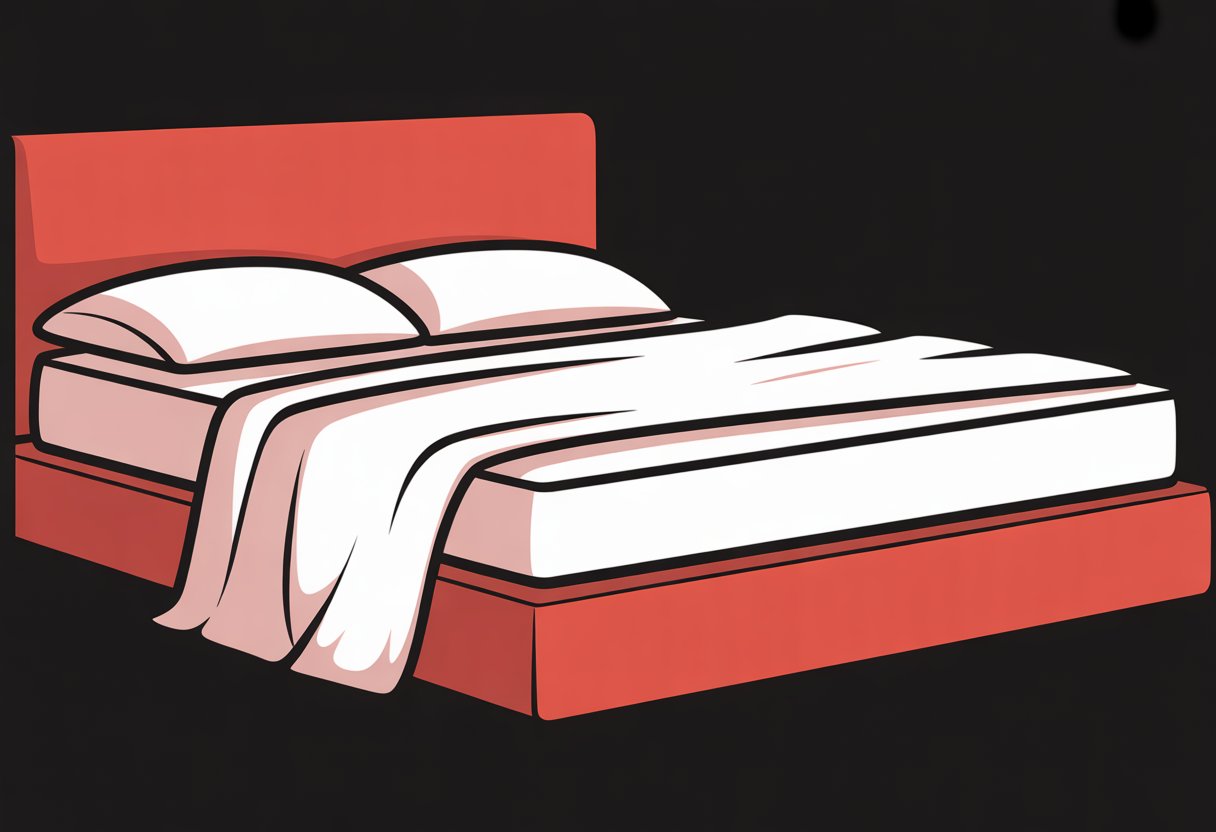
The fabric you choose for your sheets affects how well you sleep, how long they last, and how easy they are to care for. Different sheet materials offer unique benefits in terms of softness, breathability, and temperature regulation.
Cotton Bed Sheets
Cotton bed sheets remain the most popular choice for good reason. They're soft, breathable, and get more comfortable with each wash.
You'll find several types of cotton sheets on the market. Percale cotton has a crisp, cool feel with a matte finish. Sateen cotton feels silky smooth and has a slight sheen. Jersey cotton stretches like a t-shirt and feels cosy against your skin.
Egyptian and Turkish cotton are premium options known for their extra-long fibres. These longer fibres create stronger, softer sheets that last longer than regular cotton.
Thread count matters, but not as much as you might think. Sheets between 200 and 400 thread count work well for most people. Higher thread counts don't always mean better quality and can actually trap more heat.
Cotton sheets need regular washing in warm or hot water. They may wrinkle easily, so you might need to iron them if you want a crisp look.
Microfibre Sheet Set
A durable microfiber sheet set is made from ultra-fine synthetic fibres, usually polyester. These microfibre sheets cost less than cotton and resist wrinkles well.
The tightly woven fibres create a soft, smooth surface. Microfibre sheets dry quickly after washing and rarely need ironing. They're also less likely to fade or pill compared to lower-quality cotton options.
However, microfibre doesn't breathe as well as natural fibres. You might feel warmer sleeping on these sheets, especially in summer. The synthetic material can also trap moisture against your skin.
These sheets work best in cooler months or air-conditioned rooms. Wash them in cool water and avoid high heat in the dryer, as this can damage the fibres.
If you have sensitive skin, test microfibre sheets before committing to a full set. Some people find synthetic materials irritating.
Flannel Sheets
Flannel sheets are made from cotton that's been brushed to create a fuzzy, napped surface. This process traps air between the fibres, making them exceptionally warm.
You'll want flannel sheets during cold months. They feel soft and cosy right out of the package and provide excellent insulation. The brushed surface gets even softer with regular washing.
Look for flannel sheets measured in ounces per square metre rather than thread count. Heavier weights (around 170 grams or more) offer more warmth and durability.
Quality flannel shouldn't pill excessively or shed lint everywhere. Wash new flannel sheets separately the first few times to remove loose fibres. Use cool water and mild detergent to maintain their softness.
Store flannel sheets during warm months to prevent unnecessary wear. They take longer to dry than regular cotton sheets, so plan your laundry accordingly.
Eco-Friendly and Sustainable Materials
Sustainable sheet options reduce environmental impact without sacrificing comfort. Bamboo sheets excel at moisture-wicking, pulling sweat away from your body for cooler sleep.
Organic cotton sheets are grown without synthetic pesticides or fertilisers. They feel similar to regular cotton but support more sustainable farming practices. Look for certifications like GOTS (Global Organic Textile Standard) to ensure genuine organic production.
Linen sheets are made from flax plants that require less water and pesticides than cotton. Linen gets softer over time and naturally resists odours and allergens. These sheets work year-round because they regulate temperature well.
TENCEL™ Lyocell comes from wood pulp processed in a closed-loop system that recycles water and solvents. It feels smooth like silk but breathes better and costs less.
Eco-friendly sheets often cost more upfront but typically last longer than conventional options. Check care labels carefully, as some sustainable materials need gentle washing to maintain their properties.
Key Features to Consider
Shopping for sheets requires attention to fabric quality, temperature regulation, and how the material feels against your skin. These three elements determine whether your sheets will provide comfortable sleep night after night.
Thread Count and Weave Quality
Thread count measures how many threads fit into one square inch of fabric. Most people assume higher numbers always mean better quality, but that's not accurate.
Cotton sheets work best in the 200 to 400 range. Sateen styles typically fall between 300 to 600. You don't need to spend extra money on extremely high counts because the difference in feel becomes hard to notice beyond certain points.
The weave pattern matters just as much as thread count. Percale weaves create crisp, cool sheets with a one-over, one-under pattern that makes them durable and breathable. Sateen weaves use three or four threads over and one under, which produces a silky, smooth surface that resists wrinkles.
Combed cotton goes through an extra step where short fibres get removed before spinning. This creates stronger, softer sheets that last longer than standard cotton.
Breathability and Moisture Wicking
Sheets that allow air to flow help regulate your body temperature throughout the night. Poor airflow traps heat and moisture, which disrupts sleep quality.
Natural fibres like cotton and linen excel at breathability. Percale cotton works particularly well for hot sleepers because the tight weave still allows air circulation. TENCEL fibres made from eucalyptus wood pulp offer excellent moisture-wicking properties and feel cool against skin.
Heavy fabrics like flannel trap warmth, which makes them suitable for cold winter months but uncomfortable in warmer weather. The material you choose should match your typical sleeping temperature and climate.
Softness and Comfort
Fabric softness depends on both the material type and how it's woven. Sateen sheets feel silky and smooth right away. Percale starts with a crisp texture that softens with each wash.
Long-staple cotton fibres create smoother, more durable sheets than short-staple varieties. Egyptian cotton and pima cotton both use long fibres that resist pilling and maintain their soft feel over time.
Sheets should feel comfortable the moment you lie down. Scratchy or stiff fabrics won't improve your sleep no matter how attractive they look.
Sizing and Fit for Mattresses
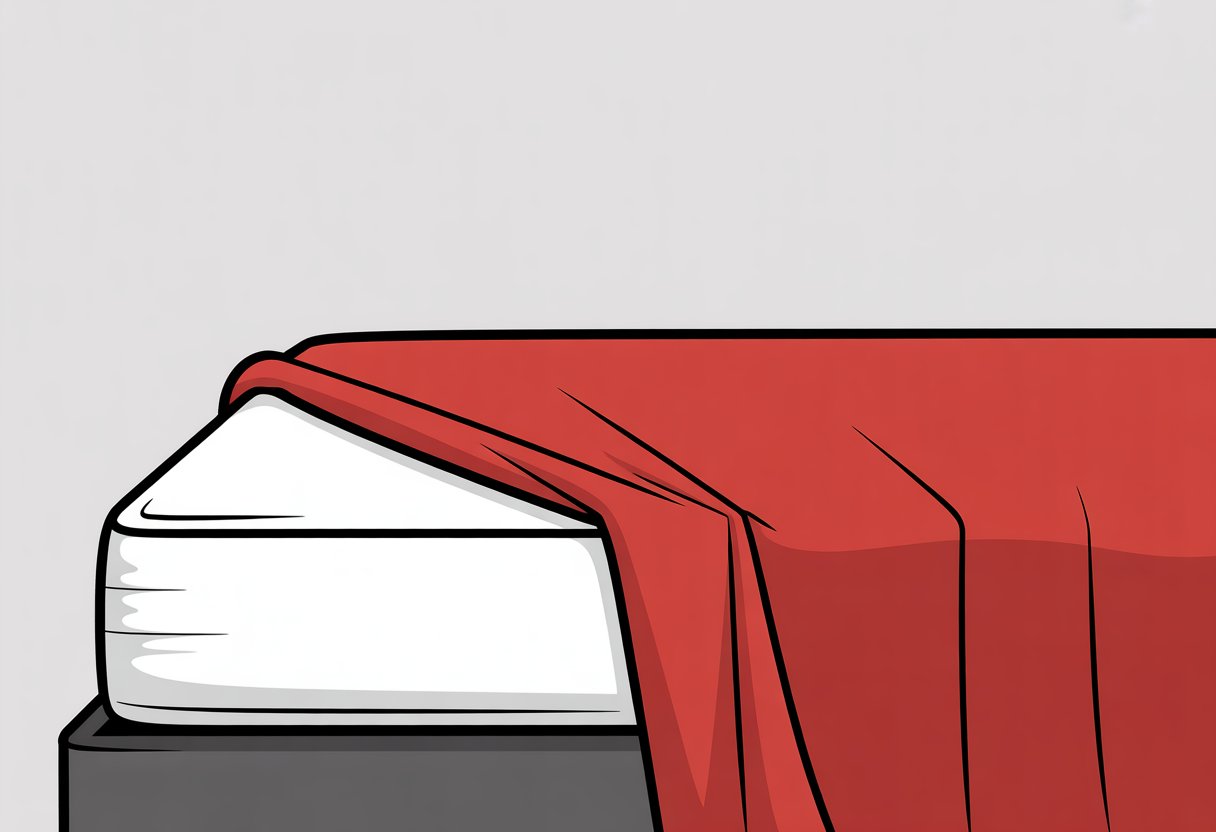
Getting the right sheet size means understanding Canadian mattress dimensions and how sheets should fit around your bed. Proper measurements and elastic features ensure your sheets stay in place through the night.
Standard Canadian Mattress Sizes
Canadian mattress sizes follow the same measurements as American standards. A Twin measures 38 inches by 75 inches, while a Twin XL extends to 80 inches in length.
Full mattresses, also called double beds, measure 53 inches by 75 inches. Queen mattresses are 60 inches by 80 inches, making them the most popular size for couples.
King mattresses measure 76 inches wide by 80 inches long. California King mattresses are narrower but longer at 72 inches by 84 inches. These larger sizes work well for families who share beds with children or pets.
Your fitted sheets must match your exact mattress size. A Queen fitted sheet will not work on a Full mattress, even though the length is the same.
Measuring for the Perfect Fit
Start by measuring your mattress width and length from corner to corner. Write down these numbers before shopping for bed sheets.
Next, measure your mattress depth, including any mattress toppers or pads you use. Standard fitted sheets fit mattresses up to 12 inches deep. Deep pocket sheets accommodate mattresses between 12 and 18 inches thick.
If you already own sheets, lay the fitted sheet flat and measure from corner to corner for length and width. Measure along the pocket seam to find the depth. Compare these measurements to your mattress dimensions.
Your fitted sheet should match or slightly exceed your mattress measurements. Sheets that are too small will pop off the corners. Sheets that are too large will bunch up and come loose during sleep.
Elastic and Fit Technology
Quality fitted sheets use elastic around all four corners to grip your mattress securely. Some sheets feature elastic running around the entire perimeter for an even stronger hold.
The elastic should feel firm but not overly tight when you stretch it. Weak elastic leads to sheets that slip off during the night. Too much tension can cause the fabric to tear over time.
Deep pocket fitted sheets include extra fabric and stronger elastic to handle thicker mattresses. Look for sheets labelled with specific depth measurements rather than vague terms like "fits most mattresses."
Some manufacturers now add silicone grips or rubberised corners to prevent slipping. These features work especially well on foam mattresses, which can be more slippery than traditional innerspring models.
Care and Maintenance of Bed Sheets
Proper care extends the life of your bed sheets and keeps them feeling fresh and comfortable. Regular washing at the right temperature, correct storage methods, and gentle handling practices help maintain the quality of your sheet set over time.
Best Washing and Drying Practices
You should wash your sheets once per week to remove dust mites, bacteria, and body oils that accumulate during sleep. Use cold or warm water for regular washing, as hot water can fade colours and damage fibres. However, if you've been ill or are dealing with stains, select the hottest cycle your sheets can handle according to their care label.
Always wash your bed sheets separately from other items like towels or clothing. Towel lint transfers onto sheets during washing, and zippers or hardware on clothing can snag and tear the fabric. Items like socks can also get trapped inside fitted sheets, preventing proper cleaning.
Skip the fabric softener when washing your sheet set. The chemicals in fabric softener can weaken sheet fibres over time and may create holes. Instead, use a regular detergent in the appropriate amount for your load size.
Dry your sheets on low heat to prevent shrinkage. Remove them from the dryer about ten minutes before the cycle ends while they're still slightly damp. This makes them easier to fold and reduces wrinkles without needing to iron.
Storing Bed Sheets Properly
Store your clean sheet sets in a cool, dry location away from direct sunlight. A linen cupboard or dresser drawer works well for most homes. Fold sheets neatly to prevent permanent creases and wrinkles from setting into the fabric.
Keep matching sheet sets together by folding the flat sheet, fitted sheet, and pillowcases, then storing them inside one of the pillowcases. This method keeps sets organised and makes bed-making easier when you need fresh linens.
Avoid storing sheets in plastic bags or containers, as trapped moisture can lead to mildew and musty odours. If you must use storage containers, choose breathable fabric bags or leave plastic containers slightly open for air circulation.
Place sheets you use most frequently at the front of your storage area. Rotate between multiple sheet sets to distribute wear evenly across all your linens.
Tips for Longevity
Don't overload your washing machine when cleaning bed sheets. Sheets need room to move freely in the water for thorough cleaning and proper rinsing. Cramming too many items into one load can also cause excessive friction that damages fibres.
Wash new sheets before first use to remove manufacturing residues and soften the fabric. This initial wash also helps set the colours and reduces the likelihood of dye transfer.
Avoid using bleach unless absolutely necessary, as it weakens cotton fibres and yellows white sheets over time. For stain removal, treat spots immediately with a gentle stain remover before washing.
Replace your sheets when you notice thinning fabric, persistent stains that won't wash out, or tears that cannot be repaired. Most quality bed sheets last between two to three years with proper care, though this varies based on thread count and fabric type.
Keep pets off the bed when possible to reduce snags from claws and minimise the accumulation of pet hair and dander on your sheets.
Where to Buy Sheets for Mattress in Canada
Canadians have access to numerous retailers offering sheet sets with convenient delivery options and competitive pricing. Major chains and specialty stores provide various fabrics, thread counts, and sizes to suit different preferences and budgets.
Online Shopping and Free Delivery
National Mattress offers free delivery on sheet sets to make your purchase more convenient. You can browse extensive collections from home and have your sheets delivered directly to your door. Some stores provide free shipping on all orders, while others require a minimum purchase amount.
Online shopping lets you compare prices, read customer reviews, and check product specifications before buying. You can filter by size, material, thread count, and colour to find exactly what you need. Most retailers display clear photos and detailed descriptions to help you make informed decisions.
Digital platforms often feature customer ratings and photos showing how the sheets look in real bedrooms. This helps you see how colours appear in different lighting and understand the quality before purchasing.
Top Retailers and Brands
Several major retailers across Canada stock quality sheet sets. National Mattress offers inexpensive fitted sheets in different colours and materials at low prices. NM Bedding carries fitted sheets for king, queen, and twin size beds at everyday low prices.
National Mattress sells sheet sets including six-piece options in various colours and designs. NM Bedding provides luxurious sheets and bedding for customers seeking premium options. Healthguard offers stylish bedding in various thread counts and sizes.
You'll find options ranging from budget-friendly basics to luxury Egyptian cotton and cooling bamboo varieties. Many retailers stock both in-store inventory and online-exclusive items.
Seasonal Sales and Promotions
Canadian retailers frequently run sales on sheet sets throughout the year. Watch for promotions during major shopping periods like Boxing Day, Black Friday, and spring clearance events. Many stores also offer discounts when you purchase sheets alongside other bedroom items.
Some retailers provide bundle deals that include fitted sheets, flat sheets, and pillowcases at reduced prices. You might find percentage-off promotions, buy-one-get-one offers, or loyalty program discounts. Signing up for email newsletters often gives you early access to sales and exclusive coupon codes.
End-of-season clearances can offer significant savings on sheet sets in discontinued colours or patterns. Keep an eye on weekly flyers and retailer websites to catch the best deals on quality bedding.
Frequently Asked Questions
Choosing the right sheets involves understanding fabric types, sizing requirements, and care instructions. Thread count plays a role in quality, but material composition and weave matter more for durability and comfort.
What are the most durable types of bed sheets for everyday use?
Percale-weave cotton sheets offer excellent durability for daily use. The tight, plain weave creates a crisp, cool fabric that gets softer with each wash whilst maintaining its structure for years.
Linen sheets rank among the most durable options available. The natural fibres strengthen over time and can last decades with proper care, making them worth the initial investment.
Sateen-weave sheets provide good durability though they may pill more quickly than percale. Look for long-staple cotton varieties, which resist wear better than standard cotton fibres.
How do I choose the correct size of bed sheets for my mattress?
Measure your mattress width, length, and depth before purchasing sheets. Standard mattress sizes include Twin (38" x 75"), Full (54" x 75"), Queen (60" x 80"), King (76" x 80"), and California King (72" x 84").
The depth measurement is critical for fitted sheets. Most modern mattresses range from 10 to 18 inches deep, and fitted sheets typically accommodate depths up to 17 inches.
Include any mattress topper thickness in your depth measurement. A sheet that's too shallow won't stay in place, whilst one that's too large will bunch up underneath you.
What is the thread count, and how does it affect the quality of bed sheets?
Thread count measures the number of threads woven into one square inch of fabric. It counts both vertical (warp) and horizontal (weft) threads combined.
A thread count between 200 and 400 typically indicates quality sheets. Counts above 400 don't necessarily mean better quality, as manufacturers sometimes use multi-ply threads to inflate numbers artificially.
Fabric type and fibre quality matter more than thread count alone. A 300-thread-count Egyptian cotton sheet often feels better than a 600-thread-count sheet made from inferior fibres.
Can you recommend bed sheets that are easy to care for and maintain?
Cotton-polyester blend sheets require minimal maintenance and resist wrinkles well. These blends typically contain 50-60% cotton for comfort and 40-50% polyester for durability.
A microfiber sheet set made from polyester will dry quickly and rarely need ironing. They are machine washable, budget-friendly, and hold up well to frequent laundering.
Jersey knit cotton sheets offer casual comfort with low maintenance needs. The stretchy fabric resists wrinkles naturally and feels soft straight from the dryer.
What materials are best suited for bed sheets in terms of comfort and breathability?
Cotton provides excellent breathability and works well for most sleep preferences. It wicks moisture away from your body and allows air circulation throughout the night.
Linen offers superior breathability for hot sleepers. The natural fibres absorb moisture efficiently and release heat quickly, keeping you cool in warm weather.
Bamboo-derived fabrics like rayon or viscose feel silky soft and breathe well. These materials regulate temperature effectively whilst providing a luxurious sleeping surface.
Tencel (lyocell) combines breathability with moisture-wicking properties. The eucalyptus-derived fibres feel smooth against your skin and resist bacterial growth naturally.
How often should I replace my bed sheets for optimal hygiene and comfort?
Replace your sheets every two to three years with regular use. Signs of wear include thinning fabric, persistent pilling, fading colours, or elastic that no longer grips your mattress properly.
Wash your sheets every one to two weeks to maintain hygiene. More frequent washing becomes necessary if you sweat heavily at night, have allergies, or share your bed with pets.
Rotating between two or three sheet sets extends their lifespan. This reduces wear from frequent washing and gives each set time to rest between uses.
 by
by 


