

















A mattress that doesn't move when your partner moves is one built for low motion transfer: memory foam, latex, or individually pocketed coils that absorb movement where it happens instead of spreading it across the bed. All-foam and pocket-coil hybrid builds in a medium to medium-firm feel cut partner disturbance most, and a split king setup nearly eliminates it.
If you share your bed with a partner, pet, or restless sleeper, you know how frustrating it is to wake up every time they move. Low motion transfer mattresses are engineered to reduce ripple effects across the surface so you feel fewer disturbances when someone next to you shifts position. These mattresses use special materials and construction methods to absorb movement instead of transferring it across the bed.
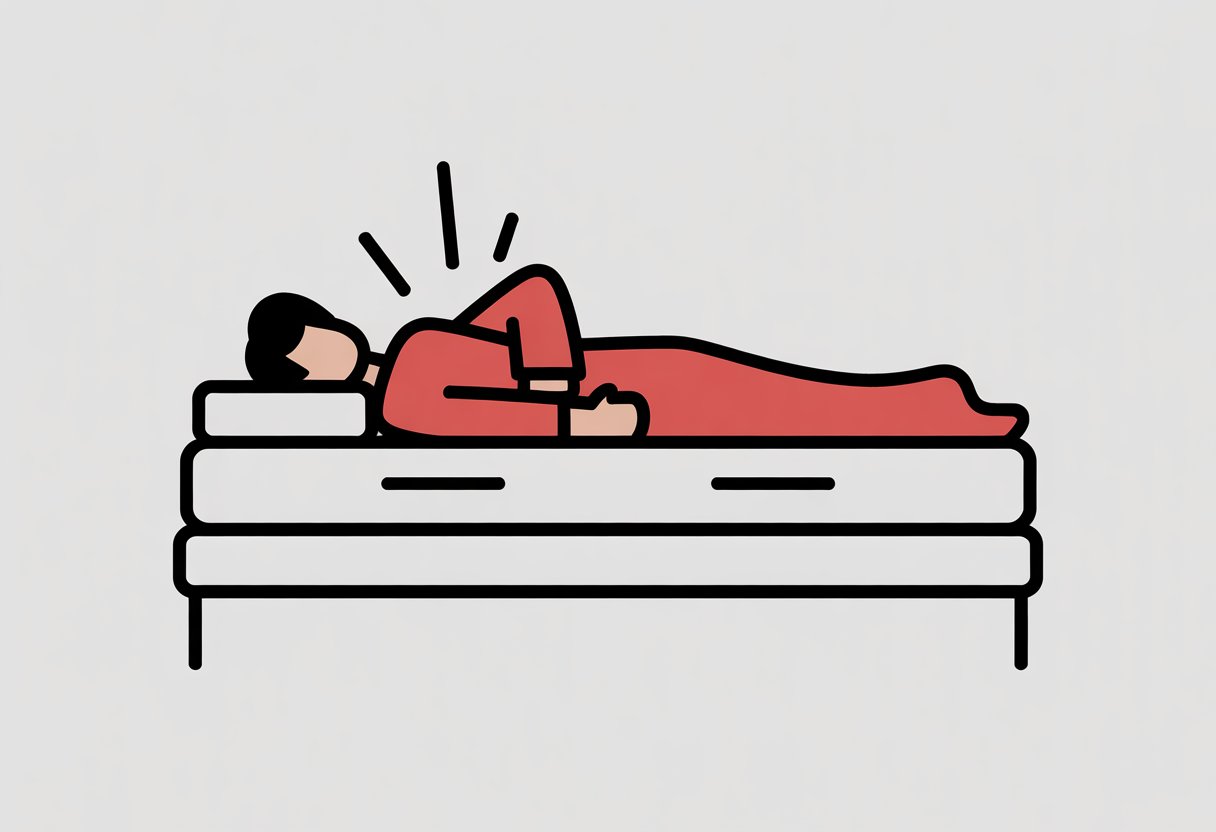
Whether you and your partner have different sleep schedules or you're simply a light sleeper, the right mattress can make a significant difference in your sleep quality. Understanding how specific mattress features work and what to look for helps you choose one that fits your needs. Selecting the right setup ensures your bed remains quiet and stable.
This guide covers everything you need to know about low motion transfer mattresses, from the technology that makes them work to the different types available and how to select the best option for your sleeping situation.
Key Takeaways
Low motion transfer mattresses use materials like memory foam, pocketed coils, or latex to absorb movement and prevent it from spreading across the bed
These mattresses benefit couples, light sleepers, and anyone sharing a bed with pets or children who move frequently during the night
Key mattress features to consider include mattress type, firmness level, cooling properties, edge support, and whether a hybrid or all-foam construction suits your preferences
The stability of your mattress and box spring or mattress and bed frame can significantly impact how well the bed isolates motion
What Is a Low Motion Transfer Mattress?
A low motion transfer mattress absorbs movement on one side of the bed so it doesn't spread to the other side. This keeps your sleep partner from feeling every shift, roll, or trip to the bathroom during the night.
Definition of Motion Transfer
Motion transfer is the amount of movement that travels from one area of your mattress to another when someone moves. When you share a bed, every time your partner shifts position or gets up, that movement creates waves through the mattress surface.
High motion transfer means you feel these movements clearly. Your partner rolls over, and you feel the bed shake or bounce beneath you.
Low motion transfer means the mattress absorbs most of this movement. The materials dampen vibrations before they reach your side of the bed. A mattress designed for low motion transfer is engineered to reduce ripple effects across the surface so you feel fewer disturbances.
How Do Mattresses Stop Movement Travelling Across the Bed?
Motion isolation refers to a mattress's ability to absorb and minimise movement, preventing it from transferring across the bed's surface. Different mattress materials achieve this in specific ways.
Memory foam absorbs movement by conforming slowly to pressure. When someone moves, the foam compresses locally without creating bounce or vibration.
Pocketed coils work differently. Each coil sits in its own fabric pocket and moves independently from neighbouring coils. When pressure hits one coil, it compresses without pulling or pushing the coils around it.
Latex foam provides motion control through its dense, elastic structure. It responds quickly to movement but dampens the waves before they travel far. Transition layers between the comfort layer and support core add extra absorption by catching vibrations before they reach the full mattress depth.
Importance for Sleep Quality
Motion disturbances wake light sleepers and fragment sleep cycles. When you feel your partner move, your brain shifts from deep sleep to lighter stages or wakes you completely.
Poor motion isolation means more nighttime wake-ups. These interruptions prevent you from getting enough deep and REM sleep, which are essential for physical recovery and mental function.
Couples with different schedules benefit most from motion isolation. If your partner works shifts or wakes early, a low motion transfer mattress lets them leave bed without disturbing your sleep. Parents who co-sleep with children also experience fewer disruptions when small bodies shift during the night.
Better motion isolation means longer stretches of uninterrupted sleep. You spend more time in restorative sleep stages and wake feeling more rested.
Which Mattress Features Stop You Feeling Your Partner Move?
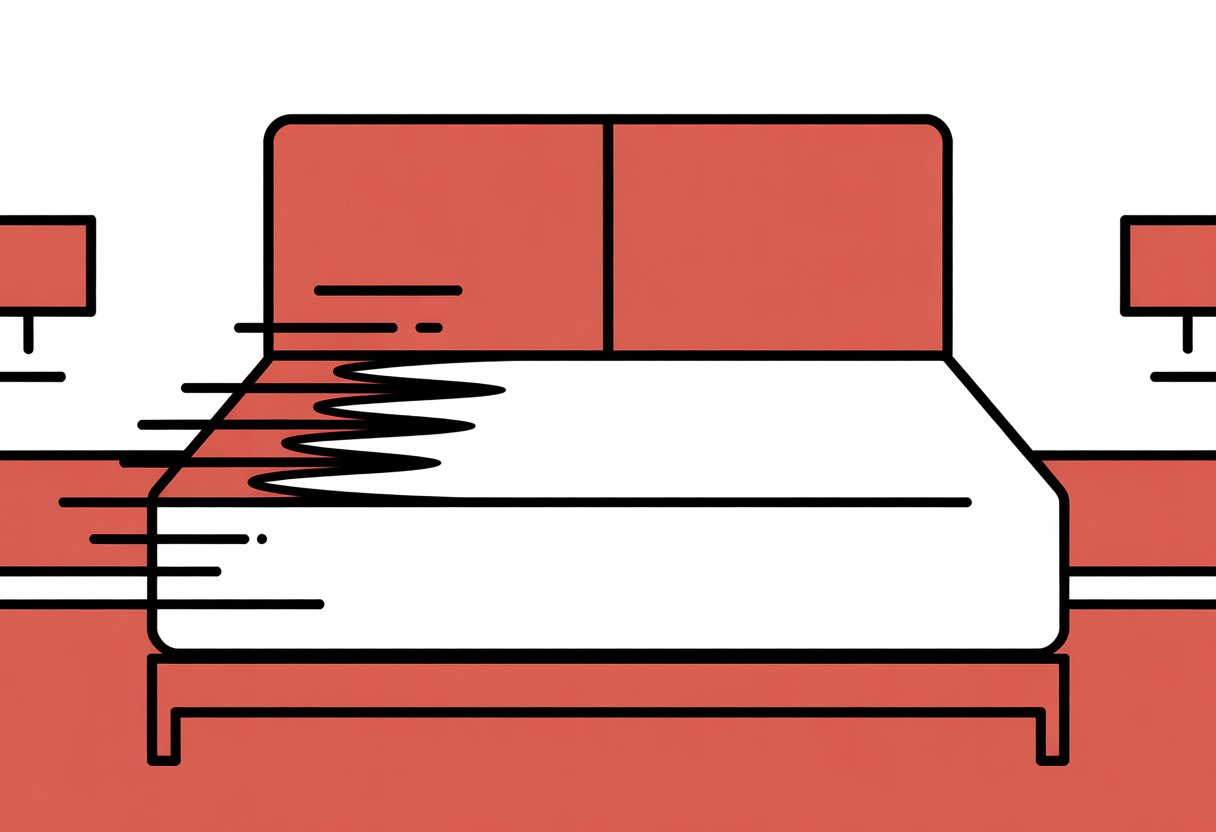
Three features do the work. Motion-absorbing materials such as memory foam, pocketed coils, or latex absorb movement at its source; strong edge support stops the sagging and rolling that can wake your partner when you sit or lie near the perimeter; and temperature control keeps heat from causing the restless movement that increases motion transfer. These three elements work together to create a sleep surface that minimizes partner disturbance.
Material and Construction
Memory foam remains the top choice for motion isolation because it absorbs pressure rather than transferring it across the bed. The dense cellular structure of memory foam captures movement before it can spread. Gel memory foam adds cooling properties while maintaining the same motion-dampening benefits.
Pocketed coil systems offer a different approach. Each spring sits in its own fabric enclosure, allowing it to compress independently without disturbing neighbouring coils. This design significantly reduces motion transfer compared to traditional interconnected springs.
Layered construction enhances performance. A mattress typically combines multiple materials, with each layer serving a specific purpose. Comfort layers absorb initial impact, while support cores provide stability. Thicker mattresses between 12 and 14 inches generally isolate motion better because they contain more material to absorb movement at the source.
Higher coil counts in hybrid mattresses minimise motion transfer by distributing pressure across more individual springs. Look for models with at least 800 coils in a queen size for optimal performance.
Edge Support Considerations
Strong edge support prevents the sagging and rolling that can wake your partner when you sit or lie near the mattress perimeter. Reinforced edges maintain stability across the entire sleep surface.
Foam encasement wraps around the mattress perimeter, creating a solid border that resists compression. This design keeps the sleep surface level from edge to centre. Without proper edge support, you may feel like you're sliding towards the middle of the bed.
Pocketed coil systems often include reinforced perimeter coils with heavier gauge steel. These stronger springs prevent edge collapse while maintaining the motion isolation benefits of the interior coils. Test edge support by sitting on the mattress corner—it should feel stable and supportive rather than collapsing under your weight.
Temperature Regulation Technologies
Heat buildup causes restless movement, which increases motion transfer. Cooling features help you sleep more soundly in one position.
Gel-infused foam draws heat away from your body through its thermal conductivity properties. The gel particles absorb and disperse warmth more effectively than standard foam.
Phase-change materials actively regulate temperature by absorbing excess heat when you're warm and releasing it when you cool down. These materials maintain a consistent sleep temperature throughout the night.
Airflow channels and ventilated foam layers promote circulation within the mattress. Open-cell foam structures allow air to move freely, preventing heat accumulation. Moisture-wicking covers enhance comfort by pulling perspiration away from your skin, reducing the tossing and turning that creates motion transfer.
Which Mattress Types Don't Move When Your Partner Moves?
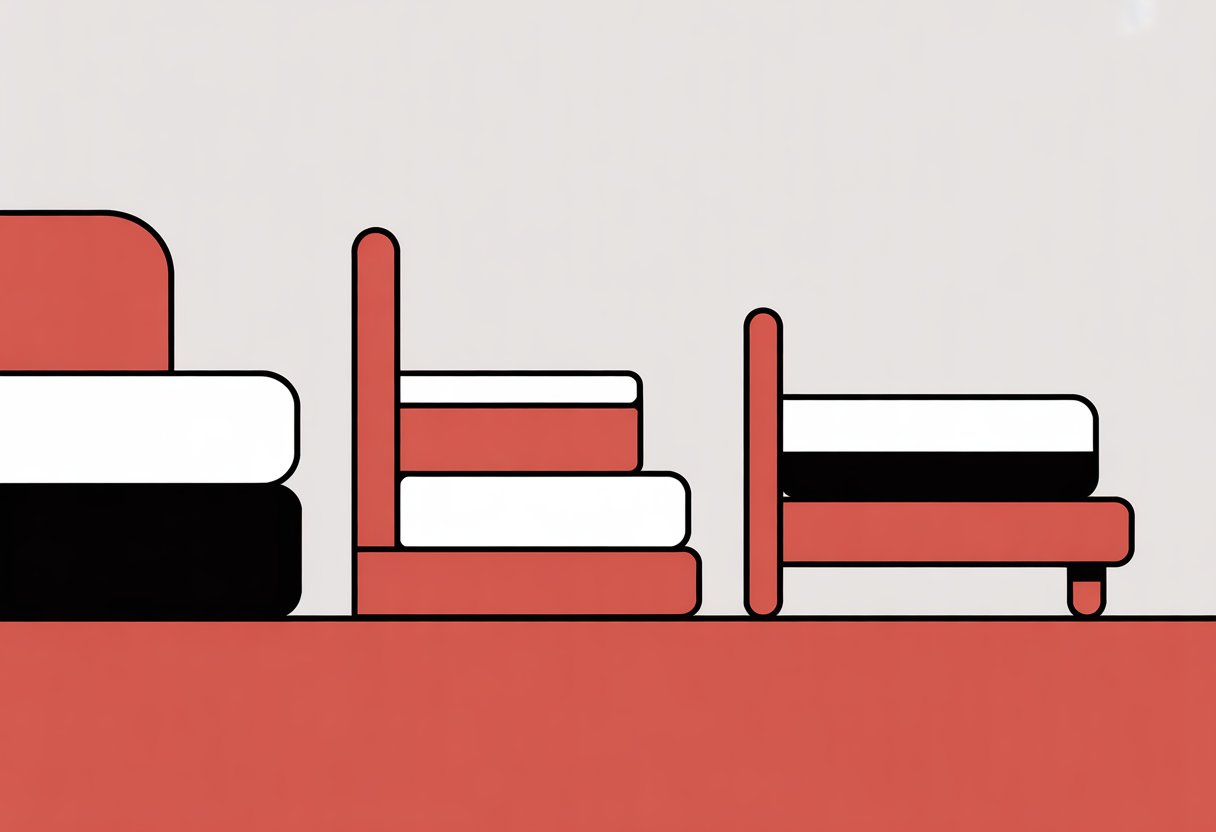
Three constructions handle movement well: memory foam absorbs motion through dense material layers, pocket coils isolate movement within individual springs, and hybrid designs combine both approaches for balanced performance. Continuous coil mattresses are the ones to avoid: their linked springs carry movement straight across the bed.
Memory Foam Mattresses
Memory foam mattresses excel at reducing motion transfer because of their dense, viscoelastic structure. When you move on one side of the bed, the foam compresses locally and absorbs the energy rather than letting it travel across the surface.
The material responds to pressure and heat by contouring to your body. This creates a cradling effect that minimizes bounce. When your partner shifts position during the night, you typically won't feel the movement on your side.
Gel memory foam adds cooling properties to traditional memory foam while maintaining excellent motion isolation. The gel infusion helps dissipate body heat, which addresses one of the main complaints about standard memory foam running warm.
These mattresses work best for light sleepers who wake easily from partner movement. The trade-off is that memory foam can make changing positions slightly harder because you sink into the material more than you would with springier options.
Pocket Coil Mattresses
Pocket coil mattresses use individually wrapped springs that move independently from each other. Each coil sits in its own fabric pocket, which prevents motion from spreading when pressure hits one area.
When you lie down or shift position, only the coils directly beneath you compress. The surrounding coils stay stable, which keeps movement contained to a small zone. This design differs significantly from older spring systems where coils connect to each other.
Pocketed coils provide advanced support while reducing motion transfer better than traditional spring designs. The individual encasement of each spring creates natural motion barriers throughout the mattress.
These mattresses offer more responsiveness and airflow compared to foam options. You can change positions more easily, and the open structure allows better temperature regulation during sleep.
Hybrid Mattress Options
Hybrid mattresses combine pocket coils with foam layers to deliver both motion isolation and responsive support. The coil base provides structure and breathability, while foam comfort layers absorb surface-level movement.
A typical hybrid includes 5 to 10 centimetres of memory foam or latex on top of the pocket coil system. This layering approach captures benefits from both materials. The foam handles minor movements like adjusting your pillow, while the independent coils prevent larger motions from transferring.
Hybrid mattresses balance different comfort needs especially for couples with varying sleep preferences. You get the contouring and motion dampening of foam without sacrificing the bounce and cooling of coils.
The multiple layers work together to isolate motion at different levels. Surface foam catches small disturbances, while the pocket coils underneath contain deeper movements from getting in and out of bed.
Comparison with Continuous Coil Models
Continuous coil mattresses use a single wire formed into multiple coils across the entire mattress. This connected structure creates a unified spring system where pressure on one coil affects neighbouring coils.
Motion transfer differences:
Feature | Continuous Coil | Pocket Coil/Foam |
|---|---|---|
Coil connection | All coils linked | Individual pockets |
Motion spread | Travels across bed | Stays localized |
Partner disturbance | High | Low |
Price point | Budget-friendly | Higher cost |
When someone moves on a continuous coil mattress, the interconnected springs transmit that motion throughout the surface. You'll likely feel your partner turning over or getting up during the night.
The linked design does offer durability and firm support at a lower price. However, low motion transfer mattresses using pocket coils or foam provide significantly better motion isolation for couples and light sleepers.
Selecting the Right Mattress for Your Sleep Needs

The firmness you choose, the size that fits your space, and whether your mattress works with an adjustable base all affect how well you sleep and how much motion you feel from a partner.
Choosing the Right Firmness Level
Firmness plays a big role in motion isolation. Medium to medium-firm mattresses usually offer the best balance between support and motion control for couples.
Softer mattresses tend to absorb more movement, but they can also cause you to sink too far into the surface. This creates a "bowl" effect that makes you roll toward your partner during the night.
Firmer mattresses provide better stability and reduce sinking. Firmer options typically perform better for motion isolation because they limit how much the surface moves when pressure is applied.
Extra-firm surfaces may not suit side sleepers who need pressure relief at the shoulders and hips. Test different firmness levels to find what supports your spine without creating uncomfortable pressure points.
What Size Mattress Do Couples Need for Motion Transfer and Personal Space?
A queen mattress works for most couples, but it only gives each person about 76 cm of personal space. King sizes provide an extra 41 cm of width, which helps reduce how often you bump into your partner.
Split king options use two twin XL mattresses side by side on one frame. This setup nearly eliminates motion transfer because each person sleeps on a separate surface. You can also choose different firmness levels for each side.
Solo sleepers who move frequently at night might prefer a full or queen size. Larger surfaces give you more room to shift positions without feeling confined to one area of the bed.
Can an Adjustable Bed Reduce Partner Disturbance?
Yes: mattress and adjustable base combinations let you raise your head or feet without disturbing your partner. Most modern low motion transfer mattresses work with adjustable bases, but you need to verify compatibility before buying.
Check whether your chosen mattress and box spring setup is necessary, as some models require specific foundation support. Most modern units are designed to sit on a mattress and bed frame that offers a solid, non-flexing surface. Pocketed coil hybrids and all-foam builds typically bend easily for adjustable positions.
Traditional innerspring mattresses often need a box spring and may not flex properly on adjustable frames. If you plan to use an adjustable base, confirm the manufacturer's recommendations for your specific mattress model and bed frame type.
Top-Rated Brands and Models
Several mattress brands have developed strong reputations for controlling motion transfer, with options available across different price points and construction types. Retailers like National Mattress offer extensive collections specifically designed to minimize disturbances between sleep partners.
Standout Features of Sealy Posturepedic Mattresses
The Sealy Posturepedic Mattress uses multiple foam layers to absorb movement across the sleep surface. This construction typically includes memory foam or gel-infused foam that conforms to your body while preventing motion from travelling to other areas of the bed.
The mattress features a medium-firm feel that balances comfort with support. This firmness level works well for combination sleepers who change positions throughout the night without creating excessive disturbance.
Most models in this line include breathable cover materials that help regulate temperature. The foam layers are designed to compress independently under pressure, which means when you move, only the area directly beneath you responds rather than the entire mattress surface shifting.
Overview of Serta iComfort Collections
National Mattress offers curated collections of mattresses with low motion transfer properties, including options in extra firm comfort levels. These collections make it easier to compare models based on specific motion isolation performance rather than browsing through unrelated products.
The retailer organizes mattresses by firmness level and motion transfer capability. You can filter results to find beds that combine low motion transfer with other features like cooling technology or pressure relief.
Serta iComfort mattresses often incorporate memory foam or individually wrapped coils. These materials excel at motion isolation because they respond independently to pressure rather than transferring force across the entire structure.
Popular Low Motion Transfer Models Online
Memory foam mattresses consistently rank among the most popular choices for motion isolation. These beds use viscoelastic foam that absorbs movement by conforming closely to your body shape and weight distribution.
Hybrid mattresses with pocketed coil systems also perform well in this category. Each coil moves independently, so pressure applied to one area doesn't affect surrounding coils. This design prevents the wave-like motion common in traditional innerspring beds.
Latex mattresses offer natural motion isolation properties with more responsiveness than memory foam. The material dampens movement while providing easier repositioning throughout the night, which some sleepers prefer over the slow-response feel of memory foam.
Specialty Low Motion Transfer Mattresses
Non-standard sleeping spaces need mattresses that fit unusual dimensions while still controlling motion transfer. Trundle beds, sofa beds, and RVs require thinner profiles and flexible construction without sacrificing the isolation features that keep sleepers undisturbed.
Mattress Solutions for Trundle and Sofa Beds
A trundle mattress typically measures between 6 and 8 inches thick to fit under a main bed frame. Despite the slim profile, you can still find options with pocketed coils or high-density foam that absorb movement between sleepers. Look for all-foam builds if you need maximum motion isolation in tight spaces.
Sofa bed mattresses face different challenges. They must fold into the frame during the day and provide comfort at night. Memory foam works well here because it compresses easily and bounces back without creating motion waves across the surface.
Key features to prioritise:
Thickness limits – Verify your trundle or sofa frame's maximum mattress height
Flexible foam layers – Memory foam or latex that bends without damage
Lightweight construction – Easier to pull out or fold away
Washable covers – Guest spaces benefit from removable, cleanable fabrics
Mattresses for RVs and Unique Spaces
An RV mattress must handle custom sizes like short queens (60 × 75 inches) or radius corners that fit around wheel wells. Motion isolation matters even more in small spaces where every movement transfers through walls and floors.
Foam mattresses work best in RVs because they weigh less than spring models and won't damage during travel. High-density polyfoam or memory foam layers dampen motion without adding bulk. Some manufacturers cut mattresses to match exact RV dimensions, including angled corners.
RV-specific considerations:
Weight limits – Lighter foam options prevent overloading your vehicle
Temperature regulation – Gel-infused or ventilated foam helps in confined spaces
Secure straps – Anchoring systems keep the mattress in place while driving
Compact packaging – Compressed mattresses fit through narrow RV doors
Delivery, Setup, and Value Considerations
The delivery method you choose affects both convenience and cost when buying a low motion transfer mattress. Compressed shipping and white glove services each offer different benefits depending on your needs and budget.
Benefits of Mattress in a Box Delivery
Mattress in a box delivery compresses your new mattress into a compact package that ships directly to your door. This method works well for memory foam and hybrid mattresses designed for motion isolation.
The main advantage is convenience. You can schedule delivery to fit your timeline without waiting for a delivery window. The compressed box is lighter and easier to move through narrow hallways, up stairs, or into apartments than a full-size mattress.
Setup is straightforward:
Unbox the mattress in your bedroom
Cut away the plastic wrapping
Allow 24 to 48 hours for full expansion
Check that the mattress reaches its proper thickness before sleeping
Most boxed mattresses cost less to ship. Some retailers include free shipping, which reduces your total expense. The packaging also means less environmental waste from bulky delivery trucks making multiple stops.
Free Full Service Delivery Options
Free full service delivery includes professional setup and often removes your old mattress. This option suits buyers who want help with heavy lifting or disposal of their existing bed.
Delivery teams bring your mattress inside and unpack it for you. They will position the mattress and box spring on your existing mattress and bed frame to ensure everything is level and ready for use. They handle all packaging materials and can haul away your old items for recycling. This service saves you the physical work and the hassle of arranging separate removal.
Consider this option if you:
Have mobility limitations or health concerns
Live alone without help for heavy lifting
Want immediate use of your new mattress
Need old mattress removal
Many manufacturers offer free full service delivery options as part of premium mattress purchases. Verify whether your retailer includes setup and removal at no extra charge. Some charge fees for these services, which can add $100 to $200 to your total cost.
Frequently Asked Questions
The right mattress construction and materials make a significant difference in reducing partner disturbance. Features like high-density foam layers, individually wrapped coils, and proper firmness levels all play specific roles in how much movement transfers across your bed.
What features should I look for to find a mattress that minimizes partner disturbance?
You should look for mattresses with high-density foam layers in the comfort system. These layers absorb movement rather than transferring it across the bed surface.
Individually pocketed coils are another key feature. Each coil moves independently, so when your partner shifts position, the coils under them respond without affecting the coils supporting you.
Thicker comfort layers generally provide better motion isolation. Look for at least 5 to 8 centimetres of high-quality foam above the support core.
How does mattress construction impact motion isolation in beds?
The layering system in a mattress directly affects how movement travels. Mattresses with multiple layers of different materials tend to dampen motion better than single-layer designs.
All-foam construction typically provides excellent motion isolation because there are no springs to create bounce. The foam absorbs energy from movement instead of transferring it.
Hybrid mattresses can reduce motion transfer when they use quality foam layers on top and individually wrapped coils below. The coils provide support while the foam layers handle motion absorption.
Are there specific materials in mattresses known for reducing motion transfer?
Memory foam is one of the best materials for motion isolation. It responds slowly to pressure, which means movement gets absorbed rather than bouncing across the surface.
Natural latex, non-toxic memory foam, and natural hybrid materials all perform well at reducing motion transfer. Latex conforms to your body while maintaining some responsiveness, creating a balance between support and motion control.
High-density polyfoam in quality mattresses also helps with motion isolation. The denser the foam, the better it typically performs at absorbing movement.
Can a mattress topper effectively improve motion isolation on an existing bed?
A mattress topper with low motion transfer properties can help reduce partner disturbance on your current bed. Memory foam toppers work particularly well for this purpose.
The topper needs to be thick enough to make a difference. Look for toppers that are at least 5 to 8 centimetres thick with high-density foam.
However, a topper won't completely solve motion transfer issues if your mattress has significant bounce or worn-out springs. It adds a layer of absorption but can't eliminate all movement from a highly responsive base.
What is the best mattress to prevent partner disturbance when you keep different schedules?
Memory foam mattresses are the top choice for couples dealing with different sleep schedules. These beds absorb movement effectively, so you won't feel your partner getting in or out of bed.
Advanced memory foam materials that respond to body heat provide even better motion isolation. They conform more precisely to each person's body, creating separate sleep zones on the same mattress.
Split king mattresses offer another solution for couples who need complete motion separation. These consist of two twin extra-long mattresses placed side by side, so each person sleeps on their own mattress.
How does the firmness level of a mattress influence motion transfer?
Firmer mattresses generally allow more motion transfer because they have less give to absorb movement. When the surface is very firm, energy from movement travels more easily across it.
Medium to medium-firm mattresses typically provide the best balance for motion isolation. They have enough contouring to absorb movement while still offering adequate support.
Very soft mattresses can also create motion transfer problems. If you sink deeply into the mattress, your partner's movements can cause waves in the sleep surface that you'll feel on your side.
 by
by 


