

















Overview
A new mattress should bring better sleep and improved comfort. Yet many people find themselves uncomfortable during the first few nights. Your body has adapted to your old mattress over years of use, even if that mattress was worn out and unsupportive.
The adjustment phase typically takes 3 to 6 weeks as you get used to a new mattress. During this time, your spine realigns to proper positioning. Your pressure points receive different support than before. These changes can cause temporary stiffness or soreness even though your body is actually receiving better support.
Understanding the Break-In Period
Different mattress types require varying amounts of time to break in. Breaking in a mattress can take 30 to 90 days depending on the materials and construction. Memory foam mattresses need time for the dense foam layers to soften and conform to your body weight. Innerspring mattress coils gradually adjust to regular use. Hybrid mattresses combine both foam and springs, so they need breaking in for both components.
Latex mattresses feel firmer initially but become more responsive over time. Spring mattresses loosen up as the coils compress with repeated use. A foam mattress responds to body heat and pressure, moulding more effectively after consistent sleeping.
Initial Comfort Challenges
Your sleeping experience may feel off during the first nights. A new mattress often feels too firm because the comfort layers haven't softened yet. The mattress support system works differently than your old bed. Your sleep position might need adjustment as the mattress responds to your body differently.
Off-gassing can affect your sleep quality temporarily. New mattress materials release harmless odours as they decompress from packaging. Allow your mattress to air out before adding sheets and bedding.
Physical Adjustment Process
Your body has been compensating for a worn mattress with sagging areas and reduced support. Sleeping on a new mattress forces your muscles and spine into proper alignment. This correct positioning can feel strange at first, even uncomfortable.
Speeding Up the Process
You can help break in a new mattress by applying pressure to the surface. Walk across the mattress gently. Roll from side to side. Spend extra time lying on it during the day. These actions compress the comfort layers and help materials settle.
Temperature affects foam materials significantly. Warmer rooms soften memory foam mattresses faster. Cooler temperatures keep foam firmer. Adjust your bedroom temperature based on whether your mattress feels too soft or too firm.
Foundation Considerations
Your bed frame and foundation affect how a mattress performs. A solid platform provides firm support. A traditional box spring adds some give. The wrong foundation can make a good mattress feel uncomfortable.
Ensure your foundation is flat, sturdy, and appropriate for your mattress type. Some mattress types require specific foundation styles. A memory foam mattress needs solid support underneath. An innerspring mattress works with various foundation types.
Sleep Schedule Importance
Maintain a consistent sleep schedule during the adjustment phase. Regular sleeping and waking times help your body adapt faster. Your sleep comfort improves when your body knows what to expect.
Adjusting to a new mattress requires patience and consistency. Your previous mattress took years to wear down. Give your new mattress adequate time to conform to your body. Most people notice significant improvement in restorative sleep after completing the break-in period.
Different sleep positions create different pressure points on a mattress. Side sleepers need cushioning for hips and shoulders. Back sleepers require lumbar support. Stomach sleepers benefit from firmer surfaces. Your mattress materials respond to these needs over time.
Frequently Asked Questions
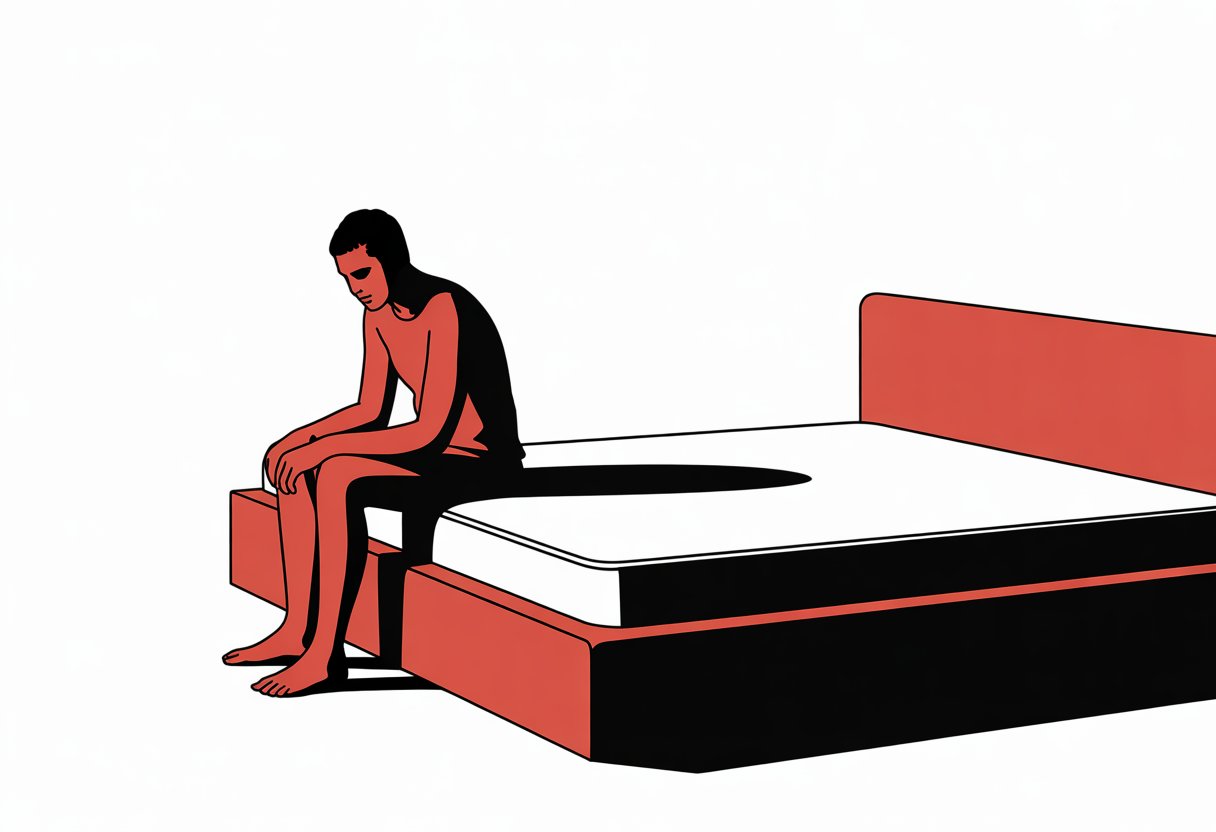
How much time do you need to get used to a new bed?
Your body usually needs between 30 and 90 days to fully adjust to a new bed. Most sleep trial periods last at least 30 to 120 days for this reason.
The first week will show you the most obvious issues. A full week is a reasonable timeframe to notice problems you might have missed in the shop.
Your muscles and joints need time to adapt to different support levels. If you switched from a soft bed to a firm one, or the other way around, the adjustment takes longer.
What can you do to adapt faster to a new bed?
You can speed up the break-in process with these steps:
- Walk on your mattress - Spend a few minutes each day walking gently across the surface to help materials soften
- Give it time each night - Sleep on it consistently rather than switching between old and new beds
- Use proper bedding - Add a mattress protector and fitted sheets that don't restrict the surface
- Maintain your bedroom temperature - Keep your room between 15 and 19 degrees Celsius for optimal material performance
- Check your pillow - Make sure your pillow works with your new bed's height and firmness
Avoid using a mattress topper right away. You need to experience the true feel of your new bed before adding layers.
Can a new bed cause discomfort in your back, and does this go away?
Yes, you might experience back discomfort when sleeping on a new bed. This happens because your body got used to your old mattress, even if it was worn out.
Lower back pain can often signal that the mattress is too soft. Your spine needs proper support to maintain its natural alignment.
The discomfort typically improves within two to four weeks. Your muscles and spine adjust to the new support system during this time.
You should contact the retailer if pain continues past 30 days. The firmness level might not suit your body type or sleeping position.
Why doesn't your new bed feel the same as it did in the shop?
Several factors cause this difference in feel:
Showroom conditions differ from your home. Shop floors are often harder than your bedroom floor, which changes how the mattress feels.
Testing time in shops is brief. You spent maybe 10 to 15 minutes trying the bed, but you'll spend eight hours on it each night.
Your foundation matters. The bed base in the shop might be different from what you have at home. A weak or sagging foundation changes how your mattress performs.
Temperature affects materials. Memory foam and latex respond differently at various temperatures. Your bedroom temperature likely differs from the shop's climate.
Body tension varies. You were probably more alert and tense when testing in the shop compared to when you're relaxed at home.
Does your weight change how a new bed feels?
Your body weight significantly affects mattress feel and performance. Heavier individuals compress materials more deeply than lighter people.
Here's how weight impacts your experience:
| Weight Range | Firmness Perception | Support Needs |
|---|---|---|
| Under 59 kg | Mattress feels firmer | Medium to medium-soft works well |
| 59-104 kg | True-to-label firmness | Medium-firm provides balance |
| Over 104 kg | Mattress feels softer | Firm to extra-firm prevents sinking |
If you're heavier, you need a bed with stronger support layers. Lighter individuals often find the same mattress too firm because they don't compress the comfort layers enough.
Couples with different weights face unique challenges. One partner might feel the bed is perfect while the other finds it uncomfortable.
Should you rotate or flip your bed during the break-in time?
You should rotate your mattress 180 degrees every two to three months. This practice helps materials wear evenly and can improve comfort during break-in.
Most modern beds are not designed for flipping. They have specific comfort layers on top and support layers on bottom. Flipping these beds would put the firm base against your body.
Check your manufacturer's instructions before flipping. Some two-sided models are built for flipping, but most are not.
Rotation helps in these ways:
- Prevents body impressions in one spot
- Allows compressed materials to recover
- Distributes wear across the entire surface
- Extends the overall life of your bed
Don't rotate or flip during the first two weeks. You need consistent sleeping positions to properly assess comfort and support.
Ready to shop? Browse all mattresses at National Mattress.
 by
by 


