

















A full size mattress gives you more sleeping space than a twin bed without taking up as much room as a queen. It works well for single adults, teenagers who need an upgrade, and guest rooms where space matters. A full size mattress measures 54 inches wide and 75 inches long, making it a practical choice for medium-sized bedrooms.
You'll find full mattresses made from different materials, including memory foam, hybrid, latex, and innerspring options. Each type offers different levels of support and comfort based on how you sleep. Your choice depends on your sleep position, temperature preferences, and budget.
The right full mattress can improve your sleep quality and fit your bedroom layout. Understanding the dimensions, materials, and firmness levels helps you make a smart purchase. Whether you're shopping for yourself or setting up a guest room, knowing what to look for makes the process easier.
Key Takeaways
Full mattresses measure 54 inches by 75 inches and suit single sleepers, teens, and guest rooms
Different mattress types including memory foam, hybrid, latex, and innerspring offer varied comfort and support levels
Choosing the right firmness and material based on your sleep position and preferences ensures better rest
What Is a Full Size Mattress?
A full size mattress measures 54 inches wide by 75 inches long, making it wider than a twin but narrower than a queen. This size works well for single sleepers who want extra space or couples who don't mind sleeping close together.
Standard Dimensions and Room Fit
A full size mattress is 54 inches wide and 75 inches long, which gives you 2,925 square inches of sleeping surface. The bed is sometimes called a double or standard size mattress.
You need a room that's at least 10 feet by 11 feet for a full bed to fit comfortably. This leaves enough space to walk around the bed and add other furniture like a dresser or nightstand.
The mattress takes up about 28 square feet of floor space. If your bedroom is smaller than 10 by 11 feet, you might feel cramped with other furniture in the room.
Full beds work best in guest rooms, small master bedrooms, or apartments where space is limited. The size gives you more room than a twin without taking up as much space as larger beds.
Full vs Twin, Queen, and King Beds
A twin mattress measures 38 inches wide by 75 inches long, making it 16 inches narrower than a full bed. Both beds are the same length at 75 inches.
Full size beds are 6 inches narrower and 5 inches shorter than queen mattresses, which measure 60 inches by 80 inches. King beds are even larger at 76 inches wide by 80 inches long, giving you 22 more inches of width than a full.
The price difference between sizes can help you decide which bed to buy. Full mattresses cost less than queens and king beds because they use less material.
Ideal Uses and Best Users
Full beds work well for teenagers, young adults living alone, or couples who like to sleep close together. The extra width compared to a twin gives single sleepers room to move around at night.
A full mattress is not recommended for couples who share the bed with pets or children or who prefer more personal space while sleeping. Each person only gets 27 inches of width, which is narrower than a twin.
Guest rooms are a smart choice for full size mattresses. The bed gives overnight visitors enough space without taking up your entire guest room.
If you're taller than 6 feet 2 inches, you might find the 75-inch length too short. Consider a queen or king bed instead, as both offer 80 inches of length.
Types of Full Size Mattresses

Full size mattresses come in four main construction types that each offer different feels and benefits. The type you choose affects how the mattress supports your body, regulates temperature, and responds to movement.
Memory Foam Full Mattresses
Memory foam mattresses are built entirely from foam layers that contour closely to your body shape. When you lie down, the material responds to your body heat and weight by slowly moulding around your curves.
These mattresses excel at isolating motion, which means you won't feel your partner moving during the night. The foam absorbs movement rather than transferring it across the bed surface.
Memory foam tends to trap more body heat compared to other mattress types because of its dense construction. If you sleep hot, look for models with cooling gel infusions or open-cell foam technology.
You'll find memory foam models in various firmness levels. The sinking sensation can make it harder to change positions during sleep, especially if you choose a softer version.
Hybrid Full Mattresses
Hybrid mattresses combine innerspring coils with foam comfort layers on top. This construction gives you the bounce and support of springs with the pressure relief of foam.
The coil base provides a responsive feel that makes it easier to move around and get in and out of bed. Most hybrids use individually wrapped pocket coils that reduce motion transfer better than traditional spring systems.
Foam layers above the coils typically include memory foam, latex, or polyurethane foam. The thickness and type of these comfort layers determine how the mattress feels and how much you sink in.
Hybrids generally sleep cooler than all-foam mattresses because air flows through the coil system. The combination of materials also tends to provide better edge support, so you can use the full surface of your mattress without feeling like you might roll off.
Latex Full Mattresses
Latex mattresses use foam made from rubber tree sap or synthetic materials. Natural latex offers a responsive, slightly bouncy feel that's different from the slow sink of memory foam.
These mattresses provide pressure relief while making it easy to change positions throughout the night. The material pushes back against your body rather than letting you sink deeply into the surface.
Latex naturally resists dust mites and mould better than other mattress materials. It also sleeps cooler because the foam structure allows more airflow than dense memory foam.
You'll pay more for natural latex compared to synthetic versions or other foam types. The material is extremely durable and often lasts longer than other mattress types. Some people find the bouncy feel takes time to adjust to if they're used to traditional memory foam.
Innerspring Full Mattresses
Innerspring mattresses feature a steel coil support system topped with layers of padding like cotton, wool, or foam. This traditional construction has been around for decades and remains popular.
The coil foundation provides a firm, supportive base that makes these mattresses more resilient than all-foam options. You can shift positions easily without feeling stuck in the mattress.
Innerspring models typically retain less heat than foam mattresses because air circulates freely through the coil system. They also tend to cost less than other mattress types, making them budget-friendly choices.
The trade-off is that innersprings generally don't isolate motion as well as foam or hybrid mattresses. You're more likely to feel your partner's movements during the night, especially in models without individually wrapped coils.
Choosing the Right Full Size Mattress
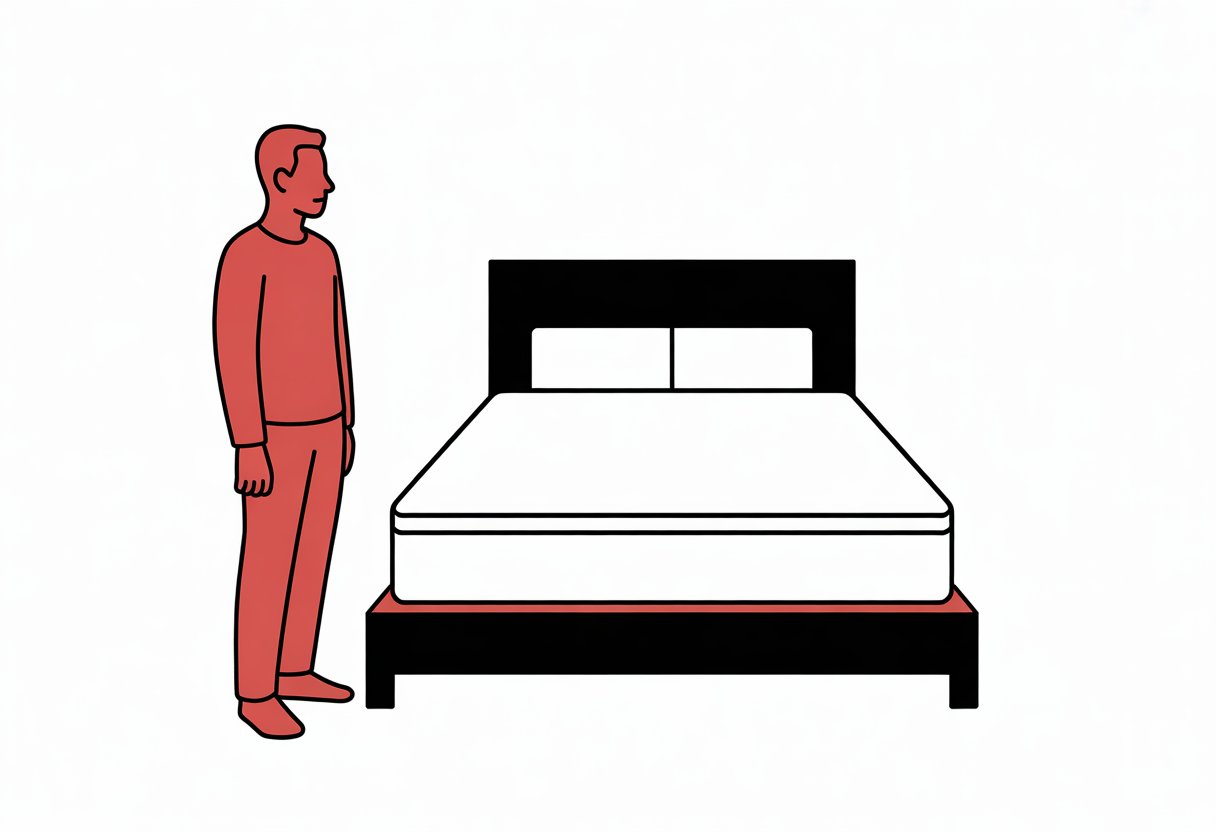
A full mattress offers enough space for solo sleepers while fitting in smaller bedrooms, but selecting the right one requires understanding firmness levels, your sleeping habits, and how your needs change over time. The comfort and support you need depend on your body type, preferred sleep position, and daily activities.
Mattress Firmness Options
Full size mattresses come in different firmness levels, typically rated on a scale from 1 to 10, with 1 being the softest and 10 being the firmest. Most people find comfort in the 4 to 7 range.
Soft mattresses (3-4) work well if you weigh less than 130 pounds or sleep on your side. They cushion your shoulders and hips to keep your spine aligned.
Medium mattresses (5-6) suit the widest range of sleepers. They balance comfort and support for most body types and sleeping positions.
Firm mattresses (7-8) provide better support if you weigh over 230 pounds or sleep on your back or stomach. They prevent your body from sinking too deep into the mattress.
Your weight plays a major role in how firm a full mattress should feel. Heavier individuals need firmer support to maintain proper spinal alignment, while lighter sleepers often prefer softer surfaces that contour to their body.
Factors Based on Sleeping Preferences
Your sleep position, body type, and personal preferences all influence which full mattress works best for you.
Side sleepers need pressure relief at the shoulders and hips. Look for softer to medium firmness levels that cushion these pressure points while supporting your waist.
Back sleepers require support that maintains the natural curve of the spine. Medium to medium-firm mattresses typically provide the right balance of comfort and support.
Stomach sleepers need firmer support to prevent the hips from sinking and causing lower back pain. A firm mattress keeps your body in a more neutral position.
Different mattress types also affect comfort. Innerspring mattresses offer bounce and breathability. Memory foam contours to your body and isolates motion. Latex provides responsive support with natural cooling properties. Hybrid mattresses combine innerspring support with foam comfort layers.
Age and Lifestyle Considerations
Children and teenagers often start with a full mattress as they outgrow twin beds. A medium-firm option supports growing bodies while providing enough space for active sleepers who move during the night.
Young adults living in apartments or shared housing benefit from a full mattress that fits smaller spaces. Consider your daily activities when choosing firmness—active individuals or athletes may need firmer support for muscle recovery.
Older adults should focus on pressure relief and ease of movement. A medium mattress helps reduce pressure on joints while making it easier to get in and out of bed. Edge support becomes more important as you age, providing stability when sitting on the mattress edge.
Guest rooms work well with medium-firm full mattresses that accommodate different sleep preferences. This firmness level satisfies most overnight visitors without being too soft or too firm for anyone.
Full Mattress and Box Spring Sets
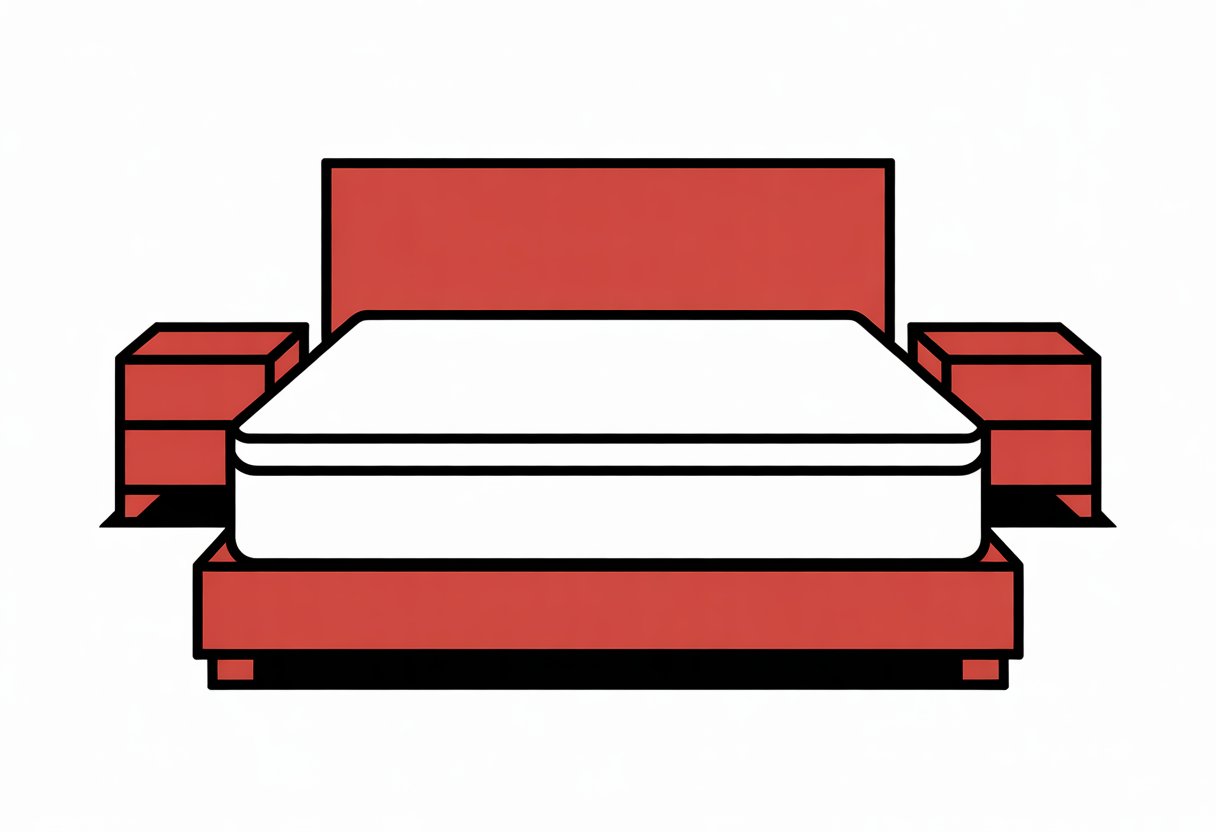
Purchasing a full mattress and box spring set provides you with a complete sleep system that works together to deliver proper support and comfort. These matched sets eliminate guesswork when selecting compatible components and often cost less than buying pieces separately.
Benefits of Mattress Sets
Buying a full mattress and box spring set ensures your mattress receives the foundation support it needs. The box spring absorbs shock and reduces wear on your mattress, which helps extend its lifespan to between 7 and 10 years with proper care.
You'll save money compared to purchasing each component individually. Full mattress sets come at a lower combined price, making them an economical choice for setting up a bedroom.
Mattress sets guarantee compatibility between your mattress and foundation. This pairing prevents issues like sagging, uneven support, or voided warranties that can occur when mixing mismatched pieces. You won't need to measure, compare specifications, or worry whether components will work together properly.
Innerspring vs Foam Sets
Innerspring full mattress sets feature coil systems that provide a responsive, bouncy feel. The coils offer strong support and allow air to circulate through the mattress, keeping you cooler during sleep. When paired with a box spring, innerspring mattresses create a traditional sleep surface that many people prefer.
Foam mattress sets contour closely to your body shape and relieve pressure points. These sets reduce motion transfer, so you won't feel movement from a sleeping partner. Foam provides consistent support across the entire surface without the bounce of springs.
Your choice depends on personal preference. If you want a cooler sleep surface with more bounce, choose innerspring. If you need pressure relief and minimal motion transfer, select foam.
Popular Set Options
You can choose from medium, firm, or plush firmness levels in full mattress and box spring sets. Medium firmness balances support and softness for combination sleepers who change positions throughout the night.
Firm sets keep your spine aligned and work well if you sleep on your back or stomach. Plush options offer a softer surface that cushions your shoulders and hips during side sleeping.
Many sets include additional features:
Cooling technology through breathable fabrics or gel-infused layers
Motion isolation that prevents disturbances from partner movement
Edge support with reinforced perimeters for full surface use
Canadian retailers offer delivery across the country, making it convenient to purchase these complete sleep systems.
Essential Bedding and Accessories
A full size mattress requires the right support system and protective layers to maximize comfort and longevity. Proper bed frames, protective covers, and quality pillows transform your mattress into a complete sleep system.
Bed Frames and Bases
Your mattress needs a sturdy foundation to maintain its shape and provide proper support. Standard bed frames designed for full size dimensions (137 cm wide by 191 cm long) work with most mattresses and offer basic elevation off the floor.
Platform bases feature a solid or slatted surface that eliminates the need for a box spring. These frames work well with foam and hybrid mattresses because the flat surface distributes weight evenly.
Adjustable bases let you raise the head or foot sections to reduce snoring, ease back pain, or improve circulation. These motorized foundations pair with most modern mattresses but require checking compatibility with your specific model.
Box springs add height and absorb some impact from movement. Traditional innerspring mattresses benefit most from box springs, though many newer mattress types don't require them.
Headboards attach to most bed frames and protect your wall from scuffs while adding visual appeal to your bedroom. You can purchase them separately or as part of a complete bed frame set.
Mattress Toppers and Protectors
Mattress protectors create a waterproof barrier against spills, sweat, and stains without changing how your mattress feels. These fitted covers extend your mattress's lifespan by preventing moisture damage and keeping dust mites out.
Look for protectors made from breathable materials that won't trap heat or create noisy crinkling sounds when you move. Many protectors are machine washable for easy maintenance.
Mattress toppers add an extra comfort layer between you and your mattress. Memory foam toppers contour to your body and reduce pressure points, while latex toppers provide responsive support with natural cooling properties.
Feather and down toppers offer plush softness. Toppers typically range from 5 to 10 cm thick and can adjust the firmness level of your mattress without replacing it entirely.
Pillows and Bedding
Pillows support your head and neck alignment throughout the night. Side sleepers need thicker, firmer pillows to fill the space between their shoulder and head, while back sleepers benefit from medium-loft options that support the natural curve of their neck.
Memory foam pillows maintain consistent support but can retain heat. Down and feather pillows offer adjustable loft by fluffing but require regular replacement. Latex and buckwheat pillows provide firm, cooling support for those who sleep hot.
Quality sheets, duvets, and blankets complete your sleep environment. Cotton sheets breathe well and soften with washing, while microfibre options resist wrinkles and cost less. Thread count between 200 and 400 typically provides the best balance of softness and durability for most sleepers.
Brands and Shopping Considerations
Established manufacturers like Sealy, Serta, Beautyrest, Tempur-Pedic, Springwall, and Stearns & Foster dominate the full-size mattress market with proven quality standards. Where you shop and when you buy significantly impact both price and selection.
Notable Full Mattress Brands
Brand name mattresses from established manufacturers like Sealy, Serta, Tempur-Pedic, Beautyrest, and Kingsdown offer extensive testing and reliable warranties that generic options often lack. These companies have spent decades perfecting their designs and materials to deliver consistent comfort and support.
Sealy produces mattresses with their Posturepedic technology focused on targeted support zones. Serta manufactures both traditional innerspring and memory foam models, including their iComfort line with cooling features. Beautyrest specialises in individually wrapped coil systems that reduce motion transfer between sleepers.
Tempur-Pedic pioneered memory foam mattresses using pressure-relieving material originally developed by NASA. Springwall focuses on Canadian-made mattresses designed for comfort and value, while Stearns & Foster provides luxury handcrafted options with premium materials. Each brand brings distinct technologies and construction methods that affect durability and performance over time.
Shopping Online vs In Store
Retail furniture stores let you test mattresses before purchasing. You can lie down on different models to assess firmness, support, and initial comfort. Store associates can explain warranty coverage and delivery options specific to your area.
Online shopping offers convenience and often lower prices due to reduced overhead costs. However, you cannot physically test the mattress before it arrives. Many manufacturers now provide extended trial periods ranging from 100 to 365 nights that let you return the mattress if it doesn't meet your needs.
Consider your priorities when choosing where to shop. If you need immediate delivery or prefer hands-on testing, visit local furniture retailers. If you value lower prices and don't mind waiting for shipping, online purchases may suit you better.
Sales, Clearance, and Deals
Major sale events occur during holiday weekends including Victoria Day, Canada Day, Labour Day, and Boxing Day. Retailers often discount full-size mattresses by 30 to 50 percent during these promotional periods.
Clearance sales happen when stores need to make room for new inventory. You'll find the deepest discounts on floor models and discontinued lines, though selection becomes limited. Furniture stores typically hold clearance events in January and July when manufacturers release new collections.
GE Money and other financing programmes through furniture retailers let you spread payments over 12 to 36 months. Compare the total cost including interest against paying upfront to determine if financing makes sense for your budget.
Frequently Asked Questions
Full size mattress buyers often have similar questions about dimensions, comfort, materials, and care. Understanding these key aspects helps you make informed decisions about your purchase and maintenance.
What are the standard dimensions of a full size mattress in Canada?
A full size mattress measures 54 inches wide by 75 inches long in Canada. This gives you 3,975 square inches of sleeping surface.
The full size is 15 inches wider than a twin mattress but maintains the same 75-inch length. Some manufacturers offer a full XL option at 53 inches by 80 inches, which provides an extra 5 inches of length for taller sleepers.
When measuring your bedroom space, add at least 60 centimetres on each side of the mattress for walking room. This means your bedroom should ideally be at least 2.7 metres by 3 metres to comfortably accommodate a full size bed and other furniture.
How do I determine the most suitable firmness level for my full size mattress?
Your body weight plays a major role in choosing the right firmness level. Lighter individuals under 59 kilograms typically prefer softer mattresses that provide adequate contouring, while people over 105 kilograms often need firmer support to prevent excessive sinking.
Your preferred sleeping position also affects firmness needs. Side sleepers usually need softer mattresses to cushion shoulders and hips. Back sleepers benefit from medium to medium-firm options that support the spine's natural curve, while stomach sleepers require firmer surfaces to prevent lower back strain.
Test mattresses by lying in your normal sleeping position for at least 10 to 15 minutes. Your spine should maintain natural alignment without gaps underneath, and pressure points at shoulders and hips should feel comfortable rather than strained.
What materials are commonly used in the construction of full size mattresses?
Innerspring mattresses use steel coils as their support system, with comfort layers of foam or fibre on top. Pocket coil systems feature individually wrapped springs that reduce motion transfer between sleepers.
Memory foam mattresses contain polyurethane foam that responds to body heat and pressure. These mattresses contour closely to your body shape and absorb movement well.
Latex mattresses use natural rubber from tree sap or synthetic latex compounds. This material provides responsive support with good durability and natural temperature regulation.
Hybrid mattresses combine innerspring coils with foam or latex comfort layers. This construction aims to balance the support of coils with the pressure relief of foam materials.
Can a full size mattress comfortably fit two adults?
A full size mattress provides each person with only 27 inches of personal sleeping space when shared. This width is narrower than a twin bed, which measures 38 inches wide for a single sleeper.
Couples who sleep on full size mattresses should choose models with good motion isolation to reduce disturbance when one person moves. Edge support also becomes important so you can use the entire sleeping surface without feeling like you might roll off.
Most couples find full size mattresses work better as temporary solutions rather than long-term sleeping arrangements. You might consider this size if budget or space constraints prevent buying a queen, but plan to upgrade when possible for better sleep quality.
What should I consider when choosing a foundation or base for my full size mattress?
Your mattress warranty often requires proper support to remain valid. Most manufacturers specify that you need a foundation that prevents sagging and provides even support across the entire sleeping surface.
Box springs work well with traditional innerspring mattresses but aren't necessary for foam or hybrid models. Platform beds with slats spaced no more than 7.5 centimetres apart provide adequate support without requiring a box spring.
Adjustable bases allow you to elevate your head or feet for reading, watching television, or reducing snoring and acid reflux. Check with your mattress manufacturer to confirm your specific model works with adjustable frames before purchasing.
The foundation should match your mattress size exactly. Using mismatched dimensions can void warranties and cause premature wear along unsupported edges.
How do I properly care for and maintain my full size mattress to extend its lifespan?
Rotate your mattress 180 degrees every three months to distribute wear evenly across the surface. If you have a two-sided mattress, flip it over as well during rotation to extend its usable life.
Use a waterproof mattress protector from the first night to guard against spills, stains, and body oils. Wash this protector monthly in hot water to remove dust mites and allergens.
Vacuum your mattress surface every few months using your vacuum's upholstery attachment. This removes dust, dead skin cells, and debris that accumulate over time.
Address spills immediately by blotting with a clean cloth rather than rubbing. Use only small amounts of water with mild detergent, and allow the area to dry completely before replacing bedding to prevent mould growth.
Replace your mattress when you notice visible sagging deeper than 2.5 centimetres, feel springs or support structures through the comfort layers, or consistently wake with new aches and pains. Most quality mattresses last seven to ten years with proper care.
 by
by 


