

















A mattress protector acts as a barrier between your bedding and your mattress to keep it clean and extend its life. You might think your sheets are enough, but spills, sweat, dust mites, and body oils can seep through and damage your mattress over time. The right mattress protector shields your mattress from stains, moisture, allergens, and everyday wear while remaining comfortable enough that you won't notice it's there.

Choosing a mattress protector isn't complicated, but you need to understand the different types available and what features matter most for your needs. Some protectors focus on waterproofing, while others prioritize cooling or allergen protection. The best choice depends on whether you're dealing with spills, allergies, or simply want to protect your investment.
Waterproof mattress protectors are particularly useful if you have young children, pets, or need protection from accidents. They use materials like thermoplastic polyurethane to block liquids while still allowing air to flow through. Other options include mattress pads that sit on top of your bed or full encasements that wrap around your entire mattress.
Key Takeaways
Mattress protectors prevent stains, moisture, allergens, and wear from damaging your mattress
Different types include fitted protectors, waterproof covers, and full encasements for various protection levels
Choose based on your specific needs like waterproofing, cooling, allergen barriers, and proper sizing for your mattress depth
What Are Mattress Protectors?
A mattress protector sits between your mattress and fitted sheet to shield your sleep surface from liquids, body oils, and daily wear. These washable layers extend mattress life while creating a cleaner sleep environment.
Definition and Purpose
A mattress protector is a piece of bedding that fits over your mattress like a second skin but stays hidden beneath your fitted sheet. It wraps around the top and sides of your mattress with elastic edges to keep it securely in place.
The main purpose is to act as a barrier. Your body releases sweat, oils, and dead skin cells every night. Without protection, these substances soak into your mattress and create permanent stains. Mattress protectors shield your mattress from spills, sweat, bodily fluids, and dirt that would otherwise seep through your sheets.
You can remove and wash mattress protectors regularly. This keeps your sleeping surface hygienic without needing to clean the mattress itself.
Benefits of Using a Mattress Protector
Extends Mattress Lifespan
Mattress protectors keep your mattress cleaner and add an extra layer between you and the sleep surface. This protection helps your mattress maintain its quality for years longer.
Improves Hygiene
Adults release around 100 litres of sweat per year while sleeping. A washable protector catches this moisture before it reaches your mattress. You can simply toss the protector in the washing machine every few weeks.
Reduces Allergens
Dust mites thrive in damp, warm environments. A breathable protector limits moisture buildup and helps reduce dust mite populations. This matters if you have asthma, eczema, or allergies.
Prevents Stains
Spills, accidents, and body fluids can permanently damage an expensive mattress. A protector catches these liquids and keeps your mattress looking new.
Mattress Cover vs. Mattress Protector
The terms mattress cover and mattress protector refer to the same product. Both names describe a removable, washable layer that protects your mattress from contamination.
Some retailers use "mattress pad" to describe similar products. A pad typically adds cushioning on top of protection. The best mattress protectors focus primarily on safeguarding your mattress rather than changing its feel.
When shopping, look past the name and check what the product actually does. Quality matters more than terminology.
Types of Mattress Protectors
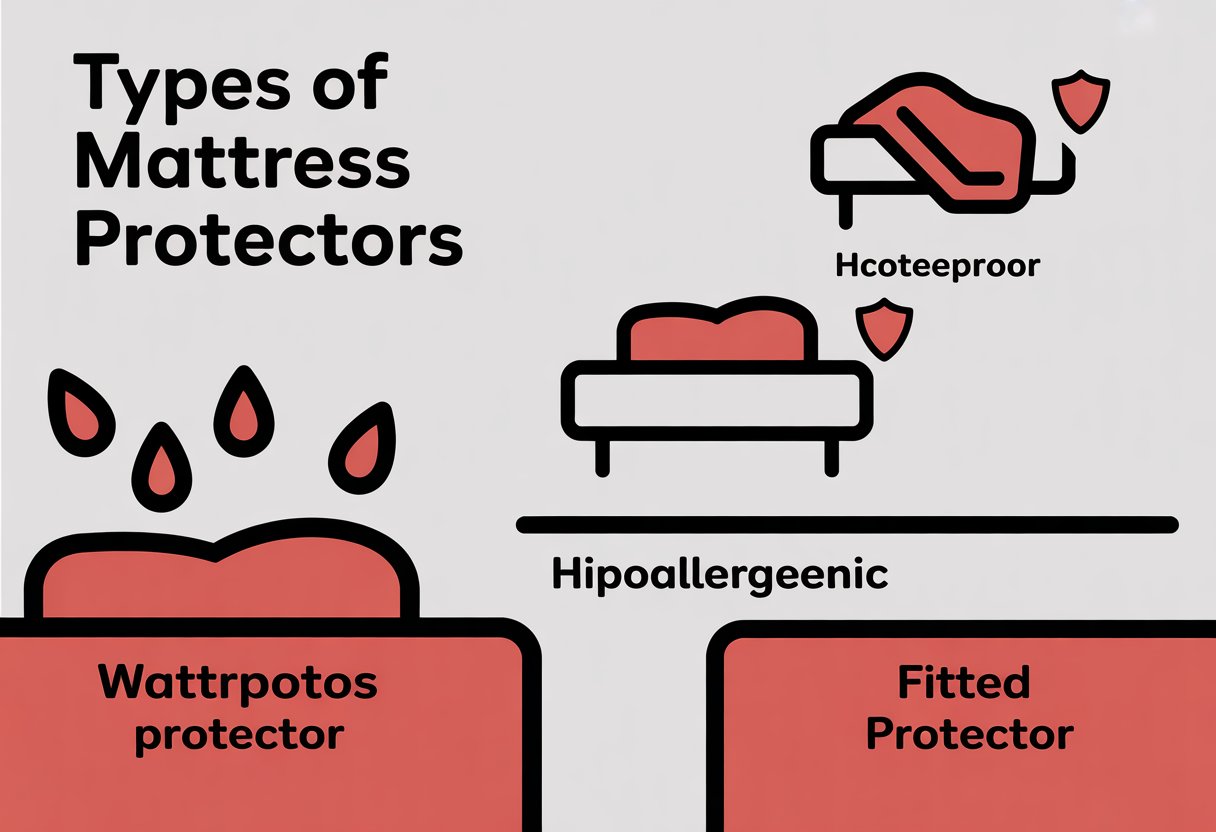
Mattress protectors come in several designs to match different needs and preferences. The main types include waterproof options that block liquids, quilted versions that add comfort, full encasements that cover the entire mattress, and cooling protectors that help regulate temperature.
Waterproof Mattress Protectors
A waterproof mattress protector creates a barrier between your mattress and any liquids that might damage it. These protectors use materials like vinyl, polyurethane laminate, or specially treated fabrics to stop spills and accidents from reaching your mattress.
You'll find waterproof mattress protectors in various designs including fitted styles that wrap around like a sheet. Some materials work better than others for waterproofing. Vinyl offers complete protection but can make noise when you move. Polyurethane laminate fabrics provide waterproofing without toxins, which makes them popular for children's beds.
These protectors help maintain your mattress warranty since many companies won't honour warranties if liquids damage the mattress. They also extend your mattress's lifespan by preventing stains, moisture, and mould growth. Look for options with deep pockets if you have a thick mattress to ensure a proper fit.
Quilted and Padded Mattress Protectors
Quilted mattress protectors feature a padded layer that adds a soft surface to your bed. Unlike standard protectors, these include extra cushioning between the outer fabric layers. The quilting creates a textured pattern across the surface.
These protectors offer light padding but don't change your mattress feel as much as a topper would. They provide a bit more comfort whilst still protecting against dust mites and allergens. The quilted design helps the padding stay evenly distributed across the mattress surface.
Some quilted options combine padding with water-resistant properties. However, the added cushioning can trap more heat than flat protectors. You should choose a quilted protector if you want slight extra softness along with basic protection for your mattress.
Mattress Encasements
A mattress encasement covers all six sides of your mattress with a zippered closure. Encasement protectors wrap your entire mattress from top to bottom, creating a complete seal around it. This differs from fitted protectors that only cover the top and sides.
Zippered mattress encasements are often used to contain bed bug infestations until exterminators can remove them. Whilst they don't prevent bed bugs from entering your home, they trap existing bugs inside where they eventually die without access to food. These encasements also block dust mites and allergens more effectively than other styles.
The zipper quality matters significantly with encasements. Look for small zipper teeth that bugs cannot squeeze through. Many encasements also provide waterproof protection along with the full coverage design.
Cooling Mattress Protectors
Cooling mattress protectors use breathable materials and special fabrics to help regulate your body temperature during sleep. These protectors allow air to flow through the fabric rather than trapping heat against your body. They work well if you tend to sleep hot or live in warm climates.
Cotton protectors naturally offer better cooling properties than synthetic materials like polyester. Some cooling protectors use moisture-wicking fabrics that pull sweat away from your skin. Others incorporate phase-change materials that absorb and release heat to maintain a stable temperature.
You might sacrifice some waterproofing with highly breathable cooling protectors. However, some newer options combine water resistance with cooling features. Consider your priorities when choosing between maximum cooling and complete liquid protection for your mattress.
Key Features to Consider
The right mattress protector depends on the fabric it's made from, how well it allows air to flow, whether it makes noise when you move, and its ability to block allergens. Each of these factors affects both the protection your mattress receives and your comfort while you sleep.
Material and Fabric Options
The fabric of your mattress protector determines how it feels, breathes, and protects. Cotton is a popular choice because it's soft, breathable, and easy to wash. It wicks moisture away naturally without trapping heat.
Bamboo fabric offers similar benefits to cotton but comes from a renewable resource. It's naturally soft and resists bacteria growth.
Polyester costs less than natural fabrics but may not breathe as well. However, it's durable and often used in waterproof layers.
Some protectors use Tencel, a fabric made from eucalyptus that naturally resists bacteria. A quilted mattress protector adds extra padding through stitched layers of fabric and fill material.
Common fabric types:
100% cotton (breathable, natural)
Bamboo (sustainable, soft)
Polyester (affordable, durable)
Tencel (antibacterial, moisture-wicking)
Wool (insulating, naturally water-resistant)
Breathability and Temperature Regulation
Poor airflow in your mattress protector can make you sleep hot and uncomfortable. Natural fabrics like cotton and bamboo allow air to pass through more easily than synthetic materials.
A cooling mattress requires a protector that won't block its temperature-regulating properties. Look for protectors specifically designed for temperature control if you tend to sleep warm.
Waterproof protectors often include a membrane layer that blocks liquids. This layer can reduce airflow and trap heat. Modern waterproof options use breathable membranes that allow air and moisture vapour to escape while still blocking liquid spills.
Avoid protectors with thick vinyl or plastic backing if temperature regulation matters to you. These materials create a barrier that prevents air circulation completely.
Noise and Comfort
Some waterproof protectors make a crinkling or rustling sound when you move during the night. This happens because the waterproof layer is stiff or made from materials that rub together.
Newer protectors use softer waterproof membranes that stay quiet. Cotton and bamboo top layers also help muffle any noise from the waterproof backing underneath.
A mattress pad differs from a protector because it adds cushioning. A mattress protector focuses on keeping your mattress clean rather than changing how it feels.
Test how the fabric feels before buying if possible. It should be soft against your skin and not bunch up or slide around. Fitted sheet styles stay in place better than designs with only corner straps.
Hypoallergenic and Allergen Protection
Mattress protectors help prevent dust mites and allergens from building up in your mattress. Dust mites feed on dead skin cells and thrive in warm, humid environments.
Tightly woven fabrics create a physical barrier that dust mites cannot pass through. Encasement-style protectors with zippers offer the most complete protection because they cover the entire mattress.
Natural fabrics like eucalyptus-based Tencel are naturally hypoallergenic and resist bacterial growth. Organic cotton also works well for people with sensitive skin or allergies.
Allergy protection features:
Tight weave to block dust mites
Zippered encasement for full coverage
Natural antibacterial properties
Chemical-free materials
People with asthma or severe allergies benefit most from full encasement protectors that seal the mattress completely. These prevent allergens from escaping into the air you breathe while you sleep.
Selecting the Right Size and Fit
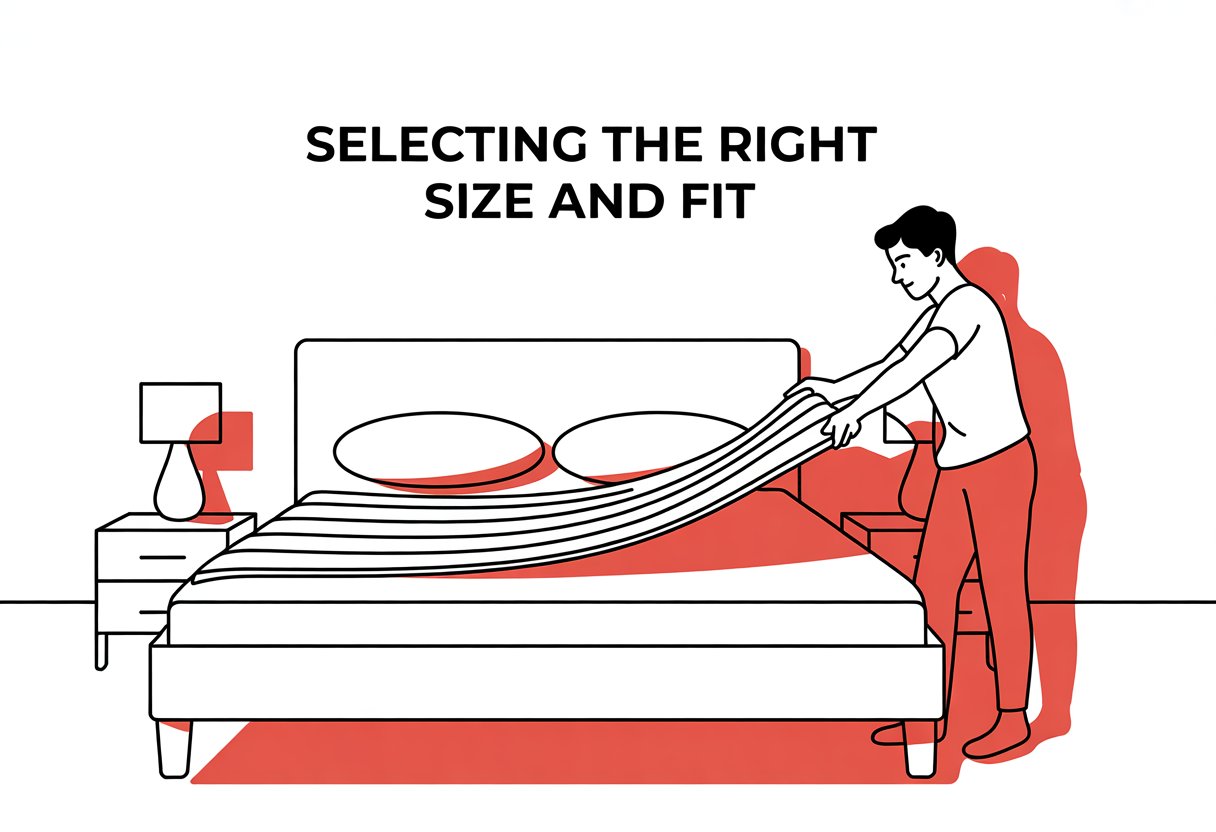
Matching your protector to your mattress dimensions and thickness prevents bunching, tearing, and gaps that compromise protection.
Available Mattress Protector Sizes
Mattress protectors come in standard sizes that match typical mattress dimensions:
Size | Dimensions |
|---|---|
Twin | 38 × 74 inches |
Twin XL | 38 × 80 inches |
Full (Double) | 54 × 75 inches |
Queen | 60 × 80 inches |
King | 76 × 80 inches |
California King | 72 × 84 inches |
A queen mattress protector measures 60 × 80 inches to fit standard queen beds. Some manufacturers also offer split king options for adjustable bases.
Choose the size that matches your mattress exactly. A twin protector won't stretch to fit a full bed, and an oversized protector creates loose fabric that bunches underneath your sheets.
Depth and Pocket Style
Your protector's pocket depth determines how thick a mattress it can accommodate. Most mattresses measure 9 to 12 inches thick, but pillow-top models and those with toppers often exceed this range.
Your mattress protector should be at least 1 inch thicker than your mattress. A 14-inch pocket depth fits mattresses up to 13 inches thick comfortably.
Measure your mattress height by placing rulers on both sides and measuring the distance between them. Add any topper thickness to this number. An undersized protector stretches too tightly, causing it to pop off during the night or tear at the elastic edges.
Ensuring a Proper Fit
A properly fitted protector lies flat without wrinkles or excess fabric pooling at the corners. The elastic should hold it securely without straining.
Check the manufacturer's specifications for both surface dimensions and pocket depth before purchasing. Availability varies by retailer, so verify your size is in stock.
After placing the protector on your bed, smooth it from the centre outward. The corners should sit snugly without pulling or gaps. If the fabric bunches or the elastic feels loose, you need a different size or depth.
Test the fit by pressing down on each corner. The protector shouldn't lift away from the mattress easily. When you add your fitted sheet over top, both layers should remain secure through normal movement during sleep.
Protection Against Common Issues
Mattress protectors defend against spills, moisture, allergens, and pests that can damage your mattress or affect your health. The right protection depends on your specific needs, from basic moisture barriers to complete encasements that seal out bed bugs.
Spill and Moisture Defence
Your mattress faces daily exposure to sweat, with the average adult releasing around 100 litres per year during sleep. This moisture creates damp conditions that attract dust mites and can lead to mould growth inside your mattress.
Waterproof protectors use a synthetic barrier layer to block liquids completely. These waterproof barriers prevent fluids, urine, and perspiration from reaching your mattress core. However, many cheap waterproof options feel like plastic and trap heat.
Look for protectors that balance waterproofing with breathability. Some use thin polyurethane membranes that block liquids whilst allowing air circulation. Others combine waterproof backing with cotton top layers for better comfort.
Water-resistant protectors offer lighter protection against minor spills and sweat. They use tightly woven cotton that repels moisture temporarily but won't stop major spills or accidents.
Bed Bug Protection and Encasement Solutions
Standard protectors that cover only the top and sides of your mattress won't stop bed bugs. These pests hide in seams, underneath your mattress, and in box springs.
A zippered mattress encasement surrounds your entire mattress on all six sides. The zipper closure seals completely, trapping any existing bed bugs inside where they eventually die without access to food. It also prevents new bed bugs from entering your mattress.
Quality encasements use tightly woven fabric with pores smaller than bed bugs can penetrate. The zipper should have a secure closure system that bed bugs cannot squeeze through.
Encasements work best as part of a complete treatment plan that addresses all hiding spots in your bedroom, not just your mattress.
Allergen and Dust Mite Defence
Dust mites feed on dead skin cells that accumulate in your mattress. Their droppings trigger allergic reactions, asthma symptoms, and eczema flare-ups in sensitive individuals.
Any washable protector prevents skin flakes from reaching your mattress, cutting off the dust mites' primary food source. This reduces mite populations over time.
Protectors help you achieve better sleep if you suffer from asthma, eczema, or dust mite allergies by creating an extra barrier between your body and the mattress. Regular washing in hot water kills dust mites and removes allergens.
Tightly woven cotton protectors block allergens whilst remaining breathable. The dense weave prevents dust mite waste particles from passing through the fabric to reach you during sleep.
Some protectors carry Oeko-Tex Standard 100 certification, meaning they've been tested against harmful chemicals and toxins that could worsen allergies.
Care, Maintenance, and Durability
Proper washing techniques and regular maintenance protect your investment and ensure your mattress protector continues to shield your mattress effectively. Most protectors last 1-3 years with proper care, though waterproof versions may need replacement sooner if the barrier layer becomes compromised.
Washing and Cleaning Instructions
You should wash your mattress protector once a month under normal conditions. If you have allergies, wash it every two weeks to reduce dust mites and allergens.
Remove all bedding and check the care label before washing. Most fabric protectors can be machine washed in warm or cold water using regular laundry detergent. Wash the protector separately to prevent damage from zippers or buttons on other items.
For stains, apply an enzyme-based stain remover and work it into the fabric with a soft brush. Let it sit for 10 minutes before washing. Blood stains respond well to cold saltwater, whilst coffee or tea stains need enzyme cleaners.
Never use chlorine bleach on waterproof mattress protectors, as it breaks down the waterproof barrier. Use the normal or bulky cycle on your washing machine. Down-filled protectors require special down wash products to protect the feathers' natural oils.
Maintaining Waterproofing and Integrity
Your waterproof mattress protector needs careful drying to maintain its protective qualities. Air-dry polyurethane protectors or use very low heat in the dryer. High temperatures can crack or melt the waterproof layer.
Always ensure the protector is completely dry before placing it back on your mattress. Trapped moisture can cause mildew growth on both the protector and mattress. Run your hand across the surface to check for any damp spots.
Inspect your protector regularly for tears or worn spots. Small rips in fabric protectors can be sewn by hand or machine. However, you must replace waterproof protectors if they tear, as repairs won't restore the waterproof barrier.
Store extra protectors folded or rolled in a dry linen cupboard. Having two protectors per bed lets you swap them during washing, which is particularly helpful for children's beds.
Lifespan and Replacement Tips
Most mattress protectors last between one and three years with regular washing and proper care. Waterproof versions may wear out faster due to the stress on the barrier layer from repeated washing and drying.
Replace your protector when you notice any of these signs: visible tears or holes, loss of waterproofing ability, persistent odours that don't wash out, or stretched elastic that no longer fits snugly. A loose-fitting protector won't protect your mattress effectively.
Broken zippers on encasement-style protectors require immediate replacement, as you can't repair them reliably. If you notice the waterproof layer peeling or cracking, the protector has reached the end of its useful life.
Consider replacing your protector when you notice increased allergy symptoms or if someone in your household has been ill. Sometimes washing can't remove all contaminants from heavily soiled protectors.
Frequently Asked Questions
Mattress protectors raise common questions about their protective features, maintenance needs, and material choices. Understanding waterproofing levels, replacement schedules, and proper care helps you get the most value from your purchase.
What are the main benefits of using a mattress protector?
A mattress protector shields your mattress from spills, sweat, and body oils that can seep into the foam and fabric layers. This barrier keeps your mattress cleaner and helps prevent stains that can void your warranty.
Protectors also defend against dust mites, dead skin cells, and allergens that accumulate over time. Many protectors block bed bugs from entering or escaping your mattress.
Using a protector extends your mattress lifespan by keeping it fresh and reducing wear. You can easily remove and wash the protector instead of trying to clean the mattress itself.
How often should I replace my mattress protector for optimal hygiene?
You should replace your mattress protector every one to two years under normal use. The protective barrier breaks down over time, reducing its ability to block liquids and allergens.
Replace your protector sooner if you notice tears, worn spots, or if it no longer repels water effectively. Washing the protector regularly helps maintain its function, but the materials eventually degrade.
If you have allergies or sleep with pets, consider replacing your protector annually. Households with young children or frequent spills may also need more frequent replacements.
Can mattress protectors fully prevent dust mite and allergen exposure?
Mattress protectors significantly reduce dust mite and allergen exposure but cannot eliminate it completely. Tightly woven fabrics create a barrier that prevents dust mites from living in your mattress and feeding on dead skin cells.
Allergen-proof protectors use fabrics with pore sizes too small for dust mites and their waste to pass through. However, allergens can still accumulate on top of the protector from your bedding, pillows, and bedroom air.
You need to wash your protector and all bedding in hot water regularly to control allergen levels. Combining a quality protector with good cleaning habits provides the best protection for allergy sufferers.
What are the differences between waterproof and water-resistant mattress covers?
Waterproof protectors have a complete barrier that stops all liquids from reaching your mattress. These covers typically use polyurethane or vinyl backing that blocks moisture entirely, making them ideal for young children or people with incontinence.
Water-resistant protectors repel light moisture like sweat but may not stop large spills or accidents. They use treated fabrics that bead up small amounts of liquid on the surface, giving you time to blot them away.
Waterproof options offer maximum protection but may feel less breathable than water-resistant versions. Water-resistant protectors often feel softer and cooler but require faster response to spills.
How do I properly clean and care for a mattress protector?
Wash your mattress protector every two to four weeks using cold or warm water on a gentle cycle. Hot water can damage the waterproof backing and reduce the protector's lifespan.
Use mild detergent and avoid bleach, fabric softeners, or harsh chemicals that break down protective coatings. Fabric softener can clog the fabric pores and reduce breathability.
Air dry your protector or use low heat in the dryer. High heat damages waterproof membranes and elastic edges, causing the protector to lose its protective qualities and fit.
Are there certain materials to look for when choosing a mattress protector for added comfort?
Cotton protectors offer soft, breathable comfort and work well for people who sleep hot. Natural cotton absorbs moisture and allows air to flow, though it may not provide complete waterproofing without a backing layer.
Bamboo-derived fabrics provide softness similar to cotton with natural moisture-wicking properties. These materials feel smooth and cool against your skin.
Look for protectors with polyurethane backing rather than vinyl if you want both waterproofing and comfort. Polyurethane allows better airflow while still blocking liquids, and it creates less noise when you move at night compared to vinyl options.
 by
by 


