

















Buying a new mattress often leads to an important question about whether your current box spring needs replacing too. The answer depends on several factors specific to your sleeping setup and the condition of your existing foundation.
We need to look at a few key aspects of your box spring to determine if it still works well with your new mattress. These factors include the age of your box spring, how well it supports your mattress, and whether your bed frame requires one. Understanding these elements helps you make the right choice for your sleep products and ensures you get the most comfort and value from your new mattress purchase.
Key Takeaways
- Most modern mattresses don't require a box spring unless you have a traditional innerspring mattress or a bed frame designed for one
- Box springs older than 10 years may need replacement as they lose support and can damage your new mattress
- Checking your warranty requirements and bed frame compatibility helps you decide if you need a new box spring
What is a Box Spring?
A box spring is a supportive base that sits underneath your mattress and matches its size. The frame is made from wood and contains metal rods, springs, or wooden slats inside.
Box springs serve two main functions for your bed. They provide support by holding up the mattress from below. They also protect your mattress by absorbing shock each time you get in and out of bed.
This shock absorption reduces the daily wear your mattress experiences. Over time, this helps extend how long your mattress lasts while maintaining better support and comfort.
Key components include:
- Wooden frame structure
- Internal metal springs, rods, or slats
- Fabric covering
Different mattress types work better with certain support systems. Traditional innerspring mattresses were designed to pair with box springs. Modern mattresses like memory foam, latex, and hybrid models often need different types of foundations instead.
Do I Need A Boxspring If My Bed Has Slats?
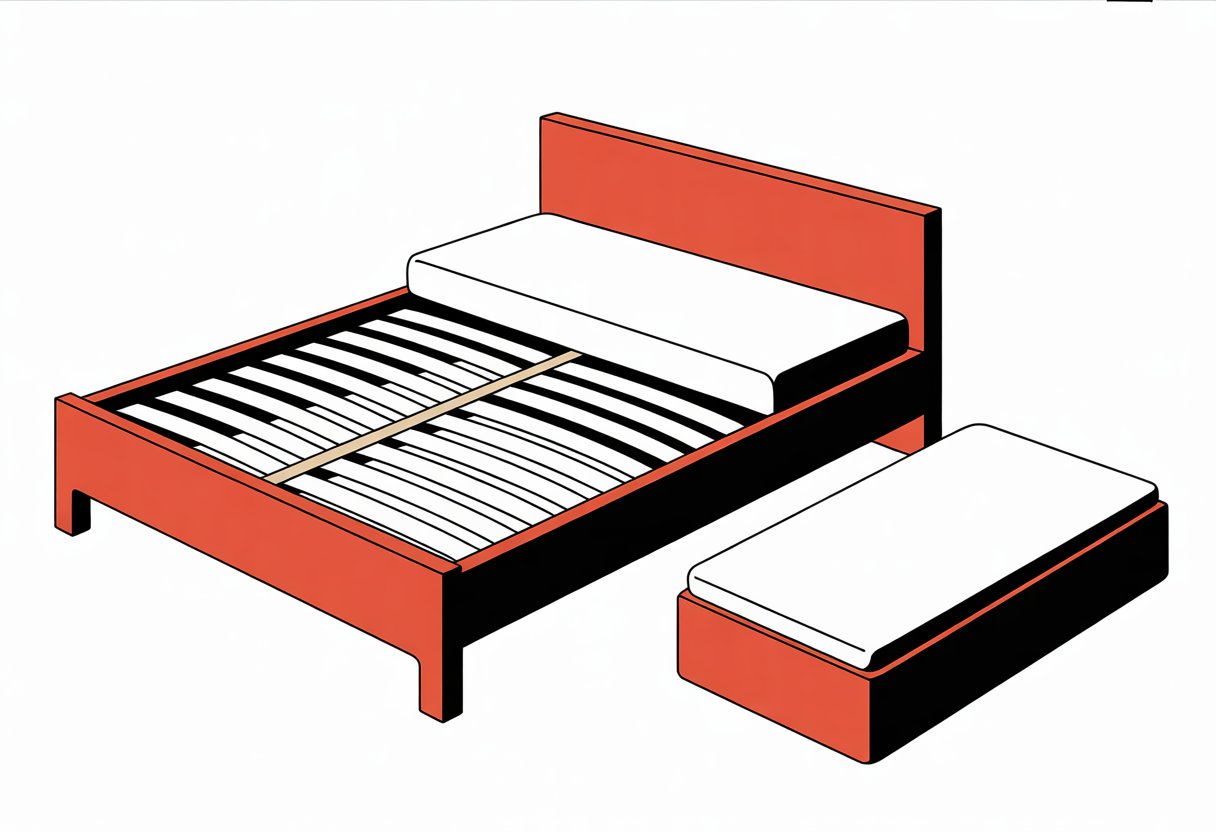
A bed with built-in slats typically does not require a boxspring. Slats provide better support for foam mattresses with proper airflow, making an additional foundation unnecessary. If your slatted bed has multiple slats running across the entire frame, the mattress should rest flat and receive adequate support without extra help.
Platform beds and slatted bases are specifically designed to work without boxsprings. These frames offer enough structural integrity on their own. However, if your bed frame has only a few supports with large gaps in the centre, you will likely need a boxspring to prevent your mattress from sagging.
We recommend testing your bed's support level before purchasing additional foundations. Place your mattress directly on the floor and lie on it to feel the firmness. Then move it to your bed frame. If the mattress feels noticeably softer or bouncier on the frame compared to the floor, your bed lacks proper support.
The only reason to add a boxspring to a slatted bed would be to increase bed height. Otherwise, you can use one or the other. You don't need to use both together.
If support feels inadequate, consider adding more slats or planks to your frame rather than investing in a boxspring.
Is it too Old?
Box springs have a typical lifespan of about 10 years. If you're replacing your mattress because it's worn out from age, your box spring is likely worn out too.
When both pieces are old, the box spring can't provide proper mattress support anymore. We recommend replacing both at the same time if you've had them for a decade or longer.
Signs your box spring might be too old:
- You've owned it for more than 10 years
- Your previous mattress wore out from age
- The frame shows visible damage or sagging
Pairing a brand new mattress with an old foundation reduces how well your bed will perform and how long it will last.
Is Your Foundation Too Bouncy or Dipping?
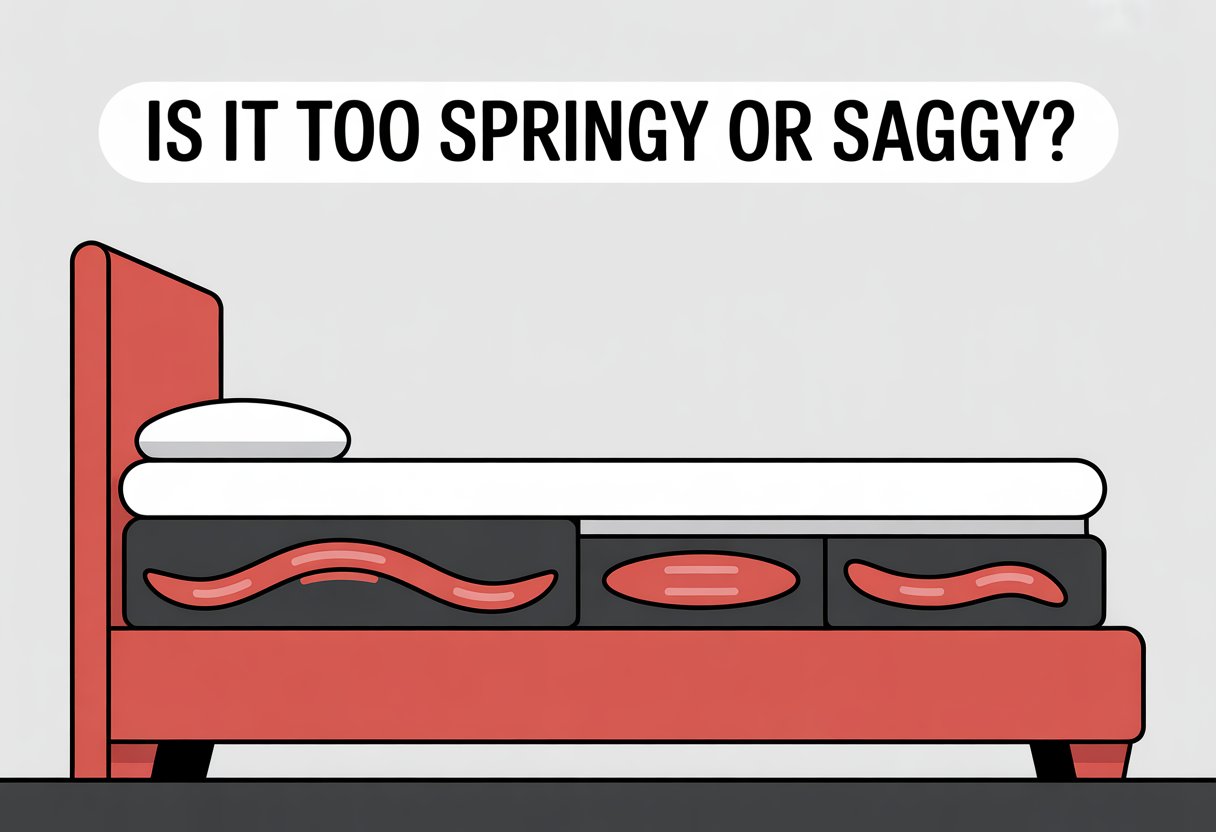
If you're unsure about the age of your foundation, we recommend doing a simple test. Press down firmly on your bed and pay attention to how it responds.
What to look for:
- Excessive bounce - The surface springs back too much
- Visible dipping - Areas sink down and stay there
- Lack of firmness - The platform feels soft instead of solid
A proper foundation should feel relatively firm under pressure. When we notice mattress sagging or weak support, it's a sign the foundation needs replacement. This affects how well your compatible mattress performs and can reduce its lifespan.
Does the Height Work?
We need to check if our existing box spring pairs well with our new mattress. The mattress dimensions should match the box spring size exactly.
Box spring height affects how far off the ground our sleeping surface sits. Standard box springs measure 8 to 9 inches tall, while low-profile versions range from 4 to 6 inches.
The combined height of both pieces determines how easy it is to get in and out of bed. We should consider our bed frame design and whether the total height feels comfortable for daily use.
What About Warranty Requirements?
Many mattress manufacturers require specific support systems before they approve warranty claims. A box spring or similar foundation like slats may be mandatory to keep your warranty valid.
We recommend checking your mattress manufacturer's warranty requirements before setting up your bed. Using incorrect support could mean losing warranty protection if problems develop later.
Key points to verify:
- Does your warranty require a box spring?
- Are platform beds or slatted frames acceptable?
- What spacing is allowed between slats?
Taking time to understand warranty specifications helps protect your investment and ensures proper mattress support.
Common Questions About Box Springs
How do we know when it's time to replace our box spring?
We can spot several warning signs that tell us a box spring needs replacing. Sagging or visible dips in the fabric covering indicate the internal structure has weakened. If we hear squeaking, creaking, or other noises when we move on the bed, the springs or frame may be damaged.
We should check for broken or protruding springs by running our hand carefully across the surface. Any lumps or uneven areas mean the support system has failed. If we notice our mattress itself is sagging in the middle, the box spring might be the real problem.
Physical damage like cracks in the wooden frame or bent metal parts means we need a replacement. We might also wake up with more aches and pains than usual, which can happen when the foundation stops supporting our body properly.
Should we replace both the mattress and box spring at the same time?
We don't always need to buy both pieces together. If our box spring is less than 8 years old and shows no damage, we can likely use it with a new mattress. However, we need to check what type of mattress we're buying first.
Traditional innerspring mattresses work well with existing box springs if they're still in good shape. Memory foam and latex mattresses typically need a solid, flat surface instead of a box spring. Many newer mattresses come with built-in support systems that don't require box springs at all.
We should replace both when our box spring is worn out or if we've had our current set for more than 10 years. Using an old, damaged box spring under a new mattress will reduce the mattress's comfort and lifespan. It may also void the warranty on our new mattress. Our guide to how often to replace your mattress and box spring covers the mattress side as well.
What's the typical lifespan of a box spring?
Box springs usually last between 8 to 10 years with regular use. This timeframe can change based on several factors. Higher quality materials and construction will last longer than cheaper options.
The amount of weight the box spring supports affects how long it lasts. Heavier sleepers or couples will wear out a box spring faster than a single lightweight person. How often we use the bed matters too. Guest room box springs last longer than those in bedrooms we use every night.
We should inspect our box spring once it reaches the 8-year mark even if it looks fine. Internal damage isn't always visible from the outside. Regular checks help us catch problems before they affect our sleep quality.
Do certain mattress types need new box springs for warranty coverage?
Many mattress warranties have specific requirements about what we can place our mattress on. Memory foam, latex, and hybrid mattresses often need solid foundations rather than traditional box springs. Using the wrong foundation can void our warranty completely.
We need to read the warranty paperwork carefully before setting up our new mattress. Manufacturers list exactly what types of support they approve. Some brands require their own branded foundations for the warranty to remain valid.
Platform beds, slatted frames with closely spaced slats, or solid bunkie boards typically meet warranty requirements for foam-based mattresses. If we're unsure, we should contact the manufacturer directly before making a purchase. Keeping our receipt and foundation information helps if we ever need to make a warranty claim.
What happens to our sleep when the box spring wears out?
A worn-out box spring creates multiple sleep problems. When the foundation sags, our mattress sags with it. This puts our spine in an unnatural position throughout the night. We wake up with back pain, neck stiffness, or shoulder discomfort.
Poor support from a damaged box spring makes our mattress wear out faster. The mattress materials compress unevenly, creating permanent indentations and soft spots. We might start rolling toward the middle of the bed or feeling like we're sleeping in a valley.
Our sleep quality decreases when we don't have proper support. We toss and turn more trying to find a comfortable position. Partners may disturb each other more easily because the weakened structure transfers motion across the bed. We might wake up feeling tired even after a full night's rest.
How can we test if our box spring still works properly?
We can perform a simple inspection to check our box spring's condition. First, we remove the mattress completely so we can see and feel the entire surface. We press down firmly in several spots, especially the centre, to feel for soft areas or excessive give.
We should look at the fabric covering for any tears, stains, or worn patches. Running our hand slowly across the top helps us find any protruding springs or uneven spots. We can also check the wooden frame around the edges for cracks or splits.
Getting down at eye level with the box spring helps us spot sagging we might miss from above. We can place a straight object like a yardstick across the top to see if there are any dips. Finally, we should press down while listening for squeaks, creaks, or grinding sounds that indicate damaged springs or loose parts.
 by
by 


