

















When you're shopping for a new bed, the names can get confusing fast. Twin, double, full, single – they all start to sound the same after a while. If you've been wondering whether a twin bed and a double bed are the same thing, you're not alone.
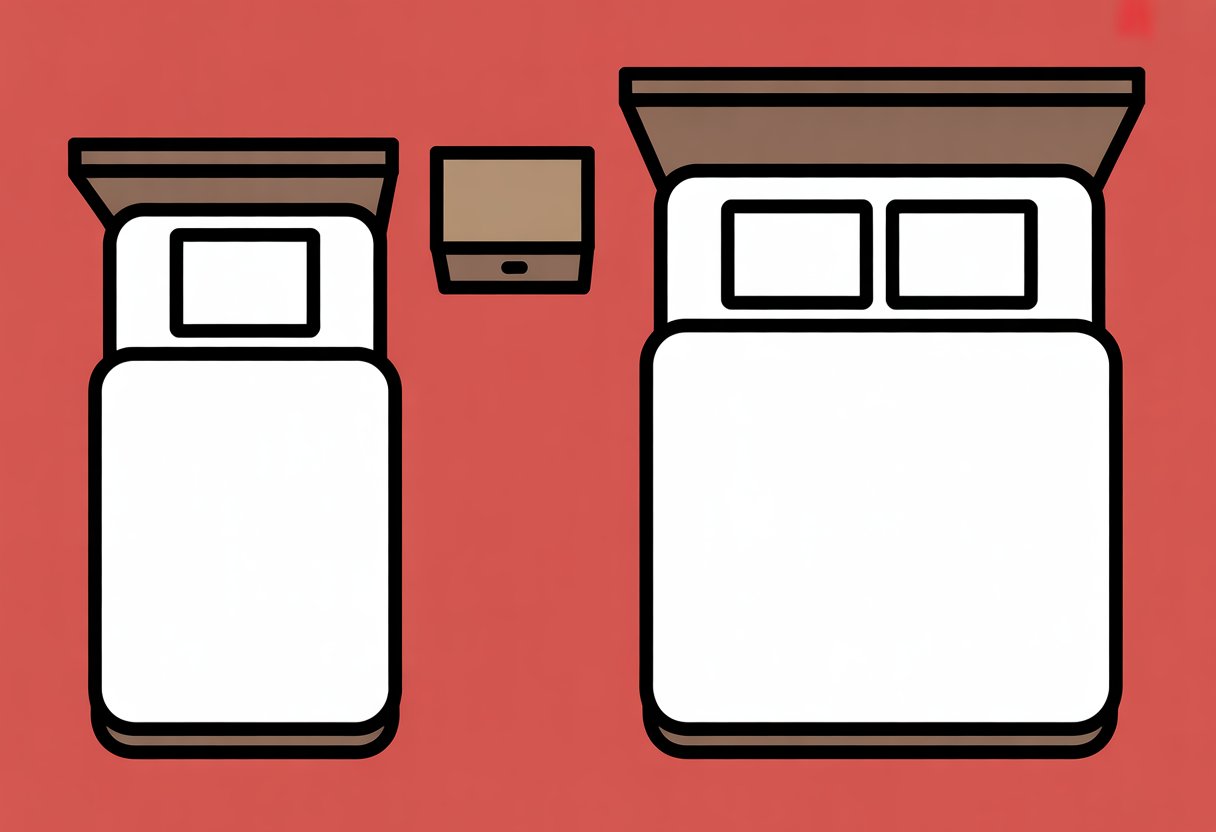
No, twin beds and double beds are not the same – they differ in both size and how many people they can comfortably sleep. A twin bed measures about 38 inches wide by 75 inches long and is designed for one person, while a double bed (also called a full bed) is 54 inches wide by 75 inches long and can fit two people. The confusion often comes from the word "twin," which sounds like it should mean two people, but it actually refers to matching pairs of single beds that were historically placed in one room.
Understanding the real differences between these bed sizes will help you make the right choice for your space, budget, and sleeping needs. Whether you're setting up a child's room, furnishing a guest bedroom, or trying to figure out what fits in your flat, knowing which bed size works best can save you time and money.
Key Takeaways
- Twin beds are smaller single-person beds measuring 38 inches wide, while double beds are 54 inches wide and designed for two people
- Your choice should depend on room size, who will use the bed, available budget, and whether one or two people will sleep in it
- Twin beds work well for children and small spaces, while double beds suit couples in smaller rooms or single adults who want extra space
Clarifying the Terms: Twin Bed vs Double Bed
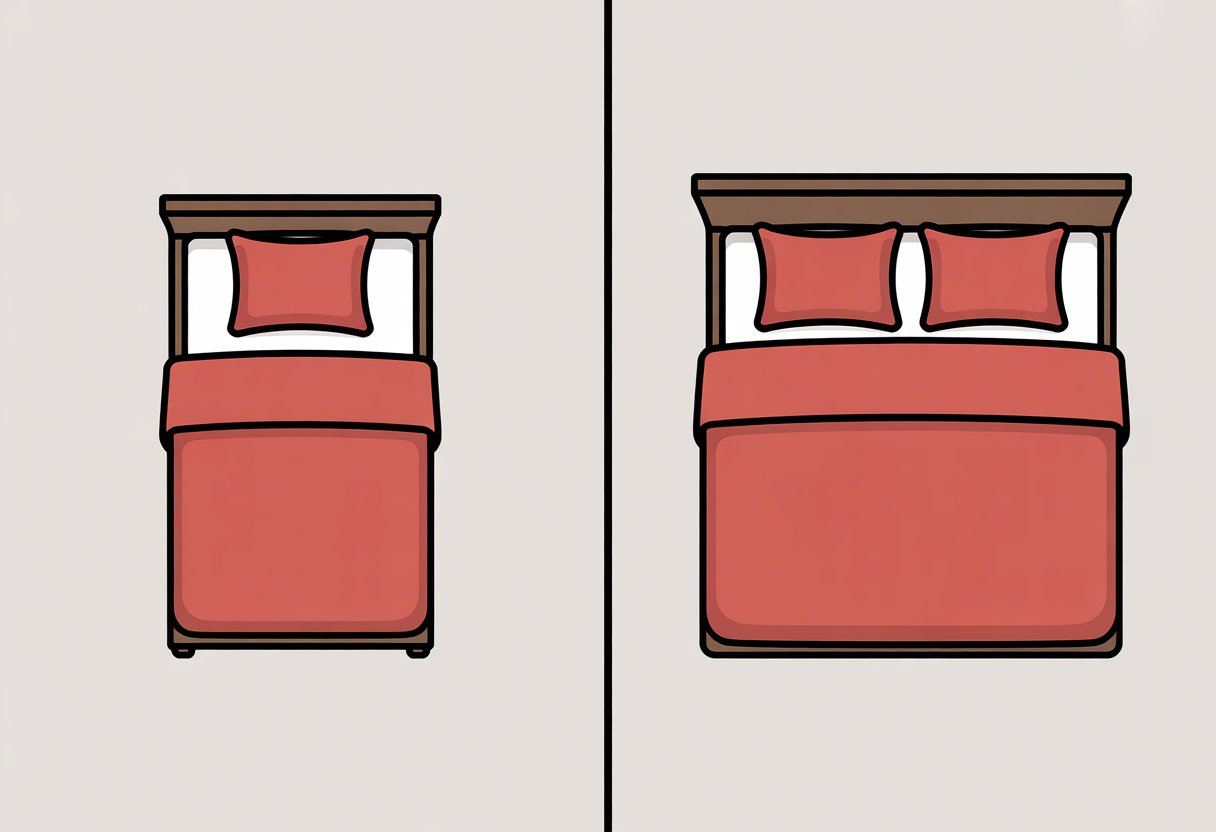
A twin bed and a double bed are not the same. Twin beds are narrower and designed for one person, while double beds are wider and can fit one or two people.
What Is a Twin Bed (Single Bed)?
A twin bed is a single-person mattress that measures 38 inches wide by 75 inches long. This makes it the smallest standard adult mattress size available. You'll often find twin beds in children's rooms, guest rooms, and dormitories.
The term "twin" doesn't mean the bed is meant to be paired with another bed. Instead, it refers to the fact that two of these beds can fit in a room where a larger bed might not work. A standard twin bed provides enough space for one person to sleep comfortably.
Single bed is another name for a twin bed. Both terms describe the exact same mattress size. Twin beds work well if you're under six feet tall and sleep alone.
What Is a Double Bed (Full Bed)?
A double bed measures 54 inches wide by 75 inches long. This size is also called a full bed, and the two terms mean exactly the same thing. The double bed is 16 inches wider than a twin bed but has the same length.
Despite the name "double," this bed size isn't ideal for two adults. Each person only gets 27 inches of personal space, which is actually less than the width of a single bed. You might find double beds cramped if you share them with another adult.
Double beds work best for single sleepers who want more room than a twin bed offers. They're popular in guest rooms and smaller bedrooms where space is limited.
Common Naming Confusions
Many people confuse twin rooms with double rooms when booking hotels. A twin room has two separate single beds, while a double room has one double or queen-sized bed for couples.
The term "double bed" can be misleading. It's called double because it's roughly twice the width of a single bed, not because it comfortably fits two people. Full bed and double bed mean the same thing and have identical dimensions.
You should also know that twin and full are not the same. Some people mistakenly think these terms are interchangeable, but a full bed is significantly wider than a twin bed.
Key Differences Between Twin and Double Beds
Twin and double beds differ primarily in width, which affects how many people can sleep comfortably and how much personal space each person has. Understanding these differences helps you choose the right bed size for your needs and bedroom space.
Dimensions and Sizing Comparison
A twin bed measures 38 inches wide by 75 inches long, while a double bed (also called a full-size bed) measures 54 inches wide by 75 inches long. This means the double bed is 16 inches wider than the twin size.
Both mattress sizes share the same length of 75 inches. The width makes the main difference between these two bed sizes.
If you need extra length, a twin XL mattress offers 80 inches in length while keeping the same 38-inch width. A twin XL bed works well for taller individuals who don't need extra width.
Standard Bed Size Comparison:
| Bed Size | Width | Length |
|---|---|---|
| Twin | 38 inches | 75 inches |
| Twin XL | 38 inches | 80 inches |
| Double/Full | 54 inches | 75 inches |
Sleeper Capacity and Suitable Users
Twin beds are ideal for one person, especially children or single adults. The 38-inch width provides enough sleeping space for one sleeper but feels cramped for two people.
Double beds can accommodate two individuals, though the space feels tight for couples. Each person gets only 27 inches of width when sharing a double bed.
A full-size bed is usually sufficient for most single adults who want extra room to move during sleep. The additional width also supports different sleeping positions more comfortably than a twin mattress.
Your weight and body size also matter when choosing between these bed sizes. Heavier individuals typically need more surface area for proper mattress support and sleep comfort.
Comfort and Personal Sleeping Space
A twin size offers 2,850 square inches of sleeping space, while a double bed provides 4,050 square inches. This extra 1,200 square inches on a double bed lets you spread out more freely during the night.
Your sleeping position affects how much space you need. Side sleepers often want more width than back sleepers because their shoulders and hips extend beyond their body's centre line.
The bed frame size you choose impacts your overall sleep quality. A larger sleeping surface reduces the chance of feeling restricted or rolling off the edge during sleep.
Twin beds work well in smaller bedrooms where floor space matters. Double beds require more room but give you better sleep comfort if you move around frequently at night or share your bed with a pet.
When to Choose a Twin or Double Bed
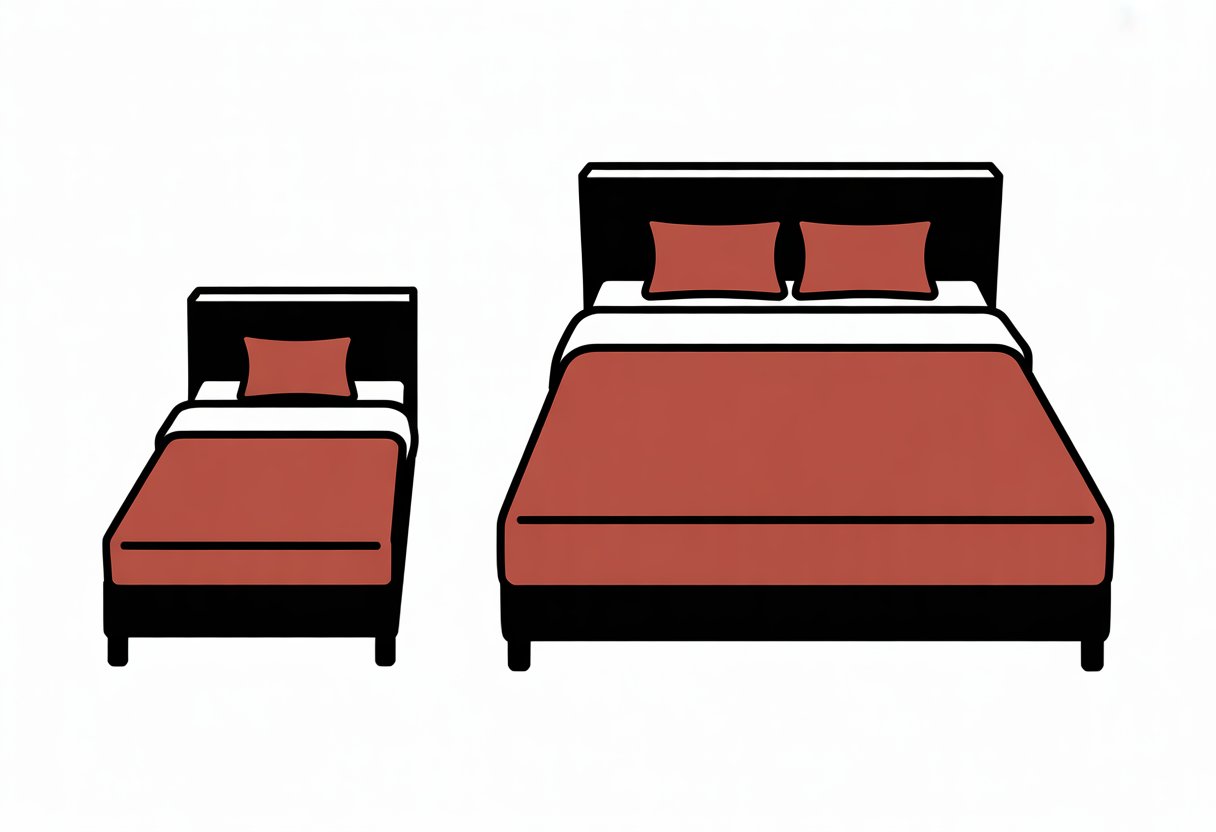
Twin beds work best for single sleepers in smaller rooms, while double beds offer more width for individuals who want extra space or couples on a tight budget. Your choice depends on who will use the bed and how much floor space you have available.
Best for Single Sleepers
A twin bed measures 39 inches wide and 75 inches long, making it a practical choice if you sleep alone and want to maximise space efficiency in your bedroom. Twin beds fit easily into smaller bedrooms and leave room for other bedroom furniture like desks or dressers.
If you're taller than 5 feet 9 inches, a standard twin might feel too short. You'll want to consider a twin XL instead, which adds 5 inches of length.
A double bed (also called a full bed) measures 54 inches wide and 75 inches long. This gives you 15 extra inches of width compared to a twin. The additional space lets you spread out more comfortably while sleeping.
Double beds suit single sleepers who prefer more room to move during the night. They also work well if you share your bed with a pet or like to keep extra pillows nearby.
Considerations for Couples and Roommates
Two adults sharing a double bed each get only 27 inches of personal space. That's actually less width per person than if you each slept in separate single beds.
Many couples find a double bed too narrow for regular use. You might bump into each other frequently or feel cramped during the night.
Twin beds make more sense for roommates sharing a bedroom. Each person gets their own sleeping space and doesn't disturb the other when moving around at night. You can position twin beds as bunk beds to save floor space or place them separately if room size allows.
A trundle bed offers another option for shared rooms. The second bed slides underneath the main bed during the day, giving you more usable floor space.
Kids, Teens, and Guest Rooms
Twin beds are the most common choice for children's bedrooms because they fit well in smaller spaces and cost less than larger mattresses. Kids under 12 years old typically have plenty of room on a twin mattress.
Teenagers often outgrow standard twin beds as they get taller. A double bed gives growing teens more space without taking up excessive floor area in their bedroom.
Guest rooms benefit from flexible sleeping arrangements. You can use two twin beds that work separately for friends or push together for couples. A trundle bed maximises space efficiency when the room serves multiple purposes during the week.
Bunk beds work well in kids' rooms or vacation homes where you need to sleep several people in limited space. They use vertical room instead of valuable floor area.
Factors That Influence Your Decision
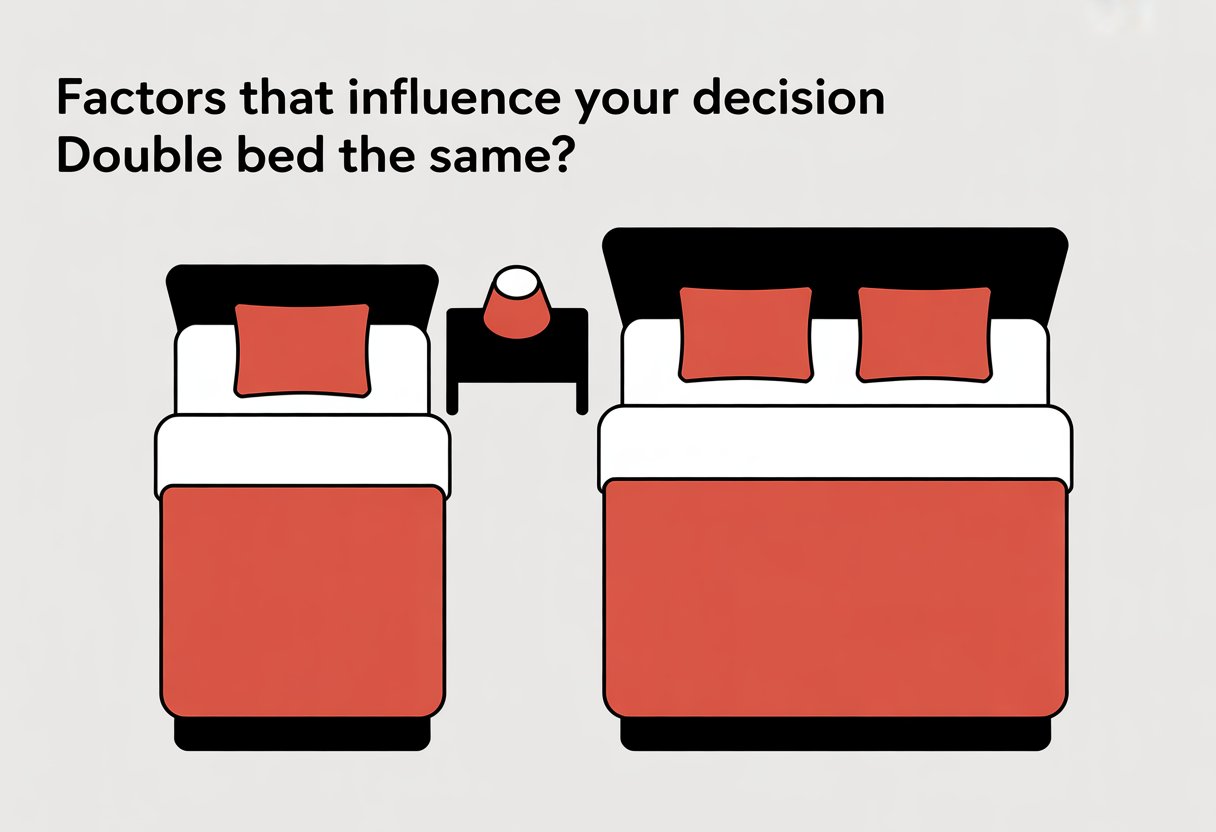
Your choice between a twin and double bed depends on practical considerations like the space you have available, how much you want to spend, and what type of mattress works best for your sleep needs.
Room Size and Layout
The physical space in your bedroom determines which bed size will fit comfortably. A twin bed measures 99 cm × 190 cm, while a double bed is around 137 cm × 190 cm. That extra 38 cm of width makes a significant difference in smaller rooms.
You need to account for more than just the mattress dimensions. Add the width of your bed frame, which typically adds 5-10 cm on each side. You also need walking space around the bed, ideally at least 60-90 cm on each side where you get in and out.
Consider what else needs to fit in your room. If you want nightstands, a dresser, or space to open cupboard doors fully, a twin bed works better in smaller bedrooms. Measure your room carefully before deciding, especially if you're working with a space under 3 metres wide.
Budget and Bedding Costs
Twin beds cost less than full beds, both for the initial purchase and ongoing expenses. The bed frame, mattress, and all bedding items come with lower price tags for twin sizes.
Your bedding costs add up over time. Fitted sheets, flat sheets, duvet covers, and mattress protectors all cost more for double beds than twin beds. The price difference ranges from 20-40% depending on the quality and brand you choose.
Memory foam mattresses and other speciality mattress types also follow this pricing pattern. A queen mattress or queen bed costs even more than a double, so staying with a twin size keeps your budget lower if you're furnishing multiple bedrooms or working with limited funds.
Mattress Type and Comfort Preferences
Your sleeping habits and body size affect which bed works better for you. Taller individuals need mattresses at least 200 cm long so their feet don't hang off the edge. Standard twin and double beds have the same length, so height isn't usually the deciding factor between these two sizes.
If you move around a lot while sleeping, a double bed gives you more room to shift positions without falling off the edge. Memory foam mattresses work well in either size, but they feel more spacious in a double bed format.
Your preferred sleeping position matters too. Side sleepers and stomach sleepers often want more width to spread out comfortably. Back sleepers can manage fine on a twin bed since they need less horizontal space.
Regional and Alternative Bed Size Variations
Bed size names change depending on where you live and what the furniture industry calls them. A twin bed in one country might be called a single bed somewhere else, while double and full refer to the same mattress size in most places.
Twin Bed vs Single Bed Terminology
Twin and single beds are the same size in most cases. Both measure 38 inches wide by 75 inches long. The term "single bed" is more common in European countries and the United Kingdom, while North Americans typically use "twin bed."
The name "twin" comes from hotels that placed two of these beds in one room for guests. Single beds got their name because they fit one person. You might also see Twin XL beds, which are 38 inches wide by 80 inches long, giving taller sleepers five extra inches of length.
Bed sizes vary by region based on the average height of people in different countries. Japan historically used smaller bed sizes, but these have grown larger as the population's average height increased.
Double Bed vs Full Bed and Other Sizes
Double and full beds are identical, measuring 54 inches wide by 75 inches long. These two names describe the exact same mattress. The term "double" suggests the bed is twice the width of a single bed, though it's actually only 16 inches wider.
Some variations exist beyond standard sizes. A small double or three-quarter bed measures 48 inches wide by 75 inches long. This size gives you more space than a single bed but less than a full double. A Full XL or Double XL measures 54 inches wide by 80 inches long, adding five inches of length for taller people.
Standard bed sizes include:
- Twin/Single: 38" × 75"
- Twin XL: 38" × 80"
- Full/Double: 54" × 75"
- Queen: 60" × 80"
- King: 76" × 80"
- California King: 72" × 84"
Comparing with Queen and King Options
Queen beds measure 60 inches wide by 80 inches long, making them six inches wider and five inches longer than full beds. This extra space makes queen beds the most popular choice for couples. Each person gets 30 inches of width on a queen compared to just 27 inches on a full bed.
King beds provide even more room at 76 inches wide by 80 inches long. This gives each person 38 inches of width, which is the same amount of space as sleeping alone on a twin bed. California King beds are narrower but longer, measuring 72 inches wide by 84 inches long.
A full-size mattress is identical in length to a twin bed at 75 inches, while queen and king options are 80 inches long. This five-inch difference matters for people over six feet tall who need extra leg room.
Summary of Main Differences and How to Decide
Twin and double beds differ primarily in width, with a twin measuring 38 inches wide and a double (also called a full bed) measuring 54 inches wide. Your choice depends on your bedroom dimensions, who will be sleeping in the bed, and how much personal space you need.
Quick Comparison Chart
| Feature | Twin Bed | Double Bed |
|---|---|---|
| Width | 38 inches | 54 inches |
| Length | 75 inches | 75 inches |
| Best for | Single child or adult | Single adult or small couple |
| Room size needed | Small spaces | Medium-sized rooms |
| Price range | Lowest cost | Moderate cost |
The 16-inch width difference between these sizes significantly impacts sleeping comfort. A twin provides 38 inches of personal space, while a double gives each person only 27 inches if two people share it.
Both bed frames use standard lengths, so tall individuals may want to consider an extra-long option. The price difference between twin and double bed frames is usually minimal, but double bedding costs slightly more.
Practical Tips for Bed Selection
Measure your room size before purchasing any bed frame. You need at least 24 inches of walking space on each side of the bed and at the foot.
Consider who will sleep in the bed. A twin works well for children, teenagers, or single adults in smaller bedrooms. A double bed can technically sleep two people but provides less space per person than larger sizes.
Think about sleeping comfort preferences. If you move around frequently during sleep or prefer extra space, choose a double even if you sleep alone. Active sleepers often find twins too restrictive.
Factor in your budget. Twin beds cost less upfront and have cheaper bedding, making them ideal if you're furnishing multiple rooms or working with limited funds.
Frequently Asked Questions
Twin and double beds differ in width by 16 inches, which affects everything from sleeping comfort to room layout and bedding costs.
What is the size difference between a twin bed and a double bed?
A twin bed measures 38 inches wide and 75 inches long, while a double bed (also called a full bed) is 54 inches wide and 75 inches long. The beds share the same length, but the double provides 16 inches of extra width.
This width difference is significant when you consider sleeping space. A twin bed gives you just over three feet of personal space, while a double bed offers 4.5 feet.
Can two people comfortably sleep in a twin bed as they could in a double bed?
Two people cannot comfortably sleep in a twin bed the same way they would in a double bed. The 38-inch width of a twin bed gives each person only 19 inches of space, which is narrower than a typical adult's shoulder width.
A double bed provides 27 inches per person when two people share it. While this is still cosy, it's far more manageable than a twin bed for couples.
Some couples do sleep together in double beds, though many prefer larger sizes like queens for better comfort.
Are the bedding accessories for twin and double beds interchangeable?
Bedding accessories for twin and double beds are not interchangeable due to their different dimensions. Twin sheets, mattress protectors, and fitted sheets are designed for a 38-inch-wide mattress, whilst double bedding fits a 54-inch-wide mattress.
Using the wrong size bedding results in sheets that either don't fit properly or bunch up during sleep. You'll need to purchase bedding specifically labelled for your bed size.
Blankets and duvets have more flexibility, as larger sizes can work on smaller beds. However, mattress-specific items like fitted sheets and mattress pads must match your exact bed size.
What are the considerations for selecting a twin bed versus a double bed for a guestroom?
Room size is your primary consideration when choosing between a twin or double bed for a guestroom. A double bed requires a room at least 10 by 9 feet to allow comfortable movement around the furniture.
Consider who typically stays in your guestroom. Twin beds work well for single guests or children, whilst double beds better accommodate adult guests or couples who don't mind sleeping close together.
Budget also plays a role, as twin mattresses and bedding cost less than double-sized options. If you frequently host couples, however, a double bed provides better hospitality despite the higher initial cost.
How do room dimensions affect the choice between a twin and a double bed?
Your bedroom dimensions determine which bed size fits comfortably whilst leaving space for movement and other furniture. A twin bed works in rooms as small as 7 by 10 feet, making it ideal for children's rooms or tight spaces.
Double beds need more floor space to avoid a cramped feeling. You should measure not just the bed itself but also account for the bed frame, which adds several inches on all sides.
Leave at least 60 to 90 centimetres of walking space on each side of the bed where you'll get in and out. This ensures you can move freely and access wardrobes, nightstands, and other bedroom furniture without difficulty.
What should I know about bed sizes when shopping for a mattress in Canada?
Canadian mattress sizes follow the same standard dimensions as those used in the United States. You'll find twin beds labelled as 38 by 75 inches and double beds as 54 by 75 inches when shopping at Canadian retailers.
Some confusion arises because "double" and "full" refer to the same size mattress. When you browse Canadian mattress stores or online shops, you'll see both terms used interchangeably for the 54-inch-wide option.
Pay attention to whether measurements are listed in inches or centimetres, as some retailers use metric units. A twin bed converts to approximately 96 by 190 centimetres, whilst a double measures about 137 by 190 centimetres.
 by
by 


