

















When shopping for a new mattress, you might wonder if double and full beds are different sizes or just two names for the same thing. A double bed and a full bed are exactly the same size, measuring 54 inches wide by 75 inches long. The terms are used interchangeably, and both refer to the same standard mattress dimensions.

The confusion around these names comes from how mattress sizing evolved over time. The name "full" became popular in the 1870s when furniture makers standardised bed sizes in America. Before queen and king beds existed, double beds were the standard choice for couples, though they only give each person about 27 inches of personal space.
Understanding the real dimensions of a double or full mattress helps you decide if this size works for your bedroom and sleeping needs. This guide covers everything you need to know about full beds, from room size requirements to how they compare with other mattress options.
Key Takeaways
- Double and full mattresses are identical in size at 54 inches wide and 75 inches long
- Full beds work best for single sleepers or smaller rooms like dormitories and studio flats
- Queen and king beds offer more space for couples than a double or full mattress
Are Double and Full the Same Size?
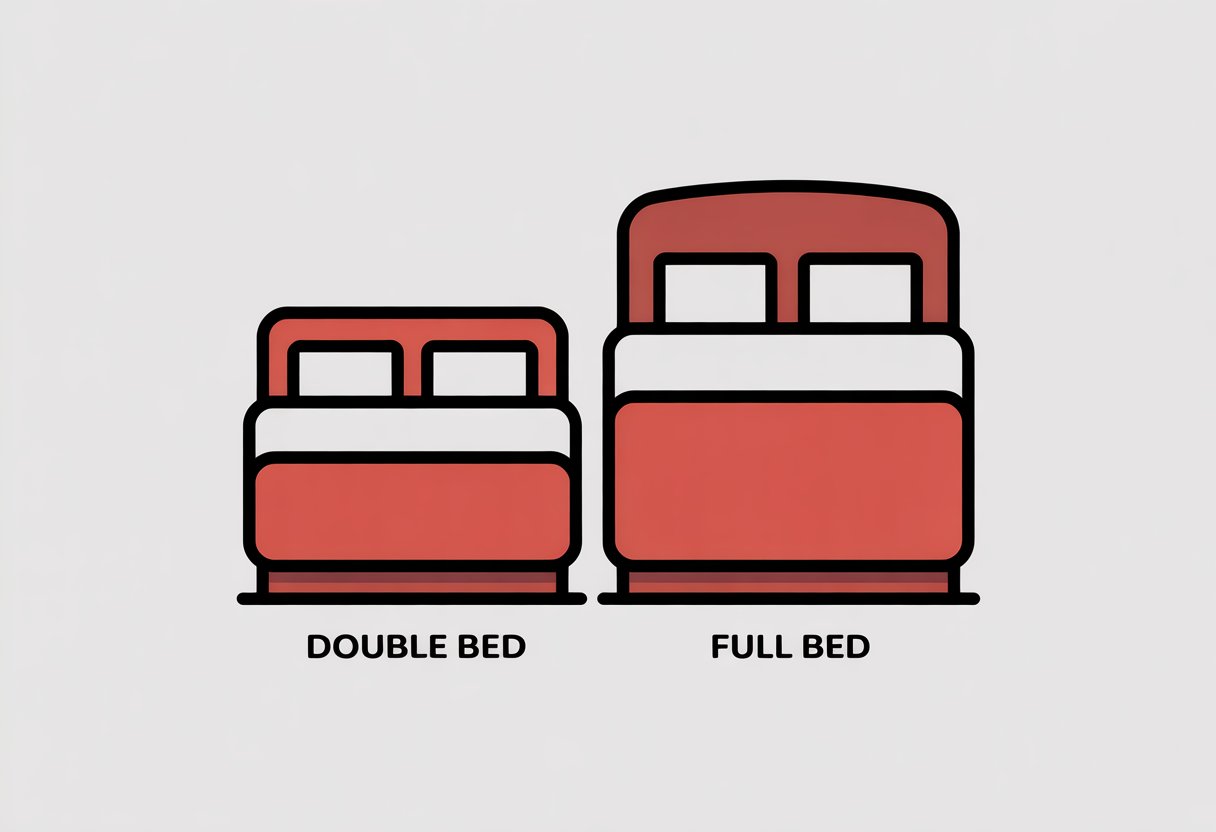
Double and full beds have identical dimensions at 54 inches wide by 75 inches long, making them the exact same mattress size with two different names. The terms are completely interchangeable when you shop for a bed or mattress.
Why Do Double and Full Have Different Names?
The name "full" became popular in the 1870s when American furniture manufacturers standardized mattress sizes. Before that time, people commonly called these beds "doubles" because two people could sleep on them.
The term "double bed" made sense historically because it was roughly twice the width of a single bed. When manufacturers created standard sizing, they started calling it a "full" mattress to indicate it was a full-sized bed for adults.
Both full and double are standard mattress sizes that measure approximately 53 to 54 inches wide. Today, retailers and manufacturers use both names interchangeably. You'll see "double" used more often in Canada, while "full" appears more frequently in American product listings.
Standard Measurements for Double and Full Beds
A double bed and full size mattress both measure 54 inches in width and 75 inches in length. These mattress dimensions provide 27 inches of sleeping space per person when shared.
Standard Double/Full Mattress Dimensions:
- Width: 54 inches (137 centimetres)
- Length: 75 inches (190.5 centimetres)
- Space per sleeper: 27 inches (69 centimetres) when shared
The double bed size works well for single sleepers, teenagers, or smaller bedrooms. It fits comfortably in a room that's 10 feet by 10 feet. You should leave at least 2 to 3 feet of space around the bed for walking and furniture placement.
History and Evolution of Double and Full Beds
The terms double bed and full bed emerged at different times in American furniture history, but bed sizes weren't always standardized the way they are today. The "double" name came first to describe beds meant for two people, while "full" became the official industry term decades later.
Origin of the Double Bed Terminology
Double beds got their name because they were designed to fit two sleepers, unlike single beds meant for one person. Before the mid-1940s, most Americans slept on twin or double mattresses as these were the only standard mattress sizes available.
The term "double" was simple and descriptive. It told shoppers exactly what they were getting: a bed twice the width of a single sleeping space. Each person sharing a double bed received only 27 inches of width, roughly the same width as a crib mattress.
Prior to standardization, double beds varied in size depending on the manufacturer. This lack of consistency made buying sheets and bed frames challenging for customers.
Rise of the Full and Standardized Mattress Names
The name "full" gained popularity in the 1870s when American furniture makers began standardizing bed dimensions. Manufacturers established 54 inches by 75 inches as the official size for what they now called full beds.
This standardization happened alongside the creation of other bed sizes. Twin beds became the standard for single sleepers, while full mattresses became the standard for double beds in the United States.
After World War II, the full bed started losing popularity. Queen and king sizes were introduced in the 1950s as Americans grew taller and wealthier. Larger homes needed bigger furniture, and couples wanted more sleeping space than the cramped 27 inches per person that full beds provided.
Full/Double Bed Dimensions and Room Size Guidelines
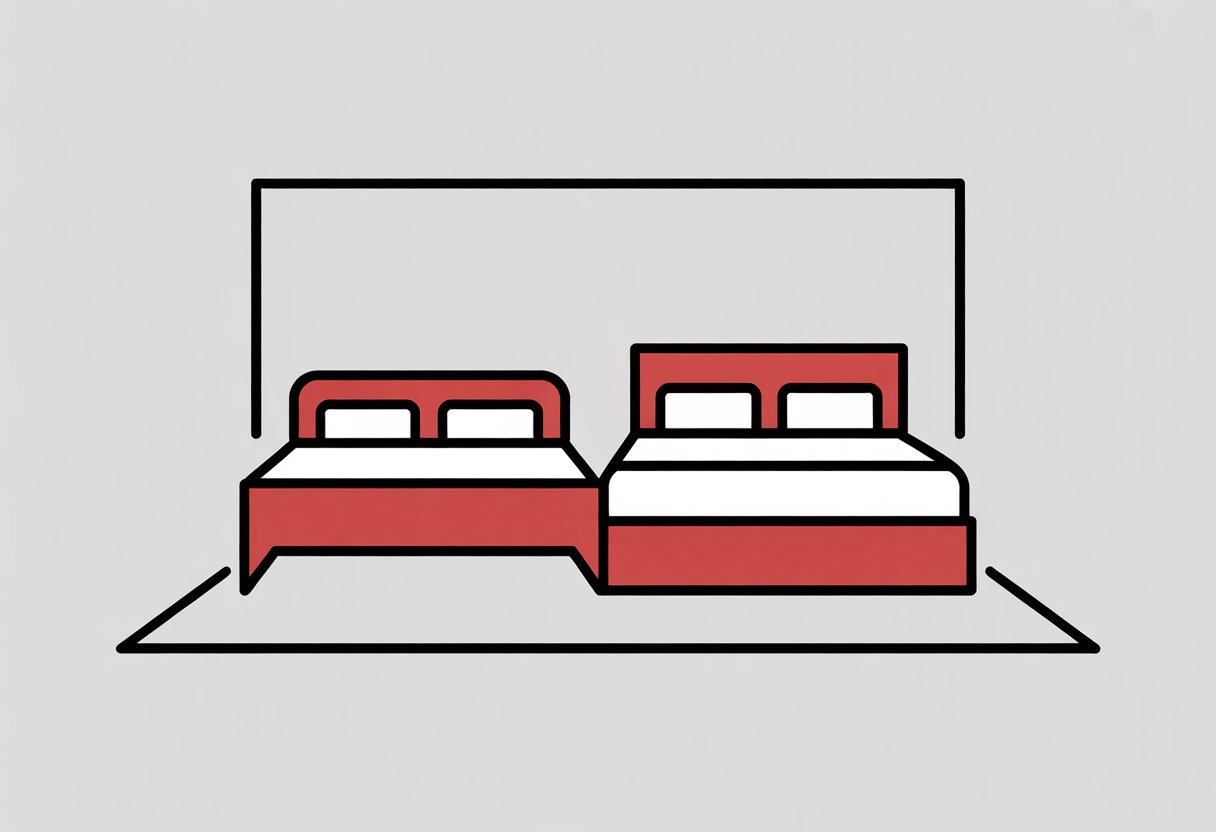
A full size mattress measures 54 inches by 75 inches, providing about 2,025 square inches of sleep space that works best in rooms measuring at least 10 feet by 10 feet.
Surface Area and Proportions
The dimensions of a double bed are 54 inches wide and 75 inches long, giving you 2,025 square inches of total mattress surface. This translates to roughly 27 inches of width per person if two people share the bed.
The proportions mean your full size bed is 16 inches wider than a twin mattress. However, it's 6 inches narrower and 5 inches shorter than a queen.
Each sleeper gets about the same amount of space as a crib mattress when sharing a double bed. This limited width makes the full size mattress better suited for single sleepers who want extra room to stretch out.
The 54-inch width gives you plenty of space if you sleep alone. You can easily change positions during the night without feeling cramped.
Recommended Bedroom Sizes for Full and Double Mattresses
Your bedroom should measure at least 10 feet by 10 feet to comfortably fit a full size bed. This size allows you to leave 2 to 3 feet of walking space on all sides except where the bed touches the wall.
Smaller rooms like dorm spaces or studio apartments work well with these bed sizes. You need to account for other furniture pieces when planning your layout. Consider space for a dresser, nightstand, or desk.
Rooms smaller than 10 feet by 10 feet can still accommodate a double bed if you're willing to sacrifice some walking space. Larger bedrooms give you more flexibility to add furniture and create comfortable pathways around your bed.
Comparing Double/Full With Other Mattress Sizes
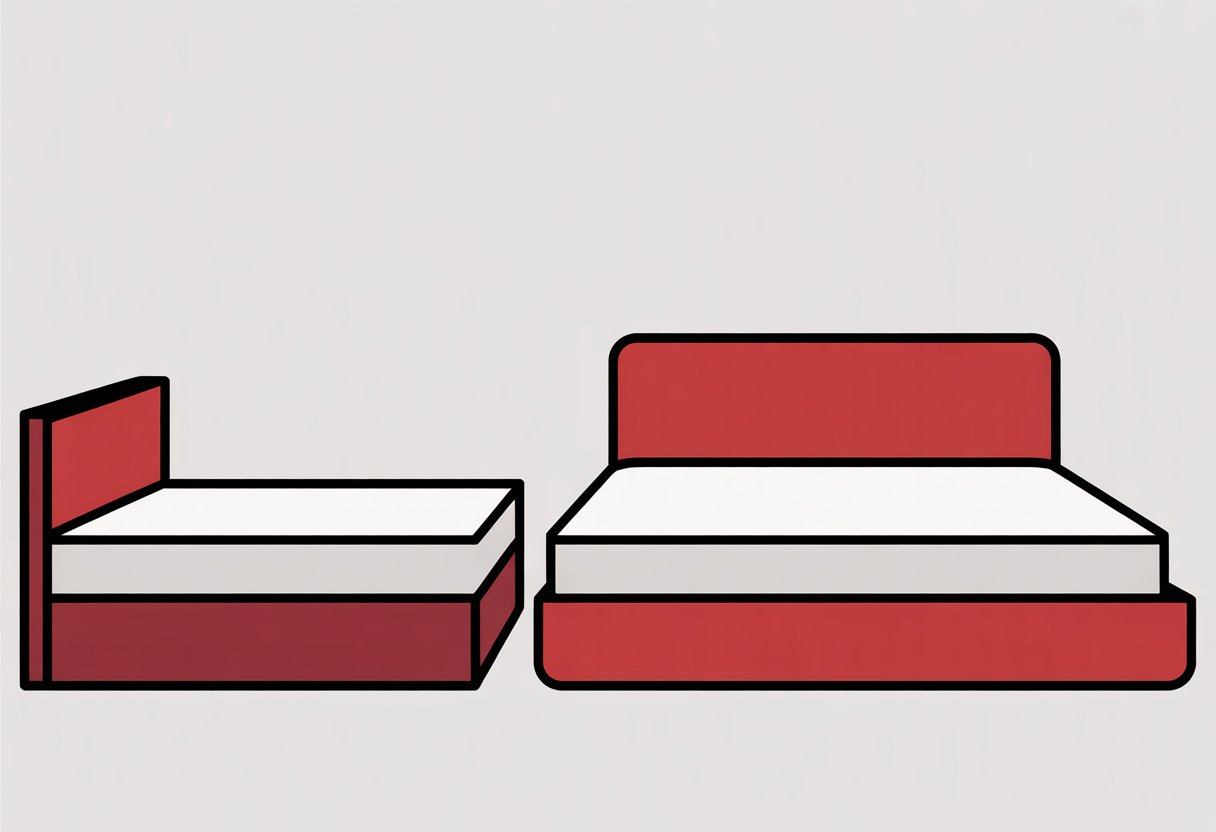
A double or full mattress measures 54 inches wide by 75 inches long, which places it between smaller twin options and larger queen or king sizes. Understanding how this size compares to other standard bed dimensions helps you choose the right mattress for your space and sleeping needs.
Double/Full vs Twin and Twin XL
A twin mattress measures 38 inches wide by 75 inches long. This makes a double or full bed 16 inches wider than a twin while keeping the same 75-inch length.
The twin bed works well for children's rooms or tight spaces. A twin xl mattress adds 5 inches of length, measuring 38 inches by 80 inches, which helps taller sleepers avoid their feet hanging off the edge.
When you compare a double bed to a twin XL, the double provides significantly more width. The full gives you 54 inches of width compared to the twin XL's 38 inches. This extra width matters if you move around during sleep or share your bed with a pet.
Two twin xl mattresses pushed together create a split king size, which is useful for couples who want different mattress firmness levels on each side.
Double/Full vs Queen and King
A queen size mattress measures 60 inches wide by 80 inches long. This makes it 6 inches wider and 5 inches longer than a double or full bed.
The queen bed has become the most popular mattress size for couples. Each person gets 30 inches of width on a queen compared to just 27 inches on a full. A king size mattress offers even more space at 76 inches wide by 80 inches long.
| Mattress Size | Width | Length | Space Per Person |
|---|---|---|---|
| Full/Double | 54 inches | 75 inches | 27 inches |
| Queen | 60 inches | 80 inches | 30 inches |
| King | 76 inches | 80 inches | 38 inches |
A king bed gives each sleeper 38 inches of personal space, equal to a twin XL. The california king mattress measures 72 inches wide by 84 inches long, making it the longest standard size for taller individuals.
Size Variations: Full XL, Double XL, and Small Double
A full xl mattress or double xl mattress measures 54 inches wide by 80 inches long. This adds 5 inches of length compared to a standard full, which helps accommodate taller sleepers without upgrading to a wider queen.
These XL variations are not commonly available in most mattress shops. Finding bedding and bed frames for full XL sizes can be difficult since they're not standard inventory items.
Small double mattresses are more common in the UK and measure 48 inches wide by 75 inches long. This size isn't part of standard North American bed sizes. If you need extra length but want to keep a narrower width, researching which brands carry these specialty sizes is important before shopping.
Pros and Cons of a Double/Full Mattress
A double or full bed offers 54 inches of width and 75 inches of length, which works well for solo sleepers and smaller spaces but may feel cramped for couples or taller individuals. The right choice depends on who will use the mattress and how much bedroom space you have available.
Advantages for Single Sleepers and Guest Rooms
A full size mattress provides plenty of room for one person to spread out comfortably. You get 16 inches more width than a twin bed, giving you space to change positions throughout the night without feeling confined.
The smaller footprint saves valuable floor space in compact bedrooms. You'll have at least six extra inches of width and five inches of length compared to a queen bed, making it easier to fit other furniture like dressers or desks.
Cost savings make double mattresses attractive for budget-conscious buyers. These beds require less material to manufacture, so they typically cost less than queen or king options. Your bedding expenses stay lower too since sheets, duvets, and mattress protectors for full beds cost less than larger sizes.
Guest rooms benefit from the versatility of a double bed. Your overnight visitors get comfortable sleep space without the room feeling overcrowded. The size also works well if you enjoy vintage or antique furniture, as most bed frames made before 1950 were designed for full size mattresses.
Potential Limitations for Couples and Tall Sleepers
Two people sharing a full bed each get only 27 inches of personal width. That's narrower than a twin bed, which can make movement difficult during the night. You might bump into your partner when rolling over or changing sleep positions.
The 75-inch length creates problems for taller sleepers. If you're over six feet tall, your feet may hang off the edge or you'll need to sleep diagonally. Most people don't sleep with their heads pressed against the headboard, which reduces the usable length even more.
Couples who sleep with pets or children will find the space especially tight. A 60-inch wide queen or 76-inch wide king mattress gives everyone more room to move comfortably. Active sleepers who toss and turn frequently may also feel restricted on a double mattress.
Suitability for Children, Teens, and Students
A double bed gives growing children room to stretch out as they get taller. Unlike a twin that they'll quickly outgrow, a full size mattress can last through their teenage years and into young adulthood.
Teenagers and university students appreciate the extra space for studying, relaxing, or hosting friends in dorm rooms and small apartments. The bed fits into tight living quarters while still feeling more grown-up than a twin.
The affordability factor matters for families furnishing multiple bedrooms or students working with limited budgets. You get a proper adult-sized bed without the higher price tag of queen or king options. Replacement sheets and bedding stay affordable too, which helps when accidents or wear require new purchases.
Mattress Types, Features, and Accessories for Double/Full Beds
Double and full beds work with various mattress types and constructions, each offering different comfort levels and support. Understanding mattress materials, proper bedding selection, and structural features helps you create a comfortable sleep setup that fits your needs.
Popular Mattress Materials and Construction
Memory foam mattresses conform to your body shape and provide pressure relief for side sleepers. These mattresses absorb movement well, making them good choices if you share your bed with a partner or pet. Traditional memory foam can trap heat, but newer versions include cooling gel or open-cell foam to improve airflow.
Hybrid mattresses combine foam layers with pocketed coils for balanced support and comfort. The coil layer promotes air circulation and adds bounce, while foam layers cushion pressure points. Hybrids typically offer better motion isolation than traditional innerspring mattresses because the individually wrapped coils move independently.
Innerspring mattresses with pocketed coils reduce motion transfer between sleepers. Latex mattresses provide responsive support and natural cooling properties. Each material works differently with your body weight and sleeping position, so consider trying mattresses during a sleep trial period before committing.
Choosing the Right Bedding and Accessories
Standard full-size sheets, blankets, and duvet covers fit double beds measuring 54 inches by 75 inches. Full-size bedding accessories are widely available at most retailers, unlike full XL sizes which require more searching.
Mattress protectors extend your mattress life by blocking spills, dust, and allergens. Look for breathable, waterproof options that won't trap heat. Mattress toppers add extra cushioning or firmness depending on your preference.
Most full mattresses work with adjustable beds if the mattress is flexible enough to bend with the base. Check with the manufacturer before purchasing an adjustable frame. Platform beds, box springs, and metal frames all support full mattresses, but verify the slat spacing on platform beds stays under three inches to prevent sagging.
Mattress Height, Edge Support, and Comfort Considerations
Mattress height ranges from 8 to 14 inches for most full-size options. Thicker mattresses often include more comfort layers and support materials. Consider your bed frame height and mobility needs when choosing thickness.
Edge support matters if you sit on your bed's edge or sleep near the sides. Reinforced perimeters prevent the mattress from collapsing when you sit down. Hybrid mattresses with pocketed coils typically provide stronger edge support than all-foam models.
Firmness levels affect spinal alignment and pressure relief. Side sleepers usually need softer mattresses to cushion shoulders and hips. Back and stomach sleepers often prefer medium-firm to firm options for proper support. Your body weight also influences ideal firmness—heavier individuals typically need firmer mattresses for adequate support.
Motion isolation becomes important if you share your full bed. Memory foam and latex excel at absorbing movement, while traditional innerspring mattresses transfer more motion between sleepers.
Mattress Shopping Advice and Price Considerations
Double and full mattresses typically fall in the mid-range price category, making them accessible options for budget-conscious shoppers. Knowing where to shop and what features matter most can help you find quality within your budget.
Affordability of Double and Full Mattresses
Double and full mattresses cost less than larger sizes like queen or king beds. You'll find basic models starting around $200 to $400, while mid-range options with better materials run $500 to $1,000.
Premium double and full mattresses with advanced features can reach $1,500 or more. The smaller size means you're paying for less material compared to larger bed sizes, which naturally reduces the price.
Price factors to consider:
- Material type: Memory foam typically costs less than latex or hybrid constructions
- Brand reputation: Established brands often charge more than newer companies
- Warranty length: Longer warranties (10+ years) usually indicate better quality
- Mattress thickness: Models 10 inches or thicker generally cost more
Sales events like Boxing Day, Black Friday, and long weekends often bring discounts of 20% to 40% off regular prices.
Where to Shop and What to Look For
You can buy double and full mattresses from brick-and-mortar furniture stores, department stores, speciality mattress retailers, and online shops. Each option offers different advantages for your mattress shopping experience.
Physical stores let you test mattresses before buying, which helps you assess firmness and comfort. Online retailers often provide lower prices due to reduced overhead costs and frequently include trial periods of 100 nights or more; National Mattress gives you 365 nights.
Key features to evaluate:
- Firmness level that matches your sleep position
- Edge support quality for sitting and sleeping near the sides
- Motion isolation if sharing the bed
- Temperature regulation properties
- Return policy and trial period length
Read customer reviews focusing on durability and comfort over time rather than just initial impressions. Check if delivery and old mattress removal are included in the price.
Tips for First-Time Mattress Buyers
Measure your bedroom space before shopping to ensure your full mattress fits comfortably. A full mattress measures 54 inches wide by 75 inches long, so your room should be at least 9 feet by 10 feet for adequate walking space.
Test mattresses for at least 10 to 15 minutes in your typical sleep position. Bring your partner if you're sharing the bed to assess whether the 54-inch width provides enough space for both of you.
Don't assume higher price means better quality. Focus on materials, construction quality, and warranty terms instead. Compare the mattress size guide specifications across brands to understand what you're getting.
Ask about additional costs like delivery fees, mattress removal charges, and whether a box spring or foundation is required. Some warranties become void without proper support, which can add unexpected expenses to your purchase.
Frequently Asked Questions
Double and full beds are the same size at 54 inches wide by 75 inches long, but confusion often arises about terminology, compatibility with bedding, and how these dimensions compare to other mattress sizes.
What is the difference between a double bed and a full bed?
There is no difference between a double bed and a full bed. Both terms refer to the same mattress size with dimensions of 54 inches by 75 inches.
The name "double" comes from the 1940s when this size was commonly used for two people. Today, the term "full" is more popular in North America, but both names describe identical mattresses.
Can sheets labelled as 'double' fit on a full-sized mattress?
Yes, sheets labelled as "double" will fit perfectly on a full-sized mattress. Since double and full mattresses have the same dimensions, the bedding is interchangeable.
When you shop for sheets, you can buy either double or full size. Both will work for your 54-inch by 75-inch mattress.
Just make sure to check if you have a standard or XL version of the mattress. An XL mattress is 5 inches longer and requires different fitted sheets.
Are there any variances in dimensions between double and full mattresses across different countries?
Yes, mattress dimensions can vary between countries. In Canada and the United States, a double or full mattress measures 54 inches by 75 inches.
However, actual manufactured dimensions are often slightly smaller, typically around 53 inches by 74 inches. These small differences account for manufacturing tolerances and don't affect how sheets or bed frames fit.
Other countries may use different sizing standards altogether. Always verify the exact measurements when buying a mattress or bedding internationally.
What should I consider when choosing between a double and a full bed for my room?
Since double and full beds are the same size, your decision focuses on whether this 54-inch by 75-inch mattress fits your needs. Consider your room size, as this bed works well in smaller spaces and guest rooms.
Think about who will use the bed. A double or full bed is suitable for children, teenagers, single sleepers, and people with small bedrooms.
Two adults can technically fit on this size, but it may feel cramped for long-term use. Each person would have only 27 inches of width, which is less space than a twin bed provides.
Measure your bedroom to ensure you have enough space around the bed for furniture and walking. A full-sized bed leaves more room for dressers and nightstands compared to larger queen or king options.
Is there a significant price difference between double and full-sized beds?
No, there is no price difference between double and full-sized beds because they are the same product. Retailers use both terms, but the mattresses have identical dimensions and construction.
Prices vary based on the mattress type, materials, and brand rather than whether it's called double or full. You'll find the same price range whether the label says double or full.
Focus on comparing mattress quality, comfort features, and warranty rather than the name used to describe the size.
How do double and full bed sizes compare to queen or twin sizes?
A double or full bed is 16 inches wider than a twin bed but has the same 75-inch length. Twin beds measure 38 inches by 75 inches, making them better suited for children or single adults in very small spaces.
Queen-size mattresses measure 60 inches by 80 inches, making them 6 inches wider and 5 inches longer than a double or full bed. This extra space makes queens much more comfortable for couples.
King-size beds are even larger at 76 inches by 80 inches. They provide 22 inches more width than a double or full, giving each sleeper 38 inches of personal space.
The choice between these sizes depends on your bedroom dimensions and whether you sleep alone or with a partner. A double or full saves space and money, while larger sizes offer more comfort.
 by
by 


