

















If you're shopping for a new mattress or setting up a bedroom, you might wonder whether a single bed and a twin bed are actually different. Single and twin beds are the same size, both measuring 38 inches wide by 75 inches long. The terms are simply different names for the identical mattress size. While "single" was the original term, "twin" has become more common in North America today.
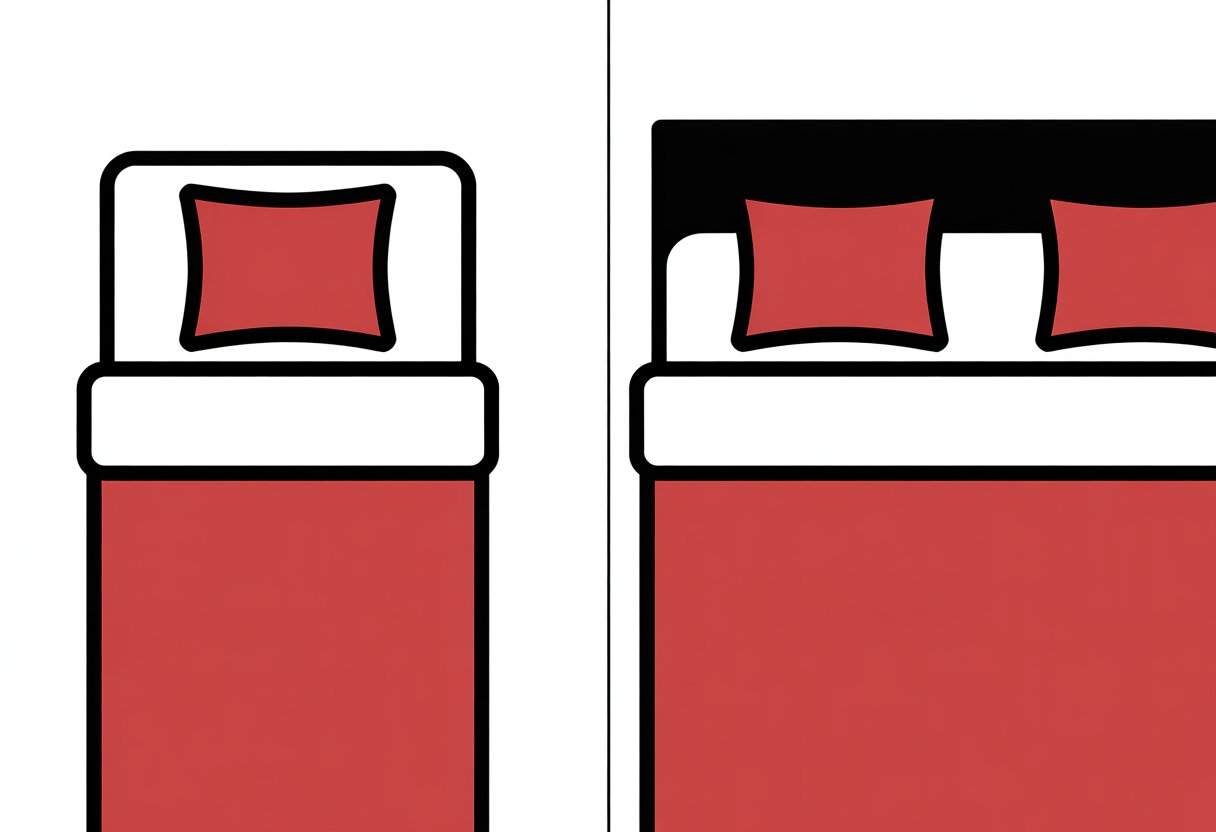
Understanding this can save you confusion when you're browsing mattress stores or shopping online. The name difference comes from their original uses rather than their actual dimensions. Twin beds were traditionally sold in pairs for guest rooms or shared bedrooms, while single beds were meant for one person sleeping alone. Now the terms are used the same way, and you can pick whichever name you prefer.
These compact beds work well for children, teenagers, small apartments, and guest rooms. They take up less space than larger mattresses and cost less to buy. You'll also spend less on sheets, blankets, and other bedding accessories since twin accessories are more affordable than larger sizes.
Key Takeaways
- Single and twin beds are identical in size at 38 inches wide by 75 inches long
- These beds work best for one person and fit well in small rooms or children's bedrooms
- Twin mattresses cost less than larger sizes and their bedding is easier to find and more affordable
What Is a Single Bed?
A single bed measures 38 inches wide by 75 inches long and serves as one of the smallest standard mattress sizes available. The term "single" is commonly used in international markets, while North American retailers often use "twin" to describe the same dimensions.
Single Bed Dimensions in Canada
A single size bed in Canada measures 38 inches wide by 75 inches long. These mattress dimensions make it the smallest of the standard bed sizes available at most Canadian retailers.
The 75 inches of length works well for most adults up to about 6 feet tall. Anyone taller may find their feet hanging off the end or feel cramped. The 38-inch width provides enough space for one person to sleep comfortably but doesn't allow much room for movement.
Canadian retailers typically sell these mattresses under the name "twin" rather than "single." You'll find that bedding labelled as twin fits perfectly on what other countries call a single mattress. The measurements remain consistent regardless of which term the manufacturer uses.
Typical Uses for Single Beds
Single beds work best in children's rooms where space is limited. Parents often choose this size for kids aged 3 to 12 because it fits well in smaller bedrooms and leaves room for toys and furniture.
Guest rooms frequently feature single mattresses because they accommodate most overnight visitors without taking up excessive floor space. You can even fit two single beds in a medium-sized guest room to host multiple people.
College dormitories sometimes use single beds, though many institutions now prefer twin XL mattresses for the extra 5 inches of length. Bunk beds almost always use single mattress sizes due to safety requirements and space constraints.
Popularity of Single Beds Internationally
The term "single bed" is the standard name used in the United Kingdom, Australia, and many European countries. These markets rarely use the word "twin" when referring to this mattress size.
In North America, "twin" has become the dominant term. Canadian and American mattress retailers list these products as twin beds in their catalogues and websites. The shift happened because the word "twin" originally referred to matching pairs of single beds sold together for hotel rooms.
International travellers should know that a single bed abroad will have the same dimensions as a twin bed at home. Hotel rooms listing single accommodations provide a 38-inch-wide mattress.
What Is a Twin Bed?
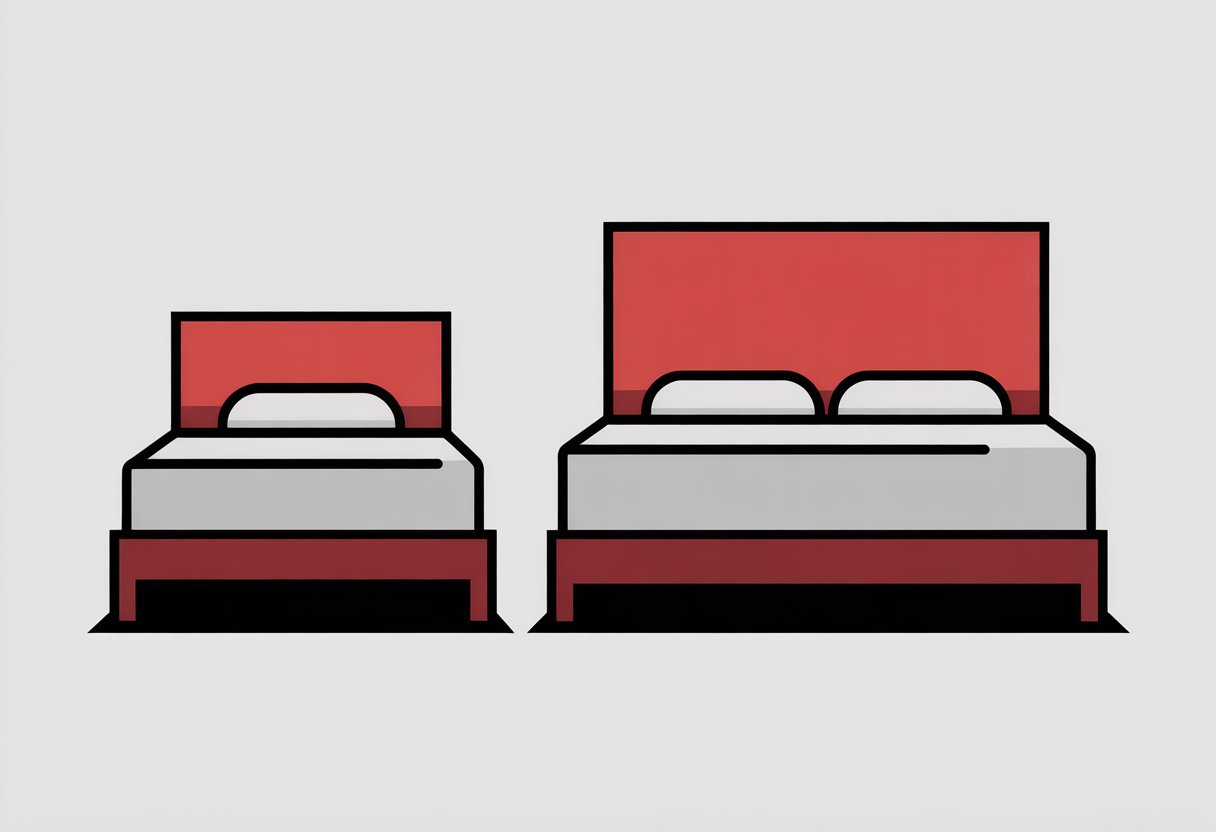
A twin bed measures 38 inches wide by 75 inches long and is one of the smallest standard mattress sizes available. The terms "twin" and "single" refer to the same bed dimensions, though twin is the more commonly used name in North America.
Twin Bed Dimensions in Canada
Twin mattress dimensions are 38 inches wide and 75 inches long. This makes them the smallest of the standard bed sizes you can buy.
The 75-inch length works well for most people up to about 6 feet tall. If you're taller than this, you might find your feet hanging off the end. The 38-inch width provides enough space for one person to sleep comfortably but doesn't leave much room to spread out.
Twin XL mattresses offer an alternative if you need more length. Twin XL beds measure 39 inches wide by 80 inches long, giving you an extra 5 inches of length compared to a standard twin.
Common Settings for Twin Beds
Twin beds work best in children's rooms, guest rooms, and smaller bedrooms. Kids and teens are the most common users of these mattresses since the size fits their needs and bedroom space.
You'll often find twin beds in hotel rooms where they're placed in matching pairs. This setup lets hotels accommodate both single travellers and couples who prefer separate beds. College dormitories also use twin beds frequently, though many dorms opt for twin XL to better fit taller students.
The compact size makes twin mattresses ideal for rooms that are around 7 feet by 9 feet. They leave enough floor space for dressers, desks, and other furniture. Two twin beds can fit in a shared children's room without making the space feel cramped.
Origin and Naming of Twin Beds
The name "twin" comes from the bed's original use in matching pairs. Hotels and homes would place two single-size beds side by side in one room, creating a set of twins.
Over time, the term twin became the standard name for this mattress size in Canada and the United States. The word "single" is still used in some regions, particularly in the UK, but both terms describe the exact same 38-inch by 75-inch dimensions.
Today, you can buy just one twin bed without needing a matching pair. The name stuck even though most people don't use them as actual twins anymore.
Single vs. Twin Bed: Key Differences and Similarities

A single bed and a twin bed share identical mattress dimensions at 38 inches wide and 75 inches long, but the terms originated from different uses and vary by region.
Are They the Same Size?
Single and twin beds are exactly the same size. Both measure 38 inches wide by 75 inches long. There is no difference in the actual mattress dimensions between these two bed sizes.
The measurements work well for one person. The 75 inches long accommodates most adults up to about 6 feet tall. Anyone taller than 6 feet might feel cramped and should consider a twin XL instead, which adds 5 extra inches in length.
The 38 inches wide provides enough space for a single sleeper to move around comfortably during the night. However, this width only suits one person—two people cannot sleep comfortably in a bed this narrow.
Terminology Differences: Canada, US, and UK
The term "twin" is more common in Canada and the United States, while "single" sees wider use in the UK and other countries. Twin beds were originally designed to come in matching pairs for hotel rooms or guest bedrooms, which explains the name.
In North America, most retailers and manufacturers now use "twin" as the standard name for this bed size. You'll see twin listed on mattress tags, bed frames, and bedding packages. The word "single" still appears occasionally but less frequently.
Both terms refer to the same product. When shopping for mattress dimensions or a bed frame, you can use either name interchangeably without worry.
When to Choose Single or Twin
These bed sizes work best for children's bedrooms, teen rooms, guest rooms, and small spaces like studio apartments. The compact footprint leaves more floor space for other furniture in rooms measuring around 7 feet by 9 feet.
Best uses for single or twin beds:
- Children's and teenagers' bedrooms
- College dormitory rooms
- Guest rooms with limited space
- Bunk bed setups for siblings
- Day beds or trundle beds
The smaller size also means lower costs. Twin beds typically cost less than larger bed sizes because they require fewer materials. Bedding and accessories for these dimensions are affordable and easy to find in stores.
Avoid using single or twin beds in master bedrooms, as they look too small in spaces measuring 12 feet by 14 feet or larger. Adults over 6 feet tall should skip this size entirely and choose a twin XL or full-size bed instead.
Variations and Alternatives to Single and Twin Beds
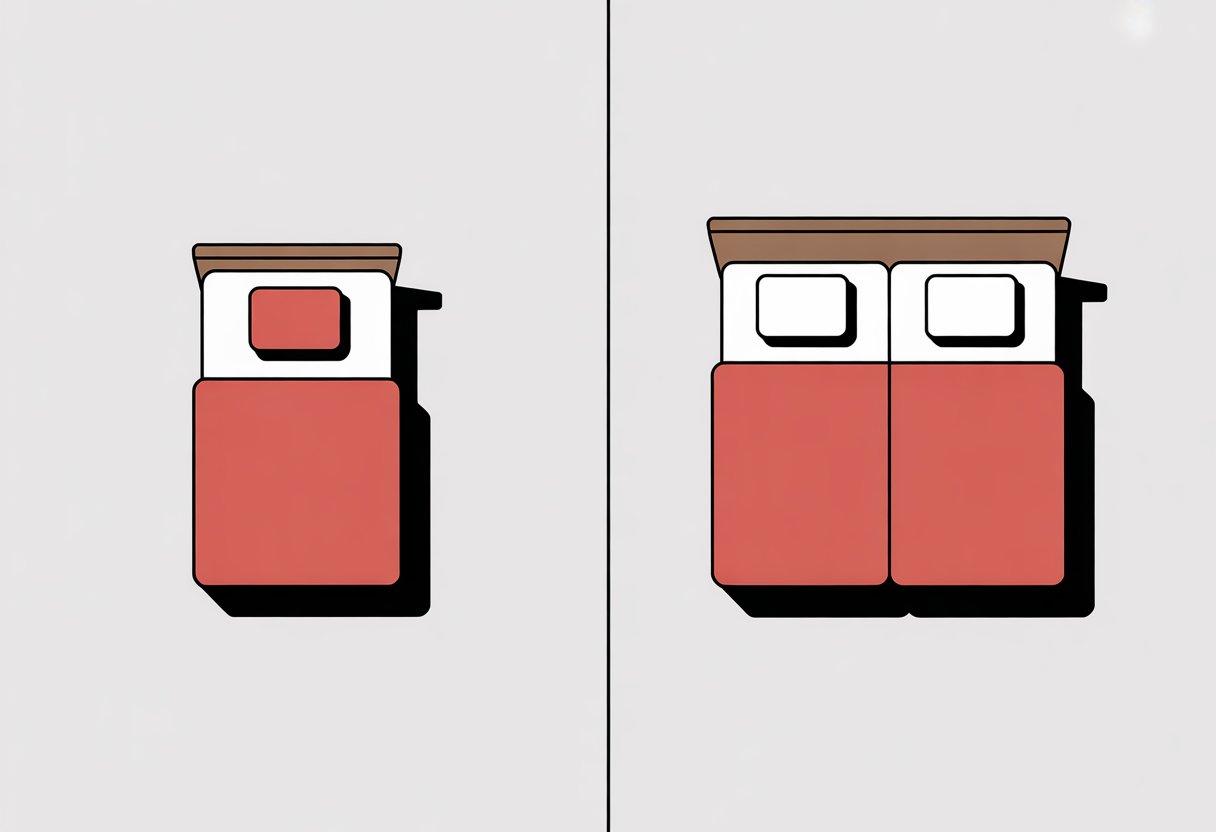
Beyond standard single and twin beds, several size variations and bed frame types offer more sleeping space or specialized features. A twin XL mattress adds length for taller people, while full and queen options provide wider surfaces for solo sleepers who want more room.
Twin XL Beds: Extra Length for Taller Sleepers
A twin XL bed measures 38 inches wide by 80 inches long, making it 5 inches longer than a standard twin mattress. This extra length accommodates sleepers over 6 feet tall who would otherwise have their feet hanging off a regular twin.
The twin XL has the same width as a twin bed but fits better in narrow spaces like university dormitories and guest rooms. Many colleges use twin XL beds in student housing because they work well for young adults of varying heights.
You can also push two twin XL mattresses together to create a split king bed. This combination equals the dimensions of a king mattress at 76 inches wide by 80 inches long, giving couples the option to use different mattress firmness levels on each side.
Full, Double, and Queen Options for Individuals
A full mattress, also called a double bed, measures 54 inches wide by 75 inches long. This gives you 16 inches more width than a twin bed, which provides enough room to stretch out if you sleep alone.
Queen size mattresses measure 60 inches wide by 80 inches long. This makes them 6 inches wider and 5 inches longer than a full size mattress, offering the most space for solo sleepers who want a roomy bed.
Both full and queen mattresses fit well in bedrooms that are at least 10 feet by 10 feet. While these sizes can technically fit two people, they work best for single sleepers who move around during sleep or want extra surface area.
Compatibility with Bunk Beds and Daybeds
Twin and twin XL mattresses work with most bunk bed frames because of their compact width. When choosing a mattress for a bunk bed, you need to check the height limits set by the guardrails to prevent safety issues.
Daybeds typically use twin size mattresses since they function as both seating and sleeping surfaces during the day. The 38-inch width fits standard daybed frames while providing enough length for most adults and children.
You should avoid using mattresses thicker than 10 inches on bunk beds, as excessive height reduces the effectiveness of safety rails. Most bunk bed manufacturers specify maximum mattress thickness in their assembly instructions.
Best Uses for Single and Twin Beds
These beds work well in spaces where you need to save room or accommodate one sleeper. They fit perfectly in children's rooms, college housing, and areas where guests stay temporarily.
Children's and Teenagers' Bedrooms
Single and twin beds are ideal choices for children's and teenagers' bedrooms. The 38-inch width and 75-inch length give kids and teens enough space to sleep comfortably without taking up too much floor space.
These beds leave extra room for other furniture you might need. You can fit a desk for homework, a dresser for clothes, or space to play. This matters especially in small bedrooms where every square foot counts.
The beds work well for rooms that siblings share too. You can place two twin beds in one room and still have walking space between them. Many parents choose matching twin beds for this reason.
If your teenager is taller than 6 feet, you should consider a twin XL bed instead. The twin XL adds 5 inches of length, giving taller teens the extra legroom they need.
Dorm Rooms and Student Housing
Most college dorm rooms come furnished with twin XL beds as standard. The extra 5 inches in length compared to regular twin beds makes them better for adult students who might be taller.
You need to measure your dorm bed before buying sheets and bedding. Standard twin bedding won't fit properly on a twin XL mattress. The fitted sheets will be too short and won't stay in place.
Studio apartments and shared student housing often use single or twin beds too. These smaller beds let you maximise your living space when you're working with limited square footage. You'll have more room for a small desk, storage units, or a comfortable chair.
Guest Rooms and Small Spaces
Guest rooms that measure around 7 feet by 9 feet work well with twin beds. The smaller size won't overwhelm the space and leaves room for a nightstand or small dresser.
Twin beds give you flexibility when hosting guests. A single twin bed works for one visitor, or you can place two twins in the room for couples who prefer separate beds or multiple guests.
Studio apartments benefit from single beds because they free up valuable living space. You can use the extra floor area for a dining table, work desk, or seating area. The bed won't dominate your entire living space the way a queen or king would.
Buying Considerations: Comfort, Cost, and Bedding
Twin and single mattresses offer significant savings compared to larger sizes, and their widespread popularity means you'll find plenty of bedding options. The materials inside your mattress affect both comfort and price point.
Budget and Mattress Quality
Twin mattresses are typically the least expensive size because manufacturers use fewer materials to build them. This lower price point makes them ideal for guest rooms, children's bedrooms, or first apartments where you need to stretch your budget.
The money you save on a smaller mattress size lets you invest in better quality materials. A budget mattress in queen size might cost the same as a premium twin mattress with features like plant-based memory foam or enhanced edge support. You could afford certifications like CertiPUR-US foam or even organic materials that would be too expensive in larger sizes.
Many manufacturers offer the same warranty coverage across all sizes. A 20-year warranty on a twin mattress provides the same protection as larger models, so you're not sacrificing quality by choosing a smaller size.
Comfort and Mattress Materials
Single and twin mattresses contain the same materials and craftsmanship as larger sizes from the same manufacturer. You'll find the same foam layers, coil systems, and comfort technologies in a twin that you'd get in a king.
Your body weight and sleeping position matter more than bed size for comfort. Side sleepers typically need softer surfaces that cushion shoulders and hips. Back sleepers often prefer medium-firm support. Stomach sleepers usually need firmer mattresses to prevent lower back pain.
Heavier individuals should verify weight capacity ratings before purchasing. Some twin mattresses support less weight than queen or king models due to their smaller foundation and fewer support materials.
Bedding and Accessory Options
Twin bedding is widely available and costs less than sheets and duvets for larger beds. You'll find extensive selections at most retailers because twin accessories are more affordable than other-size bedding.
Children's rooms benefit from the huge variety of themed bedding available in twin sizes. From cartoon characters to sports teams, you'll find more design options than in adult-focused larger sizes.
Important: Twin XL mattresses are 5 inches longer than standard twins. College dorms often use twin XL beds, so verify your measurements before buying sheets. Standard twin bedding won't fit twin XL mattresses properly.
Most bed frames accommodate twin mattresses easily. Their compact size means you can fit additional bedroom furniture like desks, dressers, or reading chairs without overcrowding the space.
Frequently Asked Questions
Single and twin beds share identical dimensions at 38 inches wide by 75 inches long, though their names come from different historical uses. These compact beds work best for individual sleepers and tight spaces.
What are the dimensions of a single bed compared to a twin bed?
A single bed measures 38 inches wide by 75 inches long, which are the exact same dimensions as a twin bed. The two names refer to the same mattress size.
You'll find that some manufacturers list the length as 74 inches instead of 75 inches. This slight variation of an inch exists because mattress sizes are typically rounded, with real-world dimensions often being 38 by 74 inches.
The terms "single" and "twin" originally had different meanings. Single referred to one bed on its own, while twin described one of two matching beds placed in the same room, usually for children.
Can two people comfortably sleep in a twin bed?
Two adults cannot sleep comfortably in a twin bed due to its narrow 38-inch width. Each person would have only 19 inches of sleeping space, which is less than the width of a crib mattress.
A twin bed is designed for one person. You'll feel cramped if you try to share it with another adult.
Couples need at least a queen-size mattress to have enough room for both sleepers. A queen provides 60 inches of width, giving each person 30 inches of personal space.
What are the most suitable uses for a single bed versus a twin bed in a home?
Single and twin beds serve identical purposes since they're the same size. Parents commonly choose this mattress size for children transitioning from cribs.
You can place two of these beds side by side in a shared children's room. They also work well stacked in bunk beds for smaller spaces, though you need to check that the mattress thickness fits within the safety rails.
These compact beds suit young adults living in studio apartments or small bedrooms. You'll save money on both the mattress and bedding accessories with this size.
Guest rooms benefit from having a twin bed tucked away for visitors. The small footprint makes it easy to fit in spare rooms or home offices.
Are there different types of single and twin beds available on the market?
You can find single and twin mattresses in several types, including innerspring, memory foam, latex, and hybrid constructions. Each type offers different levels of support and comfort.
Memory foam options contour to your body and relieve pressure points. Innerspring mattresses provide a bouncier feel with traditional coil support.
Hybrid mattresses combine foam comfort layers with innerspring support cores. Latex beds offer natural materials with responsive support.
Some specialty options exist below the standard twin size. Crib mattresses measure about 28 inches wide by 52 inches long, while toddler beds use similar dimensions with softer materials.
How do single and twin bed prices typically compare?
Single and twin bed prices are identical because they're the same product with different names. These beds cost less than larger mattress sizes due to their smaller dimensions.
You'll pay less for bedding accessories like sheets, mattress protectors, and bed frames. This makes twin beds budget-friendly options for cost-conscious shoppers.
The price varies based on mattress type and quality. Foam and innerspring models typically cost less than latex or hybrid options.
What factors should be considered when choosing between a single and a twin bed for a guest room?
You don't need to choose between single and twin beds since they're identical in size. Focus instead on your guest room's available space and your typical visitors' needs.
Measure your guest room before buying to ensure the bed fits comfortably. You'll want at least two feet of walking space around the bed's perimeter.
Consider your guests' heights when selecting a mattress length. A standard twin accommodates sleepers under six feet tall, while a twin XL adds five extra inches of length for taller guests.
Your budget affects which mattress type you can afford. Higher-quality mattresses last longer and provide better comfort for your guests.
Think about storage needs in your guest room. A twin bed's compact size leaves more floor space for dressers, desks, or seating areas.
Once you have settled on the size, browse our twin and single mattresses.
 by
by 


