Adjustable beds offer more than just a way to watch TV in comfort. They can help with sleep apnoea, acid reflux, back pain, and other health issues by letting you raise your head or feet. Finding the best mattress for adjustable beds ensures you get the most out of your base.
Choosing Adjustable Bed Friendly Mattresses is the first step toward better sleep health. For those who tend to sleep hot, selecting a cooling mattress is essential for maintaining a comfortable temperature. This choice can significantly improve your overall recovery and sleep quality.
Many people find that an adjustable setup is the most effective way to manage chronic back pain. When paired with an organic mattress, you can enjoy a healthier sleep surface that supports your body's natural alignment.

The best mattresses for adjustable beds are flexible enough to bend without losing their shape, provide proper support in different positions, and stay firmly in place on the base. Memory foam and hybrid mattresses typically work better than traditional innerspring models because they can flex and contour to the base's movements. When searching for the best adjustable mattresses, look for those designed to maintain their integrity under constant movement. The right mattress for adjustable bed systems will enhance your base's benefits rather than fight against them.
Studies show that adjustable beds can improve sleep quality and duration, but only when paired with a compatible mattress. Understanding which features matter most will help you choose a mattress that maximises your adjustable bed's potential.
Key Takeaways
-
Memory foam and hybrid mattresses bend better with adjustable bases than traditional innerspring models
-
A good adjustable bed mattress must provide support while remaining flexible enough to move with the base
-
Medium-firm mattresses often work best for spinal alignment across different adjustable positions
What Makes a Mattress Adjustable Bed Friendly?
Not all mattresses work well with adjustable bases. The right mattress needs to bend easily without damage, maintain proper support at different angles, and have the correct thickness to move with the base's mechanisms.
Compatibility with Adjustable Bed Frames
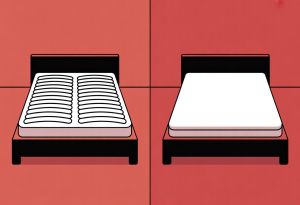
Your mattress must be designed to bend and flex with the bed's hinges without permanently creasing or losing its shape. Traditional innerspring mattresses with Bonnell coils are too stiff for adjustable bed frames. These rigid coils can't bend properly when you raise the head or foot sections. To avoid this issue, many shoppers look for the best hybrid mattresses that use independent coils for better flexibility.
Memory foam, latex, and hybrid mattresses work best with adjustable bases. These materials have the flexibility needed to move with your adjustable bed frame without breaking down. This flexibility is what makes them the best mattresses for adjustable beds currently available.
Compatible mattress types:
-
Memory foam (all foam construction)
-
Latex foam (natural or synthetic)
-
Hybrid (foam layers with pocketed coils)
-
Traditional innerspring with Bonnell coils
-
Extra-firm mattresses over 15 inches thick
Importance of Flexibility and Construction
A mattress that's best for adjustable beds will bend and flex to follow the contour of the base while still maintaining its support and structural integrity. The internal construction determines how well your adjustable bed mattress performs over time.
Memory foam conforms to your body and bends easily when you adjust the base position. It maintains even support whether the bed is flat or angled. Latex offers similar flexibility with a more responsive, bouncy feel.
Hybrid mattresses combine foam comfort layers with pocketed coils. The individually wrapped coils move independently, letting the mattress flex with your adjustable base. However, hybrids are not the same as innersprings, which have connected coil systems that resist bending.
The quality of materials matters for durability. High-quality Adjustable Bed Friendly Mattresses will resist sagging even after years of regular articulation. Low-quality foam can develop permanent creases where the adjustable bed frame bends most often.
Recommended Mattress Height and Thickness
Your adjustable bed mattress should be between 8 and 14 inches thick. Thinner mattresses may not provide enough cushioning for comfortable sleep. Thicker mattresses become too rigid to bend properly with the base.
Ideal thickness ranges:
-
Minimum: 8 inches
-
Optimal: 10-12 inches
-
Maximum: 14-15 inches
The more rigid the material, the thinner the mattress should be. Latex mattresses work best at the thinner end of this range because they're slightly more rigid than memory foam. Memory foam mattresses can be thicker while still maintaining flexibility.
Mattresses over 14 inches may not bend easily when you raise the head or foot sections. This puts strain on both your mattress and adjustable base mechanisms.
Choosing Split Mattresses for Couples
A split adjustable bed uses two separate mattresses instead of one large mattress. Each side has its own adjustable base that moves independently. This configuration is often the best mattress for couples who have different sleeping schedules or comfort needs.
Split mattresses let you and your partner choose different positions. You can elevate your head to read while your partner keeps their side flat for sleeping. This setup prevents the "rolling together" effect that happens with a single mattress on dual adjustable bases.
Split configuration options:
-
Split king: Two twin XL mattresses (38" × 80" each)
-
Split California king: Two narrow twin XL alternatives
-
Split queen: Two custom-sized mattresses
Each person can also select a different mattress firmness level. If you prefer firm support and your partner wants a softer feel, you can each get the mattress for adjustable bed that suits your needs. This customisation isn't possible with a single mattress spanning both adjustable bases.
Key Features to Look for in Adjustable Bed Mattresses
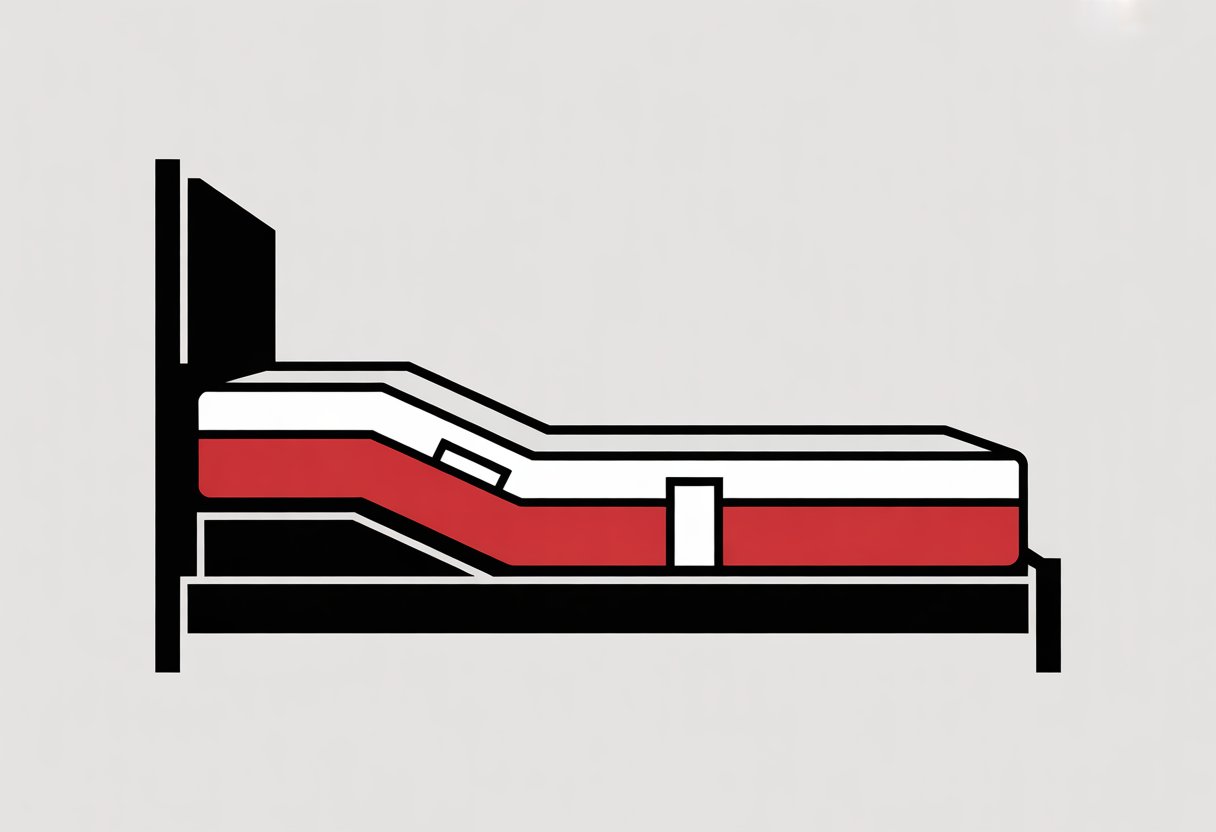
The right mattress for an adjustable base needs flexibility to bend without damage, materials that maintain support during position changes, and construction that prevents motion from disturbing your sleep partner. Thickness between 8 and 14 inches works best since thicker mattresses resist bending while thinner ones may lack adequate support.
Durability and Long-Term Performance
Your mattress will bend thousands of times over its lifespan as you adjust positions for reading, sleeping, or watching television. This constant flexing puts stress on the internal materials and construction.
Memory foam, latex, and hybrid mattresses work best because they flex easily without breaking down. These materials return to their original shape after each adjustment. Traditional innerspring mattresses with Bonnell coils are too rigid and may develop weak spots or broken springs from repeated bending.
High-quality foam density matters for durability. Lower density foams compress permanently over time and lose their ability to provide proper support. Choosing an organic mattress can often provide higher-quality materials that resist this type of wear. Look for mattresses between 10 and 12 inches thick for the best balance of cushioning and flexibility.
The mattress should maintain its structural integrity even when raised to 40 to 70 degrees at the head or foot sections. Poor construction leads to sagging, indentations, or separation between foam layers.
Pressure Relief and Spinal Alignment
Adjustable beds help you find positions that reduce pressure points on your shoulders, hips, and lower back. They are particularly effective for relieving hip pain and back pain by taking pressure off the joints. Your mattress for adjustable bed use needs to maintain proper spinal alignment in any position. Relief from chronic hip pain is one of the main reasons users upgrade their base.
Memory foam conforms closely to your body shape and distributes weight evenly across the surface. This eliminates concentrated pressure on bony areas. Latex provides similar pressure relief but with a more responsive, buoyant feel.
When you elevate your head or feet, your spine moves into different curves than when lying flat. The mattress must adapt to these angles while keeping your spine properly aligned. Too-firm mattresses create gaps between your body and the surface. Too-soft mattresses let your body sink excessively. Many of the best mattresses for adjustable beds use zoned support to provide different levels of firmness where you need it most.
Hybrid mattresses with individually wrapped coils offer targeted support because each coil moves independently. The foam comfort layers above the coils provide pressure relief while the coils maintain alignment.
Test how the mattress feels in different positions before purchasing. What feels comfortable flat may not work when elevated.
Motion Isolation for Couples
Motion transfer becomes more noticeable on adjustable beds because the entire base moves during position changes. Your mattress needs to absorb movement so your partner doesn't feel every adjustment you make.
Memory foam excels at motion isolation because it absorbs energy rather than transferring it across the surface. When you move or adjust your side of the bed, your partner should feel minimal disturbance.
Hybrid mattresses with individually wrapped coils also reduce motion transfer effectively. Each coil operates independently within its own fabric pocket, so movement in one area doesn't affect other sections. Traditional innerspring mattresses with interconnected coils transfer significantly more motion between sleepers.
Split adjustable bases let each person control their side independently. Pairing this with a mattress that isolates motion gives couples the most flexibility without disturbing each other's sleep.
Latex mattresses provide moderate motion isolation. They're more responsive than memory foam, which means some motion transfers through the material, but less than traditional innerspring beds.
Edge Support and Stability
Strong edge support prevents the feeling of rolling off when you sit or sleep near the mattress perimeter. This becomes especially important on adjustable beds because the mattress bends and flexes regularly.
All-foam mattresses typically have weaker edges than hybrids. The foam compresses more easily around the perimeter, creating a less stable sitting surface. Some manufacturers add reinforced foam edges to improve this characteristic.
Hybrid mattresses with individually wrapped coils extending to the edges provide the best edge support. The coils maintain their structure even when compressed, giving you a stable surface right to the border. This maximizes your usable sleep surface and makes getting in and out of bed easier.
Edge support affects how well your mattress maintains its shape during adjustments. Weak edges may fold or compress unevenly when the base moves into different positions. This creates an uncomfortable sleeping surface and may damage the mattress over time.
Consider how you use your bed beyond sleeping. If you sit on the edge frequently or need the full width for sleeping, prioritize stronger edge support in your selection.
Types of Mattresses Suitable for Adjustable Beds
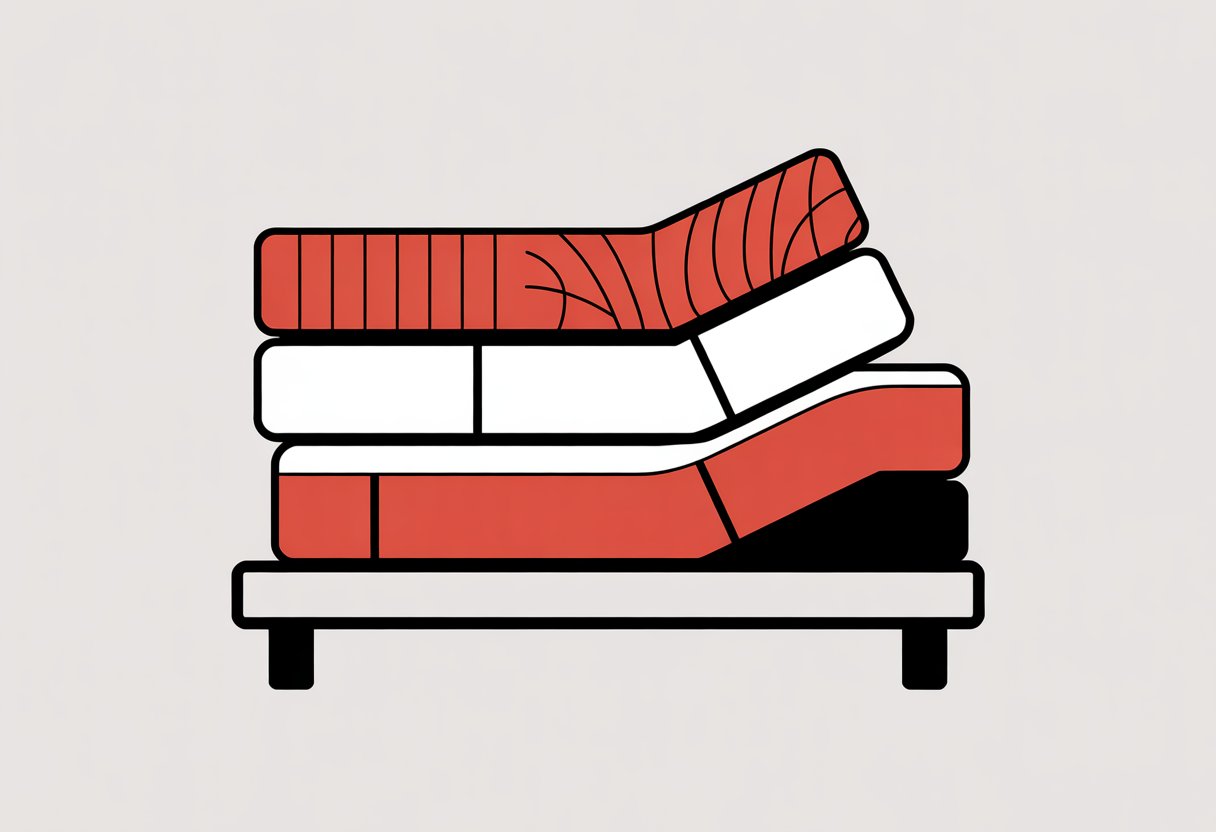
Not all mattresses bend and flex well with adjustable bases. Memory foam, latex, and hybrid mattresses work best because they can handle the movement without losing support or comfort.
Memory Foam Mattresses
Memory foam mattresses are one of the top choices for adjustable beds. The foam is naturally flexible and can bend easily when you raise or lower different sections of your base.
These mattresses don't have coils or rigid parts that might crack or break under pressure. When you elevate the head or foot of your bed, memory foam stays flush against the base without creating gaps.
Gel memory foam adds cooling properties to traditional memory foam. This helps if you tend to sleep hot, especially since adjustable bases can sometimes trap heat.
Memory foam provides excellent pressure relief by contouring to your body shape. This benefit increases when you use zero gravity positions on your adjustable base. The foam adapts to each new angle, giving you support where you need it most.
Latex and Latex Hybrid Mattresses
Latex mattresses offer a bouncier feel than memory foam while still being flexible enough for adjustable beds. Natural latex is springy and responsive, which means it quickly adjusts when you change positions or move your base. If you prefer eco-friendly materials, an organic mattress made from natural latex is a durable and healthy option.
Responsive foam in latex mattresses makes it easier to get in and out of bed compared to memory foam. You won't feel stuck or like you're sinking into the mattress.
A latex hybrid combines latex foam layers with pocketed coils for added support. The individually wrapped coils can flex independently, letting the mattress bend with your adjustable base.
Latex naturally resists dust mites and mould. It also sleeps cooler than most memory foam options because air flows through the material more easily.
Hybrid and Innerspring Mattresses
Hybrid mattresses pair foam comfort layers with coil support systems. They work with adjustable beds as long as the coils are individually wrapped rather than connected in a single unit.
Pocketed coils can flex and move separately from each other. This design lets the mattress bend at the hinge points of your adjustable base without damaging the internal structure.
Traditional innerspring mattresses with connected coil systems don't work well on adjustable beds. The connected springs resist bending and can break or become permanently damaged.
Look for hybrids with thinner profiles if you plan to use an adjustable base. The best hybrid mattresses provide the perfect balance of bounce and adaptability needed for motorized frames. Mattresses over 14 inches thick may be too rigid to bend properly at extreme angles. The foam layers on top of the coils should be flexible enough to move with the base.
Airbeds and Adjustable Firmness Mattresses
Air chambers inside these mattresses let you change the firmness level whenever you want. You can adjust each side of the bed separately, which works well for couples with different preferences.
An adjustable mattress with air chambers typically includes a remote control or smartphone app. You can inflate or deflate the chambers to make your side softer or firmer in seconds.
These mattresses usually have foam or latex comfort layers on top of the air chambers. The combination gives you both adjustable firmness and a comfortable sleep surface that works with adjustable bases.
Most airbeds are flexible enough to bend with your base because the air chambers can compress and expand. However, check that the model you choose is specifically rated as compatible with adjustable bases before buying.
Best Adjustable Bed Friendly Mattresses for Different Sleepers
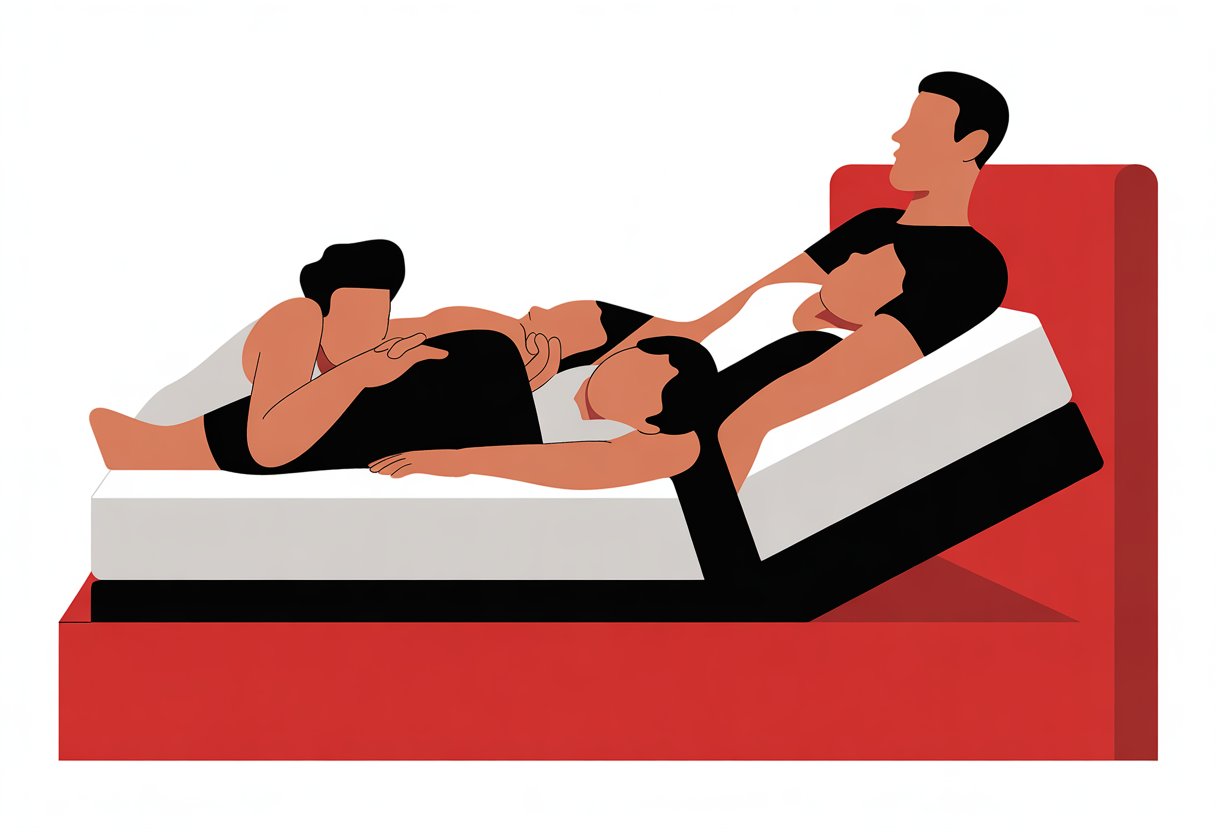
Different sleep positions require specific mattress features to work well with adjustable bases. The right combination of materials and firmness levels helps maintain proper support when the bed is raised or lowered.
Mattresses for Side Sleepers
Side sleepers need mattresses with good pressure relief around the shoulders and hips. These areas carry most of your body weight. Finding the best mattress for side sleepers often involves looking for materials that contour to these heavy zones.
Memory foam and latex mattresses work well for side sleepers on adjustable beds. They cushion pressure points while bending easily. A high-quality mattress for side sleepers must be flexible enough to handle the unique angles of an adjustable base.
Look for medium to medium-soft firmness levels. Firmer mattresses can create pressure on your shoulders and hips when the bed is flat or adjusted.
Key features for side sleepers:
-
Thicker comfort layers (3-4 inches minimum)
-
Medium firmness rating (5-6 out of 10)
-
Responsive foam that contours to your body
-
Good edge support for sitting
The mattress should maintain its cushioning properties even when the bed is in different positions. This keeps your spine aligned whether you're sleeping flat or with the head elevated.
Mattresses for Back Sleepers
Back sleepers require firm support to keep the spine in a neutral position. Finding the best mattress for back sleepers ensures your lower back remains supported to prevent sagging. A dedicated mattress for back sleepers helps maintain the natural curve of the spine during rest. Keeping the spine neutral is often the most important factor in reducing back pain for those who sleep in this position.
Medium-firm mattresses typically work best for back sleepers on adjustable bases. They provide enough support for your lumbar region while conforming to your curves. Many mattresses for adjustable beds feature specialized layers to enhance this lumbar support.
Hybrid mattresses combine foam comfort with coil support. The coil system flexes with the adjustable base while maintaining support for your back.
Recommended specifications:
-
Medium-firm to firm feel (6-7 out of 10)
-
Zoned support for the lumbar area
-
Breathable materials to prevent overheating
-
At least 10 inches in total thickness
Your mattress should support your spine whether the bed is flat or elevated. Back sleepers often benefit from slight head elevation to reduce snoring and improve breathing.
Mattresses for Combination Sleepers
Combination sleepers change positions throughout the night. You need a mattress that performs well in multiple sleeping positions.
A medium-firmness mattress offers the best balance for combination sleepers. It provides enough support for back sleeping while offering pressure relief for side sleeping.
Responsive materials like latex or gel-infused foam help you move easily between positions. These materials bounce back quickly rather than trapping you in one spot.
The mattress must flex smoothly with your adjustable base in any position. Stiff or overly thick mattresses can resist the base's movements and create uncomfortable gaps.
Essential characteristics:
-
Balanced firmness (5-6 out of 10)
-
Quick response time to position changes
-
Even support across the entire surface
-
Durable construction for long-term use
Test how the mattress feels in your most common sleeping positions before making a decision.
Mattresses for Couples and Specific Needs
Couples need mattresses that accommodate two different sleep styles. Motion isolation prevents one person's movements from disturbing the other.
Split king mattresses allow independent control of each side of the bed. Each person can choose their own firmness level and adjust their side separately.
Memory foam excels at motion isolation for couples. It absorbs movement rather than transferring it across the bed surface.
Considerations for couples:
-
Individual comfort preferences
-
Different firmness needs
-
Motion transfer reduction
-
Edge support for full surface use
-
Temperature regulation for both sleepers
Adjustable bases with dual controls work best with split mattresses. This setup lets each person find their ideal sleeping position without affecting their partner.
Top-Rated Adjustable Bed Friendly Mattress Brands and Models
Several mattress brands offer models specifically designed to work well with adjustable bases, featuring flexible construction and durable materials. These options range from luxury hybrid designs with customisable firmness to versatile memory foam and latex combinations.
Tempur-Pedic and Stearns & Foster
Tempur-Pedic is a premier choice for adjustable bases. Their proprietary TEMPUR material is designed to respond to your body's temperature and weight, allowing it to conform perfectly to the base's various angles. This provides unparalleled pressure relief and support in any position.
Stearns & Foster offers luxury hybrid mattresses that pair precision-engineered coils with high-density foam layers. These models are crafted to move seamlessly with adjustable frames, maintaining their structural integrity and comfort levels even when the head or foot sections are fully elevated.
Both brands provide advanced support systems that prevent the mattress from shifting or losing its shape. Tempur-Pedic’s all-foam construction is particularly effective at eliminating gaps between the mattress and the base during adjustments.
Sealy Posturepedic Hybrid and Foam
Sealy Posturepedic mattresses are engineered for durability and flexibility. Their hybrid models feature pocketed coils that move independently, allowing the mattress to bend effortlessly with adjustable bases without compromising the support in the center third of the bed.
The Sealy all-foam series offers a wide range of flexibility, making it an ideal companion for adjustable foundations. These mattresses use high-quality polyfoams and memory foams that contour to the base's hinges, ensuring a flush fit whether you are sitting up or lying flat.
Many Sealy models include cooling technologies like SealyChill, which helps regulate temperature. This is beneficial for adjustable bed users, as changes in position can sometimes affect airflow around the body.
Serta iComfort and iSeries
Serta iComfort mattresses are designed with advanced carbon fiber memory foam. This material provides exceptional pressure relief and is highly flexible, allowing the mattress to move smoothly with the mechanical parts of an adjustable bed frame.
The iSeries offers enhanced cooling and support layers. These hybrid mattresses use specialized coil systems that are specifically rated for use on adjustable bases, ensuring long-term durability and consistent comfort throughout the mattress's life.
These Serta models are excellent for those who need a balance of support and pressure relief. The materials are chosen for their ability to spring back to their original shape after being bent at various angles.
Beautyrest, NM, and Springwall
Beautyrest Harmony and Black series mattresses utilize T3 Pocketed Coil technology. This system provides individualized support that conforms to both your body and the movement of your adjustable base, reducing motion transfer significantly.
NM offers high-quality foam and hybrid options manufactured in Canada. Their designs prioritize flexibility and durability, making them a cost-effective choice for pairing with adjustable foundations without sacrificing comfort.
Springwall mattresses are known for their reliable construction and compatibility with various bed frames. Their adjustable-friendly models feature foam-encased edges and flexible coil systems that handle frequent position changes with ease.
Other compatible options include:
-
NM Cozy Memory Foam models
-
NM Hybrid series
-
Serta Perfect Sleeper (select models)
-
Tempur-Pedic Adapt and LuxeAdapt series
Additional Considerations Before Buying
Beyond compatibility, you need to evaluate firmness preferences, mattress dimensions, temperature regulation, and the protection offered through trial periods and warranties. These factors directly impact your comfort and long-term satisfaction with your purchase.
Firmness Levels and Sleep Preferences
Your preferred firmness level affects how well a mattress works with an adjustable bed base. Most adjustable-friendly mattresses come in multiple firmness settings, typically ranging from soft to firm on a scale of 1-10.
Medium firmness (around 5-6 on the firmness scale) works well for most sleepers because it provides balanced support whilst maintaining flexibility. A firm mattress (7-8) offers better edge support and durability for heavier individuals, but it needs sufficient flexibility to bend without damage. A soft mattress (3-4) contours more easily but may lack the support needed for proper spinal alignment when the base is elevated.
Side sleepers usually prefer softer options for pressure relief at the shoulders and hips. Back and stomach sleepers typically need firmer support to prevent their midsection from sinking too deeply. Mattress firmness levels can feel different when your adjustable base is positioned at an incline, so consider how firmness changes with elevation.
Memory foam and latex mattresses in medium to medium-firm ranges typically offer the best combination of flexibility and support for adjustable bases.
Mattress Height and Adjustable Bed Bases
Mattress height significantly impacts how your adjustable bed base functions and looks in your bedroom. Most adjustable-compatible mattresses range from 20 to 36 centimetres thick.
Thinner mattresses (20-25 cm) work better with adjustable bases because they flex more easily and put less strain on the motor. Thicker mattresses (30-36 cm), including those with pillow-top layers, may restrict the base's range of motion or require more powerful motors. Organic mattress options with natural latex or wool layers can add extra height.
Consider the total height when combined with your adjustable base. If your base adds 40 cm of height and your mattress is 30 cm thick, you'll have a sleeping surface 70 cm from the floor. This might make getting in and out of bed difficult, especially for older adults or those with mobility issues.
Some adjustable bases have legs with adjustable heights to compensate for taller mattresses. Check the manufacturer's recommendations for maximum mattress thickness before purchasing.
Cooling and Breathability Features
Temperature regulation becomes more important with adjustable beds because elevated positions can trap heat around your body. Look for mattresses with cooling mattress technologies designed to disperse heat effectively.
Breathability depends on the materials used in construction. Latex naturally allows more airflow than dense memory foam. Open-cell foam structures promote better air circulation than traditional closed-cell designs. Gel-infused foams help draw heat away from your body but may lose effectiveness over time.
Cover fabrics matter too. Materials like Celliant use infrared technology to convert body heat into energy and reflect it back to your tissues. Phase-change materials absorb excess heat when you're warm and release it when you cool down.
Coil systems in hybrid mattresses create natural air channels that enhance cooling. Look for mattresses with perimeter ventilation or specialised cooling layers if you sleep hot. Best memory foam mattresses for adjustable bases often include multiple cooling technologies to offset foam's heat-retention properties.
Trial Periods, Warranties, and Value
A trial period lets you test whether a mattress works with your adjustable base in real sleeping conditions. Most reputable manufacturers offer 90 to 120 nights for returns, though some extend this to 365 nights.
Read the trial terms carefully. Some companies require you to keep the mattress for a minimum period (usually 30 days) before requesting a return. Others charge restocking fees or require you to pay return shipping. Make sure the trial period specifically covers use with adjustable bases, as some warranties become void if you use the mattress on incompatible foundations.
Warranty coverage should include at least 10 years for quality mattresses. Check what the warranty actually covers—many only protect against manufacturing defects like sagging beyond a certain depth (typically 2.5-4 cm). Warranties usually don't cover normal wear, stains, or damage from using the mattress on an unsuitable base.
Compare the total cost against expected lifespan. A mattress lasting 8-10 years offers better value than one needing replacement after 5 years, even if the initial price is higher.
Frequently Asked Questions
Choosing the right mattress for an adjustable bed involves understanding flexibility requirements, material compatibility, and proper thickness ranges. Most questions focus on which mattress types bend easily without damage and how to maintain them properly over time.
What features should I look for in a mattress compatible with adjustable beds?
The most important feature is flexibility. Your mattress needs to bend and flex with the base without cracking or losing its shape.
Look for mattresses between 20 to 30 centimetres thick. Thinner mattresses bend more easily, while thicker ones may resist the adjustable base movements.
The materials matter a lot. Foam-based mattresses and those with individually wrapped coils work better than traditional spring systems. These materials can curve with the base without breaking down.
Check that the mattress has strong edge support. When your bed adjusts to different positions, the edges take extra stress and need to hold up well.
Can memory foam mattresses be used on adjustable beds without compromising their lifespan?
Yes, memory foam mattresses work very well with adjustable beds. The foam is naturally flexible and designed to move without damage.
Memory foam conforms to your body shape and adjusts easily to match the contour of the base. The material bends repeatedly without losing its support or breaking down faster.
High-quality memory foam actually performs better on adjustable bases than flat foundations. The constant movement keeps the foam from developing permanent body impressions in one spot.
How does mattress thickness affect the performance and comfort on an adjustable bed?
Thickness directly impacts how well your mattress bends with the adjustable base. Mattresses between 20 to 30 centimetres thick offer the best balance of flexibility and comfort.
Thinner mattresses (under 20 centimetres) bend easily but may not provide enough cushioning. You might feel the base underneath, especially in raised positions.
Thicker mattresses (over 35 centimetres) resist bending properly. They put extra strain on the adjustable base motor and may not move smoothly into different positions. The material can also crack or develop weak spots from forcing it to bend.
The ideal thickness is between 25 to 30 centimetres for most foam mattresses on adjustable beds. This provides proper support while maintaining flexibility.
Are there specific types of mattresses that work best with adjustable bases?
Three mattress types perform best with adjustable beds: memory foam, latex foam, and hybrid models. Each offers the flexibility needed to move with the base.
Memory foam ranks as the top choice because it bends easily and maintains its shape through constant adjustments. The material springs back without developing permanent creases.
Latex foam works well but feels slightly more rigid than memory foam. Choose a thinner latex mattress to ensure it flexes properly with your base movements.
Hybrid mattresses with individually wrapped coils and foam layers also pair nicely with adjustable frames. The pocketed coils move independently, letting the mattress bend without breaking springs. These are frequently rated among the best hybrid mattresses for versatility. Finding the best mattress for adjustable beds often leads shoppers to high-quality hybrid models.
Traditional innerspring mattresses do not work well with adjustable beds. The connected coil systems are too rigid and can break when the base moves.
What is the impact of an adjustable bed on the overall durability of a mattress?
An adjustable base can damage mattresses that aren't designed for flexibility. Rigid mattresses develop cracks, broken springs, or permanent creases from repeated bending.
Compatible mattresses actually last just as long on adjustable bases as on flat foundations. The constant position changes can even help by preventing body impressions in one spot.
Using the wrong mattress type shortens its life span significantly. Springs break, foam tears, and structural damage appears within months instead of years.
Always verify that your mattress manufacturer approves their product for adjustable base use. This ensures the materials and construction can handle the movement.
How do I care for and maintain a mattress used on an adjustable bed to ensure longevity?
Rotate your mattress head to foot every three to six months. This spreads out wear evenly across the entire surface, even though you can't flip most modern mattresses.
Keep the base mechanisms clean and lubricated according to manufacturer instructions. A smooth-running base puts less stress on your mattress during adjustments.
Use a breathable mattress protector designed for adjustable beds. Regular protectors may bunch up or restrict movement, but specialised ones stay in place through position changes.
Avoid leaving your bed in extreme positions for extended periods when not in use. Return it to a flat or slightly elevated position to reduce constant stress on the same mattress areas.
Clean spills immediately and vacuum your mattress monthly. Dirt and moisture trapped in the mattress materials can break down the foam or fibres faster, especially where the mattress bends most often.