Buying a new mattress can feel overwhelming with so many choices available. Whether you're shopping in stores or shopping online, knowing the right questions to ask will help you make a smart decision. We've put together a guide to help you understand what matters most when choosing a mattress that supports quality sleep and addresses your health concerns.
This mattress buying guide covers the key topics you need to consider before making your purchase. We'll walk you through everything from mattress types and materials to warranties and trial periods. By the end, you'll know exactly what to look for to find the right mattress for your needs.
Key Takeaways
- Asking the right questions helps you choose a mattress that fits your sleep style and health needs
- Understanding warranties, trial periods, and return policies protects your investment
- Knowing about mattress materials, cooling features, and care requirements ensures long-term satisfaction
1. What Type Of Mattress Is Best For My Needs?
The right mattress depends on your personal comfort preferences and sleeping habits. We recommend testing different options before making a purchase decision based on trends alone.
Common mattress types include:
- Memory foam - Contours to your body shape and relieves pressure points
- Latex mattress - Offers bounce and natural cooling properties
- Innerspring mattress - Provides traditional support with coil systems
- Hybrid mattress - Combines foam layers with coil support
- Foam mattress - Uses various foam densities for comfort and support
Consider whether you need a firm mattress for back support or prefer softer cushioning. Different types of mattresses serve different purposes based on sleep position and body weight. A natural latex mattress works well for those seeking eco-friendly materials with responsive support.
Take time to lie on various options in-store to determine which feels most comfortable for your body.
2. Does Your Mattress Need A Particular Foundation Type?

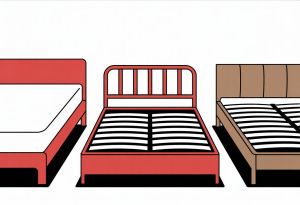
The foundation you choose depends heavily on what kind of mattress you own. Memory foam mattresses often perform best with a solid foundation, while innerspring options work well with multiple foundation styles.
We recommend checking your warranty before buying any bed frame or base. Some mattress warranties will be invalidated if a specified type of mattress foundation isn't used.
Different mattress types have unique support needs:
- Memory foam: Works best on solid, flat surfaces
- Innerspring: Compatible with box springs and platform beds
- Hybrid: Typically needs firm, even support
An adjustable base can work with many modern mattresses if you want flexibility for different sleeping positions. Talk to a mattress expert about which foundation type will best support your mattress before making your purchase.
3. How Well Does the Mattress Limit Movement Between Sleepers?
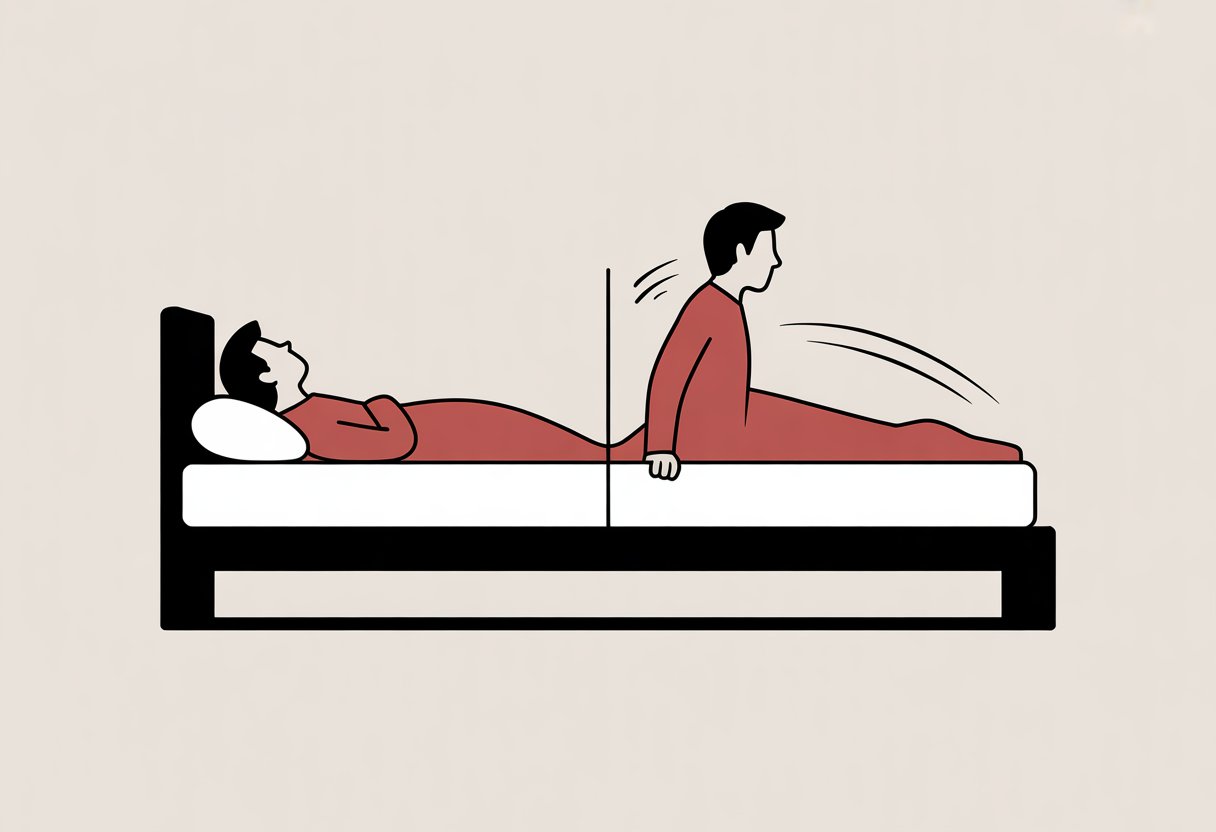
When you share a bed with someone, you need a mattress that stops their movements from disturbing your rest. Motion isolation is a key feature that prevents you from feeling every shift and turn your partner makes during the night.
We recommend testing this before you buy. Visit a shop and ask to lie on a display model while someone else moves around on the other side. You can also try a simple water glass test at home during a trial period. Place a glass on one edge of the bed and press down on the opposite side. If the water stays still, the mattress absorbs motion transfer well.
Reading reviews from couples helps too. Look for feedback about whether people feel their partner's movements at night.
4. Does My Mattress Stay Cool?
Temperature control matters when you sleep. Your body needs to release heat during the night to rest properly.
A mattress that traps warmth can make you uncomfortable and restless. We need to look for beds that allow air to move through them easily. This airflow lets body heat escape instead of building up under us.
Key features that help with temperature regulation include:
- Open cell foam structures that promote airflow
- Breathable cover materials
- Cooling mattress designs with ventilation channels
- Gel-infused memory foam that draws heat away from the body
Different mattress types handle heat differently. Innerspring and hybrid beds typically sleep cooler because air flows between the coils. Foam mattresses can trap more warmth, though newer models use special materials to solve this problem.
If you sleep hot, questions about mattress materials become even more important. Ask retailers about cooling technologies before you buy.
5. What Materials Are Used In The Mattress?
The materials in your mattress affect how well you sleep each night. We recommend looking at what's inside before you buy.
Memory foam moulds to your body shape and relieves pressure points. Most quality options have CertPUR-US certification, which means the polyurethane foam meets safety standards. These mattresses work well for side sleepers who need cushioning.
Coil options use springs for support. The coil count and coil gauge (thickness) determine how firm the bed feels. Pocketed coils move independently, which reduces motion transfer between partners.
Some beds combine foam and springs for zoned support in different areas. If you have allergies, search for a hypoallergenic mattress made with eco-friendly materials. An organic mattress uses natural materials like cotton, wool, or latex instead of synthetic options.
Different mattress materials suit different sleeping styles and budgets. We suggest testing various types to find what feels best for your needs.
6. What Should I Do If My New Mattress Doesn't Feel Right?
Buying a mattress can feel overwhelming, especially when most shoppers only spend about 10 minutes testing options in stores. This short trial period doesn't always reveal whether a bed will truly work for your needs over time.
We recommend asking detailed questions about return policies before making any purchase. Each retailer handles exchanges differently, and knowing your options protects you from being stuck with an uncomfortable bed.
Look for stores that offer sleep trials or satisfaction guarantees. These programmes let you test the mattress at home for weeks or even months. If it doesn't work out, you can exchange it or get your money back.
Key questions to ask include:
- How long is the trial period?
- Are there restocking fees for returns?
- Does the store offer exchanges for different firmness levels?
- Is white-glove delivery included for replacement mattresses?
Understanding common signs your mattress isn't supporting you properly helps you decide whether to use your return option. Some discomfort during the first few weeks is normal as your body adjusts, but persistent pain or poor sleep quality signals a poor fit.
Ask About the Warranty
We need to understand the protection that comes with our new bed before we make a purchase. Many warranty documents contain confusing legal language that can be hard to understand.
We should ask what specific issues the mattress warranty covers and what it excludes. We need to know how long the coverage lasts and whether it's full replacement or prorated.
Key warranty details to clarify:
- Length of coverage period
- What defects are included
- Requirements for valid claims
- Whether proper care affects coverage
We must find out what maintenance steps we need to follow to keep our warranty active. Some companies require proof of regular cleaning or specific mattress protectors. If we don't follow these rules, we might lose our coverage when we need it most.
8. How Do We Take Care of Our New Mattress?
Taking care of a new bed involves several straightforward steps that help maintain its quality. We should start by using a mattress protector to guard against spills and stains that could damage the materials over time.
Key maintenance tasks include:
- Cleaning the surface regularly with gentle methods appropriate for the material type
- Checking whether rotation is needed based on manufacturer guidelines
- Ensuring proper foundation support to prevent sagging
- Avoiding jumping or placing excess weight on the bed
We can begin using most mattresses immediately after unpacking. Mattress protectors extend the lifespan by creating a barrier against dust, moisture, and allergens.
For memory foam and sensitive materials, we should avoid harsh chemicals during cleaning. Light vacuuming and spot cleaning with mild detergent work well for most situations.
Following these simple care practices helps maintain comfort and ensures warranty coverage remains valid throughout the bed's lifetime.
9. How Well Does It Perform?
We need to evaluate how a mattress actually works during sleep before making a purchase. Performance includes several key factors that affect our rest quality.
Key Performance Areas:
- Firmness levels - Different options support various sleeping positions and body types
- Edge support - Strong edges prevent sagging when sitting or sleeping near the perimeter
- Spine alignment - Proper support keeps our back in a neutral position throughout the night
- Height - Mattress thickness affects ease of getting in and out of bed
We should test how the mattress responds to movement and pressure. A well-performing mattress maintains consistent support across all sizes, from twin to king. The firmness we choose directly impacts spinal alignment, which prevents morning aches and pains.
Performance also depends on how the mattress holds up over time without developing body impressions or losing support.
10. What's The Sleep Trial Period?
A mattress trial period lets you test your new bed at home before committing to keep it. Most retailers offer at least 30 days to try out your mattress. Some companies extend this to 90 days or longer.
We recommend asking about the sleep trial before buying. This policy protects you from being stuck with a bed that doesn't suit your needs. During the trial, you sleep on the mattress in your own home instead of testing it for a few minutes in a shop.
If the mattress doesn't work for you during the sleep trial period, you can return it for a full refund. Make sure you understand the return requirements before purchasing. Some retailers may charge return shipping fees or require a minimum trial period before accepting returns.
Online mattress companies typically offer longer trial periods than traditional shops. This gives you plenty of time to decide if your new mattress meets your comfort and support needs.
Final Thoughts
We recommend taking your time during the mattress buying process. Write down notes about firmness levels and comfort as you test different options. This helps you remember which models worked and which didn't.
You might believe you know exactly what you need before shopping. However, most people discover their preferences change once they actually lie down on various mattresses. We suggest trying multiple types before making your final choice.
Testing mattresses in person or researching what questions to ask when buying a mattress helps you avoid purchasing something that won't meet your needs.
Common Questions About Mattress Shopping
What Materials Make Up the Mattress Construction?
Different mattress types use various materials in their construction. Memory foam mattresses contain polyurethane foam that responds to body heat and pressure. Latex mattresses use natural or synthetic rubber materials.
Innerspring mattresses have steel coil systems as their support layer. Hybrid mattresses combine coils with foam or latex comfort layers.
The cover fabric can include cotton, polyester, or blended materials. Some mattresses also contain gel infusions, copper, or graphite for temperature regulation. When choosing a mattress, we recommend asking about each layer and its purpose.
Eco-friendly options may use organic cotton, natural latex, or wool. These materials often cost more but provide sustainable alternatives.
How Does the Firmness Compare to Other Options?
Mattress firmness typically gets rated on a scale from 1 to 10. A rating of 1 means very soft, while 10 means extremely firm. Most mattresses fall between 3 and 8 on this scale.
Medium-firm mattresses usually rate around 5 to 7. These work well for most sleepers. Soft mattresses rate between 3 and 4, while firm options rate 7 to 9.
Common Firmness Levels:
- Soft: Best for side sleepers under 130 pounds
- Medium: Works for combination sleepers
- Medium-firm: Suits most sleeping positions
- Firm: Ideal for back and stomach sleepers over 230 pounds
Your body weight affects how firm a mattress feels. A 200-pound person will sink deeper into the same mattress than someone weighing 130 pounds. We suggest testing mattresses in person when possible or checking return policies for online purchases.
What Lifespan Can We Expect from the Mattress?
Most mattresses last between 6 and 10 years with regular use. The lifespan depends on the materials and construction quality.
Innerspring mattresses typically last 6 to 8 years. Memory foam mattresses often provide 7 to 10 years of use. Latex mattresses can last 10 to 15 years, making them the longest-lasting option.
Factors That Affect Mattress Lifespan:
- Material quality and density
- Body weight of sleepers
- Frequency of use
- Proper maintenance and cleaning
- Use of a mattress protector
Signs your mattress needs replacement include visible sagging, lumps, or persistent body aches after sleeping. We recommend rotating your mattress every 3 to 6 months to extend its life.
What Does the Warranty Cover and How Do We File Claims?
Mattress warranties typically cover manufacturing defects and premature sagging. Most warranties last between 10 and 25 years. Some brands offer lifetime warranties.
Common Warranty Coverage:
- Sagging deeper than 2.5 to 3.8 centimetres
- Manufacturing defects in materials
- Broken or defective coils
- Zipper or cover defects
Warranties usually do not cover normal wear, comfort preferences, or damage from misuse. Stains often void warranties unless you used a mattress protector.
To file a claim, we need to contact the manufacturer or retailer. They typically require photos of the defect, proof of purchase, and law tags. Some companies send inspectors to verify claims.
Prorated warranties mean we pay a percentage of replacement costs after a certain period. Non-prorated warranties provide full coverage for the entire term.
What Delivery and Assembly Services Are Available?
Most mattress retailers offer several delivery options. Standard shipping usually takes 5 to 10 business days. Expedited shipping costs extra but arrives within 2 to 5 days.
White glove delivery includes bringing the mattress inside, unpacking it, and setting it up. This service also removes old mattress packaging. The cost ranges from $100 to $200.
Delivery Options to Consider:
- Curbside delivery (least expensive)
- Room of choice delivery
- White glove setup service
- Old mattress removal
Many bed-in-a-box mattresses arrive compressed in boxes. These fit through doorways easily and require no special delivery. We need to unbox and expand them ourselves.
Some retailers schedule specific delivery windows. Others provide tracking so we know when to expect arrival. We should measure doorways, staircases, and hallways before delivery day.
How Does the Mattress Support Quality Sleep?
A proper mattress supports spinal alignment throughout the night. When our spine stays neutral, we experience less pain and better sleep quality.
Pressure relief matters for restorative sleep. The mattress should cushion pressure points at the shoulders, hips, and knees. This prevents tossing and turning.
Sleep Support Features:
- Spinal alignment for all sleeping positions
- Pressure point relief at key body areas
- Motion isolation for couples
- Temperature regulation to prevent overheating
- Edge support for sitting and getting in and out of bed
Temperature regulation affects sleep quality significantly. Mattresses with cooling features help prevent night sweats. Materials like gel foam, latex, and coil systems provide better airflow than traditional memory foam.
Motion isolation benefits couples who move during sleep. Memory foam and latex absorb movement better than innerspring mattresses. This means we wake up less often when our partner shifts positions.