

















Your mattress works hard every night to give you the rest you need. After long days, it provides the comfort and support that helps you wake up ready for what's ahead. But mattresses need care to keep doing their job well.

Taking care of your mattress helps it last longer and stay comfortable. One important part of mattress care is rotating your mattress regularly. This simple task can make a real difference in how your mattress feels and how long it stays in good shape. We'll explain why rotation matters, how often you should do it, and the right way to rotate your mattress.
Key Takeaways
- Rotating your mattress helps it last longer and stay comfortable over time
- Most mattresses should be rotated every three to six months depending on the type
- The rotation process is simple and takes only a few minutes to complete
Why You Should Rotate Your Mattress
1. Balanced Surface Deterioration
When we sleep in the same position night after night, specific zones of our mattress bear more weight than others. This creates uneven deterioration that results in sagging and permanent body impressions. These problem areas reduce comfort and negatively affect our sleep quality over time.
Rotating your mattress spreads the pressure across the entire surface. This practice benefits all mattress types, including memory foam mattress, innerspring mattress, latex mattress, hybrid mattress, and foam mattress options.
2. Extended Product Life
Regular rotation adds years to our mattress investment. Most mattresses last between 7 and 10 years with proper mattress maintenance, but neglecting mattress care can reduce this timeframe significantly.
Proper mattress maintenance distributes stress evenly across the sleep surface. This simple step protects our purchase and often keeps our mattress warranty valid.
3. Improved Sleep Surface Quality
Our bodies create impressions that affect how well our mattress supports us during rest. Poor support leads to discomfort and potential back problems that disrupt our sleep health.
Regular rotation lets compressed areas recover their shape. This maintains the supportive qualities we need for comfortable sleep, whether we own a pillow-top mattress or another design. A well-maintained sleep environment directly improves our overall sleep quality.
How Often Should You Rotate Your Mattress?
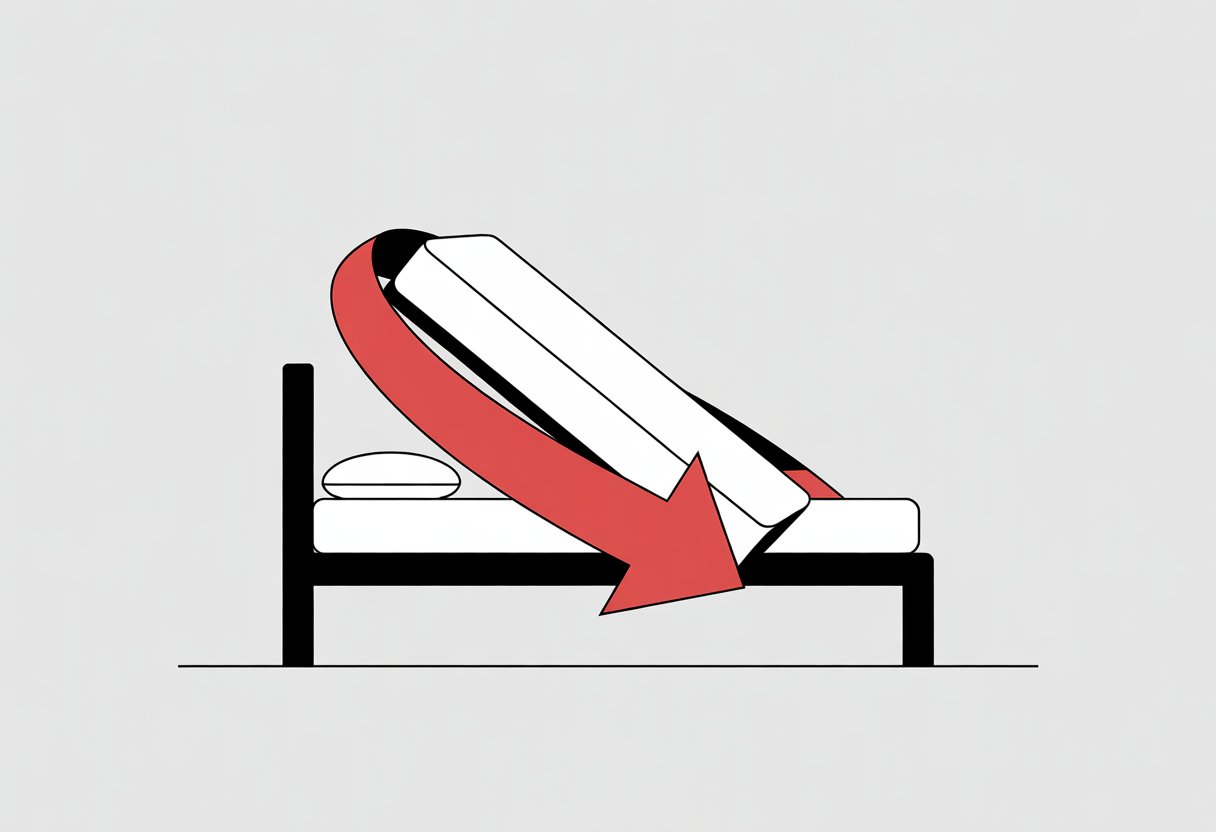
The timing for rotating depends on how long you've owned your bed. We recommend turning a new mattress every three months for the first 12 months of use. This helps the materials settle evenly and prevents early wear patterns.
After that initial year, rotating your mattress every 6-12 months works well for most beds. A consistent mattress rotation schedule keeps your bed comfortable longer.
Basic Rotation Timeline:
- First year: Every 3 months
- After first year: Every 6 months
Check your manufacturer's care guide before starting any rotation routine. Some beds with specialized comfort layers shouldn't be rotated at all. Most mattresses should be rotated regularly, but the exact timing varies by design.
How to Rotate Your Mattress Properly
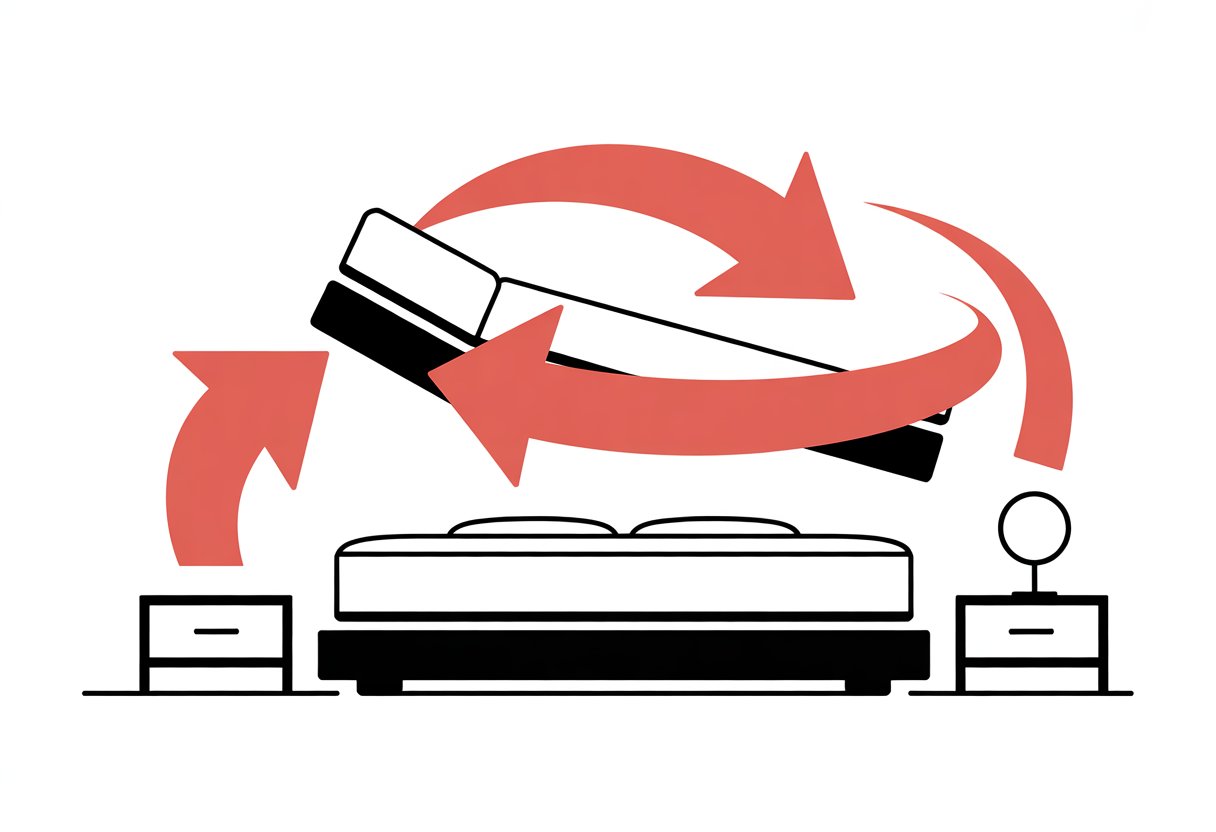
We recommend following these straightforward steps for mattress rotation:
- Strip off all sheets, blankets, and your mattress protector
- Get help from another person if your mattress feels too heavy
- Lift and turn the mattress 180 degrees so the foot end moves to the head position
- Check that your mattress sits evenly on the box spring or bed frame
- Put your bedding back on
This process works for both one-sided mattresses and flippable mattresses. We find that rotating helps prevent sagging and extends the life of your bed. The entire task takes about five minutes to complete.
Final Thoughts
Taking a few minutes to rotate your mattress regularly helps maintain even wear across the sleep surface. This simple maintenance step can extend how long your bed remains comfortable and supportive. We recommend making rotation part of your regular home care routine. The effort required is minimal, but the benefits for both comfort and mattress longevity make it worthwhile. Proper mattress maintenance doesn't demand much time or money, yet it protects your investment and supports better rest.
Common Questions About Mattress Care
What is the recommended frequency for turning our mattress?
We should turn our mattress every three to six months for best results. This schedule works well for most mattress types and sleeping situations.
The exact timing depends on a few factors. New mattresses benefit from more frequent turning during the first year. We recommend rotating every three months for the first 12 months.
After the initial break-in period, we can switch to rotating every six months. Some mattress makers provide specific guidelines in their care instructions. We should always check the manufacturer's recommendations to protect our warranty coverage.
Recommended Rotation Schedule:
- Months 1-12: Every 3 months
- After Year 1: Every 6 months
- Heavy use: Every 3 months ongoing
Do pillow-top mattresses require turning, and what's the proper method?
Pillow-top mattresses need rotation but not flipping. The cushioned top layer is designed to face upward only.
We rotate a pillow-top mattress by moving it 180 degrees. The head end moves to the foot of the bed, and the foot end moves to the head. This ensures the pillow-top layer stays on top while distributing wear evenly.
Flipping a pillow-top would put the cushioned layer on the bottom, which defeats its purpose. We should never flip this mattress type.
Steps for rotating a pillow-top:
- Remove all bedding and pillows
- Slide the mattress away from the headboard
- Turn it 180 degrees
- Push it back into position
- Replace bedding
What advantages come from regular mattress turning?
Regular turning provides several practical benefits for our sleep surface. Proper mattress maintenance extends the usable life of our investment.
Turning distributes body weight across different areas of the mattress. This prevents excessive compression in spots where we sleep most often. Even wear means our mattress maintains its support properties longer.
We also improve our sleep comfort through rotation. Fresh sleeping areas feel more supportive and comfortable. The mattress materials get time to recover when we're not pressing on the same spots every night.
Hygiene improves with regular rotation too. We expose different sections to air and reduce moisture buildup in any single area.
Key benefits include:
- Extended mattress lifespan
- More consistent support levels
- Better sleep comfort
- Reduced body impressions
- Improved material recovery time
- Enhanced hygiene
Does turning help stop our mattress from developing dips and impressions?
Yes, rotation directly helps prevent sagging and permanent body impressions. These issues develop when we sleep in the same position night after night.
Our body weight compresses mattress materials over time. When we concentrate pressure on identical spots, those areas wear out faster than the rest of the surface. This creates noticeable dips where we normally lie.
Rotation spreads this wear across the entire mattress surface. Different areas handle our weight at different times. No single section experiences continuous compression.
We should note that rotation slows down sagging but doesn't eliminate it entirely. All mattresses eventually show signs of wear. However, maintaining even wear through rotation significantly delays this process.
Deep impressions beyond normal settling may indicate a quality issue. Most warranties cover excessive sagging beyond a certain depth, typically 2.5 to 4 centimetres.
Which mattress types shouldn't be turned, and why not?
Some mattress designs work against rotation practices. We need to identify these before establishing our maintenance routine.
One-sided mattresses have a designated sleeping surface and a non-sleeping base. The bottom uses cheaper materials not meant for direct body contact. We should only rotate these mattresses, never flip them.
Mattresses with built-in zones present another consideration. Some models feature different firmness levels for head, torso, and leg areas. Rotating these mattresses moves the zones out of alignment with our body. We should skip rotation for zoned mattresses unless the maker approves it.
Adjustable bed mattresses often have specific orientation requirements. The hinged sections need to bend in particular places. Rotation might position these flex points incorrectly.
Mattresses that typically shouldn't be rotated:
- Zoned support mattresses
- Some adjustable base models
- Specialty medical mattresses
- Mattresses with directional labels stating "do not rotate"
We always check our mattress documentation before starting any maintenance routine. The specific instructions for our mattress model take priority over general advice.
How does turning affect our warranty coverage for mattress problems?
Mattress warranties often include care requirements we must follow. Rotation typically falls under these maintenance obligations.
Many manufacturers require proof of proper care before honouring warranty claims. We need to show we maintained the mattress according to their guidelines. Failure to rotate as instructed might void coverage for sagging or impression claims.
Warranty documents specify acceptable indentation depths. Most consider impressions under 2.5 to 4 centimetres as normal wear. Deeper sags qualify as defects if we've followed care instructions.
We should keep records of our rotation schedule. Simple notes with dates prove we maintained the mattress properly. Some people take photos showing the mattress condition at each rotation.
Warranty protection tips:
- Read all care instructions when we receive the mattress
- Follow the maker's rotation schedule exactly
- Document rotation dates in a calendar or notebook
- Keep our purchase receipt and warranty papers
- Take photos if we notice developing issues
- Contact the manufacturer promptly about defects
Proper rotation protects both our mattress and our warranty rights. We maintain the sleep surface while preserving our ability to make claims if manufacturing defects appear.
 by
by 


