

















Waking up soaked in sweat can be frustrating and uncomfortable. If you've experienced this, you're not alone. Studies show that a large portion of adults deal with sweating during sleep at some point in their lives. While sweating at night is common, it doesn't always mean something is wrong with your health.
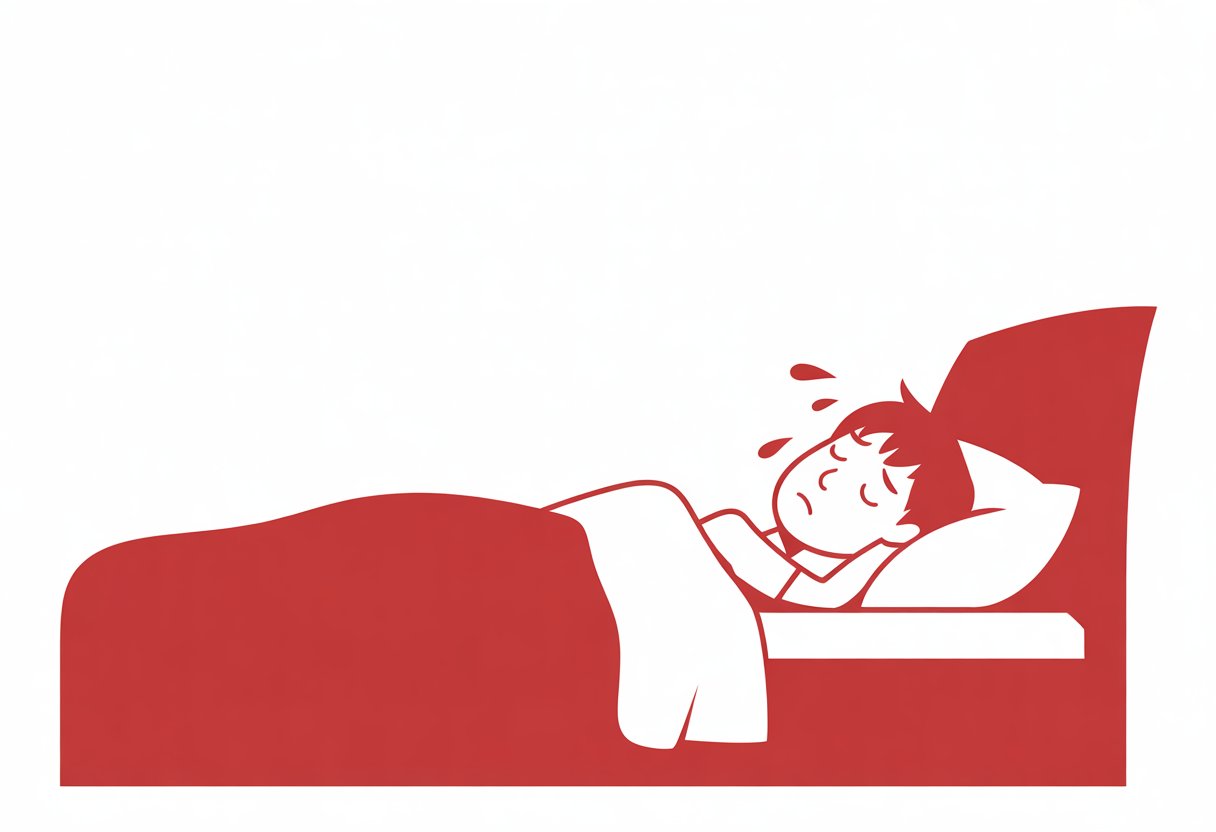
Understanding the causes of night sweats can help you figure out if your sweating is normal or if you need to talk to a doctor. In most cases, night sweats happen for simple reasons like a warm bedroom or heavy blankets. However, sweating in your sleep can sometimes point to underlying health issues that need attention. We'll explore what triggers night sweats, when you should be concerned, and what you can do to get relief.
Key Takeaways
- Night sweats are common and usually caused by simple factors like room temperature or hormonal changes
- Excessive sweating that soaks your clothes or sheets regularly may signal an underlying medical condition
- Most cases of night sweats can be managed by adjusting your sleep environment and lifestyle habits
What Is The Most Common Cause Of Night Sweats?
Hormonal Shifts
Major changes in hormone levels rank among the leading reasons people experience excessive sweating during sleep. Women going through menopause often deal with night sweats linked to hot flashes, with research showing up to 85 percent encounter these episodes. Pregnancy and the weeks following childbirth can also trigger these hormonal fluctuations.
Perimenopause marks the transition period when estrogen levels begin to drop irregularly. This phase can last several years before menopause fully sets in.
Additional hormonal issues include:
- Hyperthyroidism: An overactive thyroid speeds up metabolism and increases body temperature
- Diabetes: Low blood sugar or hypoglycemia during sleep may trigger sweating
- Testosterone changes: Both low testosterone and hormone replacement therapy can affect body temperature
- Other conditions: Hypogonadism and various hormonal disorders impact how we regulate heat
Medications And Substances
Many prescription drugs list excessive sweating as a side effect. Antidepressants, particularly SSRIs used for depression and anxiety, commonly cause this problem. Steroids and corticosteroids can increase nighttime perspiration as well.
Fever-reducing medications work by triggering sweat production to cool the body down. Blood pressure drugs, diabetes medications, and thyroid medications may also lead to increased sweating. Some cancer treatments and pain medications affect how our bodies control temperature during rest.
Substances like alcohol, caffeine, and recreational drugs can disrupt normal temperature regulation too.
Infection
Serious bacterial and viral infections sometimes cause us to sweat heavily at night. Conditions like tuberculosis and HIV are known culprits, though these typically come with other warning signs.
We should note that common colds and flu can also trigger sweating as the body fights infection. Other symptoms like fever, chills, nausea, or headaches alongside night sweats warrant medical attention.
Anxiety
Stress and anxiety disorders frequently disrupt sleep patterns and temperature control. People with anxiety may wake up drenched in sweat even when the room temperature is comfortable.
These episodes can happen during panic attacks or general periods of heightened stress. Managing the underlying anxiety through therapy or medication often reduces how much we sweat at night.
Hyperhidrosis
Hyperhidrosis causes people to sweat excessively beyond what the body needs for cooling. Primary hyperhidrosis affects specific areas without an underlying medical cause. Secondary hyperhidrosis stems from other health conditions like obesity, sleep apnea, GERD, autoimmune disorders, or neurological conditions.
Unlike other causes, this sweating disorder affects us around the clock, not just during sleep.
Is It Normal To Sweat At Night While Sleeping?
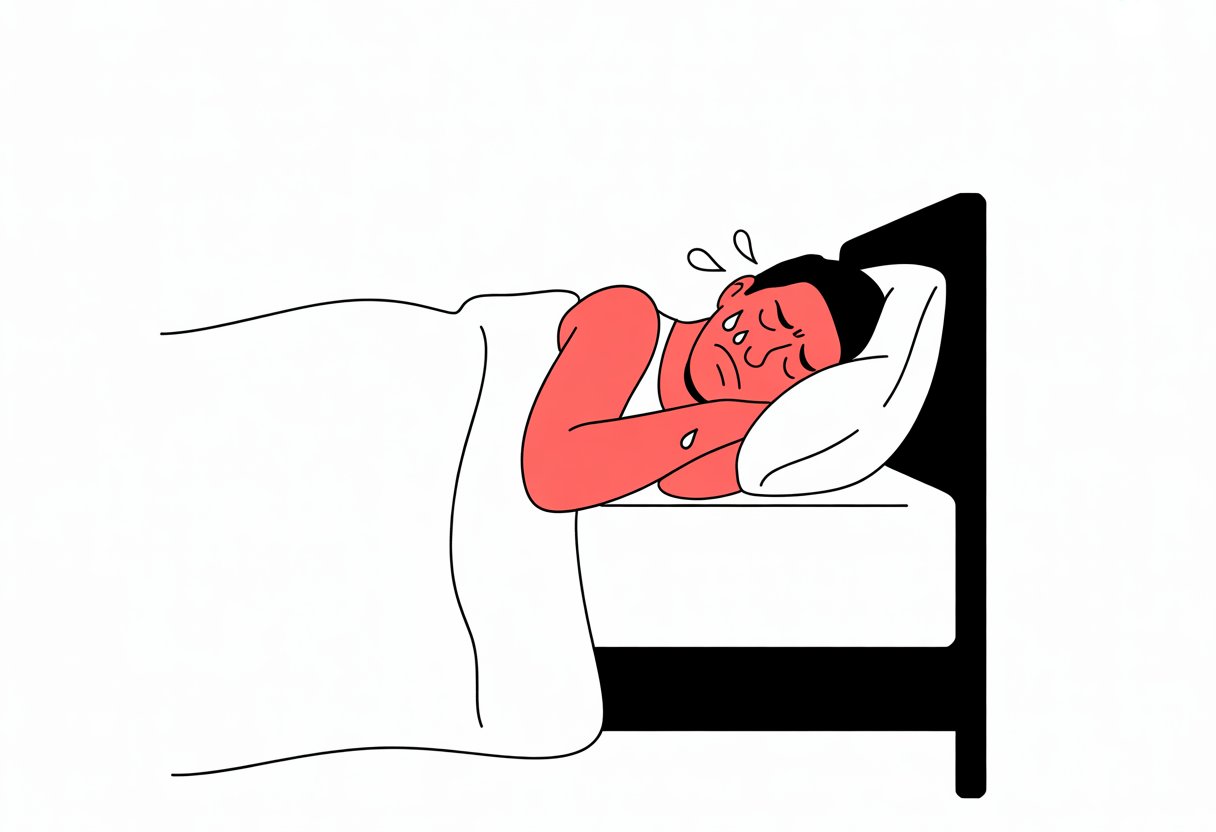
Light sweating during sleep is a normal part of how our bodies regulate core temperature throughout the night. Our bodies naturally cool down as we rest.
However, waking up drenched in sweat on a regular basis is not typical. If adjustments to your bedroom temperature and bedding don't help, we recommend consulting a doctor to rule out underlying health concerns that may be affecting your sleep quality.
What Is The Difference Between Night Sweats And Hot Flashes?
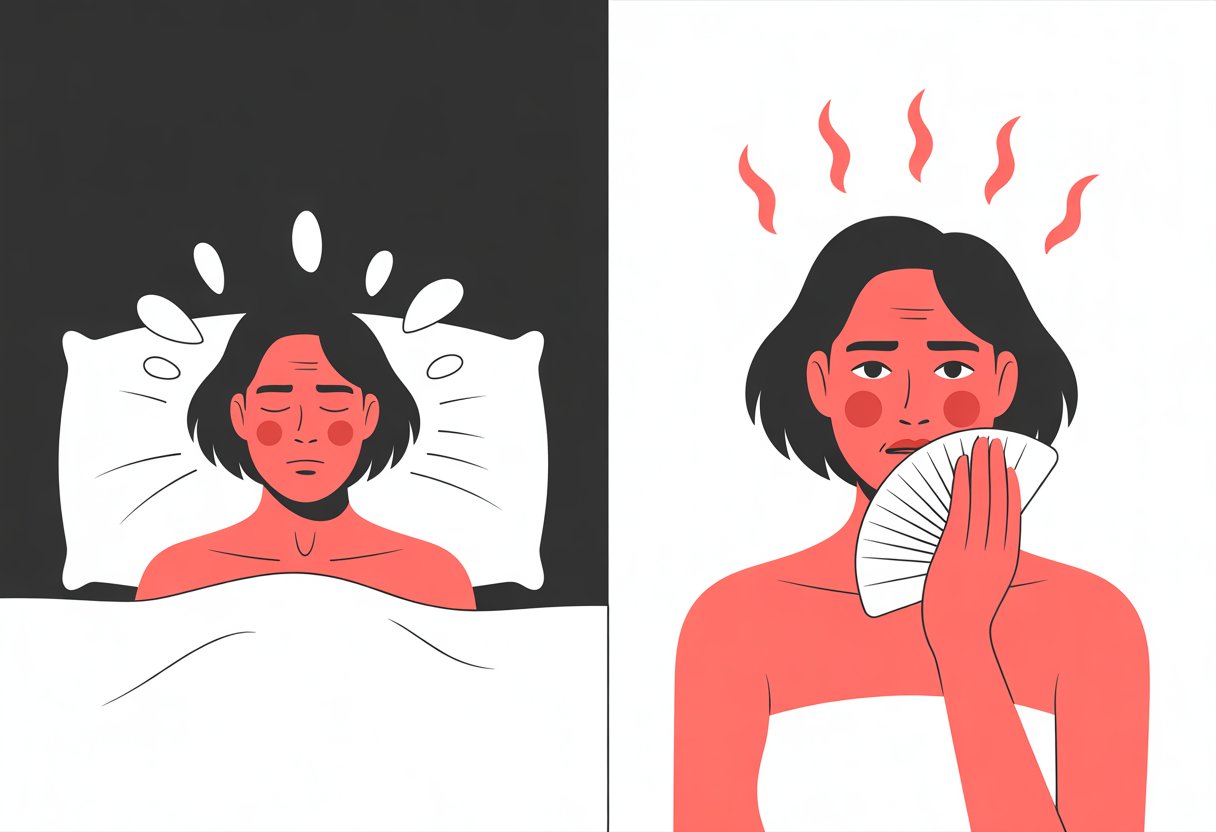
Hot flashes and night sweats are vasomotor symptoms that share similar characteristics but differ in when they occur. Hot flashes can happen at any point during the day or night while we're awake or asleep.
Night sweats happen specifically during sleep and involve extreme heat and perspiration. Both create sudden feelings of intense warmth throughout the body.
The main distinction is timing. Night sweats are not simply hot flashes that occur late in the evening. They may last longer and produce more perspiration than daytime episodes.
When Should I Be Concerned About Night Sweats?
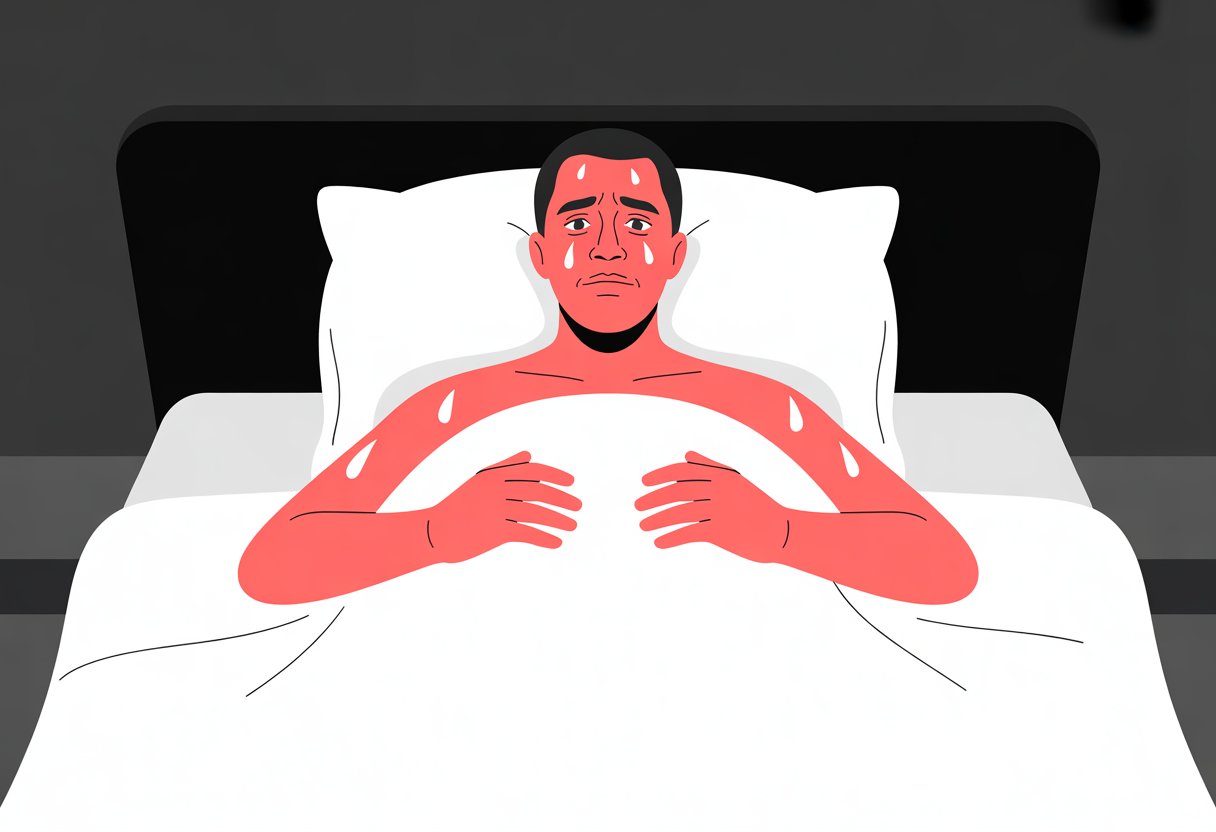
Most of the time, night sweats are just an annoyance rather than a sign of something serious. However, we recommend talking to a doctor if your sweating starts without warning and doesn't improve with simple changes.
Pay attention if your night sweats come with other warning signs. A fever along with excessive sweating needs medical attention. Watch for these symptoms:
- Unexplained weight loss that happens without trying
- Chronic tiredness that doesn't go away with rest
- Breathing problems during sleep, like gasping for air
- Body aches or general pain
- Swelling in different parts of your body
- Chills that come and go
- Loss of appetite or not wanting to eat
- Weakness or numbness in your limbs
If you notice these symptoms lasting two weeks or longer, schedule an appointment with your healthcare provider.
How Do I Manage Night Sweats?
We can take steps at home to reduce sweating during sleep. These methods work best when night sweats aren't caused by serious medical conditions. They help create a better sleep environment and may provide relief.
Get Ready Before Sleep
We should cool our bodies down before getting into bed. A cool shower helps lower body temperature.
Light sleepwear made from breathable fabrics works better than heavy pajamas. We need to stay hydrated, so keeping water nearby helps in two ways. It cools us down when we feel hot and replaces fluids lost through excessive sweating.
Other cooling methods include:
- Placing a cool cloth on the face or neck
- Putting an ice pack under the pillow
- Using a damp towel on the forehead
These simple steps help prevent night sweats from disrupting sleep. We can try different combinations to see what works best.
Lower Your Sleep Environment Temperature
The room temperature affects how much we sweat at night. A cooler bedroom improves sleep quality overall. The ideal temperature sits around 18 degrees Celsius.
Without air conditioning, we can:
- Open windows for fresh air
- Run a fan to keep air moving
- Use a CPAP machine if we have sleep apnoea, which can reduce sweating episodes
Fans help by moving air across the skin. This movement pulls heat away from our bodies and helps sweat evaporate faster.
Identify What Causes Sweating
Certain things trigger night sweats in different people. We need to track what happens before sweating episodes start.
Common triggers include:
| Trigger Type | Examples |
|---|---|
| Food | Spicy foods, hot meals |
| Drinks | Caffeine, alcohol before bed |
| Activities | Exercise close to bedtime |
| Substance use | Tobacco, certain drugs |
We should avoid these triggers for several hours before sleep. Cutting out alcohol before bedtime and reducing caffeine intake during the afternoon helps many people. This treatment for night sweats takes time but often brings results.
Change Your Bedding Materials
Heavy blankets and thick sheets trap heat. We need breathable bedding that lets air flow through.
Look for sheets and covers that:
- Allow air circulation
- Pull moisture away from skin
- Feel light and cool
Some mattresses also promote cooler sleeping. These products help create a better sleep environment. We might also use antiperspirants before bed if sweating is severe.
Changing one piece of bedding at a time helps us figure out what makes the biggest difference. Staying hydrated throughout the day also supports our body's ability to regulate temperature at night.
Frequently Asked Questions
What leads to heavy perspiration at night?
Our bodies naturally regulate temperature during sleep, but sometimes this process goes into overdrive. When we produce more sweat than necessary to cool down, we experience what many call night sweats.
The bedroom environment plays a big role. If our room is too warm, we wear heavy pyjamas, or we use thick bedding, our body tries to cool itself through sweating.
Sometimes the causes go beyond comfort. Our body temperature naturally drops during sleep, but certain factors can disrupt this pattern. Stress and anxiety can trigger our nervous system to increase sweat production even when we're resting.
Can health issues cause us to wake up soaking wet?
Yes, several medical problems can make us sweat heavily during sleep. Infections often cause fever, which leads to increased perspiration as our body fights off illness.
An overactive thyroid speeds up our metabolism, causing us to produce excess heat and sweat. Sleep disorders like sleep apnoea can also trigger sweating episodes throughout the night.
More serious conditions need attention too. Certain cancers, particularly lymphoma, may present with drenching sweats. We might also experience weight loss, fever, or unexplained pain alongside the sweating.
Common medical causes include:
- Infections and fevers
- Thyroid problems
- Diabetes
- Heart conditions
- Neurological disorders
- Certain types of cancer
How do our eating and living habits impact nighttime sweating?
What we consume before bed directly affects our body temperature. Spicy foods, caffeine, and alcohol all increase our internal heat and can trigger sweating episodes.
Alcohol might make us feel sleepy, but it disrupts our sleep quality and raises our body temperature. We process alcohol during the night, which can lead to excessive sweating.
Our daily habits matter too. Regular exercise helps regulate our body temperature, but working out too close to bedtime can keep our core temperature elevated. Maintaining a healthy weight also helps, as extra body mass can increase heat production.
Lifestyle factors to consider:
| Factor | Effect on Sweating |
|---|---|
| Evening alcohol consumption | Increases body temperature and sweat production |
| Spicy foods before bed | Triggers thermal response and perspiration |
| Heavy meals at night | Raises metabolism and body heat |
| Late exercise | Keeps core temperature elevated |
| Stress levels | Activates sweat glands through nervous system |
What options help us control excessive nighttime perspiration?
We can start with simple environmental changes. Keeping our bedroom between 15-19°C creates ideal sleeping conditions. Using breathable cotton sheets and lightweight pyjamas allows better air circulation.
A fan or air conditioning unit helps maintain steady airflow. We should choose moisture-wicking bedding materials that pull sweat away from our skin.
Medical treatments exist for persistent problems. Doctors may prescribe antiperspirants with higher aluminium content for nighttime use. In some cases, medications that reduce sweating provide relief.
Practical management strategies:
- Lower bedroom temperature
- Use breathable, natural fabrics
- Keep a glass of cold water nearby
- Take a cool shower before bed
- Use moisture-wicking sleepwear
- Consider a cooling mattress pad
- Practice relaxation techniques
How do hormonal changes affect our sleep perspiration?
Hormones significantly influence our body's temperature regulation. During menopause, fluctuating oestrogen levels cause hot flushes and sweating during sleep. These episodes can wake us multiple times per night.
Pregnancy brings hormonal shifts that increase blood flow and raise body temperature. Many pregnant people experience increased sweating, especially during the third trimester.
Testosterone changes affect people too. Low testosterone levels in men can trigger sweating episodes similar to menopausal symptoms.
The thyroid produces hormones that control metabolism. When this gland produces too much hormone, our metabolism speeds up, generating excess heat and perspiration.
Do prescription drugs increase sweating while we sleep?
Many medications list increased sweating as a side effect. Antidepressants, particularly SSRIs, commonly cause night sweats in people who take them.
Hormone therapy medications can disrupt our body's temperature control. Diabetes medications sometimes cause blood sugar fluctuations that lead to sweating.
Pain relievers like aspirin and acetaminophen may trigger sweating in some people. Blood pressure medications can also affect our body's cooling system.
Medication categories that may cause sweating:
- Antidepressants (SSRIs, SNRIs)
- Hormone treatments
- Diabetes medications
- Fever reducers
- Steroids
- Blood pressure drugs
- Some antibiotics
We should never stop taking prescribed medications without consulting our doctor. If we suspect our medication causes excessive sweating, our healthcare provider can adjust dosages or suggest alternatives.
 by
by 


