

















8 Science-Backed Tips for
Your Best Night's Sleep.
Fall asleep faster, stay asleep longer, and wake up energised. These expert-recommended habits will transform the way you rest.
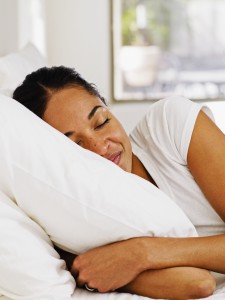
Great Sleep Is Not a Luxury — It Is a Skill
A great day starts with great sleep. At National Mattress, we have helped thousands of Canadians wake up refreshed by pairing expert advice with high-quality, fairly-priced mattresses. The truth is, how well you sleep is not just about your mattress — it is about your habits, your environment, and your routine.
Use the science-backed tips below to build a sleep routine that works for your body. Small changes can make a dramatic difference in how quickly you fall asleep, how deeply you stay asleep, and how you feel when the alarm goes off.
Your 8-Step Guide to Better Sleep
These tips are grounded in sleep science and recommended by health professionals worldwide. You do not need to overhaul your life overnight — start with one or two and build from there.
Keep a Consistent Sleep Schedule
Go to bed and wake up at the same time every day — including weekends. Consistency trains your internal body clock (circadian rhythm) and makes it easier to drift off naturally. Even on days off, try to stay within 30 minutes of your usual schedule.
Build a Wind-Down Routine
Signal "sleep mode" with 30 minutes of relaxing activities before bed: a warm shower, gentle stretches, soft music, or a few chapters of a book. Dimming the lights and putting screens away reduces blue-light stimulation and tells your brain it is time to rest.
Optimise Your Sleep Environment
Your bedroom should be cool, dark, quiet, and comfortable. Small adjustments to your environment can have a significant impact on sleep quality.
Reserve the Bedroom for Sleep and Intimacy
Working, watching TV, or scrolling through your phone in bed teaches your brain that the room is for activity, not rest. Keep electronics and paperwork elsewhere so your brain associates the bedroom with sleep.
Finish Big Meals at Least 2 Hours Before Bed
Heavy or spicy food can trigger indigestion and nighttime wake-ups. If you are hungry later in the evening, reach for a light snack such as yogourt or a banana — both contain nutrients that can support better sleep.
Move Daily — But Not Right Before Lights-Out
Regular exercise improves sleep pressure and REM quality, making it easier to fall and stay asleep. However, high-intensity workouts in the last two hours before bed can spike adrenaline and core temperature, making it harder to wind down.
Avoid Nicotine and Limit Caffeine
Both are stimulants that interfere with your ability to fall asleep. Caffeine can linger in your bloodstream for 6–8 hours, so aim for a cut-off time around mid-afternoon. Even decaf coffee contains small amounts of caffeine, so switch to herbal tea in the evening.
Drink Alcohol Sparingly
Nightcaps may make you feel drowsy, but alcohol fragments REM stages — the deepest, most restorative phase of sleep. This leads to early-morning awakenings, grogginess, and lower overall sleep quality, even if you slept for a full eight hours.
"Great sleep is not about doing one thing perfectly — it is about building small, consistent habits that add up over time. Start with the tip that feels easiest and build from there."
— The National Mattress Sleep Team
Quick Reference: Sleep Do's and Don'ts
Do
Keep a consistent wake time, even on weekends. Wind down with screens off 30 minutes before bed. Keep your room cool, dark, and quiet. Exercise regularly, earlier in the day. Choose a mattress that supports your sleep position.
Don't
Consume caffeine after mid-afternoon. Eat heavy meals close to bedtime. Use your phone or laptop in bed. Rely on alcohol to fall asleep. Exercise intensely within two hours of lights-out.
Frequently Asked Questions
How many hours of sleep do adults actually need?
Why do I wake up in the middle of the night?
Does my mattress really affect sleep quality?
What is the best room temperature for sleeping?
How long before bed should I stop using screens?
Is it bad to sleep in on weekends?
Can exercise help me sleep better?
What should I do if I cannot fall asleep after 20 minutes?
Ready for Deeper, Uninterrupted Sleep?
The right mattress is the foundation of every good night's rest. Explore our collection online or visit us in-store for pressure-free, expert guidance.


