
People living with scoliosis often struggle to find comfortable sleeping positions and wake up feeling tired or in pain. The sideways curve in the spine that defines this condition can make it challenging to maintain proper alignment during sleep. Choosing the right mattress becomes an important decision that can affect both sleep quality and daily comfort levels.
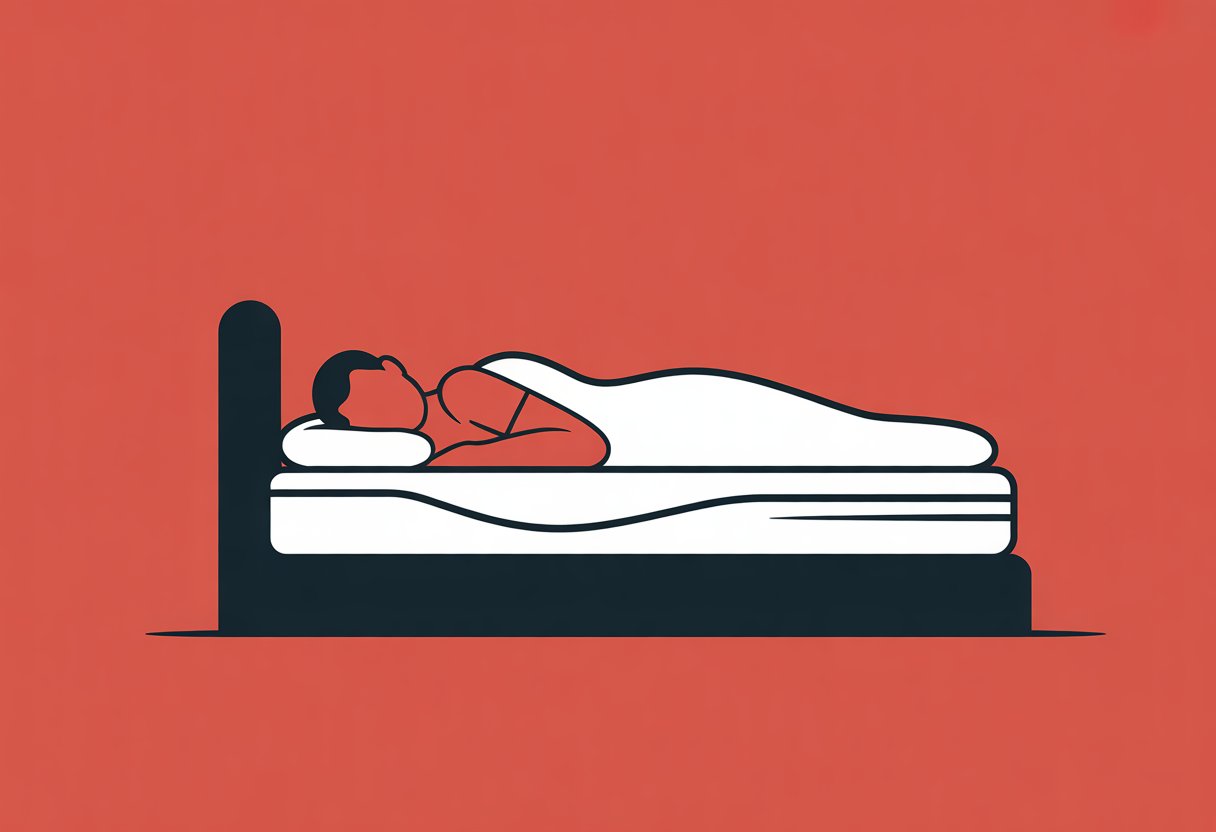
We created this guide to help you understand which mattress features matter most when you have scoliosis. You'll learn about the connection between mattress types and spinal support, plus discover practical tips for better sleep. Whether you're shopping for yourself or helping someone else find relief, this information will make the selection process easier.
Key Takeaways
- Medium-firm mattresses are commonly recommended by healthcare professionals for people with scoliosis
- The best mattress choice depends on your body type, sleeping position, and individual symptoms
- Proper mattress selection can reduce chronic pain and improve overall sleep quality for those with spinal curves
What Is Scoliosis?
Scoliosis is a medical condition where the spine develops an abnormal sideways curve instead of growing straight. The spinal curve can appear in different areas of the back and may cause discomfort or sleep problems for those affected.
Several factors can lead to this condition, including inherited traits, uneven muscle development, or underlying medical issues. We recommend consulting with a doctor if symptoms appear in yourself or your child to ensure proper care.
Common Types of Scoliosis:
- Idiopathic scoliosis - the most frequent form with no clear cause
- Typically develops during childhood or teenage years
- Can also affect adults in some cases
The severity of the spinal curve varies from person to person. Some people experience minor curves that cause few problems, while others develop more significant curves that affect daily activities and comfort.
What Are the Symptoms of Scoliosis?

The spine's abnormal curve stands as the primary sign of this condition. We can often spot this when viewing someone's posture from different angles.
Common signs include:
- Back or neck discomfort
- Trouble getting restful sleep
- Ongoing tiredness
- Changes in how someone stands or sits
- Shoulders that appear at different heights
- Hips positioned unevenly
- Clothes that hang awkwardly or fit strangely
These symptoms can affect spinal health and lead to chronic back pain over time. The back muscles may work harder to compensate for the curved spine. Some people also experience sleep disorders due to discomfort while lying down.
We recommend consulting a doctor if these signs appear in you or your child for proper assessment and care.
What Leads to Scoliosis?
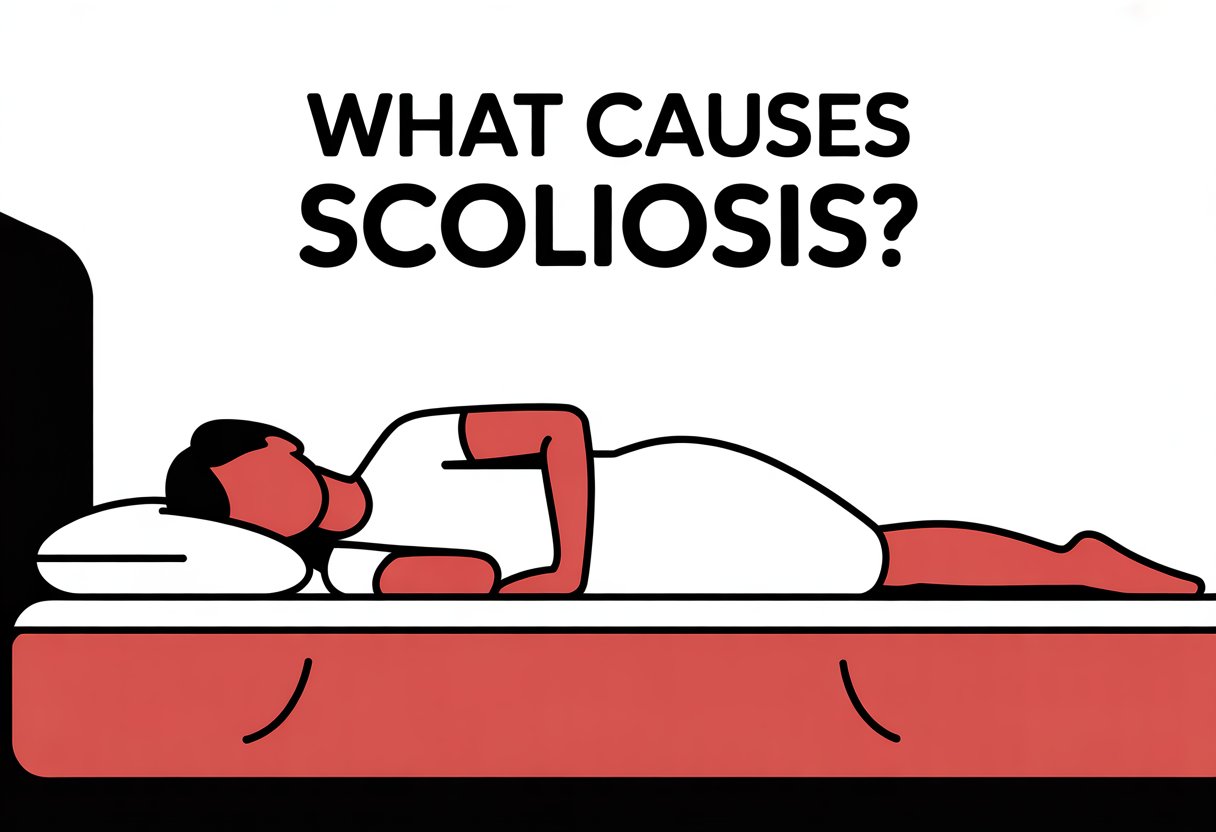
Multiple factors can result in the development of scoliosis. Some people inherit the condition through their family genes. When parents or grandparents have scoliosis, their children face higher chances of developing it too.
Unequal muscle strength plays another role in causing scoliosis. Children with one arm or leg that's weaker than the other often show uneven muscle growth. This imbalance can pull the spine into an abnormal curve.
Certain medical conditions also trigger scoliosis. Cerebral palsy and muscular dystrophy are two examples of diseases that can lead to spinal curvature. Physical therapy helps manage these conditions and may reduce their impact on the spine.
In many situations, doctors cannot identify why scoliosis occurs. We call this idiopathic scoliosis when no clear cause exists.
5 Things to Look For When Choosing a Mattress for Scoliosis
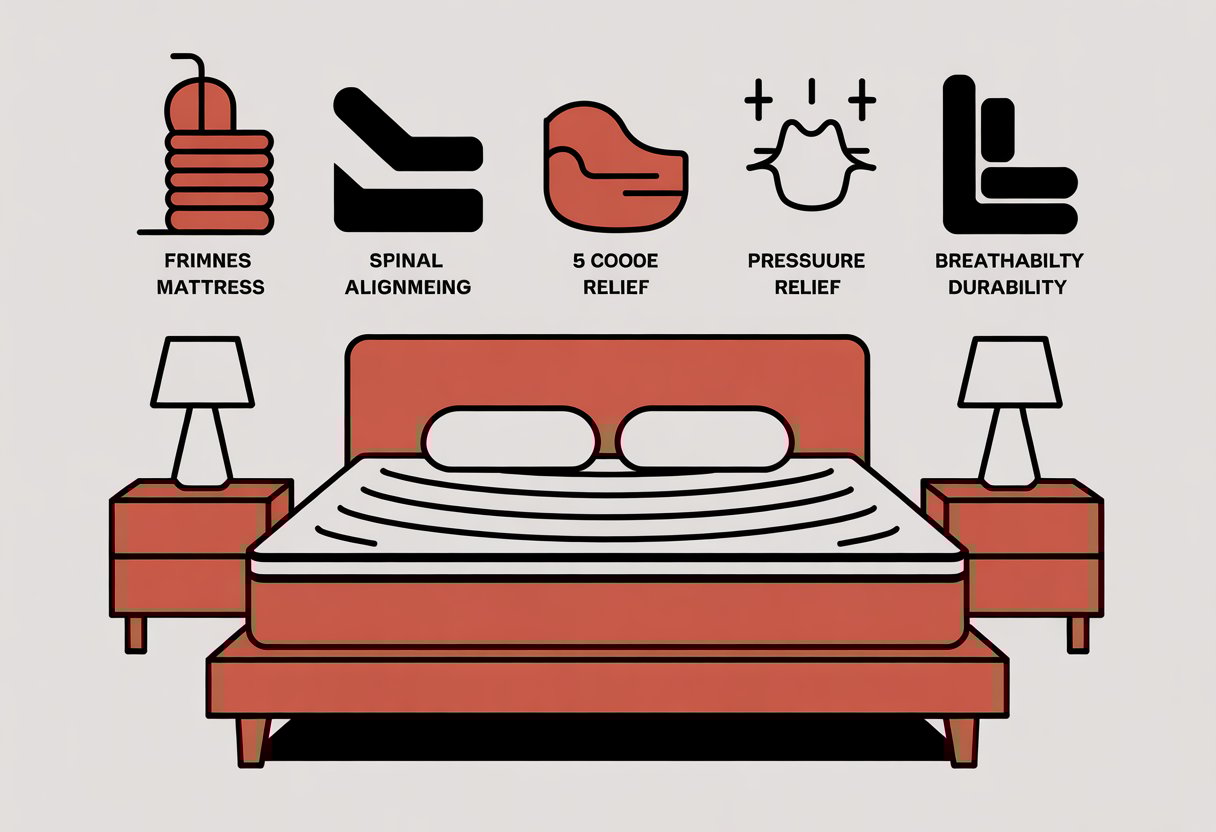
Selecting the right mattress requires attention to specific features that address the unique needs of those with scoliosis.
Proper Spinal Support
The best mattresses for scoliosis maintain natural spine positioning throughout the night. We recommend looking for options that keep your back aligned while you sleep, which helps minimize discomfort and may prevent your condition from progressing.
Adequate Pressure Point Relief
Your mattress should cushion areas like hips and shoulders without creating excessive pressure. A medium-firm mattress typically provides the right balance between comfort and support, allowing your body to rest without strain on sensitive areas.
Strong Foundation
A supportive mattress distributes your weight evenly across the sleep surface. This prevents additional curving and provides the stability your spine needs during rest.
Long-Lasting Construction
We suggest choosing mattresses built to maintain their shape and support over many years. Durable materials ensure consistent performance, which is essential for ongoing back pain relief.
Protective Policies
Look for products with comprehensive warranties and generous sleep trial periods. Many manufacturers offer a 365-night trial or even a lifetime warranty, giving you time to determine if the mattress works for your specific needs. These policies protect your investment and allow for returns if the product doesn't meet your expectations.
Types of Mattresses and How They Affect Scoliosis
Memory Foam Mattresses
A memory foam mattress provides pressure relief and support that works well for people managing scoliosis. The foam contours to your body's shape and helps maintain proper spinal alignment throughout the night.
Key benefits include:
- Reduces pressure on hips and shoulders
- Adapts to your unique spinal curve
- Long-lasting durability
Many brands offer gel-infused memory foam options that help regulate temperature. We find these foam mattresses typically come with solid warranties and trial periods.
Latex Mattresses
Latex mattresses deliver comparable benefits to memory foam while offering a more responsive feel. These organic mattress options naturally conform to your body without synthetic materials.
The main difference is the bouncier surface that makes changing positions easier. However, they usually cost more than standard foam options.
Innerspring and Pocket Coil
Innerspring mattresses offer less pressure relief compared to foam or latex options. Traditional coil systems may create pressure points where the spine curves.
Hybrid mattress designs combine coils with foam layers for better support. These work with an adjustable base to help find comfortable sleeping positions. While pocket coil systems cost less upfront, they may need replacement sooner than other mattress types.
How Should You Sleep with Scoliosis?
When managing scoliosis during sleep, your sleep position plays an important role in comfort and spinal health. We recommend side sleeping as the preferred position for most people with this condition. Side sleepers often experience less pain and better sleep quality compared to other positions.
Back sleeping can work for some individuals, though it depends on the curve of your spine. Back sleepers should ensure their mattress provides adequate support to maintain proper alignment.
We strongly advise against stomach sleeping. Stomach sleepers put extra strain on their spine, which can worsen symptoms and reduce sleep comfort. This position forces the neck to turn and creates unnatural spinal twisting.
Using the right pillow is essential for maintaining spinal alignment throughout the night. The pillow should support your neck and head properly based on your preferred sleep position. A supportive mattress combined with proper pillow placement helps promote healthy sleep and reduces pressure on your back.
Final Thoughts
People with scoliosis need the right sleep surface to manage their condition effectively. While scoliosis cannot be cured, the proper mattress makes a real difference in comfort and symptom management.
We recommend considering memory foam or latex options for those dealing with this spinal condition. These materials deliver the spinal alignment and pressure relief that people with curved spines require. Both types conform to your body while providing adequate support.
Sleep position matters just as much as mattress choice. Side sleeping works best for maintaining proper alignment. Place a pillow between your knees to keep your spine neutral and reduce back pressure.
What to avoid:
- Stomach sleeping positions
- Mattresses that are too soft or too firm
- Skipping proper pillow support
We offer an extensive range of memory foam and latex mattresses at guaranteed low prices. Browse our selection online or visit us in-store to find the right fit for your needs.
Common Questions About Mattresses and Scoliosis
What Mattress Characteristics Provide Optimal Support for People Living with Scoliosis?
We recommend looking for mattresses that combine proper spinal alignment with pressure relief. A medium-firm comfort level works well for most people with scoliosis because it prevents excessive sinking while cushioning pressure points.
Key features include:
- Zoned support systems that provide different firmness levels across the mattress
- Responsive materials that adapt to your body's curves
- Edge support to prevent rolling off during sleep
- Adequate thickness of at least 25 centimetres for proper cushioning
A hybrid construction combining coils with foam layers delivers both conforming comfort and structural support. The coil system maintains proper spine positioning while the comfort layers reduce pressure on sensitive areas.
Does Mattress Firmness Level Affect How Well Someone with Scoliosis Sleeps?
Firmness directly impacts sleep quality for scoliosis patients. We find that mattresses on the firmer end of medium prevent the spine from bending into unnatural positions during sleep.
Too soft: Your body sinks excessively, creating additional curve in the spine and causing morning stiffness.
Too firm: Pressure builds at contact points like shoulders and hips, leading to discomfort and frequent position changes.
Medium-firm: Balances support with comfort, keeping the spine in a neutral position throughout the night.
Your sleeping position also matters. Side sleepers with scoliosis need slightly softer mattresses than back sleepers to accommodate shoulder and hip width.
Can Choosing the Correct Mattress Reduce Scoliosis-Related Discomfort?
The right mattress helps reduce extra strain on muscles and joints affected by spinal curvature. While a mattress cannot correct scoliosis itself, it can minimize pain by maintaining proper alignment during sleep.
We see pain relief happen through:
- Reducing pressure on nerves compressed by the spinal curve
- Supporting muscles that work harder to compensate for spine position
- Preventing additional twisting or bending while sleeping
- Allowing the body to relax fully without fighting against the sleeping surface
Many people with scoliosis wake up with less stiffness and soreness after switching to a properly supportive mattress. The improvement typically becomes noticeable within two to three weeks.
Which Materials Work Best in Mattresses for Those Managing Scoliosis?
We recommend several material types depending on individual needs and preferences.
| Material Type | Benefits for Scoliosis | Considerations |
|---|---|---|
| Memory Foam | Contours closely to body curves, distributes weight evenly | May retain heat, slower response time |
| Latex | Responsive support, naturally cooling, durable | Higher price point, firmer feel |
| Hybrid | Combines foam comfort with coil support | Heavier, more expensive than all-foam |
| Innerspring with Pillow Top | Traditional support with added cushioning | Less contouring than foam options |
Memory foam works well for pressure relief and adapts to the unique shape created by scoliosis. Latex provides similar benefits with better temperature regulation and faster response.
Hybrid mattresses are frequently recommended because they deliver deep conforming comfort alongside the structural support needed for proper alignment.
What Mattress Options Support Proper Spine Growth in Children with Scoliosis?
Children with scoliosis need mattresses that support developing spines while accommodating growth. We suggest medium-firm mattresses that won't allow excessive sinking but still provide comfortable cushioning.
Important factors for children include:
- Adequate support to prevent worsening of the spinal curve during sleep
- Breathable materials since children often sleep warmer than adults
- Non-toxic certifications to ensure safety
- Appropriate size with room to grow
A hybrid or latex mattress often works better than pure memory foam for children. These materials provide responsive support that adjusts as the child moves during sleep.
Consult with your child's orthopaedic specialist before selecting a mattress. They may have specific recommendations based on the severity and type of scoliosis curve.
How Frequently Should We Replace a Mattress When Managing Scoliosis?
We recommend replacing mattresses every six to eight years to maintain proper support for scoliosis. However, you may need replacement sooner if you notice specific signs of wear.
Replace your mattress when you experience:
- Waking up with increased pain or stiffness
- Visible sagging or indentations deeper than 2.5 centimetres
- Feeling springs or support structures through the comfort layers
- Needing extra pillows or padding to feel comfortable
People with scoliosis put different pressure on mattresses due to uneven weight distribution. This can cause faster breakdown in certain areas.
Check your mattress every six months by lying in your normal sleeping position. If you sink noticeably or feel the mattress isn't supporting you evenly, consider replacement even if the mattress is relatively new.
Higher-quality mattresses with better materials typically last longer and maintain their supportive properties throughout their lifespan.