
A Tempur-Pedic mattress is a big investment, and many people want to know how long do tempur-pedic mattresses last. Most Tempur-Pedic mattresses last between 8 and 12 years with proper care.
When asking how long does a tempurpedic mattress last, most owners find they get at least a decade of high-quality sleep. To understand what is the average life span of a tempur-pedic mattress, look at your tempur mattress construction. The actual lifespan depends on maintenance.
The quality of Tempur-Pedic's memory foam sets it apart from many other mattresses on the market. The company's proprietary material is designed to hold its shape and support over many years. However, even the best mattress won't last forever, and knowing what affects durability can help you get the most value from your purchase.
Understanding how to care for your Tempur-Pedic and recognising when it's time for a replacement will help you sleep better for years to come. The warranty coverage and maintenance practices you follow play a major role in how long your mattress stays comfortable and supportive.
Key Takeaways
-
Most Tempur-Pedic mattresses last 8 to 12 years, with some lasting up to 15 years when the mattress lifespan is maximized through proper care
-
Regular care like using a mattress protector and rotating your mattress can significantly extend its lifespan
-
Signs like sagging, body impressions, or declining comfort indicate it's time to replace your mattress
Average Life Span of a Tempur-Pedic Mattress
When considering what is the average life span of a tempur-pedic mattress, most owners can expect 8 to 10 years of use. Some reports suggest these beds remain comfortable for up to 15 years with excellent care. The unique TEMPUR material composition and density contribute to this extended durability compared to traditional mattress types.
Typical Longevity Compared to Other Mattress Types
Tempur-Pedic mattresses typically outlast many conventional mattress options. Traditional innerspring mattresses usually need replacement after 5 to 7 years. If you are researching how long do memory foam mattresses last, you will find that a high-quality tempur mattress often stays supportive for much longer.
Most Tempur-Pedic mattresses last 8 to 10 years on average, with many sleepers experiencing noticeable comfort decline between 6 and 8 years. Some estimates suggest that well-cared Tempur-Pedic mattresses can last as long as 15 years, nearly double the lifespan of some other mattress types.
The actual longevity depends on factors like body weight and maintenance. When asking how long does a tempurpedic mattress last, keep in mind that every tempur mattress includes a 10-year limited warranty.
This tempur-pedic warranty provides coverage during the mattress's prime years. High-quality care can extend your mattress lifespan well beyond the 10-year period.
How Tempur Material Influences Durability
The proprietary TEMPUR material offers superior durability compared to standard memory foam products. This high-density viscoelastic foam resists body impressions and maintains its pressure-relieving properties longer than conventional foam layers.
TEMPUR material's cell structure responds to temperature and weight rather than just pressure alone. This unique composition helps the material return to its original shape after each use, reducing permanent indentations.
However, the material does experience normal softening over time without affecting its core pressure-relieving qualities. The 25-year limited warranty for older models covers visible indentations greater than 0.75 inches that result from material deterioration rather than improper support.
The foam's density and quality control during manufacturing directly impact how long your Tempur-Pedic mattress maintains its supportive feel and comfort level throughout its usable life.
Factors Impacting Tempur-Pedic Mattress Lifespan
Several key factors determine how long your Tempur-Pedic mattress will maintain its comfort and support. Your body weight, how often you use the mattress, and the quality of materials all play significant roles in determining whether your mattress lasts 8 years or closer to 15.
Body Weight and Sleeping Habits
Your body weight directly affects how quickly memory foam compresses over time. Heavier sleepers create more pressure on the mattress surface, which accelerates foam breakdown in the areas where you sleep most often.
If you weigh more than 230 pounds, you may notice comfort decline sooner than lighter sleepers. The high-density TEMPUR material resists compression better than standard memory foam, but it still breaks down faster under consistent heavy pressure.
Your sleeping position also matters. Side sleepers concentrate their weight on smaller surface areas like hips and shoulders. Back and stomach sleepers distribute weight more evenly across the mattress.
Couples who share a mattress experience faster wear than solo sleepers. Two people create more overall pressure and increase the total time the foam remains compressed each night.
Usage Patterns and Room Environment
How often you use your mattress significantly impacts its lifespan. A mattress used every night wears faster than a guest room mattress used occasionally.
Room temperature affects foam durability. Heat causes memory foam to soften more quickly, which can lead to faster compression. If your bedroom stays consistently warm or you sleep hot, your mattress may lose support sooner.
Using a proper foundation prevents premature sagging. Placing your Tempur-Pedic on a worn box spring or flexible slats causes uneven support and accelerates breakdown. Most models require a solid, flat surface or platform base.
Mattress protectors shield against moisture, spills, and body oils that can degrade foam over time. Regular cleaning and protection help maintain the material's integrity throughout its lifespan.
Materials and Mattress Construction
Tempur-Pedic mattresses use higher-density foam than most memory foam mattresses, which explains their longer average lifespan of 8 to 10 years compared to traditional options. The TEMPUR material contains more foam particles per cubic foot, making it more resistant to permanent compression.
Different mattress types offer varying durability. When considering how long do memory foam mattresses last, hybrids typically last 7 to 10 years, while innerspring mattresses last only 5 to 7 years. Latex mattresses often outlast most foam options at 10 to 15 years.
The thickness and quality of comfort layers affect longevity. Thicker TEMPUR layers provide more material to compress before you feel the base layer, extending the period of adequate support. Cheaper memory foam models with thinner comfort layers lose support faster.
Care and Maintenance for Extending Lifespan
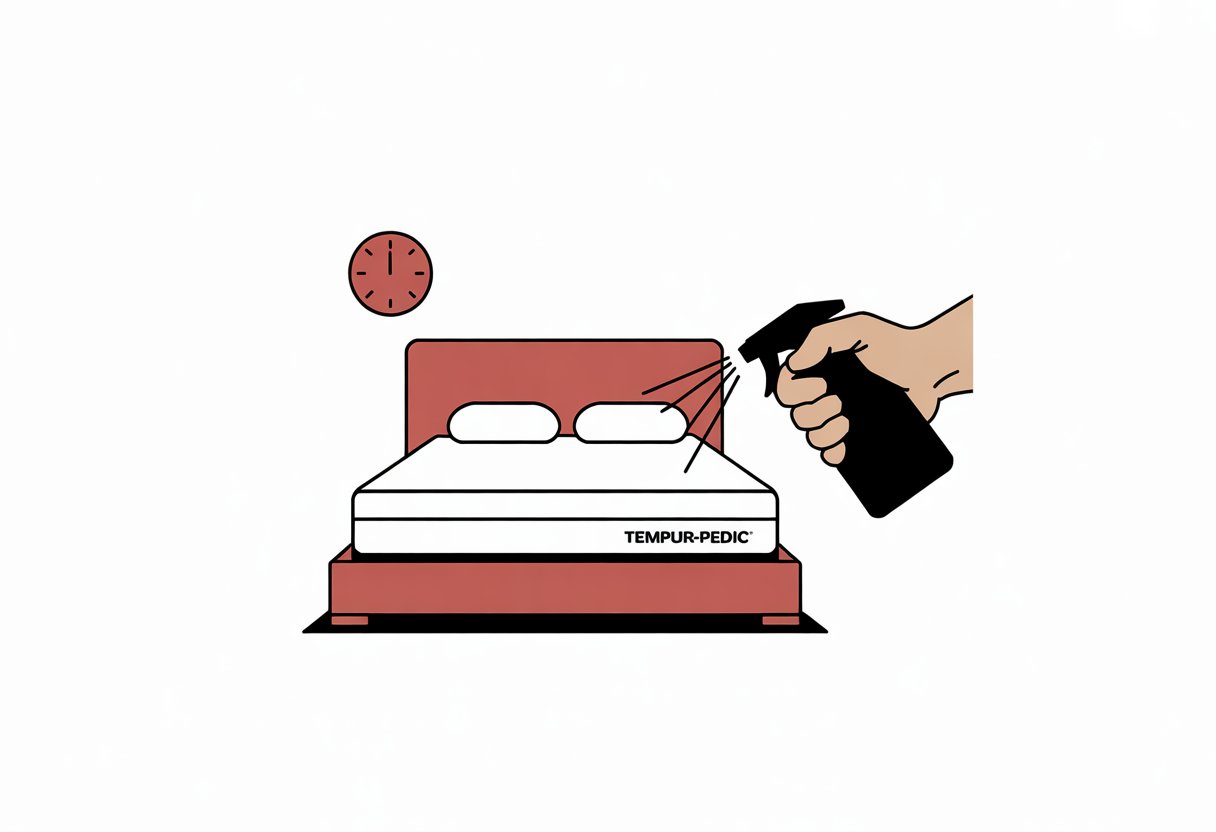
Proper care helps your Tempur-Pedic mattress maintain its quality and reach its full potential lifespan. Regular cleaning, correct handling, and protective measures prevent damage from spills, allergens, and daily wear.
Cleaning and Allergen Prevention
You should vacuum your tempur mattress surface every few months to remove dust mites and dead skin cells. Use your vacuum's upholstery attachment across the entire surface.
Removing dust mites regularly is essential for maintaining a healthy sleep environment. This practice also helps preserve the overall mattress lifespan by removing abrasive debris.
For spot cleaning, blot spills immediately with a clean, dry cloth. Mix a small amount of mild detergent with water, dampen another cloth with the solution, and gently dab the stained area. Never soak the foam or use harsh chemicals, bleach, or abrasive cleaners.
Allow your mattress to air out regularly by removing bedding for a few hours. This helps prevent mold and mildew growth by reducing moisture buildup. Keep your bedroom well-ventilated and maintain humidity levels between 30-50%.
If you have allergies, consider using allergen-proof covers underneath your regular mattress protector. Wash your bedding weekly in hot water to eliminate dust mites and their waste products.
Rotating and Mattress Handling
You should rotate your mattress 180 degrees every three to six months during the first few years of ownership. This distributes body impressions more evenly across the surface. After the initial break-in period, you can reduce rotation frequency to once or twice per year.
You should never flip a tempurpedic mattress. These beds are built with specific layers designed to stay on one side. If you attempt to flip a tempurpedic mattress, you risk damaging the internal structure and voiding your tempurpedic warranty.
When moving your mattress, keep it flat and avoid bending or folding the foam. Tempur material can crack if creased too severely. If you need to transport it, use a proper mattress bag and lay it flat in your vehicle when possible.
Importance of Mattress Protectors
A quality mattress protector creates a barrier against liquids, oils, sweat, and other contaminants that break down foam over time. Choose a waterproof but breathable protector designed specifically for memory foam mattresses.
Your protector should fit snugly without shifting during sleep. Look for options with deep pockets that accommodate the full height of your mattress plus any topper you might use.
Wash your mattress protector monthly according to the manufacturer's instructions. This regular cleaning prevents buildup of body oils and allergens while maintaining the protector's waterproof properties. Replace protectors that show signs of wear, such as tears or reduced water resistance.
Tempur-Pedic Mattress Warranty and Support
Tempur-Pedic backs their mattresses with a 10-year full replacement warranty that protects against manufacturing defects, and understanding what this coverage includes helps you protect your investment.
What the 10-Year Warranty Covers
The tempur-pedic warranty protects you against manufacturing defects for ten years. Having a valid tempurpedic warranty ensures you are covered if any defects in the material occur. If your mattress develops issues related to how it was made, the company will replace or repair it during this period.
The warranty specifically covers problems with the materials and workmanship of your mattress. This includes defects in the foam layers and issues with how the mattress was constructed at the factory.
Key covered issues include:
-
Manufacturing defects in the TEMPUR material
-
Workmanship problems in the mattress construction
-
Structural failures not caused by improper use
Your warranty remains valid as long as you follow the care instructions provided with your mattress.
Warranty Conditions and Limitations
Your Tempurpedic mattress warranty requires you to maintain certain standards to keep your coverage active. The warranty does not cover physical damage that occurs after purchase.
The warranty excludes:
-
Burns or fire damage
-
Liquid stains of any kind
-
Cuts, tears, or punctures
-
Normal wear and softening of materials
You must use a proper mattress protector to prevent stains, as even small marks can void your entire warranty. The warranty also requires your mattress to rest on an appropriate foundation that provides adequate support across the entire surface.
Most manufacturer warranties rely on the mattress being stain-free to remain valid. Keep your proof of purchase and ensure your mattress stays clean and undamaged to maintain full warranty protection.
Recognizing When to Replace Your Tempur-Pedic Mattress
Your mattress shows clear warning signs when it reaches the end of its useful life. Physical changes in the foam and noticeable impacts on how you feel each morning indicate it's time for a replacement.
Signs of Loss in Support or Comfort
You'll notice your Tempur-Pedic mattress needs replacement when visible indentations appear in areas where you sleep most often. The warranty covers indentations greater than 0.75 inches deep, which signals significant material breakdown.
Do Tempurpedic mattresses get softer? Yes, the TEMPUR material naturally softens over time with regular use. While some softening is normal and doesn't affect pressure relief, excessive softness means the foam has lost its ability to provide proper support.
Physical damage also indicates replacement time. Look for these warning signs:
-
Cracks or splits in the foam material
-
Tears or rips in the mattress cover
-
Sagging edges that make getting in and out difficult
-
Uneven surfaces that create uncomfortable sleeping positions
The mattress may also develop a permanent body impression that doesn't bounce back after you get up. The TEMPUR material should return to its original shape consistently, so loss of this recovery ability means the foam structure has degraded beyond normal wear.
Effects on Sleep Quality and Health
Poor sleep quality is often the first health indicator that your mattress needs replacement. You'll wake up feeling less rested even after a full night's sleep. Your body struggles to find comfortable positions throughout the night, leading to frequent tossing and turning.
Increased aches and pains signal inadequate support from your aging mattress. You might experience:
-
Morning stiffness in your back, neck, or shoulders
-
Numbness or tingling in your arms or legs
-
Hip or shoulder pain from pressure points
-
Chronic back discomfort that worsens overnight
What firmness Tempur-Pedic mattresses provide changes as they age. A mattress that once felt supportive may now feel too soft to maintain proper spinal alignment. This lack of support forces your muscles to work harder during sleep, preventing full relaxation and recovery.
Allergy symptoms can also worsen with an old mattress. Dust mites accumulate over years of use, triggering respiratory issues or skin irritation that disrupts your sleep quality.
Comparing Tempur-Pedic and Other Mattress Types
Tempur-Pedic mattresses use proprietary TEMPUR material that differs from standard memory foam in density and performance. Different mattress constructions offer varying lifespans, with some lasting significantly longer than others.
How Tempur-Pedic Differs from Memory Foam, Innerspring, Latex, and Hybrid Mattresses
Tempur-Pedic mattresses use TEMPUR material, which is denser and more durable than traditional memory foam mattress options. Standard memory foam typically has a lower density and breaks down faster over time.
Innerspring mattresses rely on metal coils for support. These coils can wear out and lose their shape, especially in areas where you sleep most often. The springs may also start to poke through the comfort layers after several years of use.
Latex mattresses are made from natural or synthetic rubber. They tend to be more responsive and bouncy compared to the slow-responding feel of Tempur-Pedic beds. Latex also sleeps cooler and maintains its shape well over time.
Hybrid mattresses combine foam comfort layers with innerspring coils. These beds aim to provide both pressure relief and bounce. The coil system in hybrid mattresses can affect how long they last, as the springs may wear out before the foam layers do.
Lifespan Expectations for Different Mattress Types
Traditional memory foam mattresses last 6 to 8 years on average. Innerspring mattresses have the shortest lifespan at 5 to 7 years. The metal coils lose their support faster than foam materials.
Hybrid mattresses typically last 7 to 10 years, falling between innerspring and foam options. Tempur-Pedic mattresses last 8 to 10 years, which puts them at the higher end of mattress longevity. Latex mattresses can last even longer, sometimes reaching 12 to 15 years with proper care.
The quality of materials and construction directly affects how long your mattress will serve you. Higher-density foams and better coil systems resist sagging and body impressions for more years than budget alternatives.
Best Practices for Maximising Longevity
Proper foundation support and consistent bedroom conditions play direct roles in preventing premature foam breakdown. Both factors reduce stress on the mattress materials and help maintain structural integrity over time.
Choosing a Suitable Bed Frame
Your bed frame needs to provide solid, evenly distributed support across the surface. A weak or sagging bed frame causes foam layers to bend unnaturally, which accelerates compression.
The right bed frame is a critical component in preserving the mattress lifespan. A sturdy base ensures that your tempur mattress stays flat and supportive for many years.
Platform beds with slats work well when the slats are no more than 8 centimetres apart. Wider gaps allow the mattress to sink between supports, creating stress points that wear out the foam faster. Solid platform bases eliminate this concern entirely.
Box springs are not recommended for Tempur-Pedic mattresses unless specifically designed for memory foam. Traditional box springs flex too much and don't provide the rigid support these mattresses require. Under-mattress support pads can reinforce older foundations temporarily, but they're not a permanent solution for inadequate bed frames.
Adjustable bases work exceptionally well because they distribute weight evenly while allowing position changes that reduce pressure on the same foam areas night after night.
Maintaining a Stable Bedroom Environment
Temperature and humidity directly affect how memory foam performs and ages. Excessive heat softens the foam material, making it compress more easily under body weight.
Keep your bedroom between 15°C and 21°C for optimal foam performance. Temperatures above 24°C accelerate foam degradation and reduce the material's ability to return to its original shape.
Humidity levels between 30% and 50% prevent moisture accumulation inside the foam layers. Too much moisture encourages mould growth and breaks down the cellular structure of memory foam. Use a dehumidifier in damp climates or during humid seasons.
Allow proper airflow around your mattress by avoiding tight-fitting bed skirts and leaving space between the mattress and walls. This prevents heat and moisture from becoming trapped underneath.
Frequently Asked Questions
Memory foam mattresses typically last 8-15 years depending on foam density and care, with proper maintenance like rotation and protection helping extend their useful life.
How long can I expect my memory foam mattress to last?
Most memory foam mattresses last between 8 and 10 years with regular use. When investigating what is the average life span of a tempur-pedic mattress, higher-quality options often extend beyond this range.
The lifespan depends on the foam's density and how much weight it supports daily. Lighter sleepers may get more years from their mattress than heavier individuals.
What factors contribute to the longevity of a high-density foam mattress?
Foam density is the most important factor in determining how long your mattress will last. Higher-density foams resist sagging and maintain their shape better over time.
The amount of weight your mattress supports affects its lifespan. Two people sleeping on a mattress will wear it out faster than one person.
How you care for your mattress also matters. Using a mattress protector prevents moisture and stains that can break down foam materials.
Is there a typical lifespan for mattresses made with viscoelastic materials?
Tempur-Pedic mattresses typically last 8-12 years depending on use and care. Some well-maintained models can last as long as 15 years.
The proprietary TEMPUR material is designed to spring back to its original shape repeatedly. This quality helps it maintain support longer than standard memory foam.
What maintenance practices can extend the life of a memory foam bed?
Rotating your mattress every three to six months helps distribute wear evenly. This prevents permanent body impressions from forming in one spot.
Use a waterproof mattress protector to shield against spills, sweat, and moisture. Liquids can damage foam and reduce its ability to provide proper support.
Keep your mattress on a proper foundation with adequate support. A sagging bed frame will cause your tempur mattress to wear out much faster than intended.
Are there any signs that indicate it's time to replace my foam mattress?
Visible sagging or permanent body impressions deeper than 2.5 centimetres mean your mattress has lost its support. You'll notice these indentations when no one is lying on the bed.
Waking up with new aches and pains suggests your mattress no longer provides adequate support. Your body needs proper alignment during sleep to avoid discomfort.
If you sleep better on other mattresses or feel more rested after nights away from home, your current mattress may be worn out. This is a clear sign it's time for a replacement.
How does the durability of a Tempur-Pedic compare to other mattress types?
Tempur-Pedic mattresses often outlast traditional innerspring mattresses by several years. Standard innerspring models typically need replacement after 6-8 years.
The company backs their products with a 25-year limited warranty, though full coverage only applies to the first 10 years. This warranty period exceeds what most other mattress manufacturers offer.
High-quality latex mattresses can match or exceed the lifespan of Tempur-Pedic models. Both materials resist sagging better than lower-density foams.