Shopping for a mattress has become much simpler thanks to online retailers. You can now compare prices, read reviews, and order a bed from home without visiting multiple stores. However, the wide selection of online options can feel overwhelming when you're trying to make the right choice.

We created this guide to help you buy a mattress online with confidence. You'll learn about different mattress types, how to pick the right firmness for your sleep position, and what to look for in a mattress when shopping within your budget. We'll also share tips for avoiding common mistakes so you can find the perfect bed for your needs.
Key Takeaways
- Understanding mattress types and firmness levels helps you choose the right bed for your sleep style
- Setting a budget before shopping makes it easier to find quality options without overspending
- Reading reviews and checking return policies protects you when buying a mattress online
Learn The Types Of Mattresses and Their Benefits
When shopping for a new bed, you'll find several different types of mattresses to choose from. Each style offers unique features and benefits that work better for different sleep preferences and budgets.
Memory Foam
Memory foam mattresses use dense polyurethane foam that moulds to your body shape as you sleep. The foam layers respond to your weight and heat, creating a custom fit that relieves pressure points.
These beds excel at supporting your spine while preventing that sinking feeling some people dislike. The high-density foam absorbs movement well, which makes them ideal if you share your bed with a partner.
Key benefits:
- Pressure point relief for shoulders and hips
- Motion isolation for undisturbed sleep
- Long-lasting durability
Memory foam mattresses cost more than spring options, but they typically maintain their support for many years. Some models include gel-infused foam to help regulate temperature throughout the night.
Pocket Coil
Pocket coil beds feature individual springs wrapped separately in fabric pockets. Each coil moves independently to support different parts of your body.
The pocketed coils create excellent motion isolation since movement stays contained to specific areas. This coil system provides firm support while adapting to your body's contours.
These mattresses often have higher coil counts than traditional spring beds. The investment pays off through better durability and support over time.
Hybrid Mattress
Hybrid mattresses combine foam and coils to deliver balanced comfort and support. The top foam layers provide pressure relief while the coil system underneath offers sturdy support and airflow.
Most hybrids feature memory foam or gel memory foam on top, with pocketed coils below. This design gives you the contouring benefits of foam mattresses with the bounce and breathability of innerspring beds.
Hybrids work well for various sleep positions and body types. They cost more than single-material beds but offer versatile performance.
Innerspring Mattress
Innerspring mattresses remain the most common mattress type available. These beds use interconnected coils wrapped in fabric layers to create a supportive sleep surface.
Advantages of innerspring beds:
- Budget-friendly pricing
- Easy to find in shops
- Familiar feel for most people
- Good airflow keeps you cool
The spring mattress design provides reliable support at an accessible price point. While they may not last as long as foam or pocket coil options, innerspring beds offer practical value for cost-conscious shoppers.
Latex Mattresses
Latex mattresses use either natural latex from rubber trees or synthetic latex materials. A latex foam mattress provides responsive bounce combined with solid support.
Natural latex offers an eco-friendly mattress option, while synthetic versions cost less. Both types deliver durable performance that outlasts many innerspring beds.
The latex foam creates a buoyant feel that prevents the slow-sinking sensation of memory foam. These beds also resist dust mites and mould naturally.
Choose The Best Firmness Level For Your Sleeping Position

The way you sleep at night plays a major role in determining which firmness works best for your body. We recommend matching your mattress firmness to how you rest each night.
Back Sleepers require a balance that keeps the spine in a neutral position. We suggest a medium-firm option because it prevents sinking while providing enough cushioning. This level supports proper spinal alignment without creating gaps under the lower back.
Side Sleepers need more give around the shoulders and hips. We recommend softer options that allow these areas to sink slightly into the surface. A soft to medium choice delivers better pressure relief and helps maintain alignment along the spine.
Stomach Sleepers benefit from firmer surfaces that prevent the midsection from dropping too deep. We advise choosing a firm mattress to keep the body level and avoid strain on the lower back.
Those with Joint Pain need extra cushioning around sensitive areas. We find that softer to medium options work well because they reduce pressure on the hips, shoulders, and knees. This approach can improve sleep quality by minimizing stiffness and discomfort.
| Sleep Position | Recommended Firmness | Reason |
|---|---|---|
| Back | Medium-Firm | Supports spine alignment |
| Side | Soft to Medium | Cushions shoulders and hips |
| Stomach | Firm | Prevents midsection sinking |
| Joint Pain | Soft to Medium | Reduces pressure points |
We believe choosing the right firmness level based on your preferred sleeping position helps reduce back pain and promotes better rest throughout the night.
Choose The Best Mattress For Your Budget
When shopping for a new mattress, prices typically range from $100 to $3,000. The final cost depends on which type you select and what mattress size works for your space.
Mattress prices by size:
- Twin mattress: lowest price point
- Queen mattress: mid-range pricing
- King mattress: higher cost
- California king mattress: premium pricing
Memory foam and latex options usually cost more than innerspring models because they use advanced materials and manufacturing processes. A luxury mattress offers premium comfort but requires a larger investment.
We recommend setting a realistic budget before you start shopping. Lower-priced options might seem appealing initially, but they often wear out faster. This means you could end up replacing your mattress sooner than expected, which costs more money over time.
Tips for Shopping Online for Mattresses

Buying a mattress through e-commerce platforms offers convenience and access to numerous options. We recommend following these guidelines to make your online mattress shopping experience successful.
Do Your Homework First
Before purchasing a new mattress, we suggest spending time learning about different mattress types and features. Understanding aspects like motion isolation, edge support, and temperature regulation helps you identify what matters most for your sleep needs.
Key factors to investigate include:
- Durability and quality materials used in construction
- Breathability features for proper airflow
- Motion transfer reduction capabilities
- Mattress base or box spring requirements
The online mattress industry offers various brands like Tuft & Needle alongside traditional mattress manufacturers. Taking time to compare options ensures you find the right fit.
Understand Return Terms
We recommend reviewing sleep trial policies before completing your purchase. Many online mattress companies offer trial periods ranging from 90 to 365 nights.
Check whether the retailer provides white glove delivery and removal services. Some brands charge fees for returns while others cover all costs.
Read Customer Feedback
Mattress reviews from verified buyers provide valuable insights about real-world performance. We suggest reading both positive and negative feedback about specific mattress brands and retailers.
Pay attention to comments about durability, comfort level, and customer service experiences. This information helps set realistic expectations.
Verify Product Availability
Before placing your order, we recommend confirming the mattress is in stock. Check estimated delivery times and any potential delays. Understanding inventory status prevents disappointment and helps you plan accordingly for your new mattress arrival.
Final Thoughts
You now have the knowledge you need to make a smart mattress purchase. Remember the key factors we covered about mattress types, firmness options, and online shopping considerations.
When you're ready to buy, purchasing a mattress online offers convenience and competitive pricing. Most companies provide trial periods of around 100 days when you buy directly from the manufacturer, giving you time to test your choice at home.
We encourage you to use what you've learned here to find a mattress that fits your sleep needs and budget. Take your time comparing options and reading customer reviews before making your final decision.
Key points to remember:
- Match the mattress type to your sleep style
- Consider firmness level carefully
- Check return policies and trial periods
- Read verified customer feedback
Common Questions About Buying a Mattress Online
How Do We Pick the Right Firmness Level?
Firmness depends on your sleeping position and body weight. Side sleepers usually need softer mattresses that cushion the shoulders and hips. Back sleepers often prefer medium-firm options that support the spine's natural curve.
Stomach sleepers typically need firmer surfaces to prevent the hips from sinking too deep. Your weight also matters because heavier people need firmer mattresses for proper support.
Most online retailers use a scale from 1 to 10, where 1 is the softest and 10 is the firmest. Medium-firm mattresses (around 6 to 7) work well for most people. Testing a mattress properly involves lying in your usual sleep position for at least 10 to 15 minutes.
What Size Mattress Works Best for Our Situation?
The right size depends on who will use the bed and how much space you have. Here are the standard Canadian mattress dimensions:
| Size | Dimensions | Best For |
|---|---|---|
| Twin | 99 cm × 190 cm | Single sleepers, children, guest rooms |
| Double | 137 cm × 190 cm | Single adults, tight spaces |
| Queen | 152 cm × 203 cm | Couples, most popular size |
| King | 193 cm × 203 cm | Couples who want extra space, families |
| California King | 183 cm × 213 cm | Taller individuals, narrow rooms |
Consider the room size and leave at least 60 cm of walking space on each side of the bed. Couples should think about whether either person moves a lot during sleep or needs extra room.
What Makes Memory Foam Different from Innerspring?
Memory foam mattresses mould to your body shape using pressure and heat. They excel at isolating motion, which means you won't feel your partner moving during the night. These mattresses relieve pressure points well and work great for side sleepers.
Innerspring mattresses use metal coils for support and typically feel bouncier. They sleep cooler than traditional memory foam because air flows through the coil system. These mattresses respond quickly when you change positions and often cost less.
Memory foam can trap heat, though newer versions include cooling gel or open-cell technology. Innerspring mattresses may transfer more motion between sleepers. Some modern mattresses combine both materials to get benefits from each type.
How Long Should a Quality Mattress Last?
A good mattress typically lasts 7 to 10 years with proper care. The actual lifespan depends on the materials, construction quality, and how you use it.
Factors that affect mattress longevity:
- Material type - Latex lasts longest (10-15 years), followed by high-quality foam and innerspring
- Weight and usage - Heavier people and couples wear out mattresses faster
- Rotation schedule - Regular rotation prevents uneven wear
- Foundation quality - A proper base extends mattress life
- Care and maintenance - Using a protector and keeping it clean helps
Replace your mattress when you notice sagging, feel springs or lumps, or wake up with new aches and pains. If you sleep better away from home, that's another sign you need a new one.
How Do We Compare Different Brands and Prices?
Start by identifying the important factors like mattress type, size, and firmness level. Create a simple spreadsheet to track the brands you're considering.
List these details for each option:
- Base price and any ongoing promotions
- Shipping costs and delivery time
- Trial period length (usually 90 to 120 nights)
- Warranty coverage and duration
- Return policy and associated fees
- Materials used in construction layers
- Customer ratings and complaint patterns
Watch for hidden costs like removal of your old mattress or setup fees. Some companies include free extras like pillows or mattress protectors. Read the warranty terms carefully because some only cover specific types of damage.
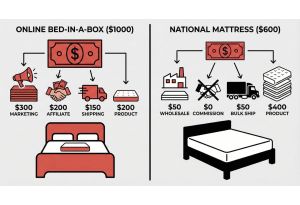
Comparing online versus in-store shopping reveals that online prices are often lower due to reduced overhead costs. However, you can't physically test online mattresses before purchase.
What Signs Tell Us a Mattress Offers Good Support?
Edge support matters because you should feel stable sitting or sleeping near the mattress perimeter. Press down on the edges and corners to check if they feel sturdy or collapse easily.
Key durability indicators include:
- Coil gauge - Lower numbers mean thicker, stronger coils (12-14 gauge is good)
- Foam density - Higher density foam (1.8 to 2.5 kg per cubic metre) lasts longer
- Layer thickness - Comfort layers should be at least 5 to 8 cm thick
- Warranty length - Better mattresses come with 10 to 20 year warranties
A supportive mattress keeps your spine aligned regardless of sleep position. When lying on your back, you should be able to slide your hand under your lower back with slight resistance. On your side, your spine should form a straight line from neck to tailbone.
Check what the warranty actually covers because many exclude normal softening or preference changes. Full replacement warranties offer better protection than prorated ones that require you to pay more as the mattress ages.