

















Buying a mattress can feel overwhelming with pushy salespeople, countless options, and high prices making the decision harder than it needs to be. Yet choosing the right mattress matters more than most people realize, especially when it comes to preventing lower back pain and chronic back pain down the road.
Getting proper support while you sleep plays a big role in back pain relief and maintaining good posture throughout the day. A quality mattress helps relieve back pain at home by supporting your spine's natural alignment and preventing the slouching that leads to poor posture. We put together practical tips to help you find a mattress that reduces discomfort and improves your sleep quality without the confusion.
Key Takeaways
- Different mattress types offer varying levels of support that can help with chronic low back pain and proper posture
- Following specific buying guidelines helps you choose a mattress designed to relieve back pain at home
- Understanding mattress features and your sleeping habits leads to better decisions for long-term low back pain relief
The Different Types of Mattresses
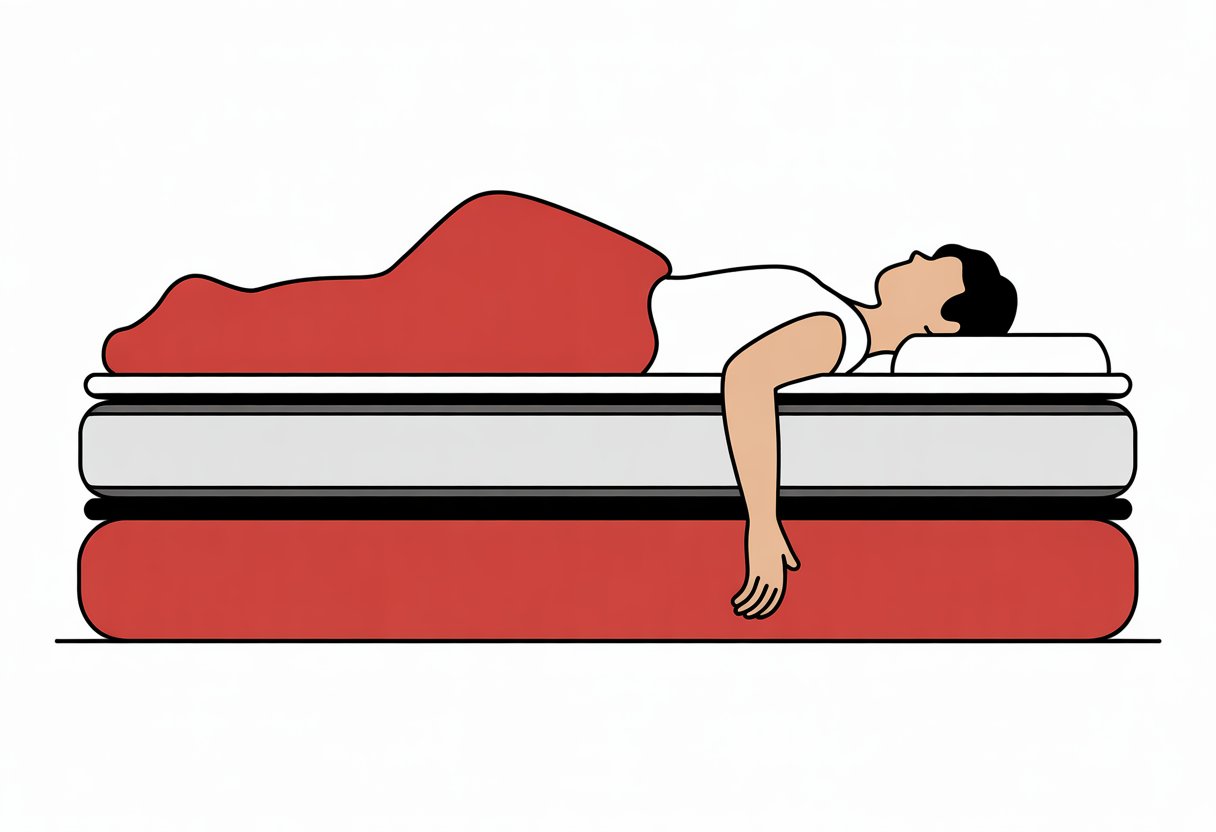
When shopping for a new bed, you'll come across several main mattress categories. Each type offers different benefits depending on your sleep position and comfort preferences.
Innerspring Options
Steel coil mattresses remain widely used across the market. These beds rely on metal springs to hold up your body during sleep. Older versions feature connected coils that run through the entire bed, while newer models use individually wrapped springs that work independently. This design provides better contouring and motion isolation. You can find these mattresses in various firmness levels, from plush to extra-firm, based on the coil type and foam density used in construction.
Foam-Based Beds
Foam mattresses mould to your body shape while keeping your spine properly aligned. Manufacturers use different foam types, including memory foam, latex, and polyurethane. The material's flexibility allows it to adapt to each person's unique body shape and needs. Memory foam excels at contouring, which helps people dealing with chronic pain fall asleep more easily. One drawback is that foam restricts airflow compared to coils, which can make you feel warmer at night.
Latex foam delivers firmer support, making it suitable for back pain sufferers who avoid side sleeping. Those seeking pressure relief, support, and spinal alignment often consider latex options.
Hybrid Designs
Hybrid beds combine coil systems with foam layers. This construction reduces the bouncing sensation while maintaining the advantages of spring support. These mattresses help you maintain spinal alignment throughout the night. The combination appeals to sleepers who want both the responsiveness of springs and the pressure relief of foam.
3 Mattress Buying Tips for Relieving Back Pain
Tip #1: Set Practical Expectations
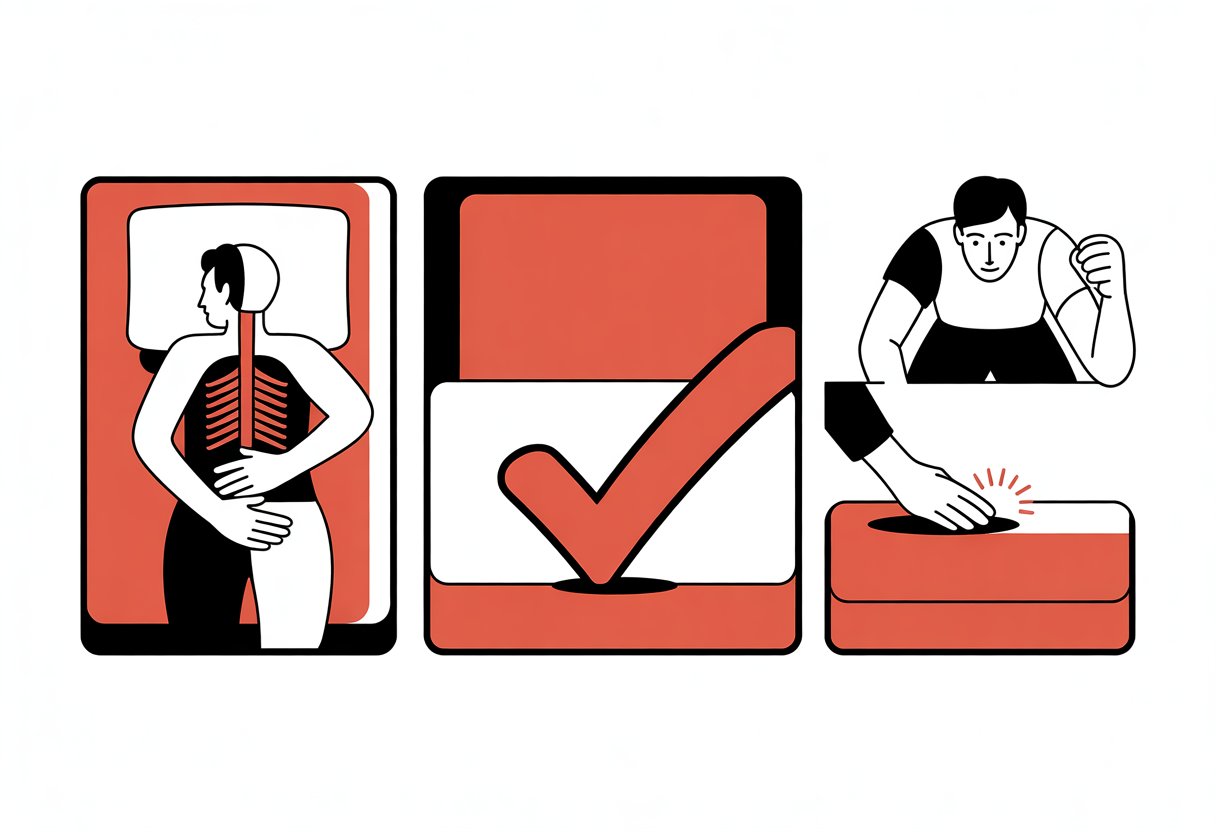
We always tell our customers that the most suitable mattress is the one that feels right to you. Many people believe that the firmest option available will solve their back problems. This isn't always true.
A mattress that's too hard can create discomfort in areas like your hips and shoulders. These pressure points need cushioning too. The goal is to find a bed that supports your spine's natural shape while keeping you comfortable through the night.
We recommend testing each mattress for at least 5 to 10 minutes in the store. This gives you enough time to notice whether the firmness level works for your body. Maintaining good posture while sleeping depends on proper spinal alignment and comfort working together.
Tip #2: Plan Multiple Store Visits
Your first trip to a mattress shop can feel overwhelming. Looking at dozens of options makes it hard to think clearly about what you actually need.
We never push customers to buy on their first visit. Instead, we encourage people to return several times until they've narrowed their choices down to 2 or 3 models. Testing too many beds in one session confuses your body's feedback signals.
Benefits of multiple visits:
- Gives you time to think between trips
- Lets you compare fewer options more carefully
- Reduces decision fatigue
- Allows you to test beds with fresh perspective
Just like choosing the best mattresses for back pain takes research, selecting yours deserves patience. People who stay active during the day and use ergonomic chairs at work still need proper sleep support.
Tip #3: Replace Your Foundation
Your box spring or foundation handles the weight of both you and your mattress. This base layer plays a major role in overall support.
Using an old foundation or skipping one entirely reduces the support your mattress can provide. Signs your foundation needs replacing include sagging, squeaking sounds, or visible wear. Investing in a new base ensures your back gets the proper support it needs for pain relief.
Knowing When to Replace Your Mattress
We cannot rely on a single rule for mattress replacement since every situation differs. While many people hear they should get a new mattress every seven years, this number works as a general guide rather than a strict timeline.
We need to examine several factors to determine if replacement time has arrived.
Key Signs to Watch For:
Warranty status - When the manufacturer's warranty expires, we should think about purchasing a replacement. Companies set warranty periods based on how long they expect their products to perform well.
Visual condition - We should check if the mattress appears worn or has developed uneven areas. Sagging in the middle or along the edges shows the internal materials have broken down.
Sleep quality - If we notice changes in how we feel after sleeping, this signals a problem. New aches, poor rest, or discomfort that wasn't present before often means the mattress no longer provides proper support.
The condition of our mattress affects our spine alignment during sleep. A worn mattress can contribute to muscle tension and pain that impacts our daily activities. Regular inspection helps us identify problems before they worsen our back pain or create new issues with our neck pain.
We must pay attention to these indicators rather than waiting for an arbitrary date.
Choosing the Right Mattress for Your Needs
Shopping for a mattress can feel overwhelming given the wide range of options available today. We recommend using a simple test before making any decisions. Lie down on each mattress in your preferred sleeping position for at least five to ten minutes. Pay attention to how your body feels in that position.
Key positions to test:
- Side sleeping
- Back sleeping
- Stomach sleeping
If a mattress feels comfortable during this extended test, add it to your shortlist. This doesn't mean you should buy it immediately. Instead, use this method to narrow down your options to a manageable number.
Once you've identified several comfortable choices, speak with a sales representative. They can provide additional details about each mattress on your shortlist and help you make a final decision based on your specific needs and preferences.
Common Questions About Back Pain Relief
What home treatments work well for lower back discomfort?
We can start with simple temperature therapy at home. Ice packs work best during the first 48 hours after pain starts, while heat therapy helps relax tight muscles after that initial period. Massage helps relieve pain by reducing muscle tension and stress.
Over-the-counter pain relievers like ibuprofen or acetaminophen provide temporary relief. We recommend gentle movement rather than complete bed rest, as staying active helps maintain muscle strength.
Topical creams containing menthol or capsaicin can offer localized relief. We should also focus on maintaining proper hydration and getting adequate sleep to support our body's natural healing process.
How should we use temperature therapy for back pain?
For Cold Therapy:
- Apply ice packs for 15-20 minutes at a time
- Always wrap ice in a towel to protect skin
- Use during the first two days after injury
- Repeat every 2-3 hours as needed
For Heat Therapy:
- Apply heat for 15-30 minutes per session
- Use heating pads, warm towels, or warm baths
- Wait until after initial inflammation subsides
- Never fall asleep with heating pads on
We should never apply ice or heat directly to bare skin. If we notice any skin irritation, we need to stop treatment immediately.
Which exercises help strengthen our back and ease pain?
Exercise proves useful for chronic back pain to help us return to normal activities. We should consult a doctor or physical therapist before starting any exercise programme.
Beneficial exercises include:
- Pelvic tilts - Lie on our back with knees bent and gently rock the pelvis
- Cat-cow stretches - Move between arching and rounding the spine on hands and knees
- Knee-to-chest stretches - Pull one knee toward the chest while lying down
- Walking - Low-impact activity that keeps us mobile
- Swimming - Provides full-body movement without joint stress
- Bridges - Strengthen glutes and core while lying on our back
We need to start slowly and avoid any movements that increase pain. Building core strength protects our spine during daily activities.
How does our posture affect back pain and how can we improve it?
Poor posture places extra stress on our spine and surrounding muscles. When we slouch or hunch forward, our back muscles work harder to support our body weight.
| Posture Problem | Correction Strategy |
|---|---|
| Slouching while sitting | Keep feet flat on floor, back against chair |
| Forward head position | Align ears over shoulders, chin slightly tucked |
| Rounded shoulders | Pull shoulder blades back and down |
| Uneven weight distribution | Stand with weight equally on both feet |
| Crossed legs when sitting | Keep both feet planted on ground |
We should adjust our workstation so our computer screen sits at eye level. Our chair height should allow our thighs to be parallel to the floor.
Taking regular breaks to stand and stretch prevents us from staying in one position too long. We can set reminders to check our posture throughout the day.
What lifting techniques protect our back from injury?
Proper lifting technique includes these steps:
- Stand close to the object we plan to lift
- Bend at our knees and hips, not our waist
- Keep our back straight and core muscles tight
- Grip the object firmly with both hands
- Lift using our leg muscles, not our back
- Hold the object close to our body
- Avoid twisting while carrying the load
- Turn our whole body by moving our feet
We should never lift anything too heavy for us alone. Asking for help prevents injury. If we must move something heavy, we can push rather than pull when possible.
We need to avoid sudden movements or jerking motions while lifting. Smooth, controlled movements protect our spine.
How do relaxation methods help with back pain and which ones work best?
Stress and tension make back pain worse by causing our muscles to tighten. Relaxation techniques help break this cycle by calming both our mind and body.
Effective relaxation methods include:
- Deep breathing exercises - Slow, controlled breaths reduce muscle tension
- Progressive muscle relaxation - Systematically tense and release muscle groups
- Meditation - Focuses our attention away from pain signals
- Gentle yoga - Combines stretching with breathing and mindfulness
- Guided imagery - Uses mental visualization to promote calmness
We can practise these techniques for 10-15 minutes daily. Relaxation helps relieve stress, which reduces muscle tension contributing to back pain.
Many of us find that combining physical treatments with relaxation methods provides better results than either approach alone. We should experiment to discover which techniques work best for our individual needs.
 by
by 


