

















Latex mattresses have become increasingly popular as people search for more durable and responsive sleep surfaces. These beds use natural or synthetic rubber foam instead of traditional memory foam or innersprings. They offer a unique bouncy feel that many sleepers prefer over the slow-sinking sensation of memory foam.

Latex mattresses provide excellent pressure relief, superior durability lasting up to 15-20 years, and naturally sleep cooler than most foam alternatives. The material comes from rubber tree sap or synthetic production, and you can choose between all-latex designs or hybrid models that combine latex layers with coil support systems. Different types of latex mattresses offer varying levels of customization to match your comfort preferences. Because the material has high breathability, it naturally sleeps cool throughout the night.
Understanding how latex mattresses work helps you make a smart buying decision. Choosing the best latex mattress depends on your personal sleep style and material preferences. Many shoppers look for the best latex mattress overall to find a balance between durability and price. If you want a chemical-free sleep environment, an organic mattress is often the preferred option.
You'll learn about the types of latex available and how to match firmness to your sleeping position. We will also explore what certifications matter for quality and safety.
Key Takeaways
Latex mattresses offer a responsive, bouncy feel with better durability and cooling than memory foam alternatives
You can choose between all-latex foam designs or hybrid models that combine latex comfort layers with supportive coil systems
Certified organic options with GOLS and GOTS standards ensure you get natural materials without harmful chemicals
What Is a Latex Mattress?
A latex mattress uses layers of latex foam as its primary comfort and support material, offering a distinct combination of bounce, responsiveness, and durability that sets it apart from traditional mattress types.
Key Components and Materials
Latex mattresses are built with layers of natural, synthetic, or blended latex that provide the core structure and feel. Natural latex comes from rubber tree sap, which gets processed into a foam material through either the Dunlop or Talalay method. Organic latex takes this further by using rubber sourced from certified organic plantations without synthetic pesticides or chemicals.
Synthetic latex is made from petroleum-based materials that mimic natural latex's properties at a lower cost. Many manufacturers use blended latex, which combines natural and synthetic materials to balance performance and price.
The construction typically includes multiple layers with different firmness levels. You'll often find a firmer base layer for support and softer top layers for comfort. Many premium models feature an organic cotton cover to improve breathability. Some Latex Mattresses incorporate springs or other foam materials in hybrid designs. A luxury latex mattress often combines these natural elements with high-end fabrics. Pure latex versions use only latex foam throughout the entire mattress.
How Latex Differs from Other Mattress Types
Latex foam provides immediate responsiveness when you move, unlike memory foam which slowly contours to your body. When you lie down on a latex mattress, you'll feel initial softness followed by supportive pushback that keeps you sleeping on top of the mattress rather than sinking deeply into it.
The material stays cooler than memory foam because latex has an open cell structure. This breathable design assists with temperature regulation throughout the night. Air flows freely through the material to keep you comfortable.
Latex mattresses also reduce motion transfer, meaning you won't feel your partner's movements as much compared to traditional innerspring beds. The material maintains its shape and support for many years, typically outlasting both memory foam and spring mattresses in terms of durability and resistance to sagging.
Types of Latex Used in Mattresses
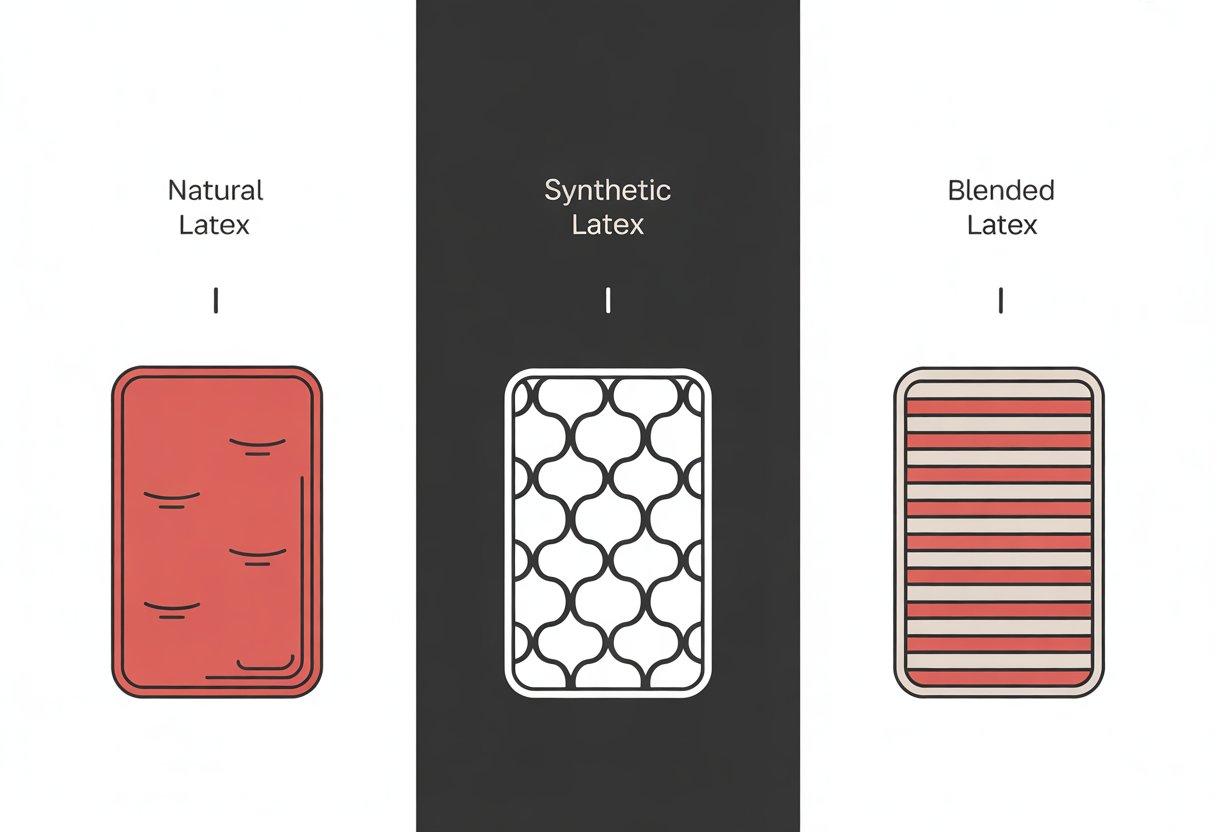
Latex mattresses contain different types of foam based on how manufacturers process the raw material. The two main production methods create distinct feels and performance characteristics, while the latex itself can range from natural rubber to synthetic compounds.
Dunlop Latex
Dunlop is the original latex manufacturing method and creates a denser, firmer foam. During production, manufacturers pour liquid latex into a mould and bake it in one continuous process. This method causes natural particles to settle toward the bottom, which creates a slightly firmer feel on one side of the foam.
The process makes Dunlop latex less expensive to produce than other types. You'll often find it used as a support layer in mattresses because of its dense, durable structure. Organic Dunlop latex comes from certified rubber tree plantations and uses natural additives during processing.
Dunlop latex works well for people who need firm support or prefer to sleep on their stomach or back. The foam bounces back quickly when you move, which makes changing positions easier during the night.
Talalay Latex
Talalay latex involves a more complex manufacturing process that creates a softer, more consistent foam. Manufacturers pour the latex into a mould, vacuum seal it to remove air, freeze it, then bake it. This multi-step approach distributes particles evenly throughout the foam.
The result is a more uniform feel with better pressure relief than Dunlop. Talalay typically feels more contouring and responsive. If you aren't ready for a full bed, a latex topper can provide a similar feel on your current mattress. Manufacturers test the foam in nine locations to ensure consistency throughout each piece.
You'll commonly find Talalay latex in the top comfort layers of mattresses where it directly contacts your body. The foam provides a balance between support and pressure relief that works for side sleepers and combination sleepers.
Latex Foam Variations
Latex mattresses use natural, synthetic, or blended materials in their construction. Natural latex comes from rubber tree sap through a process similar to maple syrup tapping. Each tree produces liquid for up to 20 years, making it a renewable resource.
Synthetic latex uses styrene-butadiene rubber derived from petroleum. It costs less to manufacture but doesn't offer the same durability as natural options. The synthetic version provides some of the same qualities as natural latex at a lower price point.
Blended latex combines natural and synthetic materials, typically in a 40% natural to 60% synthetic ratio. This middle-ground option reduces costs while maintaining some benefits of natural latex. Blended varieties account for about 70% of the latex mattress market today.
All-Latex vs Hybrid Latex Mattresses
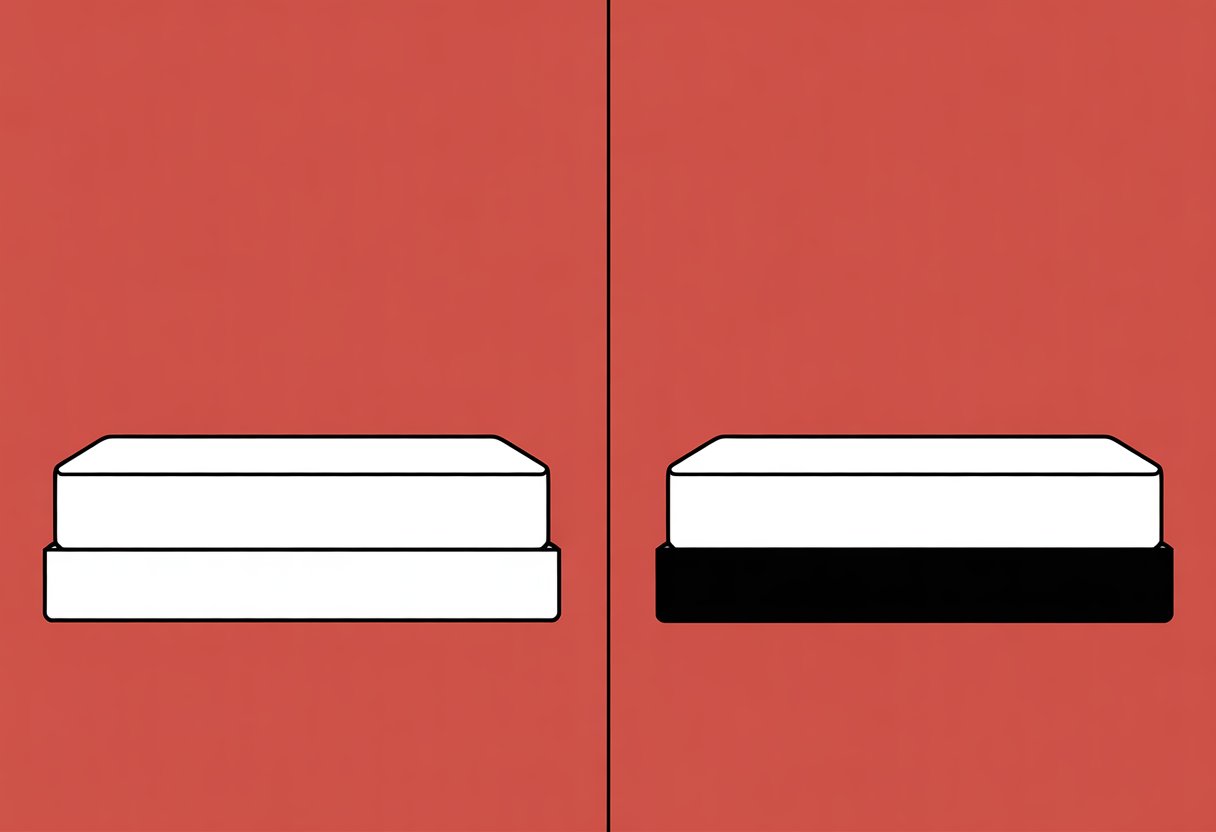
All-latex mattresses use layers of foam from top to bottom, while latex hybrid mattresses combine foam comfort layers with a coil support system. Each design offers distinct advantages in durability, support distribution, and edge reinforcement.
All-Latex Mattress Construction
An all-latex mattress contains only latex foam layers throughout its entire structure. These mattresses typically feature multiple zones of different firmness levels stacked together to create balanced support and comfort.
The construction starts with a firm base layer that provides foundational support. Medium and soft layers sit on top to offer pressure relief and contouring. Many all-latex designs include three to five distinct foam layers, each serving a specific purpose.
Natural latex foam comes from rubber tree sap and provides exceptional durability. An all-latex design is often the best organic mattress choice for those seeking a completely non-toxic sleep environment. You can expect these mattresses to maintain their shape and support for 15 to 20 years or longer. The foam resists sagging better than most other mattress materials.
All-latex mattresses excel at motion isolation because they contain no metal springs. When your partner moves during the night, you'll feel less disturbance on your side of the bed.
Latex Hybrid Mattress Features
A latex hybrid mattress pairs latex comfort layers with a support core made from pocketed coils. The coil system typically uses individually wrapped springs that move independently from each other.
These mattresses usually contain 2 to 4 inches of latex foam on top of the coil base. The springs provide responsive support and allow air to flow through the mattress core. This airflow helps regulate temperature better than all-foam latex mattress constructions. The inclusion of zoned coils in hybrid models provides targeted reinforcement for different body areas.
Hybrid designs offer more bounce and responsiveness than all-latex options. You'll find it easier to change positions and move around on the surface. The springs compress and rebound quickly when pressure is applied or removed.
Latex hybrid mattresses typically last 8 to 12 years, which is shorter than all-latex options. The coils may eventually lose their tension or develop noise over time.
Zoned Support and Edge Support
Zoned support refers to different firmness levels across specific areas of the mattress. Both all-latex and hybrid designs can incorporate zoned support, though they achieve it differently.
All-latex mattresses create zones by using different foam densities in specific regions. Firmer latex under your hips and softer foam under your shoulders helps maintain proper spinal alignment. Some designs include five or seven distinct zones.
Latex hybrid mattresses often use zoned coils with varying gauges or heights in different areas. Firmer springs under heavier body parts provide extra support where you need it most.
Edge support describes how well the mattress perimeter holds up when you sit or sleep near the side. Hybrid mattresses typically feature reinforced perimeter coils that create a stable edge. You can use more of the sleep surface without feeling like you might roll off.
All-latex mattresses have moderate edge support that compresses more when you sit on the side. The foam edge may sink noticeably compared to the firmer perimeter of a hybrid design.
Key Benefits of Latex Mattresses
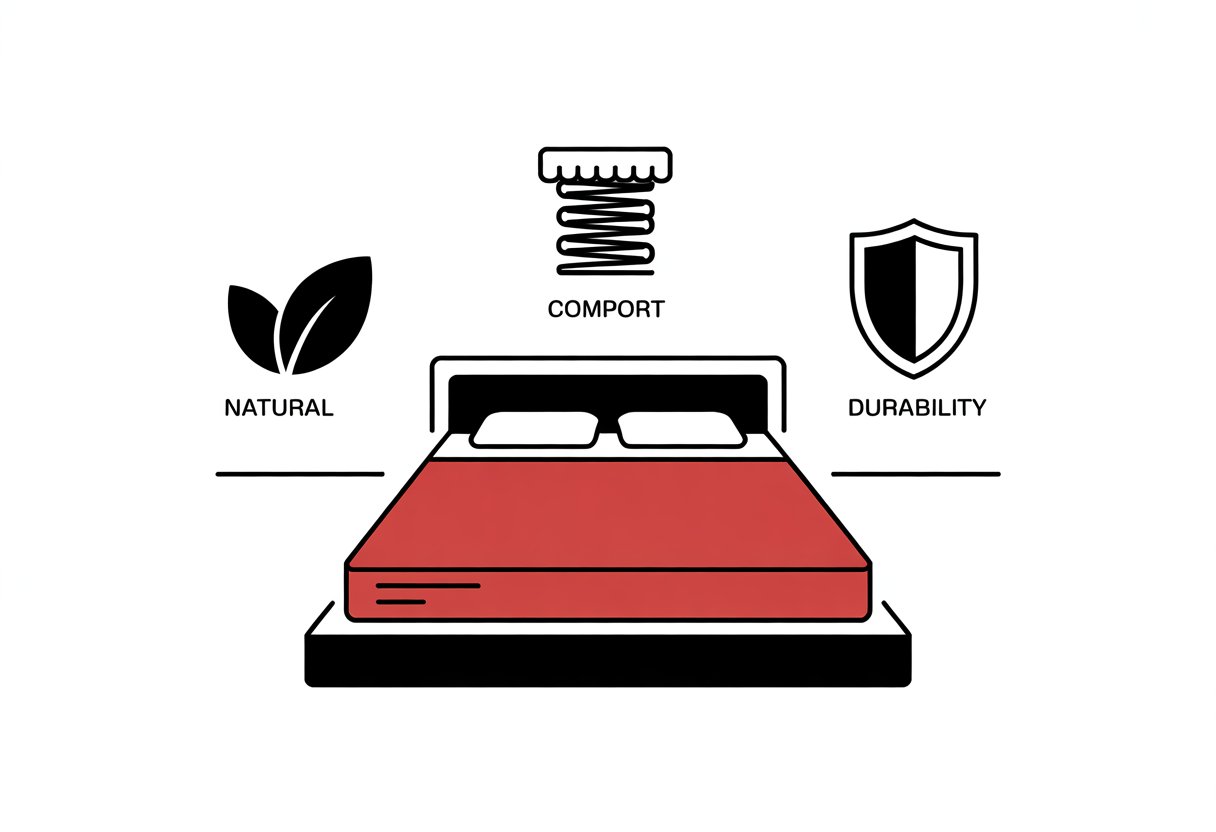
Latex mattresses provide multiple advantages that make them stand out from other mattress types. They offer balanced support and cushioning while maintaining a cooler sleep surface and lasting longer than most alternatives.
Pressure Relief Capabilities
Latex naturally contours to your body shape without creating the sinking sensation found in other materials. The material responds to pressure by gently cushioning your shoulders, hips, and other contact points.
This responsive quality helps distribute your weight evenly across the sleep surface. Your spine stays aligned while heavier body parts receive adequate support. The result is reduced pressure on joints and muscles throughout the night.
Latex mattresses help maintain proper spine alignment by supporting lighter areas of your body while allowing heavier sections to sink slightly. This balanced approach makes it the best mattress for pressure relief for many. A latex mattress for back pain can offer significant relief by keeping the spine neutral. It is often recommended as the best mattress for back pain due to its unique buoyant properties.
The material returns to its original shape quickly when you shift positions. This immediate response means you won't struggle to move during the night or feel stuck in one position.
Motion Isolation and Transfer
The dense structure of latex excels at absorbing movement across the mattress surface. When your partner moves or gets out of bed, latex mattresses prevent you from feeling this movement on your side.
Latex performs this motion isolation differently than memory foam. Rather than slowly absorbing movement, latex dampens vibrations through its natural density. This reduction in motion transfer makes the material ideal for couples who wake easily. The material catches motion before it travels across the bed.
This quality matters most for couples with different sleep schedules. You can get in and out of bed without disturbing your partner. The same applies when either person shifts position during the night.
The motion isolation works in both directions. Whether the movement originates from the edge or centre of the mattress, the latex structure limits motion transfer effectively.
Temperature Regulation and Cooling
Latex features an open-cell structure that allows air to flow freely through the material. This natural ventilation prevents heat from building up as you sleep.
During manufacturing, small pinholes are created throughout the latex. These holes increase airflow even further. The combination creates a cooling mattress that works well for those who tend to overheat.
The material doesn't trap body heat the way dense foam does. Air circulates continuously, carrying warmth away from your body. Sweat evaporates quickly rather than collecting on the surface.
Latex foam provides excellent temperature regulation for hot sleepers. It stays cooler than traditional memory foam or polyurethane foam options. The breathable nature of the material makes it one of the best cooling mattress choices. Air circulates through the open cells to prevent heat trapping.
Durability and Lifespan
Latex mattresses last between 10 and 20 years with proper care. This longevity exceeds most other mattress types by several years.
The material resists breakdown over time. Unlike polyurethane foam that loses density within the first year, latex maintains its supportive properties for many years. The natural resilience of latex means it bounces back night after night without developing permanent body impressions.
Natural latex mattresses offer exceptional durability because the material oxidises slowly rather than crumbling into dust. This gradual degradation process takes years to affect mattress performance.
The initial cost of a latex mattress is higher than budget options. However, the extended lifespan makes the per-year cost lower. You won't need to replace your mattress as frequently, which saves money over time.
Choosing Firmness and Sleeping Position
The firmness level you need depends on how you sleep and how much you weigh. Side sleepers need softer surfaces to cushion pressure points, while back and stomach sleepers require firmer support to keep their spine aligned.
Firmness Levels Explained
Latex mattresses typically range from soft to extra firm, measured on a scale from 1 to 10. A rating of 1 to 3 is considered soft, 4 to 6 is medium, 7 to 9 is firm, and 10 is extra firm.
Your sleep position and body weight determine which firmness works best for you. A medium-firm mattress falls around 6 to 7 on the scale and suits most sleepers.
People under 59 kilograms do well with softer options because they don't sink in as much. Those between 59 and 104 kilograms benefit from medium to medium-firm levels. Heavier sleepers over 104 kilograms need a firm mattress to prevent sagging and maintain proper support.
The firmness you feel also depends on the latex type. Dunlop latex is denser and firmer, while Talalay latex feels softer and more cushioned.
Latex for Side Sleepers
Side sleepers need pressure relief at the hips and shoulders, which makes softer firmness levels ideal. A rating between 4 and 6 allows these areas to sink in enough to keep your spine straight.
Without adequate cushioning, you'll develop pressure points that lead to pain and poor sleep. The best mattress for side sleepers contours to your body shape while providing support. Choosing a latex mattress for side sleepers ensures your joints are protected. It is frequently cited as the best latex mattress for side sleepers because it prevents bottoming out. The best latex mattress for side sleepers should provide enough sink to align the spine while remaining responsive.
Talalay latex works particularly well for this position because it offers a softer, more responsive feel. If you're a heavier side sleeper, you might need a slightly firmer option around 6 to prevent excessive sinking. Lighter individuals can go as soft as 4 for optimal comfort.
Latex for Back and Stomach Sleepers
Back sleepers require a medium-firm mattress to support the natural curve of the spine. For back sleepers, maintaining a neutral spine is the primary goal to avoid morning stiffness. A firmness level between 5 and 7 prevents your lower back from sagging while keeping your body aligned.
Stomach sleepers need the firmest support, typically between 7 and 9. A firm mattress keeps your hips from sinking too deeply, which would create an uncomfortable arch in your lower back. This position puts the most stress on your spine, so proper support is critical.
Dunlop latex provides the denser support that back and stomach sleepers need. Many people find that latex mattresses help reduce back pain because they maintain consistent support throughout the night. If you switch between back and side sleeping, a medium-firm option around 6 offers the best balance.
Certified Organic and Eco-Friendly Mattresses
Organic latex mattresses use materials certified by independent organizations to ensure they meet strict standards for purity, sustainability, and worker safety. These certifications verify that your mattress contains no harmful chemicals while supporting environmentally responsible manufacturing practices.
Sustainable Organic Materials
An organic mattress combines three main components that work together for comfort and support. The core typically features organic latex foam made from rubber tree sap harvested without synthetic pesticides or fertilizers. This natural material comes from plantations that maintain healthy soil and protect biodiversity.
The outer layers use an organic cotton cover that provides breathability and softness. This organic cotton cover is typically grown without toxic herbicides or genetically modified seeds.
Between the latex and cover, manufacturers add organic wool as a natural flame barrier. This wool comes from sheep raised on organic pastures without harsh chemical treatments.
This wool comes from sheep raised on organic pastures without harsh chemical treatments.
These sustainable organic materials create a sleep surface free from polyurethane foams, chemical flame retardants, and volatile organic compounds. The rubber trees used for latex production continue growing and producing sap for decades, making them a renewable resource.
Common Organic Certifications
Several third-party certifications verify that your organic latex mattress meets rigorous standards. Adhering to the Global Organic Latex Standard ensures that the materials are sustainably sourced. The Global Organic Latex Standard (GOLS certified) confirms that latex contains at least 95% certified organic raw material. Following the Global Organic Latex Standard ensures the product meets high environmental criteria.
For fabrics, the Global Organic Textile Standard (GOTS certified) ensures cotton and wool meet organic agriculture standards throughout the supply chain. This Global Organic Textile Standard also mandates safe working conditions and prohibits child labour.
GREENGUARD Gold certification tests for low chemical emissions and volatile organic compounds in the finished product. The Oeko-Tex Standard 100 screens for hundreds of harmful substances to protect your health. Many shoppers look for Oeko-Tex labeling to ensure the absence of toxic chemicals.
Eco-Institut certified products undergo rigorous testing for emissions and hazardous materials. Using an Eco-Institut verified mattress helps maintain better indoor air quality. The Rainforest Alliance certification focuses on sustainable farming practices.
Health and Environmental Benefits
An eco-friendly mattress with proper organic certifications eliminates your exposure to flame retardants, formaldehyde, and other chemicals found in conventional mattresses. Natural latex resists dust mites, mould, and mildew without chemical treatments, making it ideal if you have allergies or sensitivities.
Organic wool naturally regulates temperature and wicks moisture away from your body. It provides fire resistance without toxic chemicals, meeting safety standards through its inherent properties.
The environmental benefits extend beyond your bedroom. Organic farming practices improve soil health, reduce water pollution, and protect farm workers from pesticide exposure. Natural latex mattresses also last longer than synthetic alternatives, keeping them out of landfills for 20 to 30 years.
Best Latex Mattress Brands and Top Picks
Several brands have earned recognition for quality Latex Mattresses through sustainable materials. Finding the best latex mattress requires comparing these top-rated brands. The search for the best luxury mattress often leads to high-end hybrids. The top picks range from affordable hybrids to a luxury latex mattress with customizable firmness levels.
Best Overall Latex Mattress
The Evergreen Organic Latex (Firm) stands out as a top choice for most sleepers looking for quality and value. It is frequently recommended as the best latex mattress overall because of its versatile firmness and long-lasting support. This hybrid combines natural Talalay latex with organic wool and individually wrapped coils. It rates around 7 out of 10 on the firmness scale, making it suitable for back and stomach sleepers under 230 pounds.
The mattress earns high marks for motion isolation despite its bouncy latex layer. It includes certifications like GOTS and GREENGUARD Gold, confirming its eco-friendly materials. The price sits around $1,498 to $2,498 for a queen before discounts.
Hot sleepers benefit from the ventilated latex and breathable coil system. The construction keeps air flowing through the mattress to prevent heat buildup. Side sleepers may find it too firm without adding the optional pillow-top layer.
Best Latex Mattress for Pressure Relief
Evergreen Organic Latex (Medium-Firm) provides excellent cushioning for side sleepers who need extra pressure relief around the hips and shoulders. The mattress uses Talalay latex with a softer comfort layer that cradles the body while maintaining support.
Side sleepers above 130 pounds will appreciate the balanced feel. The mattress contours enough to relieve pressure points without allowing too much sinking. Back sleepers under 230 pounds also find adequate support in this model.
The construction includes organic cotton, wool, and natural latex with individually wrapped coils. This combination delivers the responsive feel of latex while offering more contouring than firmer options. The breathable materials help regulate temperature throughout the night.
Best Luxury and Organic Options
The Evergreen Luxury Organic Hybrid represents premium quality with hand-tufted Euro top construction and GOLS-certified organic latex. Many homeowners view this model as the best luxury latex mattress due to its exquisite craftsmanship and cooling comfort. It features zoned latex with vented channels for targeted support and enhanced airflow. The price reaches over $2,500 for a queen at full retail, though the lifetime warranty and 365-night trial add value.
Evergreen Organic Latex (Firm) offers another luxury organic choice with natural Dunlop latex and certified organic materials. The firm construction suits stomach sleepers and those who prefer sleeping on top of the mattress rather than sinking in.
Evergreen ecoRest Organic Mattress delivers quality at a more reasonable price point for Canadian buyers. It balances certified materials with accessible pricing. These luxury options typically include multiple third-party certifications verifying their organic and sustainable claims.
Latex Hybrid and Customizable Picks
Evergreen Customizable Organic Latex allows you to customize firmness by rearranging or swapping latex layers. You can adjust the feel after purchase if your initial choice doesn't work. The all-latex construction uses organic Dunlop latex without any coils or foam.
The Evergreen Natural Hybrid combines latex with memory foam and coils for a balanced feel. This construction reduces some of the bounce typical in pure latex beds. It suits couples who want motion isolation along with latex benefits.
Evergreen Flippable Organic Latex provides a flippable design with different firmness levels on each side. You simply flip the mattress to switch between luxury plush and gentle firm feels. This eliminates guesswork when choosing firmness since you get both options in one mattress.
Hybrid options like these pair latex comfort layers with innerspring support cores. The coils add edge support and breathability while the latex provides pressure relief and responsiveness.
Key Performance Features to Compare
When shopping for a latex mattress, certain features affect your daily comfort. Many experts suggest this is the best mattress for couples who have different sleep habits. Edge support and trial periods also help protect your investment. Edge support determines how much usable sleep surface you have, couples need specific features for undisturbed rest, and delivery options plus trial periods protect your investment.
Edge Support and Mattress Longevity
Edge support refers to how well the mattress perimeter holds up when you sit or sleep near the sides. Latex mattresses naturally provide better edge support than memory foam because the material resists compression. All-latex mattresses typically offer moderate edge support throughout their lifespan.
Latex hybrid designs with pocketed coil systems deliver superior edge reinforcement. The coils extend to the mattress edges and maintain their structure under weight.
Natural latex mattresses last 12 to 20 years with proper care. The material maintains its shape and doesn't develop permanent body impressions like other foam types. Dunlop latex tends to be more durable than Talalay because it has a denser cell structure.
Synthetic latex breaks down faster, typically lasting 6 to 10 years before edges crumble and the foam loses resilience. Blended latex falls between natural and synthetic options, offering 10 to 15 years of use. Higher density foams in any latex type extend the mattress lifespan regardless of processing method.
Suitability for Couples
Latex mattresses respond instantly to movement, which creates bounce but can transfer motion between sleep partners. Talalay latex absorbs movement better than Dunlop because of its softer, more flexible structure. If you're a light sleeper, Talalay or synthetic latex reduces disturbances from your partner's movements.
The natural bounce of Dunlop latex makes changing positions easy but may wake sensitive sleepers. Many couples prefer this responsiveness over the stuck feeling of memory foam.
Split firmness options let each partner customise their side of the bed. You can rearrange latex layers to achieve different comfort levels without buying two separate mattresses. This works best with all-latex designs that use multiple foam layers.
Edge support matters for couples who use the full mattress surface. Hybrid latex mattresses with coil systems provide stronger edges that don't compress when both partners sit on the side.
White-Glove Delivery and Sleep Trials
White-glove delivery includes mattress setup in your bedroom, packaging removal, and often old mattress disposal. This service costs extra but eliminates the physical work of moving a heavy latex mattress. Natural latex mattresses weigh significantly more than foam alternatives, with queen sizes often exceeding 70 kilograms.
Most manufacturers offer 100 to 120-night sleep trials. This period lets you test the mattress through different seasons and sleep positions. Your body needs 30 to 45 days to adjust to a new sleep surface, so shorter trials don't provide adequate testing time.
Return policies vary between brands. Some charge restocking fees or require you to arrange return shipping. Others offer free returns with full refunds during the trial period. Check whether the trial starts on delivery date or first sleep, as shipping can take several weeks.
Warranty coverage typically ranges from 10 to 25 years for latex mattresses. Natural latex warranties last longer than synthetic options because the material is more durable.
Frequently Asked Questions
Natural latex mattresses offer unique properties that set them apart from other sleep surfaces, including superior breathability, impressive longevity, and hypoallergenic qualities. Understanding the differences between processing methods, material types, and proper care helps you make an informed purchasing decision.
What are the benefits of sleeping on a natural latex mattress?
Natural latex mattresses provide excellent pressure relief while maintaining proper spinal alignment throughout the night. The material contours to your body without the sinking sensation of other foam types, offering responsive support that adjusts as you move.
Latex naturally resists dust mites, mould, and mildew, making it an ideal choice if you suffer from allergies or asthma. The open-cell structure promotes airflow, keeping you cooler during sleep compared to traditional foam materials.
Natural latex is harvested from rubber tree sap through a sustainable process that doesn't harm the trees. This makes it one of the most environmentally responsible mattress materials available, particularly when certified organic.
The material's durability means you won't need to replace your mattress as frequently as conventional options. This longevity reduces waste and provides better value over time.
How do latex mattresses compare to memory foam in terms of comfort and support?
Latex responds more quickly to your movements than memory foam, providing a buoyant feel rather than the slow-sinking sensation. This responsiveness makes it easier to change positions during the night and get in and out of bed.
Latex mattresses sleep significantly cooler than memory foam due to their naturally breathable structure. Memory foam retains body heat, which can cause discomfort for hot sleepers.
The support characteristics differ substantially between these materials. Latex maintains consistent support across the entire surface whilst memory foam creates deeper pressure point relief through contouring.
Latex maintains its supportive properties longer than memory foam, which tends to soften and develop body impressions more quickly. You'll experience more consistent comfort throughout the mattress's lifespan with latex.
Can you explain the difference between Dunlop and Talalay latex in mattress construction?
Dunlop latex is denser and firmer, offering excellent support and durability. The manufacturing process allows the latex to settle, creating a slightly denser bottom layer.
Talalay latex undergoes additional processing steps that create a more consistent, airy feel throughout the material. This results in a softer, more uniform texture compared to Dunlop.
The Dunlop method is older and simpler, making it more cost-effective and environmentally friendly. The Talalay process requires more energy and equipment but produces a lighter, more breathable foam.
Many high-quality mattresses combine both types, using firmer Dunlop latex in support layers and softer Talalay latex in comfort layers. This combination provides balanced support and pressure relief.
What should consumers know about the durability and lifespan of latex mattresses?
High-quality natural latex mattresses can last 15 to 25 years, significantly outlasting memory foam or innerspring options. The material's natural resilience helps it maintain its shape and support properties over time.
Natural latex resists sagging much better than synthetic alternatives or blended latex products. The quality of the latex directly impacts longevity, with 100% natural latex offering the best durability.
Your body weight, sleep habits, and mattress foundation all affect how long your latex mattress will last. Heavier individuals may experience slightly faster wear, though latex still outperforms most other materials.
The warranty length often reflects the manufacturer's confidence in their product's durability. Look for warranties of at least 10 years, with premium natural latex mattresses often offering 20 to 25-year coverage.
How can one maintain and clean a latex mattress to ensure its longevity?
Rotate your latex mattress every three to six months to distribute wear evenly across the surface. Most modern latex mattresses are designed with specific layers, so flipping isn't necessary unless the manufacturer specifies otherwise.
Use a breathable, waterproof mattress protector to shield your mattress from spills, stains, and body oils. This protective layer extends your mattress's lifespan whilst keeping it hygienic.
For spot cleaning, use a mild detergent and damp cloth rather than soaking the area. Excessive moisture can damage the latex foam and promote mould growth.
Ensure your mattress sits on a proper foundation with adequate support. A platform bed or slatted base with slats no more than 8 centimetres apart provides the necessary support structure.
Keep your mattress in a well-ventilated room to prevent moisture buildup. Avoid placing it directly on the floor, as this restricts airflow and can trap moisture underneath.
Are there any common allergens associated with latex mattresses that potential buyers should be aware of?
Natural latex naturally resists dust mites, mould, and allergens, making it beneficial for most allergy sufferers. The material's antimicrobial properties create an inhospitable environment for common bedroom allergens.
People with latex allergies may react to direct skin contact with raw latex products like gloves or balloons. However, reactions to latex mattresses are rare because the latex is covered with fabric layers that prevent direct contact.
If you have a severe latex allergy, consult your doctor before purchasing a latex mattress. Most individuals with mild latex sensitivities can use latex mattresses without issues due to the protective covering.
Synthetic or blended latex mattresses may contain additional chemicals that could trigger sensitivities in some people. Natural, certified organic latex minimises exposure to potentially irritating substances.
The wool and cotton covers commonly used on latex mattresses can also affect allergy-prone individuals. Look for organic, chemical-free materials if you have sensitivities to conventional textiles.
 by
by 


