

















A hybrid mattress combines the supportive feel of innerspring coils with the pressure-relieving comfort of foam or latex layers. These mattresses typically feature a base layer of pocketed coils topped with multiple comfort layers of memory foam, polyfoam, or latex, offering a balance of support, bounce, and contouring that works well for many sleep styles.
National Mattress stocks hybrid beds in-store and online, so this guide covers how a hybrid feels, who it suits, and how to choose one.
Many sleepers consider this the most comfortable mattress design because it addresses various needs simultaneously. If you want a cooling mattress that doesn't sacrifice contouring, a hybrid is often the top recommendation. If you've been struggling with mattresses that feel too firm or too soft, a hybrid design might give you the middle ground you're looking for. In-depth mattress testing confirms that these designs provide superior versatility for the average sleeper.
The construction of a hybrid mattress makes it stand out from traditional all-foam or all-spring options. The coil system allows for better airflow throughout the mattress, which helps with temperature regulation during sleep. Meanwhile, the foam or latex layers on top provide pressure relief for your shoulders, hips, and other contact points without creating the sinking feeling that some people dislike about pure memory foam beds.
Understanding how hybrid mattresses work and what features matter most can help you make a smart choice for your sleep needs. Different brands build their hybrids with varying materials, thicknesses, and firmness levels, so knowing what to look for will save you time and help you avoid buyer's remorse.
Key Takeaways
Hybrid mattresses combine coil support systems with foam or latex comfort layers for balanced performance
The coil base provides better airflow and edge support compared to all-foam mattresses
Choosing the right hybrid depends on your preferred firmness level, sleep position, and budget
What Is a Hybrid Mattress?
A hybrid mattress combines foam comfort layers with an innerspring coil system to provide both cushioning and support. These beds typically feature at least two inches of foam on top of metal springs, though the exact proportions vary widely between mattress brands. The supportive coil core is the foundation of this design. It provides the necessary push-back to prevent a sinking feeling.
How Hybrid Mattresses Differ from Innerspring and Memory Foam Beds
An innerspring mattress uses metal coils as its primary support system with minimal padding on top. Traditional innerspring beds usually have less than two inches of comfort material over the springs.
A hybrid bed blends memory foam with an innerspring system to create a combination feel. A memory foam hybrid utilizes thick layers of visco-elastic foam over coils to provide deep pressure relief. The foam layers in a hybrid mattress typically measure three to seven inches thick. This gives you more cushioning than a standard innerspring whilst maintaining the bounce of coils.
Memory foam mattresses contain no springs at all. They rely entirely on foam layers for both comfort and support. These beds offer deep contouring but can feel less responsive when you change positions.
The main difference lies in construction. Hybrid mattresses give you foam's pressure relief with the support and airflow of coils. Pure memory foam beds hug your body more closely but may trap heat. Innerspring mattresses feel bouncier but provide less cushioning for your pressure points.
Who Should Consider a Hybrid Mattress
You might prefer a hybrid mattress if you want foam comfort without sacrificing responsiveness. Hot sleepers often choose hybrids because the coil system allows more air circulation than solid foam.
Combination sleepers who change positions throughout the night benefit from the balanced feel. The springs make it easier to move around compared to memory foam's slower response time.
Couples may find hybrids work well because the coils provide edge support for sitting. The foam layers also help reduce motion transfer when your partner moves during sleep.
People with back pain sometimes prefer hybrids for their mix of contouring and support. You get pressure relief from the foam whilst the coils maintain spinal alignment.
Types of Hybrid Mattresses
Foam hybrid mattresses use memory foam or polyurethane foam as the comfort layer. Memory foam contours closely to your body whilst poly foam offers a more responsive feel.
Latex hybrid mattresses feature natural or synthetic latex over coils. Latex provides bounce and cooling compared to memory foam. A latex mattress is often preferred for its responsiveness and durability. A latex hybrid is also an excellent option for those seeking an organic mattress. Many of these models use natural materials that are better for the environment and your health. They also resist dust mites and mould naturally.
Gel hybrid mattresses incorporate gel-infused foam designed to regulate temperature. The gel helps draw heat away from your body during sleep.
Some hybrids vary in their coil placement. Certain models use micro-coils measuring only 1.5 inches high within the foam layers. Others place the bulk of foam underneath the spring system rather than on top. The lack of industry standards means each manufacturer defines hybrid construction differently.
Key Features and Benefits
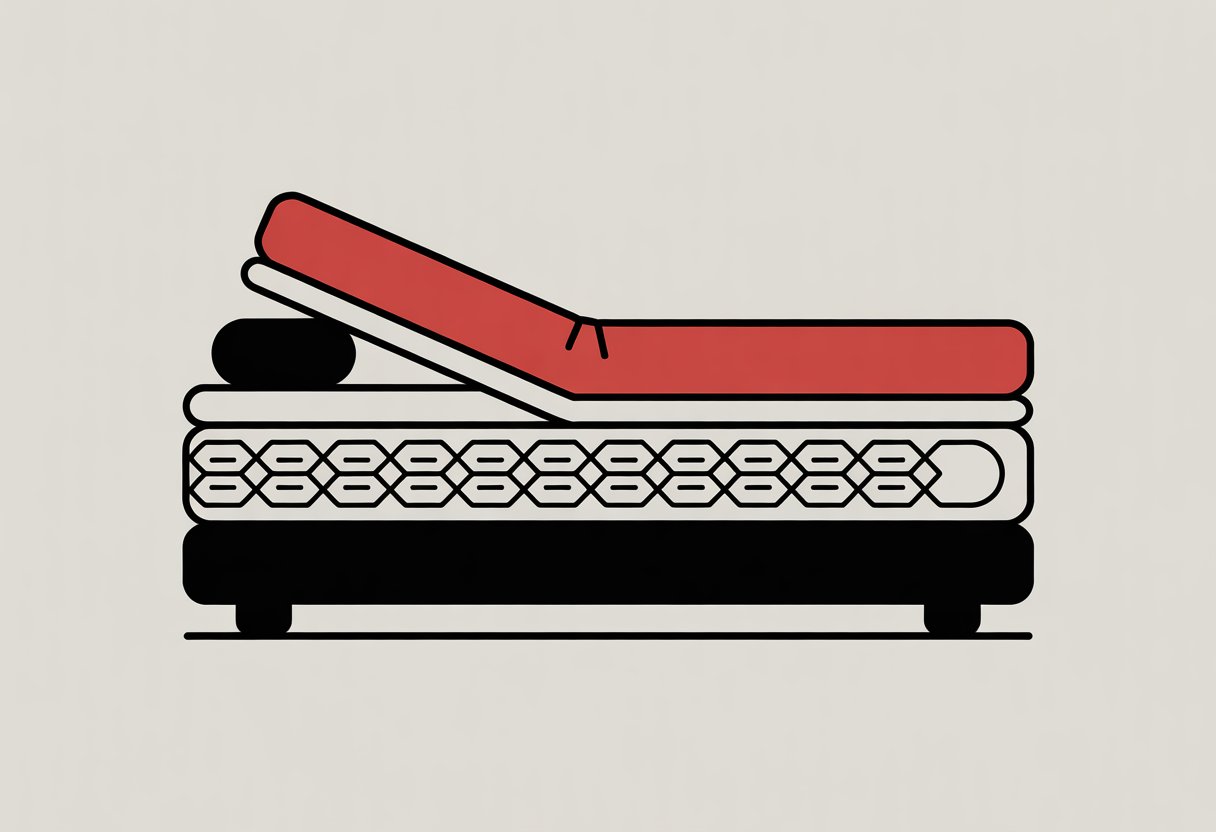
Hybrid mattresses combine spring coils with foam layers to deliver support, comfort, and cooling. These design elements work together to address common sleep concerns like pain, heat retention, and partner disturbance.
Pressure Relief and Spinal Alignment
The foam comfort layers in hybrid mattresses conform to your body's shape, cushioning pressure points at your shoulders, hips, and lower back. This contouring effect distributes your weight evenly across the sleep surface rather than concentrating it in specific areas.
Below the foam, supportive coils provide a stable foundation that keeps your spine in a neutral position. When your spine maintains its natural curve throughout the night, you're less likely to wake up with stiffness or pain. This construction makes a hybrid an excellent mattress for back pain by keeping the spine neutral. Standardized mattress testing shows the coil system responds to your body's contours while preventing excessive sinking that can throw your alignment off.
Shoulders and upper back
Hips and pelvis
Lumbar region
Knees and legs
The combination of adaptive foam and responsive springs creates pressure point relief that pure innerspring or all-foam mattresses struggle to match on their own.
Edge Support and Durability
Hybrid mattresses offer reinforced perimeters that prevent sagging when you sit or sleep near the edge. The coil base extends fully to the mattress borders, creating a stable frame that maximises your usable sleep surface. You can sit on the edge to put on shoes or sleep close to the side without feeling like you might roll off.
This structural integrity also contributes to long-term durability. Coils maintain their shape better than foam alone, resisting the permanent body impressions that develop in all-foam beds over time. The springs bear the majority of your weight, which reduces compression wear on the comfort layers above.
Most hybrid mattresses last seven to ten years with proper care. The coil system provides consistent support throughout this lifespan, whilst the foam layers continue to offer cushioning even as they soften slightly.
Motion Isolation and Motion Transfer
Modern hybrid mattresses use individually wrapped coils that move independently rather than as a connected unit. When your partner shifts position or gets out of bed, these encased springs compress only where pressure is applied. The motion stays localised instead of rippling across the entire mattress surface.
The foam layers add another barrier against motion transfer. Memory foam and other dense comfort materials absorb movement before it can travel to your side of the bed. Whilst hybrids don't isolate motion quite as completely as pure foam mattresses, they reduce motion transfer significantly better than traditional innerspring beds.
This balance means you get some responsive bounce for ease of movement whilst still minimising sleep disruption from a restless partner.
Temperature Regulation and Breathability
The open structure of coil systems allows air to circulate freely through the mattress core. Heat doesn't get trapped the way it can in dense foam, and this airflow helps regulate your body temperature throughout the night. Innerspring coils transfer heat effectively better than traditional memory foam.
Many hybrids incorporate additional cooling technology in their top layers:
Gel-infused foam draws heat away from your body
Phase change material absorbs and releases thermal energy
Quilted covers with moisture-wicking fabrics
Ventilated foam layers with air channels
A cooling cover made from breathable fabric adds another layer of temperature control. These materials pull heat and moisture away from your skin, keeping the sleep surface comfortable rather than clammy. If you tend to sleep hot, look for hybrids that feature cooling-gel foam alongside breathable encasement fabrics.
Mattress Construction and Materials

Hybrid mattresses combine multiple material layers to balance comfort and support, with each component serving a specific purpose. The quality of foams, coils, covers, and mattress testing results directly affect how well a mattress performs and how long it lasts.
Comfort Layers: Memory Foam, Latex, and Gel Foams
The comfort layer sits at the top of your mattress and provides cushioning where your body makes contact. Most hybrid mattresses use memory foam, which moulds to your body shape and relieves pressure on your hips and shoulders. Traditional memory foam can trap heat, so manufacturers often add cooling gel to create gel-infused foam that disperses body heat more effectively.
Natural latex offers a bouncier feel than memory foam and naturally resists dust mites and mould. It responds quickly when you change positions during sleep. Some hybrids use synthetic latex or latex blends to reduce costs.
High-density foam in the comfort layer indicates better quality and longer lifespan. Higher density means more material per cubic foot, which typically translates to better durability and support. Lower-density foams compress faster and develop body impressions sooner.
The thickness of comfort layers ranges from 5 to 13 centimetres. Thicker layers provide more contouring but may reduce the responsive feel of the coils beneath. The combination of a quilted cover and foam creates a luxurious feel. For those seeking an eco-friendly option, an organic mattress made with natural latex and wool provides a sustainable alternative to synthetic hybrids. A latex hybrid using these materials offers a healthy sleep environment. This makes it a highly comfortable mattress for those with sensitivities.
Support Layers: Pocketed Coils and Coil Systems
The coil support system forms the foundation of every hybrid mattress. This coil core is what gives the bed its strength. Individually wrapped coils (also called pocketed coils) are each encased in fabric, allowing them to move independently. This design reduces motion transfer between sleep partners and contours better to your body than traditional interconnected springs. It is the heart of any best hybrid mattress recommendation.
Coil gauge measures the thickness of the wire used in each spring. Lower gauge numbers mean thicker wire and a firmer feel. Most hybrids use gauges between 12 and 15.
Zoned coil support places firmer coils under heavier body areas like your hips and softer coils under your shoulders and legs. This creates targeted support and helps maintain proper spinal alignment. Entry-level hybrids typically contain 600 to 800 coils, while premium models may have over 1,000 coils for enhanced support and durability.
The coil layer also provides airflow through the mattress core, helping regulate temperature during sleep.
Covers: Quilted Tops and Organic Cotton Options
Mattress covers serve as the first layer between you and the comfort foams. A quilted top adds extra cushioning through stitched patterns. This quilted cover helps to hold thin padding in place. These covers create a plush initial feel when you lie down. Some brands also integrate a cooling cover to help dissipate heat from the surface. This is a common feature in any high-quality cooling mattress designed for hot sleepers.
Organic cotton covers appeal to those wanting natural materials touching their skin during sleep. Cotton breathes well and wicks moisture away from your body. Some manufacturers use bamboo fabric or synthetic blends instead, which may offer different moisture management properties.
Premium covers often include additional features like antimicrobial treatments or phase-change materials designed to absorb and release heat. Removable, washable covers add convenience but are less common on hybrid mattresses due to their weight and construction complexity.
Certifications and Safety
CertiPUR-US certification verifies that foams meet specific standards for content, emissions, and durability. Certified foams contain no ozone depleters, flame retardants, mercury, lead, or formaldehyde. They also emit low levels of volatile organic compounds.
This certification tests foam performance as well, ensuring the material meets density and durability requirements. You'll find the CertiPUR-US label on many Canadian hybrid mattresses as an indicator of foam quality.
OEKO-TEX Standard 100 certification applies to fabrics and textiles, confirming they're free from harmful substances. GREENGUARD Gold certification indicates low chemical emissions, which matters for indoor air quality in your bedroom.
Natural latex may carry certifications like GOLS (Global Organic Latex Standard), verifying organic content and sustainable harvesting practices.
Choosing the Right Hybrid Mattress
Finding the right hybrid mattress depends on your sleep position, body weight, and personal comfort preferences. Understanding mattress firmness is crucial when selecting a bed. Your preferred sleeping position dictates whether you need a surface that is plush or highly supportive. Finding the most comfortable mattress for your body type is a personal journey. The firmness level you choose should align with how you sleep. Features like zoned support can provide targeted pressure relief where you need it most. Each unique sleeping position requires a different level of cushioning and support to maintain spinal health. This is why hybrid beds are so popular.
Firmness Levels for Sleep Positions
Hybrid mattresses typically come in firmness levels ranging from soft (3-4 out of 10) to firm (7-8 out of 10). A medium-firm mattress rates around 6-6.5 on the firmness scale and works well for most sleepers.
Your ideal firmness level depends largely on your weight and sleep position. Lighter sleepers under 130 pounds often prefer softer options that allow proper contouring. Average-weight sleepers between 130-230 pounds usually feel most comfortable on medium firmness beds. Heavier sleepers over 230 pounds typically need a firm mattress to prevent excessive sinking.
The firmness you choose affects both comfort and spinal alignment. Too soft and you may sink too deeply. Too firm and you might not get enough pressure relief at your shoulders and hips.
Hybrid Mattresses for Side, Back, and Stomach Sleepers
Side sleepers need cushioning at the shoulders and hips to maintain proper alignment. Finding the best mattress for side sleepers is essential to avoid shoulder pain. A medium to medium-soft hybrid (5-6.5 on the firmness scale) typically works best. A dedicated mattress for side sleepers often has a thicker comfort layer. The foam layers should contour to your curves while the coils provide underlying support. A soft mattress is often the preferred choice for side sleepers who want a cloud-like feel.
Back sleepers require balanced support to keep the spine neutral. Most back sleepers feel comfortable on a medium-firm mattress that prevents the lower back from sagging. The hybrid construction naturally supports this position since the coils resist excessive sinking.
Stomach sleepers need firmer support to keep their hips from dipping below their shoulders. A firm hybrid (7-7.5 firmness) usually works best for this sleeping position. It ensures the spine stays aligned throughout the night. For many stomach sleepers, a model with a stable coil core is necessary. Combination sleepers who change positions throughout the night should target medium firmness for versatility across all positions. This ensures they remain on a comfortable mattress regardless of how they move.
Zoned Support and Lumbar Support
Zoned support divides the mattress into different firmness zones to target specific body areas. The shoulder zone typically offers softer support for pressure relief. The lumbar zone provides firmer support to prevent lower back sagging. The hip zone balances contouring with support.
This feature appears in premium hybrid models and benefits sleepers who need extra lower back support. The coil system in zoned hybrids often uses different gauge springs or varying coil counts in each zone. Some models achieve zoning through the foam layers instead.
Lumbar support specifically targets the lower back area with reinforced materials or firmer foam. This helps maintain the natural curve of your spine during sleep. Sleepers with back pain often benefit from enhanced lumbar support.
Trial Periods, Warranties, and Delivery Options
National Mattress backs every mattress it sells with a full 365-night sleep trial, so you can test a hybrid at home before committing fully. Its sales staff are salaried and non-commissioned, so recommendations focus on the right hybrid for your body, not a bigger sale. Many brands require a 30-night break-in period before accepting returns. This time allows the materials to adjust to your body. Having a long sleep trial is one of the best ways to ensure you have found the best hybrid mattress for your needs.
Check the trial period details carefully. Some companies charge return shipping fees while others offer free returns. You should receive a full refund if you return within the trial window.
Warranties typically range from 10 years to lifetime coverage. They protect against manufacturing defects like sagging beyond a certain depth or coil failure. Normal wear and tear usually isn't covered.
Delivery options include compressed bed-in-a-box shipping or white-glove delivery service. A boxed mattress arrives at your door for you to set up. White-glove delivery includes room placement, setup, and old mattress removal for an additional fee.
Best Hybrid Mattresses and Brand Comparisons
Several hybrid mattresses stand out for their performance across different categories, with options ranging from budget-friendly choices to luxury models and organic alternatives. Leading brands available at National Mattress have developed specialized collections that address specific sleep needs, firmness preferences, and material requirements.
Top-Rated Hybrid Mattresses for 2026
Extensive mattress testing has shown that specific brands excel in different categories. For instance, the Logan & Cove Frontier is a popular choice for those wanting a traditional luxury feel with advanced cooling. It is frequently cited as the best mattress overall for its versatile support.
The Serta Perfect Sleeper Hybrid earned top marks for its balance of pressure relief and support. It features cooling fibres in the cover and pocketed coils that promote airflow, making it suitable for hot sleepers.
The Beautyrest Harmony Lux Hybrid scored 4.5 stars and works particularly well for side sleepers. Its pillow top provides cushioning for hips and shoulders while maintaining support through zoned coil layers. The bed rates 6 out of 10 for firmness.
Sealy Posturepedic Plus Hybrid received a 4.6 rating with medium-firm support at 6.5 out of 10. The Stearns & Foster Estate Hybrid also earned 4.3 stars and comes in multiple firmness options to accommodate different sleep styles.
Springwall Chiropractic Hybrid offers customizable firmness levels and scored 4.3 stars overall. The Tempur-Pedic TEMPUR-PRObreeze Hybrid received 4.6 stars and performs well for sleepers who need advanced pressure relief and cooling.
Best Hybrid Mattresses for Specific Needs
Side sleepers benefit from mattresses that cushion pressure points while maintaining spinal alignment. The Beautyrest Harmony Lux Hybrid specifically targets this sleep position with memory foam layers that cradle the hips and shoulders. The Sealy Posturepedic Hybrid also works well for side sleepers and couples due to its motion isolation capabilities.
Back pain sufferers should look for medium-firm options with zoned support. The Springwall Chiropractic Hybrid provides targeted support in the lumbar region. Back sleepers under 230 pounds typically find adequate support in mattresses rated 6 to 7 on the firmness scale.
Hot sleepers need enhanced breathability. The Stearns & Foster Estate Hybrid includes cooling technology specifically designed to regulate temperature. The Sealy Posturepedic Hybrid also excels in this category, with coil systems that promote airflow throughout the night.
Heavy sleepers require reinforced construction. The Tempur-Pedic PRObreeze Hybrid features durable materials and supportive coil systems that prevent excessive sinking. These mattresses typically include edge reinforcement and higher-density foams.
Leading Mattress Brands and Their Hybrid Collections
Serta focuses on reliable hybrid options with a wide range of models. Their Perfect Sleeper Hybrid model includes memory foam comfort layers over pocketed coils for balanced comfort.
Beautyrest offers advanced sleep solutions with different models designed for specific support needs. The Harmony Lux Hybrid represents their premium line with enhanced cooling features and targeted support construction.
Springwall provides specialized support levels in their Chiropractic Hybrid line. You can find options tailored for spinal health. They also offer the Chiropractic series for sleepers who prefer extra-firm and orthopaedic support.
Stearns & Foster combines handcrafted quality with spring support in their Estate line. Their hybrid versions add cooling gel and breathable covers for premium temperature regulation.
Sealy specializes in Posturepedic hybrid construction with reinforced support where you need it most. Their Plus models include high-quality covers and multiple cooling foam layers.
Tempur-Pedic uses proprietary TEMPUR material in their hybrid collections, which aims to provide unmatched pressure relief and motion isolation without the traditional sinking sensation.
Value, Luxury, and Organic Options
Budget-conscious shoppers can find quality hybrids at great value. The Springwall Chiropractic Hybrid delivers strong performance at a competitive price point. The Serta Perfect Sleeper Hybrid offers exceptional value for those seeking a trusted name brand.
Luxury models feature premium materials and construction. The Sealy Posturepedic Hybrid includes high-end finishes and multiple comfort layers. The Beautyrest Harmony Lux Hybrid offers advanced cooling technology and sophisticated coil systems for a premium sleep experience.
Organic-style mattresses use natural and certified materials. For those looking for top-tier features, the best luxury mattress options provide added layers of support. The best value mattress picks focus on high-quality pocketed coils without unnecessary markups. The Stearns & Foster Reserve Hybrid includes high-quality natural materials and fine craftsmanship. It provides a luxury feel and appeals to buyers who want sustainable materials combined with elite performance.
Most hybrid mattresses at National Mattress include generous trial periods, allowing you to test the bed at home. Warranties typically range from 10 years to lifetime coverage depending on the brand and model.
Care, Longevity, and Cost Considerations
Hybrid mattresses typically last 6 to 10 years depending on material quality and maintenance habits, with prices varying based on construction features and brand positioning. Proper care extends your mattress lifespan while protecting your investment.
Durability and Expected Lifespan
Most hybrid mattresses last between 6 to 8 years with regular use, though higher-quality models remain comfortable and supportive for up to 10 years. This lifespan places them between traditional innerspring mattresses at 5.5 to 6.5 years and latex mattresses that exceed 10 years.
Your body weight significantly affects how long your hybrid lasts. Heavier sleepers place more pressure on coils and foam layers, leading to faster wear and premature sagging.
Material quality determines durability more than any other factor. High-density foam resists compression better than lower-density alternatives, whilst individually wrapped coils last longer than traditional interconnected springs. Natural latex offers exceptional longevity compared to synthetic foams because it resists compression and doesn't break down as quickly.
Key durability factors:
Foam density (higher density lasts longer)
Coil gauge and quality
How often you use the mattress
Your body weight
Maintenance routine
You'll notice signs your mattress needs replacement when visible sagging exceeds 2.5 centimetres, you wake with new aches and pains, or you feel coils poking through worn comfort layers.
Cost Ranges and Value Factors
Hybrid mattresses typically cost more upfront than traditional innerspring beds but less than all-latex models. Your initial investment reflects the combination of materials and construction complexity.
Mattress cost by type:
Innerspring: Lower initial cost, shorter lifespan
Hybrid: Moderate cost, balanced lifespan
Latex: Higher cost, longest lifespan
The price variation in hybrid mattresses stems from several factors. Thicker comfort layers with high-density foam increase costs but provide better durability and pressure relief. Higher coil counts and reinforced edge support add to manufacturing expenses whilst extending the mattress's useful life.
You'll find better long-term value by calculating cost per year of use rather than focusing solely on purchase price. A hybrid lasting 10 years offers better value than replacing a cheaper mattress every 6 years.
Premium hybrids justify higher prices through superior materials like natural latex layers, stronger coil systems with lower gauge steel, and enhanced edge support. These features directly impact comfort and longevity.
Maintaining and Cleaning Your Hybrid Mattress
A mattress protector blocks sweat, skin oils, and spills from seeping into foam and coil layers. Without protection, moisture breaks down foam materials and creates conditions where dust mites thrive.
Choose a waterproof or water-resistant protector that remains breathable to prevent heat buildup. Wash your protector every one to two months in hot water to remove accumulated oils and allergens.
Regular maintenance schedule:
Vacuum the surface monthly
Rotate 180 degrees every 3 to 6 months
Spot clean stains immediately with mild detergent and cold water
Allow mattress to air out by removing bedding for several hours monthly
Most hybrid mattresses should not be flipped because comfort layers sit on top of support coils. Check your manufacturer's guidelines to confirm rotation-only care.
Place your hybrid on a proper foundation with adequate support. Weak or damaged bed frames allow excessive sagging that shortens mattress lifespan regardless of material quality.
Address spills quickly by blotting with a clean, dry towel. Never saturate the mattress with liquid, as excess moisture damages internal materials and promotes mould growth.
Frequently Asked Questions
Hybrid mattresses combine pocket springs with foam layers to deliver both support and comfort. Understanding how they work, what they're made from, and how to care for them helps you make an informed choice.
What are the benefits of sleeping on a hybrid mattress compared to other types?
Hybrid mattresses offer a balance that single-material beds struggle to achieve. The pocket springs provide responsive support that keeps your spine aligned, while foam layers cushion pressure points at your shoulders and hips.
Unlike all-foam mattresses that can trap heat, hybrids allow air to flow through the spring system. This keeps you cooler throughout the night. The springs also reduce motion transfer, so you won't feel your partner moving as much.
Traditional innerspring mattresses give you bounce but often lack pressure relief. Pure memory foam offers contouring but can feel like you're sinking too far into the bed. Hybrids solve both problems by layering these materials together.
How does a hybrid mattress contribute to sleep quality and comfort?
A hybrid mattress is designed to keep your spine properly aligned without creating sore joints. The zoned spring systems respond to different body parts with varying levels of support. Your heavier areas like hips get firmer support, while lighter areas like shoulders sink in just enough.
The foam comfort layers work with the springs to reduce tossing and turning. When you're not constantly shifting to find a comfortable position, you spend more time in deep sleep stages. This means better physical recovery and mental rest.
Temperature regulation plays a bigger role in sleep quality than most people realise. Hybrids prevent the heat buildup that can wake you up in the middle of the night or leave you feeling restless.
What materials are commonly used in the construction of hybrid mattresses?
Hybrid mattresses use both foam layers and innerspring systems as their core structure. The spring layer typically consists of pocket coils, which are individual springs wrapped in fabric pockets. These coils move independently to contour to your body shape.
The comfort layers can include memory foam, latex, polyfoam, or gel-infused foam. Memory foam moulds to your body and relieves pressure. Latex offers a more responsive, bouncy feel with natural cooling properties.
Many hybrids feature a transition layer between the springs and comfort foam. This prevents you from feeling the coils and helps the materials work together smoothly. The cover fabric often includes cooling technology or moisture-wicking properties.
How long does a hybrid mattress typically last before needing to be replaced?
Most hybrid mattresses last between 8 and 12 years when properly maintained. The pocket springs give hybrids better structural integrity than all-foam mattresses, which typically need replacement after 7 to 8 years.
The actual lifespan depends on the quality of materials and how well you care for the mattress. Higher-density foams and reinforced edge support extend durability. Your body weight also affects longevity, as heavier individuals create more compression over time.
You'll know it's time to replace your hybrid when you notice visible sagging, wake up with new aches and pains, or sleep better on other beds. Don't wait until the mattress completely breaks down. A worn-out mattress affects your posture and sleep quality long before it looks obviously damaged.
Can a hybrid mattress be used with any type of bed frame or foundation?
Hybrid mattresses work with most bed frames and foundations, but some options provide better support than others. Platform beds with solid surfaces or closely spaced slats work well because they distribute weight evenly across the mattress.
Box springs can work if they're in good condition and match the mattress size. However, older box springs may sag and void your warranty. Adjustable bases are compatible with many hybrids, though you should check the manufacturer's specifications first.
Slatted frames need slats spaced no more than 8 centimetres apart to prevent the mattress from sagging between gaps. Metal frames with centre support bars provide adequate stability for most hybrid weights. Avoid placing your hybrid directly on the floor, as this blocks airflow and can lead to moisture buildup.
What is the ideal way to maintain and care for a hybrid mattress to ensure its longevity?
Rotate your hybrid mattress every three to four months to distribute wear evenly across the surface. During the first six months, rotate it monthly to help the materials settle properly. Never flip a hybrid unless the manufacturer specifically states it's double-sided.
Use a breathable mattress protector to guard against spills, dust mites, and allergens without trapping heat. Wash your bedding regularly and vacuum the mattress surface every few months to remove dust and debris.
Keep your mattress on a supportive base that doesn't sag or have broken slats. Avoid sitting on the edge of the bed repeatedly, as this compresses the perimeter support. If you spill liquid on the mattress, blot it immediately with a clean cloth and let it air dry completely before making the bed.
Where can you shop hybrid mattresses?
National Mattress carries hybrids from Serta, Sealy, and other brands across its Ontario stores and online, with a 365-night trial and salaried, non-commissioned staff to help you match one to how you sleep.
 by
by 


