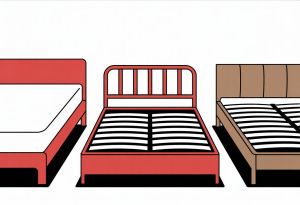
Choosing the right mattress can feel overwhelming with so many options available. A hybrid mattress combines foam comfort layers with an innerspring coil system to offer both cushioning and support in one bed.
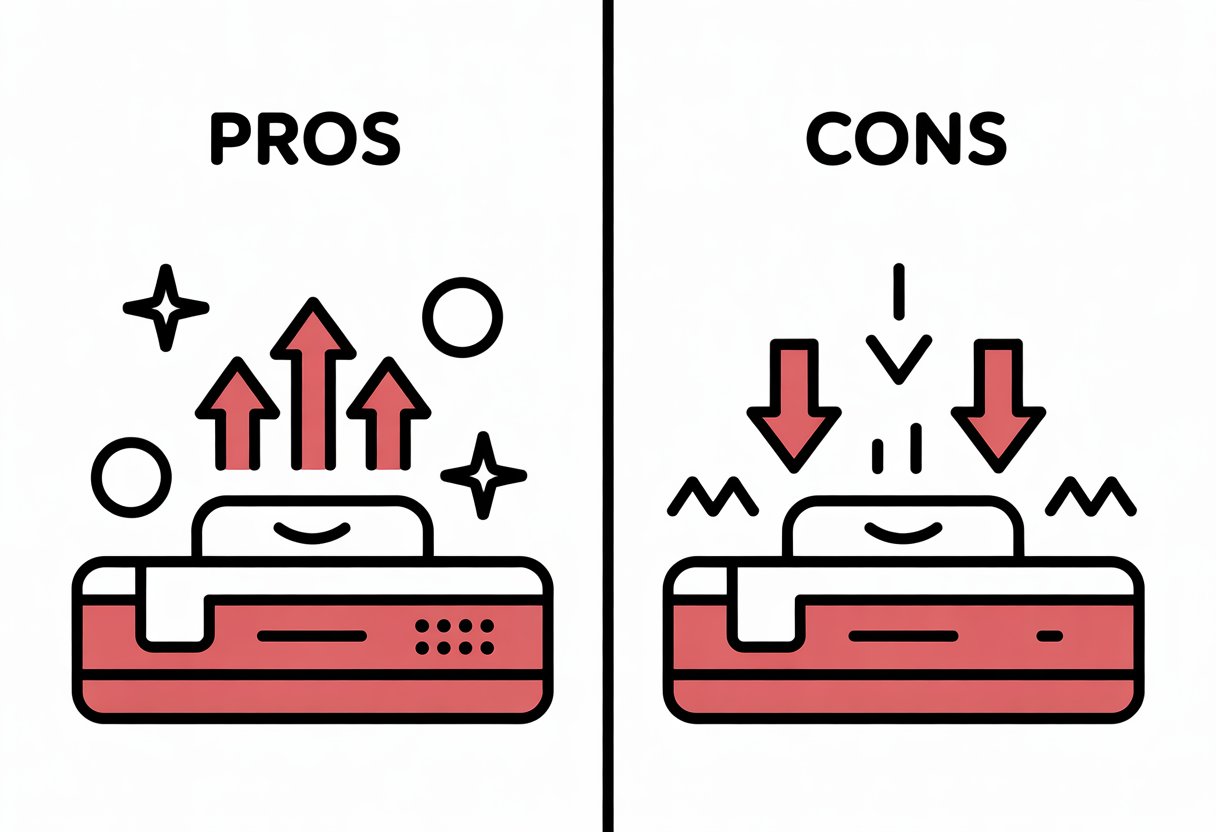
Hybrid mattresses balance the pressure relief of foam with the bounce and airflow of traditional spring mattresses, making them a popular middle-ground option for many sleepers. However, they come with trade-offs like higher prices and heavier weight compared to all-foam or basic innerspring beds.
Understanding the balance between comfort and support that hybrids provide helps you decide if this type of mattress fits your needs. This guide breaks down what makes hybrid mattresses unique, their main benefits and drawbacks, and who gets the most value from choosing one.
Key Takeaways
- Hybrid mattresses combine foam layers and coil springs to provide both cushioning and support
- They offer better airflow and bounce than all-foam beds but typically cost more and weigh more
- These mattresses work well for combination sleepers and those who want a balance of comfort features
What Is a Hybrid Mattress?
A hybrid mattress combines foam or latex comfort layers on top with an innerspring coil support core underneath. This construction aims to deliver both pressure relief and bounce while maintaining proper spinal alignment.
Hybrid Mattress Construction
Hybrid mattresses feature a layered design that stacks different mattress materials to balance comfort and support. The bottom layer contains a coil core made of innerspring coils, typically pocketed coils that move independently. Above the coils, you'll find comfort layers that can include memory foam, latex, polyfoam, or a combination of these materials.
The coil support core usually makes up at least half the mattress height. These coils provide the bounce and airflow that hybrid mattresses are known for. A transition layer often sits between the coils and comfort layers to prevent you from feeling the coils directly.
Most hybrid mattresses measure between 25 to 36 centimetres thick. The added coil layer makes hybrid mattresses heavier than all-foam options, which affects how easy they are to move or rotate.
How Hybrid Mattresses Differ from Other Types
The main difference between hybrid mattresses and other mattress types lies in their dual-layer approach. An innerspring mattress uses mostly coils with minimal padding on top. A foam mattress contains only foam layers without any coils.
Hybrid mattresses excel at pressure relief and motion isolation compared to traditional innerspring options. The foam layers absorb movement better than coils alone. They also sleep cooler than all-foam mattresses because the coil core allows air to circulate.
Hybrid mattresses offer more bounce than memory foam mattresses. This makes changing positions easier and provides better edge support. The coils give the mattress a responsive feel that foam alone cannot match.
Typical Comfort and Support Layers
The comfort layers in a hybrid mattress determine how the surface feels when you lie down. Memory foam creates a contouring sensation that hugs your body. Latex provides a more responsive, bouncy feel with natural cooling properties. Polyfoam offers a budget-friendly option that varies in firmness.
You might find these layer combinations in hybrid mattresses:
- Memory foam top layer with polyfoam transition layer
- Latex comfort layer with memory foam beneath
- Multiple foam densities stacked from soft to firm
- Gel-infused foam for temperature regulation
The coil support core provides the foundation for these comfort layers. Pocketed coils work independently to contour to your body shape. This design helps maintain proper spinal alignment while you sleep. The coils also create a stable base that prevents you from sinking too deeply into the mattress.
Key Advantages of Hybrid Mattresses
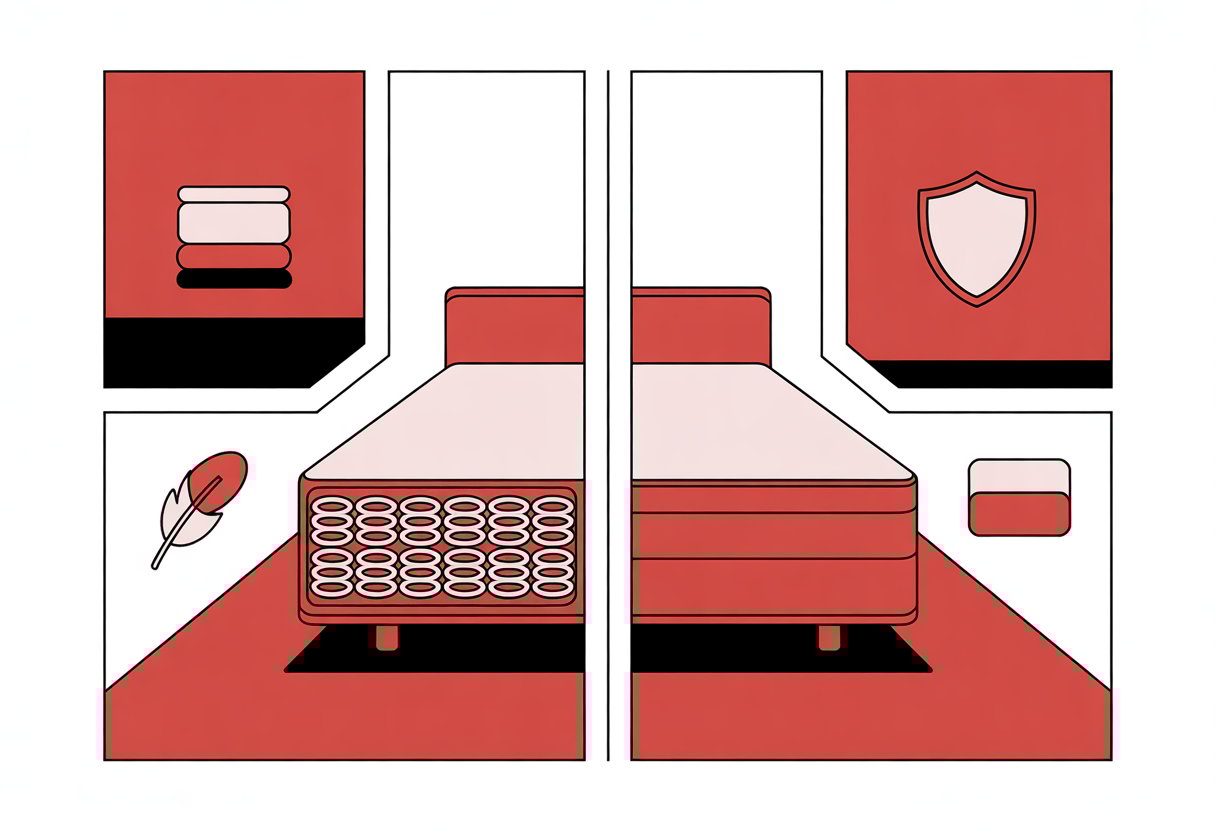
Hybrid mattresses combine innerspring coils with foam or latex layers to deliver a balanced sleep surface. This design addresses common complaints about traditional mattresses, from overheating to poor edge stability.
Balanced Comfort and Support
The main advantage of a hybrid mattress is how it combines two different materials to create a better sleep surface. The top foam or latex layer conforms to your body and relieves pressure points at your shoulders, hips, and lower back. Below that, pocketed coils provide the structural support your spine needs to stay aligned throughout the night.
This dual-layer system helps prevent the sinking feeling you might experience with all-foam mattresses. The coils push back against your body weight while the comfort layer cushions sensitive areas. Many hybrid designs include zoned support, where different sections of the coil system offer varying levels of firmness to match your body's needs.
Side sleepers benefit from pressure relief at their shoulders and hips. Back and stomach sleepers get the support they need to maintain proper spinal alignment. This versatility makes hybrids suitable for most sleep positions and body types.
Superior Temperature Regulation
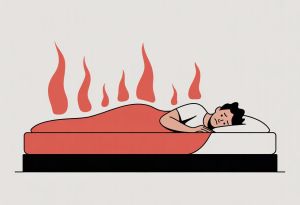
Hybrid mattresses excel at keeping you cool during sleep compared to traditional memory foam options. The innerspring layer creates open space beneath the comfort layers, allowing air to circulate freely through the mattress. This airflow prevents heat from building up around your body.
Hot sleepers often struggle with all-foam mattresses that trap body heat. The coil system in a hybrid acts like a ventilation channel that moves warm air away from your sleeping surface. Many models also feature gel-infused memory foam or natural latex in the comfort layers, which absorb and disperse heat more effectively than standard foam.
Some hybrid mattresses include cooling gel materials specifically designed for temperature regulation. These additions help pull heat away from your body and release it through the mattress structure.
Enhanced Motion Isolation and Edge Support
Hybrid mattresses provide strong edge support because of their reinforced coil perimeters. You can sit or sleep near the edge without feeling like you might roll off. This feature effectively increases your usable sleep surface and makes getting in and out of bed easier.
The combination of pocketed coils and foam layers also reduces motion transfer between sleep partners. Each coil moves independently, so movement on one side of the bed doesn't travel across the entire surface. The foam layers add another barrier that absorbs movement before it reaches your partner.
Couples particularly appreciate these benefits. One person can get up during the night or shift positions without disturbing the other sleeper.
Common Disadvantages of Hybrid Mattresses
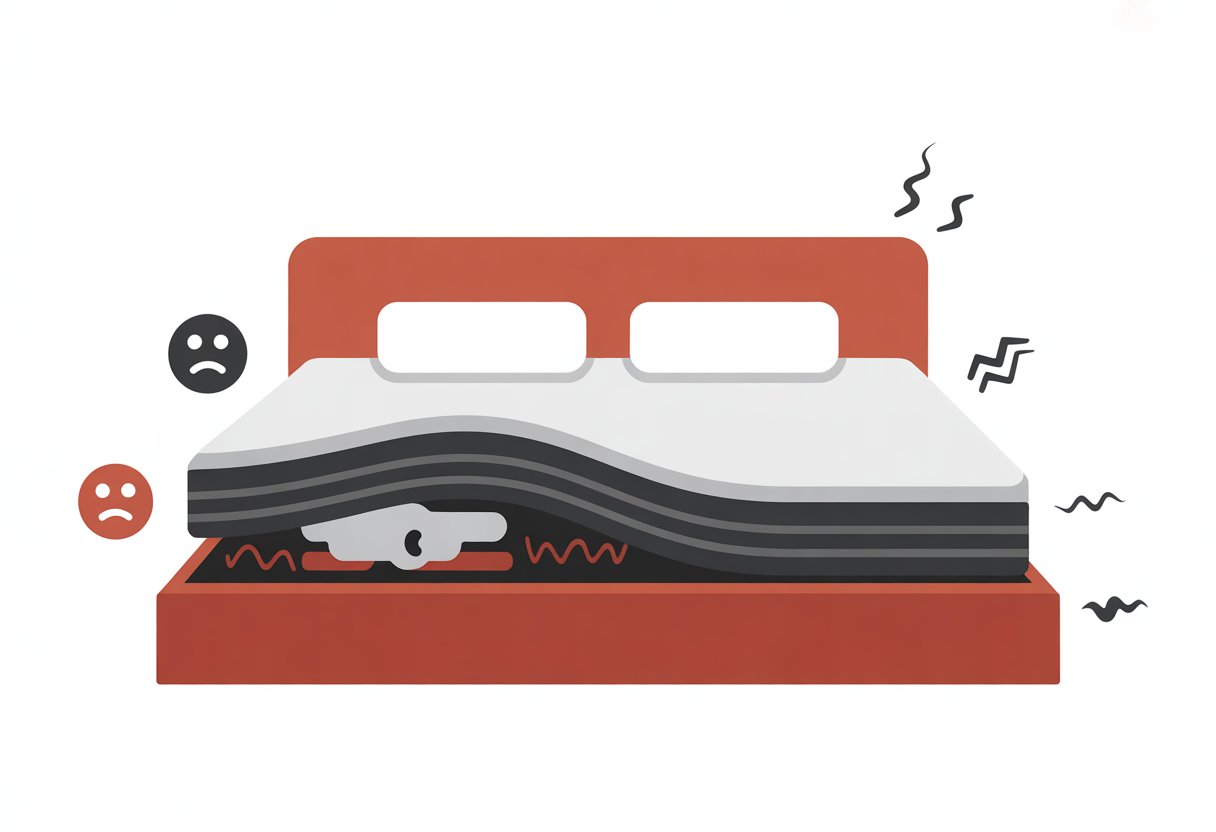
Hybrid mattresses come with several drawbacks that affect your budget, daily handling, and initial experience with the bed. These issues range from higher costs compared to basic foam models to practical concerns about weight and chemical odours.
Price and Affordability
Hybrid mattresses typically cost more than standard all-foam or traditional innerspring options. The combination of materials—coils, foam layers, and sometimes additional comfort materials—drives up manufacturing costs that get passed to you.
You can expect to pay anywhere from $800 to over $3,000 for a quality hybrid mattress in queen size. Budget models might seem affordable initially, but they often use lower-quality materials that break down faster. Mid-range hybrids usually offer the best balance of quality and value.
The higher price creates a barrier if you're shopping on a tight budget. You might need to save longer or compromise on features to afford a hybrid. Replacement costs also add up over time since these mattresses typically need replacing every 7 to 10 years.
Heaviness and Handling
Hybrid mattresses are significantly heavier than foam-only options due to their steel coil systems. A queen-size hybrid typically weighs between 60 and 90 kilograms, making it difficult to move or rotate on your own.
Moving your hybrid mattress requires at least two people. You'll face challenges when relocating homes, rearranging your bedroom, or even just rotating the mattress for even wear. This weight makes climbing stairs particularly difficult and increases injury risk if you attempt to move it alone.
The heaviness also complicates bed frame requirements. You need a sturdy foundation that can support the extra weight without sagging. Adjustable bases must have higher weight capacities, which can add to your overall costs.
Potential for Noise and Off-Gassing
Coil systems in hybrid mattresses can develop squeaks and creaks over time. The springs compress and expand with movement, creating noise that disturbs light sleepers or partners.
Off-gassing presents another concern with hybrid mattresses. The polyurethane foam layers release volatile organic compounds when first unpacked, creating a chemical smell. This odour typically fades within a few days to two weeks, but it can be strong initially and may cause headaches or irritation in sensitive individuals.
Lower quality motion isolation affects some hybrid models, particularly those with traditional innerspring coils. Movement on one side of the bed transfers to the other side more easily than with all-foam mattresses. Pocket coil designs reduce this issue but don't eliminate it completely.
Hybrid Mattresses vs. Memory Foam and Innerspring Models

Hybrid mattresses blend foam comfort layers with coil systems, positioning them between traditional innerspring and all-foam options. Each mattress type delivers distinct benefits in construction, feel, and longevity that affect your sleep quality.
Differences in Construction and Materials
A hybrid mattress features at least 2 inches of comfort material on top, typically memory foam or latex, combined with a support core of pocketed coils below. This hybrid mattress construction makes these beds thicker and deeper than most standard options.
Memory foam mattresses use only foam layers throughout. The comfort layers contain viscoelastic memory foam, while deeper support layers include transitional poly foam or high-density support foam. No coils exist in a true foam mattress.
Innerspring mattresses rely primarily on metal coils for both comfort and support. They may include a thin comfort layer on top, but the coil system provides most of the mattress structure. These beds typically have less cushioning material than hybrids.
Key Construction Differences:
| Mattress Type | Comfort Layers | Support System | Typical Thickness |
|---|---|---|---|
| Hybrid | 2-6 inches foam/latex | Pocketed coils | 12-16 inches |
| Memory Foam | Multiple foam layers | High-density foam | 10-14 inches |
| Innerspring | Minimal padding | Coil system | 8-12 inches |
Feel and Sleeping Experience
Hybrid mattresses deliver a balanced feel with moderate body contouring from foam layers and responsive support from coils beneath. Testing shows hybrids provide better cooling than memory foam due to airflow between coils, with an average cooling score of 8.8 compared to memory foam's 8.2.
Memory foam mattresses create a deeper hug around your body contours. You'll experience slower response times as the foam adapts to your shape and weight. This slower response reduces motion transfer significantly, with memory foam averaging 4.04 m/s² in motion tests compared to 7.40 m/s² for hybrids.
Innerspring mattresses offer the firmest, most responsive feel of the three mattress types. They provide excellent airflow and cooling but minimal pressure relief. The bounce from coils makes movement easier but transfers more motion across the bed surface.
Hybrids excel at pressure relief and motion isolation compared to innerspring models. They also outperform memory foam in bounce, with hybrids averaging 10.79 inches of bounce versus 6.19 inches for foam mattresses.
Support and Durability Comparison
Hybrid mattresses typically provide strong edge support due to their coil support system. In testing, hybrids showed 4.38 inches of sitting edge sinkage, better than memory foam's 5.21 inches. The coils create a robust perimeter that resists compression when you sit on the bed's edge.
Memory foam mattresses can struggle with edge support since foam compresses more easily than coils. However, some foam mattresses include reinforced edges or use firmer foam densities around the perimeter to improve performance in this area.
Innerspring mattresses generally last 7-10 years before showing wear. Memory foam mattresses typically last 10-15 years. Hybrids fall between these ranges at 10-12 years, though actual lifespan depends on mattress quality, your weight, and how well you maintain the bed.
Coil support in hybrids and innerspring models provides consistent structural integrity over time. Memory foam can develop body impressions as the foam softens with use, though higher-density foams resist this better.
Suitability: Who Should Consider a Hybrid Mattress?
Hybrid mattresses work well for people with different sleep styles, body weights, and temperature needs. The mix of coils and foam layers makes them a good choice for couples who need motion isolation and sleepers who want both support and comfort.
Sleep Positions and Body Types
Side sleepers often benefit from hybrid mattresses because the comfort layers cushion pressure points at the hips and shoulders. The coil base maintains spinal alignment while the top foam layers conform to your body's curves.
Back sleepers get solid support from the coil system, which prevents the lower back from sinking too far into the mattress. The foam layers still provide enough cushioning to support the natural curve of your spine.
Stomach sleepers need firmer surfaces to keep their hips from sagging. Many hybrid mattresses offer enough firmness through their coil systems to maintain proper spinal alignment for this sleep position.
Heavier individuals (over 230 pounds) find hybrids particularly supportive because multiple layers and coils support more weight. The coil base prevents excessive sinking while distributing weight evenly across the surface. Lighter sleepers (under 130 pounds) can still use hybrids but may prefer softer comfort layers for better pressure relief.
Couples and Motion Transfer Needs
Hybrid mattresses provide good motion isolation when one partner moves during the night. The foam layers absorb movement while the individually wrapped coils reduce motion transfer across the bed surface.
Couples with different firmness preferences can sometimes find a middle ground with hybrids. The combination of supportive coils and conforming foam layers creates a balanced feel that works for different body types.
If you sleep with a partner, hybrids can support more weight than all-foam options. The sturdy coil base prevents sagging along the edges and centre of the mattress over time. This durability matters when two people share a bed every night.
Hot Sleepers and Firmness Preferences
Hot sleepers benefit from the airflow that springs provide in hybrid mattresses. The coil system allows air to move through the mattress more freely than dense foam layers alone.
Many hybrids also include cooling materials in their comfort layers to regulate temperature. Look for gel-infused foam, breathable covers, or phase-change materials if you tend to sleep warm.
Firmness options vary widely in hybrid mattresses. You can find soft hybrids with thick comfort layers or firm ones with minimal foam on top of the coils. Some manufacturers offer zoned support systems that provide different firmness levels for different body areas. This targeted support helps maintain spinal alignment while offering pressure relief where you need it most.
Important Factors When Buying a Hybrid Mattress
Quality materials, strong warranties, and long-lasting construction separate good hybrid mattresses from poor ones. Understanding what to look for in these areas helps you make a smart purchase that meets your needs for years.
Assessing Quality of Materials
The materials inside your hybrid mattress directly affect how well you sleep and how long the mattress lasts. You should look for high-density foams in the comfort layers, which resist sagging better than low-density options.
Coil systems matter just as much as foam quality. Individually wrapped coils offer better motion isolation than traditional interconnected springs. The coil gauge also affects support—lower gauge numbers mean thicker, more durable coils.
Key material indicators to check:
- Foam density: Higher density (1.8 PCF or above for polyfoam, 4 PCF or above for memory foam) lasts longer
- Coil count: More coils (800+ for a queen size) typically provide better support
- Edge support: Reinforced perimeters prevent sagging along the sides
- Cover fabric: Breathable, durable covers improve comfort and longevity
Natural latex layers offer excellent durability compared to synthetic foams. Steel coils with higher carbon content resist wear better than lower-quality metals.
Understanding Warranty and Trial Periods
Most hybrid mattresses come with warranties ranging from 10 to 25 years. These warranties typically cover manufacturing defects and excessive sagging, but they don't cover normal wear or damage you cause.
Read the fine print before buying a hybrid mattress. Many warranties require you to use a proper foundation and keep your mattress clean. Some companies void warranties if you remove the law tag or stain the cover.
Trial periods let you test the mattress at home, usually for 90 to 365 nights. This matters because your body needs time to adjust to a new sleeping surface. You should sleep on the mattress for at least 30 nights before deciding if it works for you.
Important warranty terms to review:
- What specific defects are covered
- How much sagging triggers a warranty claim (usually 1.5 inches or more)
- Whether you pay return shipping costs
- If the warranty is prorated after certain years
Expected Lifespan and Durability
How long does a hybrid mattress last depends on the quality of materials and how you care for it. Most hybrids last between 7 to 10 years with proper maintenance.
Higher-quality hybrids with dense foams and strong coil systems can last up to 12 years or longer. Cheaper models with thin comfort layers and low coil counts may start sagging after just 5 years.
Your body weight affects durability too. Heavier sleepers compress materials faster than lighter sleepers. If you weigh over 230 pounds, look for hybrids with thicker comfort layers and reinforced coils.
Proper care extends your mattress life. Rotate your hybrid every 3 to 6 months to distribute wear evenly. Use a waterproof protector to prevent moisture damage and stains. Make sure your foundation provides adequate support across the entire mattress surface.
Signs your hybrid needs replacing include visible sagging, lumps in the comfort layers, noisy springs, and waking up with new aches or pains.
Frequently Asked Questions
Hybrid mattresses raise specific questions about their performance, value, and suitability for different sleepers. These mattresses combine foam layers with coil systems, which affects everything from price to temperature control.
What benefits do hybrid mattresses offer compared to memory foam or innerspring mattresses?
Hybrid mattresses give you both the pressure relief of foam and the support of coils in one bed. The coil layer provides bounce and responsiveness that pure memory foam lacks, making it easier to change positions during the night.
You get better edge support with hybrids than you would with all-foam mattresses. This means you can use the full surface of your bed without feeling like you might roll off the side.
The combination of foam and coils works well for different types of sleepers. Side sleepers benefit from the cushioning layers, while back and stomach sleepers get support from the coil system.
How does the longevity of a hybrid mattress compare with other types of mattresses?
Hybrid mattresses tend to be durable because their inner coil structure provides lasting support. The coils resist sagging better than foam alone, which helps the mattress maintain its shape over time.
Your hybrid mattress will typically last 7 to 10 years with proper care. This lifespan matches or exceeds what you would expect from quality innerspring or memory foam mattresses.
The added support layer reduces the likelihood of body impressions forming in the comfort layers. This durability makes hybrids a good choice if you want a mattress that maintains its performance for years.
Can hybrid mattresses improve sleep quality for individuals with back pain?
People switching from memory foam to a hybrid often report better spinal alignment and improved comfort. The coil system provides targeted support where your body needs it most.
The combination of cushioning and support helps keep your spine in a neutral position. This alignment can reduce pressure points that contribute to back pain during sleep.
You get individualised support from the coil system that responds to your body's unique shape and weight distribution. The foam layers contour to your body while the coils prevent your hips and shoulders from sinking too far into the mattress.
What is the impact of hybrid mattresses on motion transfer and sleeping partner disturbance?
Hybrid mattresses offer motion isolation properties that help reduce partner disturbance during the night. The foam layers absorb movement before it travels across the bed.
The effectiveness of motion isolation depends on the type and thickness of the comfort layers. Thicker foam layers provide better motion absorption than thinner ones.
You will notice less motion transfer with a hybrid than with a traditional innerspring mattress. However, hybrids may transfer slightly more motion than all-foam mattresses due to the coil system.
Are there any significant differences in temperature regulation between hybrid and traditional mattresses?
Hybrid mattresses sleep cooler than all-foam mattresses because the coil layer allows air to circulate through the bed. This airflow helps dissipate body heat throughout the night.
Some heat retention can still occur in the foam comfort layers, especially if the mattress uses dense memory foam. However, hybrids remain more breathable than pure memory foam options.
You will experience better temperature regulation with a hybrid than with traditional memory foam. The open structure of the coils creates pathways for heat to escape, which helps you maintain a comfortable sleeping temperature.
How do the costs of owning a hybrid mattress stack up against those of other mattress options over time?
Hybrid mattresses typically cost more upfront than basic innerspring or foam mattresses. You pay extra for the premium materials and construction that combine multiple support systems.
The higher initial cost can balance out over time due to the mattress's durability. If your hybrid lasts 8 to 10 years, the cost per year of ownership becomes more reasonable.
You should consider the value of better sleep quality when calculating long-term costs. A mattress that reduces pain and improves rest may save you money on healthcare and productivity losses related to poor sleep.