Getting enough rest the night before a big test can feel impossible when your mind is racing with worry. Many students struggle to fall asleep because they feel stressed about how they'll perform. The truth is that sleep helps improve memory recall and concentration, which makes it one of the most important things you can do to prepare.
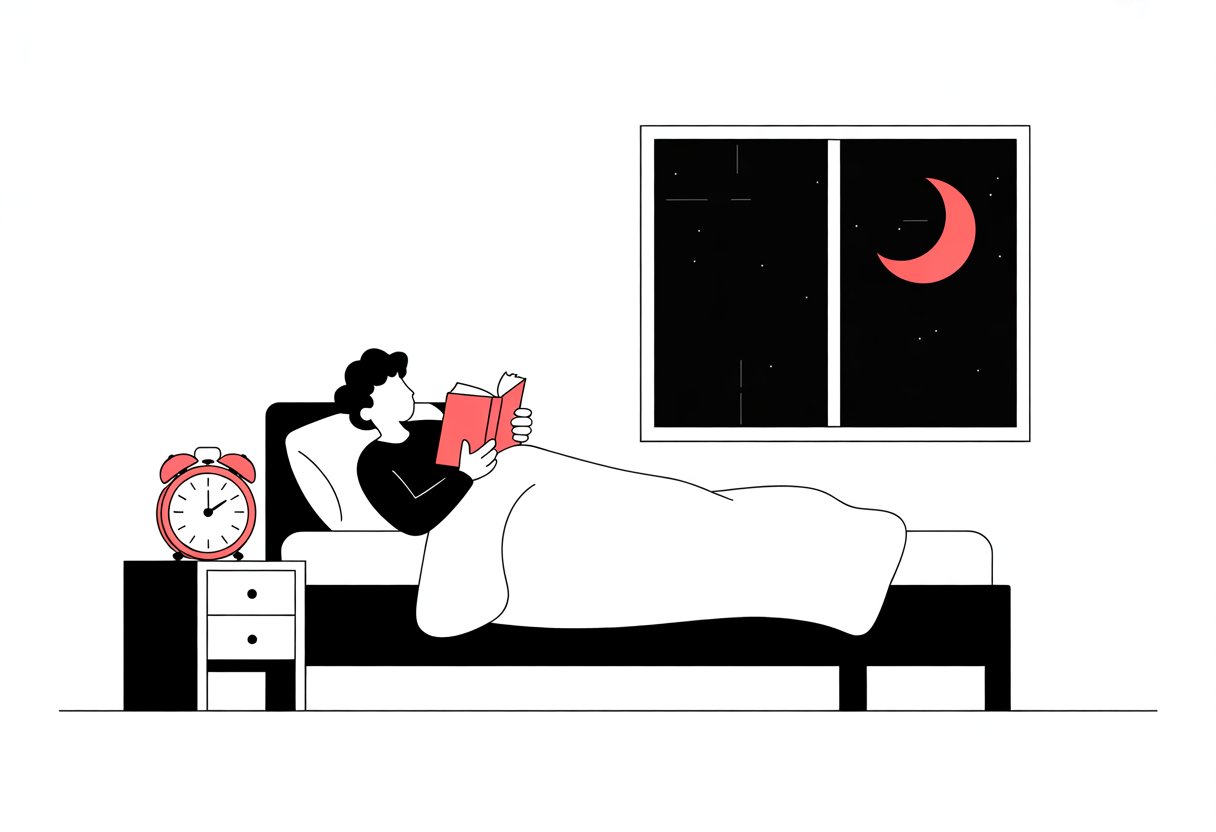
When you don't sleep well, your brain can't store information properly. This means all the studying you did might not stick in your memory when you need it most. We'll share practical ways to help you relax and get better rest before your exam so you can show up feeling ready to do your best.
Key Takeaways
- Quality sleep before an exam improves your memory and focus more than last-minute cramming
- Creating a calming bedtime routine and managing stress helps you fall asleep easier
- Simple changes to your environment and habits can make a big difference in how well you rest
Getting Ready for Test Day
Sleep plays a major role in how well we perform on exams. When we don't get enough rest, our brains struggle to focus and remember information during the test.
Our ability to concentrate drops when we're tired. This makes it harder to recall facts we studied using flashcards or active recall methods.
Poor sleep affects our memory too. We might forget important details even though we prepared well.
Getting quality rest helps our minds work better on exam day.
Our 5 Strategies For Achieving Quality Rest Before An Exam
1. Pay Attention To What You Eat
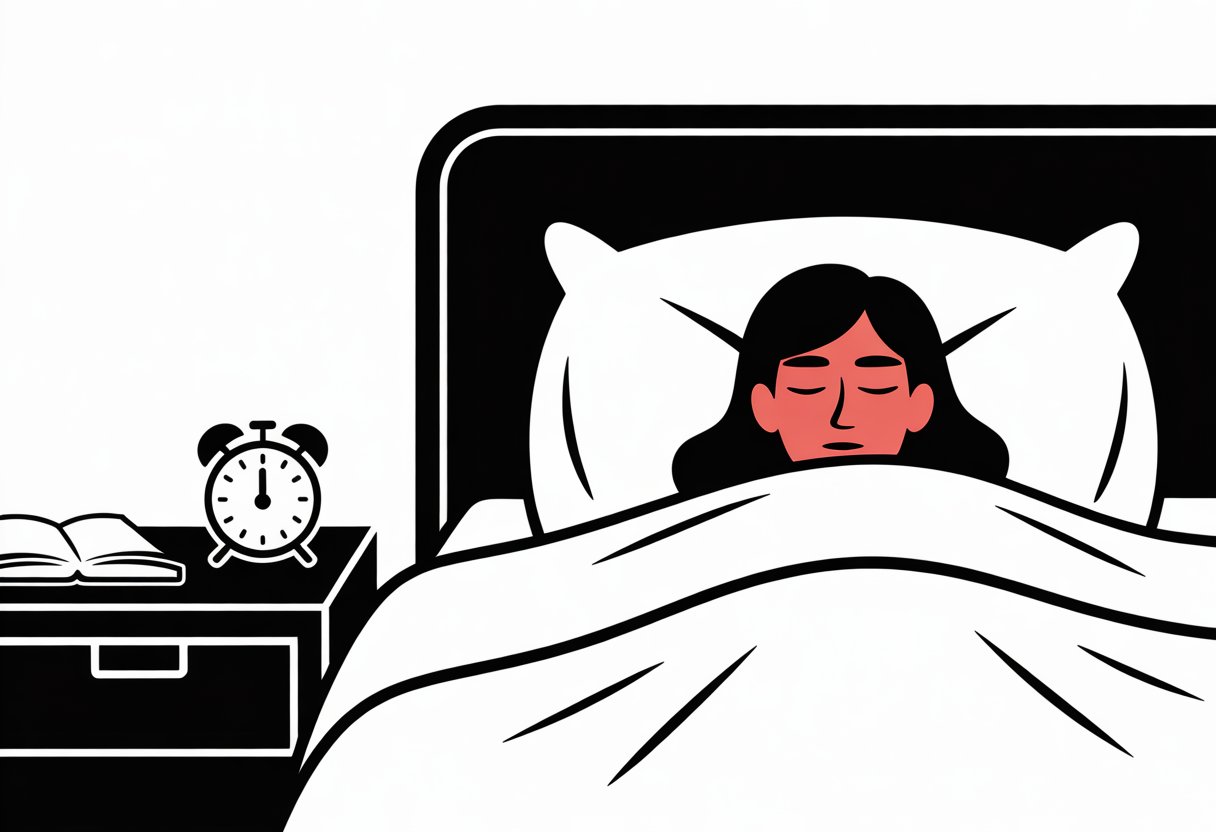
What we put into our bodies directly affects how well we sleep at night. Foods high in sugar and heavily processed items can throw off our natural sleep-wake cycles and make falling asleep much harder.
We should focus on eating balanced meals that support our body's need for rest. Avoiding alcohol is particularly important when we have an exam coming up. Alcohol disrupts melatonin levels for several days after consumption, which interferes with our ability to fall asleep naturally and maintain good sleep quality.
Melatonin helps regulate our circadian rhythm and signals to our body when it's time to rest. When we drink alcohol before bed, we're essentially blocking this crucial process that supports memory consolidation during deep sleep.
2. Limit Electronic Device Use Before Bedtime
The screens on our phones, tablets, and computers emit blue light that tricks our brains into thinking it's still daytime. This exposure delays melatonin production and pushes back our natural sleep schedule.
When we use these devices close to bedtime, we make it harder to achieve the deep sleep stages necessary for cognitive function and exam performance. Our bodies need darkness to properly enter sleep cycles and reach the REM stages where memory retention happens.
We recommend putting away all screens at least one hour before bed. This gives our brains time to wind down and start producing the hormones needed for quality sleep. Creating an optimal sleep environment means keeping electronic devices out of the bedroom entirely when possible.
3. Manage Your Stress Levels
Exam stress and pre-exam anxiety can keep us awake when we need rest most. When we're stressed, our bodies produce cortisol, which works against sleep by keeping us alert and wired.
Relaxation techniques can help calm our minds before bed. Deep breathing exercises are simple tools we can use anywhere. The 4-7-8 breathing method involves inhaling for four counts, holding for seven, and exhaling for eight counts.
Progressive muscle relaxation is another effective approach where we tense and release different muscle groups throughout our body. These grounding techniques help reduce exam anxiety and prepare our bodies for rest. Some people find that breathing exercises and stress management work better than any sleep aids for managing pre-exam sleep challenges.
| Relaxation Technique | How It Helps |
|---|---|
| Deep breathing exercises | Slows heart rate and calms nervous system |
| Progressive muscle relaxation | Releases physical tension throughout body |
| Grounding techniques | Redirects anxious thoughts and promotes present-moment awareness |
4. Make Physical Activity Part Of Your Day
Regular exercise improves our sleep quality and helps reset our circadian rhythm. Even a short walk can make a difference in how well we sleep that night.
Morning or early afternoon workouts work best for supporting healthy sleep patterns. Exercising outdoors adds the benefit of natural light exposure, which reinforces our body's understanding of when to be awake and when to rest.
Physical activity also helps manage stress levels and supports both short-term memory and cognitive performance during final exams. We don't need intense workouts to see benefits—consistent movement matters more than duration or intensity.
5. Establish Consistent Sleep Habits
Going to bed and waking up at the same times each day strengthens our sleep hygiene and makes falling asleep easier. A consistent bedtime trains our bodies to expect rest at specific hours.
We should create an optimal sleep environment that supports quality rest. This includes keeping our bedroom cool, dark, and quiet. Blackout curtains block outside light, while a white noise machine can mask disruptive sounds.
Building healthy habits around sleep takes time but pays off during high-pressure periods like exam season. Simple additions like chamomile tea or valerian root before bed can support natural relaxation. The goal is developing a routine that signals to our bodies that it's time to wind down and prepare for a good night's rest that will support memory consolidation and better sleep throughout the night before an exam.
Final Thoughts
Getting proper rest delivers real advantages for your health, emotions, and thinking abilities. Taking steps to improve your sleep quality directly supports exam success and stronger academic performance.
We encourage you to try these approaches:
- Set a consistent bedtime routine
- Avoid caffeine in the evening
- Keep your bedroom cool and dark
- Put away electronic devices an hour before bed
Quality sleep helps with memory consolidation, which means your brain processes and stores information more effectively. This gives you a better chance of recalling what you studied when test day arrives.
Common Questions About Sleep and Exam Preparation
How can we establish a consistent sleep routine leading up to test day?
We need to start preparing our sleep schedule at least one week before the exam date. Going to bed at the same time each night helps our body develop a natural rhythm.
We should aim for 8 hours of sleep, though no less than 6 hours will work if needed. Setting a fixed bedtime and wake time trains our brain to feel tired and alert at the right moments.
Creating a pre-sleep routine signals to our body that it's time to wind down. This might include brushing our teeth, laying out exam materials, or reading something light for 15 minutes.
We must avoid changing our sleep schedule drastically the night before an exam. Last-minute adjustments can disrupt our natural sleep cycle and leave us feeling groggy.
Which foods and beverages should we skip for optimal rest?
We need to eliminate caffeine at least 6 hours before bedtime. This includes coffee, tea, energy drinks, and chocolate.
Foods and drinks to avoid:
- Alcohol (disrupts deep sleep cycles)
- Heavy meals within 3 hours of bedtime
- Spicy foods (can cause discomfort)
- Sugary snacks (create energy spikes)
- Large amounts of liquid (leads to bathroom trips)
We should also skip any new foods we haven't tried before. An upset stomach from unfamiliar food can keep us awake when we need rest most.
Carbonated beverages can cause bloating and discomfort. We're better off choosing water or herbal tea if we need something to drink in the evening.
What calming methods help us fall asleep during exam season?
Deep breathing exercises work well for reducing exam stress. We can try breathing in for four counts, holding for four counts, and exhaling for four counts.
Progressive muscle relaxation involves tensing and releasing different muscle groups. We start with our toes and work up to our head, spending about 5 seconds on each area.
Effective relaxation approaches:
- Listening to calm music or white noise
- Practising guided meditation for 10-15 minutes
- Writing down worried thoughts in a journal
- Visualising a peaceful scene or positive exam outcome
- Doing gentle stretches or yoga poses
We can also try the 4-7-8 breathing technique. This involves breathing in through our nose for 4 counts, holding for 7 counts, and exhaling through our mouth for 8 counts.
Mindfulness exercises help us focus on the present moment instead of exam worries. We simply notice our breath and body sensations without judging them.
What bedroom conditions promote the best sleep quality?
We should keep our room temperature between 15-19 degrees Celsius. A cooler room helps our body maintain the right temperature for deep sleep.
Our bedroom needs to be as dark as possible. We can use blackout curtains or an eye mask to block out light that might wake us up.
Key environmental factors:
| Element | Recommendation |
|---|---|
| Temperature | 15-19°C |
| Light | Complete darkness |
| Noise | Quiet or white noise |
| Bedding | Clean and comfortable |
| Electronics | Removed from bedroom |
We must remove phones, tablets, and laptops from our sleeping area. The blue light from screens tricks our brain into thinking it's daytime.
A comfortable mattress and pillow support proper rest. We shouldn't wait until exam week to replace uncomfortable bedding.
Fresh air helps us sleep better. We can crack a window open slightly or use a fan to improve air circulation.
When should we stop reviewing material in the evening?
We need to finish studying at least 1 hour before we plan to sleep. This gives our brain time to shift from active learning mode to rest mode.
Stopping 2 hours early works even better for most people. This allows us to do a calming activity that helps us transition toward sleep.
We shouldn't review difficult or stressful material right before bed. Complex topics can keep our mind active when we're trying to relax.
Light review of familiar material is acceptable if we stop 90 minutes before bedtime. This includes looking over flashcards or reading through summary notes.
We can do a brief 5-minute review of key points earlier in the evening. Then we switch to our pre-sleep routine without any more studying.
Does physical activity improve our rest during exam preparation?
Regular movement helps us sleep better and reduces exam stress. We just need to time it correctly.
Best exercise options and timing:
- Morning workouts (7-9 AM) provide energy for the day
- Afternoon sessions (2-4 PM) don't interfere with sleep
- Light walking (anytime except late evening)
- Gentle yoga (can be done closer to bedtime)
- Swimming or cycling (best before 6 PM)
We should avoid intense workouts within 3 hours of bedtime. Vigorous exercise raises our body temperature and heart rate, making it harder to fall asleep.
Moderate activity for 20-30 minutes works better than long, exhausting sessions during exam week. We want to reduce stress without wearing ourselves out.
A short 10-minute walk after dinner can aid digestion and help us relax. This gentle movement doesn't stimulate us too much before bed.
Stretching or restorative yoga poses are safe to do in the evening. These calm activities actually promote relaxation rather than excitement.