

















Your queen mattress is one of the most important pieces of furniture in your home, supporting you through roughly 2,500 hours of sleep each year. Yet many people don't know when it's time to replace it. Most queen mattresses should last between 7 to 10 years, though this depends on the mattress type, quality, and how well you maintain it.
The lifespan of your mattress matters more than you might think. An old, worn-out mattress doesn't just feel uncomfortable. It can lead to poor sleep quality, body aches, and even allergy problems.
Understanding how long your queen mattress should last helps you plan ahead and recognize warning signs before your sleep suffers. Whether you bought your mattress last year or a decade ago, knowing what affects its lifespan can help you get the most value from your investment and ensure you're always sleeping on a surface that properly supports your body.
Key Takeaways
- Queen mattresses typically last 7 to 10 years, with latex lasting longest and innerspring wearing out fastest
- Signs like sagging, increased pain, and visible wear indicate it's time for a replacement
- Proper care with mattress protectors and regular rotation can extend your mattress's usable life
How Long Should a Queen Mattress Last?
Most queen mattresses last between 7 to 10 years, though this timeline varies based on mattress type, usage patterns, and how well you maintain your bed. The queen size itself doesn't determine longevity, but the materials and construction quality play the biggest role in how long your mattress will provide restful sleep.
Average Lifespan Expectations
Most mattresses are designed to last between 7 to 8 years, regardless of their size. Your queen mattress falls within this standard range.
Memory foam and gel foam queen mattresses typically last 10 to 15 years with proper care. These materials resist sagging better than traditional options when you rotate them regularly.
Innerspring queen mattresses usually last 7 to 10 years. The coil construction quality matters most for mattress longevity in these models.
Hybrid mattresses have the shortest lifespan at approximately six years. The combination of materials breaks down faster than single-construction types.
Latex and speciality foam queen mattresses can last 15 years or longer. They offer the best mattress investment for long-term value, though they cost more upfront.
Why Queen Size Mattresses Differ
Queen mattresses don't inherently last longer or shorter than other sizes. The mattress lifespan depends on materials and construction, not dimensions.
Your queen mattress does have more surface area than a twin or full. This means wear spreads across more space when you sleep in different positions throughout the night.
Two people typically share a queen mattress. This doubles the weight and pressure on the sleep surface compared to a single sleeper, which can reduce how long the mattress lasts.
Body weight affects your queen mattress more than size does. Heavier sleepers compress materials faster, requiring replacement sooner than lighter individuals need.
Typical Timeline by Usage
Guest room queen mattresses often last beyond the standard 10-year mark. Limited use means fewer hours of compression and wear on the materials.
Your primary bedroom queen mattress experiences roughly 2,920 hours of use per year if you sleep eight hours nightly. The average mattress lasts for a maximum of 30,000 hours of sleep, which translates to about 10 years of daily use.
Couples place more demand on their queen mattress than solo sleepers. You'll likely need to replace yours closer to the seven-year mark when two people use it every night.
Children's queen mattresses face additional stress from jumping and active play. These activities compress springs and foam faster, reducing sleep quality and shortening the mattress investment timeline to five or six years.
Factors Influencing Queen Mattress Lifespan
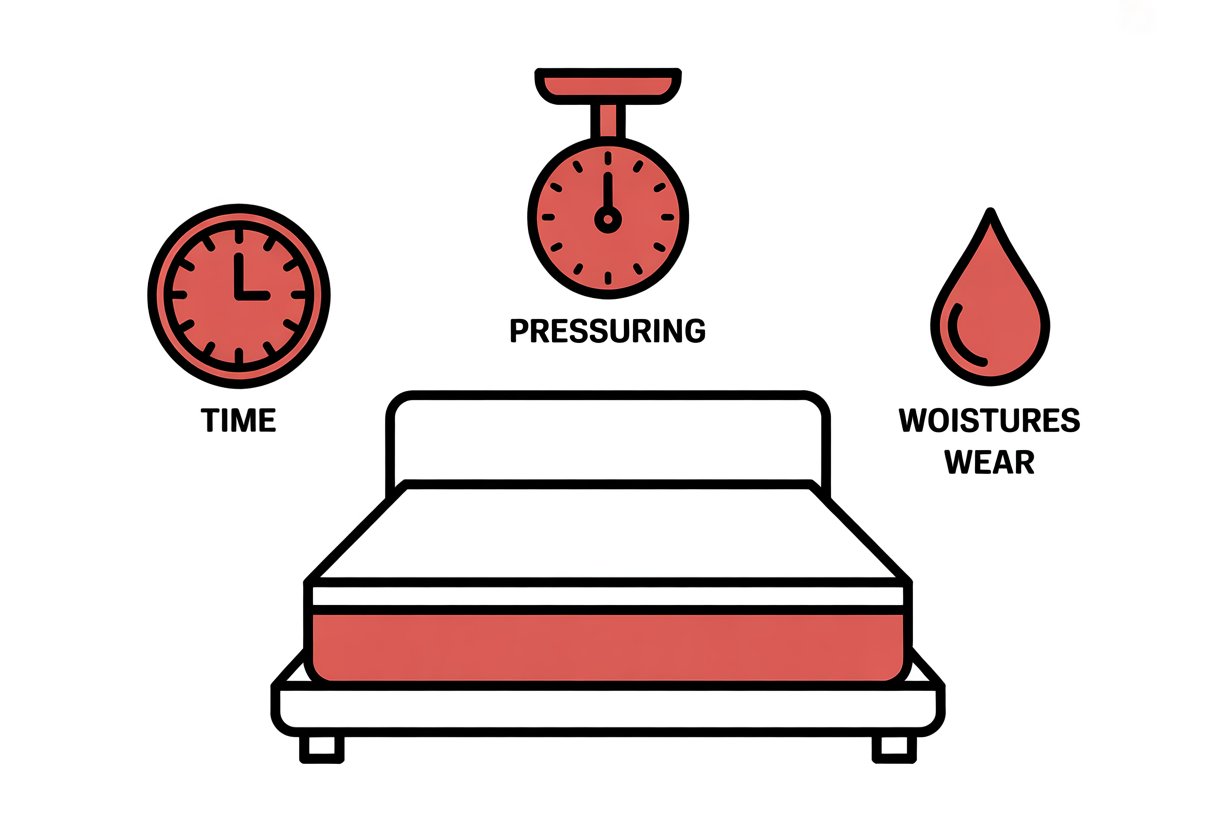
Multiple elements determine how long your queen mattress will remain supportive and comfortable. The materials used in construction, your body characteristics, how you maintain the bed, and where you sleep all play significant roles in mattress durability.
Mattress Materials and Build Quality
The materials inside your queen mattress directly affect how many years it will last. Latex mattresses can last up to 20 years when made from 100% organic latex, making them the most durable option available.
High-density foam resists sagging better than low-density alternatives. Memory foam beds typically last 6 to 7.5 years, while innerspring mattresses average 5.5 to 7 years before showing wear. Hybrid designs combining coils with thick foam comfort layers often reach 10 to 15 years of use.
The quality of materials matters as much as the type. Organic cotton and wool naturally last longer than synthetic fabrics. Cheap innerspring mattresses may start sagging after just five years, even though the coils themselves remain intact. Lower-quality foam develops lumps and body impressions faster than premium materials.
Body Weight and Sleeping Position
Your body weight and preferred sleeping position significantly impact how quickly your mattress wears down. Heavier individuals compress mattress materials more intensely, creating body impressions sooner than lighter sleepers would.
Side sleepers put concentrated pressure on smaller areas where shoulders and hips rest. This focused weight accelerates wear in those specific zones. Back sleepers distribute their weight more evenly across the mattress surface, which helps preserve the materials longer.
Stomach sleepers typically need firmer mattresses that resist sagging better. Couples must consider their combined weight when choosing a queen mattress. Two people sleeping together will wear out a bed faster than a single sleeper, affecting both comfort and overall health through reduced sleep quality.
Frequency of Use and Care
How often you use your mattress determines its lifespan more than almost any other factor. A guest room bed used occasionally will outlast a primary bedroom mattress used every night. Daily use naturally accumulates wear faster.
Proper mattress care extends durability significantly. Rotating your mattress 180 degrees every three to six months evens out wear patterns. Using a mattress protector shields against spills, stains, and moisture that can damage materials and void warranties.
Keeping your queen mattress elevated on a proper frame prevents mould growth and protects against allergens. Mattresses placed directly on floors trap moisture and dirt, shortening their functional life. Regular cleaning of removable covers and spot-treating accidents immediately helps maintain the bed's condition and supports your well-being.
Climate and Sleep Environment
Your bedroom's temperature and humidity levels affect how long mattress materials stay intact. High humidity environments can promote mould and mildew growth, particularly in foam layers that trap moisture. Hot climates may cause some foam types to break down faster.
Proper ventilation in your sleep environment helps moisture evaporate from the mattress. This prevents the buildup of sweat and body oils that degrade materials over time. Pets sleeping on your bed introduce additional wear, oils, and potential damage through scratching.
Dust mites thrive in warm, humid conditions and accumulate in mattresses over years of use. While they don't necessarily shorten mattress lifespan, their presence signals age and affects sleep quality for allergy sufferers.
Queen Mattress Lifespan by Type

Different mattress materials break down at different rates, with innerspring beds typically lasting 7-10 years while high-quality latex options can reach 15-20 years. The construction method and density of materials determine how well your queen mattress maintains its support over time.
Innerspring Mattresses
Innerspring mattresses contain steel coil systems that provide the primary support structure. These beds typically last between 7-10 years, though the specific coil type affects durability.
Continuous coils use a single wire formed into multiple coils across the mattress. This design offers decent support but may develop sagging faster than other coil types. The interconnected structure means pressure in one area affects the entire sleep surface.
Pocketed coils are individually wrapped in fabric sleeves, allowing each coil to move independently. This construction method typically provides better motion isolation and more even weight distribution. Pocketed coil systems often maintain their support longer than continuous coil designs.
The gauge and tempering of the innerspring coils play a major role in longevity. Thicker, twice-tempered coils resist permanent compression better than thinner alternatives. Regular rotation helps distribute wear across all the coils rather than concentrating pressure in specific zones.
Memory Foam Mattresses
Memory foam mattresses rely on viscoelastic polyurethane foam that contours to your body shape. These beds generally last 7-10 years, with high-density foam lasting closer to 10-15 years.
Foam density is the most important factor affecting lifespan. High-density memory foam (5 pounds per cubic foot or higher) resists sagging and maintains support longer than low-density alternatives. Lower-density foams compress permanently after just 5-7 years of use.
The base foam layer matters as much as the top memory foam layer. A sturdy high-density base prevents the entire mattress from breaking down prematurely. Without proper foundational support, even quality memory foam develops body impressions.
Memory foam mattresses work best on solid platforms or foundations with closely-spaced slats. Inadequate support from the bed frame accelerates wear in the middle of the mattress where your body weight concentrates most.
Latex Mattresses
Latex mattresses offer exceptional durability compared to other mattress types. Natural latex mattresses made from rubber tree sap can last 15-20 years with proper care and maintenance.
Natural latex provides superior resilience and bounce compared to synthetic alternatives. The material naturally resists dust mites and mould, maintaining a more hygienic sleep surface over time. Talalay latex undergoes additional processing that creates a more consistent cell structure throughout the material.
Synthetic latex mattresses cost less but typically last only 6-10 years. These beds use petroleum-based materials that don't match the durability of natural rubber. Blended latex combines natural and synthetic materials, offering moderate longevity at a mid-range price point.
Latex mattresses maintain their shape and support longer than foam alternatives because the material springs back to its original form after compression. The open cell structure also promotes better airflow, preventing moisture buildup that can degrade other materials.
Hybrid Mattresses
Hybrid mattresses combine innerspring coils with foam or latex comfort layers. These beds typically last 6-10 years, depending on the quality of both the coil system and comfort materials.
The coil quality determines the baseline durability of any hybrid mattress. Pocketed coil systems with thicker gauge springs provide better long-term support than cheaper coil alternatives. The comfort layers then add or subtract years based on their own material composition.
Hybrids with memory foam comfort layers generally wear faster than those topped with latex. The foam layers may develop body impressions before the coils lose their support capabilities. This creates an uneven sleep surface even though the underlying springs remain functional.
Higher-quality hybrid mattresses use denser foams or natural latex in their comfort layers. These materials match the durability of the coil system better, allowing the entire mattress to age more evenly. Regular rotation extends the lifespan by distributing wear across both the coils and comfort layers.
Signs It's Time to Replace Your Queen Mattress
Your mattress shows clear warning signs when it's reached the end of its useful life. Physical damage like sagging, poor sleep quality with morning aches, allergy symptoms from accumulated dust mites, and reduced motion isolation all indicate your mattress needs replacement.
Mattress Sagging and Visible Wear
Mattress sagging is one of the most obvious signs you need a new mattress. When you notice body impressions that remain after you get up, your mattress has lost its structural integrity.
Check your mattress for visible indentations deeper than 2.5 centimetres. These depressions typically form where you sleep most often, particularly in the hip and shoulder areas.
Look for other physical damage too. Frayed edges, torn fabric, exposed springs, or lumpy surfaces all indicate your mattress is worn out. Springs that squeak or poke through the surface mean the internal support system has failed.
Common visible wear signs:
- Permanent body impressions
- Sagging in the middle or edges
- Lumps or uneven surfaces
- Torn or damaged cover fabric
- Protruding or noisy springs
A quality queen mattress should maintain its shape and support throughout its lifespan. Once sagging appears, the mattress cannot provide proper spinal alignment.
Decreased Sleep Quality and Aches
Waking up with aches and pains often means your mattress no longer provides adequate support. Your spine needs proper alignment during sleep to prevent discomfort.
You might notice stiffness in your neck, shoulders, lower back, or hips when you wake up. These aches typically improve as you move around during the day. If you sleep better at hotels or on other beds, your mattress is likely the problem.
Poor pressure relief causes discomfort in side sleepers especially. Your mattress should cushion your shoulders and hips without letting them sink too far.
Warning signs of poor mattress support:
- Morning back or neck pain
- Numbness or tingling in arms or legs
- Taking longer to fall asleep
- Waking up frequently during the night
- Feeling tired despite spending enough time in bed
A failing mattress forces your body into uncomfortable positions throughout the night. This prevents you from reaching deep, restorative sleep stages.
Increased Allergies or Dust Mite Activity
Mattresses accumulate dust mites, dead skin cells, and allergens over time. After several years, these build-ups can trigger allergy symptoms even in people without previous sensitivities.
You might experience increased sneezing, congestion, itchy eyes, or asthma symptoms when lying in bed. These reactions often worsen at night or first thing in the morning.
Dust mites thrive in the warm, humid environment of your mattress. They feed on dead skin cells that naturally shed while you sleep. Even with regular cleaning, older mattresses harbour significant dust mite populations.
Allergy-related replacement indicators:
- New or worsening respiratory symptoms
- Skin irritation or rashes
- Increased asthma attacks at night
- Persistent stuffy nose upon waking
- Symptoms that improve when away from home
While mattress protectors and regular cleaning help, they cannot fully prevent accumulation in an aging mattress. Most mattresses become significant allergen reservoirs after 7-8 years of use.
Motion Transfer and Support Loss
Motion transfer increases as your mattress ages and loses its ability to isolate movement. If you share your bed, you'll notice your partner's movements more than when the mattress was new.
Rolling over, getting in and out of bed, or shifting positions shouldn't disturb your sleeping partner. When the mattress support deteriorates, these movements create more bounce and motion across the entire surface.
You might also notice the mattress feels less stable overall. The edges may compress easily when you sit on them, or you might roll toward the middle of the bed during the night.
Motion and support problems include:
- Feeling your partner's every movement
- Rolling toward the centre of the bed
- Weak or collapsing edges
- Uneven support across the surface
- Difficulty changing positions comfortably
A mattress that transfers excessive motion prevents quality sleep for both partners. The constant micro-awakenings from movement disrupt your sleep cycles even if you don't fully wake up.
Extending the Lifespan of Your Queen Mattress
Taking care of your queen mattress properly can add years to its useful life. Simple steps like using protective covers, choosing the right support system, and following rotation schedules help maintain comfort and prevent premature wear.
Proper Mattress Care and Maintenance
Regular cleaning keeps your mattress fresh and extends its life. Vacuum your mattress surface every few months to remove dust, dead skin cells, and allergens that accumulate over time.
Address spills and stains immediately by blotting with a clean cloth. Use a mild detergent mixed with water for spot cleaning, but avoid soaking the mattress. Allow it to dry completely before putting sheets back on.
Keep your bedroom well-ventilated to prevent moisture buildup. Open windows when weather permits and use a dehumidifier in humid climates. Excess moisture creates an environment where mould and dust mites thrive.
Strip your bed weekly and let the mattress breathe for a few hours. This simple habit reduces moisture trapped in the mattress layers. Wash bedding in hot water to kill dust mites and remove body oils that can break down mattress materials.
Using Mattress Protectors and Toppers
A waterproof mattress protector serves as your first line of defence against spills, sweat, and body oils. These protective covers prevent liquids from seeping into the mattress core where they cause stains and create breeding grounds for bacteria.
Quality mattress protectors don't change how your bed feels. Look for breathable materials that allow air circulation while blocking moisture. Many protectors are machine washable, making them easy to clean regularly.
A mattress topper adds an extra comfort layer while protecting the mattress surface from direct body contact. Toppers can reduce the impression your body makes on the mattress over time. They're especially useful if your mattress feels too firm or if you want to adjust comfort without buying a new bed.
Replace mattress protectors every two to three years or when they show signs of wear. Wash them monthly to maintain their protective qualities.
Ensuring the Right Bed Frame and Base
Your mattress needs proper support to maintain its shape and comfort. A sturdy bed frame or mattress base prevents sagging and distributes weight evenly across the entire surface.
Check your bed frame regularly for broken slats or weak spots. Slats should be no more than 8 centimetres apart for adequate support. Add a centre support beam for queen-size frames to prevent the middle from sagging.
Box springs work well with innerspring mattresses but aren't necessary for foam or hybrid models. Many modern mattresses perform better on solid platforms or slatted bases that allow airflow underneath.
Ensure your base is level and sits on even flooring. An uneven foundation causes unnatural stress on certain mattress areas, leading to premature wear and uncomfortable sleeping surfaces.
Rotating and Flipping Strategies
Most modern queen mattresses benefit from rotation but don't require flipping. Rotate your mattress 180 degrees every three to six months so the head becomes the foot. This practice evens out wear patterns and prevents body impressions from forming in one spot.
Memory foam and hybrid mattresses typically have a specific top and bottom, so only rotate them. Innerspring mattresses may be double-sided, allowing you to flip and rotate for maximum longevity.
Set a reminder on your phone for rotation days. Many people rotate their mattress when changing clocks for daylight saving time. Mark the rotation date on your mattress tag or bed frame to track when you last rotated it.
Skip rotation if your mattress has zone support designed for specific body areas. Check your manufacturer's guidelines before establishing a rotation schedule.
Warranties, Longevity, and Responsible Disposal
Understanding what your warranty covers and knowing how to dispose of your old mattress responsibly are key parts of making a smart purchase. These factors affect both your wallet and the environment.
What Mattress Warranties Typically Cover
Most mattress warranties last between 10 and 20 years. However, mattress warranties typically cover manufacturing defects rather than normal wear and tear.
Common defects include sagging beyond a certain depth (usually 1.5 to 2.5 centimetres), broken coils or springs, and zipper failures on covers. Warranties don't cover stains, burns, cuts, or damage from improper support.
Many warranties are prorated, meaning you pay a portion of the replacement cost after the initial coverage period ends. Understanding your mattress warranty helps you know what to expect if problems arise. Some warranties require you to keep your receipt and use a proper foundation or bed frame.
Always read the fine print before purchasing. A longer warranty doesn't always mean better quality, but it can indicate the manufacturer's confidence in their product.
Making a Smart Mattress Investment
The best mattress investment balances quality, durability, and price. Higher-quality materials typically cost more upfront but last longer.
Consider the average lifespans when budgeting. Innerspring mattresses last 6 to 10 years, memory foam lasts 8 to 10 years, and latex can last up to 15 years. A queen mattress that costs more per year of use might actually be cheaper than replacing a budget option every five years.
Look for certifications like CertiPUR-US for foam or GOLS for latex. These indicate safer materials and better manufacturing standards. Check customer reviews in Canada, the US, Australia, and New Zealand to see how mattresses hold up over time in different climates.
A mattress protector adds years to your investment by preventing moisture damage and stains. Regular rotation also helps mattresses wear evenly and last longer.
Mattress Recycling Options
Throwing your old queen mattress in a landfill isn't your only choice. Mattress recycling programmes exist across Canada, the US, Australia, and New Zealand.
In Canada, check with your municipality for collection days or drop-off locations. Many cities offer free pickup for bulky items. Some retailers take back your old mattress when delivering a new one.
Steel springs, foam, and fabric can all be recycled into new products. Springs become scrap metal, foam turns into carpet padding, and fabric becomes cleaning cloths. Up to 80% of a mattress can be recycled.
Charities accept gently used mattresses if they're clean and undamaged. Habitat for Humanity ReStores and local shelters often need donations. Call ahead to confirm they're accepting mattresses before dropping one off.
Frequently Asked Questions
A queen mattress typically lasts seven to ten years, though proper care and quality materials can extend this timeline. Understanding warning signs and maintenance practices helps you get the most value from your investment.
What is the typical lifespan of a queen-sized mattress?
Most mattresses should last between seven and ten years, and queen-sized mattresses follow this same general timeline. The size of your mattress doesn't affect how long it lasts as much as the materials and construction quality do.
High-quality mattresses made with durable materials can last even longer with proper care. Some premium latex mattresses can last up to 20 years if they're made with 100% organic materials.
How can I tell if my queen mattress needs replacing?
Your mattress needs replacing if you notice visible sagging or lumps that disrupt your sleep. These issues cause you to wake up with back pain or feel like you didn't get proper rest.
You should also consider replacement if you sleep better on other mattresses, such as hotel beds or guest room mattresses. Stubborn stains, mould growth, or bed bug infestations are clear signs you need a new mattress immediately.
If your queen mattress is seven to ten years old, it's time to start shopping for a replacement even if it looks fine. Mattresses accumulate sweat, dirt, and allergens over time that reduce their effectiveness.
What factors contribute to the longevity of a queen-sized mattress?
Your sleeping position affects how quickly your mattress wears out. Side sleepers compress smaller, more intense areas at the shoulders and hips, which can lead to body impressions forming faster than other sleeping positions.
Body weight plays a significant role in mattress durability. Heavier individuals compress the top layers more intensely, which can shorten the lifespan of mattresses not designed to support higher weights.
The quality of materials in your mattress determines how well it resists sagging and softening. Mattresses with high-density foam or organic latex maintain their shape better than those made with lower-quality materials.
How you use your mattress also matters. Keeping your mattress elevated on a proper frame or foundation protects it from moisture, allergens, and dust mites that can damage the materials.
Can the use of a mattress protector extend the life of my queen mattress?
A mattress protector helps extend your mattress's life by keeping liquids, dust, and allergens away from the materials inside. These barriers prevent stains that could develop into mould or other damage over time.
Protectors attach like fitted sheets or fully encase your mattress to provide complete coverage. They're much easier to clean than a mattress itself, since you can remove and wash them regularly.
Quality protectors made from cotton and silicone blends offer protection without making excessive noise. This practical investment helps you avoid voiding your warranty through accidental damage.
How does the material of a queen mattress affect its durability?
Latex mattresses typically last the longest, with lifespans of 12 to 15 years for high-quality natural latex versions. This material resists body impressions and maintains its supportive properties better than other foam types.
Memory foam mattresses generally last eight to ten years. High-density foam in the support layers provides good durability, but lower-density foam near the top may sag or lump after several years.
Hybrid mattresses combine coil systems with foam comfort layers and typically last seven to ten years. The type of foam used in the comfort layer affects overall durability, with latex hybrids lasting longer than memory foam versions.
Innerspring mattresses have the shortest lifespan at five to eight years. The coils themselves are durable, but thin comfort layers may wear out quickly or allow springs to poke through.
Are there specific care instructions that can prolong the lifespan of a queen mattress?
Rotating your mattress 180 degrees every three to six months helps even out wear patterns. This simple step brings less-used areas to the forefront and prevents excessive sagging in high-pressure zones.
Regular cleaning prevents the build-up of dust, allergens, and moisture that can damage your mattress. If your mattress has a removable cover, wash it according to the manufacturer's instructions.
Address spills and accidents immediately to prevent stains from setting in. Blot liquids with a clean cloth and allow the area to dry completely before replacing your bedding.
Keep your mattress elevated on a proper frame rather than placing it directly on the floor. This prevents moisture accumulation and protects against mould, mildew, and potential warranty violations.
Ready to shop? Shop queen mattresses at National Mattress.
 by
by 


