

















Many people wonder if adding a mattress protector will change how their bed feels when they sleep. We understand this concern because comfort matters when you're trying to get a good night's rest. A mattress protector sits between your mattress and your sheets to guard against spills, stains, allergens, and wear over time.
The short answer is that quality mattress protectors won't make your bed less comfortable. However, some protectors can affect how your mattress feels depending on their materials and design. We'll explain what mattress protectors do, how they might change your bed's feel, and how to pick one that keeps your mattress both protected and comfortable.
Key Takeaways
- Most quality mattress protectors do not reduce comfort when they use breathable, stretchy materials
- Mattress protectors guard against liquids, allergens, and damage while extending your mattress's life
- Choosing the right material and thickness helps maintain your mattress's original feel and support
Do Mattress Protectors Make the Bed Less Comfortable?
A quality mattress protector won't make your bed less comfortable. The best ones use stretchy materials and breathable designs that let you feel your mattress properly.
Some cheaper options might change how your bed feels. Protectors with less flexible materials might limit the natural give of your mattress. This matters most if you have memory foam that's supposed to mould to your body.
The material makes a big difference in mattress comfort. Cotton versions are soft and breathable, which helps keep you cool at night. However, some protectors can make the bed warmer, which bothers people who already sleep hot.
We recommend choosing a protector with ventilation and flexible fabric. This way, you get protection without sacrificing the feel of your mattress.
What Is a Mattress Protector?
A mattress protector fits over your bed to create a defensive barrier between your sleeping surface and potential damage. These protective layers help keep beds free from stains, mould, allergens, and bed bugs while extending the life of your investment.
We see two common designs available. The first style works like a fitted sheet that stretches over the corners. The second option features a zipper that wraps around the entire bed for complete coverage.
Some versions are thicker and provide additional padding, which people often call mattress pads. A mattress cover shouldn't be confused with a mattress topper, which serves a different purpose by adding comfort rather than protection.
Investing in quality protection saves money over time since mattresses represent a significant purchase. The right protector maintains your bed's condition for years.
Why Should You Use a Mattress Protector?
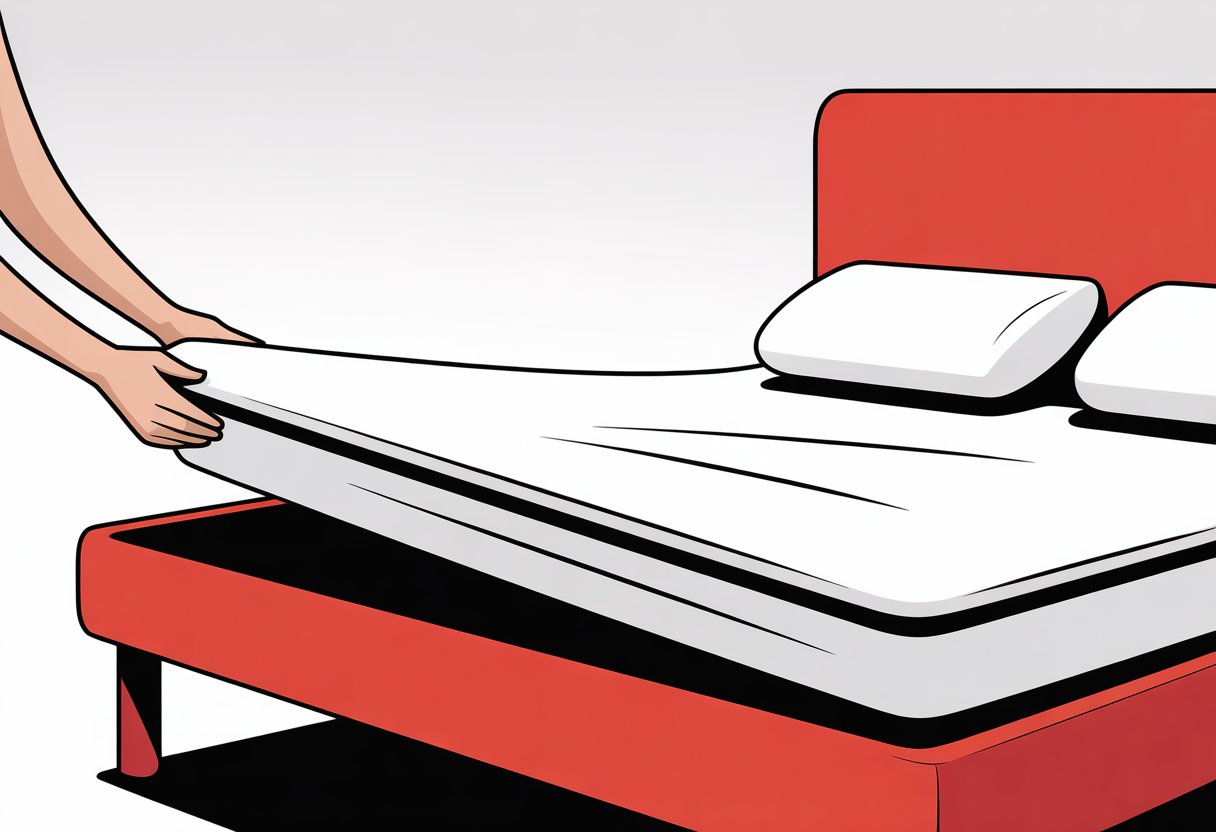
A mattress protector creates a protective barrier that keeps your bed cleaner and healthier. We lose moisture through sweat every night, and without protection, this seeps into the mattress and can cause unpleasant odours. Even worse, trapped moisture creates conditions where mould and mildew can grow.
Protection Against Common Threats
Waterproof mattress protectors defend against several problems:
- Allergens like dust mites, which cannot survive easily on waterproof surfaces
- Bed bugs that might otherwise burrow into your mattress
- Spills and stains from food, drinks, or pets
- Moisture damage that shortens mattress lifespan
For allergy sufferers, hypoallergenic mattress protectors make a significant difference. These barriers prevent allergens from building up where we sleep each night.
Extending Your Investment
Mattresses cost hundreds or thousands of dollars. Using mattress protection helps preserve this investment by preventing stains and wear. Most protectors are washable, making it simple to maintain mattress hygiene without complicated cleaning.
Some protectors even improve comfort through temperature regulation or added cushioning. A mattress encasement provides full coverage around all sides. This comprehensive approach to mattress longevity means your bed stays fresher and lasts longer, which benefits both your sleep quality and overall health.
Do Mattress Protectors Make the Bed Less Comfortable?
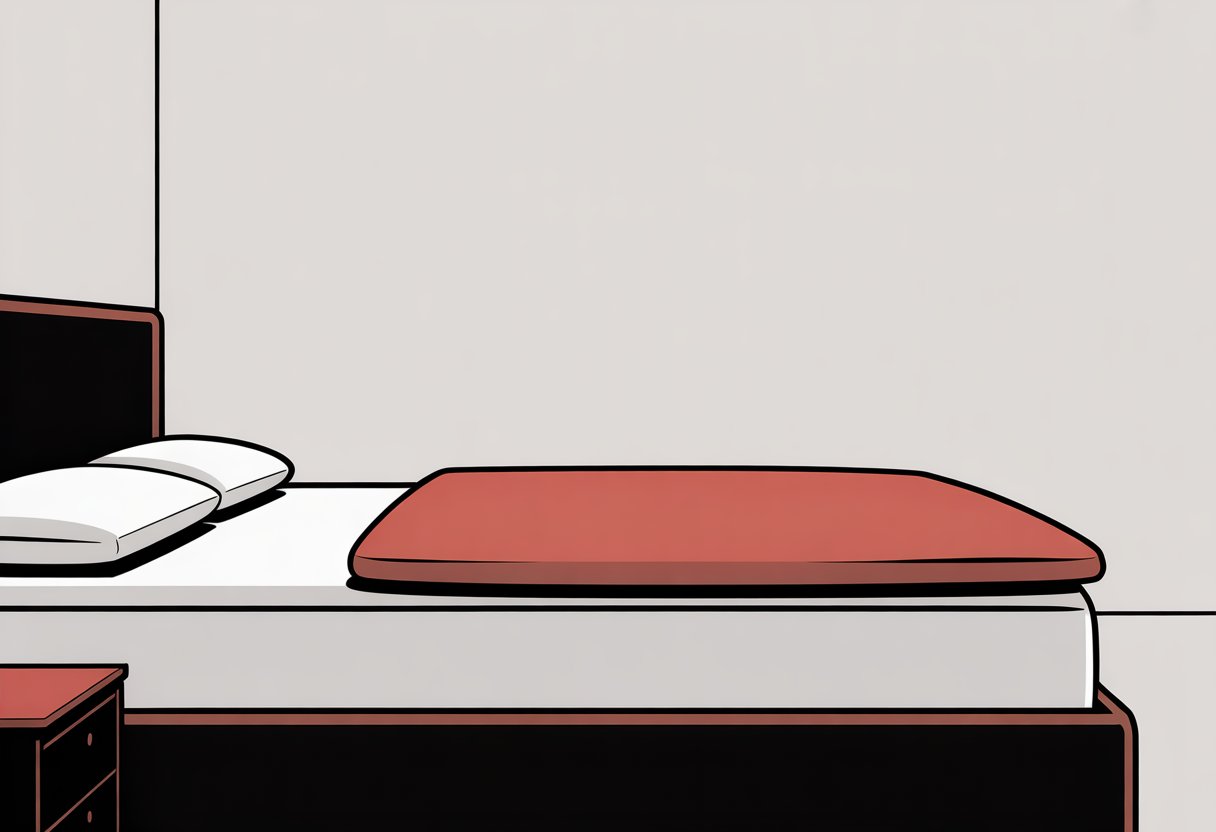
A quality mattress protector should not reduce your comfort level. The material you choose plays a major role in how the protector affects your sleep environment.
Cheaper options made from plastic materials can create problems with temperature regulation. These low-cost covers trap body heat during the night, which affects sleep quality for those who already run warm.
We recommend looking for breathable mattress protector options to maintain proper mattress breathability. Materials like cotton, bamboo, and moisture-wicking synthetics allow air to flow through while still protecting against spills and stains.
Some products are specifically made for hot sleepers who need better heat retention control. These cooling versions help remove excess warmth quickly.
Good quality protectors won't change how your mattress feels when they use stretchy, ventilated materials. The key is avoiding stiff fabrics that prevent your mattress from responding to your body properly.
What Is the Most Comfortable Mattress Protector?
We find that the best protectors balance protection with comfort. A quality mattress protector should have water-resistant or moisture-wicking properties to keep your bed dry throughout the night.
Material choices matter for comfort:
- Cotton blended with nylon or wool offers breathability
- Bamboo provides natural cooling properties
- Plush velour adds a luxurious feel
- Polyurethane creates a thin, flexible waterproof barrier
We recommend looking beyond the cheapest options on the shelf. Cotton mattress protectors work well for breathability, whilst polyurethane membranes offer waterproof protection without adding bulk. This material goes nearly undetected on your memory foam mattress or foam mattress.
Plush velour covers with waterproof top layers give you both protection and softness. The right protector keeps you cool, clean, and dry without changing how your memory foam mattress feels beneath you.
How Can I Make My Bed More Comfortable?
When your current sleep surface shows signs of wear like sagging, odd sounds, or persistent odours, it may be time to consider a new mattress. A quality replacement will improve your overall comfort and help you rest better each night. Once you've invested in a better sleep surface, proper mattress care through a protective cover will help maintain its condition for years.
Beyond replacing worn-out bedding, we recommend focusing on several key elements:
Pillow Quality Your pillow provides critical support for your head and neck throughout the night. Upgrading your pillows can make a noticeable difference in comfort.
Clean Bedding Wash your sheets and pillowcases regularly to remove allergens and maintain freshness. Replace worn linens periodically to keep your bed inviting.
Room Environment Temperature control plays a vital role in sleep quality. Keep your bedroom well-ventilated and set to a comfortable temperature. Remove excess clutter to create a peaceful space. Adding plants or improving your window treatments can enhance the calming atmosphere of your room.
These simple changes work together to create a more restful sleeping environment.
How to Determine the Comfort of a Mattress Protector
We recommend checking the label and researching the brand before purchasing. Quality and material play major roles in how comfortable your protector will feel.
Look for these key features:
- Moisture protection to keep your bed dry
- Temperature regulation to prevent heat buildup
- Hypoallergenic fabrics to reduce allergens
The thickness and material of the protector affect how it changes your mattress feel. Some protectors add extra cushioning while others remain nearly invisible.
We suggest choosing materials based on breathability. Cotton and bamboo allow better air circulation than polyester. These fabrics help maintain comfort throughout the night.
If you need protection from dust mites or bed bugs, specialised protectors are available. A quality protector won't make your bed less comfortable when it features stretchy materials and proper ventilation. The right protector should improve your sleep experience whilst protecting your mattress warranty.
Common Questions About Mattress Protectors and Comfort
Will a Mattress Protector Change How My Bed Feels?
A mattress protector can change how your bed feels, but it depends on the type you choose. Thin protectors made with stretchy fabrics typically let you feel the mattress underneath without much difference. Thicker protectors with extra padding will add a layer between you and the mattress surface.
Some protectors with less flexible materials can reduce how well your mattress responds to your body. This matters most if you have a memory foam bed that's supposed to mould to your shape.
The weight of the protector matters too. Lightweight options usually don't affect the feel much. Heavier protectors with waterproof backing or quilted tops will create a more noticeable difference.
Do Mattress Protectors Reduce Airflow?
Mattress protectors can affect how air moves through your bed. Waterproof protectors often use vinyl or polyurethane layers that block airflow. This can trap heat and make you feel warmer at night.
We recommend looking for protectors with breathable waterproof technology. These use special materials that block liquids but still let air pass through. Cotton-topped protectors also help with airflow better than synthetic fabrics.
Quality protectors feature ventilated top layers that allow better air circulation. These designs help keep your bed at a comfortable temperature while still protecting against spills and stains.
Which Protector Types Balance Comfort and Protection Best?
Different protector types offer various levels of comfort and protection:
Fitted Sheet Style Protectors
- Thin and lightweight
- Easy to put on and remove
- Good for basic protection
- Minimal impact on comfort
Encasement Protectors
- Cover all six sides of the mattress
- Best protection against bed bugs and allergens
- Can feel bulkier
- May trap more heat
Quilted Protectors
- Add slight cushioning
- Softer surface feel
- Moderate waterproof protection
- Can change firmness slightly
Cooling Protectors
- Made with moisture-wicking fabrics
- Help regulate temperature
- Often use bamboo or special synthetics
- Good for hot sleepers
We find that fitted sheet style protectors with a cotton or bamboo top layer work well for most people. They protect against spills and allergens without drastically changing how the bed feels.
Are There Protectors Made to Keep Beds Feeling the Same?
Yes, manufacturers design specific protectors to preserve your mattress feel. These products focus on being as thin and flexible as possible while still offering protection.
Look for protectors labelled as "ultra-thin" or "barely there." These typically measure less than 1 millimetre thick. They use advanced waterproof membranes that block liquids without adding bulk.
Stretch-knit protectors work well for this purpose. The fabric moves with your body and doesn't restrict how the mattress responds. This design works especially well with memory foam and latex mattresses that need flexibility.
Some brands make protectors specifically for certain mattress types. Memory foam protectors use extra stretch to let the foam compress properly. Hybrid mattress protectors account for both foam and coil layers.
How Do We Stop a Protector from Making Our Mattress Firmer?
Choose the right thickness to avoid adding firmness. Protectors under 1 millimetre thick rarely change how firm a bed feels. Thicker protectors with padding or quilting will make your mattress feel firmer.
Here are steps to maintain your mattress firmness:
- Select a protector without extra padding or foam layers
- Pick stretchy fabrics that don't resist compression
- Avoid heavily quilted designs
- Choose fitted styles rather than thick encasements
- Test the protector by pressing down on it before buying
We suggest reading product reviews from people with similar mattress types. Someone with a soft memory foam bed can tell you if a protector made their mattress feel firmer.
If you accidentally buy a protector that changes your bed's firmness, you can try a different style. Many retailers offer return periods for bedding products.
Which Protector Materials Keep the Sleep Surface Most Natural?
Natural and specialized synthetic materials work best for maintaining your original sleep surface:
| Material | Impact on Feel | Breathability | Protection Level |
|---|---|---|---|
| Cotton Terry | Minimal | Excellent | Moderate |
| Bamboo | Very Low | Excellent | Moderate |
| Tencel | Very Low | Excellent | Good |
| Polyester Knit | Low | Good | Good |
| Vinyl | Moderate | Poor | Excellent |
| Polyurethane | Low to Moderate | Fair to Good | Excellent |
Cotton terry cloth protectors feel soft and natural. They absorb moisture well and let air pass through easily. However, they may not be fully waterproof against large spills.
Bamboo fabric offers similar benefits to cotton with better moisture-wicking properties. It feels smooth and cool against sheets. The natural fibres create less noise than synthetic options.
Tencel is a plant-based fabric that feels silky and smooth. It regulates temperature well and doesn't change the mattress surface much. This material costs more than cotton or polyester.
We find that stretchy polyester knit with a thin waterproof backing offers good protection without drastically changing comfort. The key is choosing protectors where the waterproof layer uses modern technology rather than thick vinyl.
Natural latex backing provides waterproof protection while staying flexible. This material works particularly well for people with latex mattresses who want consistent feel throughout their sleep surface.
 by
by 


