

















You spend about a third of your life in bed, so when you wake up with aches and pains, your mattress might be to blame. If your back feels stiff and sore in the morning but improves after you've been moving around for 30 minutes to an hour, there's a good chance your mattress is causing the problem. Research shows that between 50 and 80 per cent of adults experience at least one episode of back pain in their lifetime, and your sleep surface plays a bigger role than you might think.
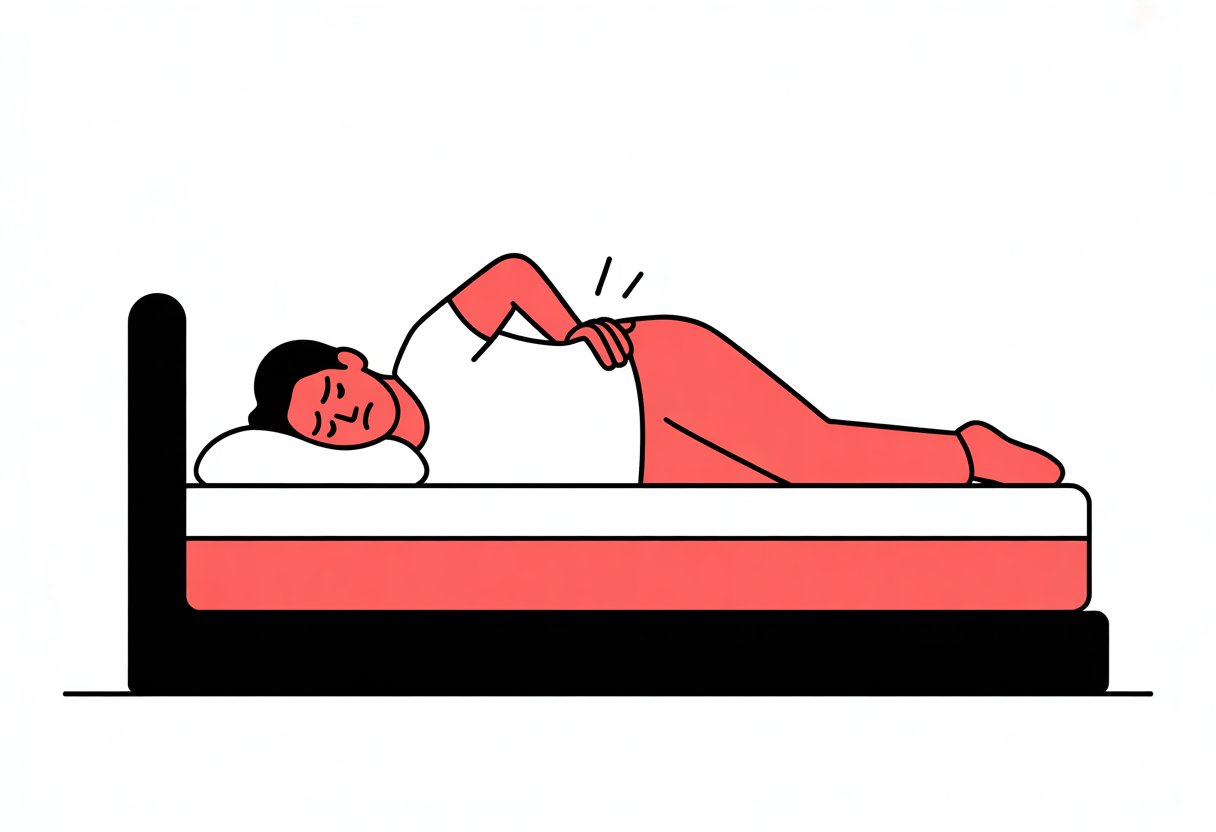
The good news is that mattress-related back pain is fixable. Understanding the warning signs can help you figure out whether your bed is helping or hurting your spine. From sagging spots to trouble getting comfortable at night, your body gives you clear signals when something isn't right.
Key Takeaways
- Morning back pain that fades after you've been awake is a strong sign your mattress is the problem
- Your mattress should keep your spine aligned without being too soft or too firm for your body weight
- Most mattresses need replacing every 7 to 10 years to maintain proper support
How Mattresses Can Cause or Worsen Back Pain
Your mattress directly affects how your spine positions itself during sleep, and poor spinal alignment creates strain on muscles, ligaments, and joints. When your mattress fails to provide proper support, your body compensates in ways that lead to discomfort and pain.
The Relationship Between Mattress and Back Health
Your spine has a natural S-shaped curve that needs support throughout the night. When your mattress is too soft, your heavier body parts sink too deeply, creating a U-shape that strains your lower back. When it's too firm, your spine can't maintain its natural curves because the mattress pushes against your pressure points.
A mattress that is too soft can start hurting your spine sooner than you realise, while one that's too hard causes joint pressure. Your body weight, sleeping position, and existing back conditions all determine what firmness level keeps your spine aligned.
A worn-out mattress loses its ability to support your spine properly. The materials break down over time, creating sagging areas that pull your body into unnatural positions.
Common Mechanisms of Sleep-Related Spinal Pain
Pressure point buildup happens when your mattress doesn't distribute your body weight evenly. Your shoulders, hips, and lower back bear too much pressure, cutting off blood flow and causing muscles to tense up.
Muscle strain from poor positioning occurs when your spine stays in an unnatural position for hours. Your muscles work overtime trying to support your spine, leading to morning back pain and stiffness.
Lack of lumbar support leaves a gap between your lower back and the mattress. This forces your spine to bridge that gap without support, straining the muscles and ligaments in your lower back throughout the night.
Warning Signs Your Mattress Is the Source of Back Pain
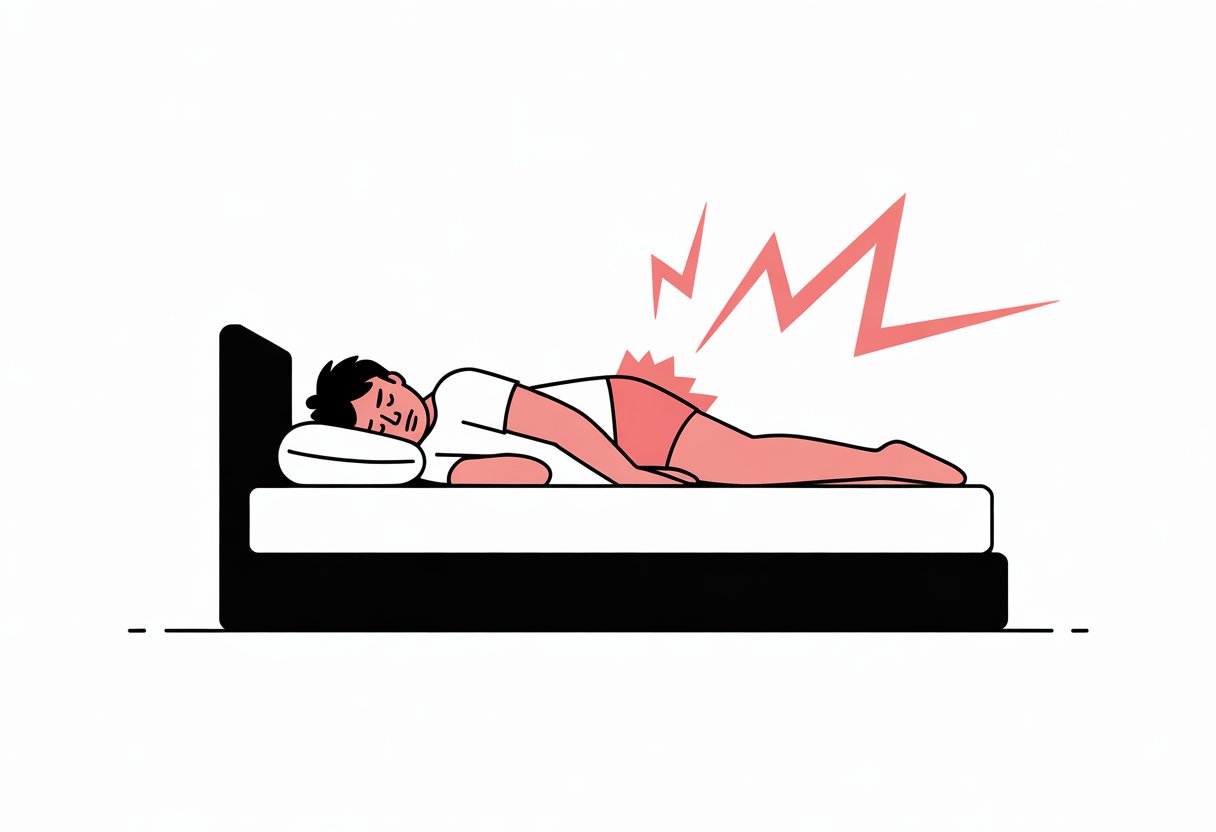
Your body gives clear signals when your mattress isn't providing proper support. Pain that appears or worsens during sleep, difficulty staying comfortable through the night, and immediate relief when you switch sleeping surfaces all point to mattress-related problems.
Morning Stiffness and Pain That Improves When You Get Up
Waking up with back pain that fades within 30 minutes to an hour strongly suggests your mattress is the problem. This pattern is different from chronic pain conditions that stay constant throughout the day.
Your spine stays in one position for hours while you sleep. A worn-out or unsuitable mattress forces your back muscles to work overtime to maintain proper alignment. When you finally get up and move around, blood flow increases and your muscles can relax.
Pay attention to where you feel the discomfort. Lower back pain often means your mattress sags in the middle. Upper back pain and shoulder pain typically indicate your mattress is too firm and creates pressure points. Neck pain usually combines with shoulder issues when your sleeping surface doesn't match your body's needs.
The key difference is timing. If your back feels worst right after waking and gradually improves as you go about your morning routine, your mattress is likely causing the problem.
Difficulty Finding a Comfortable Position or Tossing and Turning
Constant movement during sleep signals that your mattress fails to support your body properly. You shouldn't need to flip from side to side or adjust your position more than a few times per night.
Excessive tossing and turning happens because your body searches for pressure relief. When your mattress can't cushion your hips and shoulders adequately, you instinctively shift positions to ease the discomfort. This restless behaviour directly impacts your sleep quality and prevents you from reaching deeper sleep stages.
An old mattress loses its ability to distribute your weight evenly. You might notice yourself rolling towards the middle of the bed or struggling to stay in one spot. These are signs your mattress is causing back pain through inadequate support.
Track how often you wake up during the night. If you're conscious of adjusting your position three or more times, your mattress probably isn't working for you anymore.
Pain Worsening the Longer You Lie in Bed
Back pain that increases as the night progresses points directly to mattress problems. Your discomfort should not get worse simply from lying down and resting.
A properly supportive mattress maintains your spine's natural curve throughout the night. When your mattress sags or offers uneven support, gravity pulls your body into unhealthy positions. The longer you stay in these positions, the more strain builds up in your muscles and ligaments.
You might notice this pattern most clearly on weekends or days off. If lying in bed for an extra hour leaves you feeling stiffer and more uncomfortable, your mattress is working against your body instead of supporting it. Some people even report that their chronic pain symptoms intensify specifically during sleep hours.
This progressive worsening differs from injury-related pain, which typically feels worst immediately after the initial trauma. Mattress-causing back pain builds gradually as your body fights to maintain proper alignment against inadequate support.
Relief When Sleeping on a Different Surface
Experiencing better sleep quality on a hotel mattress, guest bed, or even your couch reveals that your home mattress is the problem. This comparison provides the clearest evidence of a mattress issue.
Many people notice they wake up feeling refreshed after sleeping away from home. If your back pain disappears or significantly decreases when you sleep elsewhere, you've identified the source. The relief might be immediate or develop over a few nights as your body recovers from the strain of your regular mattress.
Try sleeping in a different room or on a temporary surface for several nights. Document how your back feels each morning. A noticeable improvement confirms your mattress needs replacement.
This test works both ways. If your pain stays the same regardless of where you sleep, other factors like your sleeping position, daily activities, or underlying medical conditions might be responsible. The key is recognising the pattern and understanding what your body tells you about your sleeping surface.
Visible and Physical Clues from Your Mattress
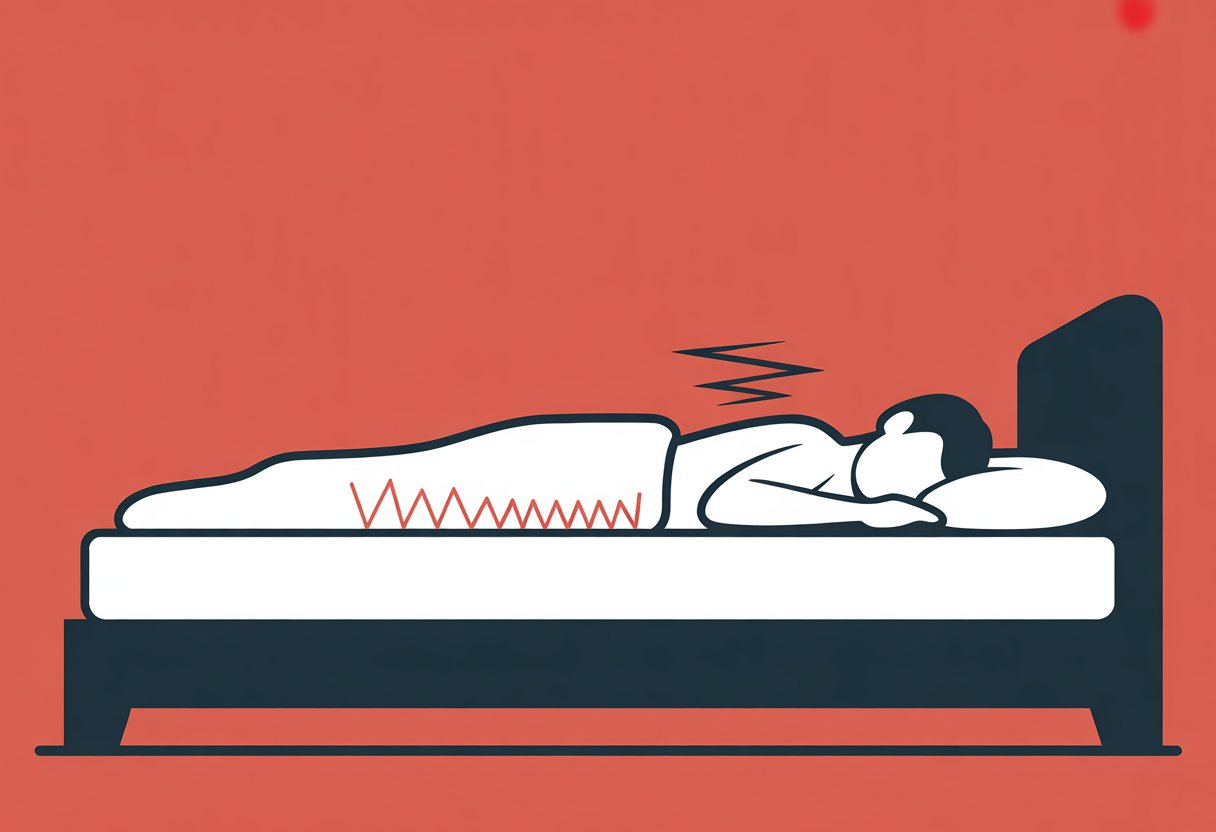
Your mattress often shows clear physical signs when it's no longer supporting your body properly. These visible problems directly affect how your spine rests during sleep and can lead to morning pain and stiffness.
Sagging or Indentations Affecting Spinal Alignment
A sagging mattress creates dips and valleys that prevent your spine from maintaining its natural curve. When you lie down, these indentations cause your body to sink unevenly, forcing your spine into awkward positions throughout the night.
You can check for sagging by removing your bedding and looking at the mattress surface from different angles. Visible dips in your mattress create sleep surface irregularities that compromise proper alignment. The middle section typically shows the most wear since that's where most of your body weight concentrates.
Even small indentations of 3 to 4 centimetres can affect mattress support enough to cause problems. If you notice your body rolling toward the centre of the bed or if you can see obvious depressions where you normally sleep, your mattress has lost its ability to provide adequate support structures.
The loss of support means different body parts receive unequal pressure distribution. Your heavier areas sink too far while lighter areas don't get enough cushioning, eliminating proper pressure relief.
Lumps, Bumps, and Uneven Support
Internal materials can shift, compress, or break down over time, creating an uneven sleeping surface. These irregularities force your body into unnatural positions and create pressure points that worsen back pain.
Run your hand slowly across your entire mattress surface. You should feel a consistent, even texture. Bumps often indicate foam materials have deteriorated or compressed unevenly. Lumps can mean internal support structures have shifted or bunched up.
An uneven mattress prevents your spine from resting in a neutral position. Your body constantly adjusts throughout the night trying to find comfort, which disrupts your sleep and strains your back muscles.
Pay attention to whether you feel more comfortable sleeping in different positions or locations on your mattress. If you find yourself avoiding certain areas or positions because they feel uncomfortable, the uneven support is likely contributing to your back pain.
Noisy Springs or Failing Support Structures
Squeaks, creaks, and whines coming from your mattress signal that internal components are wearing out. While noise alone doesn't always cause back pain, it indicates your mattress is losing its structural integrity.
Springs that make noise have likely shifted out of position or broken. This means they can no longer distribute your weight evenly across the sleep surface. You might also feel springs or support bars poking through the mattress material, which is a clear sign the internal support structures have failed.
Foam-based mattresses can also develop structural problems, though they won't make noise. Instead, you'll notice the foam feels softer in some areas than others or doesn't bounce back after you get up. This uneven compression prevents proper support and pressure relief.
Test your mattress by pressing down firmly on different areas. The surface should push back with consistent resistance across the entire bed.
The Role of Mattress Firmness and Sleep Surface
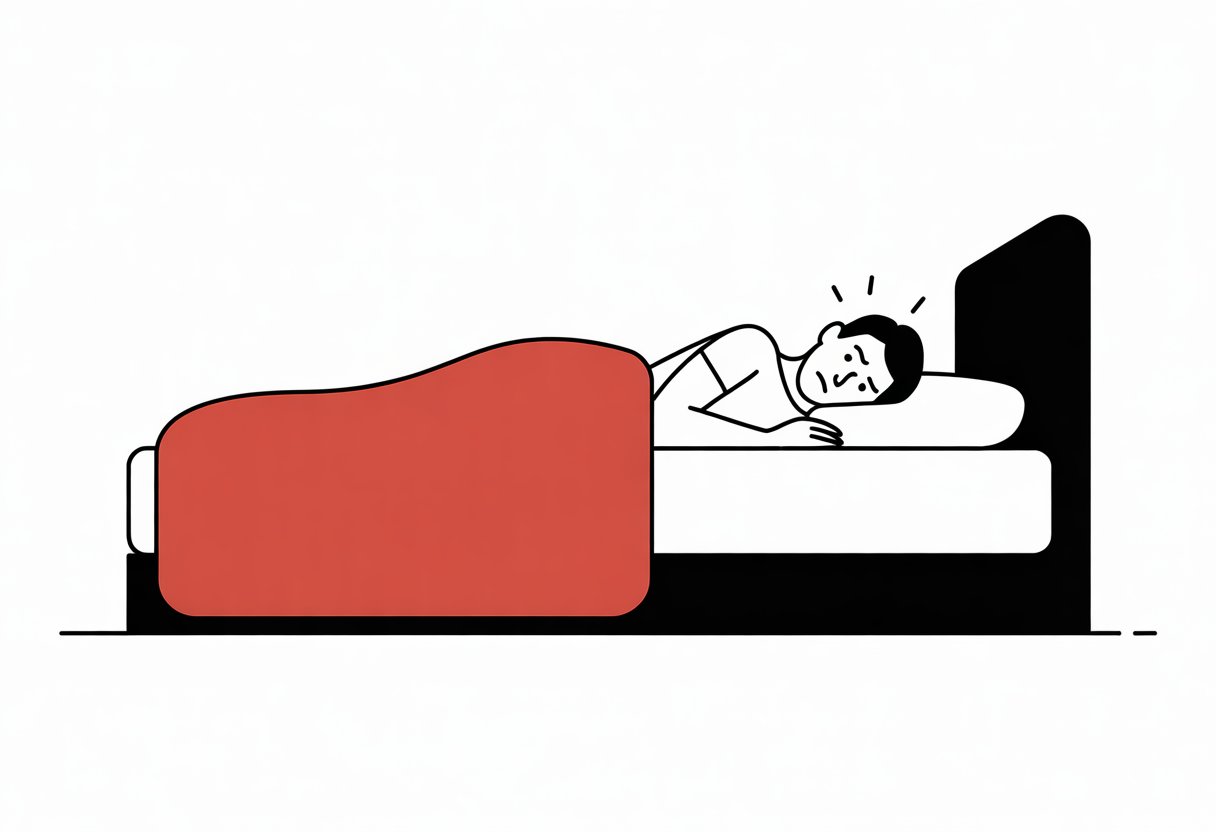
The firmness level of your sleep surface directly affects spinal alignment and pressure distribution throughout the night. A mattress that's either too soft or too firm can create problems, while balanced support helps maintain proper posture during sleep.
Consequences of Mattresses That Are Too Soft
A mattress that's too soft allows your body to sink too deeply into the sleep surface. This creates an unnatural curve in your spine that strains your back muscles throughout the night.
When you sleep on an overly soft mattress, your hips and shoulders sink lower than the rest of your body. Your spine loses its natural alignment, which forces your muscles to work harder to compensate. This extra effort leads to morning back pain and stiffness.
You might notice these warning signs:
- Feeling like you're sinking into the mattress
- Difficulty changing positions during sleep
- Lower back pain that develops gradually through the night
- Increased tossing and turning as you try to find comfort
The lack of proper support from a too-soft sleep surface can start hurting your spine sooner than you realise.
Issues with Excessively Firm Mattresses
An extremely firm mattress creates the opposite problem by not conforming to your body's natural curves. This rigid sleep surface pushes against your pressure points and creates uncomfortable gaps under your lower back.
When your mattress is too hard, it causes joint pressure at contact points like your shoulders and hips. The firm surface doesn't allow these areas to sink slightly, which is necessary for proper alignment. Your lower back may arch unnaturally, leaving a gap between your body and the mattress.
Common problems include:
- Increased pressure on hips and shoulders
- Numbness or tingling in extremities
- Difficulty falling asleep due to discomfort
- Pain that worsens in specific sleeping positions
Side sleepers typically struggle most with overly firm mattresses because their shoulders and hips need some cushioning.
Importance of Balanced or Medium-Firm Options
A medium-firm mattress provides the best combination of support and comfort for most people with back pain. This balanced firmness keeps your spine aligned while allowing pressure points to sink just enough.
Sleep experts recommend a supportive mattress with medium-firm characteristics as the best mattress for back pain. This mattress firmness level supports your spine's natural curves without creating excessive pressure. A medium-firm mattress adapts to different sleeping positions while maintaining proper spinal alignment throughout the night.
The right sleep surface should feel supportive under your lower back and hips while cushioning your shoulders. Your spine should maintain a neutral position similar to proper standing posture. Most orthopaedic mattresses fall into the medium-firm category, offering balanced support that works for various body types and sleeping styles.
Factors That Increase Mattress-Related Back Pain Risk
Certain conditions make you more vulnerable to developing back pain from your mattress. Your mattress age, changing body needs, and physical characteristics all play a role in whether your bed provides adequate support.
Mattress Age and Wear Over Time
Most mattresses need replacement every 7 to 10 years, though this timeline varies by type and quality. As your mattress ages, its support structures break down and lose their ability to keep your spine properly aligned.
Visible sagging is an obvious sign of wear. When your mattress droops in the middle or where you sleep most often, it forces your spine into an unnatural position throughout the night. Even without visible damage, the internal materials compress over time and stop providing the support they once did.
Lumps and uneven surfaces develop as foam deteriorates and springs weaken. These irregularities create pressure points that contribute to chronic pain. The materials also lose their ability to distribute your weight evenly across the sleep surface.
Common signs your mattress is too old:
- Sagging or indentations deeper than 3 centimetres
- Visible lumps or bumps
- Squeaking or creaking sounds
- You sleep better on other beds
Changes in Body or Sleep Needs
Your body changes over time, and the mattress that once worked well may no longer provide adequate support. Pregnancy, weight changes, injuries, and ageing all affect what you need from your sleep surface.
After an injury or surgery, your body may require different support levels. What felt comfortable before might now create pressure points or fail to support healing tissues properly. Medical conditions like arthritis or degenerative disc disease also change your support requirements.
Your preferred sleep posture might shift as you age. Side sleepers who develop shoulder problems may start sleeping on their backs, requiring a different firmness level. A mattress optimised for one position rarely works well for another.
Body Weight and Sleep Posture Considerations
Your weight directly affects how much you sink into your mattress and whether it provides proper spinal alignment. Heavier individuals need firmer mattresses to prevent excessive sinking, while lighter people often need softer surfaces to allow proper contouring.
Sleep posture determines where your body needs the most support. Side sleepers need cushioning at the shoulders and hips to maintain spinal alignment. Back sleepers require support under the lumbar curve to prevent the lower back from sinking. Stomach sleepers need a firmer surface to keep the hips from dipping too low.
When your mattress doesn't match your weight and sleep posture, your spine stays misaligned all night. This creates muscle tension as your body works to compensate for poor support. The result is morning stiffness and pain that may develop into chronic discomfort over time.
Choosing and Maintaining the Right Mattress for Back Pain Relief
Selecting a mattress with the right materials and support features can significantly reduce back pain, while proper maintenance extends its effectiveness. Adequate airflow and sleep hygiene practices also play important roles in maintaining both mattress quality and spinal health.
Recommended Materials: Hybrid, Latex, and Zoned Support
Hybrid mattresses combine supportive coils with pressure-relieving foam or latex, making them effective for back pain sufferers. The coil base provides sturdy mattress support that prevents excessive sinking, while the comfort layers cushion pressure points at your hips and shoulders. This combination helps maintain proper spinal alignment throughout the night.
Latex mattresses offer natural responsiveness and durability. They provide consistent support that doesn't soften significantly over time, helping your spine maintain its natural curve. Latex also responds quickly to movement, making position changes easier during sleep.
Zoned support systems target specific body regions:
- Enhanced lumbar support in the middle third of the mattress
- Softer zones for shoulders and hips
- Firmer support under the lower back and legs
These targeted areas help maintain spinal alignment by providing more support where your body is heaviest. Look for mattresses that clearly identify their support zones and explain how they address back pain concerns.
The Benefits of Mattress Toppers
A mattress topper can modify your existing mattress without requiring a complete replacement. If your current mattress is too firm and creates pressure points, a topper adds cushioning while preserving the underlying support. This approach costs less than buying a new mattress and lets you test different comfort levels.
Key considerations for toppers:
- Thickness: 5-8 cm toppers provide noticeable comfort changes
- Material: Memory foam contours closely, while latex stays cooler
- Firmness: Choose based on whether you need more cushioning or support
Toppers work best when your mattress foundation remains solid. They cannot fix a sagging mattress or restore lost support from worn-out internal materials. If your mattress shows visible indentations or is older than seven years, a topper only provides temporary relief.
Replace your topper every two to three years as the materials compress and lose their supportive properties.
Promoting Airflow and Sleep Hygiene
Proper airflow through your mattress prevents moisture buildup that degrades internal materials and affects support quality. Moisture from perspiration can soften foam layers and corrode springs, reducing the mattress's ability to maintain spinal alignment. Use a breathable mattress protector that allows air circulation while guarding against spills.
Maintenance practices that preserve mattress support:
- Rotate your mattress 180 degrees every three months
- Use a foundation with adequate slat spacing (8-10 cm maximum)
- Vacuum the mattress surface monthly to remove dust and debris
- Keep bedroom temperature between 15-19°C for optimal sleep
Adequate airflow also regulates body temperature during sleep. Overheating disrupts sleep quality and may cause you to shift positions more frequently, potentially straining your back. Hybrid and latex mattresses naturally provide better breathability than solid foam constructions.
Avoid placing your mattress directly on the floor, as this blocks airflow from beneath and traps moisture. A proper foundation with ventilation gaps allows air to circulate completely around the mattress, extending its functional lifespan and maintaining its supportive properties.
Frequently Asked Questions
People often wonder whether their mattress is the real problem behind their back pain. The firmness level, age, and type of mattress all affect spinal support, and knowing when to replace your bed can prevent ongoing discomfort.
What are the signs that a mattress might be contributing to back discomfort?
Waking up with stiffness and soreness is one of the clearest signs your mattress may be causing problems. If your pain gets worse the longer you stay in bed, rather than improving with rest, your mattress likely isn't providing enough support.
You might also notice that you toss and turn all night trying to find a comfortable position. This constant repositioning happens when your mattress doesn't relieve pressure points properly.
Another warning sign is when you sleep better away from home. If hotel beds or even your couch feel more comfortable than your own mattress, that tells you something important about your bed at home.
Visible problems like sagging, lumps, or protruding coils are obvious indicators. Even if your mattress looks fine on the surface, internal materials break down over time and lose their ability to support your spine properly.
How can the firmness level of a mattress impact back health?
A mattress that's too soft allows your body to sink too deeply, which can cause your spine to curve unnaturally during sleep. This misalignment puts extra strain on your muscles and ligaments throughout the night.
A mattress that's too firm creates the opposite problem. It doesn't contour to your body's natural curves, which leads to pressure points at your hips and shoulders.
The right firmness level keeps your spine in a neutral position. Your head, shoulders, and hips should stay aligned without any part of your body sinking too far into the mattress.
Medium-firm mattresses typically work best for people with back pain. They provide a balance between support and pressure relief that suits most body types and sleeping positions.
Can the age of a mattress play a role in developing back pain?
Mattresses typically last between seven and ten years before their materials start to break down. Even if your mattress looks fine from the outside, the internal support structures deteriorate over time.
The foam layers lose their ability to bounce back after compression. Springs become less responsive and may start to sag in areas where you sleep most often.
This gradual breakdown means your mattress provides less support each year. Your spine doesn't get the proper alignment it needs, which leads to muscle strain and pain.
An older mattress may cause back pain even if you don't notice obvious sagging. The loss of support happens slowly, so you might not realise how much your sleep surface has changed until you develop chronic discomfort.
What types of mattresses are recommended for those with chronic back pain?
Hybrid mattresses combine supportive coils with pressure-relieving foam or latex layers. This combination works well because the coils provide stable support while the comfort layers cushion pressure points.
Mattresses with zoned support offer targeted reinforcement in key areas like your lower back. These zones help maintain proper spinal alignment by providing extra support where your body needs it most.
Look for mattresses that offer adequate cushioning for side sleepers, who need extra pressure relief at the hips and shoulders. Pins-and-needles feelings or achy joints when you wake up mean you need better pressure relief.
The specific type matters less than finding the right balance of support and comfort for your body type and sleeping position. Your mattress should keep your spine aligned while relieving pressure at contact points.
How often should a mattress be replaced to prevent back pain?
Most mattresses need replacement after seven to ten years of use. The exact timeline depends on the quality of materials and how much wear the mattress receives.
You should replace your mattress sooner if you notice visible signs of wear. Sagging, lumps, or uneven surfaces indicate the internal structure has broken down.
Pay attention to how you feel each morning. If you consistently wake up with back pain that wasn't there when the mattress was newer, it's time for a replacement regardless of age.
Don't wait until your mattress causes severe pain. Early replacement prevents chronic discomfort and helps you maintain better sleep quality.
What steps can be taken to determine if a new mattress might alleviate back pain?
Start by tracking your pain patterns over several weeks. Note whether your back hurts most in the morning or if the pain improves after you get up and move around.
Try sleeping on a different surface for a few nights, such as a guest bed or hotel mattress. If your pain improves significantly, your current mattress is likely the problem.
Check your mattress for visible issues like sagging or uneven areas. Press down on different parts of the surface to feel whether the support seems consistent.
Consider your mattress age and whether your body or sleeping position has changed since you bought it. Weight changes or new health conditions may mean you need different support than before.
Test different firmness levels in person when possible. Lie in your usual sleeping position for at least ten to fifteen minutes to get a realistic sense of how the mattress feels.
Ready to shop? Shop mattresses for back pain at National Mattress.
 by
by 


