

















A new mattress won't magically cure chronic back pain, but the right one can make a real difference in how you feel each morning. Many people buy a mattress expecting immediate relief, only to feel disappointed when their pain doesn't vanish overnight. The truth is that mattresses work best as part of a broader approach to managing back pain, not as a standalone solution.
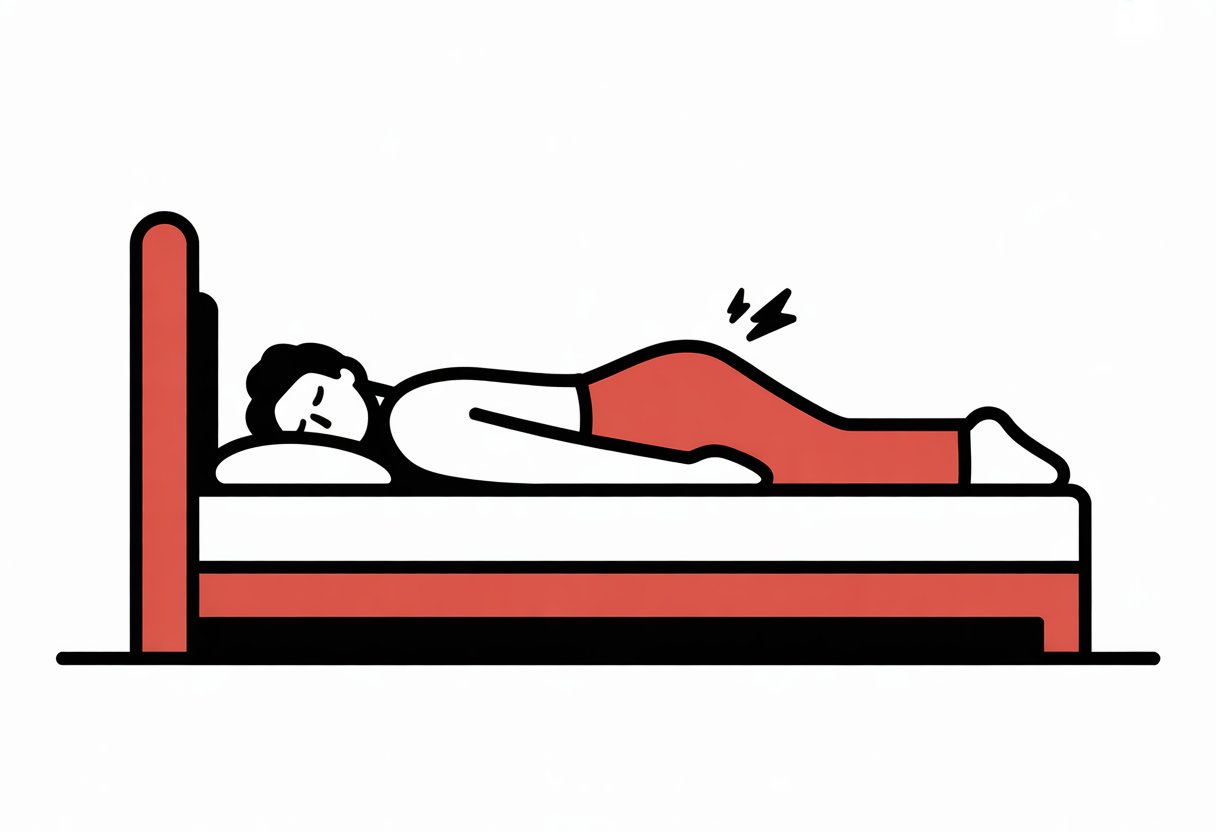
Your mattress plays an important role in supporting your spine while you sleep. Medium to firm mattresses help maintain proper spinal alignment and support the natural curve of your lower back. However, finding the right mattress means understanding your sleep position, body type, and specific pain issues.
This guide will help you set realistic expectations about what a mattress can and cannot do for back pain. You'll learn which features matter most, how to evaluate different options, and how to give your body time to adjust to a new sleeping surface.
Key Takeaways
- A supportive mattress can reduce back pain but works best alongside other treatments like exercise and proper posture
- The best mattress for your back pain depends on your sleep position, body weight, and personal comfort preferences
- Give your body two to four weeks to adjust to a new mattress before deciding if it helps your back pain
Understanding the Connection Between Mattresses and Back Pain
Your mattress plays a direct role in whether you wake up with back pain or feel rested. The support your body receives during sleep affects spinal alignment, pressure distribution, and how well your muscles can recover overnight.
How Mattresses Influence Spinal Alignment During Sleep
Your spine has natural curves that need support while you sleep. A mattress should keep your spine in a neutral position, similar to how it looks when you stand with good posture.
When you lie down, your mattress needs to support the heavier parts of your body like your hips and shoulders while filling in the gaps at your waist and neck. If your mattress is too soft, these heavier areas sink too far down. This creates a U-shape in your spine that strains your back muscles.
A mattress that's too firm creates the opposite problem. It doesn't let your shoulders and hips sink in enough, which pushes your spine into an unnatural arch.
Medium to firm mattresses help maintain proper spinal alignment and support the natural curve of your lower back. The right firmness depends on your weight, sleep position, and body shape. Side sleepers typically need more cushioning for their shoulders and hips, while back and stomach sleepers often do better with firmer support.
The Impact of Mattress Age and Sagging on Back Health
Most mattresses last between 7 to 10 years before they lose their ability to support your body properly. As your mattress ages, the materials inside break down from nightly use.
Sagging happens when the materials compress and can't bounce back to their original shape. You might notice visible dips where you sleep most often, or you might feel like you're rolling toward the middle of the bed.
Even small amounts of sagging affect your back. A dip of just a few centimetres can throw off your spinal alignment and create pressure points. Your body tries to compensate for this poor support by tensing muscles, which leads to stiffness and pain when you wake up.
Check your mattress regularly by looking for permanent body impressions, feeling for soft spots, or noticing whether you sleep better in other beds. If your mattress is over 8 years old and you're experiencing new or worsening back pain, the mattress itself may be the problem.
Common Signs Your Mattress May Cause or Worsen Back Pain
Several clear indicators suggest your mattress and back pain are connected. Pay attention to when your pain occurs and how it changes throughout the day.
Warning signs include:
- Waking up with stiffness or pain that improves after moving around for 15 to 30 minutes
- Sleeping better in hotels or other beds than your own
- Tossing and turning frequently to find a comfortable position
- Visible sagging or lumps in your mattress surface
- Waking up more tired than when you went to bed
You might also notice that your sleep quality has declined. Poor support disrupts your sleep cycles because your body keeps shifting to relieve pressure and discomfort. This affects how well you recover from daily activities.
If your back pain starts shortly after you wake up but fades as you move through your day, your mattress is likely contributing to the problem. Pain from other causes usually worsens with activity rather than improving.
Setting Realistic Expectations for Back Pain Relief
A new mattress can help reduce discomfort during sleep, but it won't cure all back problems. Understanding what a mattress can actually address—and recognising other factors that affect your back—helps you set appropriate expectations for relief.
What Mattresses Can and Cannot Fix
A mattress primarily affects the alignment and support your spine receives while you sleep. It can reduce pressure points and help maintain neutral spine positioning throughout the night.
What a mattress can improve:
- Poor spinal alignment during sleep
- Pressure buildup on hips and shoulders
- Discomfort from sagging or worn-out support layers
- Muscle tension from inadequate support
What a mattress cannot fix:
- Herniated or bulging discs
- Arthritis or degenerative conditions
- Pinched nerves or sciatica
- Muscle injuries or strains
- Structural spinal problems
If your back pain stems from an injury or medical condition, a new mattress serves as one part of pain management rather than a complete solution. Managing patients' expectations in pain management requires understanding that multiple factors contribute to relief.
Other Causes of Back Pain Beyond Your Mattress
Your sleep surface represents just one element affecting back pain. Daily activities and lifestyle factors often play equally significant roles.
Common contributors include:
- Poor posture while sitting or standing
- Lack of regular movement and exercise
- Weak core muscles that fail to support the spine
- Stress and muscle tension
- Previous injuries that haven't fully healed
Your work setup matters considerably. Sitting for extended periods without proper ergonomic support can cause pain that persists into the night. Evidence suggests minimal bed rest and early return to normal activities helps more than extended rest periods.
Physical activity strengthens the muscles supporting your spine. Walking, stretching, and core exercises can reduce pain alongside mattress improvements.
Timeline for Noticing Improvements After Mattress Changes
Most people need several weeks to adjust to a new sleep surface. Your body requires time to adapt to different support levels and firmness.
Typical adjustment timeline:
- Days 1-7: Initial discomfort as muscles adapt
- Weeks 2-3: Body begins adjusting to new support
- Weeks 4-6: Clearer assessment of pain improvements
- Weeks 8-12: Full adaptation and final evaluation
Some people notice better sleep quality within the first week, whilst others need the full adjustment period. Morning stiffness might initially increase before it decreases.
Think of at-home approaches to back pain relief as maintenance instead of miracle cures. If pain worsens after six weeks or you experience numbness, balance issues, or radiating pain, consult a healthcare provider. These symptoms suggest problems a mattress cannot address.
Track your pain levels and sleep quality throughout the adjustment period. Note whether you wake less frequently or feel more rested, as these changes indicate progress even if pain reduction takes longer.
Key Mattress Features for Managing Back Pain
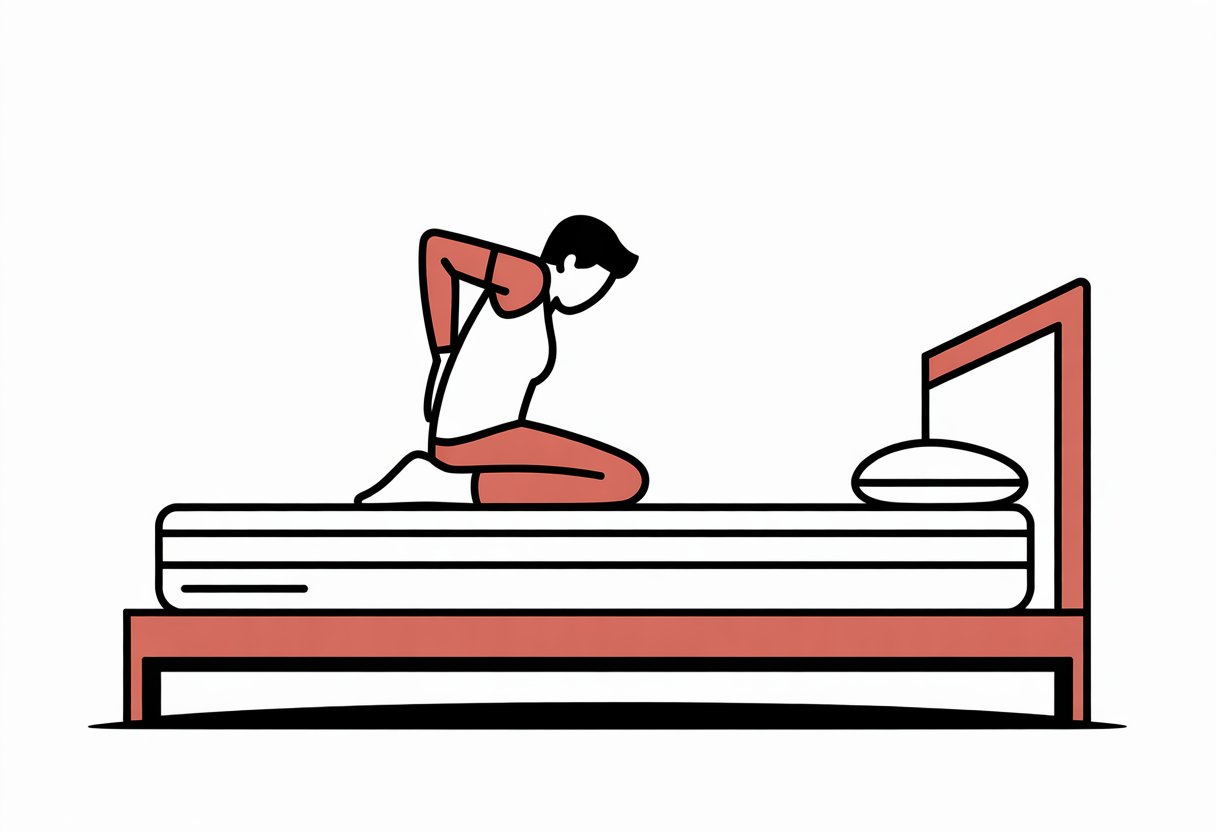
The right mattress features work together to support your spine and reduce discomfort throughout the night. Understanding which characteristics matter most helps you make an informed choice for back pain relief.
Importance of Medium-Firmness for Support
A medium-firm mattress typically provides the best balance for most people with back pain. This firmness level supports your body weight while allowing enough give for your shoulders and hips to sink slightly.
Too soft and your spine sags out of alignment. Too firm and you create pressure points that worsen pain. Research shows that medium-firm options work well for the majority of back pain sufferers, though your ideal firmness depends on your body weight and sleeping position.
Side sleepers often need slightly softer surfaces to cushion their shoulders and hips. Back sleepers usually do well with true medium-firm support. Stomach sleepers may require firmer surfaces to prevent their midsection from sinking too deeply.
Your weight also affects which firmness works best. Heavier individuals need firmer support to prevent excessive sinking. Lighter people often feel more comfortable on slightly softer surfaces.
Role of Edge Support and Ease of Movement
Strong edge support makes getting in and out of bed easier, which matters when you have back pain. Good edge support prevents the mattress from collapsing when you sit on the side or sleep near the perimeter.
Reinforced edges reduce strain on your back during transfers. When you can sit comfortably on the edge to put on shoes or stand up, you place less stress on your lower back muscles.
Ease of movement across the mattress surface also helps. A mattress that responds quickly when you shift positions allows you to adjust during the night without struggling. This responsiveness becomes especially important when you need to change positions to relieve discomfort.
Pressure Relief and Spinal Alignment
Proper spinal alignment and pressure relief form the foundation of back pain management in a mattress. Your spine should maintain its natural curve whether you sleep on your back, side, or stomach.
The mattress needs to support heavier areas like your hips and shoulders without creating pressure points. At the same time, it must fill the gap at your lower back to prevent strain on your lumbar region.
Zoned support systems provide targeted reinforcement to different body areas. These designs offer firmer support under your hips while providing softer cushioning for your shoulders.
Dense foam layers help balance pressure relief with adequate support. This combination prevents your body from sinking too deeply while still conforming to your shape. The result is reduced stress on your muscles and joints throughout the night.
Comparing Mattress Types for Back Pain
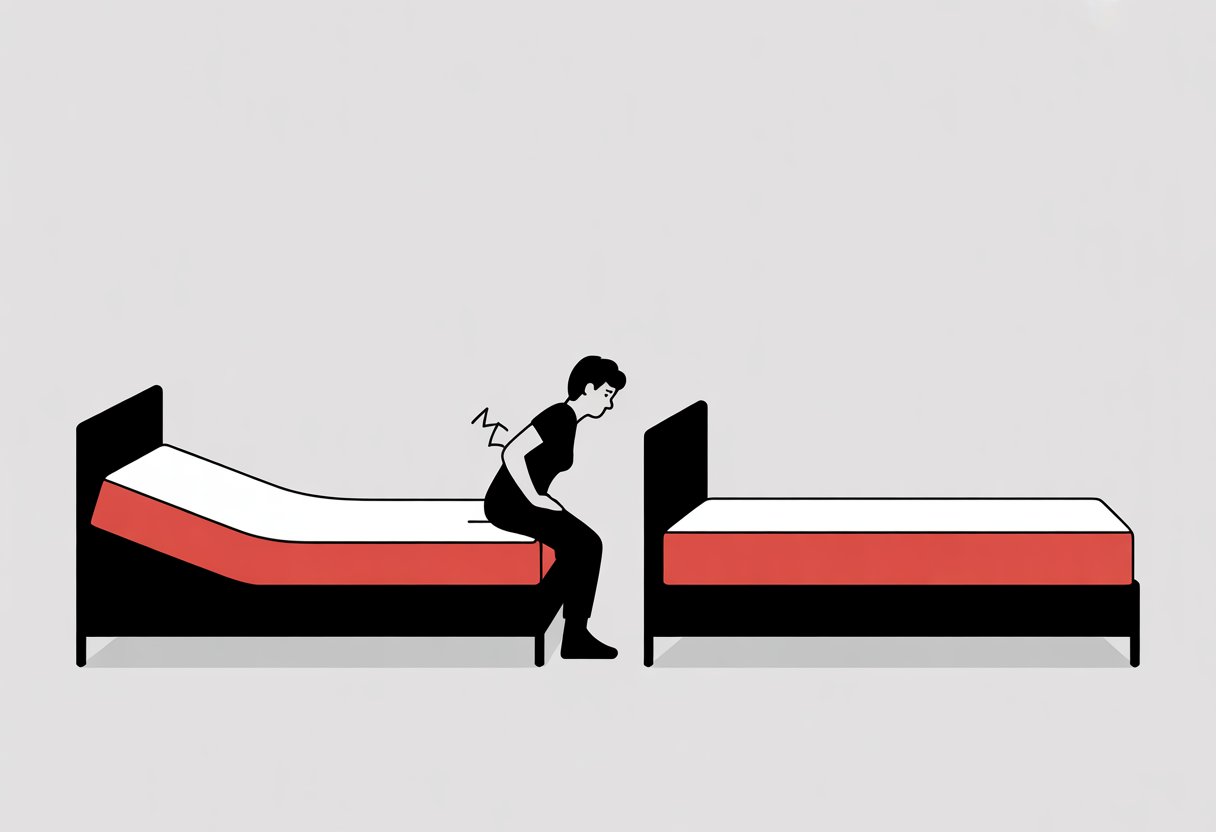
Different mattress constructions affect how well your spine stays aligned during sleep. The three main types—hybrid, foam, and innerspring or latex—each provide distinct support patterns and pressure relief for back pain sufferers.
Hybrid Mattresses: Pros and Cons
A best hybrid mattress side sleepers combines coil support with foam comfort layers. The coil base provides strong support that prevents your spine from sagging. The foam top layers cushion your pressure points.
Key advantages of hybrid mattresses:
- Strong edge support that prevents rolling off
- Better airflow than all-foam options
- Responsive bounce that makes position changes easier
- Zoned coils that offer firmer support under your lower back
Common drawbacks include:
- Higher price point than basic foam options
- Heavier weight makes moving difficult
- Some models transfer motion between sleeping partners
The coil system in a hybrid mattress maintains its support longer than foam alone. Your spine gets consistent alignment even as the mattress ages. Most hybrids work well for combination sleepers who change positions throughout the night.
Foam and Memory Foam Mattress Benefits
Memory foam mattresses contour closely to your body shape. This material responds to your weight and heat to create a custom sleep surface. People with back pain benefit greatly from how memory foam reduces pressure on sensitive areas.
A foam mattress absorbs movement completely. You won't feel your partner shifting during the night. The material also stays silent—no squeaks or creaks when you move.
Memory foam drawbacks:
- Retains body heat during warm weather
- Creates a "hugging" sensation some people dislike
- Takes longer to respond when you change positions
- May develop permanent body impressions over time
Medium-firm memory foam provides the best balance for back pain. Too soft allows your spine to curve unnaturally. Too firm creates pressure points at your hips and shoulders.
Innerspring and Latex Options
Traditional innerspring mattresses use connected coil systems. These beds feel firmer and more supportive than foam options. The coils push back against your body weight to keep your spine level.
Latex mattresses offer natural bounce with pressure relief. This material comes from rubber tree sap. Latex responds quickly when you move but still cushions your joints. It sleeps cooler than memory foam and resists dust mites naturally.
Innerspring characteristics:
- Most affordable mattress type
- Strong initial support that may weaken over time
- Better temperature regulation than foam
- Less effective at isolating motion transfer
Latex features:
- Durable construction that lasts 10-15 years
- Naturally antimicrobial properties
- Consistent support that doesn't soften with heat
- Higher cost than other foam types
Your body weight influences which type works best. Heavier individuals often need the stronger support of innerspring or hybrid constructions. Lighter sleepers may find adequate support from latex or foam mattresses.
Factoring in Sleep Position and Personal Needs
Your sleep position determines how much support you need from your mattress, and your body weight affects how deeply you sink into different materials. People with mobility challenges also need to think about how easily they can get on and off their mattress.
Back, Side, and Stomach Sleepers: What to Consider
Back sleepers need a mattress that supports the natural curve of their spine. Medium-firm mattresses work well for most back sleepers because they prevent your lower back from sagging while keeping your spine aligned.
Side sleepers put more pressure on their shoulders and hips. You need a softer surface that cushions these pressure points while still supporting your spine. A mattress that's too firm will create gaps between your body and the bed, throwing your spine out of alignment.
Stomach sleepers require firmer support to keep their hips from sinking too deep. When your hips drop lower than your shoulders, it creates an unnatural arch in your lower back that can cause pain.
If you change positions throughout the night, look for a medium-firm option. This firmness level provides enough support for back and stomach sleeping while offering some cushioning when you roll onto your side.
Body Weight, Mobility, and Getting In and Out of Bed
Heavier individuals sink deeper into mattresses, so you typically need a firmer surface to maintain proper spinal alignment during sleep. Lighter people often prefer softer mattresses because they don't compress the materials as much.
Your mobility matters when choosing mattress height and edge support. Taller mattresses can make it harder to get your legs over the side, especially if you have hip or knee problems. Lower-profile mattresses sit closer to the ground for easier access.
Edge support becomes critical if you need a stable surface when sitting to put on shoes or getting in and out of bed. Mattresses with reinforced perimeters prevent excessive sinking along the sides. This feature helps you maintain your balance and reduces strain on your back during transfers.
How to Choose and Evaluate a Mattress for Back Pain
Testing a mattress before committing and knowing when to make adjustments can prevent costly mistakes. Sleep trials give you real-world feedback, while toppers and timely replacements ensure your mattress continues supporting your back properly.
Benefits of Sleep Trials and Return Policies
Sleep trials let you test how a mattress affects your back pain over weeks or months, not just minutes in a showroom. Most trials last 90 to 120 nights, giving your body time to adjust and your back time to respond.
Your back might feel different during the first two weeks as your spine adapts to new support levels. This adjustment period is normal and doesn't mean the mattress is wrong for you.
What to track during your trial:
- Morning stiffness or pain levels
- How easily you change positions at night
- Whether you wake up during sleep
- Overall comfort in your preferred sleeping position
Quality return policies protect you if the mattress worsens your back pain. Look for trials that don't charge restocking fees or complicated return requirements. Some companies require you to test the mattress for at least 30 nights before accepting returns, which helps ensure you give it a fair chance.
Keep notes about your back pain throughout the trial period. Compare your symptoms to how you felt on your old mattress. If pain increases or doesn't improve after the adjustment period, use the return policy rather than settling for a mattress that doesn't help.
Mattress Toppers and Adjustments
A mattress topper can modify firmness without replacing your entire bed. Toppers work best when your mattress has good support but needs slight comfort adjustments.
When toppers help with back pain:
- Your mattress is too firm and creates pressure points
- You need extra cushioning for side sleeping
- The surface feels uncomfortable but support is adequate
Toppers range from 2 to 4 inches thick. Thicker toppers change feel more dramatically but may reduce the support your back needs. Memory foam toppers add cushioning and conform to your spine. Latex toppers provide bounce with pressure relief.
Adding a topper won't fix a sagging or worn-out mattress. If your mattress already lacks support, a topper just adds softness on top of an inadequate foundation. This makes back pain worse rather than better.
Test toppers during return windows just like mattresses. Your back should feel better within two to three weeks. Remove the topper if pain increases or new discomfort appears.
Recognising When Replacement Is Necessary
Most mattresses need replacement every 7 to 10 years, but back pain can signal the need sooner. A bad mattress can sag and cause stress to your lumbar area, leading to neck, back, and shoulder pain.
Clear signs your mattress needs replacement:
- Visible sagging deeper than 2.5 centimetres
- Waking with new or worsening back pain
- Feeling springs or hard spots through padding
- The mattress no longer returns to its original shape
Your body changes over time, which can make a previously comfortable mattress inadequate. Weight changes, injuries, or new health conditions may require different support levels.
Compare your current sleep quality to when the mattress was new. If you sleep better at hotels or when travelling, your mattress likely needs replacement. Morning back pain that improves throughout the day often points to mattress problems rather than chronic conditions.
Don't wait until severe damage appears. Gradual wear reduces support slowly, making it hard to notice until back pain develops. Regular evaluation helps you replace your mattress before it significantly affects your back health.
Top-Rated Mattresses for Back Pain: What to Expect
Several models consistently earn high marks from sleep experts and testers for their ability to support proper spinal alignment and reduce discomfort. These mattresses typically include advanced cooling technologies and targeted support features designed specifically for back pain sufferers.
Overview of Leading Models Recommended by Experts
The Chirofoam® Performance™ Hybrid stands out as a top choice for back pain relief. It uses a dual-coil system that provides both support and pressure relief. The Luxury Firm option is the most popular firmness level because it offers solid support while remaining comfortable.
The Springwall® Chiropractic® mattress offers a medium-firm feel that works well for many back pain sufferers. It provides balanced support at a more accessible price point. This makes it a practical choice if you need back pain relief but have budget constraints.
The Sealy® Posturepedic® combines memory foam with pocketed coils for targeted support. This design helps maintain spinal alignment throughout the night. The hybrid construction also allows for better airflow compared to all-foam options.
Medium-firm mattresses generally work best for most people with back pain. They provide enough support to keep your spine aligned without creating pressure points. Your ideal firmness depends on your body weight, sleep position, and specific pain issues.
Cooling Features and Additional Innovations
Modern mattresses designed for back pain often include cooling technologies. These features help regulate your body temperature throughout the night, which can improve sleep quality and reduce tossing and turning that aggravates back pain.
Many cooling mattresses use gel-infused foams or phase-change materials in their cover. These materials pull heat away from your body. Some models incorporate copper or graphite in their foam layers to enhance heat dissipation.
Hybrid designs naturally sleep cooler than all-foam options. The coil layers allow air to circulate freely through the mattress. This ventilation helps prevent heat buildup that can disrupt your sleep.
Additional innovations include zoned support systems that provide different firmness levels under your shoulders, hips, and lower back. Reinforced edge support helps you use the full surface of the mattress without feeling like you might roll off. These features work together to maintain proper spinal alignment and reduce pressure on sensitive areas.
Frequently Asked Questions
Mattress firmness, replacement timing, and sleep position all play important roles in managing back pain. Understanding these factors helps you make informed decisions about your sleep surface.
How does mattress firmness affect back pain relief?
Mattress firmness directly impacts spinal alignment and pressure distribution while you sleep. A medium-firm mattress is considered the most ideal for the general population because it balances support with comfort.
Too-firm mattresses can create pressure points at your hips and shoulders. Too-soft mattresses allow your body to sink too deeply, which throws your spine out of alignment.
Your body weight and sleep position influence which firmness level works best for you. Heavier individuals typically need firmer support, while lighter people often prefer softer surfaces.
Can a new mattress significantly improve chronic back pain?
A new mattress can help manage chronic back pain, but it's not a complete solution on its own. Acute and chronic pain can have numerous long-lasting effects that require comprehensive treatment approaches.
There is often an adjustment period when you get a new mattress, and you can generally start to adjust within a month. If your pain continues beyond this period, the mattress might not be the right fit for your needs.
Chronic back pain typically stems from multiple factors beyond your sleep surface. You should work with healthcare providers to address all contributing elements.
What features should I look for in a mattress if I have lower back pain?
Look for proper lumbar support that maintains your spine's natural curve. The mattress should keep your lower back from sagging or arching excessively.
Edge support helps you use the full surface area and makes getting in and out of bed easier. This feature matters especially if you sit on the bed's edge regularly.
Temperature regulation prevents overheating that can disrupt your sleep and worsen pain perception. Materials that allow airflow help maintain a comfortable sleeping temperature throughout the night.
Motion isolation reduces disturbances from a partner's movements. Better sleep quality supports your body's natural pain management processes.
How often should I replace my mattress to maintain optimal back support?
Most mattresses need replacement every seven to ten years. This timeline varies based on mattress quality, materials, and how well you maintain it.
Watch for visible sagging, especially in areas where you sleep most often. If you wake up with increased stiffness or pain, your mattress may have lost its supportive properties.
Body impressions deeper than one inch indicate the mattress no longer provides adequate support. You might also notice you sleep better in other beds, which signals it's time for a change.
Are there specific mattress types recommended for people with spinal alignment issues?
Different mattress types offer varying levels of support for spinal alignment. Innerspring mattresses with pocketed coils can provide targeted support and reduce motion transfer.
Foam mattresses conform to your body shape and distribute weight evenly. They work well for maintaining spinal alignment if they have adequate support layers.
Hybrid designs combine springs with foam layers to offer both bounce and contouring. This combination can accommodate different body types and sleeping positions effectively.
Your specific spinal condition influences which type works best. Consult with your healthcare provider about your particular alignment needs before selecting a mattress type.
What is the relationship between sleep position and mattress selection for back pain sufferers?
Your primary sleep position determines what firmness and support you need. Side sleepers require softer surfaces that cushion shoulders and hips while supporting the waist.
Back sleepers need medium to medium-firm mattresses that support the lumbar region without creating gaps. The surface should keep your spine in a neutral position.
Stomach sleepers typically need firmer mattresses to prevent their midsection from sinking too deeply. This position already puts strain on the lower back, so proper support becomes critical.
Combination sleepers who change positions throughout the night need balanced support that works across multiple positions. A medium-firm mattress often provides the best compromise for varied sleeping styles.
 by
by 


