

















Sleep plays a vital role in our overall health, yet many people struggle to get the rest they need each night. Snoring affects around 45% of adults occasionally, with 25% being regular snorers, making it a common issue that disrupts sleep quality for both the person snoring and their partner. When snoring becomes a regular problem, it can lead to poor sleep patterns and leave everyone feeling tired during the day.
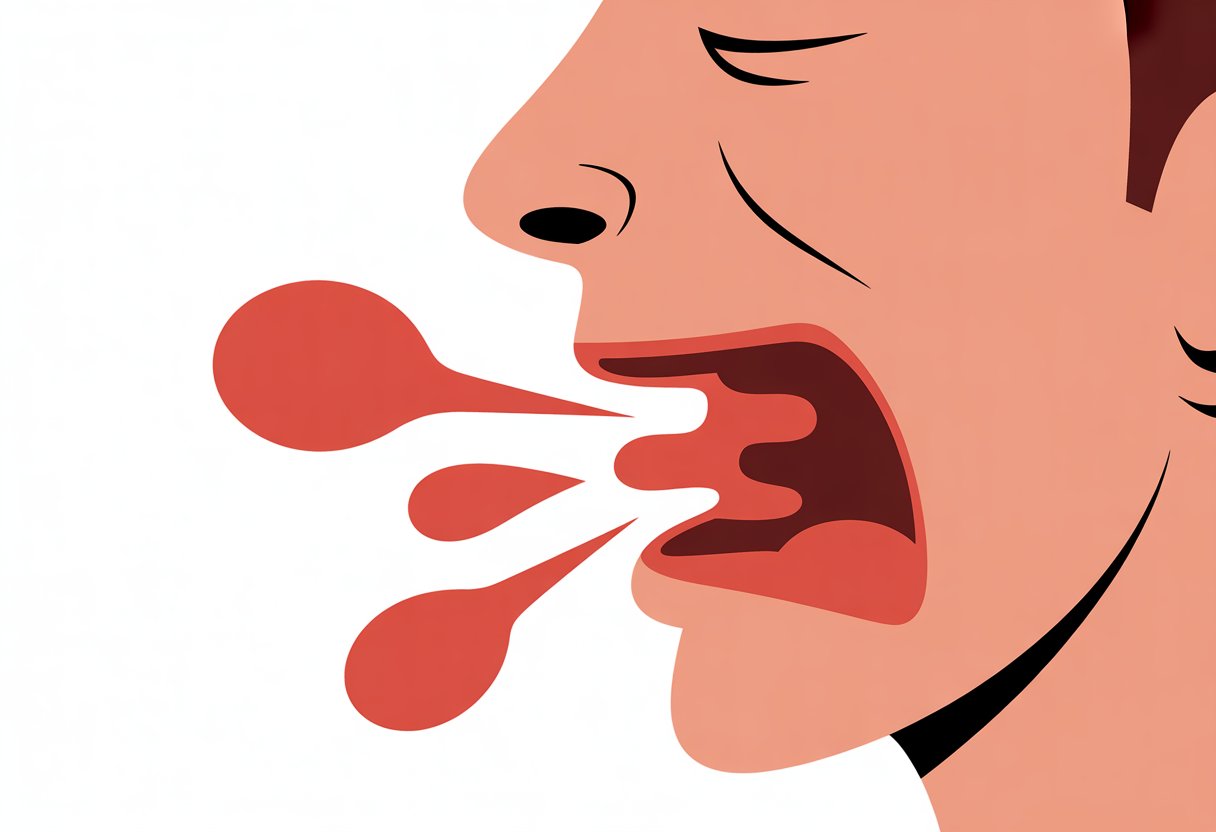
Understanding what triggers snoring and learning practical ways to reduce it can make a real difference in how well we sleep. While snoring happens when air flows past relaxed tissues in the throat, causing vibrations, there are several habits and factors that can make it worse. We'll explore the main reasons behind snoring and share straightforward tips that can help reduce or prevent it, so everyone in the bedroom can enjoy a more restful night.
Key Takeaways
- Snoring occurs when relaxed throat tissues vibrate as air passes through during sleep
- Common factors like sleep position, lifestyle habits, and nasal congestion can contribute to snoring
- Simple changes to bedtime routines and sleeping habits can help reduce or prevent snoring
What Causes Snoring?
Snoring happens when air cannot move freely through the nose and throat during sleep. The restricted airflow causes tissues in the upper airway to vibrate, creating the familiar sound we associate with snoring. Understanding why this occurs can help us identify ways to reduce or eliminate the problem.
Sleep Apnoea Causing Obstruction
Many people who snore have obstructive sleep apnoea (OSA), though not everyone who snores has this condition. OSA is a sleep-related breathing disorder where breathing repeatedly stops and starts throughout the night.
During these breathing pauses, the airway becomes completely blocked. This leads to drops in oxygen levels and disrupts normal sleep patterns.
People with OSA often experience loud snoring followed by periods of silence when breathing stops. They may wake up gasping or choking as their body fights to restore normal breathing.
Key signs of OSA include:
- Loud, persistent snoring
- Breathing pauses during sleep
- Restless sleep and frequent waking
- Daytime sleepiness despite spending enough time in bed
- Morning headaches
Left untreated, OSA can lead to serious health problems. These include high blood pressure, heart disease, stroke, and depression. The repeated drops in oxygen levels (hypoxia) put significant strain on the cardiovascular system.
Treatment typically involves using a continuous positive airway pressure (CPAP) machine. This device keeps the airway open by delivering pressurized air through a mask worn during sleep. Lifestyle changes like weight loss and increased physical activity can also help manage symptoms.
Alcohol and Medication
Drinking alcohol before bed makes snoring worse. Alcohol relaxes the muscles in our throat and soft palate, which narrows the airway. This increases the likelihood of airway obstruction and vibration.
The more alcohol we consume, the more pronounced this effect becomes. Even people who don't normally snore may do so after drinking.
Certain medications have similar effects. Sleep medicines, sedatives, and muscle relaxants all cause throat tissues to relax more than usual. This creates the same conditions that lead to snoring.
To reduce alcohol-related snoring:
- Avoid drinking alcohol within three to four hours of bedtime
- Limit overall alcohol consumption
- Talk to your doctor about alternatives if medications are contributing to the problem
Smoking
Cigarette smoking significantly increases our risk of snoring. The chemicals in cigarette smoke irritate and inflame the tissues lining the nose and throat. This inflammation causes swelling (oedema) in the upper airway, making it narrower.
A narrow airway means air moves through with more turbulence, creating the conditions for snoring. Smokers are much more likely to experience chronic snoring compared to non-smokers.
Research shows that quitting smoking can reduce or eliminate snoring. One study found that people who stopped smoking experienced significant improvements within four years of quitting.
Your Sleep Position
The position we sleep in has a major impact on whether we snore. Sleeping on our back (the supine position) is the most likely position to cause snoring.
When we lie on our back, gravity pulls the tongue and soft palate backward. This partially blocks the airway and increases the vibration of throat tissues.
Switching to side sleeping can dramatically reduce snoring for many people. This position keeps the airway more open and prevents tissues from collapsing backward.
Options to encourage side sleeping include:
| Method | How It Works |
|---|---|
| Lateral pillows | Specially designed pillows that support side sleeping |
| Positional devices | Wearable items that make back sleeping uncomfortable |
| Tennis ball technique | Sewing a tennis ball into the back of sleepwear to discourage rolling onto the back |
Studies show that positional therapy works well for people whose snoring occurs primarily when on their back. However, it may not help everyone, as individual factors like body weight and anatomy also play a role.
Chronic Nasal Congestion
Blocked nasal passages force us to breathe through our mouth during sleep. This increases the likelihood of snoring because mouth breathing changes airflow dynamics in the throat.
Common causes of nasal congestion include allergies, sinus infections, and environmental irritants. A deviated septum—when the wall between nasal passages is off-centre—can also restrict airflow through the nose.
Nasal polyps, which are soft, painless growths inside the nasal passages, may further obstruct breathing. People with chronic congestion are much more likely to experience frequent snoring compared to those with clear nasal passages.
Treating the underlying cause of congestion often reduces snoring. This might involve using nasal strips, saline rinses, or allergy medications. In some cases, surgery to correct a deviated septum or remove polyps may be necessary.
Head and Neck Position and Anatomy
The physical structure of our airway plays a crucial role in whether we snore. Certain anatomical features make the airway narrower, increasing the risk of obstruction.
Structures that can contribute to snoring include:
- Enlarged tonsils and adenoids: These tissues at the back of the throat can partially block the airway, especially in children
- Large uvula: The hanging tissue at the back of the throat can vibrate and cause snoring
- Thick soft palate: A thicker or lower-hanging soft palate reduces airway space
- Large tongue: An oversized tongue can fall back and block the airway during sleep
- Small jaw: A recessed or small jaw positions the tongue further back in the throat
People born with these features have a narrow airway from the start. This makes them more susceptible to snoring throughout their lives.
In severe cases, surgical procedures can modify these structures. Removing enlarged tonsils (tonsillectomy) or reducing excess tissue in the throat can open the airway and reduce snoring.
Weight and Obesity
Carrying excess weight, particularly around the neck, significantly increases snoring risk. Fat deposits around the throat compress and narrow the airway from the outside.
Being overweight or obese also affects the internal structures of the airway. Fatty tissue can accumulate inside the throat walls, further reducing the space available for air to pass through.
Research demonstrates a clear link between weight and snoring. Men who lost at least six pounds experienced notable re
Simple Strategies to Stop Snoring
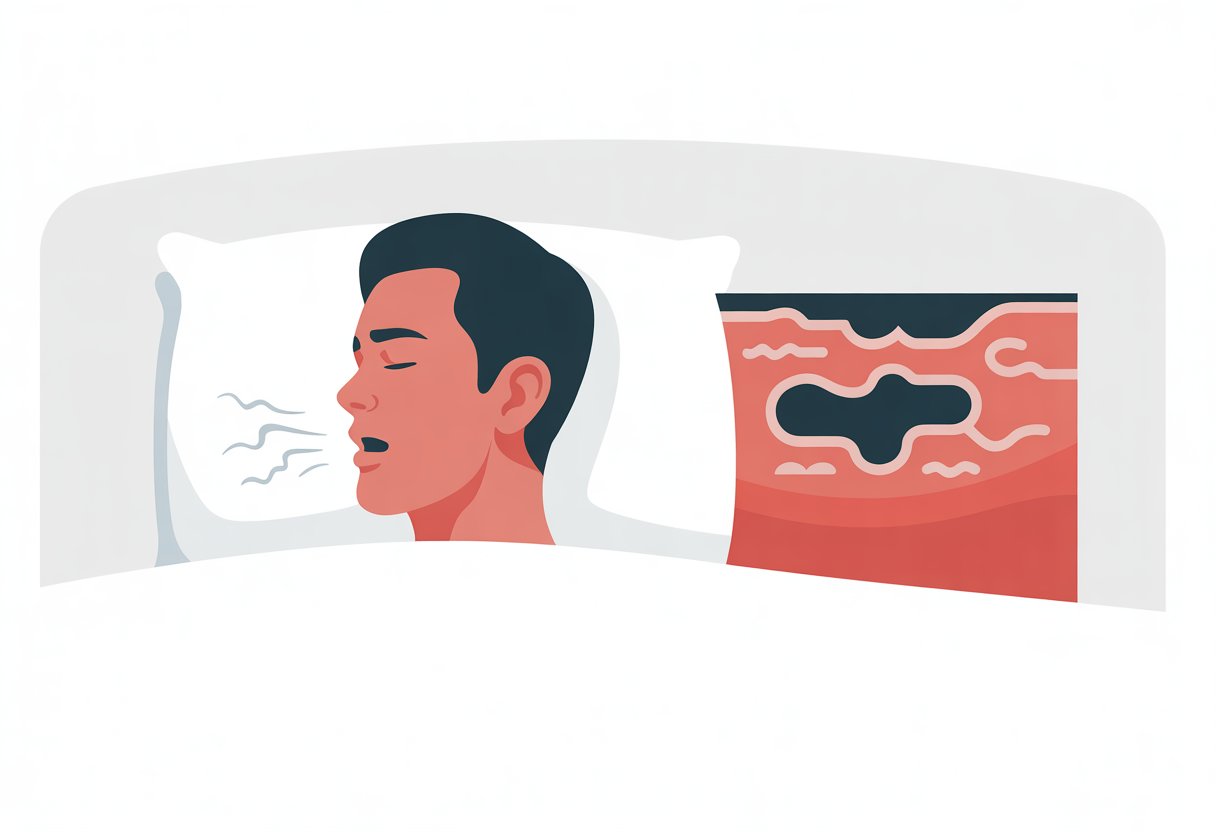
Skip Alcoholic Drinks at Night
We recommend avoiding alcohol in the evening hours before sleep. Drinking alcohol relaxes the muscles in our throat too much, which makes the airway more likely to collapse. This leads to louder snoring and can make sleep apnea worse. The same goes for sedating medications that have similar effects on our breathing.
Manage Your Allergy Symptoms
Allergies can block our nasal passages and force us to breathe through our mouths at night. This often causes snoring. We can treat allergies with over-the-counter options like antihistamines or nasal sprays. An anti-snoring mouthpiece or mandibular advancement device might also help keep airways open. Treating nasal congestion is a key step in reducing snoring.
Sleep on Your Side Instead
Sleeping on our back lets the tongue fall backwards and blocks the airway. When we change our sleep position to our side, we keep the airway clear. This simple adjustment in sleep hygiene can reduce snoring right away.
Raise Your Head While Sleeping
Lifting our head with extra pillows or an adjustable bed helps gravity keep our airways open. This position reduces the chance of tissue blocking our breathing passage. Even raising our head by a few inches can make a difference.
Keep Your Weight in a Healthy Range
Carrying extra weight adds tissue around our neck that can press on the airway. Weight loss of just 5 to 10 pounds often improves snoring symptoms significantly. We should talk to our doctor about other treatment options like CPAP, oral appliances, or even procedures like laser-assisted uvulopalatoplasty if snoring continues.
Closing Reflections
We understand that addressing snoring requires a multi-step approach. Making lifestyle adjustments like avoiding alcohol and cigarettes before bed can significantly improve nighttime breathing. Elevating our heads with extra pillows or raising the back portion of our mattress helps maintain open airways throughout the night.
When these methods don't reduce snoring, we recommend consulting with a sleep specialist who can evaluate whether daytime fatigue or morning headaches indicate more serious concerns. A sleep study may be necessary to rule out conditions that cause sleep disruption. Factors like hormonal changes, respiratory infections, or menopause can also contribute to snoring issues.
When to seek medical advice:
- Persistent headaches upon waking
- Excessive daytime sleepiness
- Snoring that doesn't improve with lifestyle changes
Surgical options may provide relief for those with structural airway problems affecting their sleep health.
Common Questions About Snoring Causes
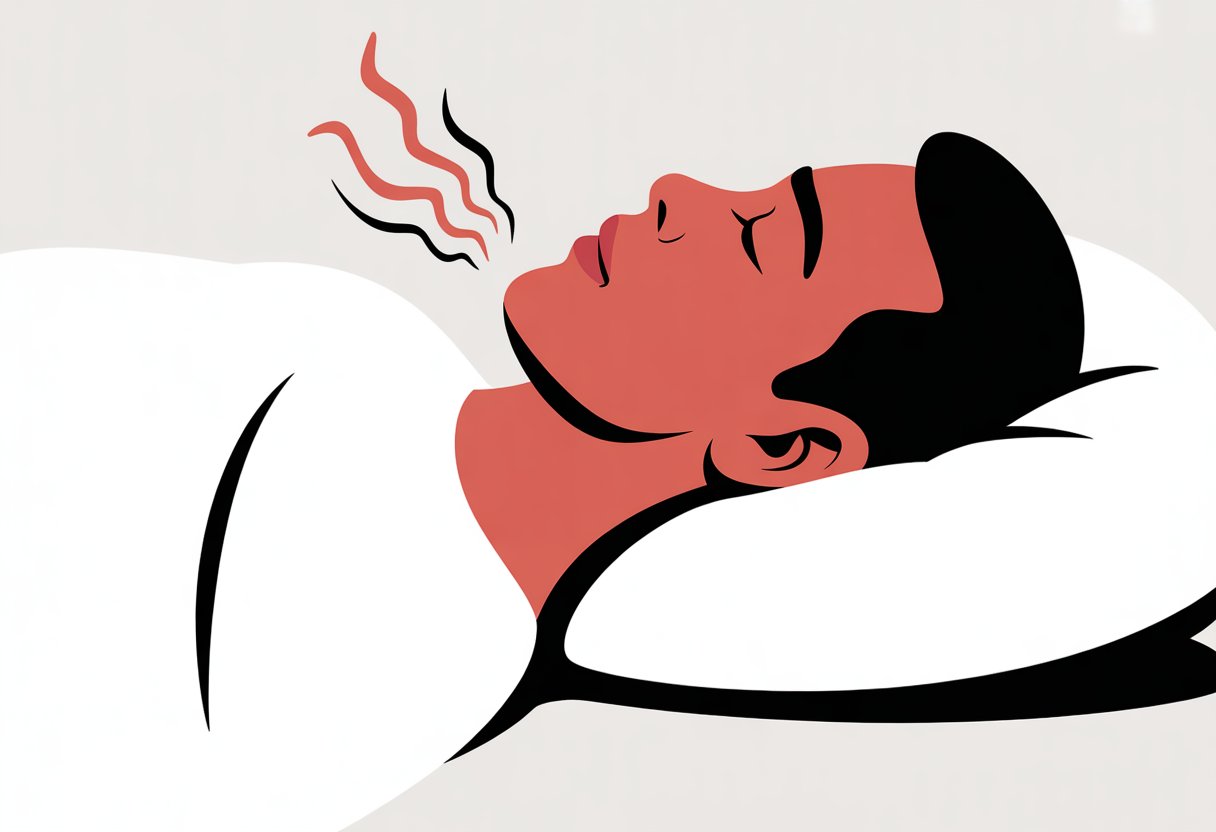
How Does the Structure of Our Airway Affect Snoring?
The physical makeup of our mouth, nose, and throat directly impacts whether we snore. When tissues in these areas are naturally larger, they can block airflow during sleep.
Common structural factors include:
- Thick or low-hanging soft palate
- Elongated uvula
- Large tongue
- Enlarged tonsils or adenoids
Enlarged tonsils frequently cause snoring in children. The shape of our jaw also matters. A small or recessed jaw can push the tongue backward, narrowing the space where air flows.
Some people are born with a narrower throat. Others develop these changes as they age. When we sleep, these tissues relax even more, making the airway smaller and causing vibrations that create snoring sounds.
Why Does Extra Weight Lead to Snoring?
Carrying excess weight adds fatty tissue around the neck and throat. This extra tissue presses on the airway from the outside, making the opening narrower.
When we gain weight, fat deposits build up in several areas that affect breathing during sleep. The added pressure means less room for air to pass through smoothly.
Weight affects snoring by:
- Adding bulk around the neck that squeezes the airway
- Creating extra tissue inside the throat walls
- Reducing muscle tone in the upper airway
- Increasing the likelihood of airway collapse during sleep
Losing even a small amount of weight can reduce snoring. Being overweight is one of the main causes of snoring because it changes how much space we have for breathing.
Do Blocked Nasal Passages Cause Snoring?
Yes, congestion in our nose forces us to breathe through our mouth during sleep. This changes the airflow pattern and increases the chance of snoring.
Allergies, colds, and sinus infections all create swelling in the nasal passages. Blocked nasal passages make it harder to inhale, which affects the throat tissue.
Nasal issues that trigger snoring:
- Seasonal allergies that inflame nasal tissue
- Chronic sinus infections
- Deviated septum
- Nasal polyps
When we struggle to breathe through our nose, we create more suction in the throat. This extra effort pulls the throat tissues closer together. The narrowed space causes the vibrations we hear as snoring.
How Do Alcohol and Sedatives Impact Snoring?
Drinking alcohol or taking sedatives before bed relaxes the muscles in our throat too much. This excessive relaxation lets the airway collapse more easily during sleep.
These substances work as depressants on our central nervous system. They reduce the normal muscle tone that keeps our airway open. Even people who don't usually snore may do so after drinking.
| Substance Type | Effect on Throat Muscles | Snoring Impact |
|---|---|---|
| Alcohol | Relaxes muscles for 3-4 hours | Increases snoring intensity |
| Sleep medications | Reduces muscle responsiveness | Creates or worsens snoring |
| Sedatives | Decreases muscle control | Makes airway more collapsible |
The timing matters too. Consuming these substances within three hours of bedtime has the strongest effect. The throat airway gets relaxed due to several reasons, and alcohol is a significant factor we can control.
Does How We Sleep Change Whether We Snore?
Our sleeping position significantly affects snoring. Lying on our back lets gravity pull the tongue and soft palate backward, partially blocking the airway.
When we sleep on our back, the base of the tongue falls against the back wall of the throat. This creates a partial obstruction that causes snoring sounds as air squeezes past.
Position effects:
- Back sleeping - Increases snoring frequency and volume
- Side sleeping - Keeps the airway more open
- Stomach sleeping - May reduce snoring but can strain the neck
- Elevated head - Helps prevent tissue collapse
People who snore might toss and turn at night as they unconsciously try to find a better breathing position. Switching to side sleeping often reduces or eliminates snoring for many of us.
What Connects Sleep Apnoea to Snoring?
Snoring can signal obstructive sleep apnoea, a condition where breathing repeatedly stops and starts during sleep. Not everyone who snores has sleep apnoea, but most people with sleep apnoea do snore loudly.
Sleep apnoea happens when the airway becomes completely blocked rather than just narrowed. We stop breathing for ten seconds or longer, sometimes hundreds of times per night.
Key differences:
| Regular Snoring | Sleep Apnoea |
|---|---|
| Continuous breathing | Breathing pauses |
| Steady sound | Gasping or choking sounds |
| Less health risk | Serious health risks |
| May not wake us | Often causes brief awakenings |
Chronic snoring can increase the risk of certain health conditions like stroke and heart attack. The connection exists because both conditions involve airway obstruction. Sleep apnoea represents a more severe form where the blockage becomes complete.
We should see a doctor if our snoring includes pauses in breathing, gasping sounds, or leaves us feeling tired despite sleeping enough hours.
 by
by 


