

















Memory foam mattresses offer a unique sleep experience by conforming to your body's shape and providing targeted support where you need it most. These mattresses work by responding to pressure and heat, which helps reduce stress on key areas like your back, hips, and shoulders. This makes them a popular choice for people dealing with back pain or anyone looking for better comfort during sleep.
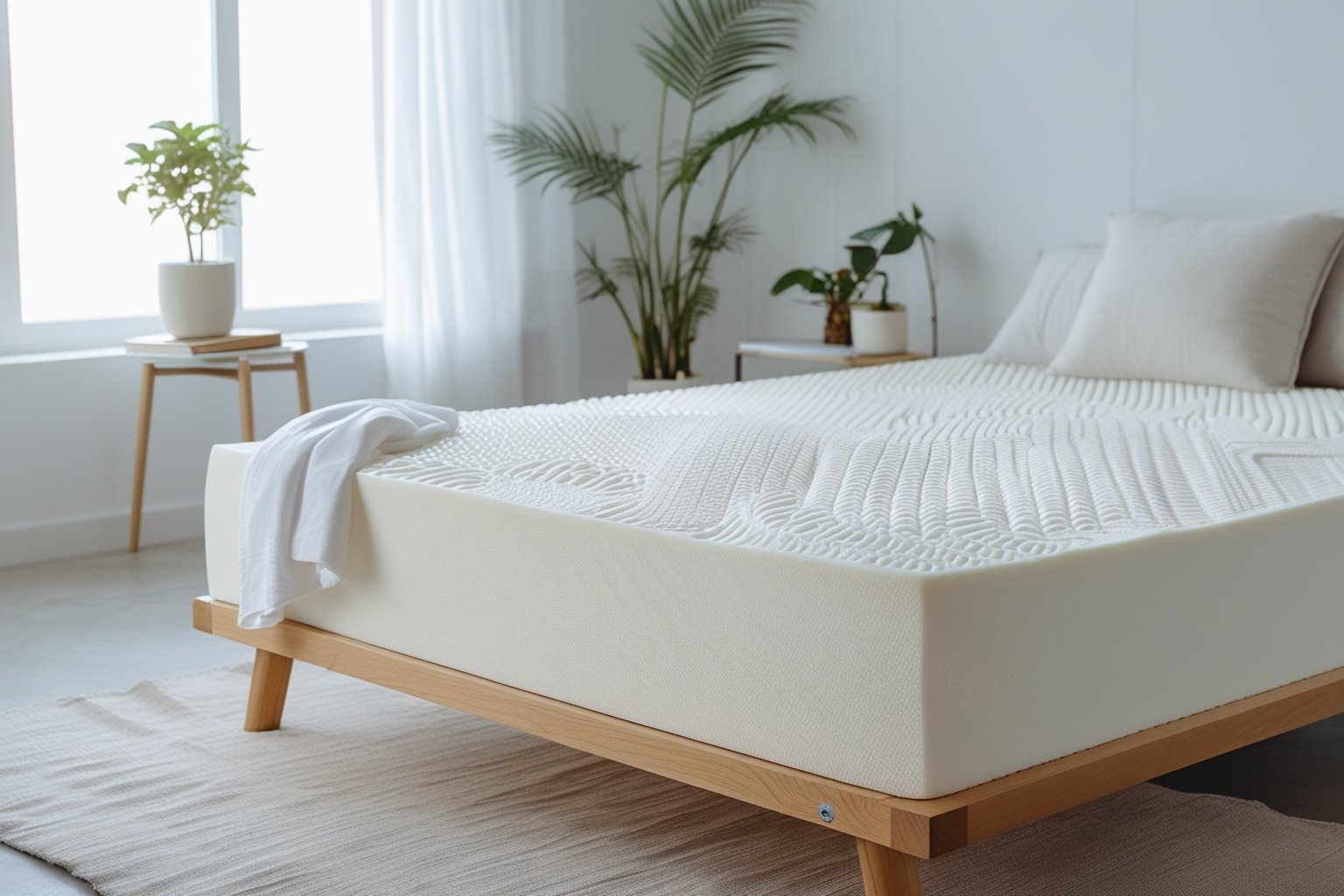
When shopping for memory foam mattresses in Canada, you'll find many options at different price points from various retailers. The key is finding a mattress that fits both your comfort needs and your budget. Whether you're looking for a twin, queen, or king size, memory foam options come in all standard sizes and are often backed by warranties for your peace of mind.
Key Takeaways
- Memory foam mattresses mould to your body shape to provide support and help with back pain
- These mattresses are available in all standard sizes and at various price points to fit different budgets
- Shopping for the right memory foam mattress involves considering your comfort needs and comparing options from different retailers
Need Help Choosing A Memory Foam Mattress?
Picking the right foam mattress can feel overwhelming with so many options available. We created a detailed guide to walk you through selecting the best memory foam option that matches your needs.
Key factors to consider include:
- Your preferred sleep position
- Your body type and weight
- Whether you're a back sleeper or side sleeper
- Temperature preferences and gel foam features
Our team is ready to answer your questions about memory foam mattresses. Give us a call and we'll help you find the perfect match for your sleeping habits. You can browse our website to explore our full range of products, check current pricing, and read our sleep guide for expert advice.
We're here to help you end restless nights. Visit National Mattress Outlet to discover how to choose a memory foam mattress that works for your unique situation.
Contact us today and start sleeping better tonight.
Common Questions About Memory Foam Mattresses
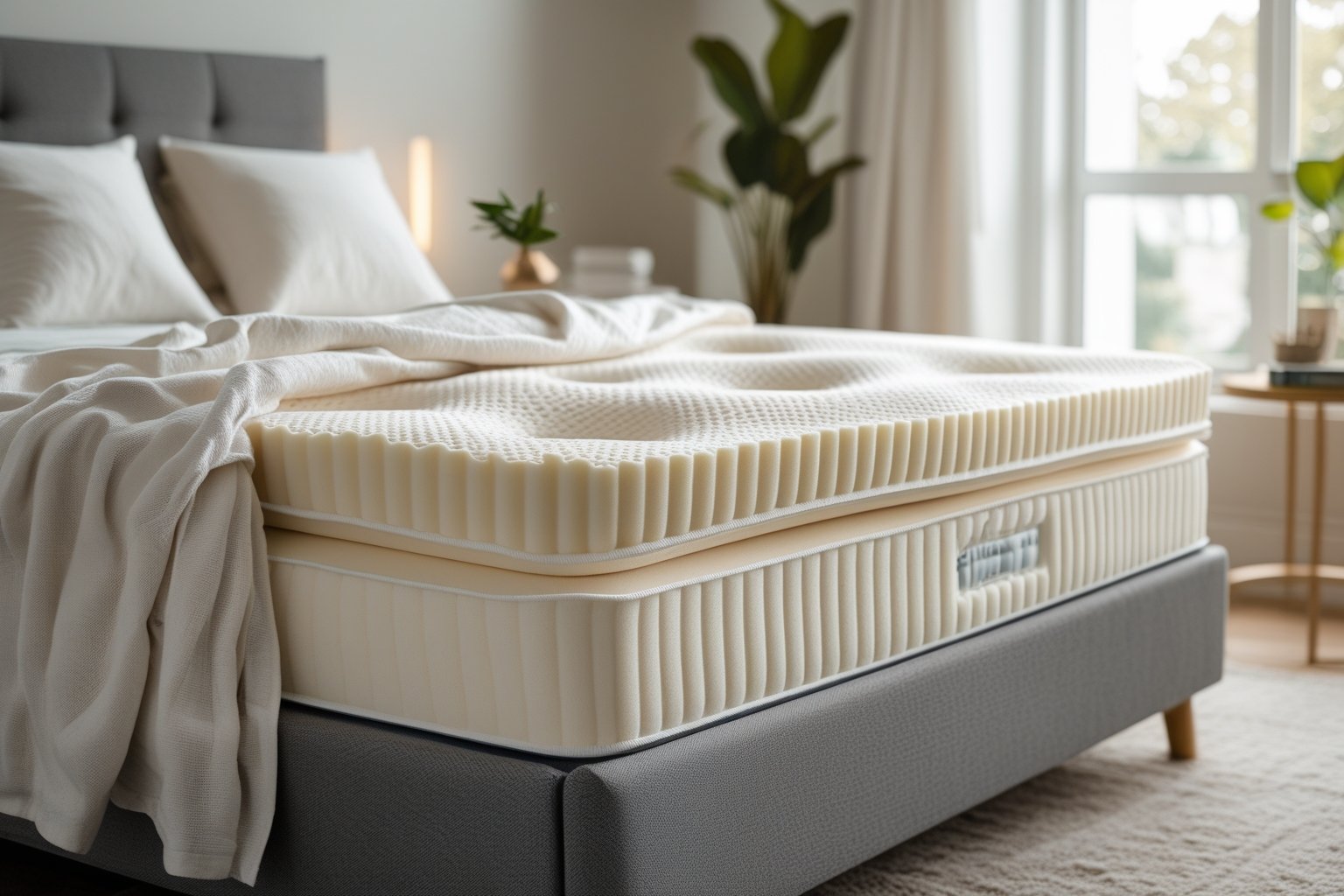
What advantages does a memory foam mattress offer?
Memory foam mattresses provide several key benefits for sleep quality. They contour to your body shape, which helps distribute weight evenly across the surface.
This material limits motion-transfer, making it easier to sleep undisturbed when sharing a bed with a partner or pet. You won't feel as much movement when someone else shifts position during the night.
The foam responds to pressure and warmth, creating a customised sleep surface. This adaptability helps keep your spine aligned while you rest.
Key advantages include:
- Pressure point relief on hips and shoulders
- Reduced disturbance from movement
- Body-conforming support
- Quiet surface with no squeaking
How should we care for and clean our memory foam mattress?
Regular maintenance helps extend the life of your memory foam mattress. We recommend using a waterproof mattress protector to shield against spills and stains.
Vacuum the mattress surface monthly using an upholstery attachment. This removes dust, dead skin cells, and allergens that accumulate over time.
For spot cleaning, mix mild detergent with water and gently blot stains. Never soak the foam, as excess moisture can damage the material and promote mould growth.
Maintenance steps:
| Task | Frequency |
|---|---|
| Vacuum surface | Monthly |
| Rotate mattress | Every 3-6 months |
| Spot clean stains | As needed |
| Air out mattress | Quarterly |
Allow the mattress to air dry completely before adding sheets back on. Open windows or use fans to speed up drying time.
Does memory foam help relieve back discomfort?
Memory foam mattresses can reduce back pain for many people. The material moulds to your body's curves, supporting the natural alignment of your spine.
When researching memory foam, check the density and firmness level. These factors determine how much support the mattress provides.
Memory foam is versatile and works for back, side, and stomach sleepers. Side sleepers often need softer foam to cushion shoulders and hips, while back sleepers typically prefer medium-firm support.
The foam reduces pressure on your lower back by distributing body weight evenly. This can decrease tossing and turning throughout the night.
However, results vary by individual. Consider your specific back issues and preferred sleeping position when choosing a mattress.
How long does a memory foam mattress typically last?
We can expect a quality memory foam mattress to last between 7 to 10 years with proper care. The actual lifespan depends on several factors.
Density plays a major role in durability. Higher-density foam typically lasts longer than lower-density options because it resists sagging and body impressions better.
Over time, even the best memory foam mattress can lose its support and comfort. Watch for these signs that replacement time is approaching:
- Visible sagging or indentations
- Increased back or joint pain upon waking
- Loss of bounce and responsiveness
- Uncomfortable lumps or uneven areas
Body weight affects longevity too. Heavier individuals may notice wear sooner than lighter sleepers.
Regular rotation and proper foundation support help maximise the mattress's useful life.
How does room temperature impact memory foam performance?
Temperature significantly affects how memory foam behaves. The material softens in warmth and becomes firmer in cold conditions.
Memory foam responds to your body heat, becoming more pliable where you lie. This temperature sensitivity allows the foam to contour precisely to your shape.
Warmer rooms make the foam softer and more conforming. Cooler rooms cause the foam to feel firmer and less responsive.
Some people find memory foam retains too much body heat during sleep. This can lead to discomfort on warm nights.
Modern memory foam mattresses often include cooling features:
- Gel infusions
- Open-cell structure
- Breathable covers
- Air channels
These additions help regulate temperature and prevent overheating. We recommend keeping your bedroom between 15°C and 19°C for optimal sleep comfort.
What should we know when switching from a spring mattress to memory foam?
The transition from a traditional spring mattress to memory foam requires an adjustment period. The feel is quite different, so give yourself 3 to 4 weeks to adapt.
Memory foam provides more contouring than springs, which some people initially find unusual. You may feel like you're sinking into the mattress rather than sleeping on top of it.
Important considerations:
- Support differences: Springs offer bounce, while memory foam absorbs movement
- Foundation needs: Memory foam works well on solid platforms, slatted bases, or adjustable frames
- Weight distribution: The foam hugs your body more closely than coil systems
- Movement: Getting in and out of bed feels different without spring resistance
Memory foam mattresses work wonderfully on adjustable bases if you use one. The flexible foam adapts to various positions without damage.
Start by spending full nights on your new mattress rather than switching back and forth. This helps your body adjust more quickly to the different support system.
Your pressure points may feel relief sooner, but full adaptation takes time as your muscles get used to the new sleeping surface.
 by
by 


