

















A medium mattress sits right in the middle of the firmness scale, offering a balance between soft cushioning and firm support that works for many different types of sleepers. Medium is the most requested feel at National Mattress, where 27.8% of customers choose it. A medium firm mattress sits just a step firmer, for sleepers who want the same balance with extra support. If you've been struggling to find a mattress that doesn't feel too hard or too soft, a medium option might be exactly what you need. These mattresses typically rate between 5 and 6 on a 10-point firmness scale, where 1 is very soft and 10 is very firm.
Medium mattresses provide enough support to keep your spine aligned while still allowing your body to sink in slightly at pressure points like your shoulders and hips, making them ideal for back sleepers, side sleepers, and combination sleepers who change positions throughout the night. Medium-firmness mattresses offer balanced comfort that adapts to different sleeping styles. This versatility is one reason why medium firmness remains the most popular choice among mattress buyers.
The right mattress firmness affects more than just comfort. It impacts your sleep quality, how you feel when you wake up, and even your long-term spinal health. Understanding what makes medium mattresses different and whether one suits your needs can help you make a better choice for your sleep.
Key Takeaways
Medium mattresses balance support and cushioning at a 5-6 firmness level, often representing the best medium-firm mattresses for most sleepers.
These mattresses help maintain proper spinal alignment whilst reducing pressure on shoulders and hips, making them a great mattress for back pain.
Available in memory foam, latex, innerspring, and hybrid constructions to match different preferences and budgets.
What Are Medium Mattresses?
Medium mattresses sit in the middle of the firmness spectrum, offering a balance between cushioning comfort and structural support. They are often recommended as a suitable medium-firm mattress for back pain due to their ability to cradle joints while supporting the spine. Finding a medium-firm mattress for back pain is a common goal for those who need a mix of pressure relief and stability. These beds work well for average-weight sleepers who prefer back or side sleeping positions.
Defining Medium and Medium-Firm Mattress
A medium mattress responds to pressure with body-cradling give while still offering good support. When you lie down, you'll notice some contouring around your shoulders and hips without feeling like you're sinking deeply into the bed. The surface has enough give to relieve pressure but maintains enough resistance to keep your spine aligned.
A medium-firm mattress sits slightly higher on the firmness scale, typically rating around 6-7. It provides more pushback than a true medium option while still offering some conforming comfort. You'll feel more "on top of" the mattress rather than "in" it.
The difference between these two options matters for your comfort. A medium mattress provides a balance of contouring and support, cradling your joints without excessive sinking. Medium-firm options deliver more structural support with less conforming action.
Understanding the Firmness Scale
Mattress firmness is measured on a scale of 1-10, where 1 represents the softest option and 10 the firmest. Most mattresses fall between 3 and 8 on this scale because extremes at either end prove uncomfortable for most sleepers.
Here's how the scale breaks down:
1-2: Extremely soft (rarely manufactured)
3-4: Soft or plush
5: Medium
6-7: Medium-firm to firm
8-9: Very firm
10: Extremely firm (rarely manufactured)
Your body weight affects how you experience firmness. If you weigh less than 130 pounds, a mattress rated 5 might feel firmer to you than to someone weighing 200 pounds. Similarly, heavier sleepers often need higher firmness ratings to prevent excessive sinking.
Keep in mind that firmness ratings aren't standardised across manufacturers. One brand's medium might feel like another's medium-firm.
Differences Between Soft, Medium, and Firm Options
A soft mattress (3-4 on the firmness scale) allows significant sinking when you lie down. Your body settles deeply into the comfort layers, creating a cradled feeling. While a soft mattress provides plush comfort, it may lack the support needed for some body types. These work best for lighter-weight sleepers and strict side sleepers who need pressure relief at the shoulders and hips.
Medium mattresses (5-6) offer moderate sinking and contouring. A medium mattress will gently conform to your body with its comfort layers while maintaining support underneath. You'll notice some pressure relief without feeling stuck or engulfed.
Firm mattresses (7-8) provide minimal sinking and maximum support. You rest on top of the surface rather than settling into it. These suit stomach sleepers and heavier individuals who need extra support to maintain spinal alignment. The main trade-off is less pressure relief, which can create discomfort for side sleepers at the hips and shoulders.
Benefits of Medium Mattresses
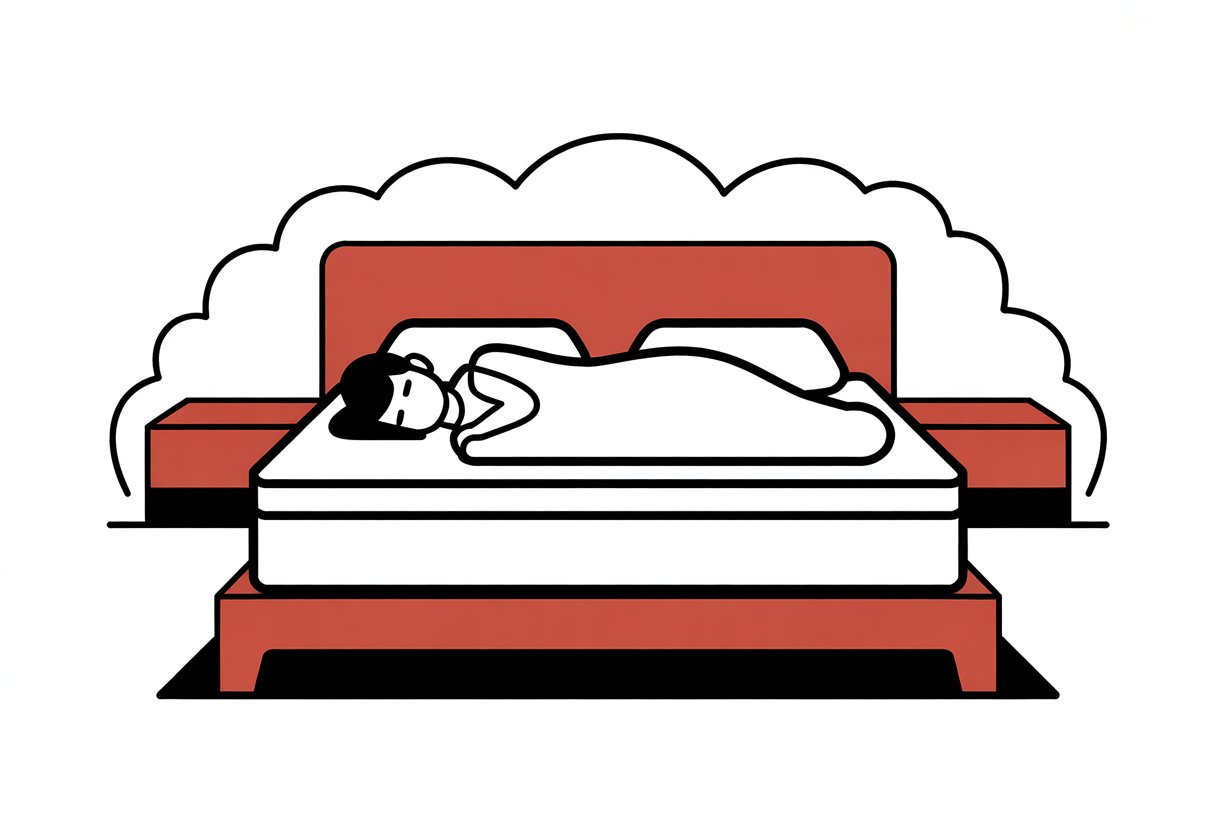
Medium mattresses deliver balanced support that keeps your spine properly aligned while providing enough cushioning to relieve pressure on your shoulders and hips. They work well for partners with different comfort preferences and reduce motion transfer between sleepers.
Support and Spinal Alignment
A medium mattress provides the right amount of give to support your natural spine curve. When you lie down, the mattress compresses just enough to fill the space beneath your lower back or neck without letting your body sink too far in.
This balance between cushioning and support helps maintain spinal alignment across different sleeping positions. Back sleepers get adequate lower back support while side sleepers receive enough contouring at pressure points.
Your body weight also affects how well a medium firmness works for you. Average-weight sleepers typically find medium mattresses offer the most consistent spinal support throughout the night. This prevents the micro-awakenings that happen when your spine curves unnaturally or when pressure builds up at key points.
Comfort and Pressure Relief
Medium mattresses cradle your joints without excessive sinkage. The comfort layer compresses where your shoulders and hips make contact with the surface, distributing your weight more evenly.
This compression reduces pressure buildup at these key points. You'll notice less numbness or tingling in your arms and legs during the night. The cushioning also protects your joints if you deal with arthritis or similar conditions, ensuring better sleep comfort throughout the night.
Medium firmness works for most sleeping positions because it provides enough give for side sleeping while maintaining sufficient support for back sleeping. Combination sleepers benefit most since they change positions throughout the night. The mattress responds to each position without creating uncomfortable pressure points or allowing improper alignment.
Motion Isolation and Edge Support
Medium mattresses absorb movement well due to their comfort layers. When your partner shifts positions or gets out of bed, the mattress cushioning prevents those movements from travelling across the surface to your side.
The support core in a medium mattress also provides decent edge support. You can sit on the side of the bed to put on shoes without feeling like you might roll off. This perimeter stability gives you more usable sleeping surface.
Couples particularly benefit from these features. The motion isolation lets one partner move freely without disturbing the other's sleep. The edge support means both sleepers can use the full mattress width without feeling constrained to the centre. These qualities make medium firmness an ideal compromise when you and your partner have different comfort preferences.
Who Should Choose a Medium Mattress?
Medium mattresses work well for average-weight sleepers who change positions during the night and couples who need to find a balance between different comfort preferences.
Best Sleeping Positions
Your primary sleeping position plays a major role in determining whether a medium mattress will work for you.
Side sleepers often benefit from medium mattresses because they need enough cushioning for their hips and shoulders. These pressure points need to sink slightly into the mattress to keep your spine aligned. A medium firmness provides this cushioning without letting you sink too deeply.
Back sleepers with average body weight also do well on medium mattresses. The surface gives enough support to maintain your spine's natural curve while offering some contouring around your lower back.
Combination sleepers who switch between side and back positions throughout the night find medium mattresses particularly suitable. The balanced firmness level accommodates multiple positions without feeling too hard or too soft.
Stomach sleepers typically need firmer support and should avoid medium mattresses. The extra give can cause your hips to sink, which creates an uncomfortable arch in your lower back.
Body Weight and Sleep Preferences
Your body weight affects how much you sink into a mattress and how much support you receive.
People who weigh between 130 and 230 pounds fall into the average-weight category. This group finds that medium mattresses provide the right amount of give for pressure relief whilst maintaining proper spinal alignment.
Lighter sleepers under 130 pounds may find medium mattresses too firm. They might not sink in enough to relieve pressure points at the shoulders and hips.
Heavier sleepers over 230 pounds typically need more support than a medium mattress offers. They may sink too deeply, which can lead to poor spinal alignment and restricted movement. These sleepers usually need medium-firm or firm options instead.
Couples and Shared Beds
Medium mattresses serve as an effective compromise when partners have different firmness preferences. One person might prefer a softer feel whilst the other wants more support.
The balanced firmness level means neither partner feels like they're sleeping on a surface that's too extreme for their needs. This middle-ground approach helps both people get adequate rest without having to choose between drastically different comfort levels.
Motion isolation varies by mattress construction, but medium firmness generally provides enough cushioning to absorb some movement. This helps reduce disturbances when one partner shifts position or gets in and out of bed.
Types of Medium Mattresses

Medium mattresses come in several construction types that each offer different benefits for comfort and support. The main categories include all-foam designs, hybrid models with coil systems, and natural latex options.
Memory Foam and All-Foam Mattresses
Memory foam mattresses and all-foam mattresses use layers of foam to provide comfort and support. A memory foam mattress uses viscoelastic foam to respond to body heat. A medium-firm memory foam mattress specifically provides a contouring effect while keeping you supported. Many shoppers consider this the best medium-firm memory foam mattress style for deep pressure relief.
All-foam mattresses typically stack multiple foam layers with different densities. The top layers offer softer cushioning while the base layers provide stability and prevent excessive sinking. These beds excel at motion isolation, which means you won't feel your partner moving during the night.
Foam mattresses work well for side sleepers who need pressure relief at the hips and shoulders. They also suit people who want a quieter sleeping surface without any coil noise. The main drawback is that some foam mattresses can trap body heat, though many manufacturers now add cooling technologies to address this issue.
Hybrid and Pocketed Coil Mattresses
A hybrid mattress combines foam comfort layers on top with a coil support system underneath. This design aims to deliver the pressure relief of foam with the bounce and airflow of springs. Hybrid mattresses typically feature pocketed coils, which are individual springs wrapped in fabric pockets.
Pocketed coils move independently from each other, providing targeted support to different parts of your body. This construction also helps with motion isolation better than traditional innerspring beds. The coil layer allows more air circulation through the mattress, which helps regulate temperature during sleep.
Hybrid mattresses appeal to combination sleepers who change positions throughout the night. The responsive coils make it easier to move around compared to all-foam options.
Finding the best hybrid mattress often involves looking for a balance of cooling foam and responsive coils. Many retailers offer diverse ranges of these models to fit every lifestyle and budget preference.
A medium-firm hybrid mattress provides extra stability for those who need a bit more resistance than a standard foam bed. This design is often cited as the best medium-firm hybrid mattress for those who want both bounce and contouring. These beds also tend to have stronger edge support, giving you more usable sleeping surface.
Latex and Natural Options
A latex mattress uses rubber foam derived from sap of rubber trees or created synthetically. Natural latex offers durability and a responsive feel that's different from memory foam. Instead of slow contouring, latex provides a buoyant sensation with gentle support.
Latex mattresses resist dust mites, mould, and bacteria naturally. They also maintain their shape longer than many foam mattresses, often lasting 10 to 15 years. The material sleeps cooler than traditional memory foam because of its open cell structure.
You can find latex in all-latex constructions or as comfort layers in hybrid designs. Some people prefer a flippable mattress design featuring latex, which allows you to extend the life of the bed by using both sides. Natural and organic latex options appeal to environmentally conscious shoppers, though they typically cost more than synthetic versions.
Top Medium and Medium-Firm Mattress Picks in Canada
The Sealy Posturepedic and Beautyrest lines lead Canadian medium-firm options with high ratings for comfort. Those seeking a luxury mattress often choose the Serta iComfort or Beautyrest Harmony Lux for their balance of pressure relief. Finding the best medium-firm mattress often means comparing these top-tier brands for support and durability.
Best Overall Medium-Firm Mattresses
The Sealy Posturepedic Luxury ranks as a top-performing Canadian mattress with exceptional scores across all categories. This mattress features a multi-layer profile with targeted support and high-density foam layers. It is highly rated for pressure relief, motion transfer, and responsiveness.
The mattress provides a supportive sensation rather than an enveloping feel, making it easy to move. Edge support is a standout feature, offering stability whether you are sitting or lying near the perimeter.
Sealy and Beautyrest offer comprehensive warranties through authorized retailers. This Sealy model rates as the best medium-firm mattress for many shoppers due to its balanced 6 out of 10 feel. It works well for back, side, and combination sleepers, making it a highly comfortable mattress for diverse households. Choosing a comfortable mattress is the first step toward better restorative sleep.
Best Hybrid Medium-Firm Mattresses
The Springwall Hybrid comes in several comfort levels, including a popular medium-firm option. This mattress combines foam comfort layers with high-quality innerspring support. The hybrid construction provides better airflow than all-foam options.
Stearns & Foster Studio offers another premium hybrid alternative. It features a medium-firm feel designed for lasting durability and luxurious comfort. The hybrid design includes specialty coils that improve edge support and temperature regulation.
Both brands deliver the bounce and responsiveness that many sleepers prefer in a hybrid. When searching for the best hybrid mattress, shoppers often value models that stay cool throughout the night.
The advanced coil systems create better airflow to prevent heat buildup. These features often earn these models a spot as the best medium-firm hybrid mattress in their class.
Best Memory Foam Medium-Firm Mattresses
The Tempur-Pedic ProAdapt uses high-performance memory foam construction throughout its layers. This mattress sits in the luxury category and provides the characteristic contouring and pressure relief that Tempur-material is known for.
The Serta iComfort Eco is a premium foam mattress featuring memory foam, cooling gel, and supportive base layers. It delivers high performance with moderate sinkage and low motion transfer.
Both options provide excellent pressure relief. The Serta iComfort rates as medium (5 out of 10) while the Tempur-Pedic ProAdapt sits at medium-firm (6 out of 10).
Best Affordable and Luxury Medium-Firm Mattresses
The Galaxy Bedding Original provides budget-friendly performance. This best affordable medium-firm mattress offers very low motion transfer and reliable edge support for the price. It comes with a solid manufacturer warranty, matching many premium options in customer protection.
The Springwall Chiropractic offers another affordable choice. While rated slightly firm, it borders on medium-firm territory. This mattress excels in support and durability for cost-conscious shoppers.
For luxury seekers, the Sealy Posturepedic Plus Hybrid excels at cooling and is frequently cited as the best cooling medium-firm mattress. This hybrid mattress rates as medium (5 out of 10) and features premium materials. The Tempur-Pedic ProAdapt provides luxury memory foam construction with strong performance across all categories, making it a contender for the best luxury medium-firm mattress on the market.
Key Features and Materials to Consider
A medium mattress performs best when it includes quality materials that regulate temperature, provide lasting support, and meet safety standards. These features directly affect how well you sleep and how long your mattress lasts.
Cooling and Temperature Regulation
Heat retention can ruin your sleep quality. Many sleepers look for a cooling mattress that uses specialized layers to keep you cool throughout the night. A cooling mattress often incorporates gel or phase-change materials to regulate temperature. This feature is essential for those who experience night sweats.
Gel-infused memory foam draws heat away from your body. These gels absorb warmth and disperse it across the mattress surface. Open-cell foam structures allow better airflow than traditional dense foams.
Innerspring and hybrid mattresses naturally sleep cooler than all-foam options. The space between coils lets air circulate freely. Some manufacturers add cooling technologies like phase-change materials that absorb excess body heat.
Look for breathable cover fabrics. Cotton, bamboo, and Tencel materials wick moisture away from your skin. These natural fibres feel cooler against your body than synthetic covers.
Edge Support and Durability
Strong edges let you use the full sleeping surface without feeling like you might roll off. Good edge support also makes sitting on the bed's side more stable.
Reinforced foam perimeters or steel edge coils prevent sagging along the mattress borders. This construction extends the usable sleep area and helps the mattress hold its shape over time. Without proper edge support, you lose several inches of sleeping space on all sides.
High-quality materials determine how long your mattress maintains its comfort. High-density foams resist body impressions better than low-density options. Premium coil systems use thicker gauge steel that won't sag or break down quickly.
Check the foam density specifications. Higher numbers indicate more durable materials that will support you for years.
Certifications and Material Safety
Safety certifications confirm that your mattress contains no harmful chemicals. Certipur-us certification means foams are made without ozone depleters, flame retardants, mercury, lead, and other heavy metals. These certified materials also have low VOC emissions for better indoor air quality. Choosing Certipur-us foams ensures your bed is safe for your home environment.
GOLS (Global Organic Latex Standard) certifies that latex comes from organic sources and meets strict processing requirements. This matters if you want natural materials in your bedding.
OEKO-TEX Standard 100 tests for harmful substances in textiles. Mattress covers with this certification are safe for direct skin contact. These standards protect you and your family from exposure to toxic chemicals while you sleep.
Look for these certifications when comparing medium mattresses. They provide independent verification that manufacturers follow safety guidelines. Your pillows and other bedding should meet similar standards for a healthier sleep environment.
Buying Tips and What to Expect
Understanding trial periods and return policies protects your investment, while knowing when retailers offer discounts helps you save money. The right foundation and accessories complete your medium mattress setup.
Trial Periods and Warranties
Most mattress companies offer trial periods ranging from 90 to 120 nights. This gives you time to determine if your medium mattress works for your body. You typically need to sleep on the mattress for at least 30 nights before requesting a return, as your body needs time to adjust.
National Mattress goes further with a 365-night sleep trial, giving you a full year to decide whether a medium or medium firm mattress suits your body. National Mattress staff are salaried and non-commissioned, so the advice you get is matched to how you sleep, not to a sales quota.
Read the fine print carefully. Some companies charge restocking fees or require you to keep the original packaging. Others handle returns for free but donate returned mattresses rather than reselling them.
Warranties usually last 10 to 20 years. They cover manufacturing defects like sagging beyond a certain depth (often 2.5 centimetres or more) or coil problems. Normal wear, stains, and comfort preferences aren't covered.
Keep your receipt and register your warranty immediately. Take photos when your mattress arrives to document its condition. If you notice sagging later, you'll need proof of proper support underneath the mattress.
Sales and Promotions in Canada
Major sale events happen during Victoria Day, Canada Day, Labour Day, Black Friday, and Boxing Day. You can often find 25% off or more during these periods. Some retailers offer year-round promotions, so compare prices before assuming a sale price is the best deal.
Watch for bundle deals that include pillows, protectors, or a mattress topper at no extra cost. These packages can save you money if you need accessories anyway.
Financing options let you pay monthly instead of upfront. Check the interest rate carefully. Some stores offer zero-percent financing for 12 to 24 months if you pay the balance before the promotional period ends.
Bed Frames, Adjustable Bases, and Accessories
Your medium mattress needs proper support to perform well. Platform bed frames with slats work fine if the slats are no more than 7.5 centimetres apart. Box springs aren't necessary for modern mattresses unless your warranty requires one.
An adjustable base lets you raise your head or feet for reading, watching TV, or relieving pressure. Most medium mattresses work with adjustable bases, but check with the manufacturer first. These bases cost more than standard frames but offer extra comfort and furniture functionality.
A waterproof mattress protector prevents stains that void warranties. Protectors cost between $50 and $150 and wash easily. You'll also need sheets that fit your mattress depth, which typically ranges from 25 to 35 centimetres for medium models.
Frequently Asked Questions
Medium firmness mattresses typically rate around 5 on the firmness scale and work well for sleepers between 130-230 pounds who sleep in multiple positions. These mattresses balance cushioning with support to maintain proper spinal alignment.
What are the distinguishing characteristics of a medium firmness mattress?
A medium firmness mattress rates as a 5 on the firmness scale, placing it directly between soft and firm options. These mattresses respond quickly to pressure and provide moderate sinking when you lie down.
The comfort layers gently contour to your body shape while the support core prevents excessive sinking. You'll notice more cushioning than a firm mattress but less hugging than a soft one.
Medium firmness mattresses typically feature thicker comfort layers than firm models. This extra cushioning helps distribute your body weight evenly across the sleep surface.
How does sleeping on a medium firmness mattress impact back pain?
Medium mattresses can help reduce back pain by maintaining a neutral spine position throughout the night. The balanced feel prevents your lower back from sagging while still cushioning pressure points.
Your muscles and ligaments can fully relax when your spine stays properly aligned. This relaxation allows your body to recover overnight instead of building tension.
If you suffer from chronic back pain, you might need a slightly firmer option. A medium-firm mattress provides additional lower back support that some back pain sufferers require.
Can a medium firmness mattress accommodate different sleeping positions?
Medium firmness mattresses work well for combination sleepers who change positions throughout the night. The balanced feel supports your spine whether you're on your back or side.
Side sleepers benefit from the cushioning that cradles your hips and shoulders. This prevents pressure buildup in these heavy areas while keeping your spine straight.
Back sleepers receive enough support to keep their lower back lifted. The moderate give allows slight contouring without causing your midsection to sink too deeply.
Stomach sleepers might find medium firmness too soft for their needs. This position requires firmer support to prevent your hips from sinking and creating an uncomfortable arch in your lower back.
What is the typical lifespan of a medium firmness mattress?
Most medium firmness mattresses last between 7 to 10 years with proper care. The actual lifespan depends on the materials used in construction and how well you maintain the mattress.
Memory foam and latex mattresses often last longer than innerspring models. Higher-density foams resist sagging and maintain their shape better over time.
Your body weight affects how quickly a mattress breaks down. Heavier sleepers may notice sagging sooner than lighter individuals, potentially reducing the mattress lifespan by 1 to 2 years.
How does body weight affect the comfort level of a medium firmness mattress?
Your body weight significantly influences how a medium firmness mattress feels. Sleepers weighing between 130-230 pounds typically find medium firmness most comfortable.
Lighter sleepers under 130 pounds experience less sinking and may feel the mattress is slightly firm. The reduced body weight doesn't compress the comfort layers as much, limiting contouring.
Heavier sleepers over 230 pounds sink more deeply into medium mattresses. This excessive sinking can cause poor spinal alignment and make you feel stuck in the mattress.
What are the best practices for maintaining a medium firmness mattress?
Rotate your medium firmness mattress 180 degrees every three to six months. This practice distributes wear evenly across the sleep surface and prevents sagging in high-pressure areas.
Use a mattress protector to shield against spills, stains, and moisture. Liquid damage can break down foam layers and create permanent indentations in your mattress.
Vacuum your mattress surface monthly to remove dust, dead skin cells, and allergens. This simple step keeps your sleep environment clean and extends the life of your mattress.
Ensure your mattress sits on a supportive foundation or bed frame. Proper support prevents sagging and maintains the structural integrity of all mattress layers.
Avoid jumping or standing on your mattress, as this concentrated pressure damages internal layers. Keep pets off the bed when possible to prevent claw marks and premature wear.
 by
by 


