

















Sitting on the edge of your bed to put on shoes or lying near the side without feeling like you might roll off are simple comforts many people take for granted. Yet these everyday moments depend heavily on how well your mattress holds its shape at the borders. When a mattress lacks proper edge support, the sides compress too easily and create an unstable perimeter that reduces your usable sleep surface.
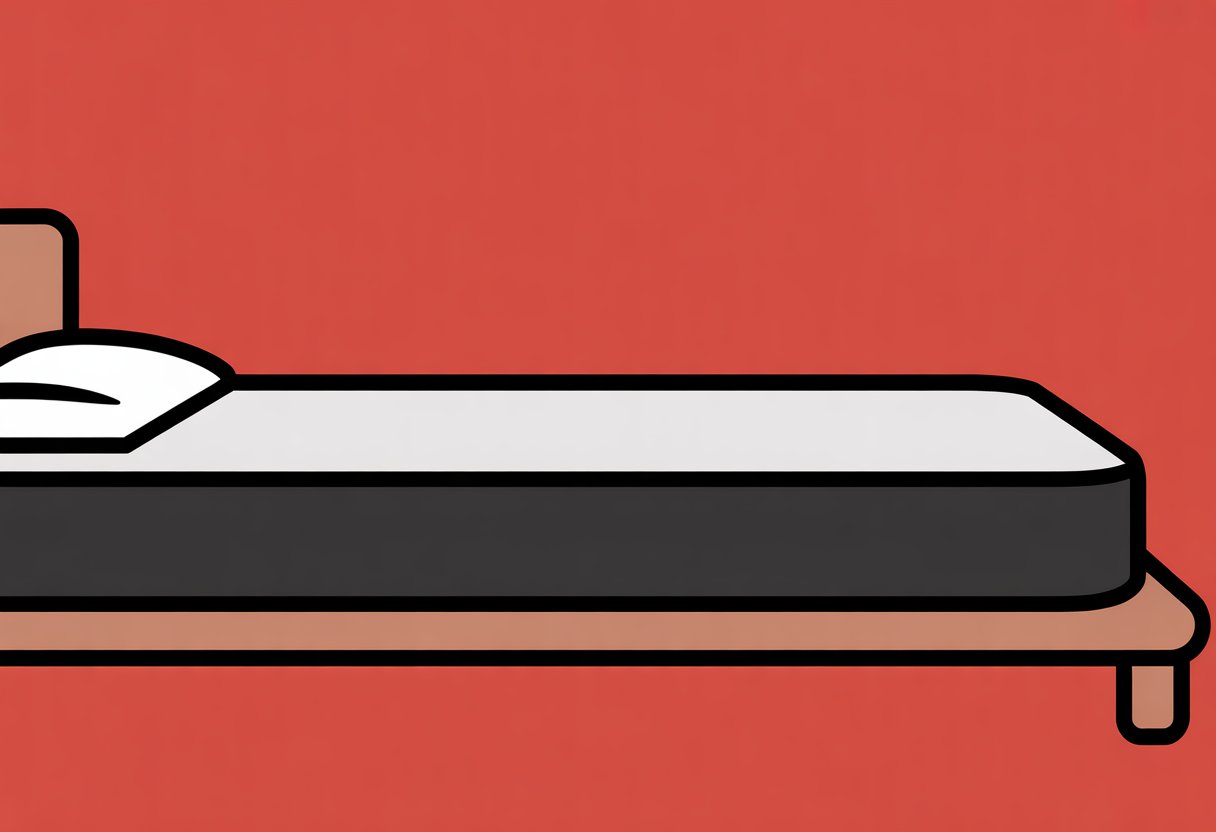
Edge support refers to reinforced construction around a mattress perimeter that prevents excessive sinking or collapse when you sit or sleep near the sides. This feature becomes especially important if you share your bed with a partner, need to use the full surface area, or require stability when getting in and out of bed. Firm mattresses with edge support typically use robust coil systems and high-density foams to create this durability.
Understanding how edge support works and which mattress types offer the best performance can help you make a smarter purchase. When shopping for mattresses with edge support, it's important to understand how different materials impact performance. If you are unsure which model fits your needs, taking a sleep quiz can narrow down your options. This guide covers edge support in mattresses, including construction methods and specific features you should look for when shopping.
Key Takeaways
Edge support prevents mattress sides from collapsing when you sit or sleep near the perimeter
Reinforced borders increase usable sleep surface and make getting in and out of bed easier
Coil systems and high-density foam are the most common materials used to strengthen mattress edges
What Is Edge Support?
What is edge support and why is it vital for your bedroom? Edge support refers to how well your mattress maintains its shape and stays firm around the outer perimeter. It's the feature that keeps you from feeling like you might roll off when you sleep close to the side of your bed. Providing zoned support across the surface ensures stability from corner to corner.
When a mattress has strong edge support, the entire sleeping surface stays usable. Without it, you lose valuable space because the sides compress too easily or feel unstable.
How Edge Support Works
Different mattress types use different methods to create edge stability:
Innerspring mattresses typically use extra rows of coils or stronger gauge wire around the perimeter to form a firm barrier
Foam mattresses rely on high-density foam borders around the edges to prevent sagging
Hybrid mattresses combine reinforced coils with foam encasement for enhanced stability
Edge reinforcement serves multiple purposes beyond just preventing roll-off. It helps you get in and out of bed more easily, especially if you have mobility concerns. The edges also tend to experience the most wear over time, so proper support in this area helps your mattress last longer.
Research shows that poor edge support can reduce your usable sleep surface by up to 15%. That means a queen-size bed could feel more like a full-size bed if the edges compress too much or feel unstable when you use them.
Benefits of Strong Edge Support
Strong edge support prevents your mattress from breaking down prematurely and keeps you safe while sleeping near the sides. It also maximizes the amount of usable space on your bed surface.
Prevention of Mattress Sagging
A mattress with good edge support prevents sagging over time by maintaining the structural integrity of the entire sleep surface. When the perimeter of your mattress lacks proper reinforcement, the edges compress faster than the centre. This creates an uneven sleeping surface that forces you to avoid the outer portions of your bed.
The prevention of edge breakdown directly impacts mattress longevity. Without adequate support around the perimeter, the foam layers or coils in these areas deteriorate more quickly. This is especially true if you sit on the edge regularly to put on shoes or read.
Common materials that prevent sagging include:
High-density foam perimeter rails and high density foam layers
Reinforced steel coils around the edges
Extra-firm latex foam borders or a high-density foam insert
A sagging mattress develops dips and valleys that can cause back pain and disrupt your sleep quality. Strong edge support distributes weight evenly across the entire mattress structure, which helps all materials maintain their original shape longer.
Safety and Stability for Sleepers
Edge stability keeps you from rolling off the bed during sleep, which matters most if you move around frequently at night. Strong edge support maintains stability while sitting on the side of your bed, preventing the sinking sensation that occurs with weak perimeters.
You need reliable mattress stability when getting in and out of bed, particularly if you have mobility concerns. A firm edge gives you something solid to push against when standing up or sitting down. This reduces your risk of falling or losing balance.
Couples benefit significantly from enhanced edge stability. When one person sleeps near the edge, proper support prevents them from feeling like they might slide off. This allows both partners to use the full width of the mattress without fear of instability.
The safety benefits extend to children who may sleep near the edges or play on the bed during daytime hours.
Enhanced Usable Sleep Surface
Strong edges expand your actual sleeping area by making the entire mattress surface functional. Without proper edge support, you lose several centimetres of usable space around the perimeter because these areas feel unstable or sink too much.
This matters most on smaller mattresses where every centimetre counts. A queen-size bed with weak edges might feel more like a double because you avoid the outer portions. Reinforced edges let you sleep comfortably right up to the sides.
Benefits of maximum usable space:
More room for couples to spread out
Better accommodation for pets or children
Increased comfort when sleeping near the edge
Full value from your mattress investment
The enhanced surface area also makes it easier to sit on the edge while getting dressed or watching television. You can use any part of the mattress without experiencing excessive compression or instability that makes these activities uncomfortable.
Who Needs Edge Support the Most?
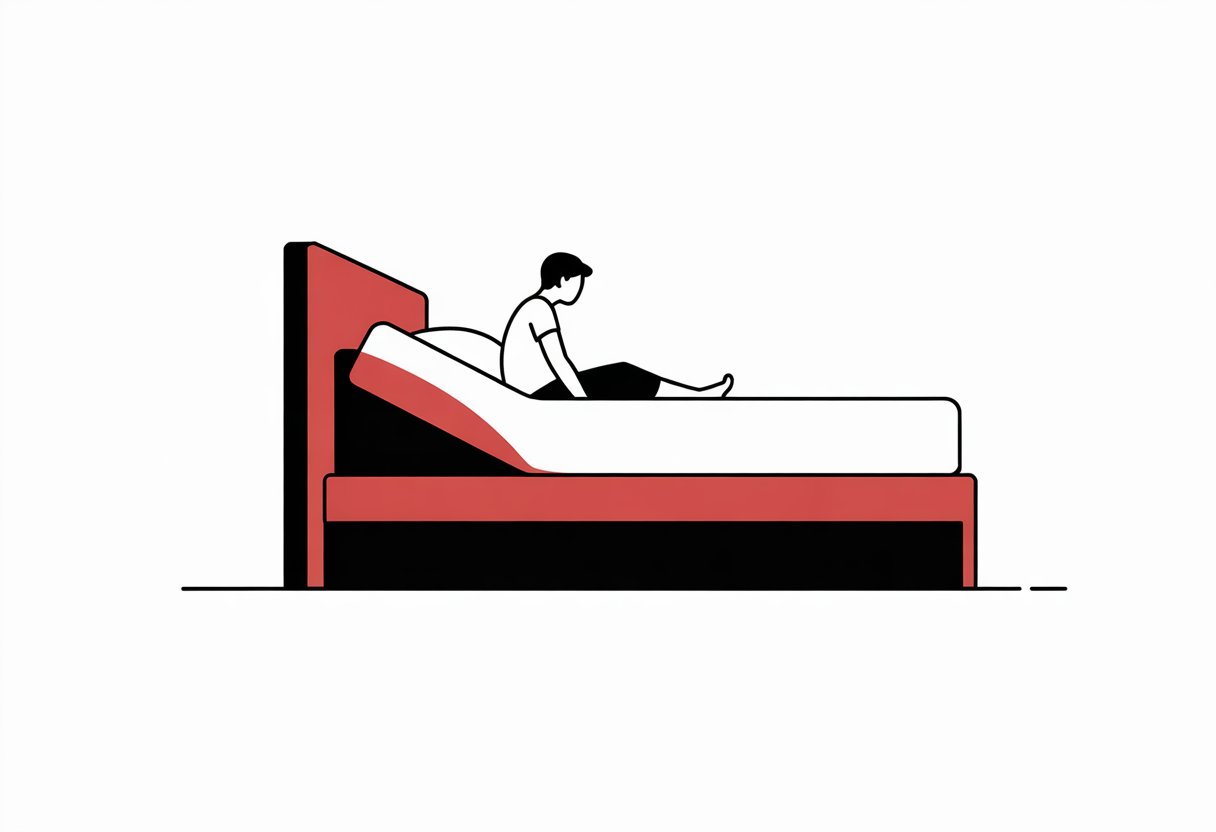
Strong edge support benefits anyone who sits on the side of their bed regularly or uses the full surface area when sleeping. Certain groups experience greater advantages from reinforced mattress edges due to their specific sleep needs and physical requirements.
Couples and Shared Beds
When two people share a queen size mattress or king size mattress, every centimetre of usable sleep surface matters. Strong edge support effectively increases the functional sleeping area by preventing the perimeter from collapsing when you lie near it.
Couples who sleep close to the edges need reinforced perimeters to avoid feeling like they might roll off during the night. This becomes particularly important if one partner is a restless sleeper or frequently changes positions. Without adequate support around the borders, you may find yourselves migrating toward the centre throughout the night, which creates an uncomfortably cramped sleeping arrangement.
The edges also need to hold firm when you sit down to put on shoes or read before bed. A king size mattress with weak perimeter support will compress significantly under your weight, making it difficult to maintain proper spinal alignment while seated. For many users, a medium-firm mattress offers the best balance of edge stability and comfort.
Seniors and Individuals With Mobility Concerns
Elderly sleepers and people with conditions like arthritis rely on sturdy edges for stability when getting in and out of bed. The perimeter acts as a stable platform that doesn't sink or shift unexpectedly under your weight.
Reduced mobility makes it essential to have a firm edge you can trust when transferring from a wheelchair or using a walker. A mattress that collapses at the sides creates an unstable surface that increases fall risk. Strong edge support helps people who have difficulty getting out of bed due to pain or injury by providing consistent resistance.
Many seniors use the mattress edge as a sitting area throughout the day. Reinforced perimeters maintain their shape during extended sitting sessions, which helps preserve proper posture and reduces strain on your back. This stability is often enhanced by lumbar support built into the mattress core.
Plus-Size Sleepers
Heavier individuals place more pressure on mattress edges, which accelerates deterioration in mattresses with weak perimeter construction. Edge support is a necessity when creating a mattress for heavy people, as the best materials from foam to steel are required to maintain structural integrity.
A plus-size sleeper needs edges that won't compress excessively when sitting down or rolling near the perimeter during sleep. Weak edges on a queen size mattress create a smaller usable surface area, which can lead to poor sleep positions and compromised spinal alignment.
Reinforced perimeters also help distribute your weight more evenly across the entire mattress surface. This prevents premature sagging and extends the lifespan of your mattress investment.
People With Joint Pain
Joint pain sufferers require stable edges for leverage when changing positions or exiting the bed. A firm perimeter gives you something solid to push against, which reduces the strain on painful joints in your hips, knees, and shoulders.
Edge support is most important for people who struggle to get in or out of bed and need security when they lie in bed or sit on the edge. The reinforced construction prevents unexpected sinking that could jar sensitive joints or force you into awkward positions.
Proper lumbar support extends to the mattress edges, which matters when you sit on the side of your bed. A collapsing edge forces your spine into an unnatural curve that can aggravate existing back pain or create new discomfort.
Types of Mattresses With Edge Support
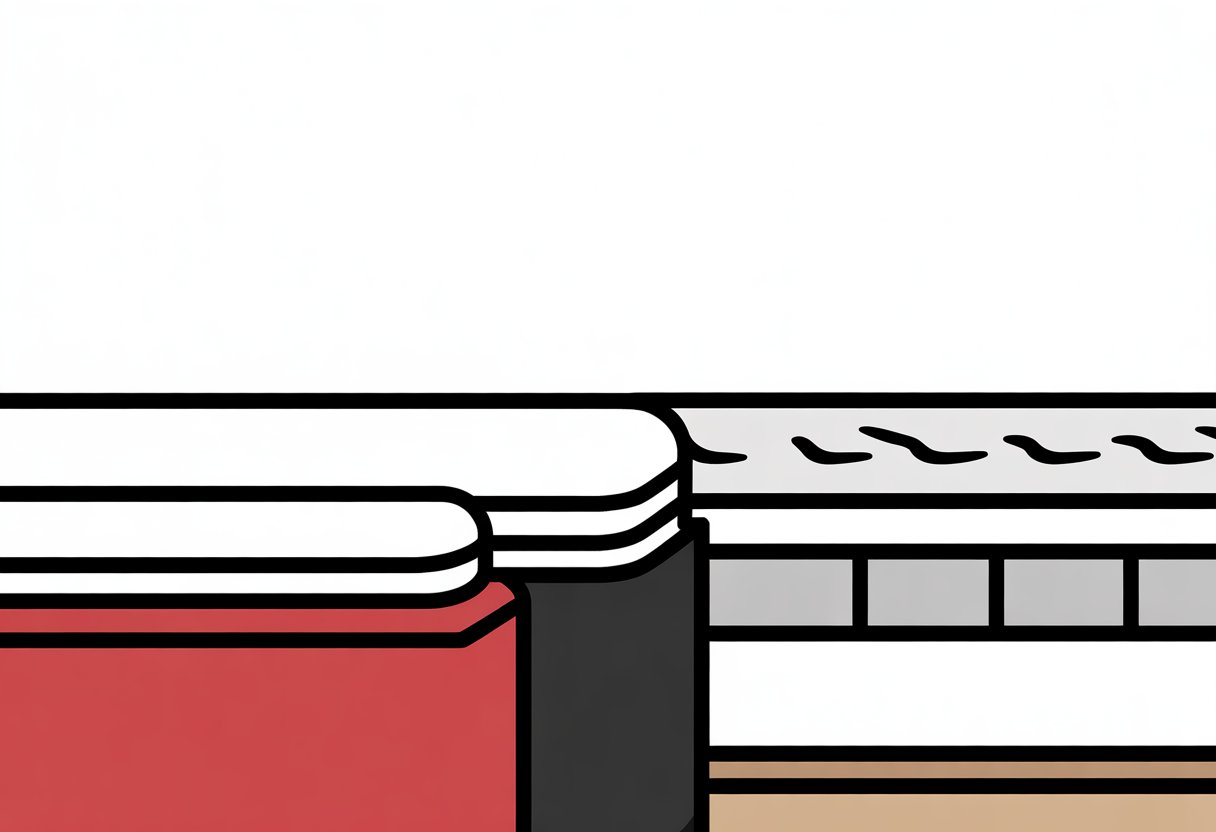
Different mattress types use specific methods to strengthen their perimeters and prevent sagging at the edges. The construction materials and support systems vary based on whether you choose a hybrid, innerspring, memory foam, or high-density foam design.
Hybrid Mattress Designs
Hybrid mattresses combine foam layers with pocketed coils to create strong edge support throughout the entire sleeping surface. The individually wrapped coils extend to the mattress perimeter, where manufacturers often add reinforced coils or foam encasements to prevent compression.
A memory foam hybrid mattress typically features a comfort layer of memory foam over a coil system. A memory foam hybrid or a medium firm hybrid can provide excellent perimeter stability while remaining easy to ship as a mattress in a box. The pocketed coils work independently to distribute weight evenly across the bed, including the edges.
Most hybrid designs place high-density foam around the coil perimeter. This foam encasement acts as a wall that holds the coils in place and adds stability when you sit or lie near the edge. The combination of supportive coils and dense foam creates a sturdy border that maintains its shape over time.
Innerspring Models
Innerspring mattresses rely on their coil systems to provide edge support, with the outermost coils bearing the most weight when you use the perimeter. Traditional innerspring coils connect to each other, which can create a supportive edge but may also transfer motion across the bed. By contrast, pocket coils allow for better motion isolation without sacrificing the strength of the perimeter.
Modern innerspring designs often use individually pocketed springs that move independently. These innerspring coils adapt to pressure without affecting neighbouring coils. Manufacturers reinforce the edge by adding extra coils around the perimeter or using thicker gauge wire in the border coils.
Innerspring mattresses with strong edge support typically feature foam rails around the coil system. These rails compress less than standard foam and create a stable frame that prevents the edges from collapsing when you apply pressure.
Memory Foam Mattresses
Memory foam mattresses face unique challenges with edge support because foam naturally compresses under weight. All-foam designs rely entirely on the density and quality of their foam layers to maintain edge stability without the reinforcement of coils.
A foam mattress with good edge support uses different foam densities in specific zones. The perimeter typically contains firmer, higher-density foam that resists compression better than the softer comfort layers in the centre. This zoned construction helps the edges hold their shape when you sit or sleep near them.
The base layer of a memory foam mattress plays a critical role in edge support. High-density support foam at the bottom prevents the entire mattress from sagging, including the edges. Without this firm foundation, even reinforced perimeter foam will eventually break down and lose its supportive qualities.
High-Density Foam Solutions
High-density foam serves as the primary edge support mechanism in all-foam mattresses and strengthens hybrid designs. This foam measures density in pounds per cubic foot, with higher numbers indicating more material and better durability. Edge support typically requires foam with a density of at least 1.8 pounds per cubic foot.
Manufacturers create edge support by placing high-density foam around the mattress perimeter in a rectangular frame. This foam encasement is firmer than the comfort layers and maintains its structure under pressure. The dense foam compresses less and bounces back faster than lower-density alternatives.
Some foam mattresses use a full high-density base layer that extends to all edges rather than separate perimeter reinforcement. This approach provides consistent support across the entire mattress but may feel firmer than designs with softer comfort zones in the centre sleeping area.
How Edge Support Is Engineered
Mattress manufacturers use three main engineering approaches to create stable, durable edges. Effective edge support in mattresses often relies on a combination of these methods to ensure long-term comfort. These methods involve strengthening the perimeter with specialized coils, wrapping the mattress core in dense foam, or building different support zones throughout the mattress layers.
Reinforced Perimeter and Coil Systems
Coil systems with reinforced perimeter construction use thicker gauge wire around the mattress edges. Standard coils in the centre might use 15-16 gauge wire, while perimeter coils typically use 13-14 gauge wire that provides more resistance to compression.
These reinforced coils create a firmer border that prevents the edge from collapsing when you sit or sleep near it. The thicker wire springs back more forcefully, maintaining the mattress shape even under concentrated weight.
Some designs use additional or stronger edge coils arranged in a double row around the perimeter. This creates a stabilizing frame that supports the entire mattress structure. The coil arrangement allows individual springs to respond independently while the reinforced border keeps everything contained.
Key coil reinforcement features:
Thicker gauge wire (13-14 vs. 15-16 gauge)
Double-row perimeter coil placement
Higher coil density at edges
Independently wrapped coils that prevent shifting
High-Density Foam Encasing
Foam encasement involves wrapping the mattress core in a continuous band of dense foam material. This foam typically has a density of at least 1.8 pounds per cubic foot, making it significantly firmer than the comfort layers in the mattress centre.
The foam encasement serves two purposes. It prevents internal coils from shifting toward the edges over time, and it provides a solid surface that resists compression when weight is applied near the perimeter.
High-density foam borders create what manufacturers call a "seat edge" around the mattress. When you press down on the outer 3 inches, the foam should compress less than the centre layers. This difference in firmness is intentional and helps maintain structural integrity.
Modern foam formulations combine support with flexibility. The encasement needs to be firm enough to prevent sagging but flexible enough to work with adjustable bases without cracking or breaking down.
Zoned and Layered Support Systems
Zoned support systems use different firmness levels across specific mattress areas. Providing zoned support often involves adding zoned back support and zoned lumbar support to keep the body aligned. The perimeter zone contains firmer materials while the centre sleep surface uses softer, more contouring foam or coils with different tension.
This approach allows manufacturers to optimize both edge stability and sleeping comfort. You get the pressure relief and body contouring you need in the middle section without sacrificing perimeter strength.
Typical zoning pattern:
Zone | Firmness Level | Purpose |
|---|---|---|
Perimeter | Firm | Edge stability and entry/exit support |
Centre sleep area | Medium-soft to medium | Pressure relief and comfort |
Lumbar region | Medium-firm | Spinal alignment support |
Layered construction combines multiple materials at different depths. A firmer base layer might extend fully to the edges, while softer comfort layers are inset slightly from the perimeter. This creates a stable foundation that extends edge-to-edge while maintaining comfort where you actually sleep.
Choosing the Right Mattress With Edge Support
Finding a mattress with strong edge support means looking at firmness levels, pressure relief features, and quality materials that work together to keep you comfortable. The right combination depends on your sleep position, body weight, and personal preferences.
Firmness and Stability Options
Your choice between a firm mattress and a medium-firm mattress affects both edge stability and comfort. Many shoppers look for firm support along the borders to prevent the sensation of sliding off. A firm mattress typically provides better edge support because denser materials resist compression around the perimeter. Side sleepers often prefer a medium firm hybrid that balances edge stability with enough cushioning for shoulders and hips.
A queen mattress requires robust edge engineering because of its larger perimeter. When shopping for a queen mattress 14 inch model, the extra height usually means more layers and better support systems. Physical therapists recommend mattresses with strong edge support for anyone with joint issues or mobility concerns.
Hybrid constructions combine pocketed coils with foam layers to create stable edges. The coil system naturally resists compression while foam encasement prevents shifting. Reinforced perimeter coils use thicker gauge wire around the border for enhanced stability.
Pressure Relief and Motion Isolation
Pressure relief and strong edges work together in quality mattresses. High-density foam borders provide edge stability without creating uncomfortable pressure points when you sleep near the perimeter. Memory foam and latex layers in the centre offer contouring while reinforced edges maintain their shape.
Motion isolation improves when edge support is strong. A stable perimeter creates a solid foundation that contains movement instead of letting it bounce across the bed. This matters most for couples where one person frequently gets in and out of bed.
Motion transfer decreases when individually wrapped coils and foam encasement work together. Each coil moves independently to absorb movement while the foam border keeps the entire structure stable. You can sit on the edge without disturbing your partner in the centre.
Quality Materials and Certifications
Quality materials determine how long your edge support will last. Look for mattress materials like high-density foam (at least 1.8 pounds per cubic foot) around the perimeter. Breathable fabric covers promote airflow and prevent heat buildup near the edges.
CertiPUR-US certification means foam materials meet standards for emissions, content, and durability. OEKO-TEX certification indicates textiles are free from harmful substances. GOLS certification applies to organic latex materials.
Cooling gel memory foam helps with temperature regulation while maintaining edge support. Open-cell foam structures and gel infusions allow better airflow than traditional memory foam. Some designs use ventilated foam specifically in edge construction.
Check the warranty terms for edge support coverage. Some manufacturers exclude edge wear while others provide comprehensive protection. A longer warranty suggests confidence in material quality and construction methods.
Leading Brands and Notable Models With Edge Support
Several mattress brands have developed specific technologies to strengthen edge support, from dual coil systems to reinforced foam perimeters. These innovations help you use the full surface of your bed while preventing premature sagging along the sides.
Serta and Personalised Firmness
Serta offers a wide range of mattresses designed for different body types and sleeping positions. This approach extends to edge support, as various Serta models use specific coil densities and foam reinforcements to maintain stability.
The Serta iComfort models test well for edge support, with testers noting stability when sitting or lying near the perimeter. The mattress uses a coil system that extends to the edges, paired with high-density foam encasement. This design helps prevent the rolling-off sensation that happens with weaker perimeters.
Serta provides multiple firmness options across its product line. Each model uses different support configurations, but most include reinforced perimeters that maintain their shape under weight. The advanced construction in luxury models adds extra durability to edge zones.
Stearns & Foster and Dual Coil Innovation
The Stearns & Foster Estate uses a coil-on-coil construction that creates strong edge support and sets a high standard for mattresses that resist sagging. This innerspring design features specialized coil layers that work together to distribute weight evenly across the entire sleep surface.
The lower coil layer provides foundational support, while the upper layer responds to pressure points. A high-density foam rail runs around the perimeter, reinforcing the edges where coils alone might compress too much. This combination lets you sit on the edge without excessive sinkage.
Stearns & Foster offers multiple firmness levels. Each option maintains the same robust dual coil edge support system. The innerspring construction also promotes airflow, which helps regulate temperature throughout the night.
Sealy and Memory Foam Support
Sealy Posturepedic foam mattresses use high-density foam construction to create stable edges. The base layer consists of a durable foundational foam that prevents complete collapse when you apply weight to the perimeter.
This all-foam design offers a different edge support experience compared to innerspring models. While some all-foam models may experience sinkage when sitting directly on the edges, they remain stable when lying near the perimeter. The memory foam layers provide pressure relief while the dense foundation maintains structural integrity.
Sealy includes a comprehensive warranty that covers premature sagging, including edge deterioration. The company uses CertiPUR-US certified foams designed to maintain their density over time. This durability factor helps ensure the edges won't break down faster than the centre of the mattress.
Other Top Picks: NM, Springwall, Beautyrest
Beyond major brands, several manufacturers focus specifically on edge reinforcement. The Beautyrest Harmony queen mattress includes perimeter support designed to prevent the mattress from losing shape along the sides.
NM mattress models incorporate edge stabilisation systems that vary by specific product line. Some use foam encasements while others employ modified coil arrangements near the perimeter.
Springwall produces mattresses with reinforced edges suited to different sleep preferences. Their products often include advanced sagging support features, which add extra firmness to areas prone to breakdown. These support systems typically involve denser foam layers or additional coil reinforcement in the edge zones.
When selecting among these brands, consider your weight, sleeping position, and whether you frequently sit on the bed's edge. Each manufacturer uses different materials and construction methods to achieve edge stability.
Mattress-in-a-Box and Delivery Innovations
Mattress-in-a-box options have changed how people buy beds with edge support, offering compressed shipping in cardboard boxes and trial periods that let you test the mattress at home before committing.
Convenient Shipping and Unboxing
The mattress-in-a-box delivery method compresses and vacuum-seals your mattress into a compact package that arrives at your door. This means you don't need to coordinate with delivery drivers or wait for specific time windows. Most companies ship for free within a few business days.
When your mattress arrives, you'll need to move the box to your bedroom before opening it. The box can weigh between 80 to 120 pounds depending on the size. Once you unbox it, the mattress expands to its full size within a few hours, though some models may take up to 48 hours to fully decompress.
The compressed shipping doesn't damage the edge support systems. Pocketed coils and foam encasements return to their original shape once the mattress expands. You should let your mattress breathe for at least 24 hours before using it to allow any compression odours to dissipate.
Sleep Trials and Warranty Considerations
Most mattress-in-a-box companies offer sleep trials ranging from 90 to 365 nights. This gives you time to test whether the edge support meets your needs when sitting or sleeping near the perimeter. You'll typically need to try the mattress for at least 30 nights before requesting a return, as your body needs time to adjust.
Check the warranty terms before buying. Standard warranties last 10 years, though some brands offer lifetime coverage. Warranties usually cover sagging beyond a certain depth (typically 1 to 1.5 inches) and defects in the edge support structure.
Keep your receipt and any documentation. Some warranties require you to use a proper foundation or bed frame to remain valid. Edge support failures caused by improper support underneath the mattress may void your coverage.
Longevity and Maintenance of Edge Support
Edge support deteriorates faster than the mattress centre due to concentrated pressure and lack of weight distribution. Proper care and early intervention can extend edge support life by several years.
Avoiding and Fixing Sagging
Edge breakdown typically starts between years three and five for lower-quality mattresses. You'll notice the perimeter feels softer or compresses more than it did initially.
Premature edge support failure often results from sitting on the edge daily to put on shoes or get dressed. This creates permanent compression in the reinforcement materials.
Rotate your mattress 180 degrees every three months to distribute edge wear evenly. If you always sit on the same spot, that area wears out faster than the opposite edge.
Prevention strategies:
Use a proper foundation with full edge-to-edge support
Avoid sitting on the same edge location repeatedly
Keep bedroom humidity between 30-50% to prevent foam breakdown
Use a mattress protector to prevent moisture damage to edge materials
Once sagging mattress support develops beyond 1.5 inches deep, you cannot repair it. The internal reinforcement has permanently compressed and lost its structural integrity.
Maximizing Mattress Durability
High-quality edge support adds two to three years to overall mattress lifespan. The reinforced perimeter prevents the entire mattress from rolling toward the edges over time.
Inspect your edges every six months for early warning signs. Press down firmly on each corner and along all sides. The resistance should feel uniform across the entire perimeter.
Durability indicators:
No visible compression or height loss at edges
Edges spring back immediately when pressed
No gaps between the comfort layers and edge support
Cover fabric remains intact without tears or stretching
Your body weight significantly affects edge support longevity. Individuals over 230 pounds should expect edge support to last 6-8 years, while lighter sleepers may get 10-12 years from the same mattress.
Replace your mattress when edges compress more than 1.5 inches or you feel like you might roll off. Continued use with failed edge support increases back pain and disrupts sleep quality.
Frequently Asked Questions
Edge support affects how stable your mattress feels around the perimeter and can impact everything from how easily you get in and out of bed to how much usable sleeping space you have. Understanding what creates good edge support helps you make a better choice when shopping for a new mattress.
What features should I look for to ensure a mattress has excellent edge support?
You should look for high-density foam perimeters with a density of at least 1.8 pounds per cubic foot. This denser foam around the edges creates a stable border that resists compression better than standard comfort foam.
Reinforced coil systems make a big difference in hybrid and innerspring mattresses. Look for designs that use thicker gauge wire (typically 13-14 gauge) around the perimeter coils or include extra coils along the edges.
Foam encasement around coil systems provides dual benefits. It prevents the coils from shifting over time and adds an extra layer of edge reinforcement.
Zoned construction designs use different firmness levels in different areas of the mattress. These allow for softer foam in the centre while providing firmer support around the edges.
How does edge support in a mattress affect sleep quality and comfort?
Poor edge support can reduce your usable sleep surface by up to 15%, making your mattress feel smaller than it actually is. This matters especially for couples who need to use the full width of their bed.
Strong edge support prevents the roll-off effect that makes you feel unstable when sleeping near the perimeter. You can spread out and use every inch of your mattress without feeling like you might fall off.
Edge support improves motion isolation by creating a stable foundation that contains movement. When one person gets in or out of bed, the reinforced edges prevent that trampoline effect that can wake up your partner.
Getting in and out of bed becomes easier with proper edge support. The stable surface gives you a reliable platform when transitioning from lying down to sitting to standing.
Can you provide comparisons between different types of mattresses in terms of their edge support effectiveness?
Hybrid mattresses typically offer excellent edge support because they combine responsive coil systems with foam reinforcement. The coil springs naturally resist compression and can be engineered with stronger specifications around the perimeter.
Innerspring mattresses provide good to excellent edge support through reinforced perimeter coils. Traditional designs use additional coils or stronger springs around the edges to maintain stability.
Memory foam mattresses have historically struggled with edge support but modern designs have improved significantly. They now use high-density foam borders and specialised foam formulations to enhance perimeter stability.
Latex foam mattresses offer good edge support due to the natural resilience of the material. The responsive properties of latex help maintain shape around the edges better than traditional memory foam.
What are the benefits of having a mattress with strong edge support?
You gain more usable sleeping space when edges stay firm and supportive. This is particularly valuable for couples sharing a bed who need access to the full surface area.
Approximately 34% of adults over 65 report difficulty getting out of bed as a daily challenge. Strong edge support creates a stable platform that makes transitions easier for anyone with mobility concerns or joint issues.
Your mattress lasts longer when it has reinforced edges. The perimeter is typically the first area to show wear on mattresses with poor edge support, which can force early replacement.
Safety improves with stable edges. Whether you're a parent getting up for night-time feedings or an older adult, having a firm edge reduces the risk of accidents when entering or exiting bed.
How do I maintain the integrity of edge support over the lifespan of my mattress?
Use a proper foundation that provides adequate support across the entire mattress surface. A weak or sagging foundation will compromise edge support even on a high-quality mattress.
Rotate your mattress regularly according to the manufacturer's instructions. This distributes wear more evenly and prevents excessive compression in any one area.
Avoid sitting on the same spot at the edge repeatedly. Varying where you sit when putting on shoes or getting dressed helps prevent premature wear in one location.
Don't use the mattress edges as handles when moving or rotating it. This puts excessive stress on the perimeter construction and can damage the reinforcement systems.
Keep your mattress clean and dry. Moisture can break down foam and affect the structural integrity of both foam and coil-based edge support systems.
Are there specific mattress materials known for providing superior edge support?
High-density polyurethane foam works well for edge reinforcement in all-foam mattresses. Its firm, supportive properties create a stable perimeter without the bounce of springs.
Pocketed coil systems with reinforced perimeter coils provide some of the strongest edge support available. The individual coils respond independently whilst the reinforced edges maintain stability.
Latex foam offers natural resilience that helps edges maintain their shape. The material bounces back quickly and resists permanent compression better than many foam types.
Foam encasement materials add structural support to coil systems. These high-density foam walls surround the spring system and prevent edge collapse whilst keeping coils in place.
For an example of how modern memory foam brands hold up, see our Tempurpedic mattress guide.
 by
by 


