

















When you're setting up your RV for comfortable travel, you might wonder if your bedroom mattress will work or if you need something different. Whether you are looking for a standard size or a specific camper mattress, the answer depends on your specific RV bed space and setup. If you are wondering do rvs need a special mattress, the answer is often related to sizing constraints.
Most modern RVs use standard mattress sizes like queen, full, or twin, which means you can use a regular home mattress in many cases. However, some RVs have unusual bed dimensions or limited space that require special considerations. Many RVs come with standard-sized mattresses these days, giving you more options when shopping for a replacement.
The key is measuring your RV bed space carefully before buying any mattress. You also need to think about weight limits, doorway clearances, and overhead space. Understanding these factors will help you choose the right mattress for comfortable sleep during your camping adventures.
Key Takeaways
Most RVs with standard bed sizes can use regular mattresses, but some require custom dimensions
Weight and thickness matter in RVs due to fuel efficiency and space constraints
Always measure your bed space, doorways, and overhead clearance before purchasing a new mattress
Do RVs Require a Special Mattress?
RVs don't always require special mattresses, but standard home mattresses often don't fit properly due to unique sizing and space constraints. The decision depends on your specific RV bed platform dimensions and layout.
Key Differences Between RV and Regular Mattresses
RV mattresses typically weigh less than regular mattresses to avoid adding unnecessary load to your vehicle. Most RV-specific mattresses weigh under 120 pounds, which helps maintain fuel efficiency and proper weight distribution.
The most significant difference is sizing. While some RVs accommodate standard mattress sizes, many feature non-standard dimensions. RV queens often measure 60" x 75" instead of the standard 60" x 80". You'll find unique sizes throughout different RV models.
Common RV mattress dimensions include:
Short queen: 60" x 75"
RV king variations and the rv california king
Custom bunk mattress sizes as narrow as 27"
Corner-cut or radius-corner designs
Thickness also differs. RV mattresses range from 6 to 8 inches, whereas home mattresses typically measure 10 to 14 inches thick. This reduced height accounts for overhead clearance and doorway access.
Reasons Standard Mattresses May Not Work in RVs
Your standard mattress might not fit through your RV's doorways or hallways. Most RV mattresses need flexibility to squeeze through narrow passages and around fixed furniture pieces.
Bed platforms in campers often have irregular shapes. A dedicated camper mattress is often the best solution for these specific layouts. Some feature rounded corners or cut-outs to accommodate slide-outs and storage compartments. A rectangular home mattress won't conform to these custom shapes.
Weight becomes critical for towable campers. Heavy mattresses in front bedrooms affect tongue weight, which impacts towing safety and handling. Excess weight also reduces your payload capacity for other gear.
You can use a regular mattress in an RV if your bed space matches standard dimensions and you have adequate support and clearance. Measure your space carefully before making this decision.
Unique Mattress Sizes for RVs

RV mattresses come in non-standard dimensions that are typically shorter or narrower than regular home mattresses. These special sizes help save space and reduce weight in recreational vehicles.
Common RV Mattress Sizes and Dimensions
The most popular size is the RV short queen, which measures 60" x 75". An RV queen mattress uses the same 60" x 80" dimensions as a regular queen.
For twin beds, you'll find rv twin mattress options in 28" x 75" or 28" x 80" sizes. A standard rv bunk mattress typically uses these same twin dimensions. Larger luxury models might even accommodate an rv california king at 72" x 84".
An RV king mattress matches standard king dimensions at 72" x 80", while the rv short king measures 72" x 75". Choosing an rv short king helps maximize floor space. You can also find a specialized rv california king if you have extra floor space. Some manufacturers also offer RV full mattresses at 53" x 75".
Comparison to Standard Mattress Sizes
Standard mattress sizes differ from RV versions in both length and width. A regular queen mattress is 60" x 80", but the RV short queen cuts five inches from the length. Similarly, a short king provides the width of a king but reduces the length for a better fit. Twin mattresses at home measure 38" x 75", but RV twins are ten inches narrower at just 28" wide.
The length difference matters most for taller sleepers. Standard king and queen mattresses provide 80 inches of length, whilst the short versions only offer 75 inches. This shorter design saves space and weight but may leave your feet hanging off if you're over six feet tall. The narrower RV twin and full sizes create similar concerns for width, particularly if you move around during sleep or share the bed with a partner.
Factors That Make RV Mattresses Different
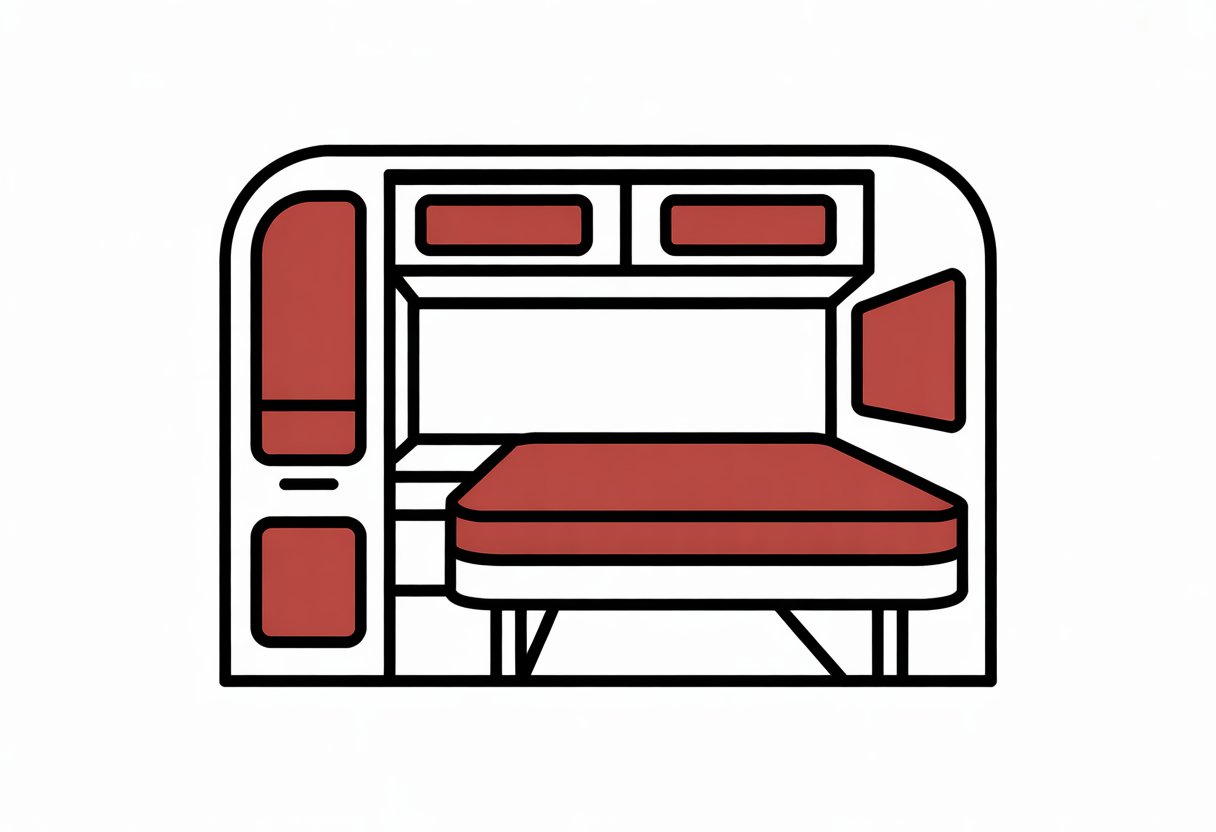
RV mattresses differ from standard home mattresses primarily due to weight restrictions and space limitations. These factors directly impact the materials used and the dimensions of mattresses that can fit safely in your vehicle.
Weight and Impact on Gross Vehicle Weight Rating
Your RV has a gross vehicle weight rating that includes everything inside it. Every item you add counts towards this limit, and your mattress is no exception.
RV manufacturers install lightweight foam mattresses to keep the overall weight down. A quality home mattress can weigh 100 to 120 pounds, but manufacturers often cut corners on RV mattresses to reduce weight. This means the standard mattress in your RV is typically thin, uncomfortable foam.
If you upgrade to a better mattress, you need to account for the added weight. A gel memory foam mattress designed for RVs balances comfort with weight considerations. Check your gross vehicle weight rating before purchasing a heavier replacement mattress to ensure you stay within safe towing limits.
Mattress Thickness and Height Restrictions
Mattress thickness plays a crucial role in RV sleeping arrangements. Standard home mattresses measure around 10 to 12 inches thick, but many RVs cannot accommodate this height.
RVs with slide-out beds usually require mattresses less than 6 inches thick. If your mattress is too thick, the slide-out mechanism won't close properly. You'll damage your RV or find yourself unable to travel.
Overhead storage, bunk bed configurations, and convertible dinettes also limit mattress thickness. Measure the vertical clearance in your sleeping area before buying a replacement. A mattress that's too tall will prevent you from sitting up comfortably or accessing storage compartments above the bed.
Choosing the Best Mattress Type for Your RV

Different mattress materials offer unique benefits for RV sleeping spaces, from lightweight foam options to supportive hybrid designs. The right choice depends on your comfort preferences, weight considerations, and how much motion isolation you need.
Memory Foam and Foam Mattresses
Memory foam mattresses are popular for RVs because they weigh less than traditional options. A foam mattress typically weighs under 120 pounds, which helps maintain your vehicle's fuel efficiency and keeps tongue weight manageable in towable campers.
These mattresses excel at pressure relief by conforming to your body shape. If you experience back pain or joint discomfort, the contouring properties of memory foam can reduce pressure points while you sleep. The material responds to your body heat and weight, creating a custom fit.
One consideration is that memory foam can trap heat. Some RV-specific foam mattresses include cooling gel infusions or breathable covers to address this issue. High-density foam layers provide better durability and support than cheaper alternatives, which matters when your mattress faces exposure to moisture and temperature changes during camping trips.
Hybrid, Innerspring, and Latex Options
A hybrid mattress combines steel coil cores with comfort foam layers, offering both support and softness. These mattresses allow more airflow through the coil system, which helps regulate temperature in enclosed RV spaces. The combination provides better edge support than all-foam options.
Innerspring mattresses feature thin padding over steel coils. They're the lightest and most affordable option but offer less pressure relief. Many RVs come with basic innerspring mattresses that owners choose to upgrade.
Latex mattresses use natural or synthetic latex foam, often layered over a coil base. A natural latex mattress provides responsive support with less sinking feeling than memory foam. The material naturally resists dust mites and mould, making it suitable for humid camping environments.
Pocketed Coils and Motion Isolation
Pocketed coils are individually wrapped springs that move independently from each other. This design significantly improves motion isolation compared to traditional innerspring systems. If your partner moves during the night, you won't feel the movement transfer across the mattress.
Motion isolation becomes especially important in RVs where space is limited. The confined sleeping area can make movement disturbances more noticeable. Pocketed coils also provide targeted support by responding to pressure in specific areas rather than compressing as one unit.
Mattresses with pocketed coils typically cost more than basic innerspring options but less than high-end memory foam models. They offer a good balance of support, durability, and comfort for couples sharing an RV bed.
Selecting the Right RV Mattress Fit
Getting accurate measurements of your bed platform and understanding any unusual shape requirements ensures your RV mattress replacement fits properly without gaps or overhang. RV bed platforms often have different dimensions than standard home mattresses, making precise measurements critical before you purchase.
How to Measure Your RV Bed Platform
You need to measure three key dimensions: length, width, and height. Use a tape measure to record the exact measurements of your bed platform in inches.
Start by measuring the length from the headboard to the foot of the bed. Then measure the width from one side rail to the other. Finally, check the height clearance between the platform and any overhead cabinets or the ceiling.
Don't forget to measure doorways and hallways leading to your bedroom. Your new mattress needs to squeeze through these spaces to reach the bed platform. Write down all measurements before you start shopping.
RV mattress sizes often differ from standard home mattresses by a few inches. A queen-size RV mattress might be 60 by 75 inches instead of the standard 60 by 80 inches. Take your measurements with you when shopping to avoid ordering the wrong size.
Custom Shapes and Odd Mattress Requirements
Many RV bed platforms have unique shapes that won't fit standard rectangular mattresses. Bunk beds in RVs often feature rounded or cut corners. Finding a specific rv bunk mattress or a quality rv twin mattress with these cuts is essential for safety.
Some RVs have beds with angled corners, notched sections for cabinet placement, or curved edges. These oddly shaped bed platforms require custom-cut mattresses that match the exact shape of your space.
You'll need to create a template if your bed platform has an irregular shape. Place paper or cardboard on the platform and trace the outline. This template helps manufacturers create a mattress that fits your specific layout.
Fixed furniture around the bed also affects your mattress choice. Measure any nightstands, wardrobes, or storage units that sit next to the bed platform to ensure your mattress thickness won't interfere with drawers or doors.
Additional Considerations for RV Sleeping Comfort
Beyond selecting the right mattress type and size, protecting your investment from moisture damage and planning your upgrade carefully will help you sleep better on the road.
Moisture, Humidity, and Mattress Durability
RVs face unique moisture challenges that can damage mattresses faster than in a traditional home. Temperature swings, cooking, showering, and condensation all create humid conditions inside your RV.
Excess moisture leads to mould and mildew growth in mattress materials. This breaks down foam and padding while creating health concerns. Natural latex mattresses resist mould and mildew better than other materials, making them worth considering if you camp in humid climates.
Running a dehumidifier helps keep moisture levels under control. You should also air out your mattress regularly by removing bedding and opening windows on dry days.
Waterproof mattress protectors add a barrier against spills and condensation. These covers extend mattress life without adding much cost or affecting comfort.
Practical Tips for Upgrading Your RV Bed
Measure your existing platform carefully before ordering an RV mattress replacement. RV mattresses often use non-standard sizes like short queens that differ from regular home mattresses.
Check the height clearance, especially in bunks or overhead beds. A thicker mattress might not fit properly in tight spaces.
Consider starting with a mattress topper before investing in a full replacement. Toppers cost less and let you test different materials like memory foam or gel without committing to a complete mattress.
Think about how often you use your RV. A mattress you sleep on weekly deserves the same quality as your home bed. Occasional weekend trips might not require an immediate upgrade if your current mattress works acceptably.
Weight matters for towable RVs. Heavy innerspring mattresses add more pounds than foam options, which could affect your vehicle's weight rating.
Frequently Asked Questions
RV mattresses differ from standard home mattresses in size, weight, and construction. Many RVs have non-standard bed dimensions that require careful measurement and consideration.
What are the standard sizes of mattresses for recreational vehicles?
RV mattresses often come in sizes that appear similar to standard home mattresses but have different dimensions. Common RV mattress sizes include the rv short king, RV Queen, RV Full, and rv twin mattress options, but these measurements typically differ from their household counterparts.
RV beds have unique sizing and dimensions that rarely follow standard mattress measurements. An RV Queen might measure 60 by 75 inches instead of the standard 60 by 80 inches found in homes.
Some RVs feature bunk beds with cut or rounded corners that require specific dimensions. You need to measure your RV bed space carefully before purchasing a replacement mattress to ensure a proper fit.
Can a regular home mattress be used in an RV, or is a specific type necessary?
You can use a regular home mattress in your RV if your bed space matches standard dimensions like king, queen, full, or twin. However, most RVs have irregular bed spaces that require special RV mattresses with specific measurements.
Your new mattress must be flexible enough to fit through hallways and doorways in your RV. If your RV features fixed bedroom furniture, you will need to navigate around these obstacles when moving the mattress into place.
Regular mattresses are typically heavier than RV-specific options. This extra weight can affect your vehicle's fuel efficiency and handling, especially in towable campers where tongue weight control matters.
What should be considered when selecting a mattress for an RV in terms of support and comfort?
Your weight and typical sleep position determine the ideal firmness level for your RV mattress. If you weigh 230 pounds or less and sleep on your back, a medium firmness mattress works best.
Side sleepers weighing 230 pounds or less need a soft or medium mattress for proper comfort. Stomach sleepers in this weight range benefit from medium or firm options.
People weighing over 230 pounds who sleep on their back or stomach should choose a firm mattress. Side sleepers over 230 pounds get the most comfort from medium firmness.
You can choose from foam, innerspring, hybrid, or latex mattresses depending on your comfort preferences. Foam mattresses offer excellent pressure point relief with high-density foam and memory foam layers. Hybrid mattresses combine steel coil cores with thick comfort foam layers for both support and softness.
How does the weight and thickness of an RV mattress affect vehicle performance and fuel efficiency?
RV mattresses are typically under 120 pounds to prevent them from weighing down your vehicle. A heavier mattress can decrease your miles per gallon and increase fuel costs during travel.
Mattress weight becomes especially important in towable campers where the primary bedroom sits in the front. Keeping control of the tongue weight is essential for safe towing and proper vehicle handling.
The thickness of your mattress affects the overhead space in your sleeping area. If you choose a plush mattress and add fluffy pillows and blankets, the space between your mattress and the ceiling becomes more cramped. Open bed spaces can accommodate 8-to-12-inch mattresses for increased comfort without creating clearance issues.
Are there any materials or types of RV mattresses that are better suited for extreme weather conditions?
Hybrid mattresses allow more airflow through their core for enhanced temperature regulation. The steel coil core in these mattresses promotes better air circulation compared to solid foam options.
A hypoallergenic mattress wicks away moisture to prevent mould and grime buildup. This feature becomes important when camping exposes your mattress to more dust, moisture, and dirt than a bedroom mattress at home.
Some mattresses feature cooling technology with copper and gel infusions that wick away moisture. Special cooling covers can draw heat from your body and release it, helping you stay comfortable in warm weather.
Investing in a removable, washable cover prevents damage and keeps your mattress looking new longer. This protection proves valuable when camping in various weather conditions.
What options are available for customising an RV mattress to fit non-standard bed dimensions?
You need to measure your bed space precisely to determine the exact length, width, and height required. Many stores and websites offer custom RV mattresses that can be made to your specific measurements.
Popular furniture and mattress retailers as well as RV-specific stores provide mattresses for non-standard dimensions. You can order custom sizes that match your exact bed frame measurements.
Some RV bunk beds have cut or rounded corners that require more specific dimensions. Custom mattress manufacturers can create mattresses that fit these unique shapes and configurations.
You should also measure your doorways, walkways, and any fixed furniture in your RV before ordering. Your custom mattress needs to be flexible enough to navigate these obstacles during installation.
 by
by 


