

















You spend about a third of your life in bed, so the surface you sleep on matters more than you might think. Many people wonder, do organic mattresses really make a difference, or are they just another marketing trend? Using sustainable materials in your home, especially in the bedroom, can significantly impact your health. When considering if do organic mattresses really make a difference, it is important to look at how they transform your sleep environment. Organic mattresses made with certified materials like natural latex, wool, and cotton can offer real benefits including better durability, improved breathability, reduced exposure to synthetic chemicals, and relief for people with allergies or sensitivities.
The difference between organic and regular mattresses goes beyond just the materials used. Conventional mattresses often contain polyurethane foam, which is made from petroleum-based ingredients and can release volatile organic compounds into your bedroom air. Organic options use naturally derived materials that skip the harsh chemicals and synthetic treatments.
Whether an organic mattress makes sense for you depends on your priorities, budget, and specific sleep needs. Organic materials tend to be hypoallergenic and don't attract bugs or dust, making them a smart choice if you deal with respiratory issues or skin sensitivities. The higher upfront cost often balances out over time since these mattresses typically last longer than synthetic alternatives.
Key Takeaways
Organic mattresses use certified natural materials that reduce exposure to synthetic chemicals and volatile organic compounds found in conventional foam mattresses
These mattresses offer better durability and breathability while providing hypoallergenic properties that benefit people with allergies or sensitivities
The investment in an organic mattress can pay off through longer lifespan, improved sleep quality, and reduced environmental impact compared to synthetic options
Understanding the various benefits of organic mattress options helps you create a cleaner sleep environment for your home
What Is an Organic Mattress?
So, what is an organic mattress exactly? An organic mattress uses materials grown or produced without synthetic pesticides, chemicals, or harmful additives. Choosing an eco-friendly mattress ensures your bed is free from toxic substances and heavy metals.
These materials meet strict certification standards that verify their organic status and manufacturing processes. This is especially important for an organic crib mattress, as infants are more vulnerable to chemical exposure during sleep.
Key Features That Define Organic Mattresses
Organic mattresses contain materials that hold third-party certifications proving their organic credentials. The most common certifications include GOTS (Global Organic Textile Standard) for cotton and wool, and GOLS (Global Organic Latex Standard) for latex foam.
Common organic mattress materials include:
Organic latex: Made from sap harvested from rubber trees without synthetic additives
Organic cotton: Grown without pesticides and processed without harsh chemicals
Organic wool: Sourced from sheep raised on organic farms without synthetic pesticides or growth hormones
Many organic mattresses rely on wool and cotton batting to provide cushioning and comfort layers. Wool also acts as a natural flame retardant, eliminating the need for chemical fire barriers. Some organic mattresses combine these materials with supportive coil systems to create an organic hybrid mattress.
How Organic Mattresses Differ from Regular Mattresses
Regular mattresses typically contain synthetic foams, polyester fibres, and chemical flame retardants. These materials can release volatile organic compounds (VOCs) into your bedroom air. Standard mattresses also use adhesives and binding agents that may contain formaldehyde or other chemicals.
Organic mattresses avoid these synthetic components entirely. They use natural adhesives or mechanical assembly methods instead of chemical glues. The materials are processed without bleaches, dyes, or harsh solvents.
Key differences:
Organic Mattresses | Regular Mattresses |
|---|---|
Certified organic materials | Synthetic foams and fibres |
Natural flame barriers (wool) | Chemical flame retardants |
No VOC off-gassing | May release VOCs |
Biodegradable components | Petroleum-based materials |
Price represents another major difference. Organic materials cost more to produce and certify, making organic mattresses more expensive upfront than conventional options.
Core Materials in Organic Mattresses

Organic mattresses rely on three main materials that set them apart from conventional options. Organic cotton, natural latex, and organic wool work together to create a sleep surface free from synthetic chemicals while offering durability and comfort.
Organic Cotton and Its Advantages
Organic cotton serves as the outer cover material for most organic mattresses. This fabric is grown without synthetic pesticides or fertilizers, which means fewer chemicals touch your skin while you sleep.
The cotton used in these mattresses must meet strict standards. For a mattress to earn certification, it needs at least 95 percent certified organic materials and must be processed without harmful chemicals.
Organic cotton offers better breathability than synthetic covers. The natural fibres allow air to flow through the mattress more easily. This helps regulate your body temperature during the night and reduces moisture buildup that can lead to mould or dust mites.
Natural and Organic Latex Explained
Natural latex comes from rubber tree sap and forms the support core of many organic mattresses. You'll find two types: Dunlop latex and Talalay latex, with Dunlop being more common in organic options.
Organic latex is more durable than synthetic foam, which breaks down faster over time. A latex mattress can last 15 to 20 years with proper care. The material naturally resists dust mites and mould without chemical treatments.
GOLS certification ensures that latex contains 95 percent organic content. The remaining 5 percent must meet strict restrictions. Natural latex provides a firmer feel than memory foam and responds quickly when you change positions. If you prefer a firm mattress, high-density organic latex is an excellent choice for spinal alignment. The process of latex production involves refining rubber sap into durable foam layers using sustainable materials. This eco-friendly latex production ensures the final product remains free from synthetic fillers. It is also a renewable material since rubber trees are not cut down during harvesting.
Organic Wool's Role in Comfort and Safety
Organic wool acts as a natural flame barrier in organic mattresses. This eliminates the need for chemical flame retardants that are common in conventional mattresses. Wool meets fire safety standards on its own.
The fibres also regulate temperature effectively. Wool wicks moisture away from your body and allows air circulation. This keeps you cooler in summer and warmer in winter.
Organic wool comes from sheep raised without synthetic pesticides or hormones. The wool is processed without harsh chemicals or bleaches. Beyond safety, wool adds a soft cushioning layer between you and the firmer latex core, creating a balanced feel across the sleep surface.
How Organic Mattresses Impact Health and Sleep Quality
When evaluating do organic mattresses really make a difference, the impact on indoor air quality is a major factor. Organic mattresses affect your health through reduced chemical exposure, better air circulation, and fewer allergens in your sleep space.
These factors work together to create conditions that support better rest and fewer health concerns.
Reducing Exposure to Harmful Chemicals
Conventional mattresses often contain polyurethane foam, memory foam, and chemical flame retardants that release volatile organic compounds into your bedroom air. These VOCs can cause respiratory problems, skin irritation, and headaches during the time you spend sleeping.
Most conventional mattresses release gases from fire-retardant chemicals, formaldehyde, glues, and coatings. Memory foam mattresses made from petroleum-based materials are particularly prone to VOC emissions. The off-gassing smell you notice with new mattresses comes from these compounds entering your indoor air quality. Reducing voc emissions is a primary reason shoppers choose organic mattress materials. This creates a much healthier sleep environment for everyone in the family by focusing on high-quality sustainable materials. One of the primary benefits of organic mattress ownership is the peace of mind regarding what you breathe at night.
Organic mattresses use natural materials like organic cotton, wool, and latex instead of synthetic foams. These materials do not require chemical flame retardants because wool naturally resists fire. You avoid breathing in harmful substances while you sleep, which matters especially if you have chemical sensitivities or respiratory conditions.
The long-term exposure to these chemicals happens during the eight hours you spend in bed each night. Switching to organic options eliminates this daily contact with potentially harmful substances.
Breathability and Temperature Regulation
Natural materials in organic mattresses allow more air to flow through the layers compared to synthetic foams. Organic cotton and wool wick moisture away from your body and help maintain a comfortable temperature throughout the night.
Memory foam mattresses trap heat because of their dense structure. This causes you to wake up sweaty or uncomfortable, disrupting your sleep quality. Natural latex and wool in organic mattresses keep air moving and prevent heat buildup.
Temperature regulation benefits:
Wool naturally adjusts to seasonal changes
Cotton covers allow heat to escape
Natural latex has an open cell structure for airflow
No heat-trapping synthetic layers
Your body temperature drops when you fall asleep and stays lower during deep sleep stages. Mattresses that trap heat interfere with this natural cooling process. Better temperature control means fewer wake-ups and more time in restorative sleep phases.
Hypoallergenic Benefits and Allergen Reduction
Organic mattresses resist dust mites, mould, and mildew naturally without chemical treatments. Dust mites feed on dead skin cells and thrive in warm, moist environments that synthetic mattresses create. Natural materials like latex and wool create conditions where these allergens cannot survive easily.
Organic mattresses are free from harmful chemicals and synthetic additives, making them suitable for people with allergies or asthma. The natural materials do not irritate sensitive skin or airways like chemical treatments can.
If you wake up with congestion, itchy eyes, or breathing difficulties, your mattress may be contributing to these symptoms. Improving your indoor air quality through an organic mattress reduces allergen exposure during sleep.
Your sleep environment directly affects how well you rest. Fewer allergens mean less inflammation in your airways and better oxygen intake throughout the night.
Environmental Impact and Sustainability
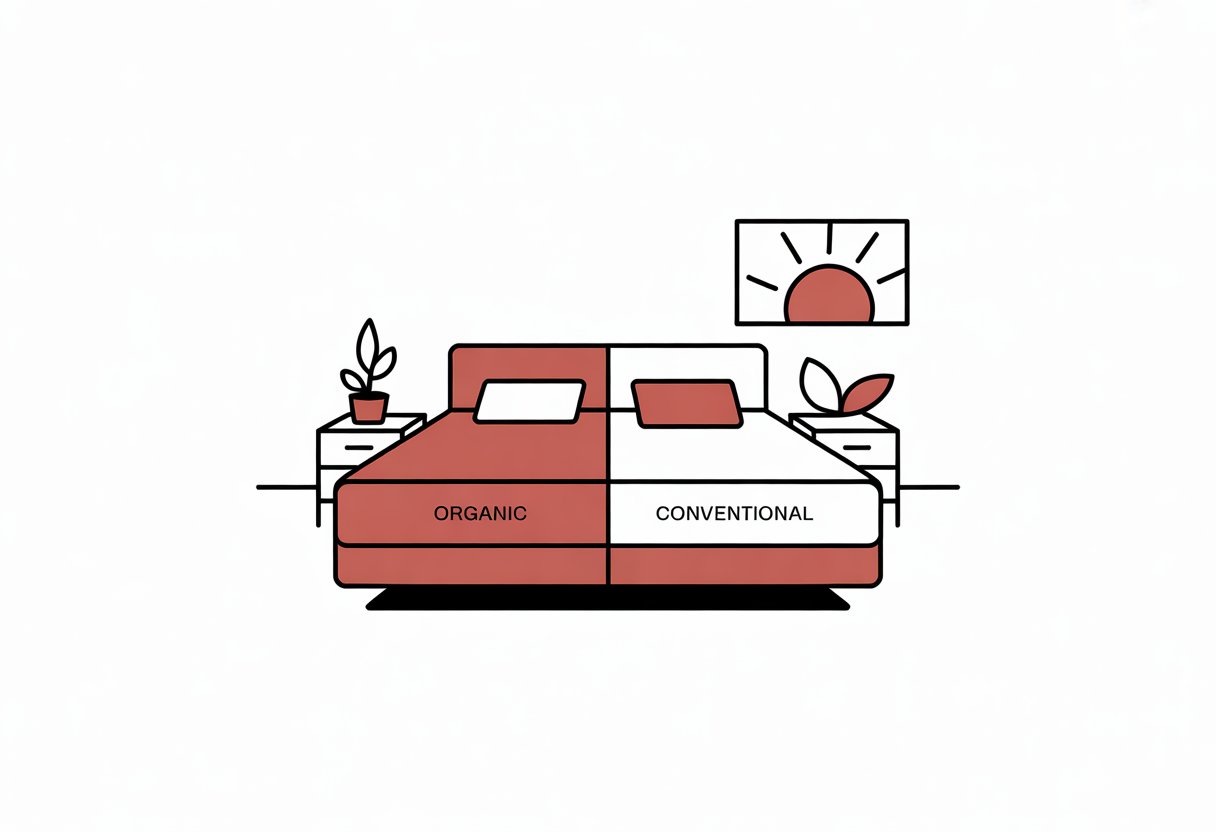
Organic mattresses offer clear environmental advantages through their use of renewable plant-based materials, reduced chemical emissions during production, and better end-of-life disposal options compared to synthetic alternatives.
Sustainable and Biodegradable Materials
Organic mattresses use plant-based materials like natural latex, organic cotton, and wool that break down naturally at the end of their life. Natural latex comes from rubber tree sap, which is a renewable resource that doesn't harm the tree during harvesting. These trees also absorb carbon dioxide as they grow, helping reduce greenhouse gases in the atmosphere.
Organic cotton grows without synthetic pesticides or fertilisers. This protects soil health and reduces water pollution in farming areas. Hemp and coconut fibre are other sustainable options that need little water or chemicals to grow.
Non-organic mattresses typically contain petroleum-based foams and synthetic fabrics that sit in landfills for decades without breaking down. A hybrid mattress with organic materials in the comfort layers still offers better sustainability than fully synthetic options, though the metal coils add weight and complexity to recycling efforts.
Eco-Friendly Manufacturing and Low Emissions
Organic latex mattresses last longer than conventional options, which reduces both replacement costs and waste. Their durability means you won't need to buy a new mattress as frequently.
Many organic mattresses rely on transparent, ethically sourced supply chains that track materials from farm to factory. This manufacturing approach costs more but ensures workers receive fair wages and safe conditions. The production process avoids harsh chemical treatments and flame retardants that release volatile organic compounds into the air.
Traditional mattress manufacturing uses formaldehyde, flame retardants, and adhesives that emit gases during production and in your home. Organic certification standards prohibit these chemicals, leading to cleaner factory air and lower emissions throughout the mattress's life.
Mattress Recycling and Reducing Landfill Waste
Mattresses are difficult to recycle or dispose of, so they crowd landfills across the country. Standard mattresses contain mixed materials like foam, springs, and synthetic fabrics that require separation before recycling.
Organic mattresses made from natural latex, wool, and cotton decompose much faster when they reach the end of their useful life. You can even compost some components in the right conditions. The natural materials separate more easily for recycling facilities to process.
Steel springs from hybrid mattresses can be melted down and reused. Natural fibres can be broken down for industrial composting or repurposed as filling material. This gives organic mattresses multiple disposal options beyond the landfill, reducing environmental impact compared to synthetic alternatives that persist for generations.
Understanding Mattress Certifications and Standards
Mattress certifications provide verified proof that products meet specific material standards for organic content, chemical safety, and environmental practices. A mattress needs at least 95 percent certified organic materials to qualify for the USDA Organic seal, while different third-party certification programs focus on textiles, latex, or emissions testing.
GOTS and GOTS Certification Overview
The Global Organic Textile Standard (GOTS) serves as the leading third-party certification for organic fabrics and textiles in mattresses. This certification verifies that cotton covers, wool layers, and other textile components contain verified organic materials grown without synthetic pesticides or fertilizers.
GOTS certification requires that at least 95% of fibres come from certified organic sources. The standard also restricts harmful chemicals during processing and manufacturing. This includes bans on toxic dyes, formaldehyde, and certain finishing agents.
When you see GOTS certification on a mattress, you're getting verified proof about both the organic content and the production methods. The certification covers the entire supply chain from raw material harvesting through manufacturing. These aren't just labels but rigorous standards backed by authoritative bodies like the Organic Trade Association.
GOLS and Organic Latex Certification
The Global Organic Latex Standard (GOLS) specifically certifies organic latex foam used in mattress cores and comfort layers. This certification verifies that latex comes from certified organic rubber tree plantations and meets strict processing requirements.
GOLS requires at least 95% certified organic raw material content in the final latex product. The remaining 5% must meet safety standards and cannot include harmful substances. Processing facilities must follow environmental and social responsibility guidelines.
This standard covers both Dunlop and Talalay latex manufacturing methods. The certification process includes regular inspections of rubber plantations and processing facilities. You'll find GOLS certification particularly important if you're specifically looking for organic latex mattresses, as the term "natural latex" alone doesn't guarantee organic practices.
OEKO-TEX, GREENGUARD, and Other Key Labels
OEKO-TEX Standard 100 tests finished products for harmful substances including heavy metals, formaldehyde, and pesticides. This certification doesn't verify organic content but confirms that materials meet strict limits for chemical emissions and residues. Choosing materials that meet the Oeko-Tex Standard 100 ensures the textiles in your bed are safe for your skin.
GREENGUARD and GREENGUARD Gold certifications focus on low chemical emissions and indoor air quality. GREENGUARD Gold has stricter limits on volatile organic compounds (VOCs) and is designed for sensitive populations including children and elderly individuals. These certifications rigorously test for specific emission limits of formaldehyde and VOCs.
Made Safe certification evaluates products for toxic chemicals across their entire lifecycle. This newer certification screens for over 6,500 harmful substances.
Each certification addresses different aspects of mattress safety and sustainability:
OEKO-TEX: Chemical safety in finished products according to the Oeko-Tex Standard 100
GREENGUARD/GREENGUARD Gold: Low emissions and air quality
Made Safe: Comprehensive toxin screening
These labels complement organic certifications by verifying that even non-organic components meet safety standards for human health and indoor environments.
Comparing Organic, Natural, and Regular Mattresses
The terms organic, natural, and regular get thrown around a lot in mattress marketing, but they mean different things. Many shoppers ask do organic mattresses really make a difference when compared to these other labels.
Understanding what materials actually go into each type and recognizing misleading claims will help you make a better choice.
Differences in Materials and Performance
Organic mattresses use certified materials that meet strict standards. These include natural latex certified by the Global Organic Latex Standard, organic cotton grown without pesticides, and organic wool from humanely raised sheep. Regular mattresses rely heavily on synthetic materials like polyurethane foam and memory foam made from petroleum-based chemicals.
Natural mattresses fall somewhere in between. They may contain natural latex or cotton, but these materials aren't necessarily certified organic. A mattress labelled "natural" might still include synthetic latex or conventionally grown cotton treated with pesticides.
The performance differences matter for your health and comfort. Organic mattresses excel in breathability thanks to natural fibres that regulate temperature better than dense synthetic foams. A non-organic mattress with memory foam can trap heat and release volatile organic compounds that affect indoor air quality.
Organic mattresses can last 15 to 20 years because natural latex and organic fibres maintain their structure longer than cheaper synthetic materials in regular mattresses.
Myths, Greenwashing, and What to Watch Out For
Greenwashing happens when companies use vague environmental claims without real proof. A mattress labelled "eco-friendly" or "natural" doesn't guarantee it meets organic standards. Some brands call their products natural even when they contain synthetic latex or chemical flame retardants.
Look for specific certifications instead of marketing buzzwords. The Global Organic Latex Standard, GOTS (Global Organic Textile Standard), and GREENGUARD certifications mean the materials have been independently verified. Understanding what organic and natural actually mean helps you spot misleading claims from organic mattress brands.
Watch out for mattresses marketed as organic when only the cover uses organic cotton while the core contains conventional foam. Check whether the entire mattress or just certain layers meet organic standards. Some companies also use the term "CertiPUR-US certified" for foam, but this only means the foam is low in certain chemicals—it doesn't make it organic or natural.
Choosing the Best Organic Mattress for Your Needs
Finding the right organic mattress means looking for specific certifications and understanding which materials offer the best support and safety. Reliable organic mattress brands will display third-party certifications and use natural materials without synthetic additives.
Top Features to Consider
When shopping for the best organic mattress, certifications should be your first priority. Look for GOTS (Global Organic Textile Standard) certification for organic cotton and wool, and GOLS (Global Organic Latex Standard) for latex materials. These certifications guarantee that materials meet strict organic standards without harmful chemicals.
The mattress core material matters significantly. Natural latex provides excellent support and durability, whilst organic wool offers temperature regulation and moisture control. Organic materials handle moisture better than synthetic ones because they don't absorb as much liquid or sweat.
Check whether the manufacturer uses adhesives or chemical flame retardants. The best organic mattresses avoid glues and toxic fire barriers, instead using naturally fire-resistant wool. Pay attention to warranty length too—quality organic latex mattresses typically last 15-20 years and often come with warranties to match.
Recognising Trusted Organic Mattress Brands
Certified organic mattress companies will openly share their certifications and material sources on their websites. Trustworthy brands provide detailed information about where their latex, wool, and cotton come from.
Look for companies that use GOLS-certified Dunlop latex from sustainable rubber plantations and GOTS-certified organic fibres from ethical farms. Avoid brands that make vague claims about being "natural" or "eco-friendly" without backing them up with third-party certifications.
Reputable organic mattress brands often specialise in organic sleep products rather than offering them as one option amongst many conventional mattresses. They should clearly explain their manufacturing process and be transparent about every material used in the mattress construction. Check customer reviews that specifically mention certifications and material quality rather than just comfort preferences.
Frequently Asked Questions
Organic mattresses differ from traditional ones in materials, certifications, and long-term durability. Understanding what makes a mattress truly organic helps you make informed choices about sleep quality and health.
What are the benefits of using an organic mattress compared to a traditional one?
Organic mattresses protect you from harmful chemicals found in conventional options. Traditional mattresses contain petroleum-based polyurethane foam, adhesives, and flame retardants that release fumes into your bedroom air.
You avoid exposure to formaldehyde, which off-gasses from conventional mattress adhesives and foams. This chemical is a known carcinogen that can affect your health during sleep.
Organic options also eliminate volatile organic compounds (VOCs) that cause headaches, dizziness, and respiratory issues. These compounds bond with ozone in your home and create indoor smog when exposed to sunlight.
How can an organic mattress impact overall health and sleep quality?
You breathe cleaner air throughout the night when sleeping on an organic mattress. Conventional mattresses release flame retardants that are endocrine disruptors and possible carcinogens, affecting your hormone balance over time.
Organic mattresses provide better breathability and temperature regulation than synthetic foam options. Natural materials like latex and wool allow air to circulate, keeping you cooler and more comfortable.
People with chemical sensitivities or allergies benefit most from organic options. While non-organic mattresses may contain materials that trigger allergic reactions, organic versions use natural fibres that reduce these risks.
What certifications should I look for to ensure a mattress is truly organic?
GOTS (Global Organic Textile Standard) certification is the gold standard for organic mattresses. This certification ensures that cotton and wool contents meet USDA organic requirements and restricts the use of chemical adhesives and processing methods.
GOLS (Global Organic Latex Standard) certification verifies that latex contains at least 95% certified organic raw material. This standard also prohibits certain processing chemicals and synthetic additives.
MADE SAFE certification provides the strictest screening for harmful chemicals. Scientists verify that products don't contain cancer-causing substances, hormone disruptors, or materials that off-gas dangerous vapours.
Be cautious of companies that display their supplier's certifications rather than their own. A supplier having GOTS certification doesn't mean the final mattress meets those same standards if the manufacturer isn't certified themselves.
Are there any environmental advantages to choosing an organic mattress?
Organic mattresses don't contribute to petroleum extraction since they avoid polyurethane foam. Conventional foam mattresses are made from petroleum products, the same material firefighters call "petrol" because it's highly flammable.
Natural latex comes from rubber trees, a renewable resource that doesn't deplete finite fossil fuels. The harvesting process doesn't harm the trees, allowing them to continue producing latex for decades.
Organic cotton and wool production avoids synthetic pesticides and fertilisers that contaminate soil and waterways. These farming methods protect ecosystems and reduce chemical runoff into the environment.
What materials are commonly used in organic mattresses, and why are they considered better?
Natural latex provides support and pressure relief without synthetic chemicals. It offers good temperature regulation and works well for various sleeping positions, from back to side sleepers.
Organic latex and natural fibres are naturally resilient and maintain their structure longer than synthetic alternatives. These materials don't break down as quickly as petroleum-based foams.
Organic cotton and wool serve as natural flame barriers without chemical treatments. Wool naturally resists flames and meets safety standards without added fire retardants.
Steel coils in hybrid organic mattresses provide traditional support and bounce. When combined with organic latex layers, they create a familiar feel whilst avoiding synthetic foam.
How does the lifespan of an organic mattress compare to a conventional mattress?
Organic latex mattresses last 15 to 20 years with proper care. This extended lifespan makes them a long-term investment despite higher upfront costs.
Conventional foam mattresses typically need replacement every 7 to 10 years. The petroleum-based materials break down faster and lose their supportive properties more quickly than natural alternatives.
Natural materials maintain their comfort and support characteristics throughout their lifespan. Synthetic foams develop permanent body impressions and lose resilience as the chemical structure degrades over time.
 by
by 


