

















A breathable mattress allows air to flow through its materials, helping you stay cool and comfortable throughout the night. These mattresses use special materials and designs that promote airflow instead of trapping heat against your body. Whether you sleep hot, live in a warm climate, or simply want better temperature control, understanding how breathable mattresses work can help you sleep better.

Breathable mattresses reduce heat buildup by using open-cell foams, natural materials like latex and wool, and innovative designs that increase air circulation. Traditional mattresses often trap body heat, making you wake up sweaty and uncomfortable. Modern breathable options solve this problem through materials that pull heat away from your body and designs that let air move freely.
The right breathable mattress depends on your specific needs. Some materials work better for certain sleep positions, body types, and temperature preferences. You'll want to consider factors like the mattress construction, cover fabric, and how different materials affect both breathability and support.
Key Takeaways
Breathable mattresses use special materials and designs that promote airflow to keep you cool while you sleep
Natural materials like latex and wool offer better breathability than traditional memory foam
Choosing the right breathable mattress depends on your sleep position, body type, and how hot you typically sleep
What Makes a Mattress Breathable?
A breathable mattress relies on specific materials and construction methods that promote airflow and moisture management. The right combination of fabrics, foams, and support systems work together to keep you cool and dry throughout the night.
How Breathability Works in Mattresses
Breathability in mattresses depends on air circulation through and around the sleep surface. When you lie down, your body releases heat that has built up during the day. A mattress with poor airflow traps this warmth between your body and the sleep surface, causing you to overheat.
Good airflow allows heat to escape into the surrounding air instead of getting trapped. This happens through open spaces in the mattress materials and ventilation channels built into the design. Some mattresses use pocket springs that create natural air pockets, while others feature specially designed foam with air channels.
Breathable mattresses focus on airflow and moisture management to keep your bed feeling fresh night after night. The air moves through these spaces, carrying away both heat and moisture that your body produces during sleep.
Key Materials Promoting Airflow
Different materials offer varying levels of breathability based on their structure and properties. Cotton, Tencel, bamboo viscose, and knit covers with stretch help moisture evaporate rather than trapping it against your skin.
Natural fibres like cotton and wool allow air to pass through their loose weave. These materials also absorb moisture and release it into the air. Wool can absorb up to 30% of its weight in moisture without feeling damp.
Latex foam has an open-cell structure with small holes throughout. These holes let air circulate freely through the material. Natural latex offers better breathability than synthetic versions.
Gel-infused memory foam adds cooling properties to traditional memory foam. The gel particles help distribute heat away from your body. Some manufacturers also use open-cell memory foam designs that improve airflow compared to standard memory foam.
Impact on Sleep Quality
Temperature regulation during sleep directly affects how well you rest. When you get too warm, you're more likely to wake up or spend less time in deep sleep stages. Night sweats can disrupt your sleep cycle multiple times throughout the night.
A cooling mattress that manages heat effectively helps you maintain a comfortable body temperature. This leads to fewer sleep disruptions and more time spent in restorative sleep phases. Your body naturally drops in temperature when preparing for sleep, and a breathable mattress supports this process.
Moisture management also plays a role in comfort. When sweat stays trapped against your skin, it creates a clammy feeling that makes it harder to stay asleep. Materials that wick moisture away keep you feeling dry and comfortable throughout the night.
Benefits of Breathable Mattresses

Breathable mattresses help regulate body temperature and manage moisture throughout the night. These features lead to better comfort and fewer sleep disruptions.
Temperature Regulation and Cool Sleep
Your body temperature naturally drops during sleep, but a mattress that traps heat can interfere with this process. Breathable mattresses allow air to flow through their materials, which helps heat escape instead of building up against your body.
Materials like latex and cotton promote better airflow than dense foam layers. This improved circulation keeps the sleep surface cooler throughout the night. When air moves freely through the mattress, it carries away excess body heat.
The result is a more stable sleep temperature. You'll spend less time adjusting blankets or flipping your pillow to find a cool spot. Hot sleepers particularly benefit from this consistent temperature control, which helps them fall asleep faster and stay asleep longer.
Managing Night Sweats for Hot Sleepers
Night sweats can disrupt your sleep and leave you feeling uncomfortable. Breathable mattresses help wick away moisture, keeping you drier throughout the night.
When moisture builds up on a non-breathable surface, it creates a damp, warm environment. This makes you feel clammy and can wake you up multiple times. A breathable mattress moves moisture away from your body so it can evaporate.
Hot sleepers and those who experience night sweats will notice less sweat buildup. This is especially helpful if you live in a humid climate where moisture doesn't evaporate easily. The improved airflow also discourages dust mites and mould growth, which thrive in damp conditions.
Pressure Relief and Comfort
A breathable mattress contributes to overall comfort by reducing temperature-related pressure points. When you overheat, you're more likely to toss and turn to find relief.
Better temperature control means you'll move less during the night. This allows pressure-relieving materials to work more effectively. Your body can settle into a comfortable position and maintain it for longer periods.
The combination of proper airflow and supportive materials creates a more restful sleep environment. You won't wake up from discomfort caused by trapped heat or moisture. This leads to deeper, more restorative sleep cycles.
Mattress Materials Enhancing Breathability
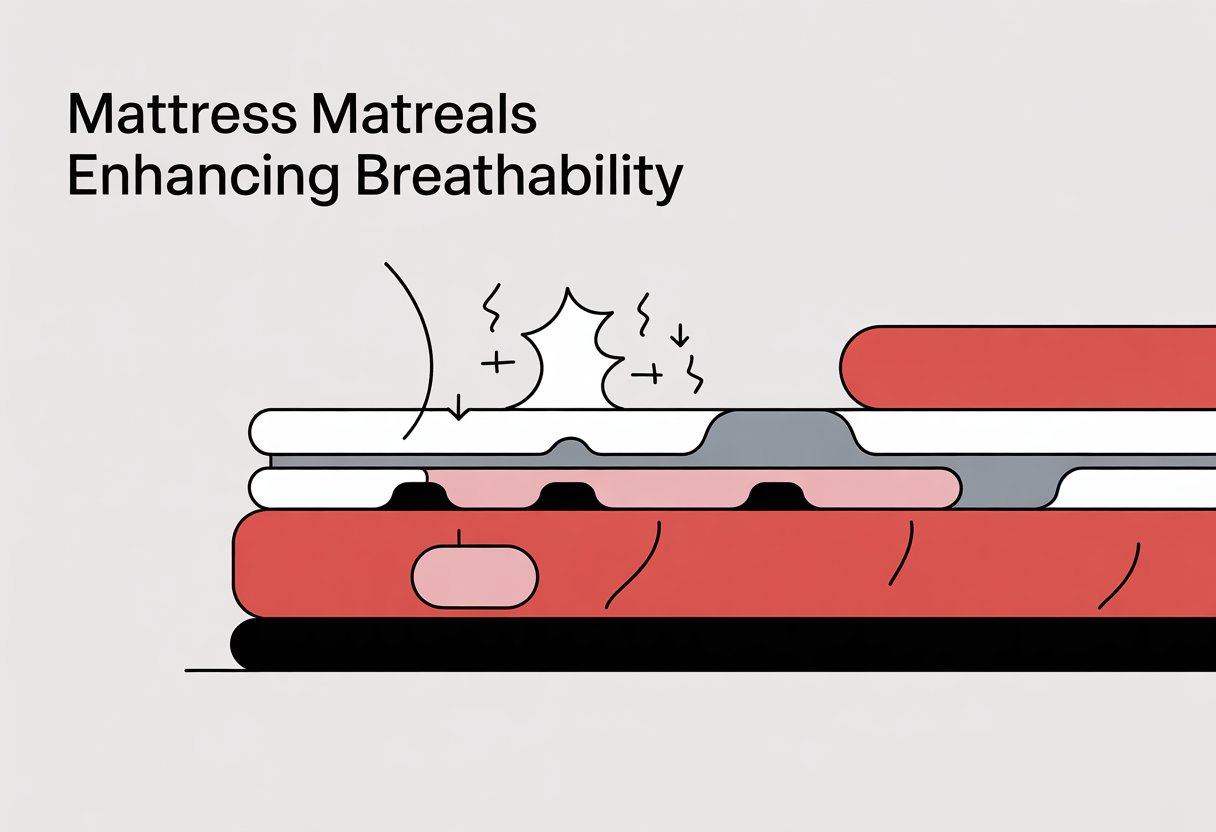
Different mattress materials offer varying levels of airflow and temperature regulation. Natural latex provides inherent breathability through its open-cell structure, while gel-infused foams actively pull heat away from your body, and hybrid designs use coil systems to create air channels throughout the mattress.
Latex Mattress Advantages
Natural latex stands out as one of the most breathable mattress materials available. The material comes from rubber tree sap and has an open-cell structure that allows air to move freely through the mattress core.
Latex mattresses with air channels take breathability even further. These channels run through the latex layers and create pathways for heat and moisture to escape. The natural elasticity of latex also prevents the material from compressing over time, which means the air channels stay open throughout the mattress's lifespan.
Organic latex offers additional benefits beyond airflow. The material naturally resists dust mites, mould, and mildew without chemical treatments. You won't experience the off-gassing common with synthetic foams, and the material maintains its supportive properties for 10 to 15 years.
Gel-Infused Foam and Cooling Gel
Gel-infused foam combines memory foam with cooling gel beads or liquid gel layers. The gel absorbs body heat and disperses it away from your sleeping surface. This technology addresses traditional memory foam's heat retention problems.
Materials like latex and cotton allow heat to disperse more effectively than standard foam. Gel-infused options work through phase-change materials that shift from solid to liquid as they absorb heat. This process pulls warmth away from your body throughout the night.
The effectiveness of cooling gel depends on the gel concentration and placement. Surface-level gel layers provide immediate cooling when you first lie down. Gel beads mixed throughout the foam offer more consistent temperature regulation during extended sleep periods.
Hybrid and Pocketed Coil Designs
Hybrid mattresses combine foam or latex comfort layers with innerspring support systems. The coil base creates natural air channels that standard foam mattresses cannot match. Air flows vertically through the coil gaps and horizontally across the mattress surface.
Pocketed coils enhance breathability more than traditional innersprings. Each coil sits in its own fabric pocket, creating individual support points and additional space for airflow. The gaps between these fabric-wrapped coils form a network of ventilation channels throughout the support core.
You'll find the best temperature regulation in hybrids that pair pocketed coils with breathable top layers. A latex or gel-infused foam comfort layer over pocketed coils gives you both pressure relief and superior airflow. The coil system also prevents moisture buildup by allowing air to circulate beneath your body weight.
Breathable Mattress Types and Technologies
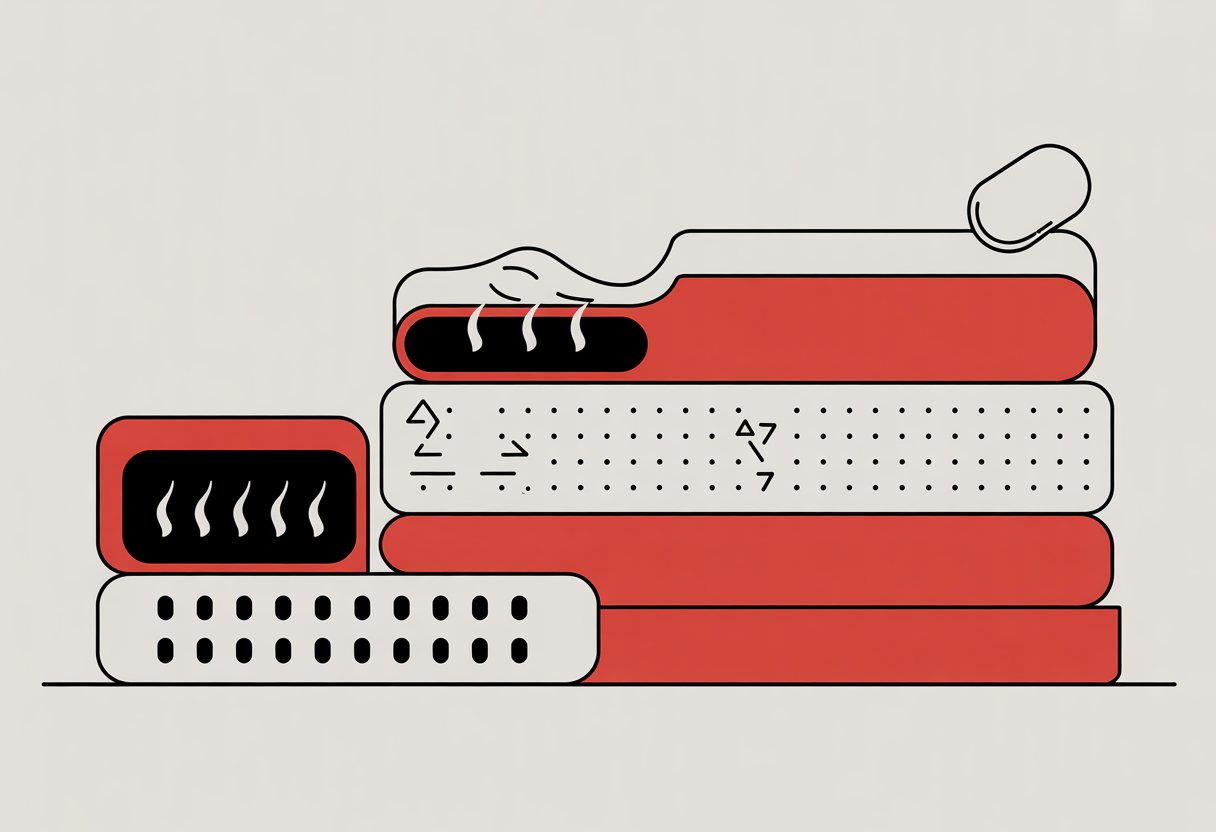
Different mattress materials and designs offer varying levels of airflow and temperature control. The type of foam, firmness level, and built-in cooling features all play a role in how well your mattress regulates heat throughout the night.
Memory Foam Innovations
Traditional memory foam traps heat because of its dense structure. Modern memory foam mattresses address this problem through open-cell technology that allows air to flow more freely through the foam layers.
Gel-infused memory foam adds cooling gel beads throughout the material. These beads help draw heat away from your body and distribute it across the mattress surface. Some manufacturers also create air channels or ventilation holes in the foam to increase breathability.
Plant-based memory foams offer better airflow than petroleum-based versions. These foams have a more open cell structure that doesn't trap as much body heat. They also tend to sleep cooler without requiring additional cooling technologies.
The density of memory foam affects breathability too. Lower-density foams (3-4 pounds per cubic foot) allow more air circulation than high-density foams (5+ pounds per cubic foot).
Firm vs. Plush Mattress Choices
Firm mattresses generally sleep cooler than plush options. You sink less into a firm surface, which means less of your body is surrounded by insulating materials. This creates more space for air to circulate around you.
Plush mattresses have more conforming layers that hug your body closely. While this provides pressure relief, it also creates more contact with heat-trapping materials. Your body weight compresses these soft layers, which can restrict airflow.
Medium-firm mattresses balance support and breathability. You get enough contouring for comfort without excessive heat retention. The firmness you choose should match your sleeping position and body weight, but keep temperature concerns in mind if you sleep hot.
Advanced Cooling Technology
Phase-change materials absorb excess heat when you get too warm and release it when you cool down. These materials are often incorporated into mattress covers or top layers to maintain a consistent sleep temperature.
Latex mattresses with air channels offer natural breathability through their open-cell structure. The channels increase air circulation even further, helping moisture evaporate quickly.
Coil systems provide excellent airflow compared to all-foam designs. The spaces between coils create natural pathways for air movement. Hybrid mattresses combine coils with foam layers to offer both support and improved temperature regulation.
Some mattresses include moisture-wicking fabrics in their covers. These materials pull sweat away from your skin and allow it to evaporate more quickly, keeping you drier throughout the night.
Choosing the Best Breathable Mattress for Your Needs
The right breathable mattress depends on how you sleep, what temperature issues you face, and whether you share your bed. Material choice affects both cooling performance and how much movement transfers across the mattress surface.
Factors to Consider for Sleep Preferences
Your sleeping position changes what you need in a breathable mattress. Side sleepers need softer surfaces that let shoulders and hips sink in while still allowing air to move through the layers. Back sleepers do better with medium-firm options that support the spine without trapping heat underneath.
Stomach sleepers require firmer support to keep hips from sinking too deep. Look for materials like latex or hybrid designs that stay firm while maintaining airflow.
Weight matters too. Heavier sleepers compress mattress layers more, which can block air channels in some foam types. If you weigh over 230 pounds, choose mattresses with denser support cores or coil systems that won't collapse and stop breathing.
Hot sleepers should prioritise materials that promote temperature regulation over just surface cooling. Natural latex, gel-infused foams, and coil systems with space between springs all help air circulate better than solid memory foam.
Top Picks for Best Cooling and Luxury Mattresses
The best cooling mattress combines multiple temperature control features rather than relying on one element. Look for phase-change materials in the cover, breathable comfort layers, and support systems that don't trap warm air.
Latex mattresses naturally sleep cooler than most foams because of their open-cell structure. The material pulls heat away from your body while bouncing back quickly.
Luxury mattress options often include hand-tufted covers, organic materials, and zoned support systems. Higher price tags usually mean better durability and more advanced cooling technology like copper-infused foams or moisture-wicking fibres.
Key features in cooling mattresses:
Moisture-wicking cover fabrics
Gel or graphite-infused comfort layers
Ventilated foam or latex cores
Coil systems with enhanced airflow
Hybrid designs mixing coils with breathable foams often perform best for hot sleepers who want both cooling and pressure relief.
Understanding Motion Isolation
Motion isolation describes how well a mattress absorbs movement when someone shifts position or gets in and out of bed. This matters for couples who don't want to wake each other up throughout the night.
Memory foam excels at motion isolation because it absorbs energy rather than transferring it across the surface. But traditional memory foam traps heat, which creates a problem for people who need both cooling and motion control.
Newer foam technologies solve this issue with gel infusions and open-cell structures that maintain motion isolation while improving breathability. Latex provides moderate motion isolation with better temperature control than standard memory foam.
Innerspring and hybrid mattresses with individually wrapped coils offer decent motion isolation while maximising airflow. Each coil moves independently, reducing motion transfer while the spaces between coils let air circulate freely. Thicker comfort layers on top improve motion isolation further without sacrificing cooling performance.
Enhancing Breathability with Bedding and Accessories
The right bedding and accessories work together with your mattress to create a cooler, drier sleep environment. Natural fabrics and specialized toppers can significantly improve air circulation and moisture management.
Selecting Breathable Fabrics and Bedding
Natural fibres outperform synthetic materials when it comes to breathable bedding. Cotton, linen, and bamboo sheets allow air to move freely whilst wicking moisture away from your skin. These fabrics help regulate temperature throughout the night.
Egyptian cotton and percale weave sheets offer excellent breathability. The thread count matters, but extremely high counts can actually reduce airflow. A range of 200 to 400 thread count typically provides the best balance of softness and breathability.
Linen stands out for hot sleepers. This fabric absorbs moisture quickly and dries fast. It also gets softer with each wash.
Wool serves as an excellent choice for duvet covers and blankets. Moisture-wicking fabrics help keep the sleeping surface dry by pulling sweat away from your body. Avoid polyester and microfibre materials. These trap heat and prevent proper air circulation around your body.
The Role of Cooling Mattress Toppers
A cooling mattress topper adds an extra layer of breathability to any mattress. Latex toppers feature natural air channels that promote circulation. They respond to body pressure whilst allowing heat to escape.
Wool toppers regulate temperature in all seasons. They pull moisture away from your body and release it into the air. This keeps you dry without feeling cold.
Look for toppers with ventilation holes or channels. These designs create pathways for air to move through the material. The added airflow prevents heat buildup between your body and the mattress surface.
Topper thickness affects breathability. Thinner options between 5 and 7.5 centimetres allow more airflow than thick layers. Choose materials that complement your mattress rather than blocking its natural breathability features.
Frequently Asked Questions
Breathable mattresses raise common questions about their benefits, materials, and maintenance. Understanding how air circulation affects sleep quality helps you make informed decisions about mattress features and care.
What are the benefits of sleeping on a mattress with enhanced breathability?
A mattress with good air circulation helps regulate your body temperature throughout the night. When heat and moisture can escape more easily, you're less likely to wake up feeling sweaty or uncomfortable.
Enhanced breathability can reduce the buildup of humidity inside your mattress. This drier environment makes it harder for dust mites and mould to thrive, which may benefit people with allergies or asthma.
Better airflow also helps your mattress materials stay fresher longer. Moisture trapped inside foam or fibres can break down materials over time and create unpleasant odours.
How does mattress breathability impact sleep quality and comfort?
Your body temperature naturally drops when you fall asleep and rises slightly before you wake up. A breathable mattress supports these natural temperature changes by allowing excess heat to dissipate rather than getting trapped against your body.
When you sleep hot, you're more likely to toss and turn or wake up during the night. Improved air circulation helps maintain a more consistent sleeping temperature, which can lead to fewer sleep disruptions.
Breathability becomes especially important if you share your bed with a partner. Two bodies generate more heat than one, so proper airflow helps prevent the mattress from becoming uncomfortably warm.
What materials are commonly used to ensure a mattress is breathable?
Natural latex foam contains an open-cell structure that allows air to move through the material more freely than traditional memory foam. The manufacturing process creates small air channels throughout the latex.
Innerspring and hybrid mattresses offer natural breathability because of the open space between coils. Air can circulate vertically through the mattress core, which helps regulate temperature.
Some manufacturers use gel-infused foams or add cooling layers with phase-change materials. Others incorporate breathable cover fabrics made from cotton, wool, or moisture-wicking synthetic fibres.
Newer foam technologies include open-cell memory foam designs that provide better airflow than older closed-cell versions. These foams are engineered with larger pores that let air pass through more easily.
Can a breathable mattress improve air circulation and reduce overheating?
A breathable mattress allows air to flow through and around the sleeping surface more effectively. This circulation helps carry heat away from your body instead of trapping it between you and the mattress.
The design of your mattress affects how well air moves through it. Coil systems create natural pathways for air movement, while foam mattresses rely on their cell structure and added ventilation features.
However, evidence from testing indicates that mattress permeability isn't actually associated with CO2 reduction in all cases. The actual impact depends on the specific materials and construction methods used.
Your bedding choices also matter. Heavy mattress protectors or thick toppers can block airflow even if your mattress itself is designed to be breathable.
What are the best features to look for when choosing a breathable mattress for allergy sufferers?
Look for mattresses with removable, washable covers that you can clean regularly to remove allergens. The ability to wash the cover helps reduce dust mite populations and removes accumulated skin cells and other debris.
Materials that resist moisture buildup work better for allergy sufferers. Dust mites need humidity to survive, so a drier sleeping environment makes your mattress less hospitable to these common allergens.
Consider mattresses with antimicrobial treatments or naturally resistant materials like latex. These features can help prevent the growth of mould, mildew, and bacteria inside your mattress.
Avoid mattresses with excessive layers of foam or padding that trap moisture. Simpler constructions with better airflow help keep your sleeping environment cleaner and drier.
How do you maintain and care for a breathable mattress to ensure its longevity?
Rotate your mattress every three to six months to promote even wear and maintain consistent airflow throughout. This prevents body impressions from forming in one spot and blocking air circulation.
Use a breathable mattress protector rather than a waterproof vinyl cover. Modern protectors can guard against spills and stains while still allowing air to pass through the fabric.
Keep your bedroom well-ventilated and maintain moderate humidity levels. Opening windows or using a dehumidifier helps prevent moisture from accumulating in your mattress materials.
Strip your bed regularly and let your mattress air out for a few hours. This simple practice allows trapped moisture to evaporate and helps maintain the mattress's breathable properties.
Vacuum your mattress surface monthly to remove dust, dead skin cells, and other debris. Clean materials allow better airflow and create a healthier sleeping environment.
 by
by 


