

















Choosing the right support for your mattress can make a big difference in your sleep quality and comfort. Box springs and slats are two popular options that work in different ways to hold up your bed. Each type has its own benefits and drawbacks depending on what kind of mattress you have and what you need from your bed setup.
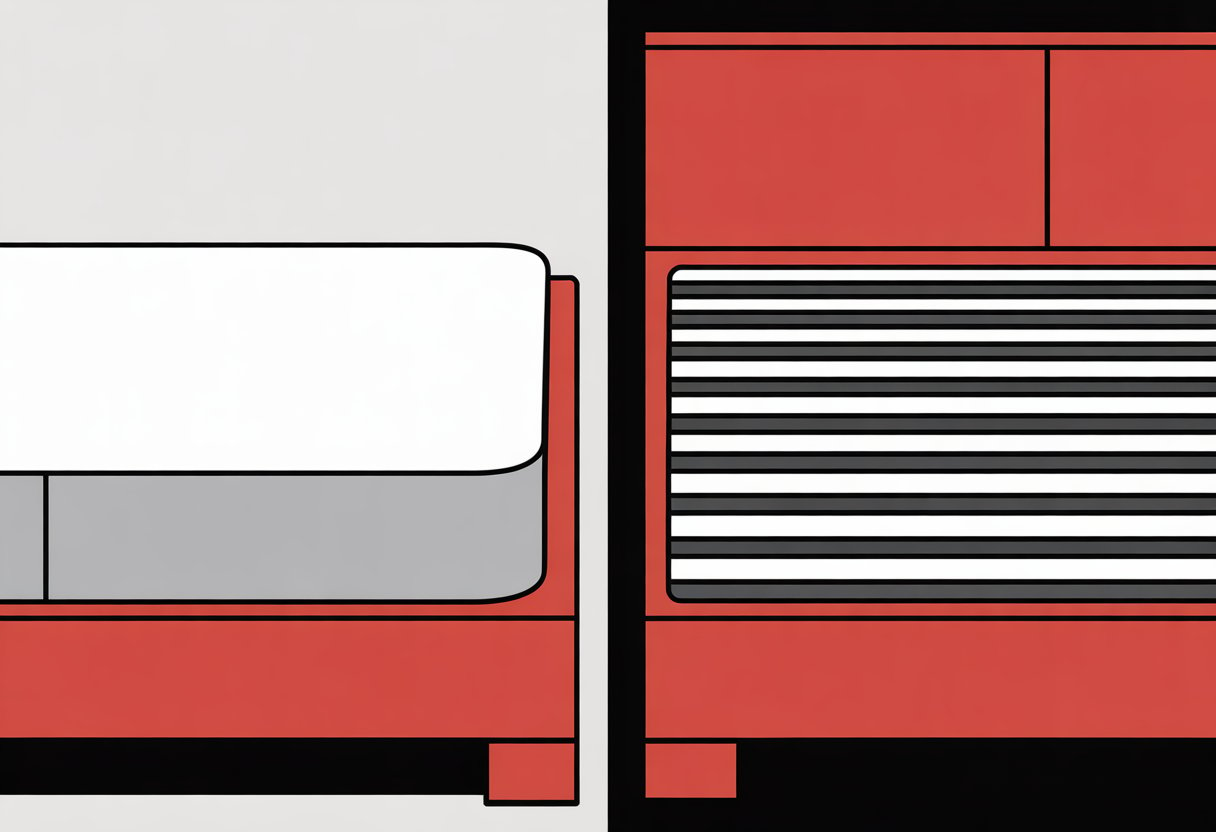
Understanding how box springs compare to slats helps you make the best choice for your situation. Box springs are raised platforms that contain springs or a solid base inside a fabric-covered frame. Slats are flat wooden or metal boards that run across your bed frame to support your mattress. Your decision depends on factors like your mattress type, whether you have a memory foam mattress or innerspring mattress, your budget, and how much height you want for your bed.
Key Takeaways
- Box springs and slats both support your mattress but work differently, with box springs adding more height and slats offering better airflow
- Foam mattresses and latex mattresses typically work better with slats, while innerspring mattresses can use either option
- Your choice should depend on your mattress type, budget, storage needs, and whether you sleep hot or need extra bed height
What is a Box Spring?
A box spring serves as a reliable bed foundation that sits between your mattress and your bed frame. This mattress foundation creates a stable platform that helps your mattress perform at its best while you sleep.
The construction of a boxspring typically involves a wooden or metal frame covered with fabric. Traditional designs included coil springs inside, which is where the name comes from. Modern versions often feature a hollow construction without any coil system inside.
Most designs consist of two main components. The first part is a metal frame that gets assembled and fastened together. The second part is a wooden box wrapped in protective fabric that sits on top of the metal frame and holds your mattress securely in place.
Structure and Design
A box spring provides solid foundation support through its frame-based construction. The sturdy support comes from the way the materials work together to distribute weight evenly across the bed base.
While older models used actual coil-based mattress support systems, newer versions rely on the structural integrity of the frame itself. This shift in design still delivers the same reliable performance without the internal springs.
Who Benefits Most
This type of mattress foundation works well for people who need extra help getting in and out of bed. The elevated height reduces strain on your back, joints, and muscles when you push yourself up in the morning.
People with back pain often find this bed foundation helpful. The added height means less bending and twisting when getting into or out of bed.
The sturdy support from box springs can accommodate various sleeping positions. Whether you sleep on your stomach, side, or back, pairing this foundation with the right mattress type can improve your comfort.
Key Advantages
| Benefit | Description |
|---|---|
| Increased Height | Lifts your mattress off the floor and adds bedroom space |
| Easy Maintenance | Makes changing sheets simpler with less bending |
| Extended Lifespan | Helps prevent mattress sagging over time |
| Cost-Effective | More affordable than buying a new bed frame or mattress |
The elevated position makes daily tasks like making your bed much easier. You won't need to bend down as far to tuck in sheets or adjust your bedding.
Box springs offer less chance of sagging compared to other support options. The firm structure helps both your mattress and foundation last longer.
If you want to add height to your existing setup, this option costs less than replacing your entire bed frame or mattress. Some people consider stacking mattresses or adding toppers, but those solutions can be expensive or provide minimal height gain.
Things to Consider
Box springs require assembly since the components arrive separately. You may need help putting the pieces together or should consider an installation service from the retailer.
The weight of a boxspring tends to be heavier than other mattress foundations. This bulk can make moving or rearranging your bedroom more challenging.
While the elevated design allows good air circulation around your mattress, the space underneath is limited. Dust can accumulate in these tight spaces, making cleaning more difficult.
Some mattress warranty terms require specific types of solid foundations for coverage to remain valid. Check your warranty requirements before selecting any bed foundation to ensure compliance.
What Are Slats?
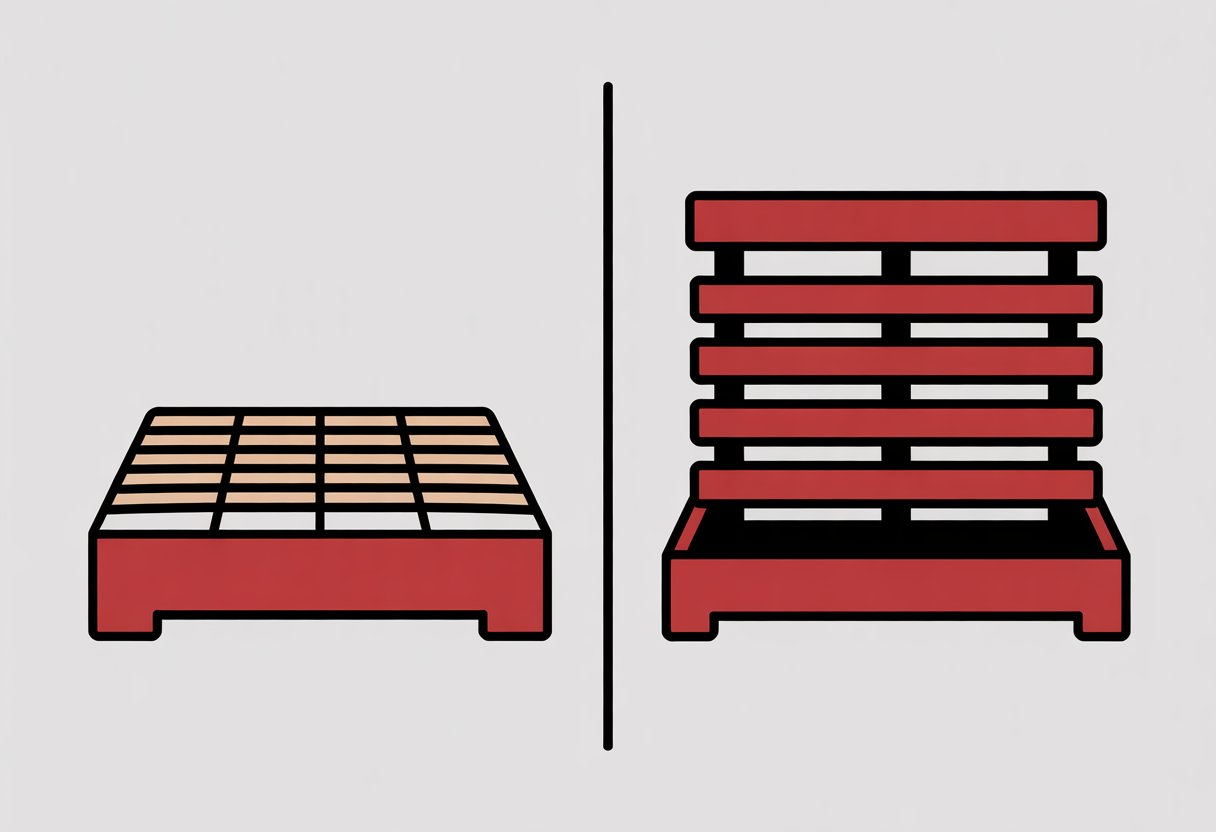
Bed slats are horizontal planks that stretch across your bed frame to hold up your mattress. They're made from either wood or metal materials. These planks can be part of a platform bed that sits directly on the floor, or they can fit inside your existing bed frame.
You'll find two main types of slats available. Standard slats lie flat and provide a firm, stable surface for your mattress. Sprung slats have a curved shape that offers more bounce and flexibility when you move around in bed.
Materials and Construction
Wooden slats are the most common option you'll see. They're usually made from pine, beech, or birch wood. Metal slats are less common but offer more durability and strength. Both materials create a slatted foundation that supports your mattress without needing a box spring.
The spacing between each slat matters for proper support. Most slatted bed bases place slats 2-3 inches apart. Some designs use double slats placed side by side for extra stability. The size of your mattress and how much support you want will determine the spacing you need.
Benefits of Using Slats
Air circulation is one of the biggest advantages of a slatted bed. The gaps between planks let air flow freely underneath your mattress. This ventilation helps reduce heat buildup while you sleep. If you tend to wake up hot during the night, this improved airflow can make a real difference.
Installation is straightforward with slats. Their lightweight design makes them easy to assemble and move. You won't struggle during setup or when you need to relocate your bed. The slat foundation stays hidden inside your bed frame, giving you a clean look. This works well if you've picked out a specific frame style you want to showcase.
Platform beds with slats eliminate the need for a bunkie board or additional foundation. This saves you money and reduces the overall height of your sleeping surface.
Drawbacks to Consider
Sagging can become a problem with certain mattress types. Memory foam and gel mattresses are designed to mould to your body shape. When you place these on slats spaced too far apart, the mattress material can sink between the gaps. This creates uneven support and may damage your mattress over time.
Proper installation is essential for safety and performance. If you don't secure the slats correctly, they can shift sideways, bend, or fall out of place. This movement can harm your mattress and potentially cause injuries if the slats give way while you're sleeping.
Some mattress types work better on a slatted foundation than others. Stomach sleepers typically need firmer support, which standard wooden slats provide well. Side and back sleepers often prefer the flexibility that sprung slats offer. Choose based on how you sleep and what feels comfortable to you.
Durability varies depending on the material quality and how much weight the slats need to support. Thicker slats with closer spacing last longer and provide better support than thin, widely spaced options.
Can You Use Both?
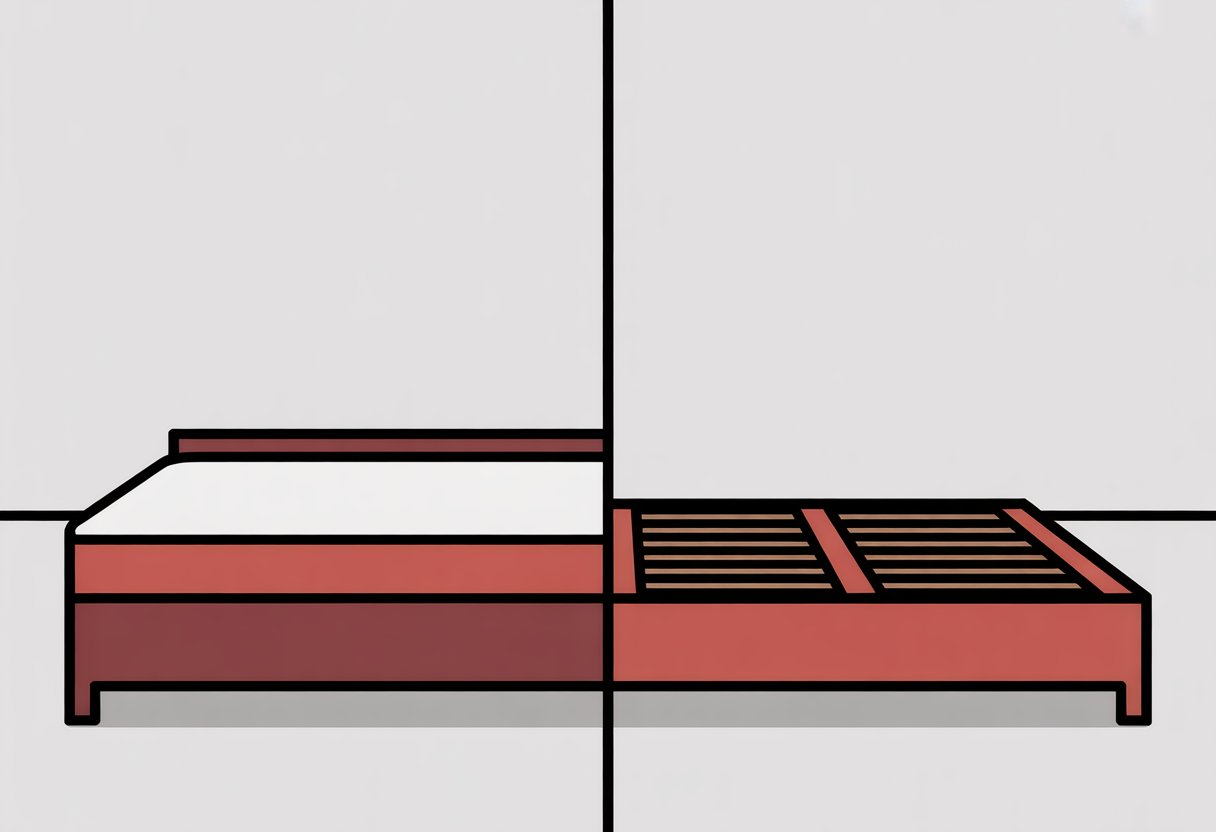
You should not use bed slats and a box spring together. It's best to pick one option based on your mattress type.
Using both does not improve weight distribution or prevent mattress sagging. The combination adds unnecessary bed height without improving support. Box springs are designed for innerspring mattresses, while slats work better for foam options that need airflow.
If you need more support than either option provides, consider these alternatives:
- Bunkie board – adds firmness and stops mattress sinking
- Plywood sheet – provides solid support and prevents sagging
- Foundation – offers stable support without bounce
These alternatives help with ventilation and breathability while maintaining proper support. They come in all standard sizes to match your mattress dimensions. A bunkie board works well if you want a taller bed without sacrificing stability. Plywood gives you maximum firmness and prevents moisture buildup better than combining slats with a box spring.
Choose the support system that matches your mattress needs rather than stacking options together.
Final Thoughts
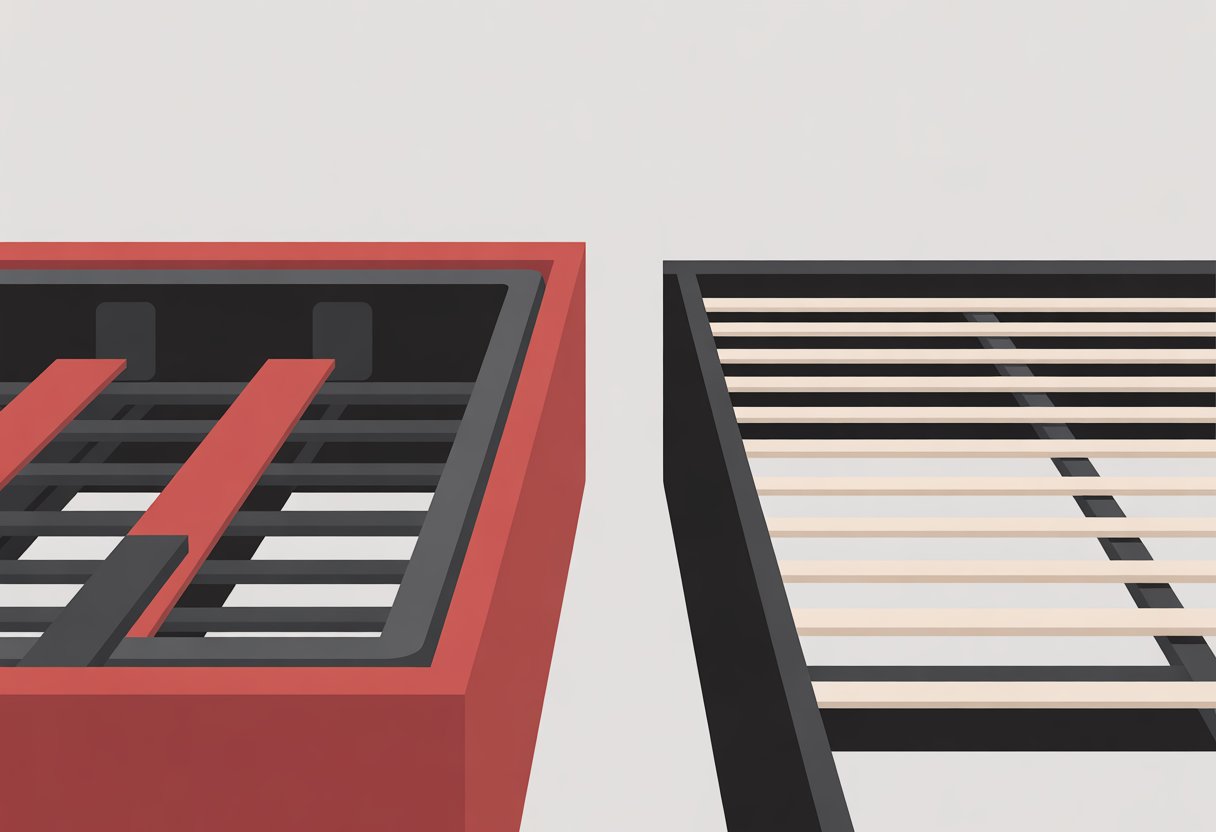
Both bed foundations have their own strengths and weaknesses to consider. Your choice between these two options depends on what matters most to you and your sleeping setup.
Key factors to evaluate:
- Your mattress type and what the maker recommends
- How much you want to spend on support
- The bed frame style you currently own
- Your need for extra height or storage space beneath the bed
Box springs can cause mattress wear over time if they develop sagging or broken components. Wooden slat systems often last longer before showing damage. However, box spring cons include faster wear compared to wood foundations.
Talk to your mattress manufacturer before making your decision. They know which foundation works best with their products. This step helps protect your investment and keeps your mattress in good shape for years. The right foundation extends the life of your bed and improves your sleep quality each night.
Frequently Asked Questions
What separates box springs from slatted bed bases?
A box spring is a wooden or metal frame filled with coils or springs that sits between your mattress and bed frame. Slats are individual planks made of wood or metal that stretch across your bed frame to hold up your mattress.
Box springs add significant height to your bed and contain internal springs that provide bounce. Slats create a flat, rigid surface and sit closer to the ground.
The two options differ in how they're built and how they function. Box springs work as shock absorbers with their internal coil system. Slats provide a firm, stable platform without any give.
How do box springs and slats differ in the support they offer?
Box springs deliver a cushioned, bouncy feel because of their internal spring system. This design helps absorb movement and adds responsiveness to your mattress.
Slats provide firm, even support across the entire mattress surface. The solid platform prevents sagging and keeps your mattress flat.
Support characteristics:
- Box springs: Flexible support with bounce and movement absorption
- Slats: Rigid support with minimal flex or give
Your mattress sits on springs with a box spring foundation, which adds an extra layer between you and the frame. With slats, your mattress rests directly on solid planks that don't compress or move.
Do certain mattresses pair better with box springs or slats?
Traditional innerspring mattresses work well with box springs because the combination creates a supportive, bouncy sleep surface. The springs in both the mattress and foundation work together.
Memory foam, latex, and hybrid mattresses perform better on slatted bases. These mattresses need solid support and good airflow underneath to prevent heat buildup and maintain their structure.
Mattress compatibility:
| Mattress Type | Best Foundation | Reason |
|---|---|---|
| Innerspring | Box spring | Complementary spring systems |
| Memory foam | Slats | Needs firm support and ventilation |
| Latex | Slats | Requires stable base and airflow |
| Hybrid | Slats | Benefits from solid platform |
Foam-based mattresses can sink or sag on box springs because they lack the firm support these materials require. Innerspring mattresses may feel too firm on slats without the added cushioning of a box spring.
Which option lasts longer and holds up better over time?
Slats typically outlast box springs because they have fewer moving parts. Wood or metal planks don't wear out as quickly as internal springs that compress repeatedly.
Box springs lose their support over time as the coils weaken and the padding breaks down. You'll notice sagging or squeaking when a box spring needs replacement.
Durability factors:
- Slats can last 10-15 years with proper care
- Box springs usually need replacement every 8-10 years
- Metal slats last longer than wooden ones
- Box spring coils fatigue from constant compression
The weight capacity matters for both options. Slats can support more weight when spaced properly, while box springs may struggle with heavier loads as the springs weaken.
Does your choice between box springs and slats change how well you sleep?
Your foundation affects how your mattress performs throughout the night. Box springs add bounce and height, which some people find comfortable for getting in and out of bed.
Slats keep your mattress stable and prevent excessive movement. This firmness works well if you prefer a solid, non-bouncy sleep surface.
Comfort considerations:
- Box springs amplify mattress bounce and responsiveness
- Slats reduce motion transfer between sleep partners
- Higher beds from box springs suit people with mobility issues
- Lower slatted beds work better in rooms with low clearance
The airflow under your mattress changes with each option. Slats allow better ventilation, which helps regulate temperature and prevents moisture buildup. Box springs restrict airflow more because of their enclosed design.
What maintenance and practical factors should you weigh?
Slats need minimal upkeep beyond occasional tightening of any loose planks. You can easily access the space beneath slatted beds for cleaning or storage.
Box springs collect more dust and moisture inside their enclosed frames. They're harder to clean and provide no storage space underneath.
Maintenance requirements:
- Check slat spacing every few months to prevent gaps
- Vacuum or wipe down slats to remove dust buildup
- Inspect box springs annually for broken coils or frame damage
- Rotate your mattress regardless of foundation type
Moving a box spring poses challenges in tight spaces because of its bulky size. Slats disassemble quickly, making them easier to transport or fit through narrow doorways.
The cost difference between the two affects your budget. Slats generally cost less than box springs and last longer, giving you better value over time.
 by
by 


