

















A 6 inch mattress might seem thin compared to standard options, but it serves specific purposes that make it a smart choice for many situations. These 6 Inch Mattresses work well for bunk beds, trundle beds, and daybeds.
A 6 inch mattress typically costs less than thicker options while still providing adequate support. It is often the target choice for children, teens, and lighter-weight adults who need a compact twin mattress.
You can find 6 inch mattresses in several types, including memory foam, innerspring, and hybrid designs. Memory foam versions provide pressure relief and conform to your body shape. Innerspring options offer more bounce and better airflow for cooler sleep. Hybrid mattresses combine foam layers with coil support to balance comfort and responsiveness.
The materials and construction quality matter just as much in a thin mattress as they do in thicker models. Look for CertiPUR-US certified foams that meet safety and environmental standards. Pay attention to the density of foam layers and the gauge of coils if you choose an innerspring or hybrid style. Understanding these factors helps you pick a mattress that will last and provide the comfort level you need.
Key Takeaways
6 inch mattresses are budget-friendly options best suited for lighter sleepers, children, and space-saving furniture like bunk beds
These mattresses come in memory foam, innerspring, and hybrid constructions with varying firmness levels and support features
Material quality and certifications determine comfort, durability, and whether the mattress will meet your specific sleep needs
What Is a 6 Inch Mattress?
A 6 inch mattress is a low-profile sleep surface that measures six inches from top to bottom. These mattresses work well in tight spaces like bunk beds and trundles where standard mattress heights won't fit.
Standard Features of 6 Inch Mattresses
A 6-inch mattress typically includes two to three foam layers or a low-profile coil system with a comfort layer on top. The thinner build means these mattresses use fewer materials than standard 10 to 12 inch models.
Most 6-inch mattresses come in all-foam, hybrid, and latex builds. All-foam versions use memory foam or high-density polyfoam for support and pressure relief. Hybrid options feature low-profile pocketed coils that add airflow and edge support. Latex models offer natural breathability and responsive bounce.
The reduced height makes these mattresses lightweight and easy to move. You can lift them for cleaning or repositioning without much effort. Many include cooling features like open-cell foams, ventilated cores, or gel infusions to prevent heat buildup despite the thinner profile.
Common Mattress Sizes and Dimensions
6 inch mattresses are available in most standard bed sizes. The twin size measures 38 inches wide by 74.5 inches long, making it perfect for children's rooms and bunk beds.
A 6-inch twin mattress fits standard twin bed frames and bunk bed safety rails. Twin XL versions extend to 79.5 inches long for taller sleepers. Full size options measure 54 inches wide by 75 inches long, offering more width for solo adults or guest rooms.
Queen and king sizes are also available in 6 inch profiles, though they're less common. The low height works best for platform beds with solid foundations or closely spaced slats no more than three inches apart.
Who Should Consider a 6 Inch Mattress?
You should consider a 6-inch mattress if you need a solution for bunk beds, trundles, RVs, Murphy beds, or daybeds. These spaces require low-profile mattresses that fit under safety rails or inside compact frames.
Children and teens often sleep comfortably on 6 inch mattresses since they typically weigh less than adults. Guest rooms benefit from these mattresses when you need an affordable option that still provides decent comfort for short stays. RV owners choose them because they fit slide-outs and custom-sized sleeping areas.
Keep in mind that thinner mattresses often feel firmer than thicker models. Some shoppers prefer this profile specifically when looking for a firmer mattress that offers consistent support. If you're a side sleeper or have joint pain, you might want a plusher foam top layer for better pressure relief. Heavier adults may compress the mattress more, which can reduce support over time.
Types of 6 Inch Mattresses
Six inch mattresses come in several construction types, each offering different comfort levels and support characteristics. The main options include memory foam, innerspring, hybrid, and gel-infused memory foam designs.
Memory Foam 6 Inch Mattresses
A 6 inch memory foam mattress uses viscoelastic foam that responds to your body heat and weight. This material contours to your shape and helps distribute pressure evenly across the surface. Investing in a 6-inch memory foam mattress is a popular choice for guest rooms and child beds. The slim profile provides adequate comfort without the bulk of traditional beds.
Memory foam options in this thickness typically work well for children, guest beds, or bunk beds. The foam compresses under pressure points like your hips and shoulders, which can reduce discomfort during sleep.
Key features include:
Body-conforming support
Motion isolation between sleepers
Pressure point relief
Minimal noise during movement
The density of the memory foam affects how the mattress performs. Higher density foam lasts longer and provides more support, while lower density foam feels softer initially but may break down faster. Most 6-inch memory foam mattresses use medium-firm foam suitable for lighter sleepers or temporary sleeping arrangements.
Innerspring 6 Inch Mattresses
An innerspring mattress at six inches uses a coil system as its primary support structure. These mattresses feature steel springs covered by padding layers and fabric.
The coil system in a six inch innerspring mattress provides bounce and firm support. You'll notice better airflow compared to foam options, which helps regulate temperature during sleep.
Common characteristics:
Firmer feel than foam
Better air circulation
Traditional bounce
Edge support from coils
The coil count and gauge affect the mattress quality. Higher coil counts generally mean better support distribution, while thicker gauge coils create a firmer feel. Six inch innerspring options work well for platform beds or foundations that don't require thick mattresses.
Hybrid 6 Inch Mattresses
A hybrid mattress combines innerspring coils with foam layers to balance support and comfort. In a six inch design, you get a thinner profile that still incorporates both materials.
These mattresses typically feature a coil base with memory foam or polyfoam on top. The spring system provides structural support and breathability, while the foam layer adds contouring and pressure relief.
Benefits of hybrid construction:
Balanced support and comfort
Better temperature regulation than pure foam
Responsive surface with some contouring
Durability from coil system
The limited thickness means hybrid six inch mattresses contain fewer comfort layers than thicker versions. This makes them suitable for lightweight sleepers or situations where you need minimal mattress height. The coil section usually takes up about 4 inches, leaving 2 inches for comfort layers.
Gel Memory Foam Options
Gel memory foam mattresses infuse cooling gel particles or beads into the memory foam structure. This modification addresses heat retention issues common in traditional memory foam.
A 6-inch gel memory foam mattress provides the contouring benefits of standard memory foam with improved temperature regulation. The gel absorbs and disperses body heat more effectively than regular foam.
Gel infusion advantages:
Cooler sleep surface
Same pressure relief as standard memory foam
Body contouring properties
Reduced heat buildup
The gel can be mixed throughout the foam or added as a separate layer. Some manufacturers use gel swirls, while others incorporate gel beads. Both methods help draw heat away from your body. You'll find gel memory foam particularly useful if you sleep warm but want the conforming feel of memory foam.
Key Construction and Material Considerations
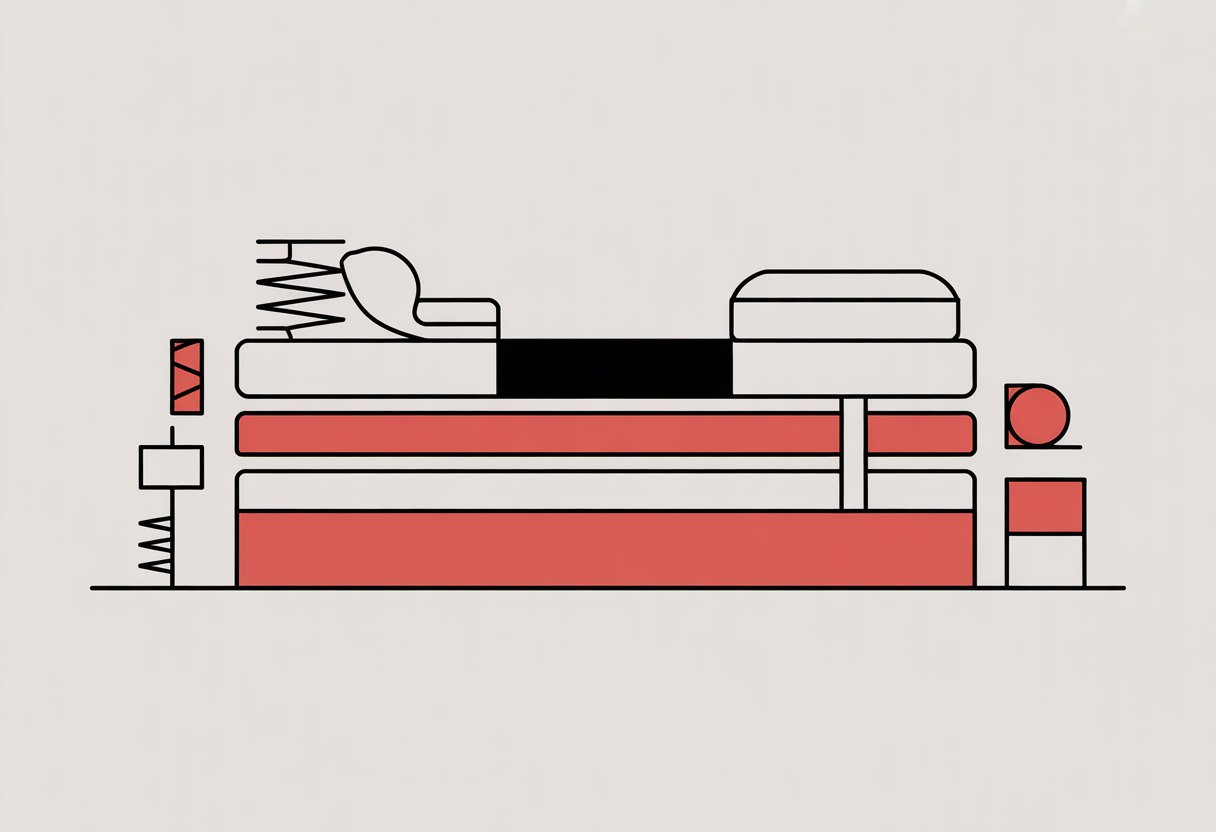
A 6 inch foam mattress relies on carefully selected materials and precise layering to deliver adequate support and comfort within its compact profile. The quality of foam density, safety certifications, and cover breathability directly impact how well these thinner mattresses perform.
Support and Comfort Layers
The limited thickness of a 6 inch mattress means every layer must work efficiently. Most 6 inch foam mattresses use a two-layer construction: a thicker support layer at the base and a thinner comfort layer on top.
The support layer typically takes up 4 to 5 inches of the total thickness. This foundational layer uses firm polyfoam or high-density foam to prevent excessive sinking and maintain spinal alignment. Without adequate support foam, you would bottom out and feel the bed frame beneath you.
The comfort layer sits on top and usually measures 1 to 2 inches thick. This layer provides cushioning and pressure relief for your shoulders and hips. Memory foam mattresses use this top layer to contour to your body shape, though the thinner profile limits how much contouring occurs compared to thicker models.
Some manufacturers add a thin transition layer between support and comfort layers. This middle layer helps distribute weight more evenly across the mattress.
High-Density and Support Foam
Foam density determines how well your mattress holds up over time and how much support it provides. High-density foam contains more material per cubic foot, making it more durable and supportive than low-density alternatives.
For the support layer in a 6 inch mattress, you should look for foam with a density of at least 1.8 to 2.0 pounds per cubic foot. Higher density support foam resists compression better and maintains its shape longer. This matters more in thinner mattresses because there's less material overall to distribute your weight.
The comfort layer can use slightly lower density foam (1.5 to 1.8 pounds per cubic foot) since it doesn't bear the primary support load. Open-cell foam in the comfort layer allows air to flow through the material more easily, helping with temperature regulation.
Low-quality foam will develop body impressions quickly and lose its supportive properties within months. Premium high-density foam maintains performance for several years, even in a compact 6 inch design.
CertiPUR-US Certification
CertiPUR-US certification verifies that foam meets specific standards for content, emissions, and durability. This independent testing programme ensures the foam in your mattress doesn't contain harmful chemicals like formaldehyde, heavy metals, or certain flame retardants.
CertiPUR-US certified foam has been tested for low volatile organic compound (VOC) emissions. VOCs are chemicals that can off-gas from foam and create unpleasant odours when you first unpack your mattress. Certified foams emit far fewer of these compounds.
The certification also confirms the foam meets performance standards for durability. This gives you confidence that the materials will maintain their shape and support over time, which is particularly important in thinner mattresses where material degradation becomes noticeable faster.
Look for the CertiPUR-US label when shopping for a 6 inch foam mattress. Manufacturers who use certified foams typically advertise this prominently in their product descriptions.
Breathable Cover Materials
The cover material affects how much heat builds up while you sleep and how the mattress feels against your skin. A breathable cover allows air to circulate through the fabric and into the foam layers below.
Most quality 6 inch mattresses use knit polyester, cotton blends, or bamboo-derived rayon for their covers. These fabrics pull moisture away from your body and dry quickly. Some covers incorporate mesh panels on the sides to increase airflow further.
Avoid covers with waterproof backing unless you specifically need that feature. Waterproof membranes block airflow and trap heat, making the mattress sleep warmer. If you need waterproofing, use a separate mattress protector instead.
Look for covers that remove easily via a zip. This lets you wash the cover periodically to maintain hygiene. Removable covers also make it easier to inspect the foam layers if you need to check for wear or damage.
Comfort, Firmness Level, and Pressure Relief
Six-inch mattresses typically offer medium-firm to firm support due to their thinner profile, which affects how they distribute body weight and relieve pressure across different sleep positions.
Medium-Firm and Firmer Options
Most 6-inch mattresses fall between 6 and 8 on the firmness scale, where 10 represents the firmest feel. The limited thickness means these beds cannot accommodate thick comfort layers, which naturally creates a firmer sleeping surface.
Medium-firm mattresses rated around 6 out of 10 provide a balance between support and cushioning. They work well if you weigh less than 230 pounds. Firmer options rated 8 or higher keep your hips elevated and maintain spinal alignment, making them particularly suitable for back and stomach sleepers.
The construction materials greatly influence firmness. Memory foam versions tend to feel slightly softer than innerspring or hybrid models. Foam and spring hybrid mattresses combine steel coils with foam layers to create durable support with moderate surface cushioning.
Pressure Point Relief Capabilities
The thin profile of 6-inch mattresses limits their pressure relief capabilities compared to thicker models. Your shoulders, hips, and lower back receive less cushioning, which can create discomfort if you sleep on your side.
Key factors affecting pressure relief:
Comfort layer thickness - Usually 1 to 2 inches in 6-inch mattresses
Material type - Memory foam conforms better than standard polyfoam
Body weight - Lighter sleepers experience better pressure distribution
Gel-infused memory foam options provide improved pressure relief by cradling your body's contours. The gel infusion helps the foam respond to your shape while maintaining support. However, the shallow comfort layer means you'll feel the firmer base layer more directly than with thicker mattresses.
Sleep Position Suitability
Your preferred sleep position determines whether a 6-inch mattress will provide adequate comfort. Back and stomach sleepers benefit most from the firmer support these thin mattresses deliver.
Back sleepers find proper spinal alignment on medium-firm to firm 6-inch beds. The reduced sinkage keeps your lower back from sagging into the mattress. Stomach sleepers need the elevated hip position that firmer, thinner mattresses naturally provide to prevent lower back strain.
Side sleepers face the biggest challenges with 6-inch mattresses. You need deeper cushioning at pressure points like shoulders and hips. The thin comfort layer cannot accommodate the curves of your body adequately. If you weigh over 200 pounds, you'll likely compress through the comfort layer and feel the firm base, creating uncomfortable pressure points.
Top Rated 6 Inch Mattress Picks
Six-inch mattresses deliver space-saving comfort for specific sleeping situations like bunk beds, daybeds, and recreational vehicles. These compact options balance adequate support with portability and affordability.
Best 6-Inch Mattresses for 2025
The best 6-inch mattresses typically feature memory foam construction with densities between 2.5 to 3.5 pounds per cubic foot. This density range provides enough support for children and lighter adults without adding excessive weight.
Look for mattresses with CertiPUR-US certified foams. This certification means the foam contains no harmful chemicals like formaldehyde, heavy metals, or ozone depleters.
Key features to prioritise:
Medium-firm feel (5-7 on firmness scale)
Breathable cover fabric
Hypoallergenic materials
Weight capacity of 200-250 pounds
At least a 5-year warranty
Most quality 6-inch options include multiple foam layers. A typical construction uses 1-2 inches of comfort foam over 4-5 inches of high-density support foam. This layering prevents bottoming out whilst maintaining proper spinal alignment.
Galaxy 6 Inch High-Density Foam Mattress
The Galaxy high-density foam mattress uses durable polyfoam that provides firm support and reliable comfort. This construction ensures the mattress maintains its shape and provides a consistent sleep surface over time.
This mattress ships compressed in a box and expands to full size within 48-72 hours. The cover is knitted jacquard fabric that provides breathability whilst protecting the foam layers underneath.
Construction breakdown:
Layer | Thickness | Purpose |
|---|---|---|
Memory foam comfort | 1.5 inches | Pressure relief |
Pressure-relieving comfort foam | 2 inches | Contouring |
High-density base foam | 2.5 inches | Support |
The mattress works best for sleepers under 150 pounds. It carries a 10-year limited warranty and meets federal flammability standards without chemical flame retardants.
Best Choices for Kids, Bunk Beds, and RVs
Six-inch mattresses suit bunk bed frames because they maintain proper guardrail clearance. Most safety standards require at least 5 inches between the mattress top and guardrail edge. A 6-inch mattress on a standard bunk frame leaves adequate protection.
For children's beds, these thinner mattresses make it easier for young kids to climb in and out safely. The lower height reduces fall risks compared to standard 10-12 inch mattresses.
RV applications benefit from the lightweight design. A queen-size 6-inch mattress weighs approximately 30-40 pounds compared to 60-80 pounds for thicker options. This weight reduction matters when managing vehicle load limits.
Daybed usage works well with 6-inch mattresses because the lower profile maintains the sofa-like appearance. The mattress sits flush with typical daybed frames without looking overly bulky.
Consider a waterproof protector for these applications. Kids and recreational use increase spill risks, and a quality protector extends mattress life considerably.
Shopping Tips and Where to Buy
Finding a 6-inch mattress requires knowing where to look and how to evaluate different buying options. You need to understand how online and in-store shopping differ, recognize marketing tactics, and protect your personal information during the purchase process.
Comparing Online and Physical Stores
Online retailers offer convenience and often lower prices for 6 Inch Mattresses since they don't maintain expensive showrooms. You can browse dozens of options for a twin mattress from home and read customer reviews.
Big-box stores like Target often carry affordable 6-inch models in stock for immediate pickup. However, you can't always physically test the mattress before purchase when shopping online.
Physical stores like National Mattress and other furniture retailers let you test the mattress by laying down before buying. This hands-on experience helps you judge firmness and comfort more accurately than reading descriptions online. The downside is limited selection and higher prices due to overhead costs.
Return policies matter significantly for both options. Many online sellers provide trial periods of 30 to 100 nights. Physical stores may offer shorter return windows or charge restocking fees.
Understanding Sponsored Listings and Offers
When shopping online, the first products you see are often sponsored listings. Retailers pay to place these items at the top of search results. They aren't necessarily the best value or quality.
Scroll past sponsored results to find organic listings that may offer better deals. Compare prices across multiple stores before deciding. Some retailers mark up prices before offering "discounts" to create false urgency.
Be cautious about deals that seem too good to be true. Extremely cheap 6-inch mattresses may lack proper certifications or use low-quality materials. Check product specifications and certifications rather than relying on promotional language alone.
Reviewing Store Policies and Privacy
Before purchasing, read the store's privacy policy to understand how they handle your data. Some retailers share your information with third-party advertisers or create an account automatically when you place an order.
Look for these key policy details:
Return and exchange terms (timeframes, condition requirements, fees)
Warranty coverage (what's included and excluded)
Shipping costs (delivery fees, setup charges)
Data collection practices (what information they collect and share)
Create an account only if you want to track orders or receive promotional emails. Many stores let you check out as a guest to limit data sharing.
Care, Durability, and Lifespan of 6 Inch Mattresses
A 6 inch mattress typically lasts between 5 to 8 years with proper maintenance, though this varies based on materials and usage. Regular cleaning and rotation can help extend the life of your mattress and maintain its comfort.
Expected Mattress Longevity
The lifespan of your 6 inch mattress depends heavily on its construction materials. Memory foam models in this thickness range usually last 7 to 10 years, while innerspring versions tend to wear out faster at 5 to 7 years. Latex mattresses are exceptionally durable, lasting 8 to 12 years even at thinner profiles.
Your body weight affects how quickly the mattress breaks down. Heavier sleepers may notice sagging or indentations sooner than lighter individuals. If two people share the mattress, expect it to wear faster than single-person use.
Signs your 6 inch mattress needs replacement include visible sagging, permanent body impressions deeper than 2.5 centimetres, lumps or uneven areas, and waking up with new aches or pains. You should also consider replacing your mattress if you notice increased allergy symptoms or find yourself sleeping better on other beds.
Cleaning and Maintenance Guidelines
Use a waterproof mattress protector from day one to shield against spills, stains, and dust mites. This single step dramatically extends your mattress's usable life.
Vacuum your 6 inch mattress every three to six months using the upholstery attachment. This removes dust, dead skin cells, and allergens that accumulate on the surface. For fresh stains, blot immediately with a clean cloth and use a mixture of mild detergent and water. Never soak the mattress or use harsh chemicals.
Rotate your mattress 180 degrees every three to six months to prevent uneven wear patterns. Since 6 inch mattresses are thinner, they're lighter and easier to move than standard models. Do not flip your mattress unless the manufacturer specifically states it's double-sided.
Keep your mattress on a proper foundation or bed frame with adequate support. Poor support causes premature sagging and voids most warranties. Ensure your bedroom has good air circulation to prevent moisture buildup and mould growth.
Frequently Asked Questions
A 6-inch mattress raises specific questions about comfort, support, and practicality. These mattresses offer space-saving benefits and affordability while requiring careful consideration of materials, body weight compatibility, and proper care to maximise their lifespan.
What are the benefits of choosing a 6-inch mattress compared to thicker options?
A 6-inch mattress costs less than thicker models because it uses fewer materials. This is why many budget shoppers target this height when looking for a twin mattress.
You'll find these 6 Inch Mattresses easier to move and handle during setup or when rotating them for maintenance. They are ideal for guest rooms and versatile sleep spaces.
The lower profile works well for bunk beds, trundle beds, and daybeds where clearance is limited. Children and smaller adults often find the reduced height easier to get in and out of safely.
These mattresses take up less space during storage and shipping. If you need a temporary sleeping solution or guest bed, the compact size makes storage more practical.
How do different materials used in 6-inch mattresses affect comfort and support?
Memory foam 6-inch mattresses conform to your body shape and reduce pressure points. The foam responds to your body heat and weight, creating a cradling sensation that some people prefer.
Innerspring 6-inch mattresses provide firmer support with metal coils that maintain their shape. You'll experience more bounce and airflow with innerspring construction compared to solid foam designs.
Gel-infused foam helps regulate temperature by dispersing body heat away from the sleep surface. High-density foams in any 6-inch mattress offer better support and durability than low-density alternatives, regardless of the specific foam type.
Can a 6-inch mattress provide adequate support for all body types?
A 6-inch mattress works best for children, teenagers, and adults under 90 kilograms. Lighter sleepers typically find sufficient support from the reduced material depth.
Heavier individuals may experience bottoming out, where body weight compresses the mattress fully and you feel the foundation beneath. Side sleepers need extra cushioning for shoulders and hips, which a 6-inch mattress may not provide adequately.
Back and stomach sleepers with average builds often fare better on thinner mattresses. Your comfort depends on both your weight and sleeping position, so testing before purchasing helps ensure proper support.
What are the recommended care instructions for maintaining the quality of a 6-inch mattress?
Rotate your 6-inch mattress 180 degrees every three to six months to distribute wear evenly. This practice prevents permanent body impressions from forming in high-pressure areas.
Use a waterproof mattress protector to guard against spills, stains, and moisture damage. Clean any spills immediately by blotting with a dry cloth rather than rubbing, which can push liquids deeper into the materials.
Vacuum the mattress surface monthly to remove dust, dead skin cells, and allergens. Avoid folding or bending the mattress during moving, as this can damage internal structures and void warranties.
Are there any specific bed frames or foundations recommended for a 6-inch mattress?
Platform beds with solid surfaces or closely spaced slats work well with 6-inch mattresses. The slats should sit no more than 7 to 10 centimetres apart to prevent sagging between gaps.
You don't need a box spring with most 6-inch mattresses since they're designed to sit directly on supportive surfaces. Adding a box spring would raise the sleeping surface unnecessarily and might create instability.
Adjustable bases accommodate 6-inch mattresses if the mattress contains flexible materials like foam. Metal frames with mesh or wire support also provide adequate foundation for these thinner designs.
How does the lifespan of a 6-inch mattress compare to thicker mattresses?
Durability depends on material quality and density rather than thickness alone. However, thinner mattresses contain less material to absorb daily wear and tear.
A quality 6-inch mattress with high-density foam or reinforced cores can last five to seven years with proper care. Low-quality 6-inch designs may show compression or sagging within two to three years, especially under heavier use.
Your weight, sleeping habits, and maintenance routine directly impact how long the mattress remains comfortable. Rotating regularly and using a protector helps extend the usable life regardless of thickness.
 by
by 


