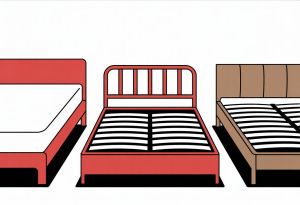
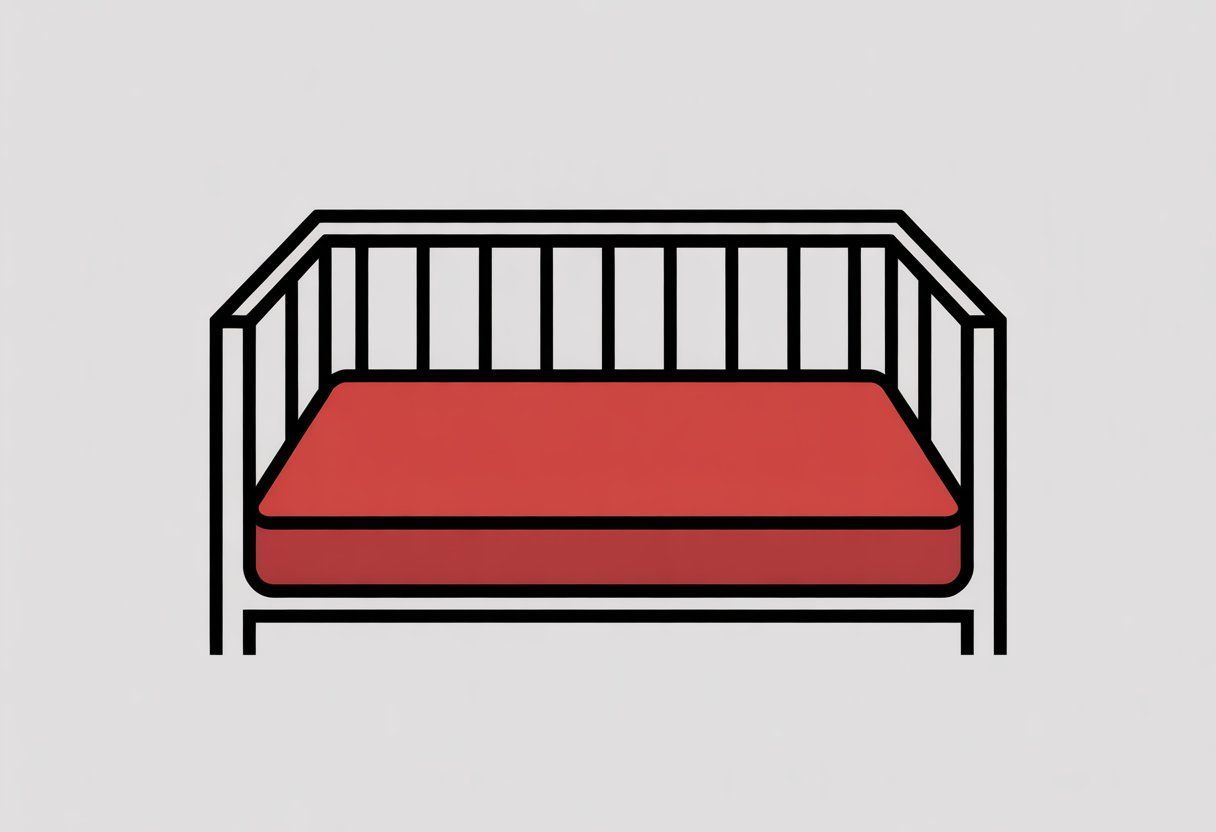
Choosing the right crib mattress is one of the most important decisions you'll make for your baby's sleep space. When deciding what type of mattress is best for a crib, parents often prioritize health certifications and material quality. Finding the best crib mattress means balancing safety, durability, and comfort for your newborn. Both foam and innerspring mattresses can be safe and effective options for your baby.
Your baby will spend countless hours sleeping on their mattress, so understanding what makes a crib mattress safe and comfortable matters. The right mattress needs to be firm enough to support your baby's developing body, fit snugly in the crib with no gaps, and meet current safety standards. With options ranging from budget-friendly foam to long-lasting innerspring models, knowing the differences helps you make a confident choice.
This guide breaks down everything you need to know about what type of mattress is best for a crib, covering safety requirements and features worth considering. When buying a crib mattress, safety and durability should be your top priorities. You will learn how to choose a crib mattress that meets your needs while ensuring a safe sleep environment. By evaluating firmness and understanding certifications, you can choose a model that works for your family without adding unnecessary stress.
Key Takeaways
-
Crib mattresses must be firm, fit snugly in your crib, and meet safety standards set after August 2022
-
Foam mattresses are lighter and less expensive while innerspring options typically last longer and offer more support
-
A waterproof mattress cover is essential to protect against leaks and prevent mould growth that could harm your baby
Crib Mattress Safety and Certification
Every crib mattress sold legally in the United States and Canada must meet strict safety standards that protect against suffocation and entrapment hazards. Beyond these mandatory requirements, third-party certifications verify that materials meet higher standards for chemical safety and air quality.
Safe Sleep Requirements for Babies
All crib mattresses must pass federal safety tests before reaching store shelves. These mandatory safety standards cover firmness, proper fit, durability, and construction quality.
The firmness requirement is the most critical for safe infant sleep. A firm surface prevents your baby's face from sinking in if they roll onto their stomach during sleep. Soft surfaces create dangerous pockets around the nose and mouth that can block breathing.
The fit test ensures no gaps exist between the mattress edge and crib frame to ensure a proper mattress fit. Standard crib mattress dimensions are strictly regulated to prevent these dangerous gaps. You should not be able to fit more than two fingers between the mattress and crib slats, as gaps create entrapment hazards where a baby's limbs could become trapped.
Impact durability testing simulates years of use, including toddlers jumping on the mattress. These tests confirm the internal structure won't break down, tear, or create lumps that compromise safety. Safe sleep practices require maintaining these safety features throughout the mattress's lifespan.
The Juvenile Products Manufacturers Association (JPMA) also certifies products that meet or exceed safety standards. JPMA certified products undergo independent testing to verify compliance with safe sleep guidelines.
Essential Certifications Explained
GREENGUARD Gold certification tests for over 10,000 chemicals and ensures low emissions in indoor environments. This Greenguard certification and Greenguard Gold certified designation specifically address air quality concerns in nurseries. Choosing a Greenguard Gold certified mattress helps maintain a healthy breathing environment for your infant. For even more peace of mind, some parents look for a baby crib mattress that is EWG Verified to ensure the highest safety standards.
CertiPUR-US applies only to polyurethane foam products. A CertiPUR-US certified baby mattress contains no ozone depleters, heavy metals like lead or mercury, formaldehyde, or regulated phthalates. This certification also limits total VOC emissions from foam. Using a CertiPUR-US certified model helps protect your child's breathing environment from harmful off-gassing.
Made Safe screens products against thousands of harmful substances across all materials and components. This broader certification examines the entire mattress construction, not just individual materials.
GOLS (Global Organic Latex Standard) verifies that latex contains at least 95% certified organic content. This matters if you're choosing a latex crib mattress for its natural materials and durability.
These certifications are voluntary. Manufacturers choose to pursue them to demonstrate their products exceed basic legal requirements for crib mattress safety.
Understanding Off-Gassing and VOC Emissions
Off-gassing occurs when materials release volatile organic compounds into the air. New products typically release more VOCs initially, with emissions decreasing over time. Chemical emissions from mattresses can include residues from manufacturing processes, adhesives, and flame retardant treatments. Minimizing these chemical emissions is vital for maintaining a healthy nursery environment.
Some VOC emissions are harmless, but others pose health concerns for developing infants. Formaldehyde, benzene, and certain phthalates are volatile organic compounds that warrant caution in nursery products.
GREENGUARD Gold certified mattresses meet stricter limits on VOC emissions than standard products. The certification requires testing in controlled chambers that measure exactly what chemicals release into the air over time.
To minimize exposure, unwrap and air out any new mattress in a well-ventilated area for 24-72 hours before use. This practice reduces initial off-gassing regardless of certification status.
Check the Consumer Product Safety Commission website regularly for crib mattress recalls. Recalls may involve safety defects discovered after products reach market, including issues with flammability, structural integrity, or undisclosed chemical content.
Key Factors to Consider When Choosing a Crib Mattress
The right crib mattress balances proper firmness for safe sleep with correct sizing to prevent gaps, while using materials that meet current safety standards.
Firmness and Support
Your baby needs a mattress that is much firmer than what feels comfortable to adults. Firmness is crucial for infant safety because soft surfaces have been linked to infant deaths.
The mattress should not indent or change shape when your baby lies on it. Press down on the centre and edges with your hand—the surface should push back quickly without conforming to pressure. In late 2022, new safety standards were put in place that require all crib mattresses to pass a firmness test.
How to test firmness:
-
Press firmly into the centre and edges
-
The mattress should spring back immediately
-
No visible indentation should remain
-
The surface should feel solid, not cushioned
Avoid memory foam or viscoelastic foam mattresses entirely. These materials are designed to soften and conform to weight, which is the opposite of what infants need for safe sleep.
Size, Fit and Dimensions
A properly fitted mattress leaves no more than a half-inch gap between the mattress edge and crib perimeter. Standard crib mattresses must measure at least 27¼ inches wide and 51¼ inches long, with a maximum thickness of 6 inches.
Test the fit before your baby uses the crib. Place two fingers between the mattress and crib frame at all sides—if you can fit more than two fingers, the gap is too large. Babies can become trapped in spaces that are too big, creating a suffocation hazard.
Mini cribs and oval cribs require non-standard mattresses. These should come with the crib to ensure proper fit.
Materials and Construction
Two main types dominate the market: foam and innerspring. Foam mattresses use high-density polyurethane foam, weigh 8 to 13 pounds, and cost between $40 and $400. They're lighter and easier to lift when changing sheets.
Innerspring mattresses contain steel coils surrounded by cotton or foam padding. They weigh 10 to 20 pounds and range from $60 to $1,300 or more. Judge innerspring quality by coil count—more coils provide better support. Look for 80 to 200-plus coils per mattress.
Steel gauge matters too. Lower numbers mean thicker steel and firmer support. Border rods around the edges add extra firmness where babies often sit or stand.
Types of Crib Mattresses: Pros and Cons
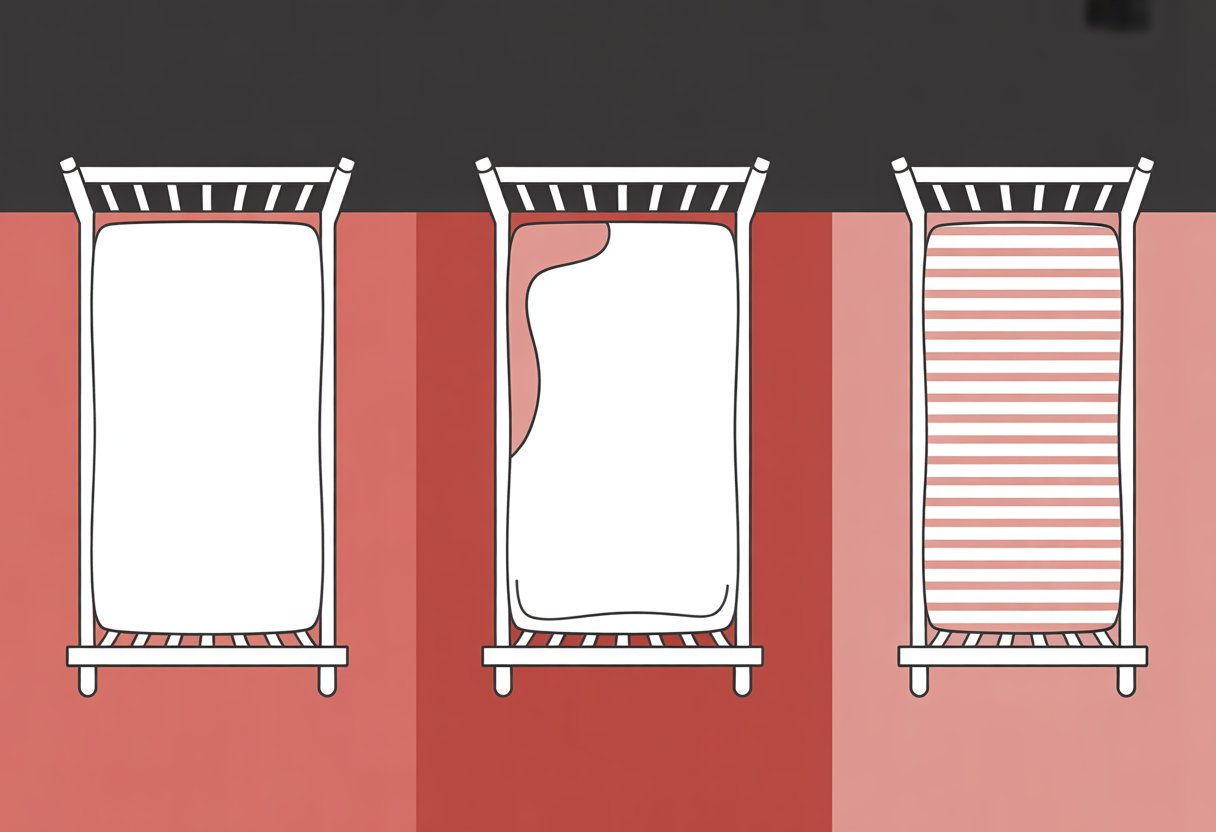
Foam crib mattresses weigh less and cost less than innerspring models, while innerspring options offer more support through steel coils. Organic mattresses use natural materials like certified organic cotton, and breathable designs claim to improve airflow.
Foam Crib Mattresses
A foam baby crib mattress is made from high-density polyurethane foam and is a popular choice for new parents. This type of mattress for infants is popular because it provides the necessary firmness for safety. These mattresses typically weigh between 8 and 13 pounds, making them easier to lift during sheet changes.
Foam crib mattresses cost between $40 and $400. The lighter weight and lower price point make them appealing for many parents.
Advantages of foam mattresses:
-
Easy to manoeuvre and handle
-
Generally less expensive
-
Lightweight design
Disadvantages to consider:
-
May wear out faster than innerspring options
-
Can compress over time
-
Shorter lifespan with repeated use
You need to replace a foam mattress once it starts to soften or compress beneath your baby's weight. The mattress must stay firm throughout use to remain safe.
Innerspring Models
An innerspring mattress contains steel coils surrounded by cotton or foam cushioning. These mattresses weigh between 10 and 20 pounds and cost from $60 to $1,300 or more.
The coil count determines firmness and quality. You'll find innerspring mattresses with 80 to more than 200 coils. More coils provide better support for your baby.
Steel gauge measures the thickness of the coil springs. Lower gauge numbers mean thicker steel, which creates a firmer sleeping surface. Some innerspring mattresses include border rods—steel bars around the edges for extra firmness.
Benefits of innerspring mattresses:
-
More durable than foam options
-
Longer lifespan
-
Better support through higher coil counts
-
Firmer sleeping surface
Drawbacks include:
-
Heavier weight
-
Higher price point
-
More difficult to lift and move
Organic and Natural Options
An organic crib mattress uses natural materials such as certified organic cotton, natural latex, or wool. These mattresses must contain at least 95 per cent organic material to carry an organic seal from the Department of Agriculture.
The GOTS (Global Organic Textile Standard) requires at least 95 per cent certified organic materials. This GOTS standard also prohibits certain compounds like phthalates and chemical flame retardants. Many of the best crib mattresses carry the GOTS label to verify their ecological and social responsibility. Many parents choose this for a baby mattress to minimize exposure to synthetic substances.
Natural materials offer an alternative to synthetic options. Wool, organic cotton, and natural latex provide firmness without chemical treatments.
Pros of organic mattresses:
-
Free from harmful chemicals
-
Natural, sustainable materials
-
Third-party certifications available
-
No synthetic flame retardants
Cons to weigh:
-
Higher cost than standard options
-
Limited availability
-
May require special care
The best organic crib mattress still needs to meet firmness requirements regardless of materials used.
Breathable and Hybrid Designs
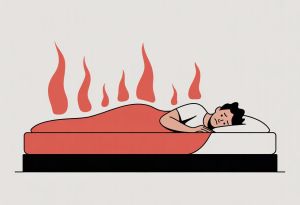
A breathable crib mattress features materials designed to promote airflow. A breathable mattress can help with temperature regulation throughout the night. Manufacturers claim these reduce overheating and suffocation risks, though the American Academy of Paediatrics states there's no evidence that breathable mattresses prevent SIDS.
A hybrid mattress offers two sides—one firm side for infants and a slightly softer side for toddlers. These are also called two-stage or convertible crib mattresses. Both sides must meet safety firmness standards for newborns.
Advantages of breathable designs:
-
Improved air circulation
-
Temperature regulation
-
No harm in choosing them if they meet safety standards
Advantages of hybrid options:
-
Extended use through toddler years
-
Two firmness levels in one mattress
-
Cost-effective for long-term use
You can flip a hybrid mattress when your child transitions from infant to toddler. The mattress should still fit snugly in the crib with no gaps larger than half an inch.
Popular Features and Functional Add-Ons
Modern crib mattresses offer practical features that make life easier for parents, from protective covers that handle daily messes to dual-sided designs that grow with your child. These add-ons can affect both your budget and how long the mattress lasts.
Waterproof and Washable Covers
A waterproof crib mattress cover protects against leaks, spit-up, and diaper accidents that inevitably happen. Superior washability is a major factor for parents, as it ensures the sleeping surface remains hygienic. Investing in a high-quality waterproof crib mattress is one of the most practical decisions you can make. Most mattresses come with a waterproof vinyl cover built in to protect the core. This waterproof vinyl cover acts as a primary barrier, but you should always add a separate machine-washable cover on top for easier cleaning.
Look for covers that are:
-
Machine-washable for quick cleanup after accidents
-
Waterproof or water-resistant to prevent moisture from reaching the mattress
-
Stain-resistant to keep looking fresh longer
-
PVC-free and phthalate-free for safer materials around your baby
-
Stain-resistant cover to help the mattress look new longer
-
Water-resistant cover for extra protection against spills
Some covers have a flannel backing that feels softer against your baby's fitted sheet. A baby crib mattress with a removable cover makes washing simple since you can strip it off and toss it in the machine. Choosing a washable mattress helps maintain a clean and healthy sleep environment. A stain-resistant cover also provides an extra layer of defense against permanent marks. Keep at least two washable mattress covers on hand so you always have a backup ready.
Dual-Sided and Reversible Mattresses
A dual-sided mattress gives you two firmness levels in one product. The infant side stays extra firm for newborns while the toddler side offers slightly softer support once your child transitions from a crib.
These reversible crib mattresses are also called two-stage or convertible mattresses. Both sides must meet safety firmness standards for newborns, but the waterproof toddler side typically has a bit more cushioning. Most manufacturers label which side is which and include guidelines on when to flip.
The dual-sided firmness extends the mattress's useful life. You buy one mattress that works from birth through toddlerhood instead of purchasing two separate products. This makes a dual-sided mattress more cost-effective over time.
Mini Crib and Toddler Mattress Options
Mini crib mattresses fit smaller cribs designed for tight spaces or travel. These aren't standard size, so you need to buy the best mini crib mattress that matches your specific crib model.
Each mini crib should come with its own properly fitted mattress. The gap between the mattress edge and crib frame must not exceed half an inch to prevent safety hazards. Standard crib mattresses won't work in mini cribs since they're too large.
A toddler crib mattress can be the same product you used for your infant if you bought a dual-sided option. Otherwise, you'll need to purchase a separate toddler mattress when your child outgrows the firm infant side. Check that any toddler mattress still fits snugly in your crib frame with no gaps.
Affordability and Longevity
An affordable crib mattress doesn't mean sacrificing safety or quality. Foam mattresses typically cost $40 to $400 and weigh less, making sheet changes easier. Innerspring options run $60 to $1,300 or more but usually last longer.
Foam mattresses:
-
Lighter weight (8-13 pounds)
-
Lower price point
-
May wear out faster
-
Need replacement if they soften or compress
Innerspring mattresses:
-
Heavier construction (10-20 pounds)
-
Higher coil count means better support
-
More durable over time
-
Better for multiple children
Your mattress should maintain its firmness throughout use. If it starts to indent under your baby's weight or loses shape when you put on a fitted sheet, replace it immediately regardless of price. A dual-sided mattress offers better value since it works from infancy through toddler years without needing replacement.
Recommended and Notable Crib Mattresses
Several tested mattresses consistently earn high marks from parents in 2026. The list of best crib mattresses includes options ranging from premium organic models to affordable foam designs. Identifying the best crib mattress for your needs involves checking both safety labels and customer reviews. High-quality Greenguard Gold certified mattresses are often at the top of these lists for health-conscious families.
Top-Rated Choices for 2026
The Moonlight Slumber Little Dreamer performs well in independent testing and offers solid construction at a mid-range price point. This dual-firmness mattress features a firmer infant side and slightly softer toddler side, extending its usefulness as your child grows.
The Naturepedic Organic Lightweight Classic crib mattress combines organic materials with practical design. It weighs less than many innerspring options, making sheet changes easier while maintaining the firmness babies need.
The Babyletto Pure Core features a non-toxic foam core with a waterproof cover. It fits standard cribs properly and meets current safety standards for firmness and sizing.
These mattresses all comply with regulations requiring mattresses manufactured after August 15, 2022, to pass firmness testing. Each option maintains its shape under your baby's weight without indenting.
Best Organic and Breathable Picks
The Naturepedic Organic Breathable crib mattress carries GOTS organic certification and features waterproof layers made without PVC or phthalates. This innerspring model includes a washable cover that simplifies cleanup after diaper leaks.
The Lullaby Earth mattress uses plant-based foam and food-grade polyethylene for waterproofing instead of vinyl. It contains no flame retardants, latex, or allergens.
Naturepedic's various organic crib mattresses meet strict material standards. They're made with at least 95 per cent organic materials and avoid harmful chemicals like formaldehyde and heavy metals.
These premium options cost more than basic foam mattresses, typically ranging from £300 to £500 or higher. The investment provides peace of mind about materials touching your baby's skin during sleep.
Budget-Friendly Recommendations
The Graco Premium Foam Crib and Toddler Mattress costs around £90 and includes a machine-washable cover. Parents report satisfaction with its firmness and durability through multiple children.
The Sealy Soybean Foam-Core uses soybean-based foam as a more sustainable alternative to traditional polyurethane. It typically costs between £100 and £150, positioning it as an affordable mid-range choice.
Budget foam mattresses generally range from £40 to £150. They weigh less than innerspring models (around 8 to 13 pounds), making them easier to lift when changing sheets.
Check that any budget mattress meets current CPSC safety standards and maintains firmness without compressing under your baby's weight. A quality budget mattress that fits your crib properly and stays firm provides the same safety as pricier options.
Practical Tips for Buying and Using a Crib Mattress
When buying a crib mattress, you need to focus on safety certifications, proper fit, and long-term care practices. Understanding what to look for during shopping and how to maintain your purchase will help you make a smart decision.
Shopping Advice and Red Flags
Always check that the crib mattress meets current safety standards set after August 15, 2022, when new firmness requirements came into effect. The mattress should feel very firm to your touch and shouldn't indent when you press down on it.
Measure your crib before buying a baby mattress to ensure there are no dangerous gaps. A proper fit means no more than a half-inch gap between the mattress and crib sides. You shouldn't be able to fit more than two fingers in the space.
Watch out for these red flags when shopping:
-
Mattresses that feel soft or cushy
-
Memory foam options marketed for cribs
-
Used mattresses that show wear or indentation
-
Products without clear manufacturing dates
-
Mattresses that don't specify their firmness testing
Be cautious of vague marketing terms. Words like "breathable" or "natural" don't guarantee safety or quality. Look for specific certifications like Greenguard certification, GOTS certification, or a CertiPUR-US certified seal instead.
Check if the retailer offers a trial period. Some companies provide a 100-night free trial that lets you return the mattress if it doesn't work for your needs. Finding the best crib mattress often requires testing it in your specific nursery environment to ensure you are happy with the firmness.
Maintenance, Cleaning and Mattress Care
Buy a waterproof mattress cover before your baby arrives. This protects the mattress core from leaks, spit-up, and moisture that can lead to mould growth. Choose covers labelled as phthalate-free or vinyl-free for added safety.
Clean your waterproof cover by wiping it with a damp cloth and mild soap after accidents. Let it air dry completely before putting sheets back on. Some covers allow machine washing on a gentle cycle.
If liquid reaches the mattress itself, act quickly. Blot the area with a dry towel to absorb as much moisture as possible. Spot clean with soap and water, then let the mattress dry thoroughly before covering it again.
Inspect your crib mattress regularly for signs of wear. Replace it immediately if you notice:
-
Soft spots or indentations
-
Tears in the cover
-
Loose or broken seams
-
Mould or mildew growth
-
Sagging edges
The washability of your mattress or its removable cover matters more than you might think. Having multiple covers on hand means you can swap them out quickly during nighttime accidents.
Understanding Warranty and Trials
Most crib mattresses come with warranties ranging from one year to lifetime coverage. Read the warranty terms carefully before buying. Many warranties only cover manufacturing defects like broken coils or split seams, not normal wear or stains.
Trial periods give you time to ensure the mattress works for your family. A 100-night free trial is common in the industry. During this time, you can return the mattress if you're not satisfied.
Keep your receipt and register your product with the manufacturer. This documentation proves your purchase date if you need warranty service. Take photos of any defects as soon as you notice them.
Be aware that warranties typically become void if you:
-
Remove or damage the law label
-
Use the mattress without a waterproof cover
-
Expose it to liquids that reach the core
-
Modify the mattress in any way
Some higher-end mattresses with features like wavesupport technology or specialised cores offer extended warranties. Weigh whether these longer guarantees justify the extra cost for your situation.
Frequently Asked Questions
Choosing the right crib mattress involves understanding firmness requirements, safety standards, material options, and proper sizing to keep your baby safe and comfortable during sleep.
What should I consider when choosing a crib mattress for my baby?
You need to check that the mattress fits snugly in your crib with no gaps larger than two fingers between the mattress and crib sides. A proper fit prevents your baby from getting trapped in spaces that could cause injury.
The mattress should feel very firm when you press down on it. Soft mattresses increase suffocation risks for infants who cannot yet lift or turn their heads independently.
Look for a waterproof cover that you can wipe clean easily. Babies have frequent diaper leaks and spit-up incidents that will soil the mattress surface.
Weight matters if you plan to change sheets frequently. Foam crib mattresses weigh less than innerspring options, making them easier to handle during regular bedding changes.
Are there specific safety standards for crib mattresses in Canada?
Health Canada regulates crib mattresses under the Canada Consumer Product Safety Act. All crib mattresses sold in Canada must meet specific requirements for flammability, lead content, and phthalate levels.
The mattress must fit the standard crib dimensions of 52 cm by 28 cm, with a maximum thickness of 15 cm. These measurements ensure the mattress works safely with cribs that meet Canadian safety standards.
Look for certification labels that show the mattress meets Canadian safety requirements. These labels indicate the product has been tested and approved for infant use.
How does mattress firmness impact an infant's safety and comfort in a crib?
A firm mattress reduces the risk of suffocation by preventing your baby's face from sinking into the sleep surface. Soft mattresses can conform around your infant's nose and mouth, blocking their airway.
Newborns and young infants lack the muscle strength to lift their heads or reposition themselves if they roll into an unsafe position. A firm surface provides optimal support and keeps their airways clear throughout the night.
You can test firmness by pressing your hand firmly into the centre of the mattress. The surface should bounce back quickly without leaving a hand impression.
Some crib mattresses feature a firmer side for newborns and a softer side for toddlers. You can flip these dual-firmness mattresses once your child reaches toddler age and has better head and neck control.
Can you explain the differences between foam and innerspring crib mattresses?
Foam mattresses use polyurethane foam or other foam materials as their core support layer. They weigh significantly less than innerspring options, making sheet changes and mattress flipping much easier.
Innerspring mattresses contain metal coils surrounded by padding and a cover. These mattresses tend to be heavier and more durable, often lasting through multiple children.
Foam mattresses typically cost less than innerspring models. However, you need to check the foam density to ensure it provides adequate firmness for infant safety.
Innerspring mattresses offer consistent support that doesn't break down as quickly over time. The coil system maintains its shape and firmness even with years of use.
Both types can be safe for your baby if they meet firmness requirements and safety standards. Your choice often comes down to budget, weight preferences, and how long you plan to use the mattress.
What is the recommended thickness for a crib mattress to ensure optimal safety?
Canadian safety standards limit crib mattress thickness to 15 cm (approximately 6 inches). This maximum height prevents your baby from climbing out of the crib as they grow older and more mobile.
Most crib mattresses range from 10 cm to 15 cm thick. Thinner mattresses may not provide enough support, while thicker ones can create a climbing hazard.
The mattress height affects the distance between the mattress surface and the top of the crib rail. You need to maintain proper rail height to prevent falls as your baby learns to pull up and stand.
Measure from the top of the mattress to the top of the crib rail in its lowest position. This distance should be at least 66 cm to keep your mobile baby safely contained.
How often should I replace or upgrade my child's crib mattress?
You should replace your crib mattress if you notice sagging, torn covers, broken springs, or permanent indentations. These signs indicate the mattress no longer provides proper support for safe sleep.
A well-maintained crib mattress can last through multiple children if it remains firm and intact. However, you need to inspect it carefully before reusing it with another baby.
Check for mould, mildew, or persistent odours that cleaning cannot remove. These issues can affect your baby's health and indicate it's time for a new mattress.
Some parents choose to transition their toddler to a different mattress when switching from a crib to a toddler bed. This timing depends on your child's age, size, and the specific bed you're using.
Replace the mattress immediately if it has been recalled or if you discover it doesn't meet current safety standards. Safety regulations update periodically, and older mattresses may not comply with newer requirements.