

















Finding a quality mattress on a tight budget doesn't mean you have to sacrifice comfort or support. Many affordable mattresses priced under $1,000 offer the same features as their expensive counterparts, including good pressure relief, motion isolation, and durability. The key is knowing which features matter most for your sleeping position and body type.
The Brooklyn Bedding CopperFlex at $665 ranks as one of the best cheap mattresses available, offering firm support and strong edge support in an all-foam design. Other top picks include the Bear Original for back sleepers and the DreamCloud Original for couples. These mattresses typically range from $359 to $999 for a queen size, with most including generous sleep trials and warranties.
Budget mattresses come in both foam and hybrid constructions, each with distinct benefits. Understanding what features you need based on your sleeping position, weight, and temperature preferences will help you choose the right affordable mattress. This guide covers the best cheap mattress options, what to look for when shopping, and how to find the best deals.
Key Takeaways
- Quality budget mattresses under $1,000 can provide the same comfort and support as expensive luxury beds
- All-foam mattresses typically cost less than hybrids, but both types can offer excellent value depending on your needs
- Look for mattresses with sleep trials of at least 100 nights and warranties of 10 years or more to ensure long-term value; National Mattress gives you 365 nights
Key Criteria for the Best Cheapest Mattress
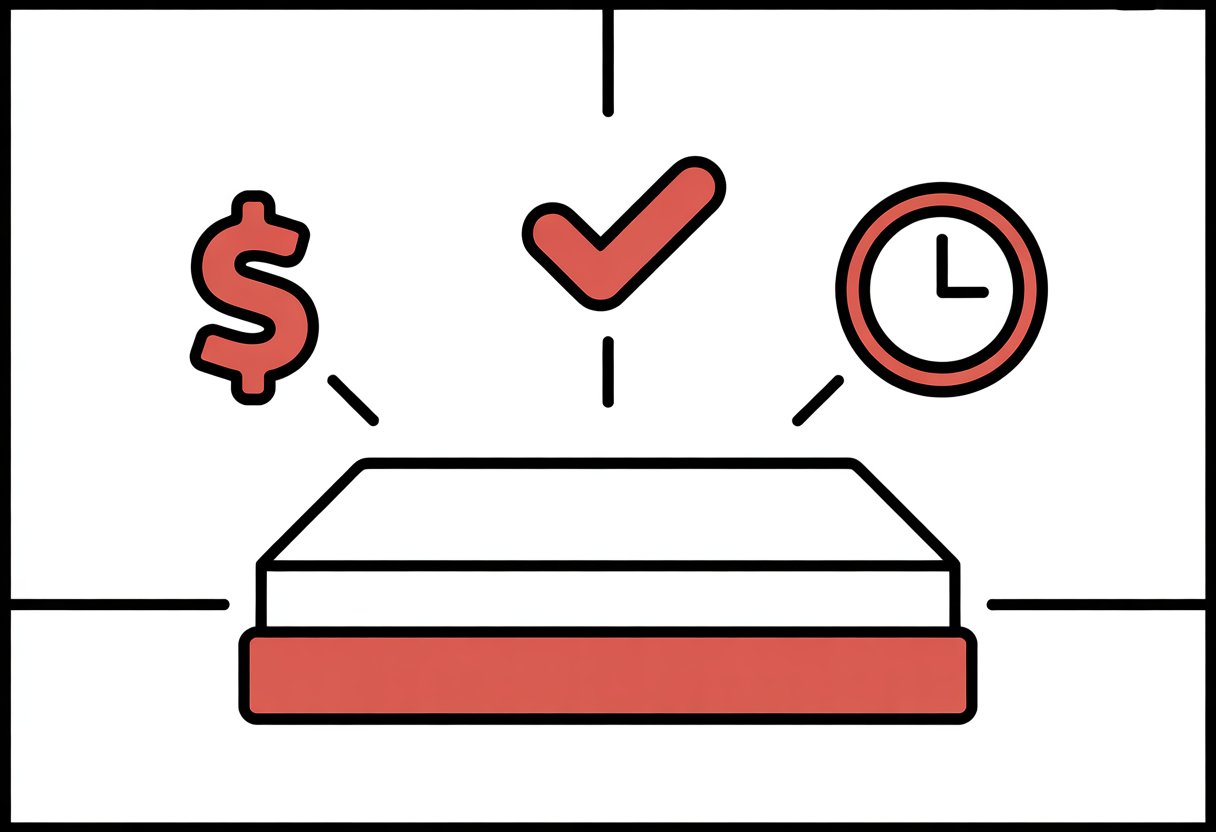
Finding a quality budget mattress means looking beyond just the lowest price tag. The best affordable mattress balances cost with durability, comfort, and proper support to ensure you get real value for your money.
Price Range and Value
Budget-friendly mattresses typically fall between $250 and $600 for a queen size. According to Consumer Reports' testing of budget mattresses, you can find quality options at these price points that perform well without spending thousands of dollars.
The key is understanding what you're getting for your money. All-foam mattresses are usually the most affordable option, with innerspring beds available at similar price points. When you see mattress deals or mattress sales, compare the original price to the sale price and check what features you might be sacrificing.
Budget-friendly beds won't include luxury features like thick covers or multiple specialty foam layers. That's okay if those extras don't matter to you. Focus on the core elements that affect your sleep quality rather than premium add-ons.
Durability and Construction
A cheap mattress needs to last several years to provide real value. Look for construction quality that will maintain its shape and support over time.
Consumer Reports tests durability by running a 300-pound roller across the mattress surface 30,000 times. This simulates years of use and shows how well budget mattresses hold up. Steel coils in innerspring models should be sturdy enough to resist sagging. Foam mattresses need adequate density to prevent premature breakdown.
Key durability factors include:
- High-density foam layers
- Quality steel coils in innerspring models
- Reinforced edges to prevent sagging
- Durable cover materials
The best cheap mattress maintains its support for at least 5-7 years. Avoid the very cheapest options under $200, as they often fail much sooner and end up costing you more in the long run.
Comfort and Support Features
Your budget mattress should support your body properly regardless of your sleeping position or weight. The mattress price shouldn't determine whether you wake up with back pain.
Firmness level matters significantly when choosing budget-friendly mattresses. You'll typically find soft, medium-firm, and firm options. Medium-firm works well for most sleepers and body types. Side sleepers often need slightly softer surfaces, while stomach sleepers require firmer support.
Essential support features to evaluate:
- Adequate cushioning layers
- Proper spinal alignment
- Pressure relief at shoulders and hips
- Minimal motion transfer for couples
Consumer Reports bases their comfort ratings on survey data from almost 67,000 mattresses. This real-world feedback shows that affordable mattress options can deliver genuine comfort when they include proper support structures and sufficient cushioning layers for your needs.
Popular Types of Budget Mattresses
Budget mattresses come in three main construction types that each offer different benefits. Foam mattresses provide pressure relief and motion isolation, hybrid mattresses combine springs with foam layers for balanced support, and innerspring mattresses deliver traditional bounce at lower prices.
All-Foam Mattress Options
An all-foam mattress uses only foam layers without any springs or coils. These beds typically include a base layer of high-density polyfoam topped with comfort layers of memory foam or other specialty foams.
Memory foam mattresses conform closely to your body and absorb movement well. This makes them good choices if you sleep with a partner or need extra pressure point relief. The best foam mattresses under $600 often use multiple foam densities to provide both support and cushioning.
All-foam options are usually the lightest budget mattresses. They compress for shipping and expand when unboxed. Foam mattresses sleep warmer than other types because they trap body heat, though some include gel infusions or open-cell foams to improve airflow.
The best affordable memory foam mattress choices cost less than $700 for a queen size. You can find basic foam models for around $250 to $300 during sales.
Hybrid Mattress Options
A hybrid mattress combines a coil support system with foam comfort layers on top. This construction gives you the bounce and airflow of springs plus the pressure relief of foam.
Hybrid mattresses typically cost more than all-foam or innerspring beds. However, an affordable hybrid mattress can still fit within a $600 budget if you shop carefully. The best cheap hybrid mattress options use pocketed coils that move independently rather than connected spring systems.
These beds suit back sleepers and stomach sleepers who need firmer support. The coil base prevents excessive sinking while the foam top layers cushion your shoulders and hips. Hybrid mattresses also sleep cooler than memory foam because air flows through the coil layer.
The best hybrid mattress models in the budget range usually have thinner comfort layers than premium hybrids. This keeps costs down but still provides adequate cushioning for most sleepers.
Innerspring and Other Budget Choices
Innerspring mattresses use steel coils as their primary support structure with thin padding on top. These are often the cheapest mattresses available, sometimes costing under $500 for a queen.
Traditional innerspring beds offer firm support and strong edge support. The best budget innerspring mattresses perform well in durability tests despite their lower prices. They work well for heavier sleepers who need extra support or anyone who prefers a bouncier sleep surface.
Innerspring mattresses transfer more motion than foam or hybrid options. If your partner moves frequently during sleep, you'll likely feel it.
Latex mattresses rarely appear in budget categories because latex costs more to produce. Innerspring and foam mattresses are less expensive due to simpler manufacturing processes.
Features That Matter Most in Affordable Mattresses
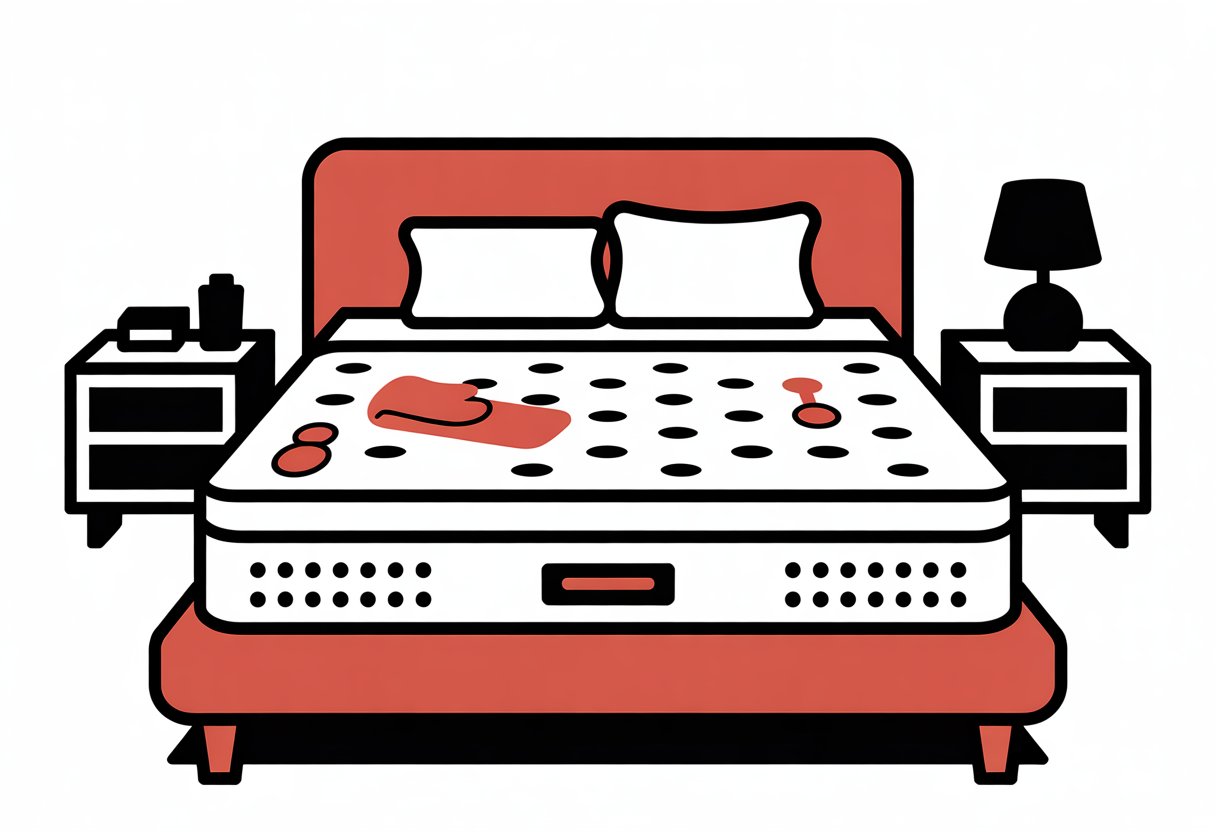
Budget mattresses can deliver quality sleep when they include the right features. The key is understanding which elements directly impact comfort, support, and durability rather than focusing on premium extras that don't affect sleep quality.
Pressure Relief and Support
Pressure relief determines how well a mattress cushions your body's heaviest points. Your hips and shoulders need proper cushioning to prevent pain and discomfort during sleep. Lower-priced mattresses won't always have multiple foam layers, but they should still provide adequate support for your spine alignment.
Pressure-relieving foam helps distribute your body weight evenly across the surface. Gel-infused memory foam and gel memory foam offer better contouring than standard foam while staying within budget. Some affordable models include zoned support, which provides firmer support under heavier areas and softer cushioning for lighter zones.
The foam density matters more than the number of layers. Higher-density foams maintain their shape longer and resist sagging. When evaluating lower-priced mattresses, focus on how well they keep their shape over time rather than luxury features like thick covers.
Edge Support and Motion Isolation
Edge support affects how much usable sleep surface you have. Strong edges prevent that rolling-off feeling when you sit or sleep near the mattress perimeter. Innerspring mattresses typically offer better edge support than foam models in the budget category.
Motion isolation prevents motion transfer between sleep partners. This feature is crucial if you share your bed with someone who moves frequently during sleep. Foam mattresses generally excel at motion isolation because they absorb movement rather than transferring it across the surface.
You can test edge support by sitting on the mattress corner. The edge should feel stable without excessive compression. For motion isolation, consider how much your partner's movements affect your sleep quality.
Cooling Technology and Materials
Cooling mattresses help regulate body temperature throughout the night. Budget options may not include advanced cooling technology, but certain materials naturally sleep cooler than others. Gel-infused foam and copper-infused foam dissipate heat better than traditional memory foam.
Cooling memory foam combines the contouring benefits of memory foam with temperature regulation. Copperflex memory foam takes this further by using copper's natural heat-conducting properties. These materials pull heat away from your body and disperse it through the mattress.
Breathable covers and open-cell foam structures improve airflow. Even affordable foam mattresses can include these features without significantly increasing the price. Look for materials designed to prevent heat retention if you tend to sleep hot.
Warranty, Certifications, and Sleep Trials
Budget mattresses often include protection periods of 10 years or more, industry-standard certifications that verify safety, and trial periods that let you test the product at home before committing permanently.
Understanding Mattress Warranties
Most affordable mattresses come with a 10-year warranty that covers manufacturing defects like sagging beyond a specific depth or coil failures. These warranties typically don't cover normal wear, stains, or damage from improper use.
Some brands offer a lifetime warranty, though these often have conditions that make claims difficult after the first decade. Read the fine print carefully to understand what qualifies as a defect versus normal breakdown.
Warranty coverage usually requires you to keep your receipt and use a proper foundation. Many warranties are prorated, meaning you'll pay a percentage of replacement costs after the first few years. Non-prorated warranties provide full replacements but are less common on budget options.
Certifications and Safety Standards
CertiPUR-US certification confirms that foam mattresses don't contain harmful chemicals like formaldehyde, heavy metals, or certain flame retardants. This standard also limits volatile organic compound emissions that can cause off-gassing odours.
GREENGUARD Gold certification goes further by testing for over 10,000 chemicals and setting stricter emission limits. Mattresses with this certification are particularly suitable for people with chemical sensitivities.
OEKO-TEX certification applies to textiles and ensures fabrics meet safety standards for skin contact. These certifications add value without significantly increasing price on many budget models.
Sleep Trials and Return Policies
Sleep trials typically range from 100 nights to one year, giving you time to adjust to your new mattress. National Mattress gives you the top of that range on every mattress: a 365-night sleep trial. Your body needs at least 30 days to adapt, so don't judge comfort after just a few nights.
Most companies require you to try the mattress for a minimum period before accepting returns. Return policies vary—some offer free pickup, while others require you to arrange shipping at your expense.
White-glove delivery services that include setup and old mattress removal are rare on budget models but worth checking for. Standard shipping usually means the mattress arrives compressed in a box at your doorstep. Some brands employ certified sleep science coaches who can help you choose the right firmness level during your trial period.
Tips for Finding Mattress Deals on a Budget
Smart shoppers can save hundreds of dollars by buying at the right time and knowing which promotions offer real value. The best deals combine seasonal timing with careful comparison of what's actually included in each offer.
Timing Your Purchase
Major mattress sales happen during predictable times throughout the year. You'll find the deepest discounts during holiday weekends like Victoria Day, Canada Day, and Labour Day.
Boxing Day and Black Friday also bring significant price drops. Many retailers clear out inventory in January and February to make room for new models.
Presidents' Day in the United States often triggers sales at Canadian retailers too. End-of-month periods can offer additional savings as sales staff work to meet quotas.
Best Times to Buy:
- Boxing Day (December 26)
- Victoria Day long weekend
- Labour Day weekend
- Black Friday/Cyber Monday
- January and February clearance events
Buying a floor model or previous year's version can save you 30-50% off regular prices. Ask about display models that have minimal use.
Comparing Online Mattress Sales
Online retailers often include sleep bundles with pillows, sheets, or mattress protectors. Some shoppers report wanting to spend under $800 and being attracted to these bundle offers.
Compare the actual mattress price first before factoring in extras. A $500 mattress with free pillows might cost less than a $400 mattress with a bundle that adds $150 to the price.
Check if shipping is included in the advertised price. Some deals look good until you add delivery fees at checkout.
Look for trial periods of at least 100 nights; National Mattress gives you 365. This lets you test the mattress at home without risk.
What to Watch for in Promotions
Real discounts lower the base mattress price. Some promotions inflate original prices to make sales look bigger than they are.
Free accessories should be bonuses, not reasons to buy. A poor-quality mattress with free pillows is still a poor-quality mattress.
Red Flags in Promotions:
- "Limited time" offers that run continuously
- Unclear return policies or restocking fees
- Required accessories that increase the total cost
- No information about mattress construction or materials
Check if the promotion includes white-glove delivery and old mattress removal. These services can cost $100-200 separately.
Read the fine print on warranties. Budget mattresses should still include at least a 10-year warranty covering defects.
Frequently Asked Questions
Budget mattress shopping raises common questions about quality, value, and smart purchasing decisions. Understanding firmness levels, materials, and where to find reliable information helps you make confident choices without overspending.
What are the top considerations when searching for an affordable mattress?
Your sleep position should guide your firmness choice. Side sleepers typically need softer surfaces to cushion shoulders and hips, while back and stomach sleepers usually require firmer support.
Weight also affects which mattress works best for you. Lighter individuals often feel comfortable on softer mattresses, while heavier sleepers need firmer models to prevent excessive sinking.
Material type impacts both price and performance. All-foam mattresses tend to be the cheapest, with traditional innerspring options also offering budget-friendly prices.
Look for sleep trial periods that let you test the mattress at home. A 100-night trial gives you time to determine if the bed meets your needs; a 365-night sleep trial like National Mattress's gives you a full year.
Which mattress brands offer the best value for a tight budget?
Several manufacturers focus specifically on affordable pricing while maintaining quality construction. These companies often sell directly to consumers online, which cuts out middleman costs.
Entry-level mattresses typically cost under $500 for a queen size. Many reputable brands offer models in this price range that provide adequate support and comfort.
When evaluating brands, check their warranty terms. A 10-year warranty indicates the manufacturer stands behind their product quality.
Customer service matters too. Brands that offer clear return policies and responsive support teams provide better value even if their initial prices seem slightly higher.
How can one assess the quality of a budget-friendly mattress?
Mattress density indicates durability and support potential. Higher-density foams resist sagging better than lower-density alternatives, though they cost more.
Check the coil count and gauge in innerspring and hybrid models. More coils typically provide better support, while lower gauge numbers indicate thicker, sturdier wire.
Review the warranty coverage carefully. Quality mattresses should resist significant sagging for several years, and warranties that cover deep impressions reflect manufacturer confidence.
Off-gassing odour strength can signal foam quality. Some smell is normal with new foam mattresses, but overwhelming chemical odours may indicate lower-quality materials.
Test edge support by sitting on the mattress perimeter. Quality construction prevents excessive compression around the edges, giving you more usable sleeping surface.
What types of mattresses provide comfort without breaking the bank?
All-foam mattresses rank as the most affordable option. These beds use layers of polyfoam or memory foam to provide pressure relief and support without the cost of coil systems.
Innerspring mattresses offer another budget-friendly choice. Traditional coil construction costs less to manufacture while still providing adequate support for many sleepers.
Hybrid designs combine foam comfort layers with coil support cores. While typically pricier than all-foam options, some hybrid models still fall into affordable price ranges.
Memory foam provides contouring pressure relief that works well for side sleepers. Gel infusions help these mattresses sleep cooler, though they add to the cost.
Polyfoam mattresses offer a firmer feel at lower prices. These work particularly well for back and stomach sleepers who need more surface-level support.
Where can consumers find reputable reviews of economical mattresses?
Independent testing organisations provide unbiased mattress evaluations. These groups purchase mattresses themselves and test performance across multiple categories.
Consumer forums and discussion boards offer real-world experiences from actual buyers. Look for detailed reviews that mention specific sleep positions, body types, and timeframes.
Manufacturer websites list specifications like foam densities, coil counts, and layer construction. This technical information helps you compare models directly.
Avoid reviews on sites that primarily exist to drive sales through discount codes. These platforms often prioritise commission-earning recommendations over honest assessments.
Look for reviews that mention both positives and negatives. Balanced perspectives provide more reliable information than purely promotional content.
What are some tips for maintaining a mattress to ensure longevity?
Rotate your mattress 180 degrees every three to six months. This practice distributes wear evenly across the surface and prevents premature sagging in high-use areas.
Use a mattress protector from day one. These covers shield against spills, sweat, and allergens that can break down materials over time.
Provide proper support with an appropriate foundation. Most mattresses require either a solid platform, slatted base with proper spacing, or box spring depending on construction type.
Allow new mattresses to air out for several hours before use. This ventilation helps dissipate manufacturing odours and lets materials fully expand.
Keep your mattress clean by vacuuming the surface monthly. This removes dust, dead skin cells, and other debris that accumulate during normal use.
Avoid jumping or standing on your mattress. Excessive force can damage internal structures and void manufacturer warranties.
 by
by 


