
Plush mattresses feel soft and comfortable at first, but they come with some real problems that can affect your sleep quality and health. The main disadvantages of a plush mattress include poor spinal alignment, inadequate support for certain body types and sleep positions, potential back and neck pain, excessive sinking, and reduced durability compared to firmer options. When asking what are the disadvantage of a plush mattress, one must consider how the lack of resistance compares to what is a firm mattress. To understand the risks, it is first necessary to define what is a plush mattress and how its soft surface differs from a more supportive medium mattress or firm model.
While a plush mattress might seem like sleeping on a cloud, a comfortable mattress should balance sinkage with support. That extra softness can cause your body to sink too deeply into the mattress. This creates issues with proper spinal alignment, which leads to back pain, neck problems, and poor sleep quality over time. Plush mattresses are only suitable for certain sleepers since their firmness and support system do not work well for all body types or sleeping styles.
Many shoppers search for the best plush mattress without realizing how the extreme softness might affect their long-term health. Knowing what is a plush mattress and understanding these drawbacks before you buy can save you from months of uncomfortable sleep. This article covers the specific problems with plush mattresses and helps you find the best plush mattress for your needs, or decide if you should avoid them entirely.
Key Takeaways
-
Plush mattresses can cause spinal misalignment and back pain by allowing your body to sink too deeply into the surface
-
They work poorly for stomach sleepers, back sleepers, and heavier individuals who need more support
-
Plush mattresses typically wear out faster and may trap heat more than firmer options
Understanding Plush Mattresses
Plush mattresses feature extra soft comfort layers that create a cushioned feel when you lie down. Many consumers ask what is a plush mattress before visiting a showroom, as the term often describes a luxury feel similar to a high-end hotel mattress or a plush euro-top mattress. Choosing a comfortable mattress is subjective, but understanding the construction is vital. These beds typically rank between 3-5 on the standard mattress firmness scale.
Defining Plush Mattress Comfort
A plush mattress provides a softer sleeping surface compared to medium or firm options. When you press down on the surface, your body sinks into the comfort layers rather than resting on top of the mattress.
The cloud-like softness comes from thicker comfort layers that sit above the support core. These top layers compress under your weight to create a hugging sensation around your shoulders, hips, and other pressure points.
Plush mattresses differ from ultra-soft or ultra-plush models, which offer even more cushioning. Most plush options still maintain enough support to keep your spine aligned, though they feel noticeably softer than medium-firm beds. The key difference is how much you sink into the mattress surface when you lie down.
Common Materials and Construction
Plush mattresses use specific materials in their comfort layers to achieve their soft feel. Memory foam is the most common choice because it contours closely to your body shape. Gel memory foam adds cooling properties to traditional memory foam while maintaining the same soft cushioning effect.
A latex mattress can also provide plush comfort when manufacturers use softer latex densities in the top layers. Natural latex offers more bounce than memory foam while still delivering pressure relief.
Many plush beds feature a pillow top mattress or euro top mattress design. A pillow-top mattress adds an extra layer of padding sewn onto the surface. A euro top mattress integrates the extra padding flush with the edges, creating a cleaner silhouette. Choosing a euro top design often provides a more cohesive feel than a traditional pillow-top. Note that a euro-top can still suffer from the same support issues as other soft beds.
The quilted cover on plush models typically contains additional soft materials like cotton, wool, or foam. Below these comfort layers sits a firmer support core made from springs or high-density foam that prevents excessive sinking.
Mattress Firmness Scale and Plush Ratings
The mattress firmness scale runs from 1 to 10, with 1 being the softest and 10 being the firmest. Plush mattresses typically rate between 3-5 on this scale.
A rating of 3 represents a very soft plush feel with significant sinkage. A rating of 4-5 offers moderate plushness with better support. A medium mattress usually sits at 5-6, while firm options range from 7-9. Lightweight sleepers often find these levels of plush comfort more supportive than heavier individuals do.
Manufacturers don't always use consistent rating systems, which makes comparing plush mattresses challenging. One brand's "plush" might feel like another brand's "medium-soft." Your body weight affects how firm a mattress feels to you. Lightweight sleepers experience less compression in the comfort layers, making the bed feel firmer than it would for heavier individuals. For these smaller frames, the cushioning provides necessary pressure relief without sacrificing all support.
Potential Downsides for Sleep Support
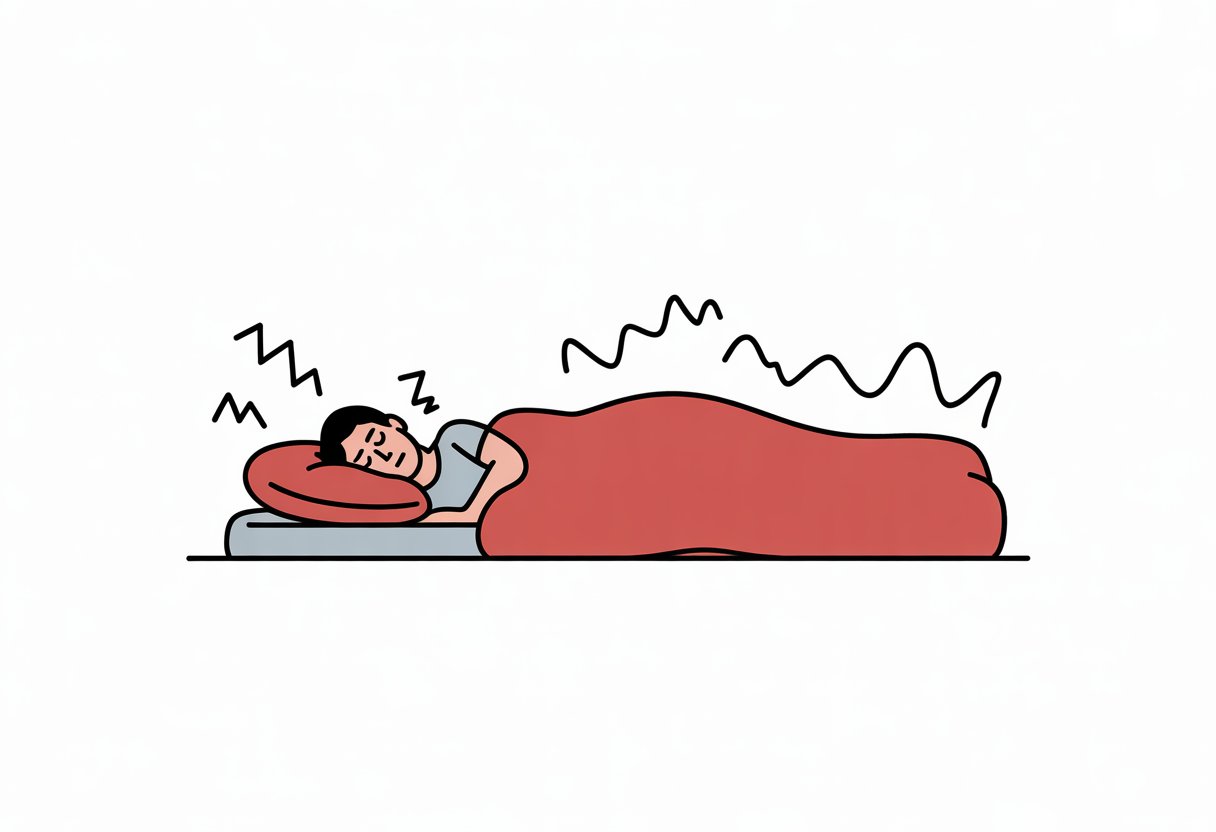
Plush mattresses can create problems with proper body support during sleep. When a mattress is too soft, your body may sink too deeply, which affects how your spine sits throughout the night.
Risk of Poor Spinal Alignment
Your spine needs to maintain its natural curve while you sleep. A plush mattress may not provide enough resistance to keep your spine properly aligned. When you sink too far into soft materials, your hips and shoulders can drop lower than your midsection.
This creates an unnatural curve in your spine. Your lower back might arch excessively, or your upper back might round forward. Poor spinal alignment can lead to back and neck issues over time.
The problem gets worse if you're a back or stomach sleeper. These positions need more support from the mattress to keep your spine straight. Side sleepers can also experience alignment problems if the mattress is too soft, though they generally need more cushioning than other sleep positions.
Excessive Sinkage
Sinkage happens when your body presses down into the mattress layers too much. While some sinkage is normal and even beneficial, too much creates problems. Stomach sleepers may find their hips dip too far into the mattress, which puts strain on the lower back.
The support core of a plush mattress includes thick comfort layers on top. These layers compress under your weight. If they're too thick or too soft, you sink past the point where the firmer support layers can help you.
You might also notice it's harder to move or change positions during the night. This happens because you're nestled deeply into the mattress materials. Over time, excessive sinkage can lead to permanent indentations in the mattress surface.
Inadequate Support for Some Sleepers
Mattress firmness matters differently depending on your body weight. If you're a heavier person, a plush mattress often won't provide enough support. The soft layers compress more under additional weight, which means less support from the mattress support core.
Plush mattresses offer more pressure relief but potentially less support, which creates a trade-off. People over 100 kilograms typically need a mattress higher on the firmness scale. A firm mattress provides better support for larger body types.
Couples may also struggle with plush mattresses. When one partner moves, the soft surface transfers that motion more easily. The lack of a solid support base means you feel your partner's movements. Sleepers with joint pain may initially prefer the soft feel, but a comfortable mattress must also keep the body from sagging.
Drawbacks for Different Sleeping Positions
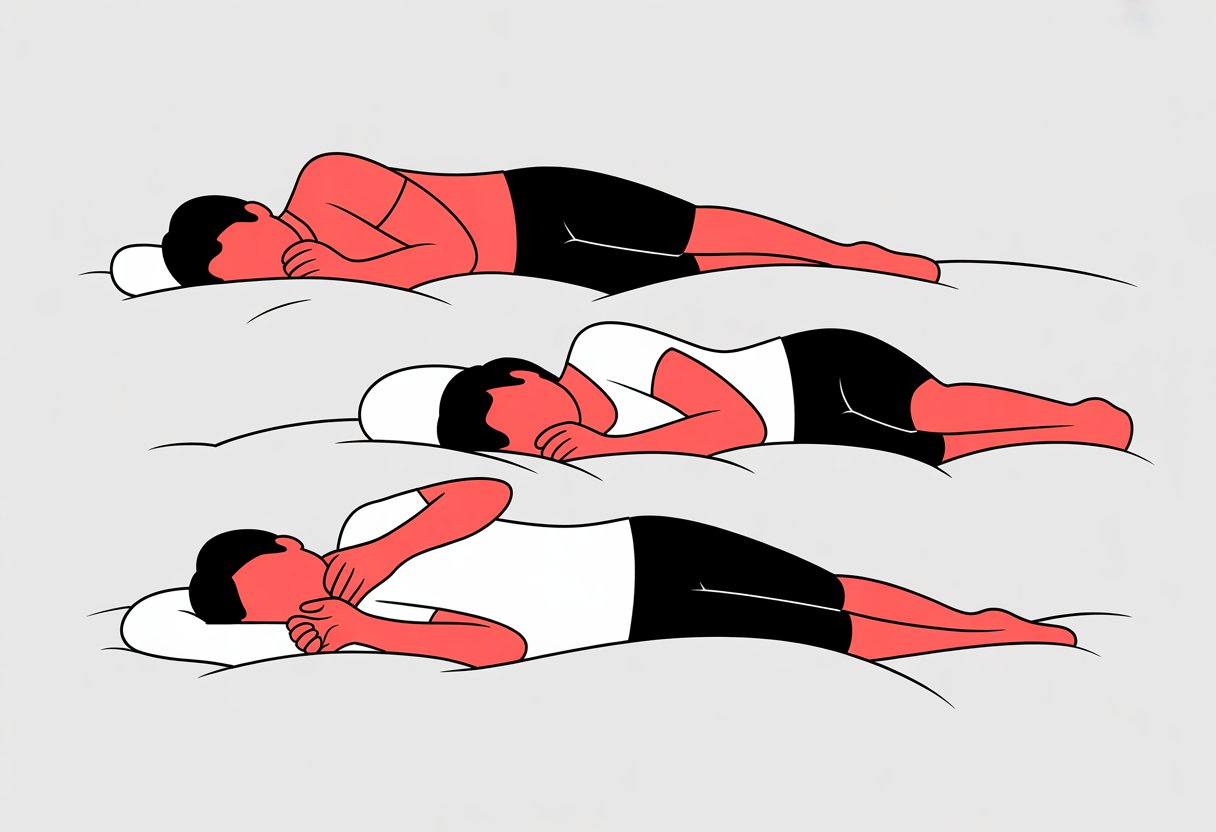
Plush mattresses affect each sleeping position differently, and what feels comfortable for one type of sleeper can cause problems for another. Your body weight also plays a major role in how well a plush surface supports you through the night.
Not Ideal for Stomach Sleepers
Stomach sleepers face the most challenges with plush mattresses. When researching mattresses for stomach sleepers, experts generally recommend a much firmer surface to prevent the midsection from dipping too far into the bed. When you sleep on your stomach, your hips are the heaviest part of your body and will sink deeper into a soft surface than your shoulders and legs.
This creates a U-shape in your spine that strains your lower back. Your neck also twists at an awkward angle to keep your face turned to the side for breathing. The soft surface won't support proper spinal alignment. Combination sleepers who move frequently may find the deep sinkage of a plush hybrid frustrating.
Stomach sleepers need a firmer surface that keeps their hips level with their shoulders. A plush mattress works against this need by allowing too much sinkage in the midsection.
Back Sleeper Concerns
Back sleepers need moderate support to maintain the natural curve of their spine. A plush mattress can allow your lower back and hips to sink too far while your upper back stays more elevated.
This misalignment puts pressure on your lumbar region. Overly soft mattresses can lead to poor spinal alignment, even though moderately soft options might work for some back sleepers.
You might wake up with lower back pain or stiffness if the plush surface is too soft for your weight. Combination sleepers who switch between back and side positions throughout the night may find a plush mattress works when they're on their side but causes problems when they roll onto their back.
Heavyweight Sleepers and Plush Mattresses
Heavyweight sleepers sink deeper into any mattress surface, and this effect intensifies with plush options. If you weigh over 230 pounds, a plush mattress will likely compress too much under your body weight.
You'll experience excessive sinking that prevents proper support. Your spine won't stay aligned, and you may feel like you're sleeping "in" the mattress rather than "on" it. This can make it difficult to change positions during the night. The choice of mattress sizes can also amplify the feeling of being stuck in the soft layers. Larger mattress sizes often exhibit more noticeable sagging in the center if the support core is inadequate.
Sleepers with joint pain who are also heavier may think a plush surface will help cushion their pressure points. However, the lack of support often creates more problems than it solves. The mattress needs enough firmness to hold your weight while still offering some cushioning for sensitive joints.
Other Comfort and Performance Issues
Plush mattresses can present several practical challenges beyond their initial soft feel. Heat buildup, weak perimeter stability, and movement transmission affect how well these beds perform over time.
Heat Retention in Plush Mattresses
Plush mattresses often trap more body heat than firmer options because of their deep cushioning layers. When you sink into the soft foam or fibre padding, less air circulates around your body during the night. Memory foam versions are particularly prone to this issue since the material naturally absorbs and holds warmth.
Your body temperature can rise uncomfortably if the mattress lacks cooling technology. Many plush models use thick comfort layers that act as insulation between you and any breathable support core below. Side sleepers who already prefer plush surfaces may find themselves waking up hot and sweaty, especially during warmer months.
Some manufacturers add gel infusions or ventilation channels to combat heat problems. However, these features don't always solve the core issue of excessive cushioning materials surrounding your body.
Reduced Edge Support
The perimeter of a plush mattress typically compresses more easily than the centre sleeping surface. When you sit on the edge to put on shoes or get into bed, you'll notice significant sinking that makes the mattress feel unstable. This happens because the soft comfort layers extend all the way to the borders without adequate reinforcement.
You lose usable sleeping space when edges collapse under weight. Couples who sleep near the sides may feel like they're rolling off the bed during the night. Getting in and out becomes more difficult for older adults or anyone with mobility concerns.
Foam encasement or reinforced coils can improve edge stability, but most plush mattresses still perform worse than medium-firm alternatives in this area.
Increased Motion Transfer in Some Models
While some plush mattresses isolate movement well, others transmit motion across the sleeping surface when your partner shifts positions. All-foam plush beds generally absorb movement better than innerspring or hybrid versions with traditional coil systems. The bouncy nature of springs amplifies motion rather than dampening it.
You might wake up each time your partner gets up during the night if your plush mattress uses interconnected coils. The deep sinking that occurs in ultra-soft beds can also create a valley effect that causes both sleepers to roll toward the middle. This reduces the motion isolation you'd expect from a comfortable mattress. Without proper motion isolation, every movement by a partner can disrupt your sleep cycle throughout the night.
Durability, Maintenance, and Cost Concerns
Plush mattresses often require more upkeep than firmer options and typically come with a higher price tag. These beds may also show signs of wear faster due to their softer construction materials.
Wear and Sagging Over Time
Plush mattresses tend to develop body impressions and sagging more quickly than firmer models. The soft comfort layers compress under your weight night after night, which can create permanent indentations where you sleep most often.
This happens because the materials in plush mattresses are less dense by design. They're made to feel soft and cushiony, but this means they can't resist compression as well as firmer foams or springs.
Heavier sleepers face faster deterioration. The extra weight puts more stress on the comfort layers, causing them to break down sooner.
Most manufacturers offer warranties that cover sagging beyond a certain depth, usually 2.5 to 4 centimetres. However, many plush mattresses develop noticeable body impressions that fall just below these warranty thresholds. You might feel uncomfortable long before your mattress qualifies for replacement.
Maintenance Requirements
You'll need to rotate your plush mattress every three to six months to prevent uneven wear. This helps distribute the compression across different areas of the bed.
A mattress protector is essential for plush beds. These mattresses can absorb moisture more easily than firmer options because their open-cell structure allows liquids to penetrate deeper. Protecting your investment from spills, sweat, and stains becomes critical when dealing with softer materials.
Spot cleaning requires immediate attention. When accidents happen, you must blot liquids quickly before they soak through multiple layers. Deep cleaning a plush mattress is difficult because the thick comfort layers take longer to dry completely.
Some people add a mattress topper to extend the life of their plush bed, but this adds another item you need to maintain and replace periodically.
Higher Price Points
Plush mattresses cost more than firmer options because they require additional comfort layers and premium materials. A luxury mattress with plush construction can cost anywhere from $2,000 to $5,000 or more, depending on the brand and materials used.
The extra expense comes from multiple foam or fibre layers needed to create that soft, cushiony feel. These materials cost more to source and manufacture than the simpler construction of firm beds.
You're also paying for a shorter lifespan. Since plush mattresses wear out faster, you'll need to replace them sooner than a firmer model. This means your cost per year of use increases significantly.
Budget-conscious shoppers should carefully consider whether a plush mattress fits their financial situation. Even mid-range plush options typically cost more than comparable firm mattresses. Budget-conscious shoppers should compare the longevity of their choice against the best firm mattress on the market.
Many retailers offer a sleep trial period, which lets you test whether the higher investment is worth it for your comfort needs. This trial period becomes especially important given the premium you're paying.
Plush vs. Firm and Other Mattress Types
Understanding how plush mattresses compare to other options helps you identify which type matches your sleep needs and body requirements. Each mattress category offers distinct benefits and drawbacks that affect comfort, support, and long-term satisfaction.
Plush vs Firm Mattress Considerations
Plush mattresses are softer and provide more cushioned surfaces, while firm mattresses offer more stability with less give. The main disadvantage of choosing plush over firm is that plush options may not provide adequate spinal support for certain sleepers. Firm mattresses help maintain a neutral spine position and prevent your lower back from collapsing during sleep.
Your body weight plays a major role in this decision. Heavier sleepers often sink too deeply into plush mattresses, which can misalign the spine and reduce sleep quality. Stomach sleepers might find their hips dip too far into plush surfaces, creating an uncomfortable arch in the lower back.
Firm mattresses also promote better blood circulation by reducing pressure on your circulatory system. Plush mattresses can restrict airflow and trap heat due to their thicker comfort layers. To understand what is a firm mattress, look for a surface that offers immediate resistance. Choosing the best firm mattress is often better for those who need maximum stability and alignment.
Plush vs Medium and Hybrid Mattresses
A medium-firm mattress sits between plush and firm options, offering balanced support and cushioning. A standard medium mattress is often preferred over a plush memory foam mattress for those who need more stability. Medium-firm mattress options provide more versatility because they accommodate different sleeping positions. Plush mattresses are only suitable for certain sleepers since their softness doesn't work for all body types or sleep styles.
Hybrid mattresses combine innerspring coils with foam or latex comfort layers. They can be built as plush, medium, or firm options. A plush hybrid still carries the same disadvantages as traditional plush mattresses—potential spine misalignment and excessive sinking for heavier individuals. The coil system in hybrids does provide better edge support and temperature regulation than all-foam plush mattresses, but this doesn't eliminate the core support issues that come with plush comfort layers.
Comparing to Memory Foam, Innerspring, and Latex Options
Memory foam mattresses can be manufactured in plush or firm versions. Plush memory foam models create deep body contouring that some sleepers find excessive. This material also retains more heat than other mattress types, which becomes worse in plush configurations with thicker comfort layers.
Innerspring mattresses typically offer firmer support due to their coil systems. An innerspring mattress with a plush top layer combines bounce with softness, but you may still experience the durability issues common to plush designs—they grow softer over time and lose support faster than firmer models.
Latex mattresses provide responsive support with natural temperature regulation. Plush latex versions offer better durability than plush memory foam, but they still present alignment challenges for stomach sleepers and heavier individuals. Latex also costs more than other materials, making plush latex mattresses one of the most expensive options available.
Who Should Avoid a Plush Mattress?
Plush mattresses work well for some sleepers but can cause problems for others based on body type, sleeping position, and health conditions. Certain groups of people may experience discomfort or worsening symptoms when sleeping on a surface that's too soft.
Sleepers with Specific Health Needs
If you're a stomach sleeper, a plush mattress can let your hips dip too far into the mattress, which throws your spine out of alignment. This misalignment puts strain on your lower back and neck throughout the night.
People who weigh more than average should also avoid plush mattresses. When you're heavier, you sink deeper into soft surfaces, which reduces support where you need it most. This sinking effect makes it harder to maintain proper spinal alignment and can lead to back and hip pain.
Back sleepers with existing back problems need to be careful with plush options. While some cushioning helps, too much softness fails to support the natural curve of your spine. The lack of support can worsen existing conditions rather than provide relief.
Those looking for mattresses for back pain should consider that plush mattresses may not improve spinal alignment because the surface allows excessive sinking. Proper alignment is essential for healthy sleep and pain management.
Couples with Different Preferences
Plush mattresses may not be suitable for couples because they transfer motion more easily than firmer options. When your partner moves during the night, you're more likely to feel it through the soft surface layers.
If you and your partner have different body weights, a plush mattress creates problems. The heavier person sinks deeper, creating an uneven sleeping surface that causes both of you to roll toward the middle. This makes it difficult to maintain your preferred sleeping positions throughout the night.
Temperature differences between partners also become more noticeable on plush mattresses. The extra comfort layers trap more body heat, which can make the warmer sleeper uncomfortable even if the cooler sleeper feels fine.
Long-Term Sleep Health Implications
Plush mattresses make it harder to change sleep positions throughout the night because you sink into the surface. This restriction means you might stay in one position too long, which can reduce circulation and cause stiffness.
Over time, sleeping on a surface that's too soft can train your body into poor posture habits. Your muscles work harder to compensate for the lack of proper support, leading to chronic tension and fatigue. You might wake up feeling tired even after a full night's sleep.
The compromised spinal alignment from excessive sinking doesn't just affect your sleep quality. It can contribute to long-term issues like chronic back pain, neck stiffness, and reduced mobility. These problems often develop gradually, making it harder to connect them to your mattress choice until the damage is already done.
Frequently Asked Questions
Plush mattresses raise several concerns about spinal alignment, pressure distribution, and suitability for different body types and sleep positions. Understanding these potential drawbacks helps you make an informed decision about whether a softer sleeping surface meets your specific needs.
What potential issues might arise from sleeping on a plush mattress?
Your body may sink too deeply into a plush mattress, causing your spine to bend unnaturally during sleep. This excessive sinking can create pressure point problems in areas like your hips and shoulders.
You might experience difficulty moving or changing positions during the night. The soft surface can make you feel stuck or trapped, which disrupts your natural sleep movements.
Plush mattresses can also trap more body heat than firmer options. The extra cushioning layers reduce airflow around your body, potentially causing you to sleep warmer throughout the night.
Are there any long-term health effects associated with using a very soft mattress?
Sleeping on a mattress that's too soft can lead to chronic back pain over time. When your spine stays in poor alignment night after night, the surrounding muscles must work harder to compensate, leading to ongoing discomfort.
You may develop muscle stiffness and joint pain from inadequate support. Your body needs proper alignment during sleep to allow muscles and tissues to recover from daily activities.
Poor sleep quality from an unsuitable mattress can affect your overall health. Insufficient rest impacts your immune system, mood, cognitive function, and energy levels during waking hours.
How does a plush mattress affect back and neck support during sleep?
A plush mattress often lacks proper spinal alignment support because it allows your body to sink unevenly. Your heavier areas, like your hips and shoulders, sink more deeply than lighter areas, creating an unnatural curve in your spine.
Your neck may bend at uncomfortable angles when your shoulders sink too far into the mattress. This misalignment can cause neck stiffness, headaches, and upper back tension.
The lack of resistance in a very soft mattress means your muscles stay engaged throughout the night. Instead of relaxing completely, your body works to maintain proper positioning, preventing truly restorative sleep.
Can plush mattresses cause problems for certain sleeping positions?
Stomach sleepers face significant challenges with plush mattresses. Your hips can dip too far into the mattress, forcing your spine into an exaggerated arch that strains your lower back.
Back sleepers may also struggle with proper support on very soft surfaces. Without adequate firmness, your lower back loses its natural curve, and your body forms a hammock-like position that creates pressure on your spine.
Side sleepers generally tolerate plush mattresses better than other positions. However, even side sleepers can experience problems if the mattress is so soft that proper spinal alignment becomes impossible.
Is there a difference in durability between plush and firmer mattresses?
The firmness level itself doesn't determine how long your mattress lasts. Both plush and firm mattresses can last around ten years when constructed with quality materials.
Plush mattresses contain thicker comfort layers that may compress or develop body impressions faster than firmer options. These extra layers experience more stress from your body weight sinking deeper into the surface.
The support core matters more than the firmness for longevity. A mattress needs at least half its total thickness dedicated to the support layer to prevent premature sagging, regardless of how soft or firm the top feels.
Could a soft mattress exacerbate pre-existing sleep-related discomfort or pain?
If you have shoulder, neck, or back pain, a plush mattress might worsen your symptoms rather than relieve them. The lack of adequate support can increase pressure on already sensitive areas.
Your existing pain conditions require proper spinal alignment for healing and recovery. When a too-soft mattress prevents this alignment, your body cannot repair itself effectively during sleep.
You may notice increased morning stiffness and soreness after sleeping on a plush surface. These symptoms indicate that your mattress isn't providing the support your body needs to recover from daily strain and stress.