

















Finding the best mattresses for back sleepers requires attention to specific features that support proper spinal alignment. Choosing the best mattress for back sleepers overall ensures that your body weight is distributed evenly. Selecting the right mattress for back pain can significantly improve your quality of life. Many shoppers compare the best mattresses for back sleepers to find the right balance of price and performance.
Whether you are looking for the best memory foam mattress or a supportive mattress, searching for mattresses for back sleepers requires finding designs that offer targeted reinforcement. Selecting a specialized memory foam mattress for back sleepers can help distribute weight evenly across the surface.
Experts often suggest that the best mattresses for back pain must feature high-density foams to support the lumbar region. Finding the best mattresses for back sleepers often starts with evaluating firmness levels and material density. A truly supportive mattress will provide enough push-back to prevent the spine from bowing.
Back sleepers need a mattress with medium to medium-firm support that keeps the spine neutral while providing enough cushioning to relieve pressure on the lower back and shoulders.
Without adequate support, your hips can sink too far into the mattress, creating an unnatural curve in your spine that leads to discomfort and poor sleep quality.
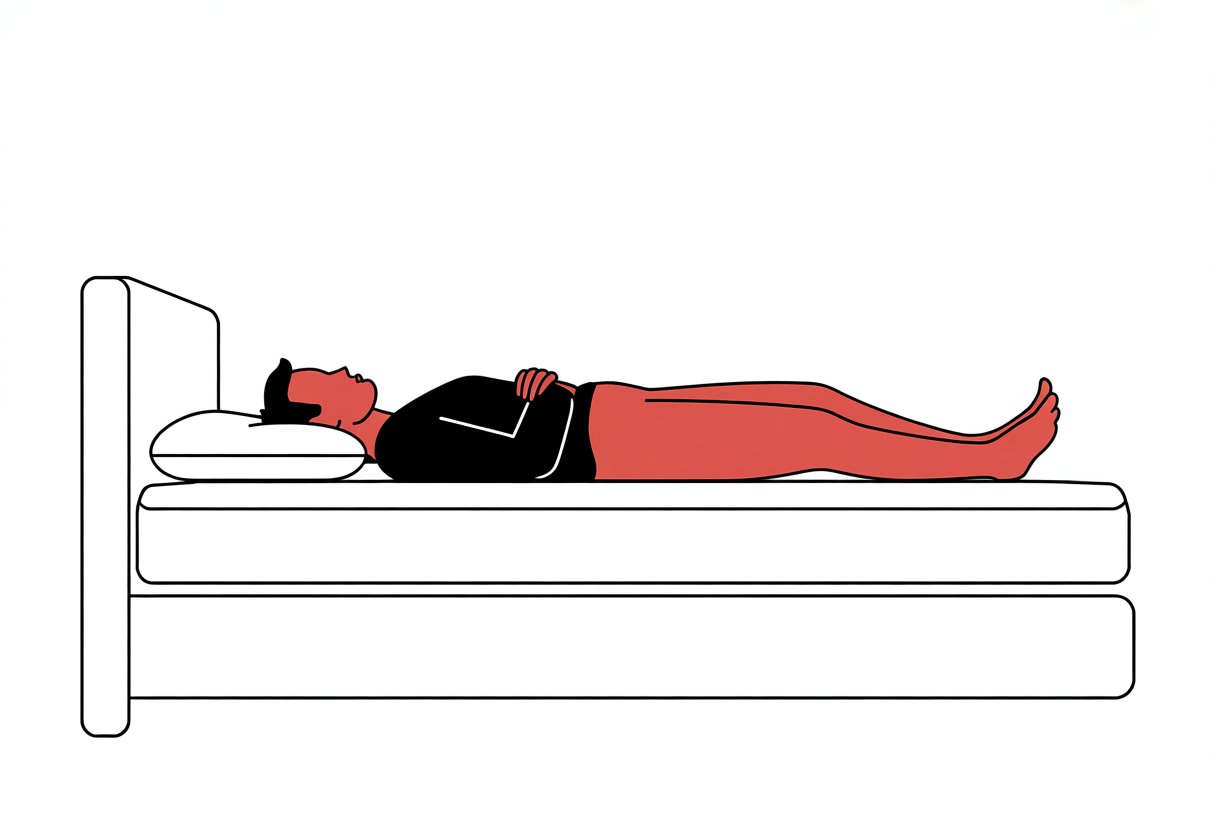
The challenge lies in balancing firmness with comfort. A mattress that's too soft allows your body to sink excessively, while one that's too firm creates pressure points and gaps under your lower back. Professional mattress testing shows that medium-firm options rated between 6 and 7 out of 10 provide the ideal combination for most back sleepers, though your specific needs may vary based on body weight and personal preferences.
Understanding which mattress types, materials, and features work best for back sleeping positions helps you make an informed decision. This guide covers the essential characteristics to look for, explores different mattress constructions, and explains how to choose a bed that keeps your spine aligned throughout the night.
Key Takeaways
Medium to medium-firm mattresses rated between 6 and 7 out of 10 provide optimal support for back sleepers
Proper spinal alignment requires balanced support that prevents excessive sinking while cushioning pressure points
Mattress type, materials, and construction all affect how well a bed supports back sleeping positions
Key Mattress Features for Back Sleepers
Back sleepers need mattresses that balance support and comfort to maintain proper spinal position throughout the night. The right combination of firmness, support systems, and pressure-relieving materials prevents pain and promotes restful sleep.
Optimal Firmness and the Firmness Scale
The mattress firmness scale runs from 1 to 10. When comparing models, the firmness rating helps you determine how much support you will receive. Most back sleepers perform best on mattresses rated between 6 and 7.5 on this scale.
A medium-firm mattress typically rates around 6 to 6.5 out of 10. This firmness level provides enough support to keep your spine aligned whilst offering sufficient cushioning for comfort. Testing mattresses for back sleepers shows that medium-firm options work well across different body types.
Your body weight plays a role in determining the best firmness for you. Lighter sleepers under 60 kg often need slightly softer surfaces around 5.5 to 6.5. Average-weight sleepers between 60 and 105 kg typically prefer the 6 to 7 range. Heavier sleepers over 105 kg usually need firmer options between 7 and 8 to prevent excessive sinking. The best mattress for heavy back sleepers often includes reinforced edge support and high-density base layers. Additionally, a dedicated mattress for heavy back sleepers must prioritize structural integrity to prevent sagging over time. Selecting the best mattress for heavy back sleepers ensures that the lumbar area remains lifted throughout the night. For those seeking premium comfort, the best luxury mattress will often combine multi-stage cooling with advanced pressure-relief materials.
A firm mattress isn't always better for back sleepers. Too much firmness can create gaps between your lower back and the mattress surface, leading to muscle strain. However, the best firm mattress for back sleepers provides enough surface tension to prevent the midsection from drooping. Finding the best firm mattress involves ensuring it fills the gap under the lumbar spine without causing shoulder discomfort.
Spinal Alignment and Lumbar Support
Neutral spinal alignment means your spine maintains its natural S-curve whilst you sleep. When you lie on your back, your mattress should support this curve without creating pressure points or gaps.
Lumbar support is critical for back sleepers. This area of your lower back needs adequate lift to maintain neutral spine position. Without proper lumbar support, your hips can sink too deeply, causing your spine to curve unnaturally.
Zoned support systems provide different firmness levels across the mattress surface. These systems typically offer:
Softer zones under shoulders and legs
Firmer zones under the lumbar region and hips
Medium support for the head and feet
The centre third of your mattress matters most for back sleeping. This section supports your heaviest body parts and determines whether your spine stays properly aligned. Quality mattresses use reinforced coils, denser foam, or latex in this zone to prevent sagging.
Pressure Relief and Contouring
Pressure points develop when your mattress doesn't distribute your body weight evenly. Back sleepers commonly experience pressure at the shoulders, lower back, and tailbone.
Contouring refers to how well a mattress moulds to your body shape. Too much contouring can cause you to sink excessively, whilst too little creates uncomfortable gaps. Back sleepers need moderate contouring that cushions pressure points without compromising support. Achieving proper pressure relief for back sleepers is essential for preventing tossing and turning.
Materials affect pressure relief differently:
Material | Contouring Level | Best For |
|---|---|---|
Memory foam | High | Gentle cradling |
Latex | Moderate | Responsive support |
Coils | Low to moderate | Firm support |
Your mattress should fill the gap beneath your lower back whilst keeping your hips from sinking too deeply. This balance prevents morning stiffness and reduces strain on your muscles during sleep.
Edge Support and Motion Isolation
Edge support determines how well your mattress holds up when you sit or sleep near the perimeter. Strong edges prevent roll-off and provide a larger useable sleep surface.
Reinforced perimeter coils or high-density foam edges improve edge support. This feature matters if you share your bed, get in and out frequently, or use the full mattress surface.
Motion isolation measures how well your mattress absorbs movement. When your partner moves, shifts position, or gets out of bed, you shouldn't feel significant disturbance on your side.
Foam layers excel at motion isolation because they absorb vibrations rather than transferring them across the surface. Coil systems with individually wrapped springs also perform well by allowing each coil to move independently.
Back sleepers who share their bed benefit from both features. Selecting an appropriate mattress for couples ensures that one person's movements won't wake the other. Minimizing motion transfer is a key factor when a mattress for couples is chosen for shared sleeping spaces. Motion isolation keeps you undisturbed, whilst edge support provides stability.
Mattress Types for Back Sleepers
Back sleepers benefit from different mattress constructions depending on their weight, comfort preferences, and whether they switch positions during the night. Each mattress type offers distinct advantages in terms of support, pressure relief, and durability.
Hybrid Mattresses
A hybrid mattress combines foam or latex comfort layers with a pocketed coil support system. This design gives you the pressure relief of foam with the sturdy support and airflow of springs.
The coil base typically contains hundreds or thousands of individually wrapped pocket coils. These coils respond independently to your body weight and maintain spinal alignment when you sleep on your back. The foam or latex layers on top cushion your shoulders and hips without letting them sink too deeply.
Benefits for back sleepers:
Strong edge support for sitting
Better temperature regulation than all-foam options
Responsive feel that makes changing positions easier
Good motion isolation despite having springs
Hybrid mattresses work well for back sleepers of all weights. Many experts consider a high-quality model to be the best hybrid mattress for back sleepers because it delivers both durability and contouring. Heavier individuals especially benefit from the reinforced support that pocketed coils provide. High-quality hybrid mattresses for back sleepers typically feature high-density foams in the comfort layers and substantial coil systems underneath. A high-quality hybrid mattress for back sleepers provides enough bounce to prevent that stuck feeling.
Memory Foam Mattresses
Memory foam mattresses consist entirely of foam layers without any springs. These all-foam mattresses contour closely to your body shape and distribute your weight evenly across the surface.
A quality memory foam mattress uses high-density foams that support proper spinal alignment. The top layers conform to your pressure points while deeper support layers keep your spine neutral. When evaluating the best memory foam mattress for back sleepers, focus on the responsiveness of the foam to ensure you don't feel stuck. Back sleepers who occasionally roll to their side often prefer this cushioning effect.
Key considerations:
Foam density of 3 to 3.5 pounds works for sleepers under 200 pounds
Foam density of 4 to 5 pounds suits heavier individuals
Gel-infused memory foam helps with temperature regulation
Memory foam excels at motion isolation. You won't feel your partner moving during the night. However, these mattresses can trap heat and may feel too soft for strict back sleepers who need firmer support.
Innerspring Mattresses
An innerspring mattress uses a steel coil system as its primary support structure. Modern versions feature innerspring coils or pocketed coils rather than the connected coil systems of older mattresses.
These mattresses offer firm support that keeps your back elevated and aligned. The coil system provides bounce and makes moving around easier. Innerspring mattresses also sleep cooler than foam options because air circulates freely through the coils.
Performance factors:
Coil count affects support and durability
Coil gauge (thickness) impacts firmness
Comfort layers on top determine pressure relief
Back sleepers who prefer sleeping "on" rather than "in" their mattress often choose innerspring options. The firmer feel prevents excessive sinking while still providing some cushioning through the top comfort layers.
Latex and Organic Mattresses
A latex mattress uses natural or synthetic latex foam as its primary material. Natural latex comes from rubber tree sap and offers a bouncy, supportive feel that differs from memory foam.
Two processing methods create different latex types. Dunlop latex feels denser and firmer, making it ideal for support layers. Talalay latex has a lighter, more consistent feel suited for comfort layers. Many latex mattresses for back sleepers combine both types.
Latex advantages:
Naturally antimicrobial and hypoallergenic
Excellent durability lasting 10-15 years
Responsive surface that's not sinky
Better temperature neutrality than memory foam
The best organic mattress typically uses natural latex, organic cotton covers, and organic wool fire barriers. Finding the best organic mattress for back sleepers often leads to models that use Dunlop or Talalay latex for a responsive feel. These materials appeal to back sleepers seeking chemical-free sleep surfaces. Latex supports your spine without excessive contouring, though it feels firmer than memory foam initially.
Choosing the Best Mattress for Back Sleepers
Your body weight, sleep preferences, and any existing back pain all play a role in determining which mattress will work best for your back sleeping needs. Different sleepers require different levels of support and firmness to maintain proper spinal alignment throughout the night.
Body Type and Weight Considerations
Your weight directly affects how much you sink into a mattress and how well it supports your spine. Lighter back sleepers (under 130 pounds) often do well with medium to medium-firm mattresses that provide enough cushioning without creating excessive firmness. These sleepers need a surface that contours gently to their body shape.
Heavier back sleepers (over 230 pounds) typically need firmer mattresses with robust support systems to prevent excessive sinking in the hip area. A mattress designed for heavy back sleepers should have reinforced coils or high-density foam layers that resist compression. Without adequate support, your lower back can sag below your shoulders and legs, creating an unhealthy curve in your spine.
Average-weight sleepers (130 to 230 pounds) have the most flexibility in their choices. You can usually find comfort in medium-firm options that balance support with pressure relief. Most back sleepers in this weight range do well with mattresses rated between 6 and 7 out of 10 on the firmness scale.
Personal Preferences and Sleeping Habits
Your comfort preferences matter just as much as your body type when selecting a mattress. Some back sleepers prefer the responsive, bouncy feel of latex or hybrid mattresses, while others enjoy the contouring hug of memory foam. Temperature regulation is another key factor to consider. The best cooling mattress for back sleepers often utilizes phase-change materials to keep the sleep surface chilled. If you are a hot sleeper, identifying the best cooling mattress can prevent nighttime disturbances caused by overheating.
If you tend to sleep hot, look for cooling features in back sleeper mattresses such as breathable covers, gel-infused foams, or coil systems that promote airflow. Natural materials like latex and wool offer excellent temperature neutrality compared to traditional memory foam.
Your movement during sleep also affects your choice. If you change positions frequently throughout the night, you'll want a mattress with quick response time that makes it easy to move. Combination sleepers who spend part of the night on their back benefit from medium-firm surfaces that work well across multiple positions.
Budget considerations shouldn't force you to compromise on quality. Affordable options can still provide the support back sleepers need, though they may lack some luxury features like organic materials or extended comfort layers.
Specialised Mattresses for Back Pain and Heavy Back Sleepers
Back pain sufferers need mattresses that maintain neutral spinal alignment while relieving pressure points. Identifying the best mattress for back pain involves testing how well the surface supports the lumbar region. The best mattress for back sleepers with back pain often features zoned support to keep the hips elevated. A high-quality mattress for back pain should prioritize keeping the spine in a neutral position to alleviate strain. Mattresses for back sleepers with back pain should offer zoned support that provides extra reinforcement under your lower back and hips. Medium-firm mattresses typically work best, as they prevent both excessive sinking and uncomfortable firmness.
Look for mattresses with targeted lumbar support or transition layers that create a gradual shift from comfort to support. These design features help distribute your weight evenly and keep your spine in a neutral position. Avoid mattresses that are too soft, as they allow your hips to sink too deeply, creating an unhealthy arch in your lower back.
Heavy back sleepers need mattresses with enhanced durability and support. Thicker comfort layers paired with high-density support cores work best for preventing premature sagging. Hybrid constructions with reinforced coil systems often outperform all-foam options for heavier individuals. Organic and natural materials can be beneficial if you prefer eco-friendly options, though they typically come at a higher price point.
Top-Rated Mattresses for Back Sleepers in Canada
Canadian back sleepers have access to several high-performing mattresses designed to maintain proper spinal alignment and provide targeted support. These options range from all-foam constructions to hybrid designs that combine foam layers with coil systems for enhanced support and cooling.
Best Overall Mattress for Back Sleepers
The Sealy Cocoon has earned high performance scores among Canadian mattresses, providing a balanced feel for back sleepers. This all-foam mattress features a medium-firm feel that works well for those who need support without excessive sinkage.
The Sealy Cocoon provides minimal sinkage, which helps maintain your spine in a neutral position. It offers excellent pressure relief and exceptional motion isolation. The mattress recovers quickly, making it easy to shift positions during the night.
The Sealy Cocoon includes a trial period and long-term warranty. Its profile contains high-quality comfort layers made from gel foam and poly foam over a supportive base.
For budget-conscious shoppers, the Galaxy Bed-in-a-Box offers similar performance and value while maintaining proper support standards. It stands out as a top contender for the best value mattress in the Canadian market. This unit is widely regarded as the best affordable mattress for back sleepers looking for high-end features at a reasonable price. Finding the best affordable mattress for back sleepers means balancing cost with long-term material durability.
Best Hybrid Mattress Options
The Sealy Posturepedic Luxury Hybrid ranks as a top hybrid choice for Canadian back sleepers. This model is frequently cited as the best hybrid mattress for back sleepers in the Canadian market. This mattress comes in various firmness options, allowing you to choose based on your weight and preference.
Hybrid mattresses combine foam comfort layers with innerspring coils to deliver enhanced support and airflow. The coil system responds quickly to your movements and provides robust edge support, which proves particularly valuable for back sleepers who need consistent support across the entire surface.
The Serta Perfect Sleeper serves as a strong runner-up option. It features a medium-firm feel and delivers great edge support and response time, making it easier for you to move in and out of bed.
Best Memory Foam Mattress Choices
The Tempur-Pedic LuxeAdapt leads memory foam options with its advanced pressure-relieving material and medium firmness. Many testers rank this as the best memory foam mattress for back sleepers because it conforms specifically to the lumbar region. This mattress combines multiple layers of specialty foam to create a balanced feel. It provides moderate sinkage whilst maintaining excellent cooling performance.
The Stearns & Foster Lux Estate offers a premium experience with a medium-firm feel that suits most back sleepers. Memory foam mattresses from this line conform closely to your body's curves, which helps distribute pressure evenly along your spine.
The NM Foam mattress provides an affordable alternative for those seeking a memory foam mattress for back sleepers. With minimal sinkage and a slightly firm feel, it maintains proper spinal alignment for back sleepers who prefer less conforming support.
Recommended Picks for Cooling and Pressure Relief
The Sealy Posturepedic Plus specialises in temperature regulation with a medium firmness. This mattress incorporates cooling technologies that help prevent heat buildup during the night. Back sleepers who tend to sleep warm will benefit from its breathable construction.
For maximum pressure relief, both the Sealy Cocoon and Tempur-Pedic LuxeAdapt are excellent choices. The Sealy Cocoon's gel foam layers actively dissipate heat whilst cushioning pressure points along your shoulders and lower back. The Tempur-Pedic multi-layer construction provides similar pressure relief with enhanced breathability.
The NM Foam mattress combines cooling efficiency with responsiveness, making it suitable for back sleepers who prefer a more stable surface. Its profile and poly foam construction allow for better airflow compared to traditional memory foam designs.
Mattress Construction and Material Technologies
Modern mattresses use specific construction methods and materials to keep your spine aligned and your body comfortable. Features like targeted support zones and cooling technologies directly affect how well you sleep on your back.
Zoned and Targeted Support Systems
Zoned support divides your mattress into different firmness areas that match your body's weight distribution. Your hips and shoulders typically need more give, while your lower back requires firmer support to prevent sagging.
Targeted lumbar support reinforces the middle third of the mattress where your lower back rests. This prevents the common problem of your spine dipping into a U-shape when you lie on your back. Some mattresses use firmer foams in this zone, while others add extra coils or denser latex layers.
Pocketed coil systems can provide natural zoning because individual coils compress independently under different body parts. Foam mattresses achieve this through layering different foam densities. A supportive mattress for back sleepers needs enough resistance in the lumbar zone to keep your spine straight without creating uncomfortable pressure points at your shoulders or tailbone.
Advanced Cooling and Temperature Control
Back sleepers often experience heat buildup because more of their body surface touches the mattress compared to side sleepers. A cooling cover made from breathable materials like cotton or Tencel helps air circulate around your body. A specialized cooling cover helps prevent heat from becoming trapped in the upper foam layers.
Gel-infused memory foam contains tiny gel beads that absorb and disperse body heat more effectively than standard foam. Copper-infused memory foam takes this further—copper naturally conducts heat away from your body and has antimicrobial properties.
Innerspring and hybrid mattresses naturally sleep cooler because air flows between the coils. Some manufacturers add ventilation channels through foam layers or use open-cell foam structures that allow heat to escape. Temperature control matters most if you tend to sleep hot or live in a warm climate.
Durability, Value, and Material Quality
High-density foams (measured in pounds per cubic foot) last longer and maintain their support better than low-density options. Memory foam should be at least 4-5 pounds per cubic foot for sleepers over 200 pounds, while 3-3.5 pounds works for lighter weights.
A flippable mattress with usable surfaces on both sides can extend your mattress life significantly. You can rotate it regularly to prevent body impressions from forming in one spot. Using a flippable mattress allows you to extend the life of your bed by alternating the sleep surface. Some flippable designs offer different firmness levels on each side, giving you options if your comfort preferences change. This flexibility is helpful if your support needs change over several years of use.
Motion transfer resistance depends on your mattress construction. Pocketed coils and memory foam absorb movement better than traditional innerspring designs, which matters if you share your bed. A durable mattress should maintain its support for at least seven to ten years with proper care. Look for dense foams, quality coils (at least 12-gauge wire thickness), and reinforced edges that won't compress prematurely.
Health and Comfort Considerations for Back Sleepers
Back sleepers face unique challenges related to spinal alignment and pressure distribution that directly affect sleep quality and physical wellbeing. The right mattress firmness, proper support accessories, and understanding how sleeping position impacts your body can prevent chronic discomfort and improve rest.
Back and Neck Pain Management
Medium-firm mattresses offer the best balance for managing back pain when you sleep on your back. Research shows that medium-firm mattresses promote comfort and spinal alignment better than extra-firm or soft options. This is why a medium-firm surface is frequently cited as the best mattress for back sleepers with back pain.
Your lower back needs consistent support to maintain its natural curve. A mattress that's too soft lets your hips sink, creating an unnatural arch. A mattress that's too firm creates a gap between your lower back and the sleeping surface.
Back sleepers with existing back pain should look for mattresses rated around 6.5 out of 10 on the firmness scale. This firmness level keeps your spine neutral while cushioning pressure points at your shoulders and hips. A medium-firm feel is the most comfortable for back sleepers because it adapts to your body without excessive sinkage.
Sleeping Position and Spinal Health
Sleeping on your back naturally distributes your weight across the largest surface area of your body. Experts agree that sleeping on your back is often the best way to keep the spine in a neutral position. This reduces pressure on specific points compared to other positions.
Your spine has three natural curves that need support while you sleep. When back sleeping, your mattress must support your neck, mid-back, and lower back simultaneously. A nonsupportive mattress may allow sagging or flattening of the spine, which leads to morning stiffness and pain.
Back sleepers require firmer support than side sleepers but softer cushioning than what stomach sleepers need. Your mattress should keep your spine in the same alignment as when you're standing with good posture. If your hips sink too deeply, your spine curves unnaturally and strains muscles and ligaments.
Accessories and Additional Support
A proper pillow height prevents neck pain by keeping your head aligned with your spine. Back sleepers need a thinner pillow than side sleepers—just enough to fill the gap between your neck and mattress.
Consider these support accessories:
Lumbar pillows placed under your knees reduce lower back strain
Cervical pillows maintain neck curve alignment
Platform beds provide consistent mattress support without sagging
Your mattress foundation matters as much as the mattress itself. Box springs can develop weak spots that cause uneven support. Platform beds or solid foundations maintain consistent firmness across the entire sleeping surface.
Temperature regulation accessories like breathable mattress protectors help you stay comfortable throughout the night. Back sleeping already improves airflow around your body compared to other positions, but moisture-wicking materials enhance comfort further.
Frequently Asked Questions
Back sleepers need medium-firm mattresses that maintain spinal alignment, and factors like lower back support, firmness levels, and zoned construction directly impact sleep quality and pain relief.
What types of mattresses are recommended for individuals with lower back pain?
Hybrid mattresses with reinforced lumbar support work well for lower back pain. These mattresses combine individually wrapped coils with memory foam layers to distribute weight evenly while providing targeted support where you need it most.
Mattresses designed for back sleepers with lower back pain should have zoned support that provides extra cushioning in the lumbar region. This helps maintain the natural curve of your spine while you sleep on your back.
Memory foam mattresses can also help with lower back pain because they contour to your body shape. The foam responds to pressure and heat, creating a custom fit that supports your spine's natural alignment.
How does mattress firmness affect back sleepers?
Medium-firm mattresses rated around 6 to 6.5 out of 10 work best for most back sleepers. This firmness level provides enough support to keep your spine aligned without creating pressure points at your shoulders and hips.
Too soft creates problems because your hips sink too deeply into the mattress. This causes your spine to curve unnaturally and can lead to morning stiffness or pain.
Too firm pushes against your body's natural curves and creates gaps under your lower back. Your muscles stay tense trying to maintain proper alignment, which prevents quality rest.
Your body weight affects what firmness feels right. Heavier individuals typically need slightly firmer mattresses to prevent excessive sinking, while lighter people often prefer slightly softer surfaces that still provide adequate support.
Can mattress toppers or pads improve comfort for back sleepers?
Mattress toppers can add extra lumbar support to an existing mattress. Dense foam toppers designed specifically for lower back support help fill the gap between your spine and the mattress surface.
A topper won't fix a mattress that's completely worn out or structurally unsound. If your current mattress sags significantly or has noticeable indentations, you'll need a replacement rather than a temporary solution.
Toppers work best when your mattress is still in good condition but needs minor adjustments to firmness. They can add 2 to 4 inches of cushioning that changes how the surface feels without replacing the entire support system.
Choose toppers made from high-density materials that won't compress quickly. Low-quality foam breaks down within months and stops providing the support your back needs during sleep.
What should back sleepers consider when choosing a pillow to complement their mattress?
Your pillow height matters as much as mattress firmness for back sleepers. The pillow should fill the space between your neck and the mattress without tilting your head forward or backward.
Medium-loft pillows typically work best because they maintain neutral head alignment. Your ears should line up with your shoulders when lying on your back, creating a straight line from your head through your spine.
Pillow firmness needs to match your mattress firmness. A softer mattress requires a slightly lower pillow because your shoulders sink more deeply, while a firmer mattress needs more loft to bridge the gap.
Memory foam and latex pillows hold their shape better than traditional fill materials. They provide consistent support throughout the night without flattening or bunching up under your head and neck.
How do sleeping positions influence the longevity of a mattress?
Back sleepers typically extend mattress lifespan compared to side or stomach sleepers. Weight distributes more evenly across the surface when you sleep on your back, reducing concentrated pressure that causes premature sagging.
Mattresses used exclusively by back sleepers may last 8 to 10 years with proper care. Side sleepers create deeper impressions at the shoulders and hips, which can shorten usable life to 6 to 8 years.
Rotating your mattress every 3 to 6 months helps maintain even wear patterns. This practice prevents body impressions from forming in one specific area, regardless of your primary sleeping position.
Higher-quality materials resist compression better over time. Dense foams and individually wrapped coils maintain their supportive properties longer than cheaper alternatives that break down quickly.
What are the benefits of a mattress with zoned support for back sleepers?
Zoned support mattresses have different firmness levels in specific areas of the sleeping surface. The lumbar zone provides extra support under your lower back, while softer zones cushion your shoulders and legs.
This targeted construction helps keep your spine properly aligned by preventing your hips from sinking too deeply. Your body weight concentrates around the pelvis, so reinforced support in this area maintains the natural S-curve of your spine.
Zoned mattresses reduce pressure points better than uniform-firmness options. The varying densities accommodate different body parts without compromising overall support or creating gaps under your back.
The benefits become more noticeable if you have existing back pain or mobility concerns. Zoned construction provides customised support that adapts to your body's specific needs without requiring you to purchase multiple mattress toppers or accessories.
 by
by 


