

















You've probably seen claims about antimicrobial fabrics on everything from workout clothes to bed sheets. These specially treated textiles promise to fight bacteria, reduce odours, and keep your items fresher for longer. Many of these antibacterial textiles are now standard in high-performance gear. But do antimicrobial fabrics work as well as manufacturers claim in everyday environments?
Research shows that fabrics impregnated with antimicrobial agents can work as a barrier to control the transmission of microorganisms, with studies demonstrating significant reductions in bacterial growth and infection rates. The effectiveness depends on several factors, including the type of antimicrobial agent used, how it's applied to the fabric, and how you care for the item. Silver nanoparticles and copper oxide are the main antimicrobial substances used in these textiles, and they work by attacking harmful organisms at the cellular level.
While antimicrobial fabrics show real benefits in healthcare settings and everyday use, they're not all created equal. Some treatments lose effectiveness after multiple washes, while others may contain chemicals that affect your skin's natural protective layer. Understanding what makes these fabrics work and their limitations helps you decide if they're worth the investment. Evaluating the benefits of antimicrobial fabrics is key to choosing the right textiles for your needs.
Key Takeaways
Antimicrobial fabrics with silver or copper treatments effectively reduce bacteria and odours in both healthcare and everyday settings
The effectiveness of these treated textiles varies based on the antimicrobial agent used and how the fabric is maintained over time
While they offer real benefits for infection control and freshness, some treatments may impact skin health or lose effectiveness after washing
How Antimicrobial Fabrics Work
Antimicrobial fabrics stop microbes through direct cellular attack or by releasing chemicals that prevent bacteria and fungi from growing on textile surfaces. The technology relies on specific agents embedded in fibres that either bond permanently to the material or gradually release over time.
Definition and Core Concepts
Antimicrobial fabric is a textile that naturally resists microbes or has been treated to prevent their growth. This specialized antimicrobial material targets bacteria, mould, mildew, and other harmful organisms that typically thrive in warm, moist environments.
Some textiles have natural antimicrobial properties built into their fibres. Utilizing natural fibers like wool, bamboo, and certain types of cotton provides substances that naturally discourage microbial growth. Most antimicrobial textiles, however, receive chemical treatments during manufacturing.
These treatments add antimicrobial agents to the fabric structure. The agents work continuously to maintain cleaner surfaces and reduce odours caused by bacterial growth. Your clothing, bedding, and medical textiles can all benefit from this technology.
Mechanisms of Microbial Inhibition
Antimicrobial fabrics attack pathogens at the cellular level to prevent their growth and reproduction. The antimicrobial agents disrupt essential cell functions that microbes need to survive.
These materials work through several key mechanisms:
Cell membrane disruption breaks down the protective barrier around bacterial cells
Protein interference stops the production of proteins needed for cell survival
DNA damage prevents microbes from reproducing
Metabolic disruption blocks the chemical processes cells need to function
The antimicrobial efficacy depends on the type of agent used and how it bonds with the fabric. Silver ions, for example, bind to bacterial cell walls and interfere with their ability to breathe and reproduce. Plant-based antimicrobial agents like essential oils penetrate cell membranes and cause internal damage.
Release-Based vs Surface-Bonded Technologies
Release-based antimicrobial materials gradually release active agents from the fabric into the surrounding environment. These treatments use microcapsules or carrier systems that slowly dispense antimicrobial substances over time. The continuous release creates a protective zone around the textile that kills microbes on contact. This advancement in textile technology is highly effective for environments where constant contamination is a risk.
Surface-bonded technologies permanently attach antimicrobial agents to individual fibres. The agents remain fixed to the fabric structure and kill microbes when they touch the surface. This method typically offers better wash durability since the treatment doesn't wash away with repeated laundering.
Release-based advantages: Provides broader protection in the surrounding area and works well for short-term applications.
Surface-bonded advantages: Maintains high levels of antibacterial performance throughout the textile's expected lifetime and withstands frequent washing.
Your choice between these technologies depends on the intended use. Medical textiles often use surface-bonded treatments for long-term protection, while antimicrobial clothing might use release-based systems for enhanced freshness.
Types of Antimicrobial Agents
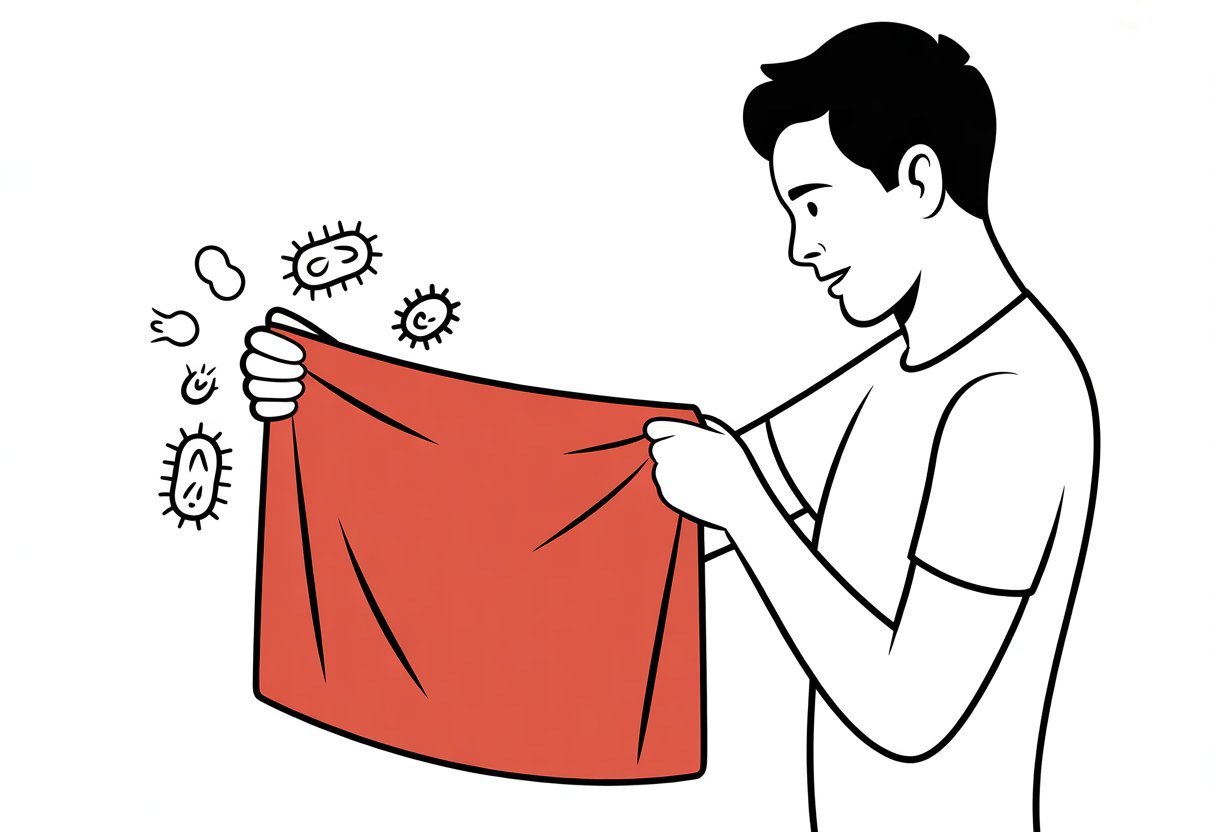
Antimicrobial fabrics rely on different types of agents that kill or stop bacteria, viruses, and fungi from growing. Metal-based treatments like silver and copper, chemical compounds such as quaternary ammonium, and natural alternatives each work in unique ways to protect textiles.
Silver Nanoparticles and Silver-Infused Fabrics
Silver nanoparticles are one of the most popular antimicrobial treatments used in textiles today. These tiny particles release silver ions that damage bacterial cell walls and interfere with their ability to reproduce. You'll find silver-infused fabrics in medical clothing, athletic wear, and bed linens.
The particles work by attaching to the surface of microbes and disrupting their normal functions. Silver ions can penetrate bacterial cells and bind to proteins and DNA, which stops them from multiplying. This makes silver particularly effective against a broad range of bacteria and some viruses.
Manufacturers add silver to fabrics through various methods. Some apply silver nanoparticles directly to the fabric surface, while others embed them into the fibres during production. The antimicrobial effects can last through multiple wash cycles, though the silver does gradually wear away over time.
Copper Ions and Copper-Infused Textiles
Copper ions provide strong antimicrobial properties similar to silver but often at a lower cost. Copper-infused fabrics work by releasing copper ions that create an inhospitable environment for microorganisms. The ions damage bacterial cell membranes and interfere with essential enzyme functions.
You'll encounter copper-infused textiles in healthcare settings, athletic wear, and home furnishings. The copper remains active even after repeated washing, making it a durable option for fabrics that need frequent cleaning.
Copper-based antimicrobial agents also show effectiveness against fungi and viruses. The metal naturally oxidises when exposed to moisture, which helps activate its antimicrobial properties. Copper-infused fabrics can maintain their protective qualities for the entire lifespan of the textile.
Quaternary Ammonium Compounds in Textiles
Quaternary ammonium compounds, often called QACs or quats, are synthetic chemicals that bond to fabric fibres. These compounds carry a positive electrical charge that attracts negatively charged bacterial cell walls. When bacteria contact the treated surface, the QACs disrupt their cell membranes and cause them to break down.
QACs are classified as non-leaching antimicrobials, which means they stay attached to the fabric rather than washing away. This makes them particularly effective for long-term protection. Manufacturers commonly use QACs in sportswear, uniforms, and upholstery fabrics.
The compounds work continuously as long as they remain on the fabric surface. They're effective against bacteria and some fungi, though they may be less effective against viruses compared to metal-based treatments.
Natural and Alternative Antimicrobial Treatments
Natural antimicrobial treatments offer an eco-friendly alternative to synthetic options. Plant extracts and essential oils from sources like tea tree, eucalyptus, and neem contain compounds that naturally fight microbes. These treatments appeal to people concerned about chemical exposure and environmental impact.
Chitosan, derived from shellfish shells, is a popular natural antimicrobial agent. It works by disrupting bacterial cell membranes and is biodegradable. Natural fibres like bamboo and hemp also have inherent antimicrobial properties, though these are generally weaker than treated fabrics.
Natural antimicrobial compositions are considered safer for your health and the environment compared to synthetic treatments. However, they typically require more frequent reapplication and may not last as long through washing cycles. Alginate and collagen hydrolysate from animal sources also show promise as natural antimicrobial treatments for textiles.
Assessing the Efficacy of Antimicrobial Fabrics
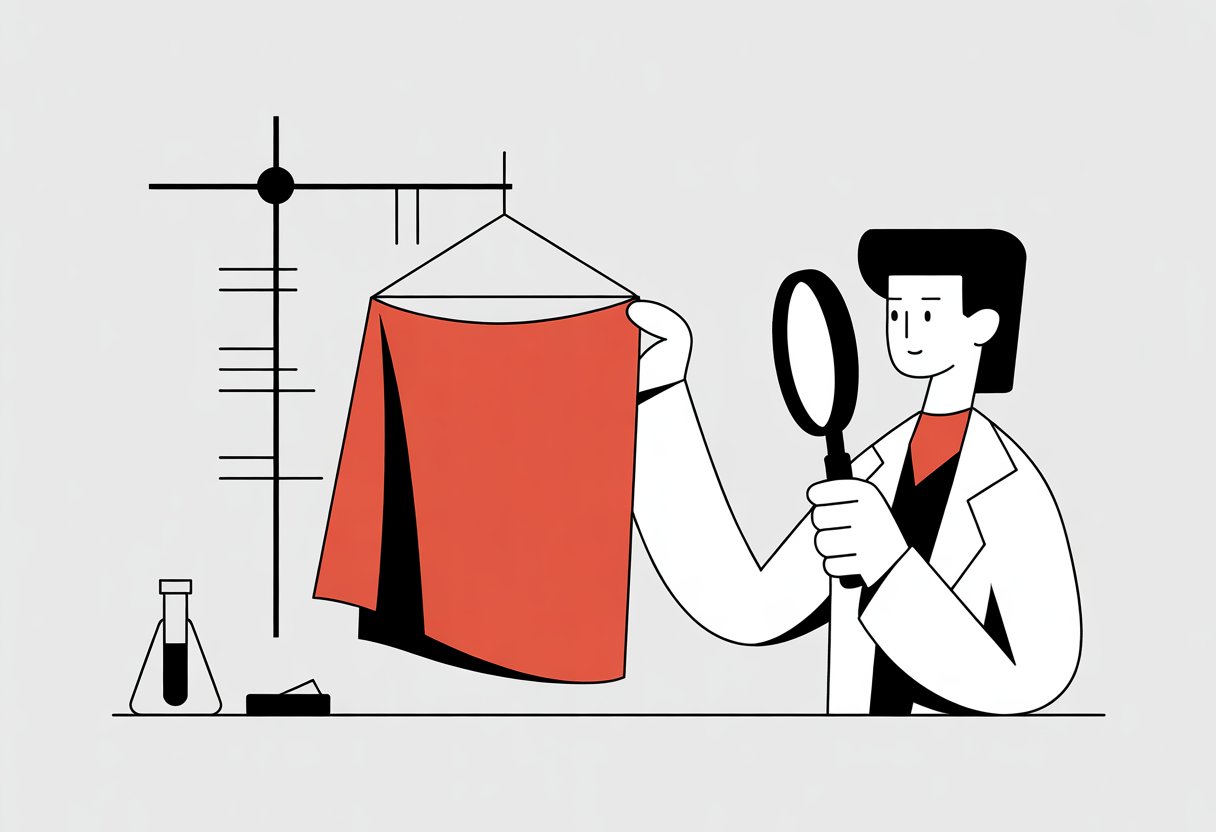
Testing methods evaluate how well antimicrobial treatments reduce bacteria and other microorganisms on fabric surfaces. Performance varies based on the testing conditions, wash cycles, and the specific pathogens involved.
Testing Standards in the Textile Industry
Multiple standards exist to measure antimicrobial efficacy, though they differ significantly in their approach. The most common North American methods include AATCC 147 and AATCC 100, which test against Staphylococcus aureus and Klebsiella pneumoniae as representative bacteria.
These standard tests have notable limitations. They typically challenge fabrics with only single organisms rather than realistic mixtures of pathogens. Many protocols require multiple fabric plies to absorb test liquids, which doesn't reflect single-layer use conditions.
Novel comprehensive testing methods now evaluate fabrics against standardised mixtures that include both pathogens and normal skin microorganisms. These improved protocols use artificial soils like sweat and serum to better model real-world conditions. Testing with 15-minute contact times instead of 24-hour exposures provides more practical performance data.
Key differences between testing standards:
Contact time (1 hour to 24 hours)
Number of organisms tested (single vs. multiple)
Presence of soil or contaminants
Number of fabric layers required
Pass-fail criteria definition
Real-World Performance and Limitations
Laboratory testing often differs from actual performance in healthcare and everyday settings. Fabrics face complex challenges including mixed bacterial populations, body oils, sweat, and environmental contaminants that standard tests may not replicate.
Research shows that antimicrobial fabrics can achieve 3.00 to 4.00 log reductions (99.9% to 99.99% kill rates) against individual pathogens in controlled conditions. However, performance depends heavily on the type of antimicrobial agent, fabric construction, and presence of organic matter.
The effectiveness varies across different microorganism types. Some treatments work better against gram-positive bacteria than gram-negative species. Fungi and viruses may require different antimicrobial approaches entirely.
Longevity and Durability Post-Washing
The antimicrobial efficacy of treated fabrics decreases over time and with repeated washing. How quickly this happens depends on the type of antimicrobial technology used and how it's bonded to the fibres.
Some treatments last through 50 or more home launderings while maintaining over 90% odour reduction. Others lose effectiveness after just a few wash cycles. N-halamine fabrics offer a unique advantage because they can be recharged with diluted bleach rinses after the active chlorine components are depleted.
Washing conditions significantly impact durability. Hot water, harsh detergents, and mechanical agitation can strip surface-applied treatments faster than those bonded into fibres. You should follow manufacturer care instructions to maximise the lifespan of antimicrobial properties.
Concerns about antimicrobial resistance have emerged as fabrics release low levels of active agents during use and washing. This gradual release may expose bacteria to sub-lethal concentrations that could promote resistance development over time.
Key Benefits and Everyday Applications
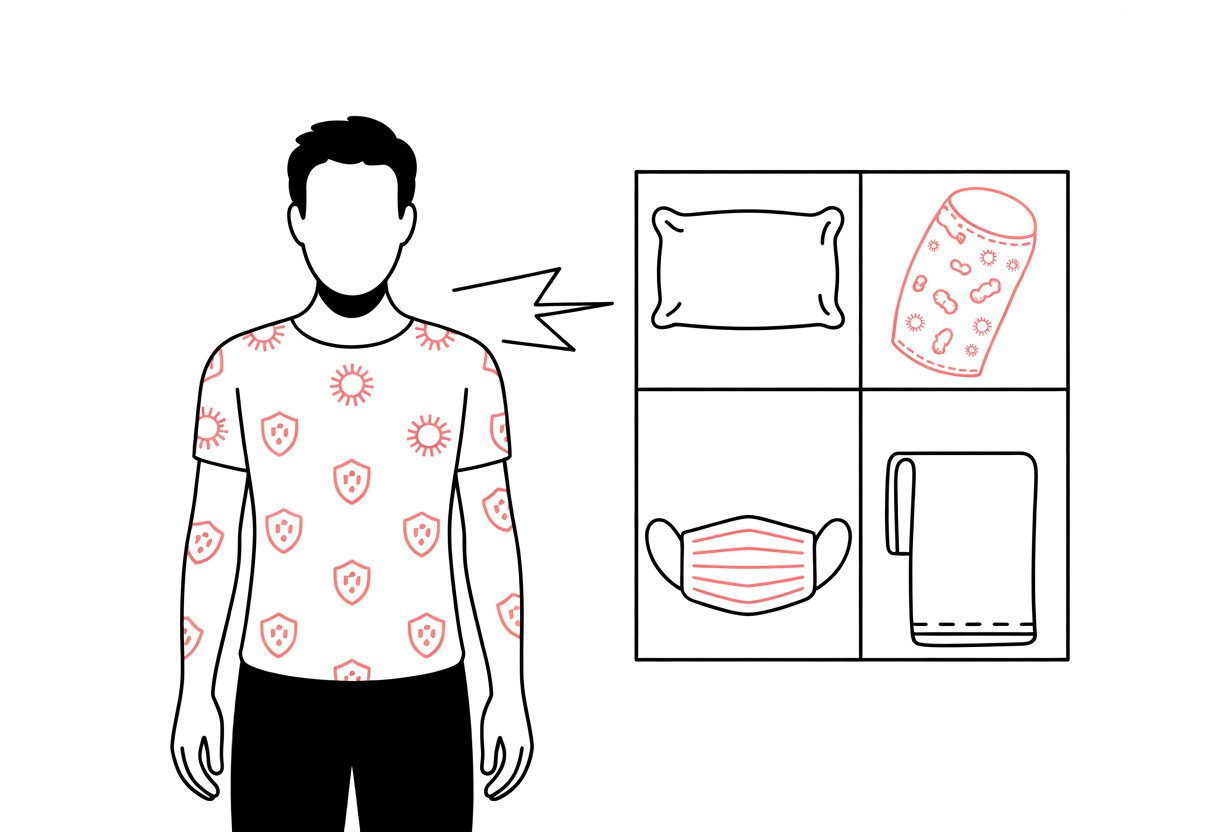
Antimicrobial fabrics deliver measurable advantages across healthcare settings, personal clothing, and product longevity. One of the primary benefits of antimicrobial fabrics is their ability to reduce the need for harsh chemical cleaners. These materials reduce harmful microorganisms on contact. Highlighting the benefits of antimicrobial fabrics helps users understand their role in maintaining hygiene.
Infection Control and Healthcare Outcomes
Healthcare facilities face constant challenges with healthcare-associated infections (HAIs), which affect thousands of patients annually. Antimicrobial medical textiles provide an additional layer of defence on surfaces such as bedding, curtains, uniforms, and patient gowns, reducing pathogen transmission between patients and healthcare workers.
Hospital linens, surgical gowns, and patient gowns treated with antimicrobial agents actively inhibit bacterial and viral growth on fabric surfaces. This becomes especially important in intensive care units and operating theatres where vulnerable patients face heightened infection risks.
Studies show that when hospitals implement antimicrobial textiles throughout their facilities, they see measurable improvements in infection control. The fabrics work continuously between washing cycles, maintaining their protective properties even with repeated use. This sustained antimicrobial activity helps improve patient outcomes by reducing exposure to dangerous pathogens like MRSA and other drug-resistant organisms that commonly spread through textile contact in medical environments.
Odour Reduction and Hygiene in Clothing
Antimicrobial clothing helps prevent the spread of bacteria, viruses, and other microorganisms while keeping garments fresher between washes. Bacteria that cause unpleasant odours cannot multiply as readily on treated fabrics, which means your workout clothes, socks, and everyday wear stay cleaner-smelling for longer periods.
This benefit extends beyond personal comfort. You can wear antimicrobial garments multiple times before washing, which saves water and energy while reducing wear on the fabric itself. Athletic wear, undergarments, and work uniforms particularly benefit from this technology since these items contact your skin directly and accumulate sweat and bacteria quickly.
The hygiene advantages matter most in situations where regular laundering proves difficult or impractical. Travel clothing, camping gear, and uniforms worn in hot environments maintain better freshness when made with antimicrobial fabrics.
Enhanced Durability and Product Lifespan
Antimicrobial textiles stay fresher longer and retain their quality, making them more durable than standard fabrics. Microorganisms naturally degrade textile fibres over time, causing premature wear, discolouration, and structural breakdown.
When fabrics resist microbial growth, they maintain their original strength and appearance through many more use cycles. You need fewer replacements, which reduces both costs and environmental waste. Towels, bedding, upholstery, and clothing all last longer when protected against microbial degradation.
The extended lifespan proves especially valuable for expensive items like hotel and resort bedding, curtains, upholstery, and towels that undergo frequent washing. These textiles maintain their structural integrity and aesthetic appeal far longer than untreated alternatives, providing better return on investment for commercial operations and household budgets alike.
Industry Uses and Innovations in Textile Technology
Antimicrobial textiles have expanded from hospital settings into everyday products like workout clothes and bedding. New methods for adding antimicrobial treatments to fabrics now include nanoparticle coatings, natural plant extracts, and smart textiles that combine multiple functions.
Medical Settings: Gowns, Linens, and PPE
Healthcare facilities use antimicrobial textiles to reduce the spread of infections between patients and staff. Hospital gowns, surgical gowns, bed linens, curtains, and uniforms treated with antimicrobial agents create an extra barrier against MRSA and Candida albicans.
Antimicrobial treatments in healthcare textiles work by disrupting bacterial cell membranes or blocking their ability to reproduce. Common antimicrobial agents include silver nanoparticles, copper particles, and quaternary ammonium compounds. These treatments help prevent hospital-acquired infections, which remain a major concern in medical facilities worldwide.
Personal protective equipment (PPE) like face masks and surgical gowns now incorporate antimicrobial technology. These protective surgical gowns help minimize contamination risks in sterile environments. The treatments remain active through multiple wash cycles, though effectiveness decreases over time depending on the specific agent used and washing conditions.
Activewear, Home Textiles, and Smart Textiles
You'll find antimicrobial fabrics in gym clothes, socks, and athletic gear where they control odour-causing bacteria during exercise. Antimicrobial fabric treatments reduce odour formation by stopping bacterial growth in sweat-prone areas.
Home textiles including towels, sheets, and upholstery now feature antimicrobial properties. These innovations extend product lifespan while maintaining freshness between washes.
Smart textiles represent the next evolution in antimicrobial fabric technology. These advanced materials combine temperature regulation, moisture management, and antimicrobial protection in single fabrics. Some smart textiles use graphene or shape-memory materials alongside antimicrobial agents to create multi-functional clothing.
Emerging Trends and Future Developments
Fabric technologies continue advancing with eco-friendly antimicrobial agents derived from natural sources like tea tree oil and plant-based compounds. These biodegradable alternatives address environmental concerns about synthetic antimicrobial treatments accumulating in water systems.
Researchers are developing self-cleaning textiles that use photocatalytic coatings with titanium dioxide nanoparticles. When exposed to light, these coatings break down bacteria and viruses on fabric surfaces. Nanotechnology allows for more precise application of antimicrobial agents, reducing the amount needed while improving effectiveness.
Food packaging textiles with antimicrobial properties help extend shelf life and reduce waste. Agricultural and veterinary industries also adopt these materials to maintain sanitary conditions. Future developments focus on creating rechargeable antimicrobial treatments that you can restore through simple processes rather than replacing the entire textile.
Potential Challenges and Considerations
While antimicrobial fabrics offer protective benefits, they face several important limitations. These include the risk of bacteria developing resistance, potential health effects on users, environmental concerns, and the degradation of antimicrobial properties over time.
Development of Antimicrobial Resistance
One of the most serious concerns with antimicrobial fabrics is their potential contribution to antimicrobial resistance. When bacteria are repeatedly exposed to antimicrobial agents at low concentrations, they can develop resistance mechanisms that make treatments less effective.
This issue becomes particularly problematic when the same antimicrobial compounds used in textiles are also used in medical settings. For example, triclosan was once widely used in both antibacterial soaps and medical textiles before concerns about resistance led to regulatory restrictions.
The development of resistance depends on several factors. These include the concentration of antimicrobial agents, frequency of exposure, and the specific types of microorganisms present. Research continues to evaluate whether widespread use of antimicrobial textiles contributes to broader public health challenges related to drug-resistant infections.
Safety and Human Health Risks
Antimicrobial agents embedded in fabrics can cause adverse reactions in some users. Skin irritation represents one of the most common complaints, particularly with synthetic antimicrobial compounds like quaternary ammonium compounds and triclosan.
Chemical antimicrobial treatments such as polyhexamethylene biguanide and triclosan may cause skin irritation and pose environmental risks through persistent residues. People with sensitive skin or existing dermatological conditions face higher risks of reactions.
Some antimicrobial agents also raise concerns about endocrine disruption. Triclosan, for instance, has been classified as an endocrine disrupting chemical, which led to its ban in certain consumer products in 2016. Despite these concerns, it remains permitted in some applications within regulated limits.
Long-term exposure effects remain unclear. You should consider these potential risks when choosing antimicrobial textiles, especially for items in direct contact with your skin for extended periods.
Environmental Impact and Sustainability
The environmental impact of antimicrobial textiles extends throughout their lifecycle. During manufacturing, washing, and disposal, antimicrobial agents can leach into water systems and soil, where they may harm aquatic organisms and disrupt ecosystems.
Silver nanoparticles and copper compounds, while effective antimicrobial agents, accumulate in the environment due to their persistence. These metals don't break down naturally and can reach toxic concentrations in waterways over time.
Wastewater treatment plants often cannot fully remove these antimicrobial compounds. This means they enter natural water bodies where they may affect beneficial bacteria and other microorganisms essential to ecosystem health.
Natural antimicrobial alternatives like chitosan and plant-based compounds offer improved biodegradability. However, they typically provide shorter-lasting protection and require more frequent reapplication compared to synthetic options.
Care, Washing, and Maintenance Recommendations
Antimicrobial properties degrade significantly after repeated washing or wear, which compromises their effectiveness. This represents a major limitation for fabrics that require frequent laundering, such as athletic wear or healthcare textiles.
The durability of antimicrobial treatments varies widely based on the application method and agent type. When washing antimicrobial fabrics, certain detergents can degrade the active treatment faster than others.
Surface-applied treatments wash away more quickly
Embedded antimicrobial fibres maintain effectiveness longer
Chemically bonded treatments offer moderate durability
You should follow specific care instructions to maximise the lifespan of antimicrobial properties. Hot water, harsh detergents, and chlorine bleach accelerate the breakdown of many antimicrobial agents. Gentler washing cycles with mild detergents help preserve effectiveness. Proper washing antimicrobial fabric requires following the manufacturer's temperature guidelines to prevent chemical leaching.
Even with proper care, most antimicrobial fabrics lose significant efficacy within 20 to 50 wash cycles. You'll need to replace these items more frequently than standard textiles to maintain antimicrobial benefits, which increases both cost and environmental impact.
Frequently Asked Questions
Antimicrobial fabrics can reduce bacteria by up to 99% in as little as two hours, though effectiveness depends on the treatment type and application. These treated textiles work against various microorganisms while raising questions about safety and longevity.
How effective are antimicrobial fabrics in preventing the spread of bacteria?
Antimicrobial technology can achieve up to a 99% reduction in microbes within two hours of contact. Research shows that fabrics impregnated with antimicrobial agents work as barriers to control microorganism transmission in healthcare settings.
The effectiveness varies based on the type of antimicrobial treatment used. Silver nanoparticles and copper oxide are the main substances used to treat fabrics, with copper oxide-impregnated textiles reducing healthcare-associated infection indicators by up to 55.5% in long-stay hospital settings.
Patient linens and clothing treated with antimicrobial agents show better results than healthcare workers' uniforms. The fabrics work best when they maintain direct contact with potential contamination sources.
Are antimicrobial treatments for fabrics safe for skin contact?
Many antimicrobial fabrics contain potentially harmful treatments that affect your skin microbiome. Heavy metals, silane compounds, and chlorine-based treatments are commonly used but may cause skin irritation in some people.
Antimicrobial sheets can help if you have sensitive skin or allergies by reducing bacteria and allergen buildup. However, you should consider the specific treatment method used on the fabric.
Silver nanoparticles embedded in fabric show antimicrobial properties without necessarily causing skin problems. Copper oxide treatments at 1% concentration have been tested in healthcare settings where patients had direct contact with treated fabrics.
What types of microorganisms are antimicrobial fabrics designed to resist?
Antimicrobial linens protect against acne-causing bacteria, cross-contamination, odour, fungus, mildew, bacteria, and mould. These fabrics target both gram-positive and gram-negative bacteria, as well as fungi.
Treated fabrics show varying effectiveness against different microorganisms. Silver nanoparticle treatments demonstrate activity against Staphylococcus aureus bacteria and Candida albicans yeast, though they may be less effective against Escherichia coli.
The fabrics also work against viruses on textile surfaces, though viral viability varies based on the specific pathogen. Healthcare-associated infections from multiple microorganism types can be reduced through antimicrobial fabric use.
How long do antimicrobial properties in fabrics last?
The durability of antimicrobial treatments depends on the application method and the substances used. Fabrics treated with embedded nanoparticles generally maintain their properties longer than surface-applied treatments.
Repeated washing affects the longevity of antimicrobial properties. Some treatments lose effectiveness after multiple wash cycles, while others maintain their antimicrobial action through numerous launderings.
Copper oxide and silver treatments bonded to fabric fibres tend to last longer than topical applications. You should check manufacturer specifications for the expected lifespan of treated fabrics you purchase.
Can antimicrobial fabrics help reduce odours caused by bacteria?
Antimicrobial fabrics are effective against odour and bacteria by preventing bacterial growth that causes unpleasant smells. By reducing microbial load, textiles remain visibly clean and hygienic for longer periods.
Bacteria produce odour compounds as they multiply on fabric surfaces. When antimicrobial treatments kill or inhibit these bacteria, they stop odour formation at its source.
This benefit applies to bed linens, clothing, and towels that come into contact with sweat and body oils. The fabrics stay fresher between washes compared to untreated textiles.
What is the difference between antimicrobial and antibacterial fabrics?
An antimicrobial is any substance that kills or inhibits the growth of microorganisms by suppressing their reproduction. Antibacterial treatments specifically target bacteria only.
Antimicrobial fabrics provide broader protection against bacteria, fungi, mould, and some viruses. Antibacterial fabrics focus solely on preventing bacterial growth and may not address other microorganisms.
You'll find antimicrobial treatments more common in healthcare and hospitality settings where multiple contamination types exist. Antibacterial fabrics work well for applications where bacterial control is the primary concern.
Ready to shop? Shop antimicrobial mattresses at National Mattress.
 by
by 


